
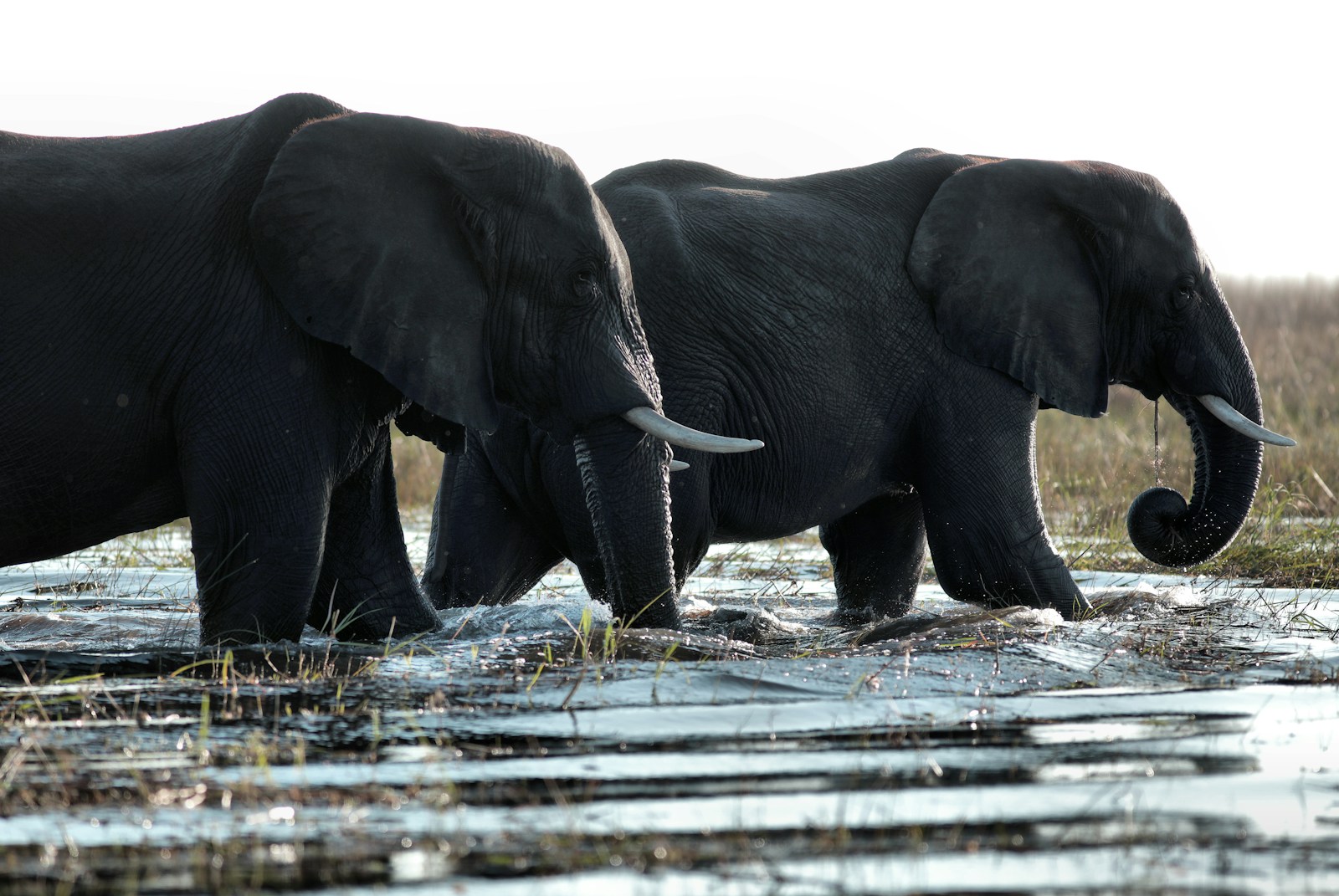
In an era of unprecedented environmental challenges, scientists face a critical need to gather extensive data about wildlife populations, behaviors, and habitats across vast geographical areas. Traditional research methods, while valuable, often lack the necessary scale to address today’s conservation challenges. Enter citizen science—a powerful approach that engages volunteers from all walks of life in the scientific process. By contributing observations, collecting samples, and monitoring wildlife, everyday people are transforming our understanding of ecosystems while fostering a deeper connection with nature. This collaborative approach between professional researchers and enthusiastic volunteers has revolutionized wildlife research, creating a symbiotic relationship that benefits both science and society.
The Rise of Citizen Science in Wildlife Research
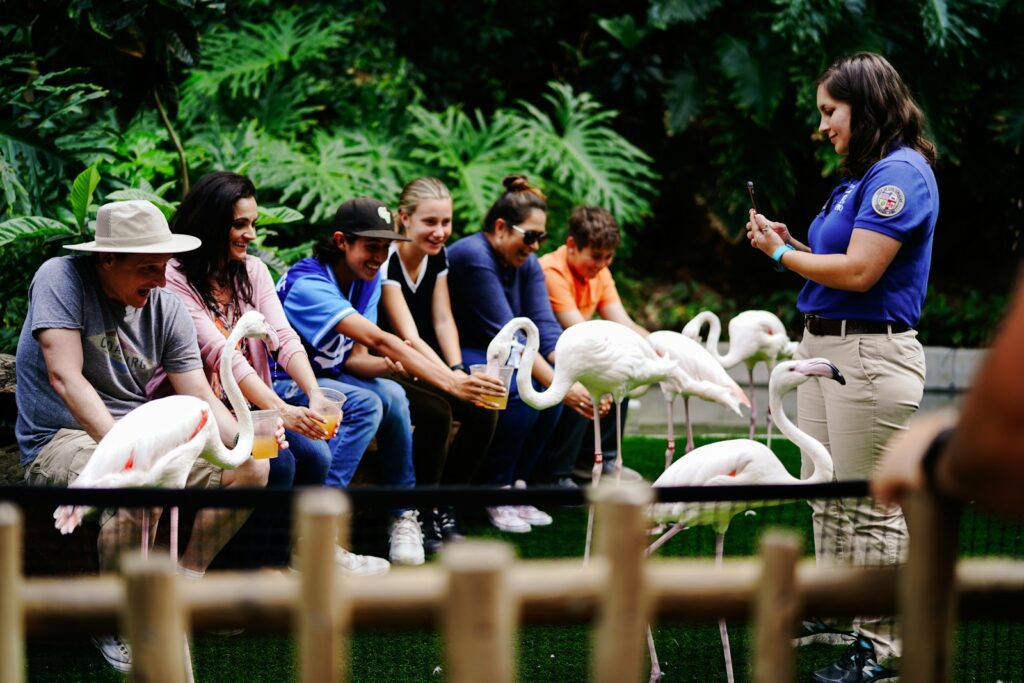
Citizen science has roots dating back centuries, with early naturalists often relying on observations from farmers, hunters, and other community members. However, the modern citizen science movement has exploded in recent decades, fueled by technological advances that make participation easier than ever. Smartphone apps, online databases, and social media platforms now allow anyone with internet access to contribute valuable wildlife data. Organizations like the Cornell Lab of Ornithology pioneered many early large-scale projects, demonstrating that properly designed volunteer programs could produce scientifically rigorous results. Today, thousands of citizen science initiatives operate worldwide, addressing everything from butterfly migrations to urban mammal populations, creating a global network of volunteer researchers who collectively contribute millions of observations annually.
Expanding Data Collection Beyond Traditional Boundaries
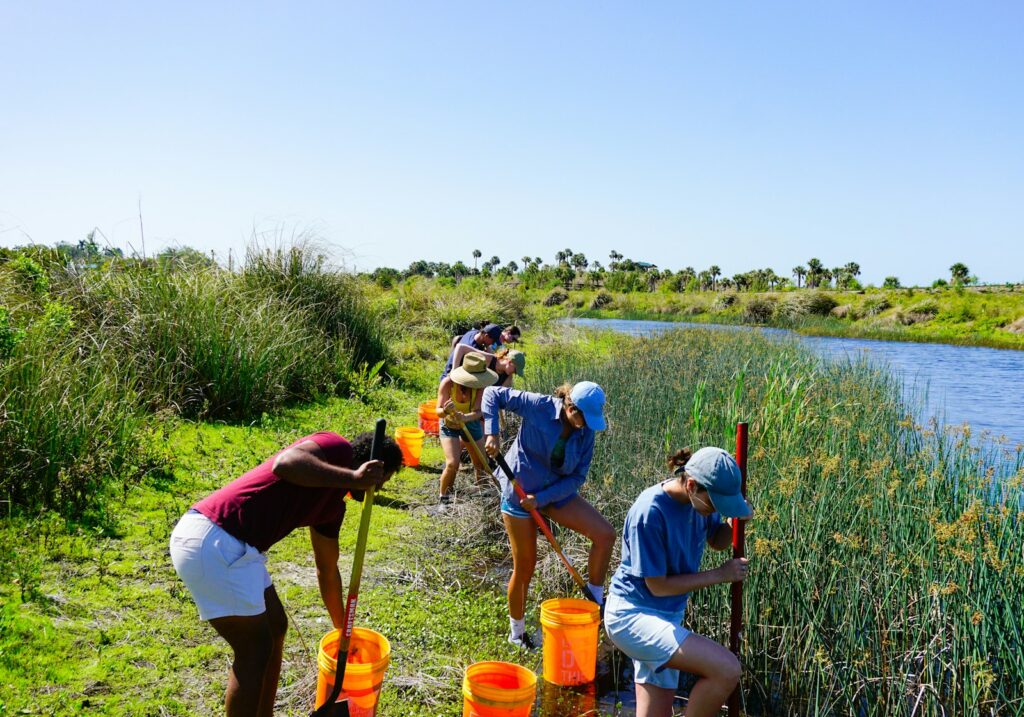
One of the most significant advantages citizen science brings to wildlife research is the dramatic expansion of data collection capabilities. Professional scientists, limited by time, funding, and personnel, can rarely achieve the geographical coverage that a network of volunteers provides. For example, the Christmas Bird Count, run by the National Audubon Society since 1900, engages tens of thousands of participants across the Americas to document winter bird populations. This single event generates millions of bird observations annually, creating one of the longest-running wildlife datasets in existence. Similarly, projects monitoring monarch butterfly migrations or frog populations can track species across entire continents through volunteer observations. This extensive spatial and temporal coverage allows researchers to detect patterns and trends that would remain invisible with conventional research methods.
Technology as the Great Enabler

The technological revolution has transformed citizen science from a niche activity to a mainstream research approach. Mobile applications like iNaturalist, eBird, and Zooniverse allow participants to submit observations instantly from the field, complete with GPS coordinates, photos, and timestamps that verify the data. Machine learning algorithms now assist with species identification, helping volunteers make more accurate submissions while simultaneously training AI systems to better recognize wildlife. Online platforms create communities where participants can discuss findings, learn from experts, and see how their contributions fit into the bigger scientific picture. These technological tools not only make participation more accessible but also enhance data quality through built-in validation systems and expert review processes that flag unusual or potentially erroneous submissions.
Monitoring Population Trends and Distributions
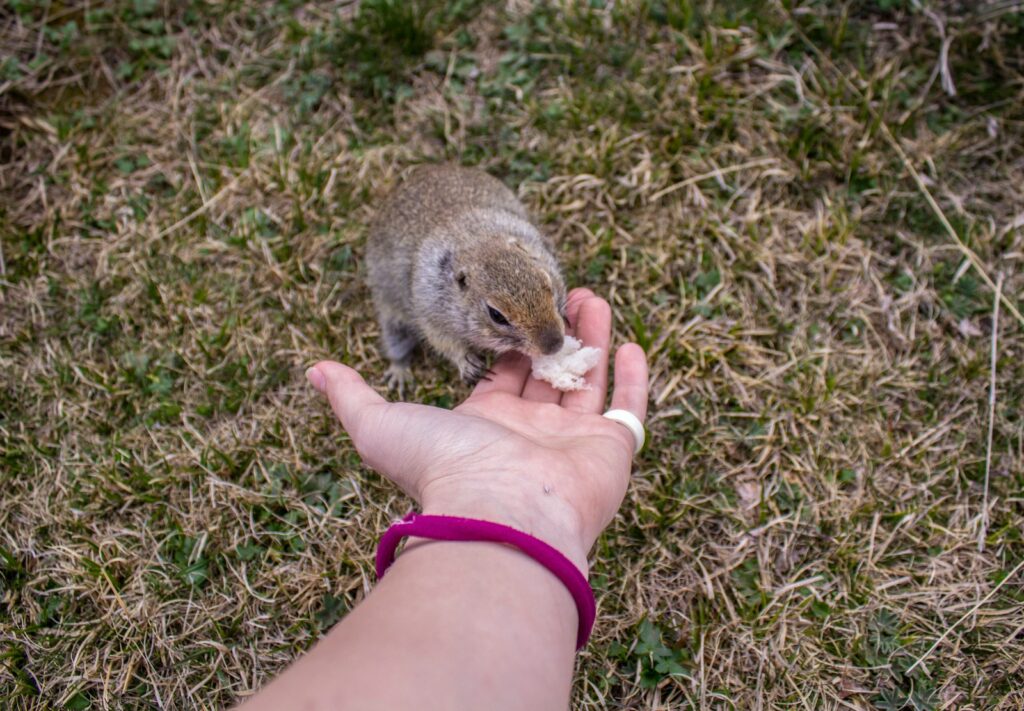
Citizen science has proven particularly valuable for tracking changes in wildlife populations over time and space. Projects like the North American Breeding Bird Survey rely on volunteers to conduct standardized counts along established routes year after year, creating reliable trend data for hundreds of bird species. These consistent, long-term datasets allow scientists to detect population declines that might otherwise go unnoticed until reaching crisis levels. The FrogWatch USA program similarly tracks amphibian populations through volunteer monitoring of calling frogs and toads during breeding seasons. Marine mammal stranding networks along coastlines worldwide depend on beachgoers and coastal residents to report stranded animals, providing crucial information about mortality events and population health. These collective monitoring efforts create early warning systems for species in trouble, allowing conservation interventions before populations collapse.
Discovering New Species and Behaviors
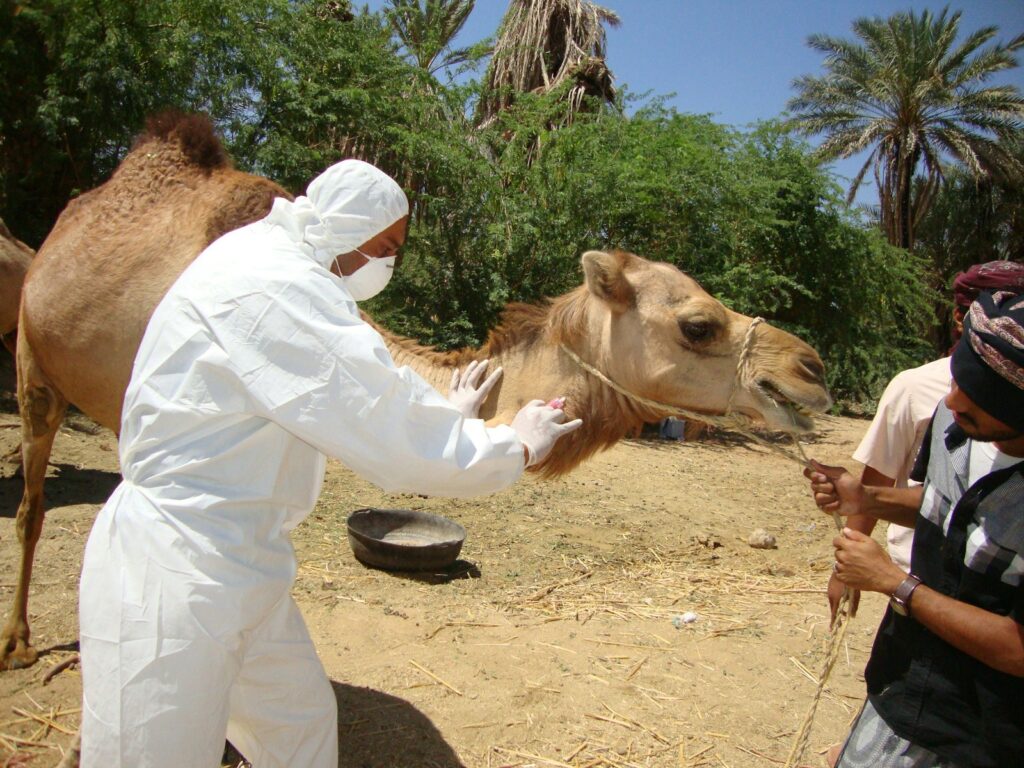
Remarkably, citizen scientists regularly contribute to the discovery of new species and previously undocumented behaviors. The vast network of amateur naturalists exploring diverse habitats sometimes encounter organisms unknown to science. In 2012, a participant in BioBlitz Australia photographed an unusual spider that was later confirmed as a new species. Volunteer photographers participating in the California Academy of Sciences’ Lost Ladybug Project rediscovered the nine-spotted ladybug, thought to have disappeared from eastern North America. Beyond new species, citizen scientists frequently document range expansions, behavioral adaptations, and unusual interactions between species. For instance, backyard bird watchers have documented novel feeding behaviors and unexpected breeding locations that provide insights into how wildlife adapts to changing environments, particularly in urban and suburban settings where professional researchers may spend less time.
Addressing Conservation Challenges

Conservation efforts increasingly rely on citizen science data to identify threats and develop effective responses. Tracking invasive species, one of today’s most pressing ecological concerns, has been revolutionized by volunteer reporting networks. The Early Detection & Distribution Mapping System (EDDMapS) collects thousands of invasive species sightings annually, allowing rapid response to new invasions before they become unmanageable. Wildlife disease monitoring, such as the Garden Wildlife Health project in the UK, depends on public reports of sick or dead animals to track emerging pathogens affecting wild populations. Climate change impacts on wildlife are documented through initiatives like Nature’s Calendar, which records the timing of seasonal events like flowering, migration, and hibernation. These datasets help conservation managers understand which species and habitats face the greatest threats and where to direct limited resources for maximum impact.
Educational Benefits and Scientific Literacy
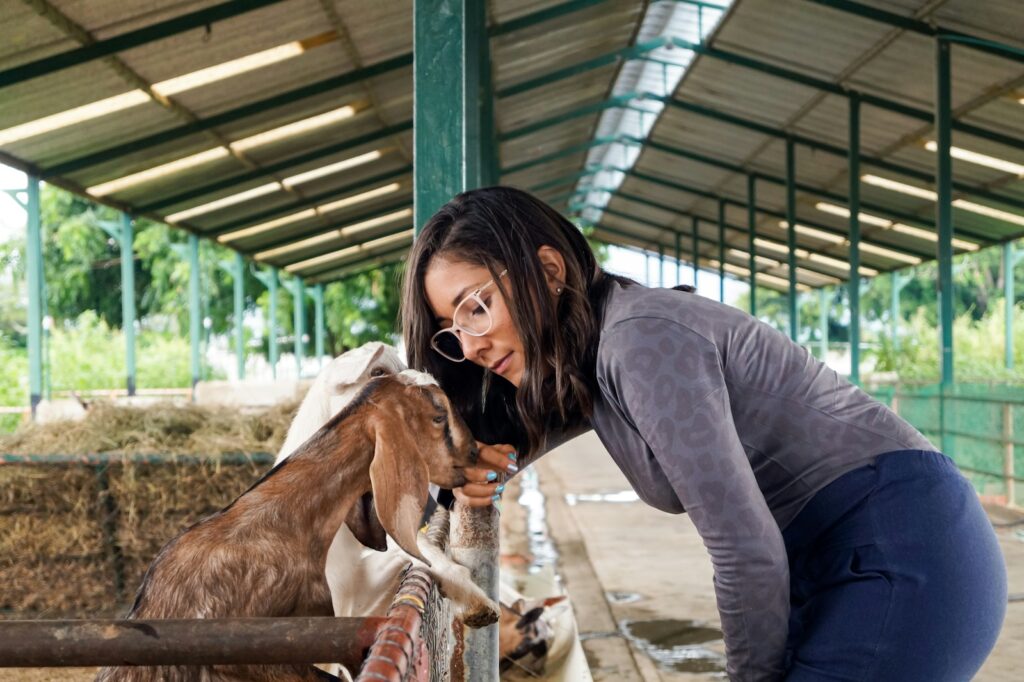
Participation in wildlife citizen science creates powerful educational opportunities that extend far beyond data collection. Volunteers develop observational skills, learn scientific protocols, and gain deeper understanding of ecological concepts through direct experience. Many participants report increased knowledge about local biodiversity and environmental issues as a direct result of their involvement. Schools increasingly incorporate citizen science into science curricula, allowing students to contribute to real research while developing critical thinking skills and environmental awareness. Studies show that active participation in scientific research leads to better retention of knowledge than traditional classroom learning alone. Perhaps most importantly, citizen science bridges the gap between scientific institutions and the public, creating a more scientifically literate society better equipped to address complex environmental challenges.
Community Building and Environmental Stewardship
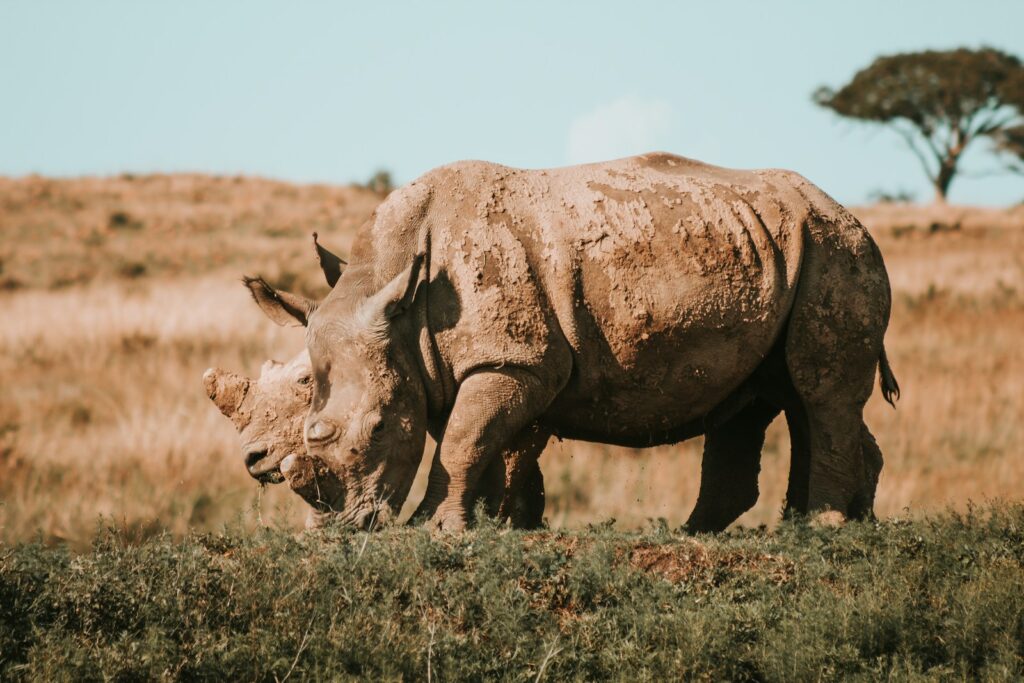
Wildlife citizen science fosters community connections and environmental stewardship that extend beyond the research itself. Local monitoring projects often bring together diverse community members around shared conservation goals, creating social bonds that strengthen neighborhoods and towns. The City Nature Challenge exemplifies this community-building aspect, with cities worldwide competing to document urban biodiversity while simultaneously creating connections between participants. These social networks frequently evolve into advocacy groups that work to protect local natural areas, influence policy decisions, and promote sustainable practices. Research shows that participation in citizen science correlates with increased pro-environmental behaviors, from creating wildlife habitat in private yards to supporting conservation legislation. By transforming abstract environmental concerns into concrete personal experiences, citizen science cultivates a deeper sense of connection to and responsibility for the natural world.
Ensuring Data Quality and Scientific Rigor

A common concern about citizen science is data quality, but well-designed projects incorporate multiple strategies to ensure scientific rigor. Many initiatives include training components that teach volunteers proper protocols and identification skills before they begin collecting data. Tiered participation models allow volunteers to contribute at different levels based on their expertise, with beginners focusing on common species while experienced participants tackle more challenging identifications. Digital platforms often incorporate automated filters that flag unusual observations for expert review, reducing the likelihood of errors entering the final dataset. Statistical methods have been developed specifically for citizen science data that account for variations in observer skill and effort. Studies comparing professional and volunteer-collected data generally find high levels of agreement when appropriate quality control measures are in place, validating citizen science as a legitimate research methodology.
Addressing Research Gaps in Urban and Private Lands

Citizen scientists provide invaluable access to research sites that professional scientists often struggle to study adequately. Private lands, which constitute the majority of land in many countries, are largely inaccessible to researchers without owner participation. Backyard wildlife projects like Yard Map and Garden BirdWatch enable data collection from these otherwise closed ecosystems. Urban environments, increasingly recognized as important wildlife habitat, benefit from resident observers who document species adapting to city life. The Urban Wildlife Information Network relies on volunteers to monitor wildlife in metropolitan areas across North America, revealing surprising biodiversity in even the most developed settings. Residential neighborhoods, corporate campuses, farms, and other private properties collectively represent a massive research opportunity that citizen science uniquely addresses, filling critical knowledge gaps about how wildlife navigates human-dominated landscapes.
Global Collaboration and Cross-Border Research

Wildlife doesn’t recognize political boundaries, making international research collaboration essential for many species—particularly migratory animals. Citizen science excels at facilitating cross-border research that would be logistically challenging for professional scientists alone. The Monarch Watch program tracks butterfly migrations between Canada, the United States, and Mexico through a network of volunteers tagging butterflies and reporting sightings. The International Waterbird Census coordinates volunteers across Africa, Europe, and Asia to simultaneously count waterbirds, creating comprehensive population estimates for species that regularly cross continents. eBird’s global platform enables bird migration tracking across hemispheres, with observations from over 200 countries contributing to a unified database. These international networks not only produce valuable scientific insights but also foster cross-cultural connections and shared environmental values that transcend national divisions.
Future Directions and Emerging Opportunities

The future of citizen science in wildlife research looks increasingly sophisticated and integrated with professional science. Advances in environmental DNA (eDNA) analysis are creating opportunities for volunteers to collect water or soil samples that can reveal the presence of multiple species through their genetic traces. Acoustic monitoring programs enable citizens to deploy recording devices that capture wildlife sounds for automated species identification. Satellite and drone imagery analysis is being crowdsourced to count animals in remote areas or track habitat changes over time. Increasingly, citizen science data is being incorporated into professional research through data-sharing agreements and integrated databases. As artificial intelligence continues to develop, the synergy between human observers and machine learning algorithms promises to further enhance the power of volunteer contributions. These technological advances, combined with growing institutional recognition of citizen science’s value, suggest an increasingly prominent role for public participation in tomorrow’s wildlife research.
Conclusion: A Democratized Approach to Wildlife Research
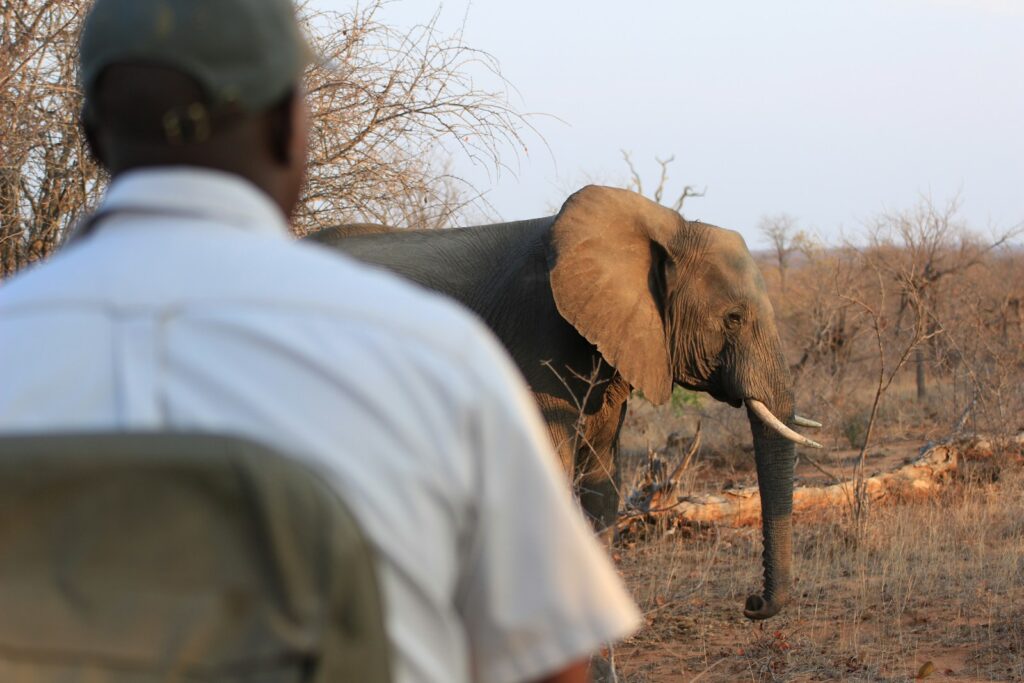
Citizen science represents a profound democratization of wildlife research that benefits both science and society. By engaging thousands of volunteers across diverse landscapes, researchers gain access to unprecedented quantities of data that would be impossible to collect through traditional means alone. Wildlife benefits from more comprehensive monitoring, faster identification of threats, and broader public support for conservation measures. Participants gain scientific knowledge, develop stronger connections to nature, and experience the satisfaction of contributing to important research. As environmental challenges grow more complex and urgent, the collaborative model of citizen science offers a powerful approach that combines scientific rigor with public engagement. The future of wildlife research will likely see increasing integration between professional and citizen scientists, creating a more inclusive and effective scientific enterprise capable of addressing the biodiversity challenges of the 21st century.