
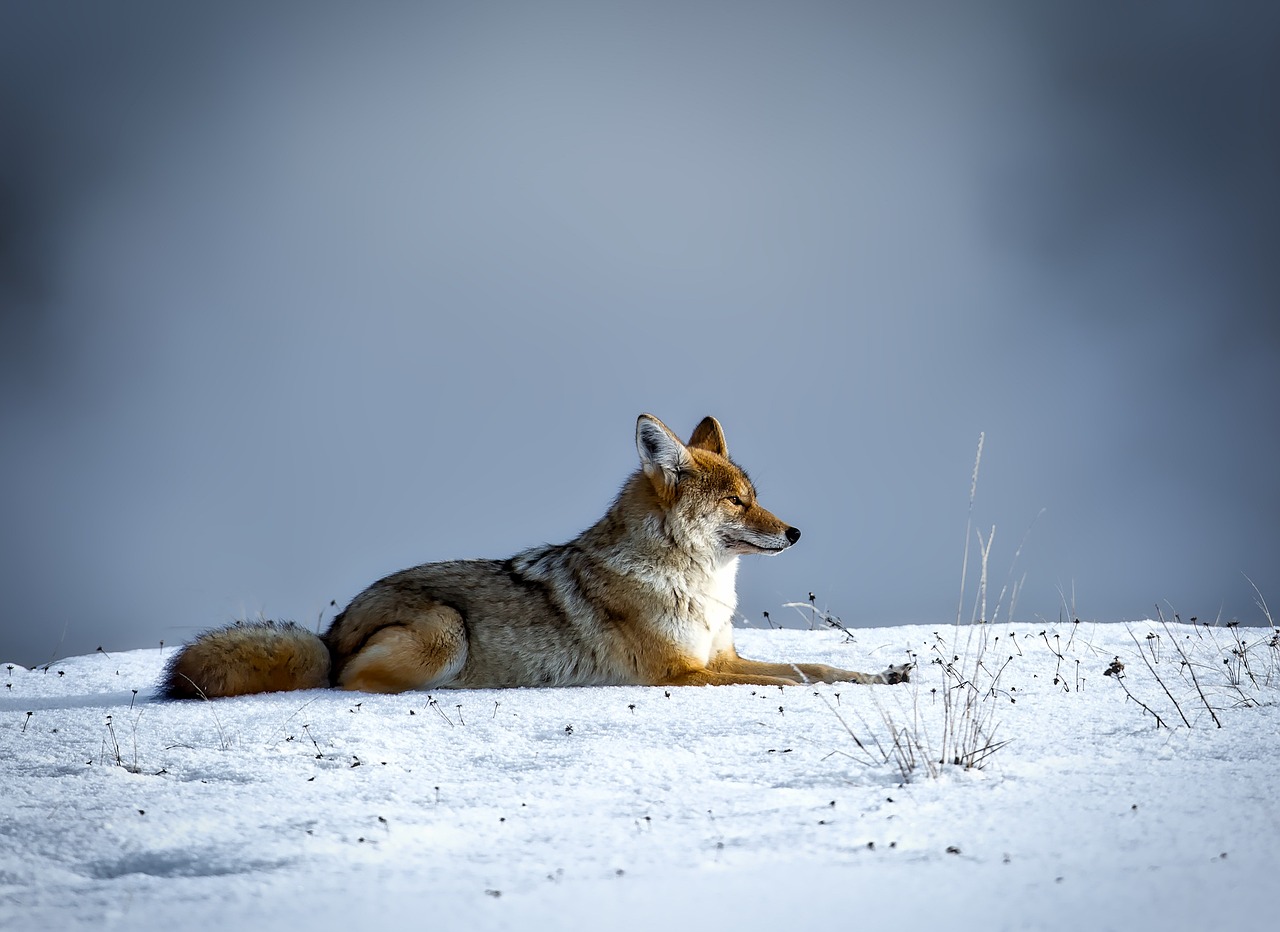
While many species struggle to adapt to human expansion and environmental changes, one remarkable animal has not only survived but thrived: the coyote. These resilient canids have expanded their territory across North America despite human efforts to control their populations. From scorching deserts to frigid tundra, from remote wilderness to bustling urban centers, coyotes have demonstrated an unparalleled ability to adapt and persist. Their success story represents one of the most impressive examples of wildlife adaptation in the modern era, offering valuable insights into evolutionary resilience and ecological flexibility. As we explore the remarkable survival strategies of these intelligent predators, we’ll discover how coyotes have become masters of adaptation in an ever-changing world.
Remarkable Range Expansion: A Success Story
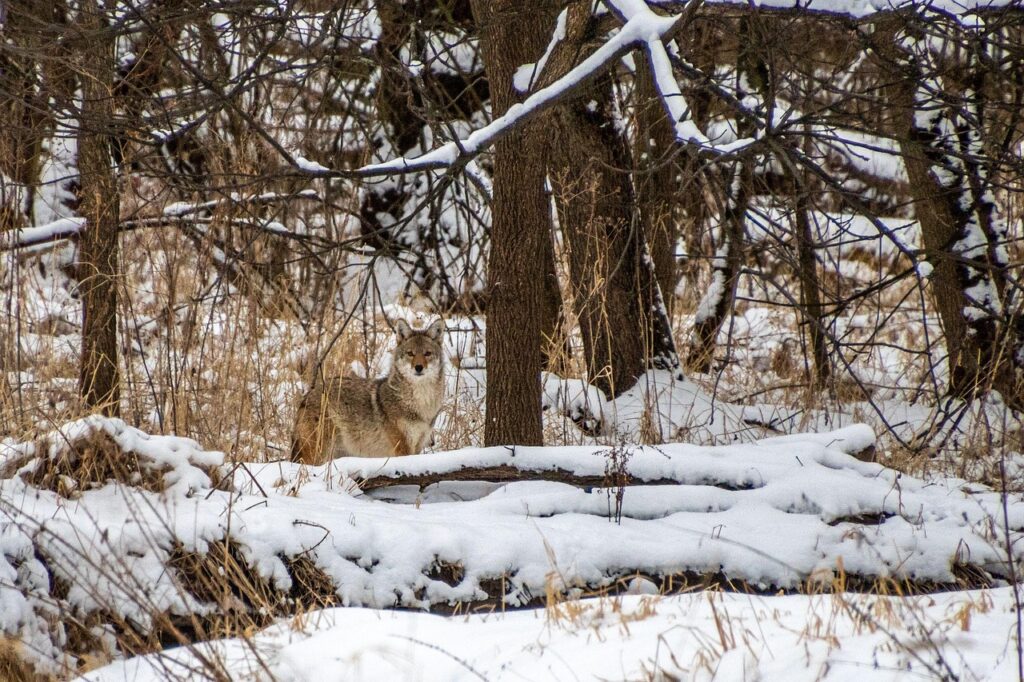
Coyotes have achieved what few other wild mammals have managed in recent history: a dramatic expansion of their natural range. Originally native to the western plains and deserts of North America, coyotes now inhabit virtually every ecosystem on the continent, from Alaska to Panama. This territorial expansion occurred largely during the 20th century, coinciding with human modification of landscapes and the elimination of wolves from many regions. Scientists estimate that coyotes now occupy nearly 3.5 million square miles of territory, a threefold increase from their historical range. Perhaps most remarkably, this expansion happened despite intensive lethal control programs that have removed hundreds of thousands of coyotes annually for decades, demonstrating their exceptional resilience in the face of direct persecution.
Biological Adaptability: The Physical Advantages
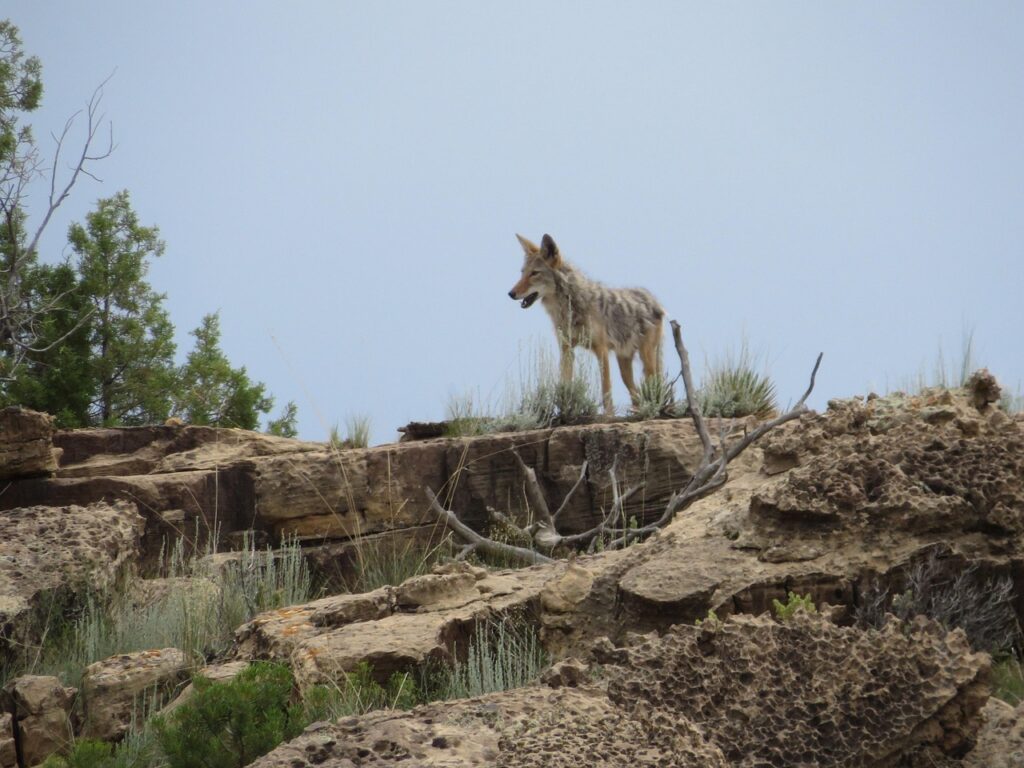
The coyote’s physical adaptations provide a foundation for their remarkable success across diverse environments. These medium-sized canids typically weigh between 20-50 pounds, making them large enough to take down significant prey but small enough to remain inconspicuous when necessary. Their dense double coat adjusts seasonally, allowing them to withstand temperatures ranging from -30°F in northern winters to 120°F in desert summers. Coyotes possess exceptional sensory capabilities, with hearing sensitive enough to detect rodents moving underground and olfactory powers estimated to be 100 times more acute than humans. Their efficient digestive system can process everything from fruits and insects to carrion and live prey, allowing them to extract maximum nutrition from whatever food sources are available in their environment.
Dietary Flexibility: The Ultimate Opportunists
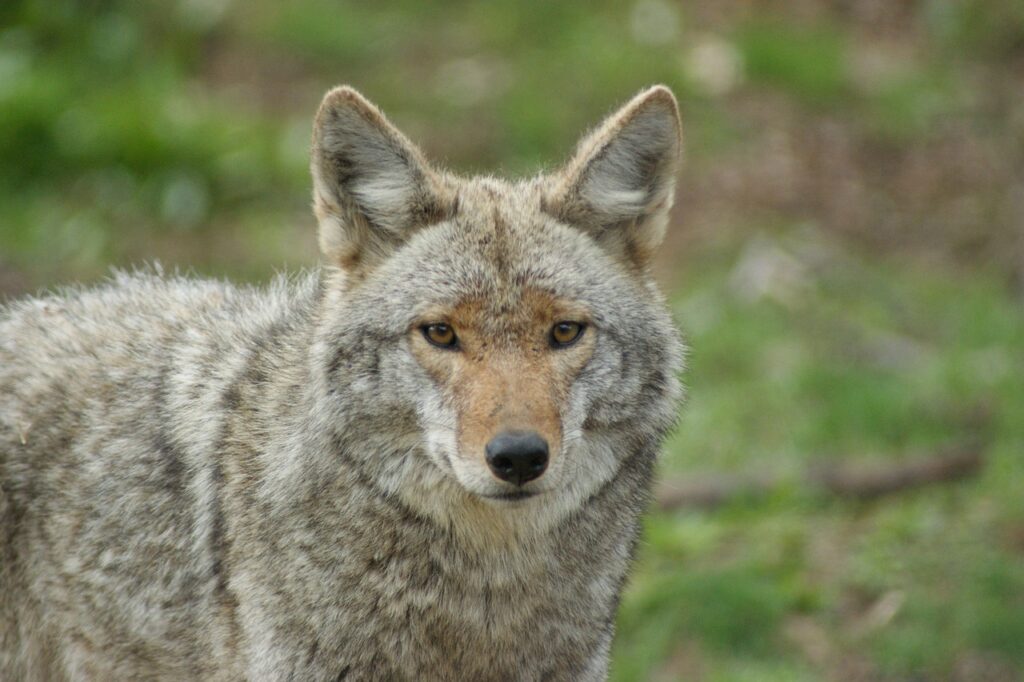
Perhaps no aspect of coyote biology better explains their success than their extraordinarily adaptable diet. Unlike specialized predators that depend on specific prey species, coyotes are true omnivores capable of subsisting on whatever food sources are locally abundant. Studies of coyote scat have identified over 200 different food items in their diet, ranging from mammals, birds, and reptiles to fruits, vegetables, and human garbage. In agricultural areas, they might primarily consume rodents that damage crops, while urban coyotes often rely heavily on human food waste supplemented by small pets and urban wildlife. This dietary flexibility allows coyotes to adjust their foraging strategies seasonally and geographically, ensuring they can find sustenance in virtually any habitat. Even during times of scarcity, coyotes can survive on a fraction of their normal caloric intake while maintaining hunting efficiency.
Social Structure Flexibility: Adapting Family Dynamics
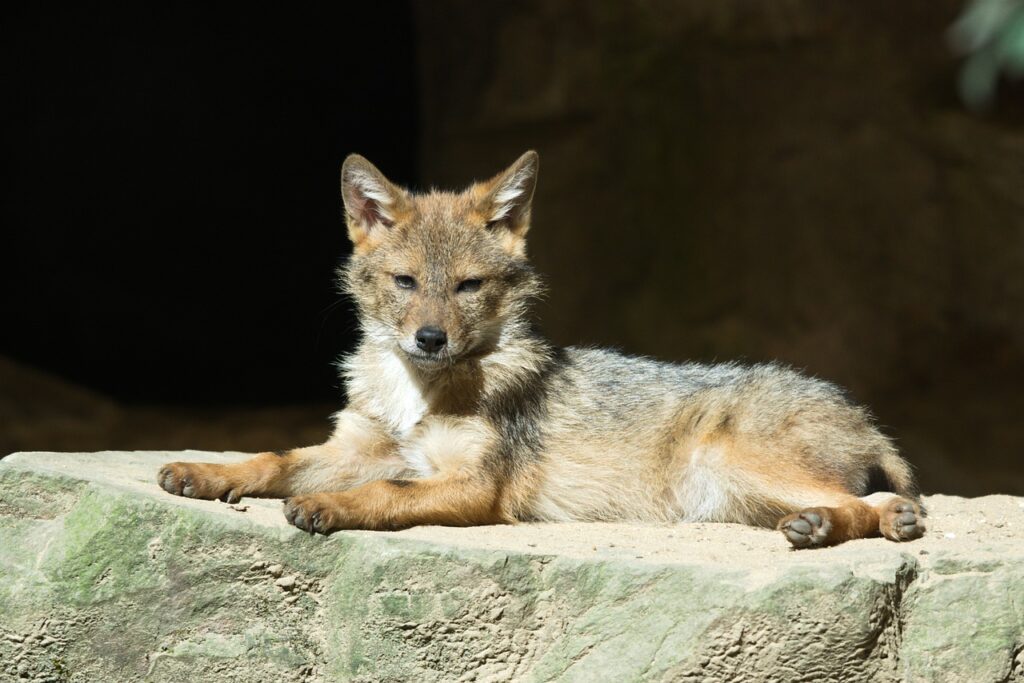
The coyote’s adaptable social structure represents another key to their remarkable success across diverse landscapes. Unlike wolves with their rigid pack hierarchy, coyote social organization exists on a spectrum from solitary individuals to complex family groups, depending on habitat conditions and resource availability. In areas with abundant resources, coyotes may live as mated pairs defending modest territories, while in regions where prey requires cooperative hunting, they may form small packs of related individuals. Research has shown that under intense hunting pressure, coyote populations respond by increasing their reproductive rates and dispersal distances. Female coyotes in heavily hunted areas often produce larger litters, sometimes doubling from the typical 4-6 pups to 8-12, and may breed at an earlier age. This reproductive plasticity allows populations to quickly rebound from losses and colonize new territories.
Urban Adaptation: Thriving in Human Landscapes
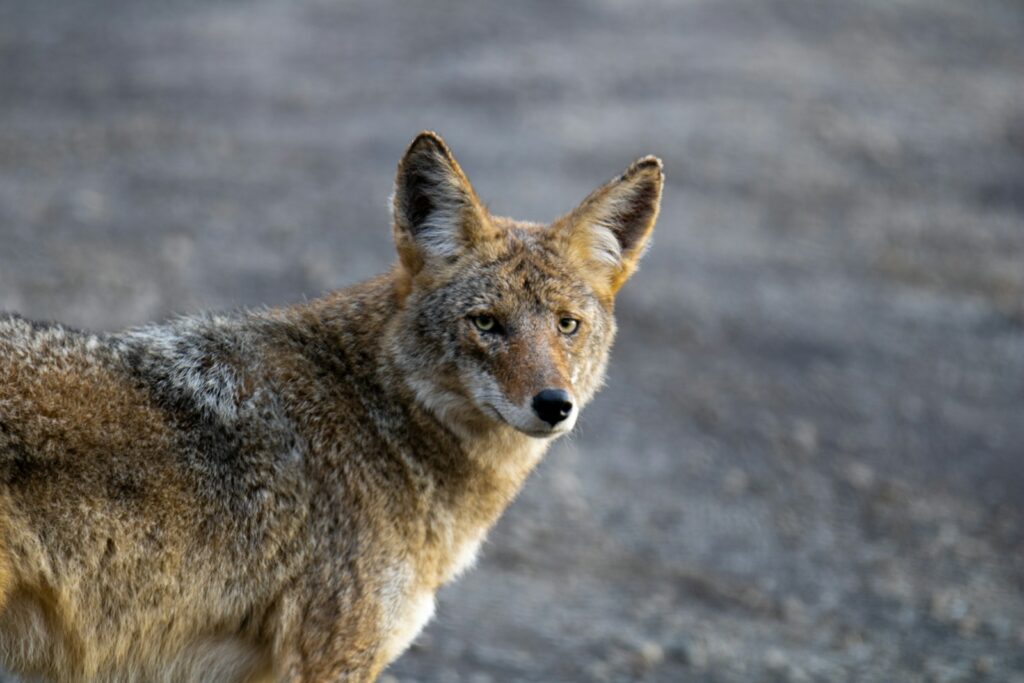
Perhaps most impressive in the coyote success story is their colonization of urban environments, a feat few large predators have accomplished. Cities like Chicago, Los Angeles, and New York now host substantial coyote populations that have learned to navigate complex human landscapes. Urban coyotes display remarkable behavioral adaptations, becoming primarily nocturnal to avoid human contact and utilizing linear corridors like railroad tracks, power lines, and drainage systems to move safely through developed areas. Research from the Urban Coyote Research Project has documented coyotes living entirely within city limits, raising pups in small patches of habitat like cemeteries, golf courses, and even industrial areas. Some urban coyotes have been tracked covering territories of less than one square mile, compared to rural territories that may span 10-20 square miles, demonstrating their ability to compress their spatial requirements when resources are concentrated.
Ecological Intelligence: Problem-Solving Predators
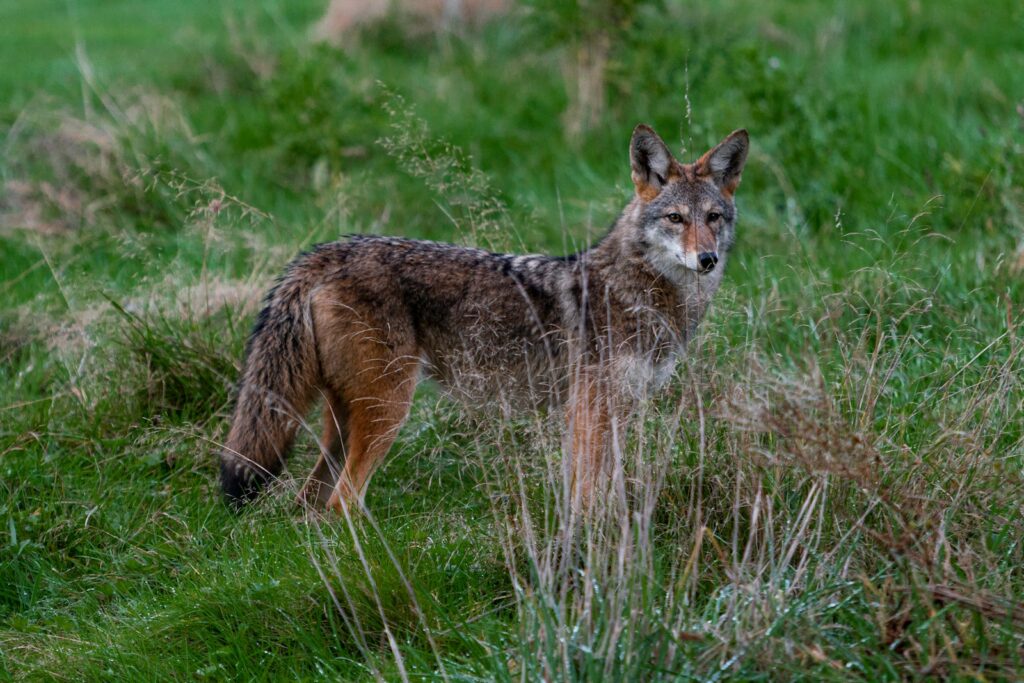
The cognitive abilities of coyotes play a crucial role in their adaptability across environments. Coyotes possess remarkable problem-solving skills that allow them to overcome challenges and exploit new opportunities. Research has demonstrated that coyotes can learn to defeat complex predator-proof fencing, manipulate sophisticated trapping systems, and even understand traffic patterns when crossing busy roads. Their intelligence extends to social learning, with studies showing that experienced coyotes can teach younger animals specialized hunting techniques or how to access difficult food sources. Coyotes have been observed using strategic hunting behaviors, such as working in teams to separate prey from groups or using decoy tactics to distract defending animals. Their exceptional memory allows them to create detailed mental maps of their territory, remembering seasonal food sources and potential danger zones across large landscapes.
Mesopredator Release: Filling the Apex Predator Vacuum
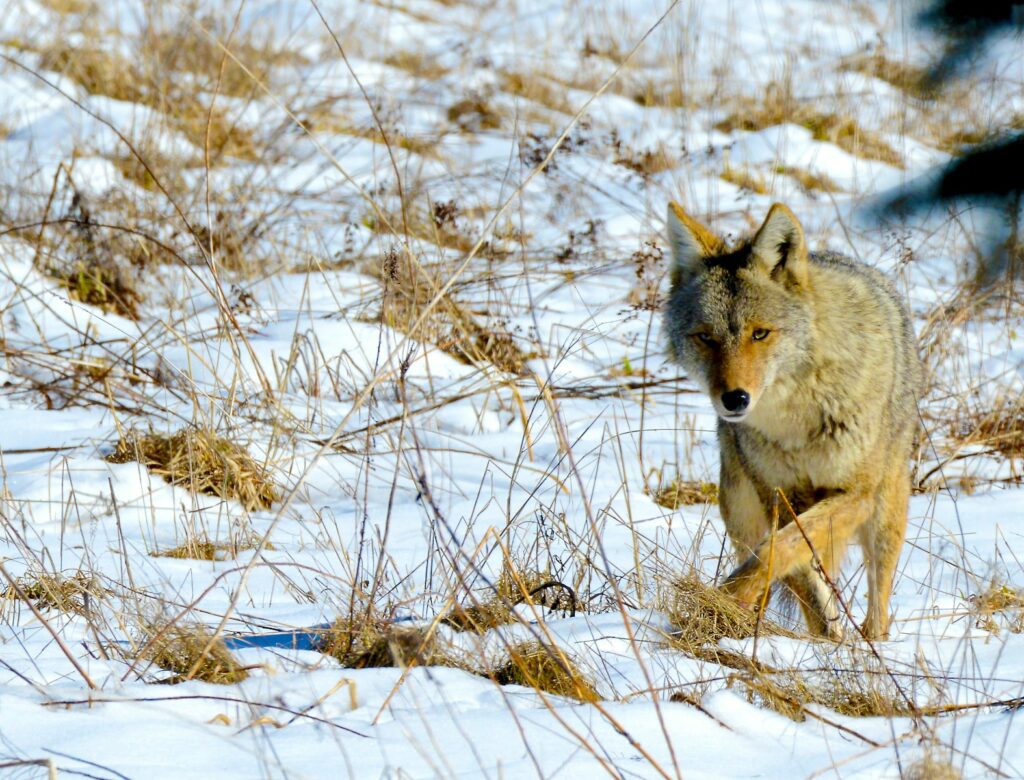
The elimination of wolves and other large carnivores from much of North America created ecological opportunities that coyotes readily exploited. This phenomenon, known as mesopredator release, occurs when the removal of apex predators allows medium-sized predators like coyotes to increase in abundance and expand their ecological role. Without competition and predation from wolves, coyotes have been able to colonize territories that were historically wolf domain. In these newly occupied landscapes, coyotes have sometimes stepped into the ecological role of apex predator, influencing the abundance and behavior of smaller predators and prey species. The cascading ecological effects of coyote expansion have been documented in studies showing changes in rodent, rabbit, and ground-nesting bird populations following coyote colonization. This ecological flexibility demonstrates how coyotes can adjust not just their individual behavior but their entire ecological function depending on the community of species around them.
Genetic Adaptability: Hybridization and Selection
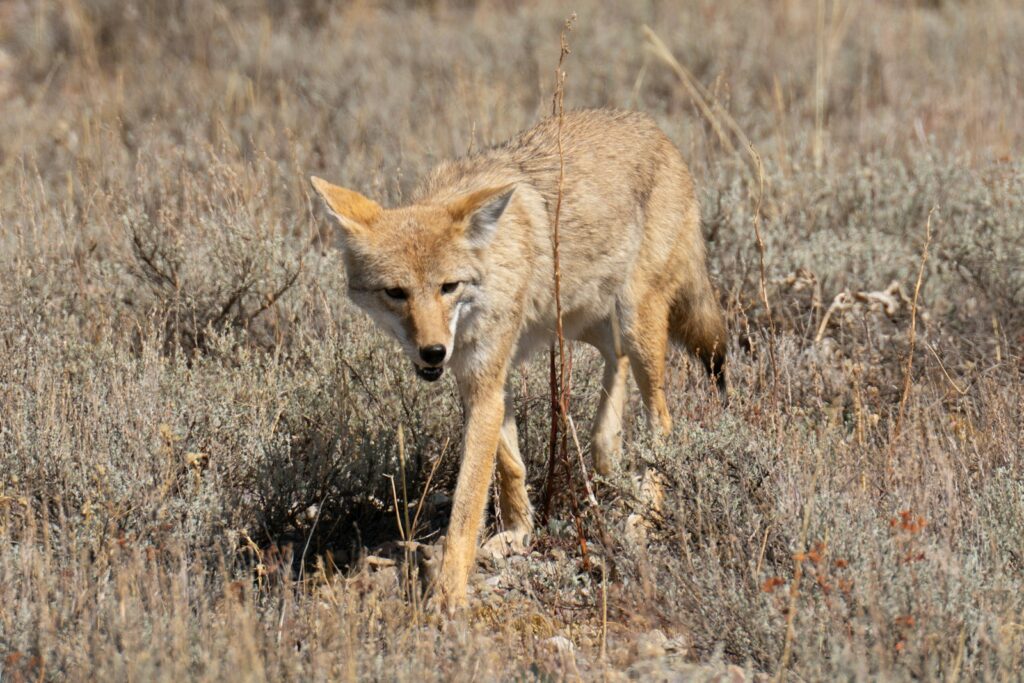
The genetic adaptability of coyotes has contributed significantly to their success across diverse environments. In regions where coyotes have expanded into former wolf territory, particularly in the northeastern United States and eastern Canada, scientists have documented hybridization between coyotes and eastern wolves or domestic dogs. These hybrid “coywolves” often possess genetic advantages that combine the coyote’s adaptability with some of the wolf’s larger size and pack-hunting abilities. Beyond hybridization, coyote populations show evidence of rapid natural selection in response to environmental pressures. Urban coyote populations display genetic markers associated with boldness and novel food exploitation, while populations in heavily hunted areas show selection for wariness and increased reproductive capacity. Research suggests that coyotes can undergo significant genetic adaptation in as few as 5-10 generations, allowing them to fine-tune their traits to specific environmental challenges much faster than many other mammals.
Resilience to Control Efforts: Bouncing Back
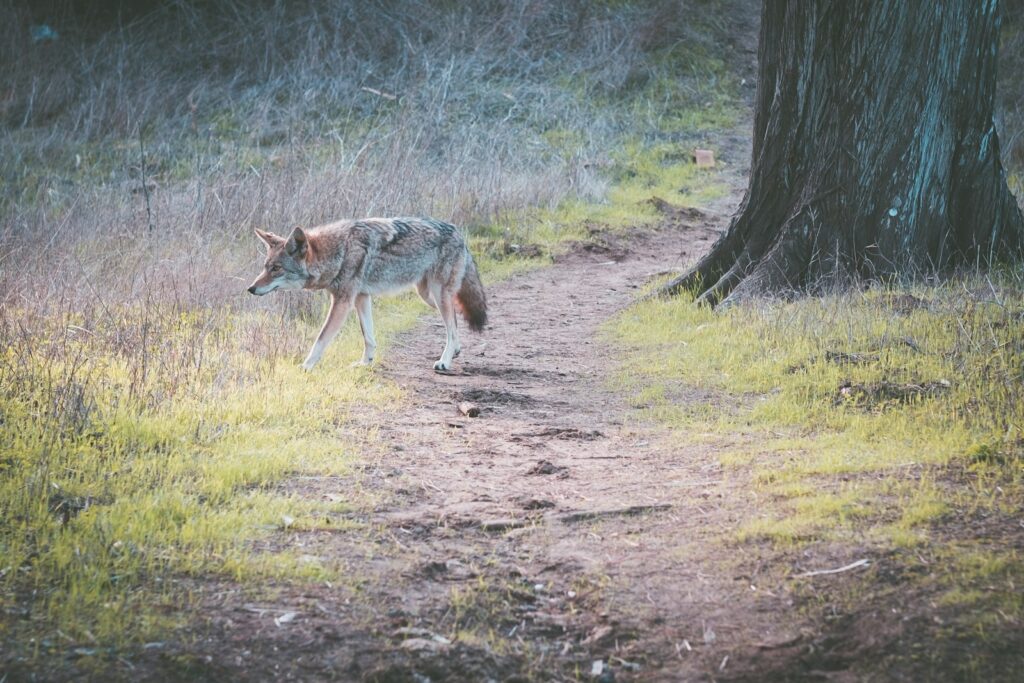
Perhaps the most remarkable aspect of coyote success is their ability to withstand and even thrive under intensive human persecution. For over a century, government agencies and private individuals have waged war on coyote populations, using trapping, shooting, poisoning, and den destruction in attempts to reduce their numbers. Despite the removal of hundreds of thousands of coyotes annually, populations have continued to expand in range and numbers. Studies have revealed the biological mechanisms behind this resilience, including compensatory reproductive responses where removal of coyotes triggers larger litter sizes and earlier breeding in surviving animals. Territorial vacuums created by lethal control often attract multiple new coyotes, sometimes replacing a single removed animal with an entire family group. Additionally, intensive hunting pressure selects for more cautious, nocturnal behavior and faster maturation, effectively accelerating coyote evolution toward traits that make them even more difficult to control.
Climate Change Adaptation: Ready for Environmental Shifts
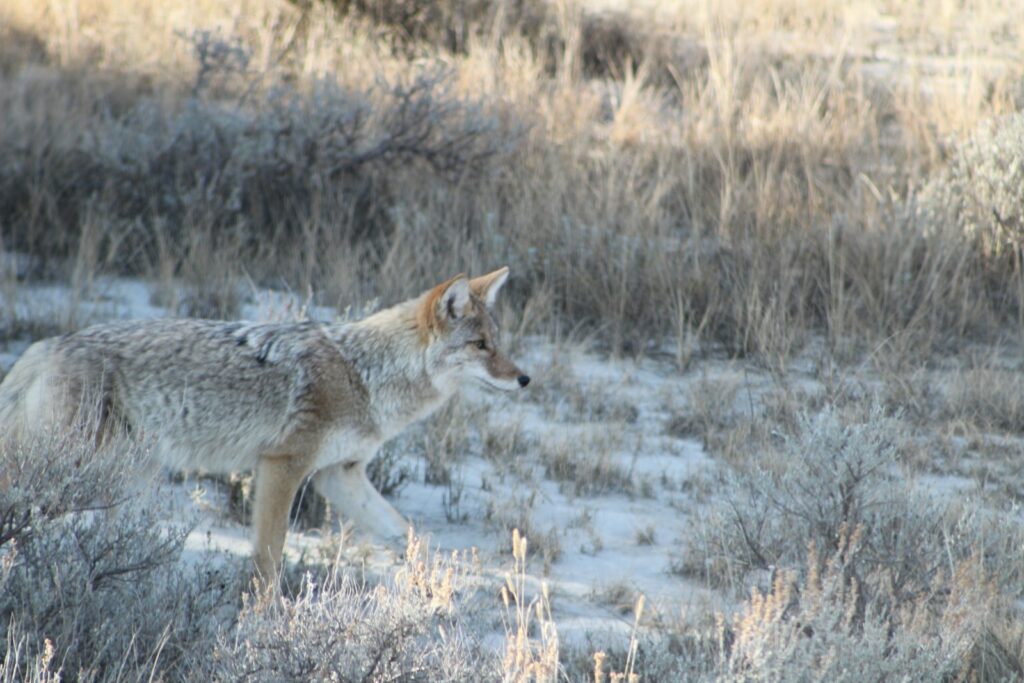
As climate change alters ecosystems across North America, coyotes appear well-positioned to adapt to these environmental shifts. Their physiological tolerance for temperature extremes allows them to persist in areas experiencing more frequent heat waves or cold snaps. Research tracking coyotes during severe weather events has shown their ability to find microhabitats that offer protection, such as using dense vegetation during heatwaves or snow dens during polar vortex events. Their dietary flexibility enables coyotes to shift food preferences as climate change alters the abundance and distribution of prey species and plant foods. In regions experiencing increased drought frequency, coyotes have demonstrated enhanced water conservation abilities, obtaining much of their moisture needs from the tissues of prey animals. This suite of adaptations suggests coyotes will likely continue to thrive as climate patterns shift, potentially expanding further into northern territories as warming trends continue.
Behavioral Plasticity: Adjusting to Local Conditions
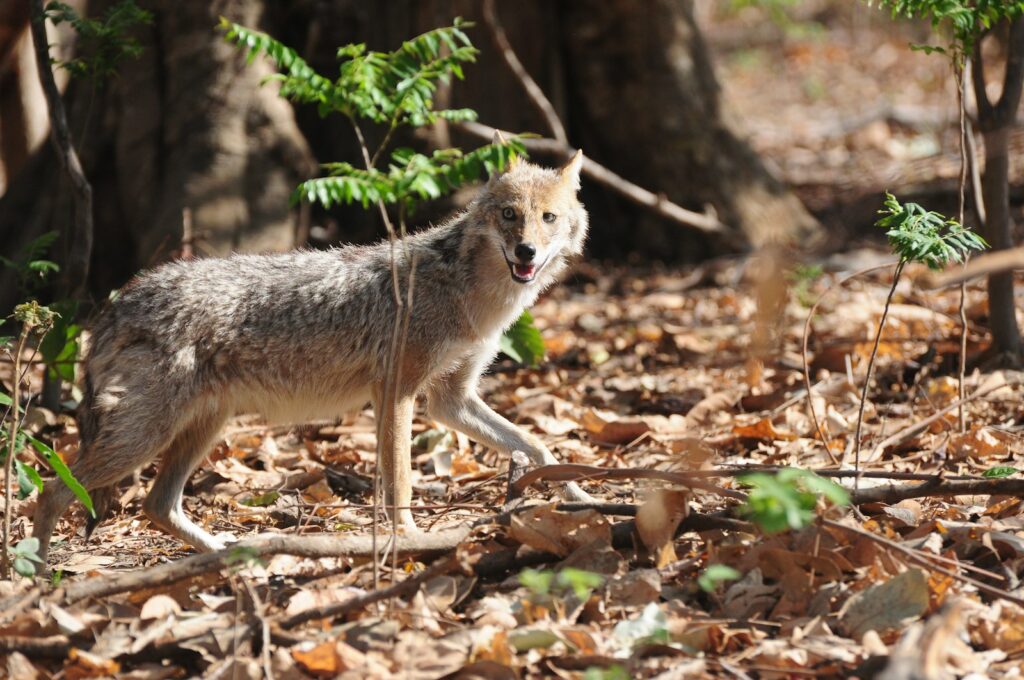
The behavioral flexibility of coyotes allows them to fine-tune their activities to local conditions, further enhancing their survival across diverse landscapes. In human-dominated environments, coyotes quickly learn to avoid dangerous encounters by becoming more nocturnal and developing heightened awareness of human activity patterns. Research using GPS collars has revealed that urban coyotes will modify their movement corridors seasonally, using different routes during tourist seasons or adjusting to construction activities. In areas with seasonal resource fluctuations, coyotes alter their hunting strategies, perhaps focusing on rodents during summer months but switching to fruit foraging or scavenging during winter when prey is scarce. This behavioral plasticity extends to denning behavior, with coyotes selecting highly concealed den sites in hunted areas but sometimes using more exposed locations in protected parks. The ability to adjust nearly every aspect of their behavior to local conditions—from activity timing to hunting techniques to reproduction—gives coyotes an extraordinary capacity to exploit whatever environment they inhabit.
Ecological Services: The Coyote’s Role in Ecosystems
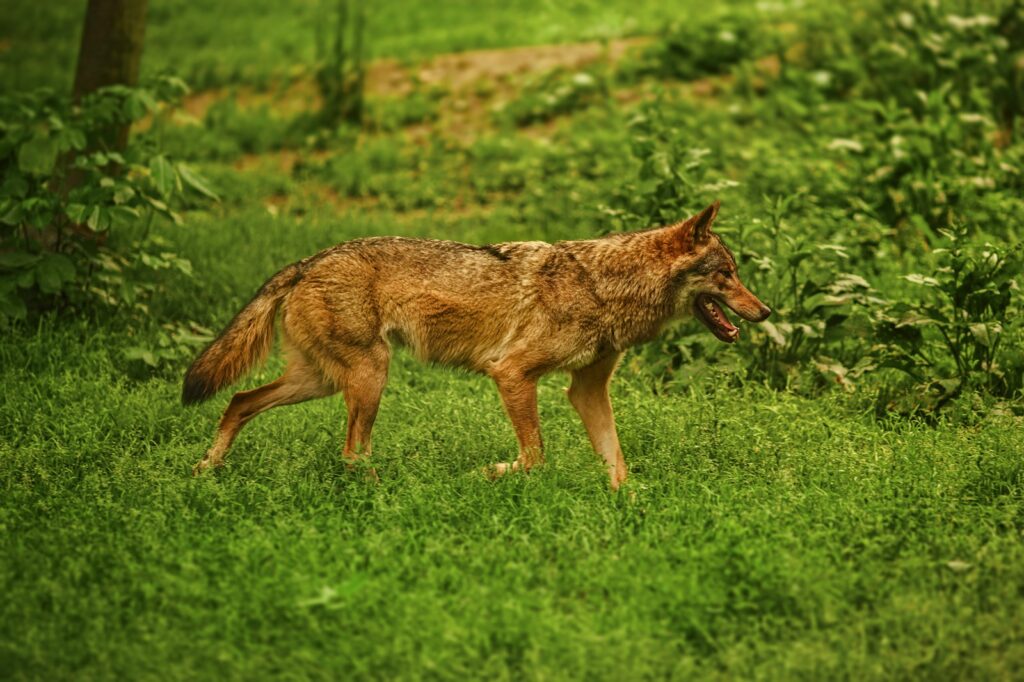
Despite their often negative portrayal, coyotes provide valuable ecological services across the landscapes they inhabit. As predators of small mammals, coyotes help control rodent populations that can damage crops and spread disease, with studies showing that a single coyote family can remove thousands of rodents annually from agricultural areas. Their predation on mesopredators like foxes, raccoons, and feral cats can benefit ground-nesting birds and other small wildlife that suffer from excessive predation by these smaller carnivores. In urban areas, coyotes help regulate populations of Canada geese, whose overabundance creates management challenges in parks and golf courses. As scavengers, coyotes clean up carrion that might otherwise become breeding grounds for disease. Research in fragmented habitats has shown that coyotes can help maintain plant diversity by dispersing seeds of fruits they consume and by controlling herbivore populations that would otherwise overgraze native vegetation.
Future Prospects: The Continuing Coyote Success Story
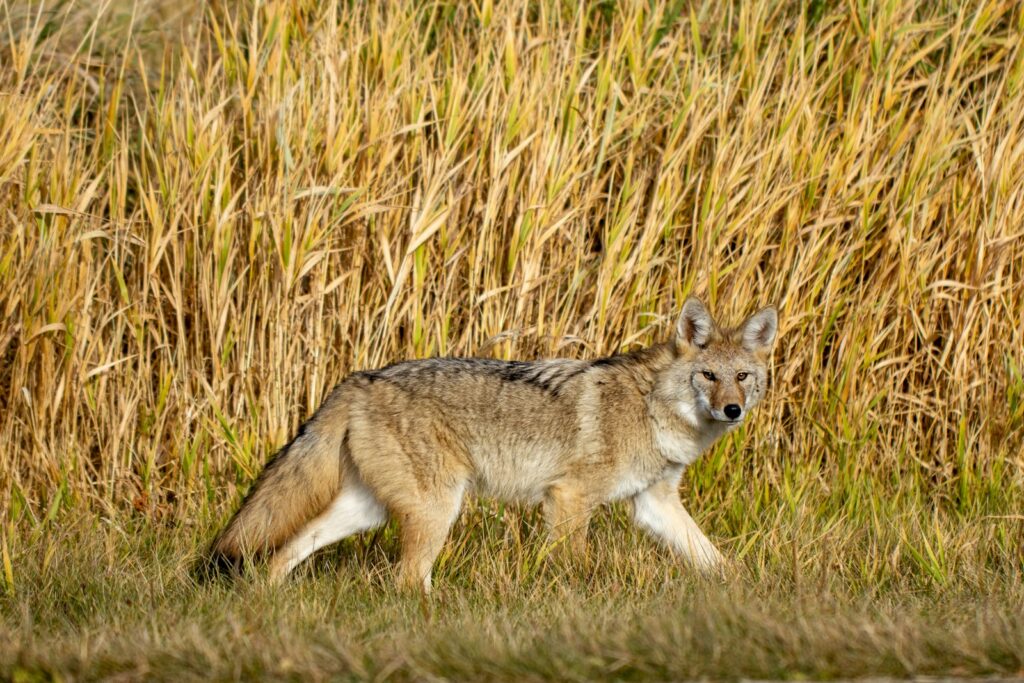
Looking ahead, all indicators suggest that coyotes will continue their remarkable success story across North American landscapes. Their adaptability positions them to thrive amid ongoing environmental changes, including further urbanization, agricultural intensification, and climate shifts. Some biologists predict coyotes may continue expanding their range into Central and South America, potentially colonizing ecosystems where similar native canids have declined. The lessons from coyote adaptation offer important insights for conservation biology, demonstrating how behavioral flexibility, dietary opportunism, and social adaptability contribute to species resilience. While some wildlife management challenges will persist in areas where coyotes conflict with human interests, a growing recognition of their ecological value and remarkable adaptability is shifting perspectives. Rather than endless cycles of ineffective control efforts, many communities are developing coexistence strategies that acknowledge the coyote’s permanent place in our shared landscapes—a testament to one of nature’s most successful evolutionary strategies.
The coyote’s unprecedented success across North American landscapes stands as a powerful counterpoint to the wildlife extinction crisis affecting many species. Through a remarkable combination of biological adaptability, behavioral flexibility, and reproductive resilience, these clever canids have not merely survived but flourished amid human expansion and environmental change. Their ability to adjust everything from their diet and social structure to their activity patterns and territory size demonstrates nature’s capacity for adaptation when given even the slightest opportunity. As we face a future of continued environmental challenges, the coyote offers both inspiration about wildlife resilience and practical lessons in how species can adapt to anthropogenic landscapes. Perhaps most importantly, the coyote reminds us that nature finds a way—sometimes in spite of our best efforts to control it—and that coexistence may ultimately prove more successful than conflict with such resourceful neighbors.