

Across the vast landscapes of North America, elk embark on remarkable journeys that often span hundreds of miles. These majestic creatures, with their imposing antlers and powerful builds, move with the seasons in search of food, shelter, and breeding opportunities. What makes these migrations particularly fascinating is that elk regularly cross human-defined state borders without any awareness of these invisible political boundaries. Their ancient pathways, established long before humans drew lines on maps, represent one of nature’s most impressive examples of animal movement. This natural phenomenon presents unique challenges for wildlife management and conservation efforts that span multiple jurisdictions while offering valuable insights into the interconnectedness of ecosystems.
The Ancient Patterns of Elk Migration
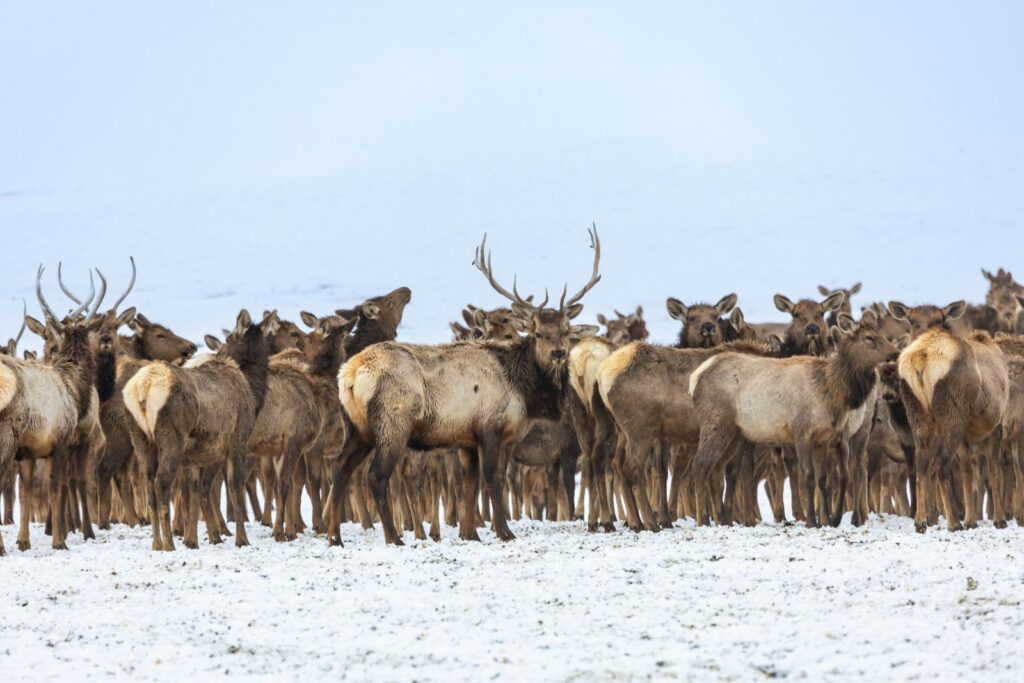
Elk migrations represent some of the oldest continuous animal movement patterns in North America, with some routes potentially dating back thousands of years. These pathways were established through generations of elk following seasonal resources, gradually optimizing their routes for efficiency and survival. Research using archaeological evidence suggests that many of today’s migration corridors closely match those used by elk ancestors during the Pleistocene epoch. The animals’ collective memory, passed down through generations, helps maintain these traditional routes despite significant landscape changes over centuries. This deep historical connection to migration corridors makes them not just practical routes but cultural inheritances within elk populations.
Seasonal Drivers Behind Cross-Border Movements
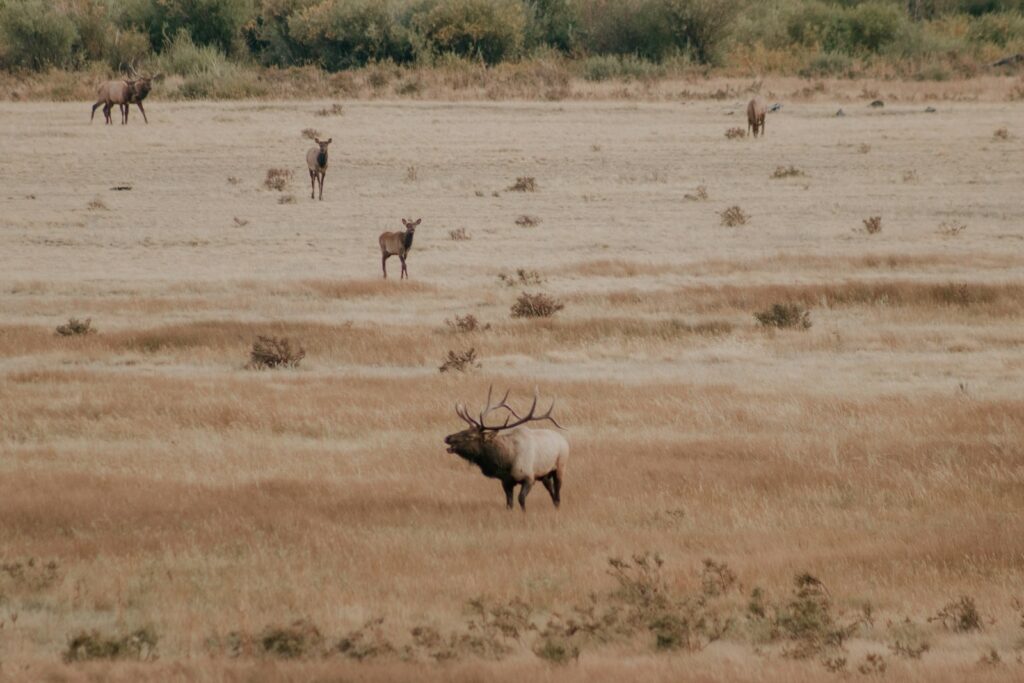
The primary driver behind elk migrations is the seasonal availability of nutritious vegetation across different elevations and habitats. During spring and summer, elk typically move to higher elevations where vegetation emerges later but remains nutritious longer, providing optimal feeding opportunities during crucial calving periods. When autumn transitions to winter, elk descend to lower elevations where snowpack is thinner, making it easier to access food and conserve energy during harsh winter conditions. These elevational migrations often coincide with crossing state lines, particularly in mountainous regions where state borders frequently follow geographical features like mountain ranges. The timing of these movements varies by population and region but generally follows the “green wave” of emerging vegetation in spring and the onset of winter conditions in fall.
The Scale and Scope of Interstate Elk Movement
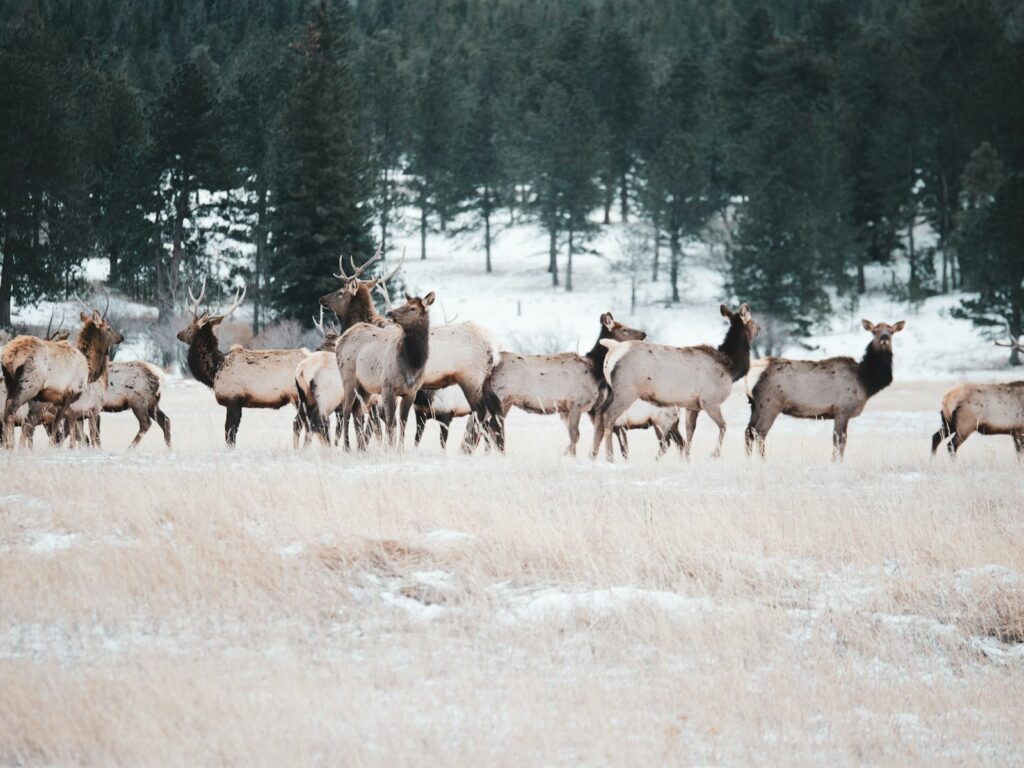
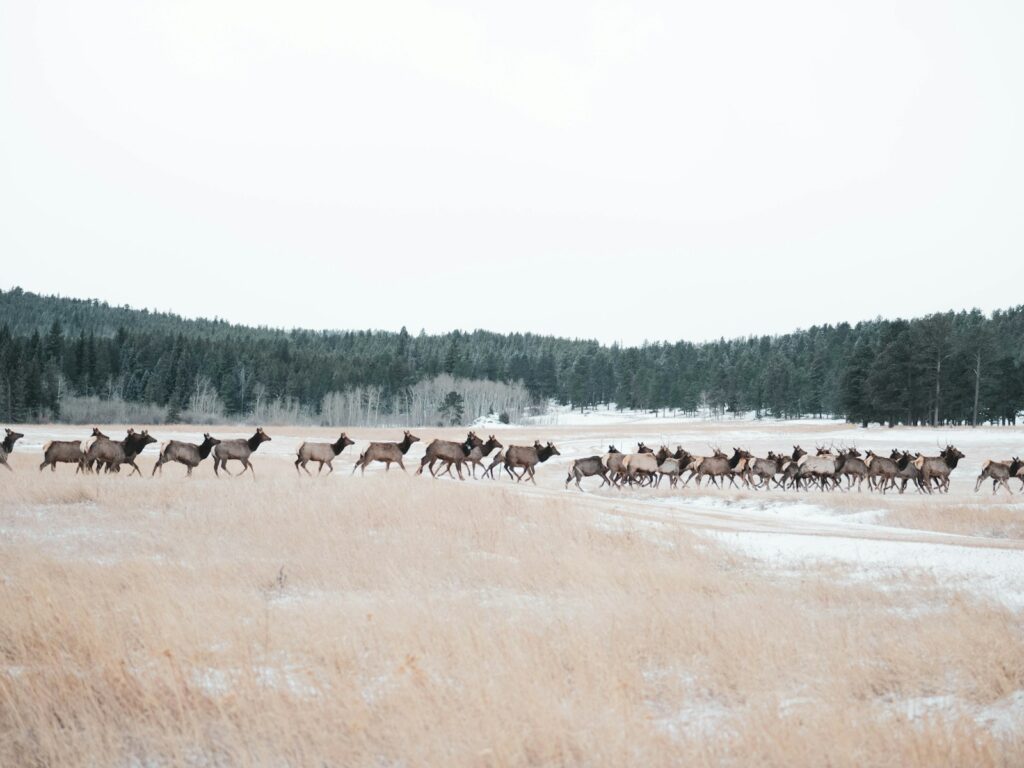
The distances covered by migrating elk can be truly remarkable, with some herds traveling more than 60 miles one-way between seasonal ranges. The Greater Yellowstone Ecosystem provides some of the most dramatic examples, with elk regularly moving between Wyoming, Montana, and Idaho during their annual cycles. Research using GPS collar data has documented individual elk crossing state lines dozens of times throughout their lives, completely unaware of the jurisdictional changes. Some of the most impressive migrations occur in the Rocky Mountain region, where elk may traverse multiple state boundaries during a single seasonal journey. These long-distance travelers represent living connections between ecosystems that span political boundaries, highlighting the artificiality of state lines from an ecological perspective.
How Modern Technology Tracks Cross-Border Migration
Wildlife biologists have revolutionized our understanding of elk movements through sophisticated tracking technologies deployed over the past few decades. GPS collars now provide precise, real-time data on elk locations, allowing researchers to map migration routes with unprecedented accuracy and detail. These tracking devices, which can record locations every hour for multiple years, have revealed complex migration patterns that frequently cross state lines. Advanced software analyzes this massive dataset to identify critical migration corridors, stopover sites, and bottlenecks where elk face challenges. Additionally, remote camera networks strategically placed along suspected migration routes provide visual confirmation of elk movements and group dynamics during interstate travel. This technological revolution has transformed migration research from educated guesswork to precise science, revealing patterns invisible to previous generations of wildlife managers.
The Challenge of Multi-State Wildlife Management
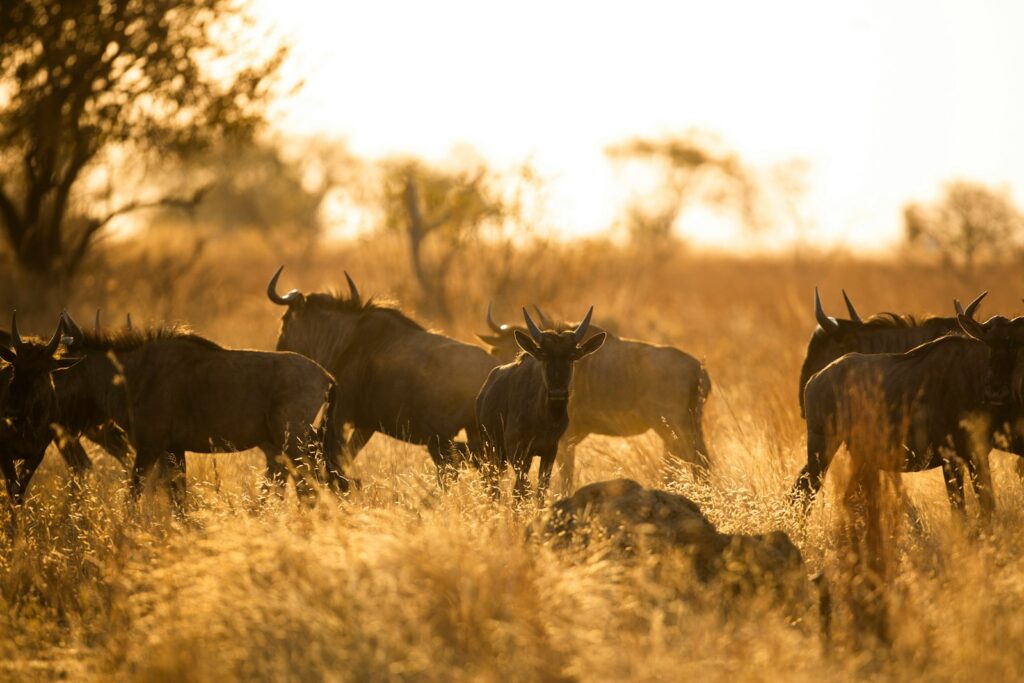
Managing wildlife populations that regularly cross jurisdictional boundaries presents unique challenges for state wildlife agencies with different regulations, priorities, and resources. A fundamental challenge emerges when neighboring states implement contradictory management approaches – for instance, one state might heavily protect a migratory herd while another permits significant hunting pressure on the same animals. Funding disparities between state agencies can lead to inconsistent conservation efforts for the same migratory population as it crosses borders. Different data collection methodologies between states can create gaps in understanding the complete migration picture, hindering effective management. These challenges highlight the need for interstate cooperation frameworks that acknowledge the biological reality that elk don’t recognize or respect human-drawn boundaries.
Interstate Compacts and Cooperative Management Efforts

To address the challenges of managing migratory elk populations, states have developed formal and informal agreements that transcend political boundaries. The Western Association of Fish and Wildlife Agencies represents one successful model, bringing together wildlife managers across western states to coordinate elk management strategies and share critical data. Some states have established formal interstate wildlife compacts with legal standing, creating binding frameworks for collaborative decision-making regarding shared elk populations. These agreements often include coordinated hunting regulations, standardized research methodologies, and joint habitat conservation initiatives. Perhaps most importantly, these cooperative efforts include regular communication channels between state biologists, ensuring that knowledge about migratory herds flows as freely across state lines as the animals themselves.
The Role of Federal Lands in Cross-Border Migrations
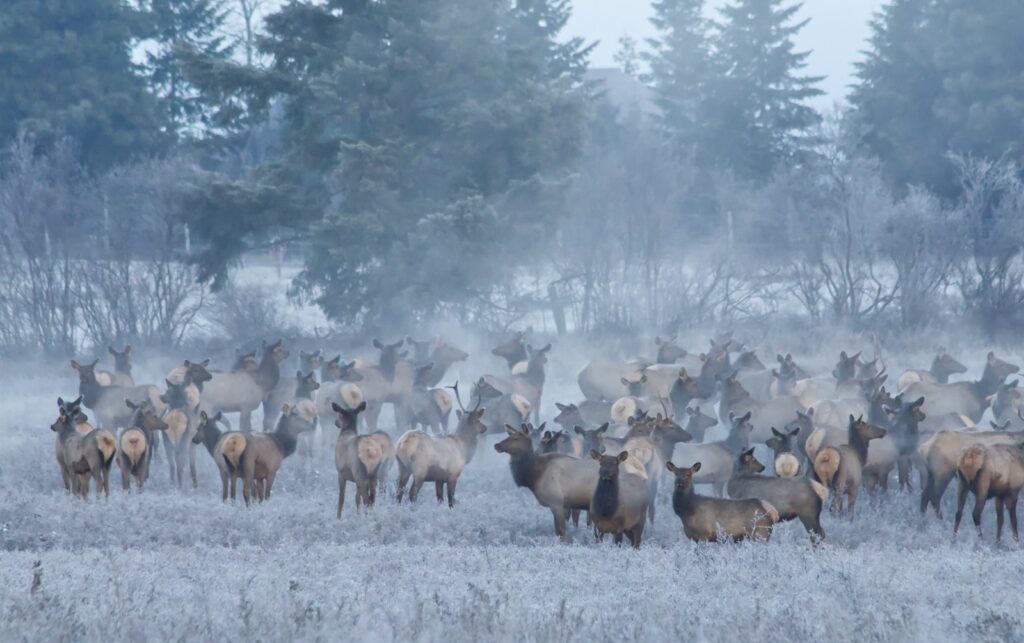
Federal lands play a crucial role in facilitating elk migrations across state boundaries throughout the western United States. National forests, Bureau of Land Management properties, and national parks often create continuous protected corridors that span state lines, providing safe passage for migrating elk. The Greater Yellowstone Ecosystem exemplifies this dynamic, where federal land management creates a relatively consistent habitat across Wyoming, Montana, and Idaho that supports major elk migrations. Federal land managers increasingly incorporate migration data into their resource management plans, protecting key corridors regardless of state boundaries. This federal oversight provides an important counterbalance to potentially fragmented state-by-state approaches, ensuring some level of continuity for migratory wildlife across political borders. Recent federal initiatives like Secretarial Order 3362 specifically direct agencies to enhance habitat for migratory big game across jurisdictional boundaries.
Private Land: The Missing Link in Cross-Border Conservation
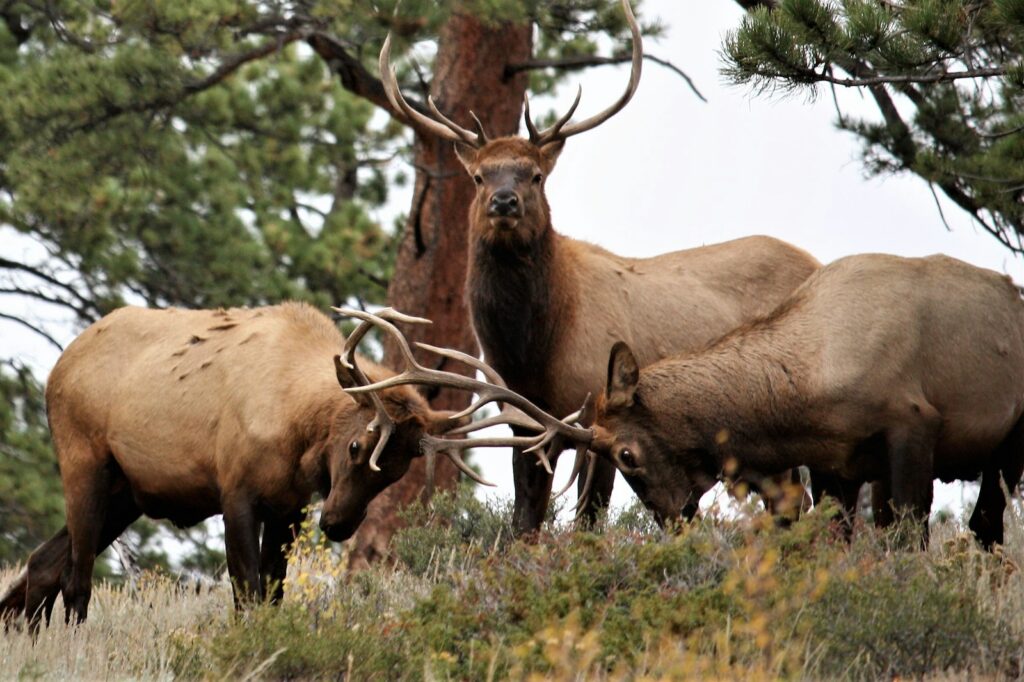
While public lands form the backbone of many migration corridors, private lands often represent critical links in the chain, particularly at lower elevations where elk spend winters. When these private parcels span state lines, the complexity of conservation efforts multiplies, requiring coordination between different landowner incentive programs across state jurisdictions. Conservation easements have emerged as valuable tools for protecting migration corridors on private lands, but their implementation varies significantly between states in terms of tax benefits, funding availability, and regulatory frameworks. Innovative programs like “payments for ecosystem services” are being developed to compensate landowners in multiple states for maintaining migration-friendly landscapes. The success of cross-border migration conservation ultimately depends on creating consistent incentives and opportunities for private landowners across state lines to participate in habitat protection.
Climate Change and Shifting Migration Patterns
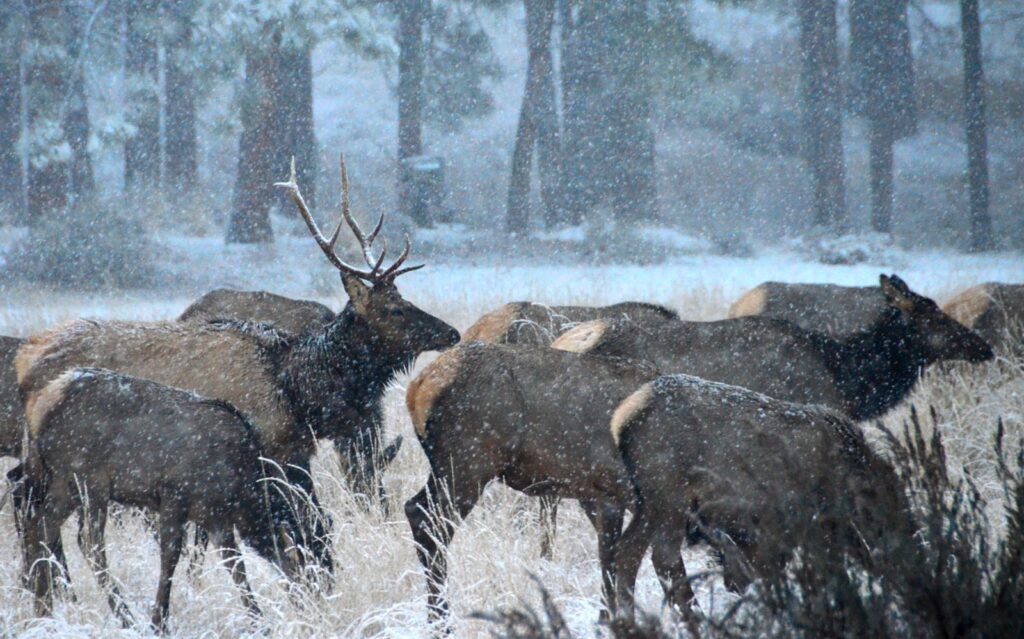
Climate change is already altering traditional elk migration patterns, potentially creating new cross-border movements and eliminating others as habitat conditions shift. Research indicates that spring green-up is occurring earlier at lower elevations, while changing precipitation patterns affect the timing and duration of high-elevation snow cover that traditionally drives seasonal movements. These shifts can create misalignment between historic migration timing and optimal resource availability, forcing elk to adapt their movements. Models predict that suitable elk habitat will shift northward and to higher elevations over the coming decades, potentially creating entirely new interstate migration patterns. These climate-driven changes add urgency to cross-border conservation efforts, as protecting only current migration corridors may prove insufficient if elk begin using new routes in response to changing environmental conditions.
The Impact of Development on Interstate Migrations
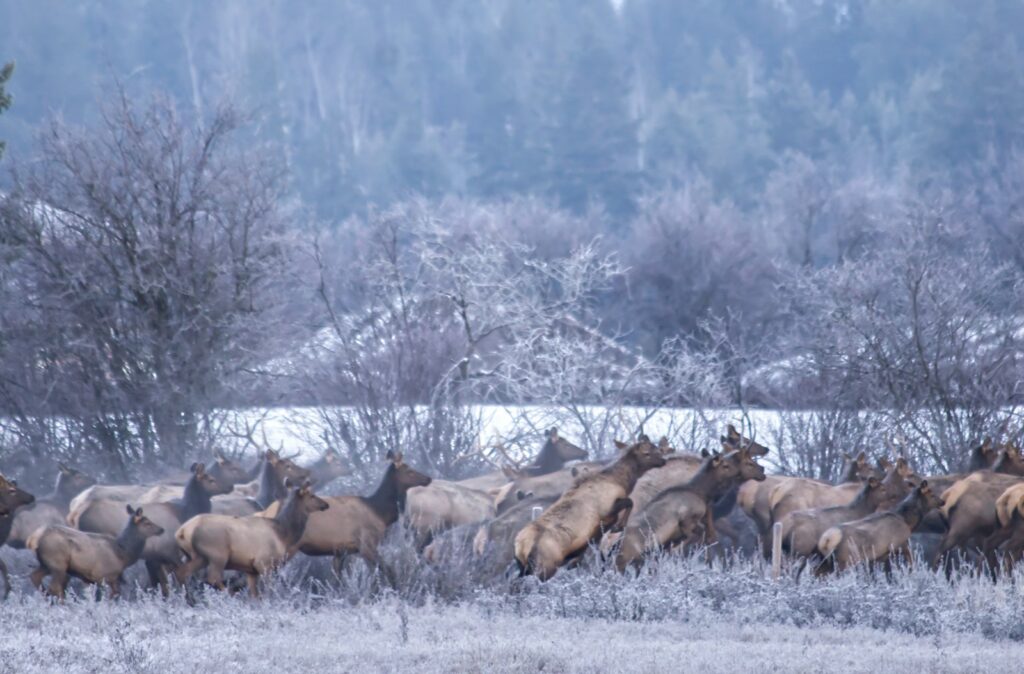
Human development increasingly fragments elk migration corridors, with particular challenges arising at state boundaries where development policies may change abruptly. Highway networks represent one of the most significant barriers, with interstate highways creating dangerous crossing points that result in vehicle collisions and habitat fragmentation. Residential development patterns often intensify near state borders, where different zoning regulations can create inconsistent habitat protection measures within the same migration corridor. Energy development presents another critical challenge, as different state policies regarding oil, gas, and renewable energy infrastructure can create abrupt changes in habitat quality at state lines. The cumulative effect of these various development pressures makes cross-border migrations increasingly challenging for elk populations that evolved in landscapes without such artificial barriers.
Economic Value of Migratory Elk Across State Lines
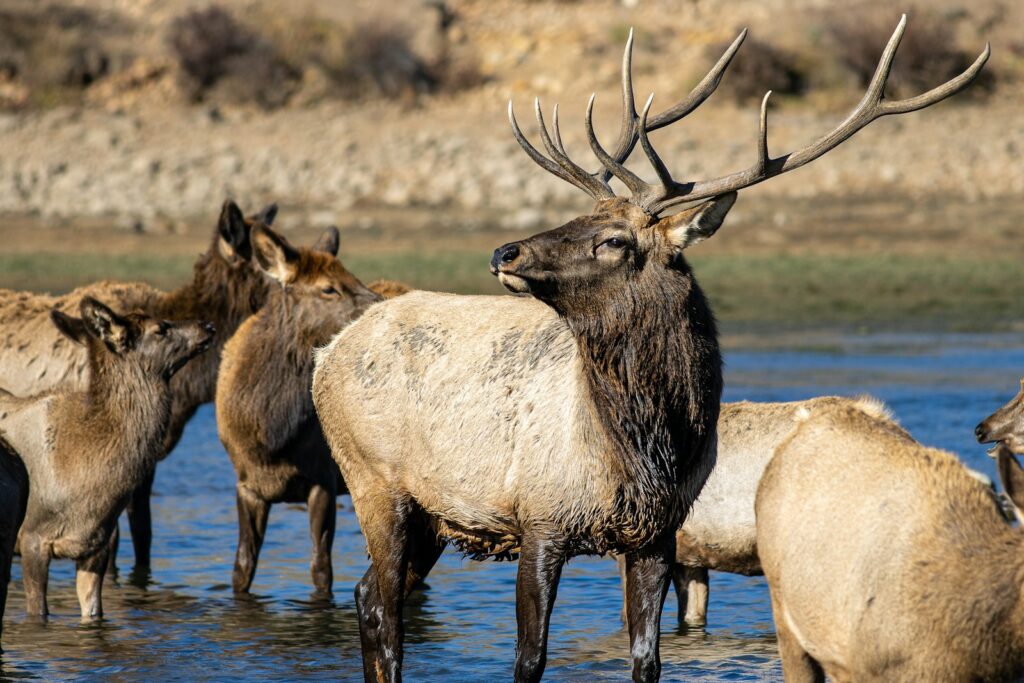
Migratory elk populations generate significant economic benefits that flow across state lines, creating both opportunities and tensions in interstate management. The hunting economy represents one of the most direct economic impacts, with outfitters, guides, and local businesses benefiting from elk hunters who follow the animals’ movements across state boundaries. Wildlife watching tourism similarly generates economic activity along migration corridors, with visitors often traveling through multiple states to witness spectacular elk movements. Property values in areas with visible elk migrations typically command premium prices, creating tax revenue that benefits state and local governments. These economic realities add another layer of complexity to interstate elk management, as states may compete for the economic benefits associated with “their” portion of shared elk herds.
Indigenous Perspectives on Borderless Elk
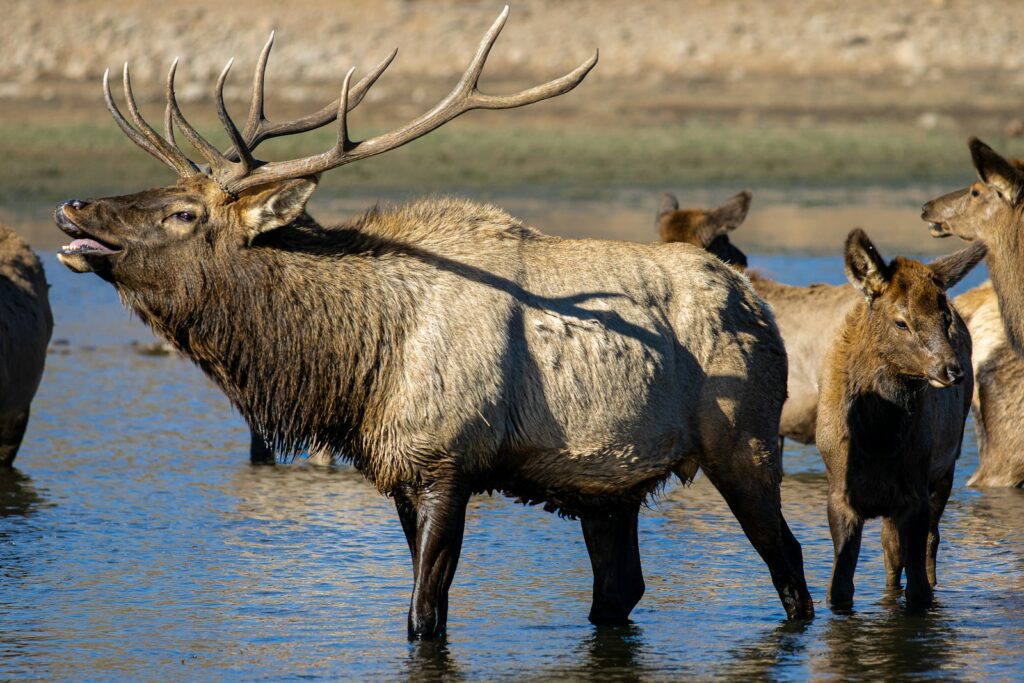
Native American tribes across North America have long understood the borderless nature of elk migrations, incorporating this knowledge into their traditional management approaches. Many tribal territories traditionally encompassed entire migration corridors, with seasonal movements of indigenous peoples often mirroring those of the elk they depended upon. Today, several tribes participate in interstate elk management through formal agreements with state and federal agencies, bringing traditional ecological knowledge to conservation planning. Contemporary tribal wildlife departments often manage reservation lands specifically to support migratory corridors that connect to off-reservation habitats across state lines. This indigenous perspective offers valuable insights for modern conservation efforts, emphasizing the importance of managing elk according to their biological needs rather than arbitrary political boundaries.
The Future of Cross-Border Elk Migration
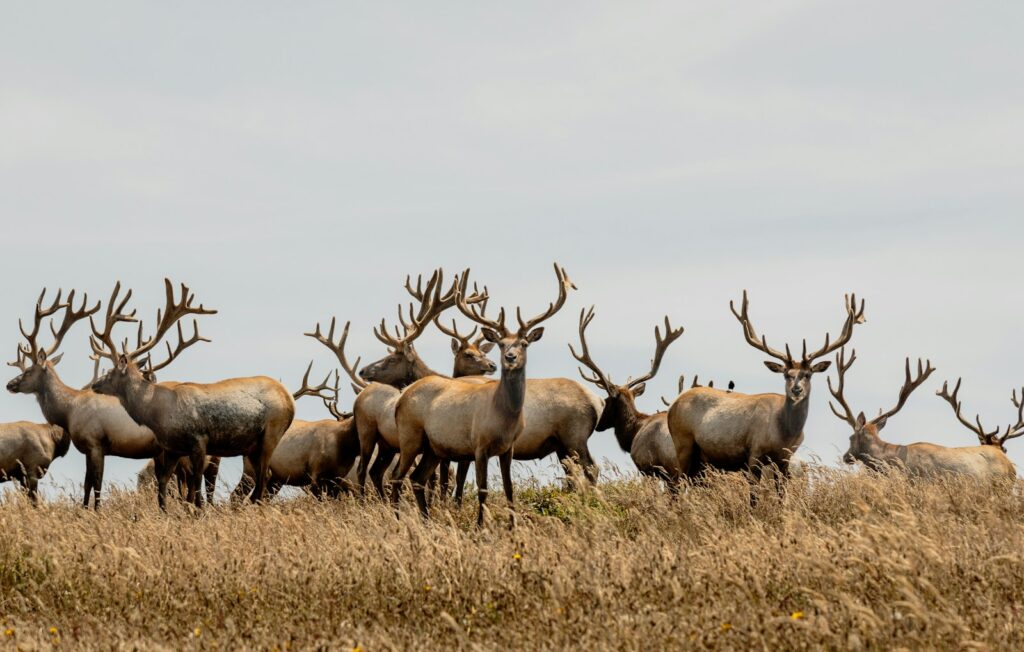
The future of interstate elk migrations depends on coordinated conservation efforts that transcend political boundaries and address emerging challenges. Technological innovations in wildlife crossing infrastructure show promise for maintaining connectivity across increasingly developed landscapes, with several states collaborating on cross-border implementation. Growing public awareness of migration phenomena, fueled by popular documentaries and media coverage, is generating political support for interstate conservation initiatives focused on maintaining these natural movements. Federal legislation like the proposed Wildlife Corridors Conservation Act aims to provide consistent national standards for protecting migration routes regardless of state boundaries. The continued survival of these magnificent cross-border journeys will require unprecedented cooperation between states, landowners, and agencies – a fitting response to natural phenomena that have always ignored the artificial lines humans draw on maps.
Conclusion
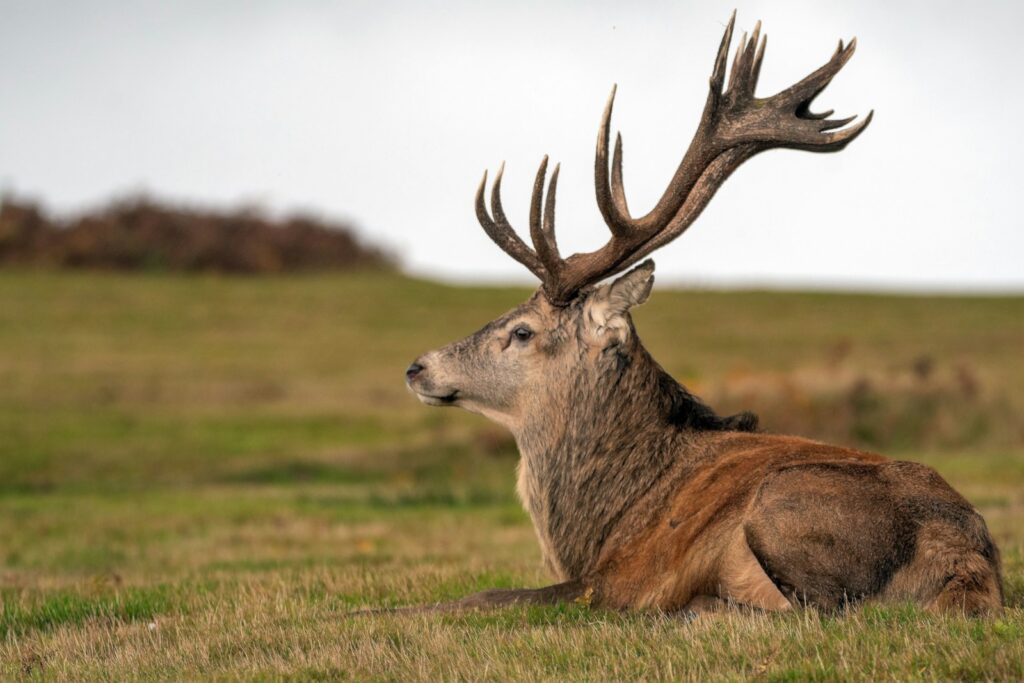
Elk migrations represent one of nature’s most remarkable phenomena – ancient patterns of movement that continue despite the political boundaries humans have imposed across the landscape. These majestic animals, following pathways established through generations of evolutionary wisdom, cross state lines with regularity, creating both challenges and opportunities for conservation. As we better understand these movements through advanced tracking technologies and collaborative research, we gain appreciation for the need to manage wildlife according to ecological realities rather than political convenience. The future of these cross-border migrations remains uncertain, threatened by development, climate change, and habitat fragmentation, yet promising signs of interstate cooperation offer hope. By recognizing that elk don’t carry passports or acknowledge state boundaries, we may discover better approaches to conservation that honor the borderless nature of the natural world.