
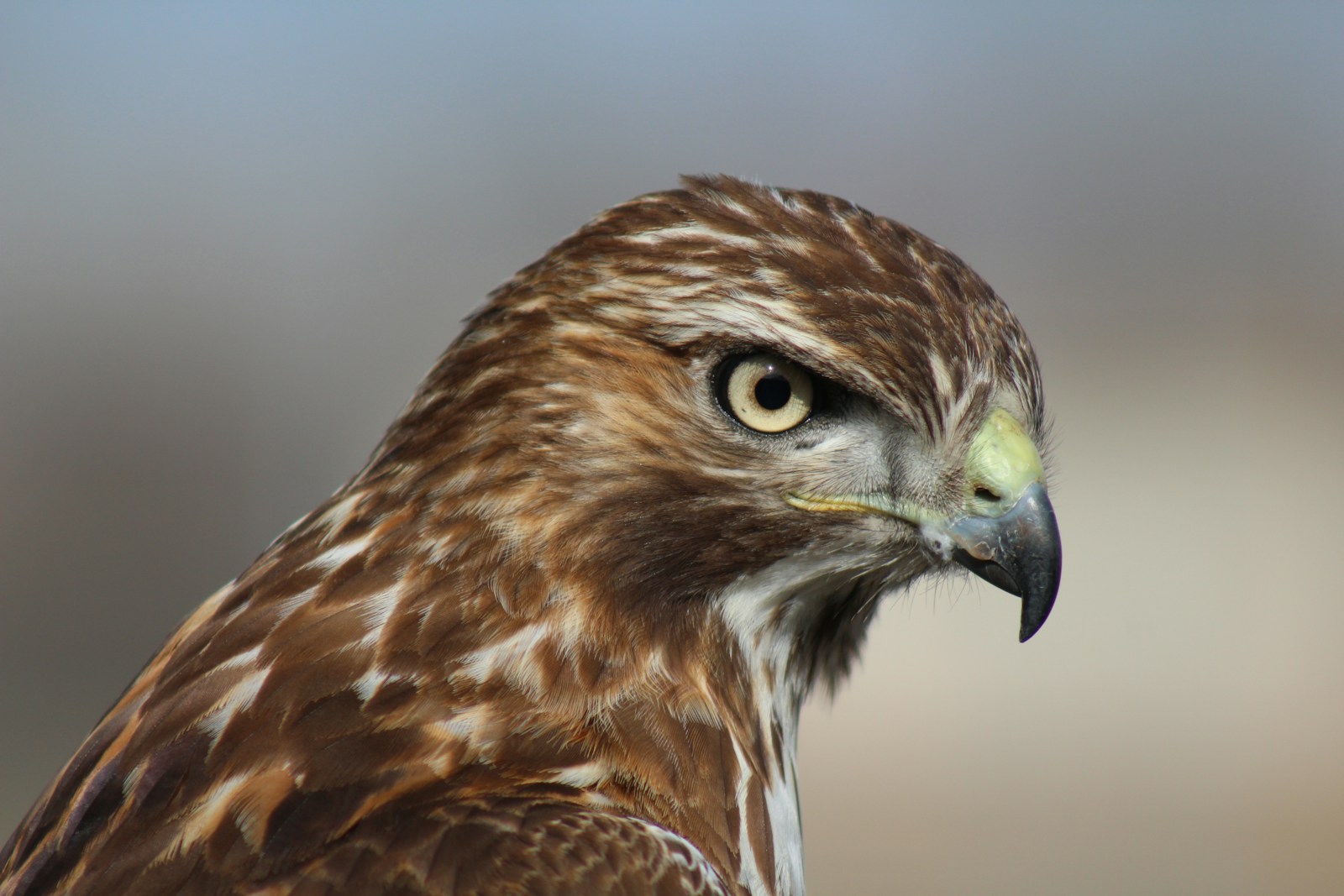
America’s national parks represent some of the most pristine and protected natural environments in the country. Among the many wildlife species that call these areas home, hawks hold a special place as the vigilant guardians of the skies. These magnificent birds of prey serve as both apex predators and indicators of ecosystem health while captivating visitors with their soaring displays and hunting prowess. From the towering pines of Yosemite to the expansive deserts of Joshua Tree, hawks patrol the airspace of our national treasures, performing vital ecological functions while embodying the wild spirit these protected areas were designed to preserve.
The Diverse Hawk Species of America’s National Parks
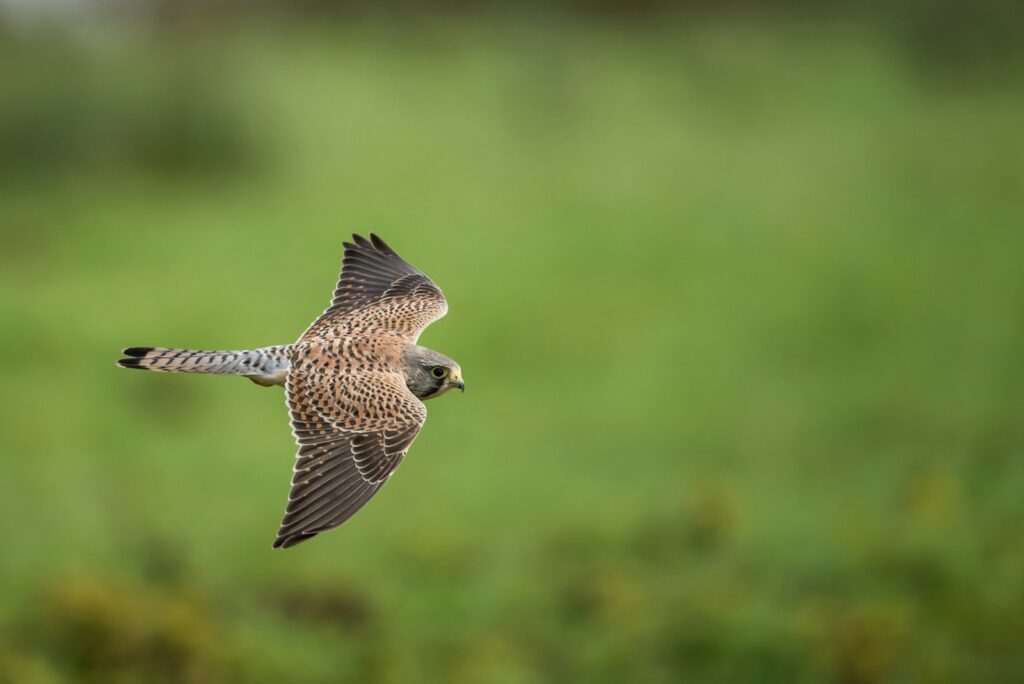
National parks across the United States host an impressive variety of hawk species, each adapted to specific habitats and ecological niches. The red-tailed hawk, perhaps the most recognizable, can be spotted in nearly every national park from Maine’s Acadia to California’s Redwood. Specialized hunters like the northern goshawk patrol the dense forests of Olympic and Glacier National Parks, while Cooper’s and sharp-shinned hawks navigate woodland edges with remarkable agility. In the arid Southwest, Harris’s hawks—one of the few social raptors—hunt cooperatively in places like Big Bend National Park, while the zone-tailed hawk mimics harmless vultures to surprise unsuspecting prey in the Grand Canyon region. This diversity reflects the varied landscapes and ecosystems preserved within the national park system.
Masters of Aerial Efficiency
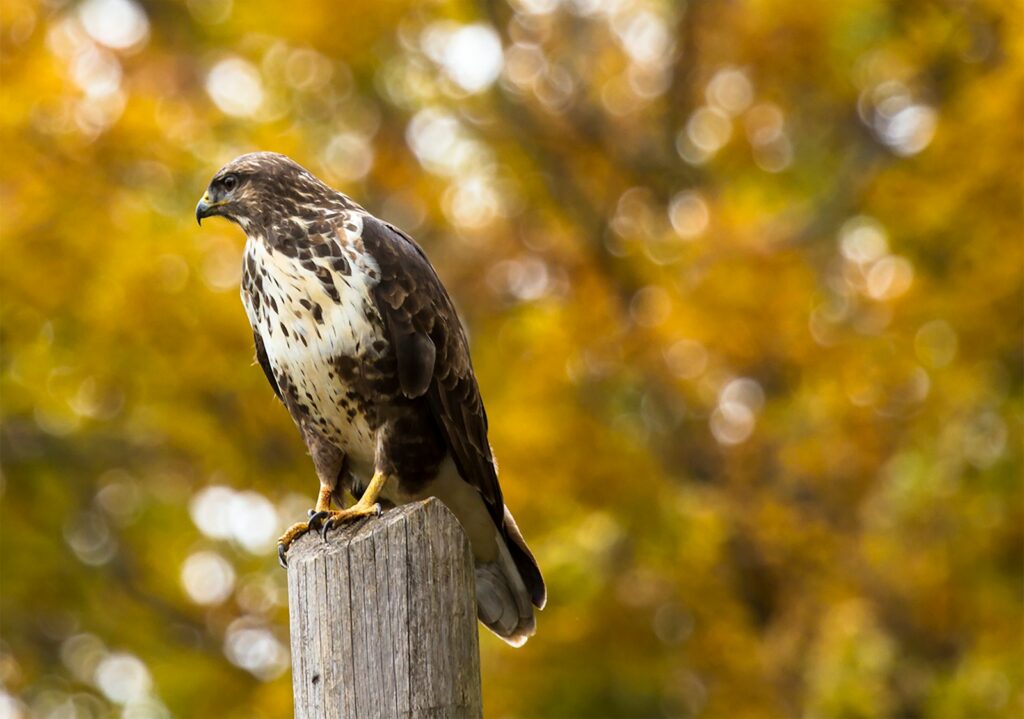
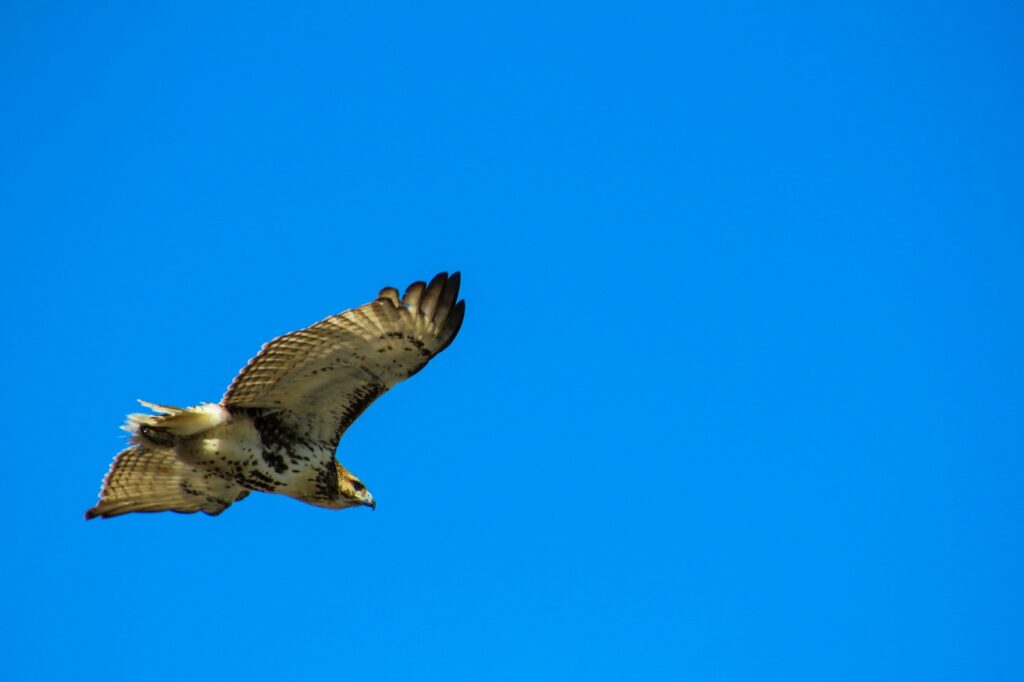
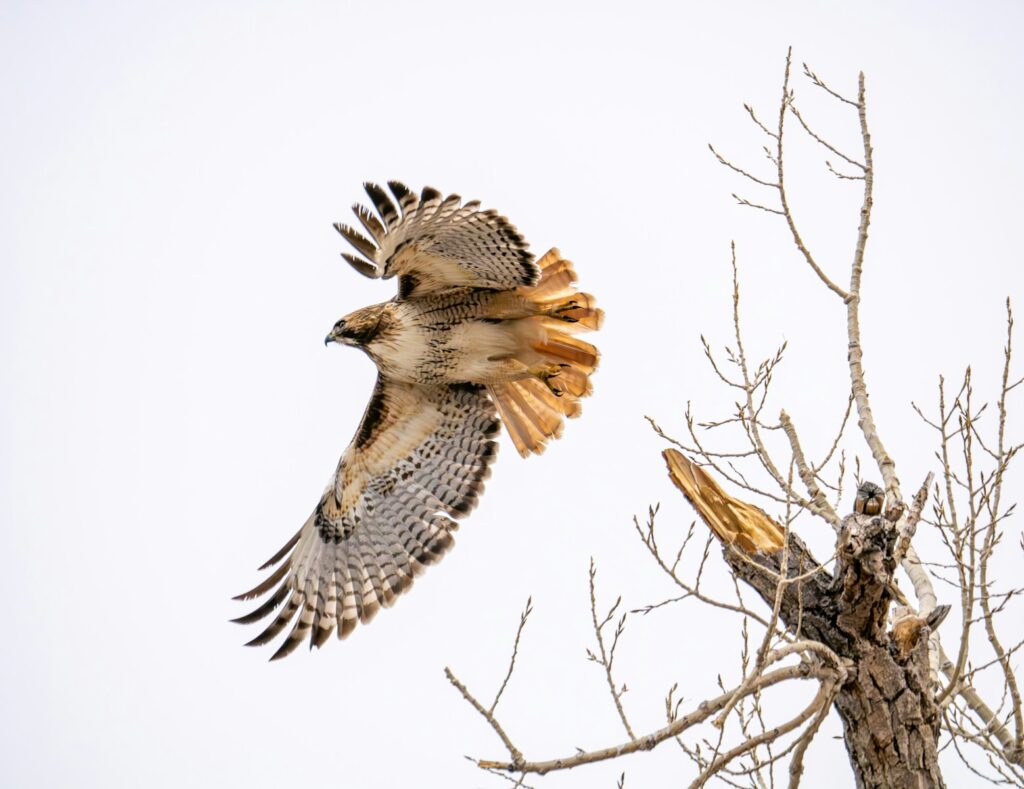
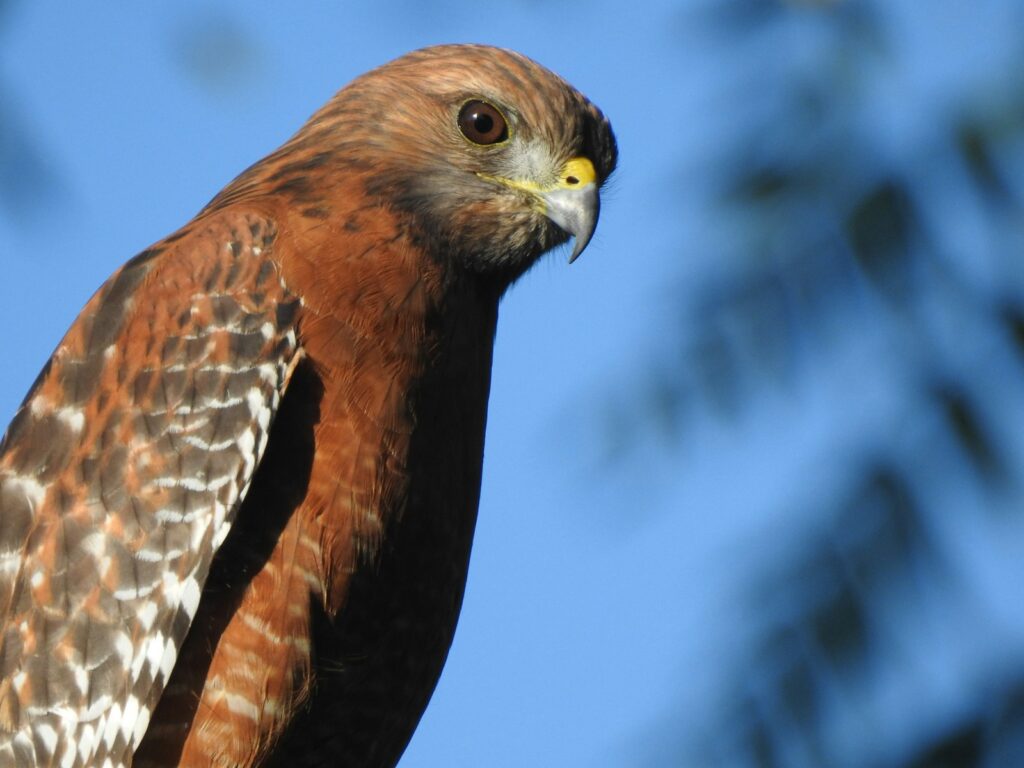
Hawks have evolved remarkable adaptations that make them among the most efficient flyers in the animal kingdom. Their wings, often broad with fingerlike projections called primaries at the tips, allow for precise control during both soaring and active hunting. Many species utilize thermal columns—rising currents of warm air—to gain altitude with minimal energy expenditure, enabling them to patrol vast territories within park boundaries. Red-shouldered hawks can be observed spiraling upward on these thermals in places like the Great Smoky Mountains National Park, gaining elevations of thousands of feet before gliding long distances. The swainson’s hawk, visible during migration seasons in parks along flyways, can travel over 100 miles daily while consuming minimal energy. This aerial efficiency allows hawks to monitor large sections of park ecosystems with remarkable thoroughness despite their relatively small numbers.
The Ecological Role of Hawks as Predators
Hawks occupy a critical position in national park food webs as mid-level predators that help regulate numerous animal populations. By preying on rodents like mice, voles, and ground squirrels, species such as the red-tailed hawk prevent these populations from reaching levels that could damage plant communities or spread disease. In coastal parks like Point Reyes National Seashore, northern harriers sweep low over grasslands, controlling insect populations that might otherwise damage native plants. The specialized Cooper’s hawk primarily hunts birds, helping maintain diversity among songbird populations by targeting the most abundant or vulnerable individuals. This predatory pressure creates what ecologists call a “landscape of fear,” where prey animals modify their behavior based on predation risk, further influencing vegetation patterns and ecosystem structure throughout national parks.
Hunting Strategies: From Soaring to Ambush
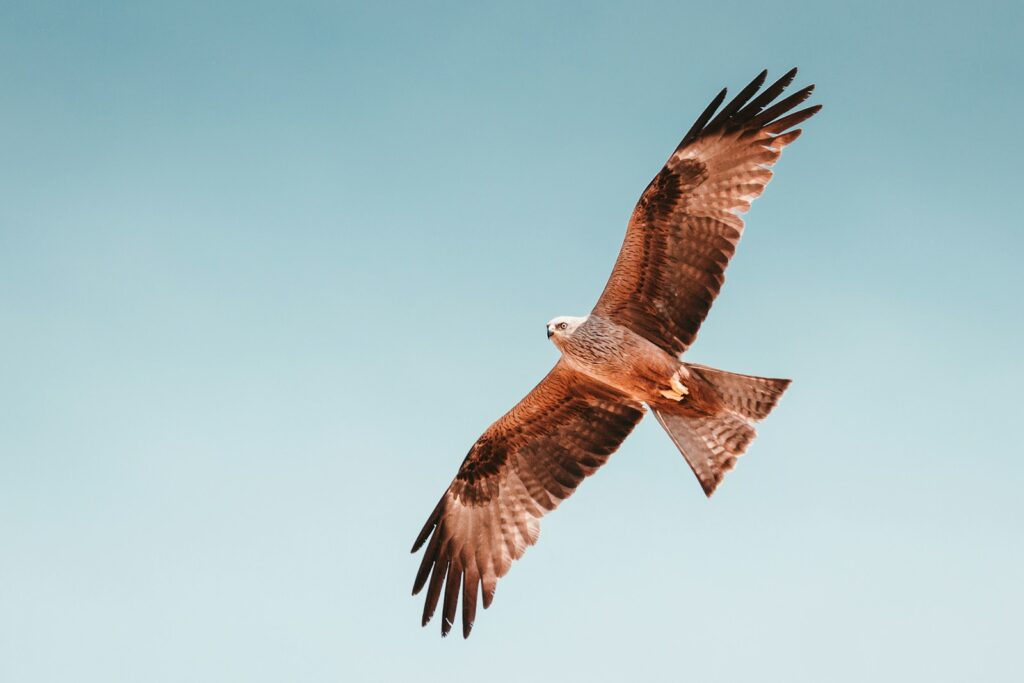
Hawk species employ diverse hunting techniques across national park landscapes, each refined through evolutionary pressures to maximize success. Buteo hawks like the red-tailed and ferruginous species, commonly seen in open areas of parks like Yellowstone and Grand Teton, typically hunt by soaring at heights of 100-200 feet, using their exceptional vision to detect movement below before making dramatic stooping dives toward prey. In contrast, accipiters such as the Cooper’s hawk utilize surprise and speed in forested sections of parks like Shenandoah, hiding among branches before explosive pursuits through tight spaces. The northern harrier, distinctive with its owl-like facial disk, employs yet another approach in marshlands of parks like Everglades, flying low and using both vision and hearing to detect prey concealed in vegetation. Some species have even developed specialized tactics for particular prey, such as the red-shouldered hawk’s habit of hovering over streams in Great Smoky Mountains National Park to catch crayfish and amphibians.
Hawk Vision: Nature’s Most Advanced Optical System

The extraordinary vision of hawks represents one of their defining characteristics as they patrol national park airspace. Hawks possess visual acuity estimated to be eight times more powerful than human eyesight, allowing a soaring hawk to detect a mouse moving in grass from hundreds of feet above. This remarkable ability comes from having a higher density of photoreceptor cells in their retinas and an enlarged fovea—the center of sharpest vision. Many species can also perceive ultraviolet light, helpful for tracking rodents whose urine trails reflect UV wavelengths, an advantage when hunting across the meadows of parks like Rocky Mountain National Park. Additionally, hawks can process visual information much faster than humans, enabling them to track rapidly moving prey through complex environments like the forest canopies of Olympic National Park. This visual superiority allows hawks to effectively monitor vast sections of protected parkland from vantage points high above the landscape.
Seasonal Migrations Through Park Corridors
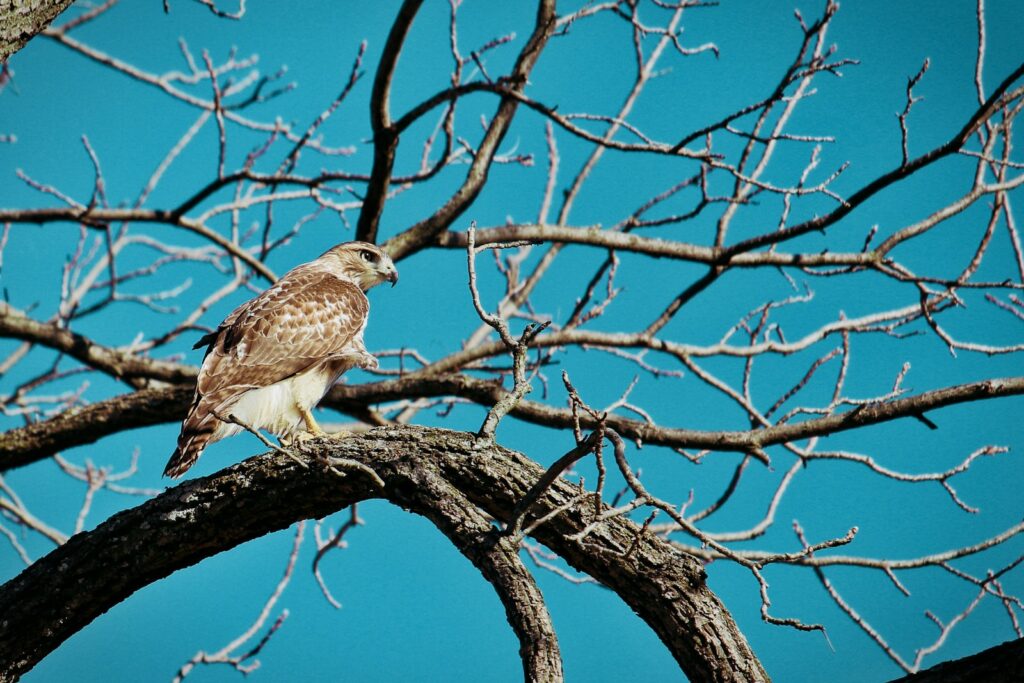
Many hawk species undertake impressive seasonal migrations that connect different national parks along their routes, creating aerial highways of raptor movement. The broad-winged hawk, nesting in eastern forests of parks like Acadia and Shenandoah, travels in spectacular “kettles” of thousands during fall migration, often passing through Great Smoky Mountains National Park on their way to wintering grounds in Central and South America. Swainson’s hawks make one of the longest migrations of any North American raptor, traveling from breeding grounds in parks like Theodore Roosevelt and Yellowstone to Argentina—a journey of over 6,000 miles each way. During these migrations, hawks utilize updrafts along mountain ridges in parks like Shenandoah, where Hawkwatch sites record thousands of passing raptors each season. These migratory connections highlight how national parks serve as critical habitat links in continental-scale ecological networks that support hawk populations throughout their annual cycles.
Hawks as Indicators of Ecosystem Health
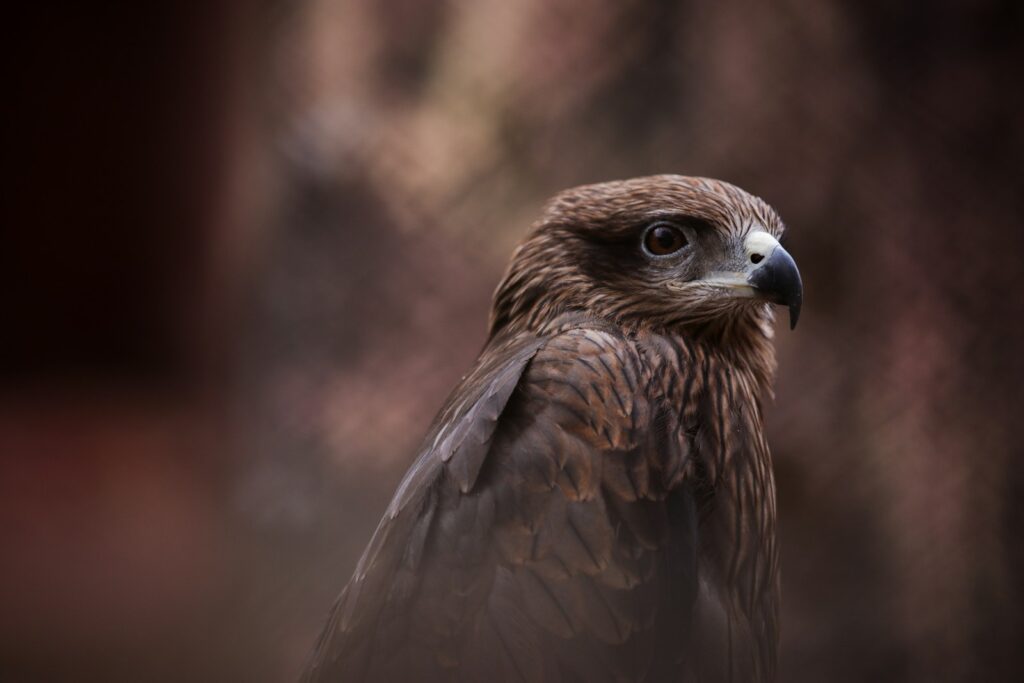
Scientists and park managers recognize hawks as valuable bioindicators—species whose presence and health reflect broader ecosystem conditions. As top predators, hawks bioaccumulate environmental contaminants present in their prey, making them sensitive to pollution that might otherwise go undetected in national park ecosystems. During the DDT crisis of the mid-20th century, declining hawk populations in parks helped alert scientists to the widespread environmental impacts of this pesticide before human health effects became apparent. Today, national parks like Saguaro and Petrified Forest monitor desert hawk populations as indicators of climate change impacts, as these birds often respond quickly to shifts in prey availability caused by changing precipitation patterns. The successful nesting of sensitive species like northern goshawks in parks like Sequoia and Kings Canyon provides evidence of healthy forest ecosystems with sufficient large trees and prey diversity. Through these ecological relationships, hawks serve as living gauges of environmental quality across the National Park System.
Nesting Behaviors in Protected Landscapes
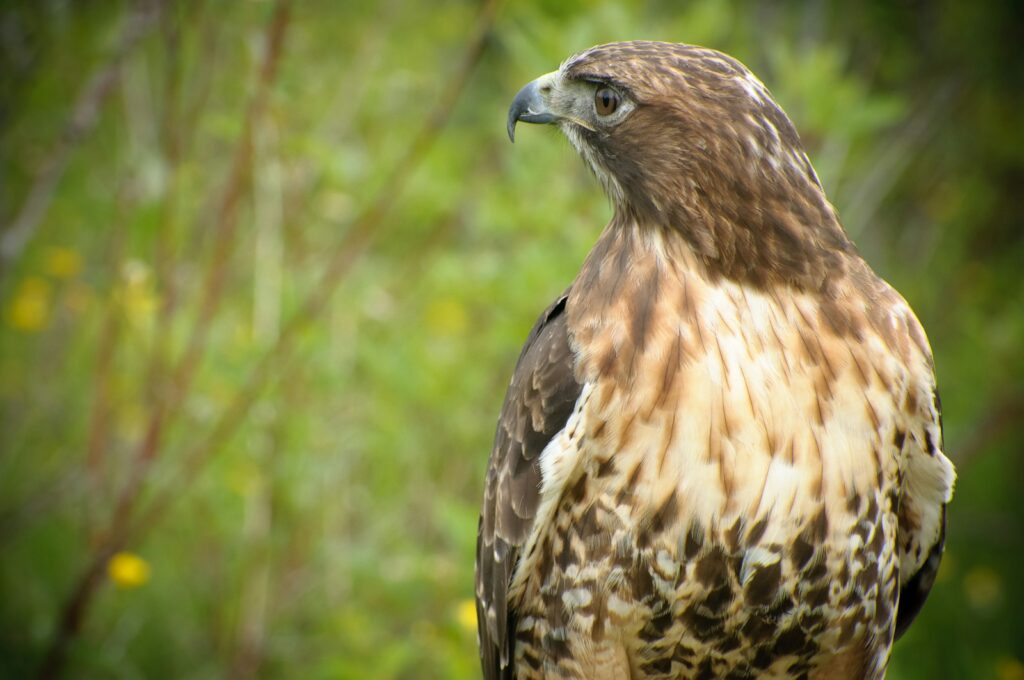
National parks provide critical protected habitat for hawk nesting, a vulnerable period in their life cycle requiring specific environmental conditions. Red-tailed hawks construct large stick nests on cliff ledges or in tall trees, taking advantage of the undisturbed old-growth forests preserved in parks like Olympic and Redwood. The endangered Florida grasshopper sparrow hawk depends on the protected prairie remnants of Everglades National Park for its ground nests, sites that would be destroyed in more developed landscapes. Many hawk species display high nest site fidelity, returning to the same territories within parks year after year—one documented red-tailed hawk pair used the same nest in Yellowstone National Park for over a decade. These protected nesting sites allow hawks to raise young safely, maintaining healthy populations that can then disperse to surrounding landscapes, making national parks crucial source habitats for regional hawk populations.
Adaptations to Park-Specific Environments
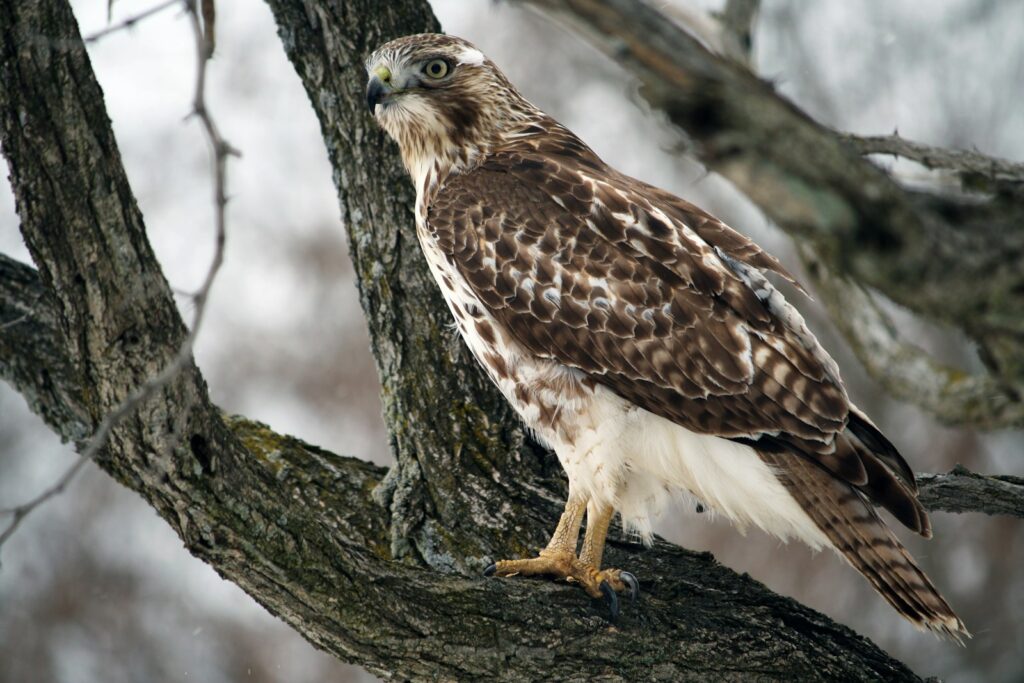
Hawks demonstrate remarkable adaptations to the diverse environments found within different national parks, showcasing evolutionary responses to specific ecological conditions. In desert parks like Joshua Tree and Saguaro, Harris’s hawks have developed specialized hunting techniques and social behaviors that allow them to capture prey in sparse vegetation. The dark morphs of ferruginous hawks are more commonly found in volcanic areas of parks like Craters of the Moon, where their darker coloration provides camouflage against basalt formations. Along coastal national seashores like Point Reyes and Cape Cod, northern harriers have adapted to hunting in strong winds, using the predictable air currents to hover with minimal energy expenditure while searching for prey. The Galápagos hawk in the United States’ only tropical national park in American Samoa illustrates island adaptations, including reduced flight muscles and increased terrestrial hunting due to fewer predators and different prey availability. These adaptations highlight how hawks have evolved to effectively patrol the varied ecosystems preserved within the National Park System.
Conservation Challenges and Park Protection
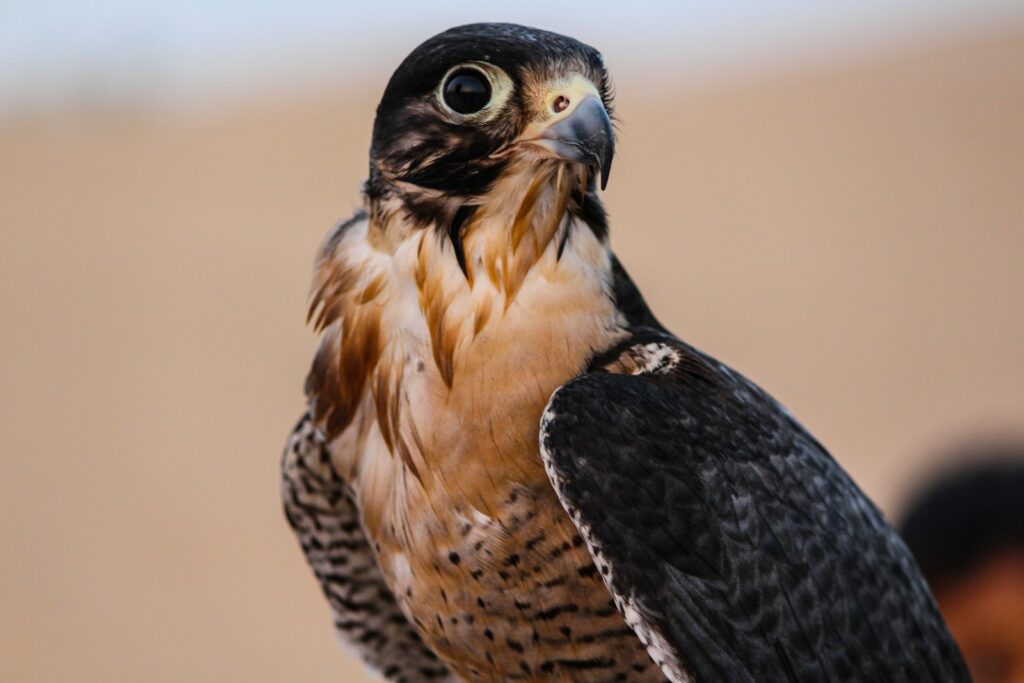
Despite the protection offered by national parks, hawks face numerous conservation challenges that require ongoing management attention. Habitat fragmentation outside park boundaries can isolate hawk populations, a particular concern for species like the northern goshawk that require large territories spanning beyond park borders. Climate change threatens specialized hawks through altered prey availability and habitat shifts, with species like the rough-legged hawk in Alaska’s Arctic national parks facing rapidly changing conditions. Human disturbance, especially from rock climbing near nesting sites in parks like Yosemite and Joshua Tree, can cause nest abandonment during sensitive breeding periods. Additionally, lead poisoning from ammunition remains a significant threat in parks where hunting occurs in adjacent lands, as hawks scavenge gut piles containing lead fragments. National Park Service biologists address these challenges through measures like seasonal closures of climbing routes near active nests, lead-free ammunition requirements, and habitat restoration projects that benefit hawk populations.
Research and Monitoring Programs
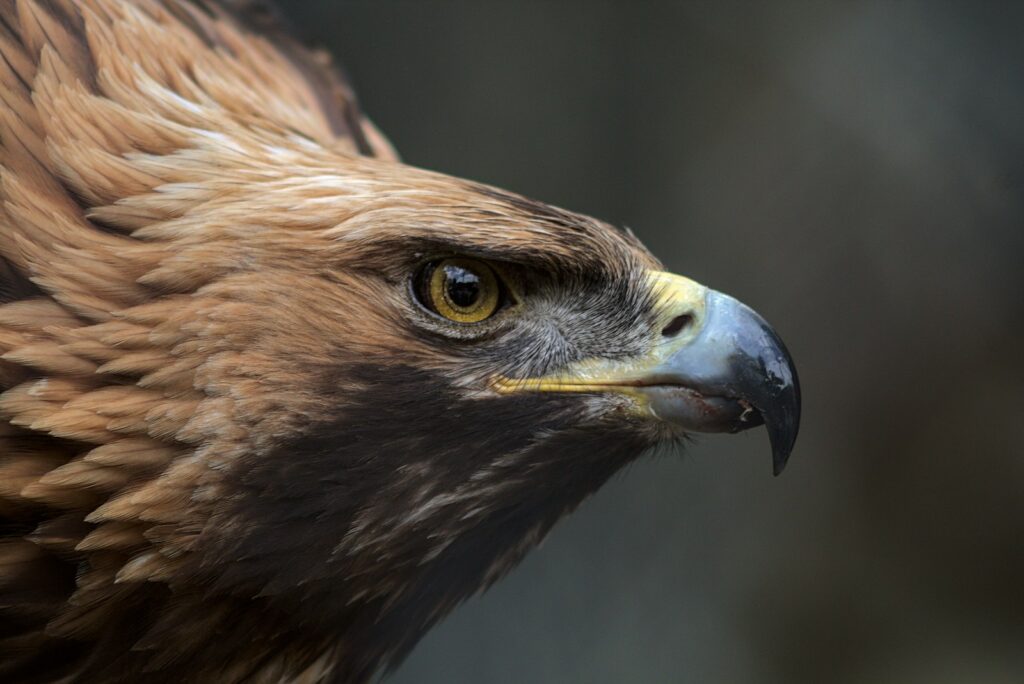
The National Park Service conducts extensive research and monitoring programs focused on hawk populations, generating critical data for conservation efforts. In Yosemite National Park, biologists have maintained peregrine falcon and spotted owl monitoring programs for decades, tracking recovery following the DDT era and informing management decisions about recreational access near nesting sites. Rocky Mountain National Park participates in the Raptor Monitoring Program, where standardized surveys document breeding success and territory occupancy for multiple hawk species across years, creating valuable long-term datasets. Cutting-edge technologies like satellite telemetry are employed in parks such as Yellowstone, where researchers attach lightweight transmitters to red-tailed hawks to track their movements throughout the Greater Yellowstone Ecosystem. Citizen science initiatives like HawkWatch programs in Acadia and Shenandoah National Parks engage visitors in monitoring migration, simultaneously collecting data and building public appreciation for these aerial predators. These research efforts help ensure that management decisions in national parks are informed by sound science regarding hawk ecology and population trends.
Visitor Experiences and Educational Opportunities
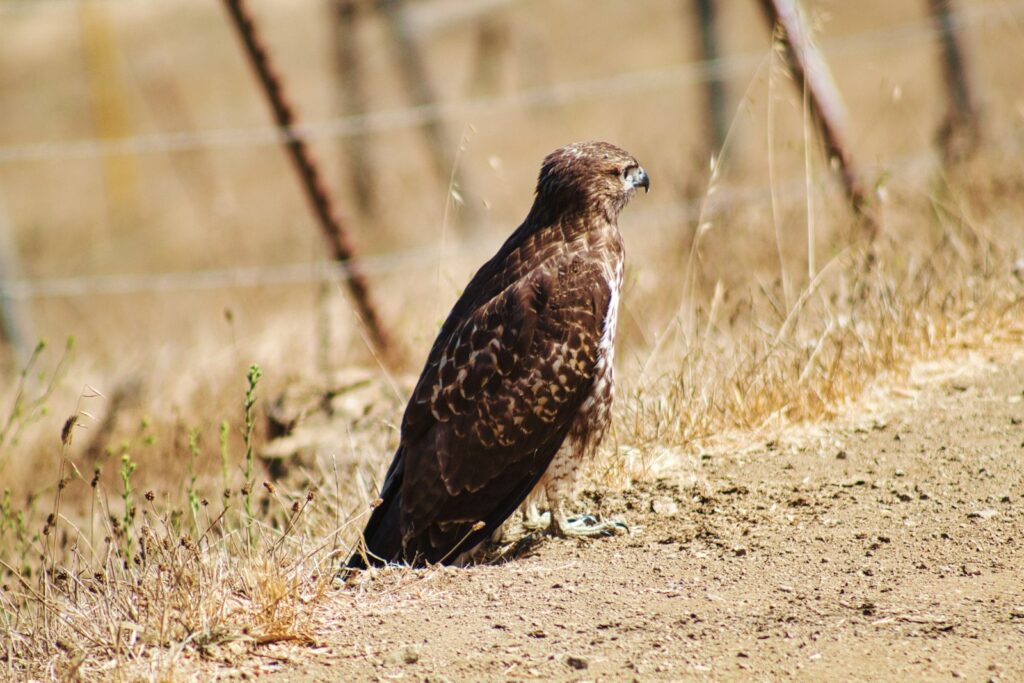
Hawks provide some of the most accessible wildlife viewing opportunities in national parks, creating memorable experiences that connect visitors to the natural world. Popular hawkwatching sites in parks like Acadia (Cadillac Mountain) and Shenandoah (Rockfish Gap) draw thousands of visitors during fall migration, when interpretive rangers offer programs explaining the spectacle of hundreds of hawks passing overhead. In western parks like Grand Teton and Yellowstone, visitors regularly observe red-tailed hawks hunting alongside roadways, offering opportunities for wildlife photography without specialized equipment. Many parks have developed specific raptor-focused educational materials, such as Zion National Park’s “Raptor Viewing Guide” that helps visitors identify the park’s thirteen hawk species. Junior Ranger programs often include hawk-related activities, teaching children about predator-prey relationships and ecosystem dynamics through these charismatic birds. These educational encounters not only enhance visitor experiences but also build broader public support for the conservation mission of the National Park Service by highlighting the ecological importance of hawks.
Cultural Significance and Indigenous Connections
Hawks hold profound cultural significance for many Indigenous peoples whose ancestral lands include what are now national parks, adding cultural dimensions to their ecological importance. In parks like Mesa Verde and Bandelier, hawk imagery appears in ancestral Puebloan rock art and pottery, reflecting the spiritual significance these birds held for ancient cultures. The red-tailed hawk features prominently in the traditions of tribes associated with Yosemite National Park, where it is considered a messenger between the human and spirit worlds. Many tribal nations view hawk feathers as sacred items, used in ceremonial contexts and as symbols of honor and spiritual power, practices acknowledged through partnerships between national parks and associated tribes. At Hawaii Volcanoes National Park, the ‘io (Hawaiian hawk) is considered an ‘aumakua (family guardian) in Native Hawaiian culture, informing interpretive programs that blend ecological information with cultural perspectives. By incorporating these cultural dimensions into educational materials, national parks honor the deep connections between Indigenous peoples and the hawks that patrol these ancestral landscapes.
Conclusion
Hawks embody the essence of America’s national parks—wild, free, and essential to the ecological integrity these protected areas were established to maintain. As they patrol the skies over mountains, forests, deserts, and wetlands, hawks perform vital ecosystem services while inspiring visitors with their grace and power. The ongoing protection of these aerial predators represents a conservation success story, particularly following the dark days of DDT contamination when many raptor populations faced potential extinction. Yet their continued presence cannot be taken for granted, as new challenges from climate change to habitat fragmentation require vigilant management and research. By protecting the diverse landscapes that support hawk populations and educating visitors about their ecological importance, national parks ensure that future generations will continue to experience the thrill of watching a hawk soar overhead—a timeless symbol of wilderness preserved.