

Drifting through the warm, murky waters of Florida’s springs and coastal waterways, manatees move with a surprising grace that belies their massive size. These gentle aquatic mammals, weighing up to 1,200 pounds and stretching to 13 feet long, have captured the hearts of nature enthusiasts worldwide with their docile demeanor and curious personalities. Often called “sea cows,” manatees have a rich evolutionary history and cultural significance that has shaped their status as beloved icons of the American South. Their journey from prehistoric ancestors to the protected species we know today reveals a fascinating story of adaptation, survival, and human interaction that continues to unfold in the warm southern waters they call home.
Ancient Origins: The Evolutionary Journey
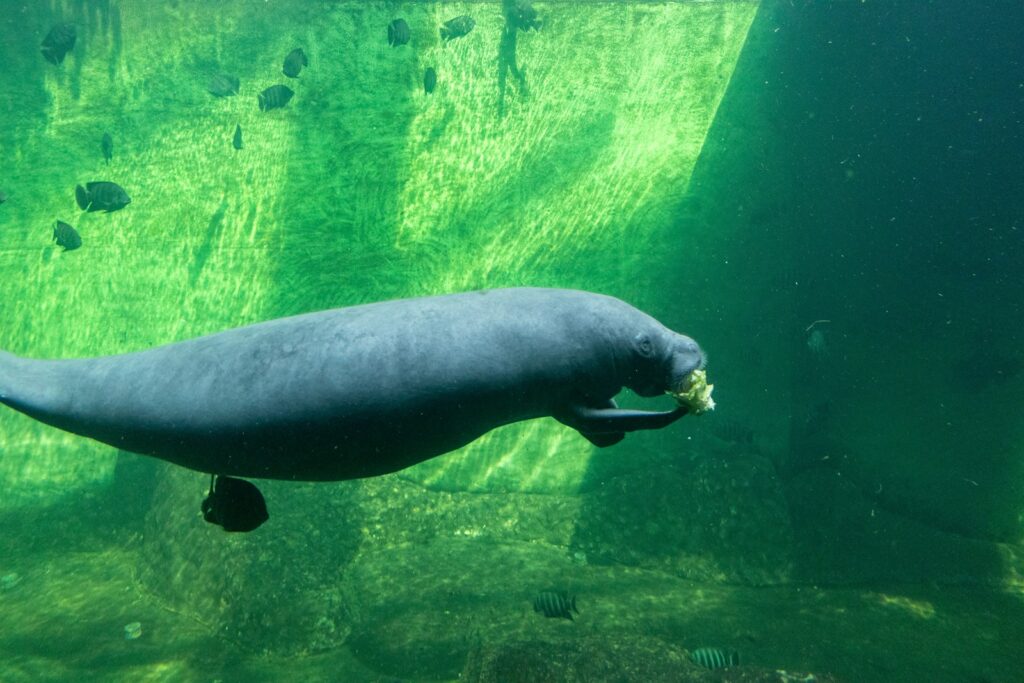
Manatees belong to the order Sirenia, aquatic mammals that evolved from four-legged land animals approximately 50 million years ago during the Eocene epoch. Their closest living relatives are not dolphins or whales as many assume, but rather elephants, with whom they share a common ancestor. This evolutionary connection explains several physical traits, including their bristly facial hair, fingernail-like structures on their flippers, and their unique tooth replacement system. As these early sirenians adapted to aquatic environments, they developed streamlined bodies, paddle-shaped tails, and specialized lungs that allow them to remain submerged for extended periods while feeding on aquatic vegetation. Fossil evidence shows that diverse sirenian species once populated waters worldwide, gradually specializing to inhabit the warm tropical and subtropical environments where modern manatees are found today.
The Three Manatee Species: Global Distribution
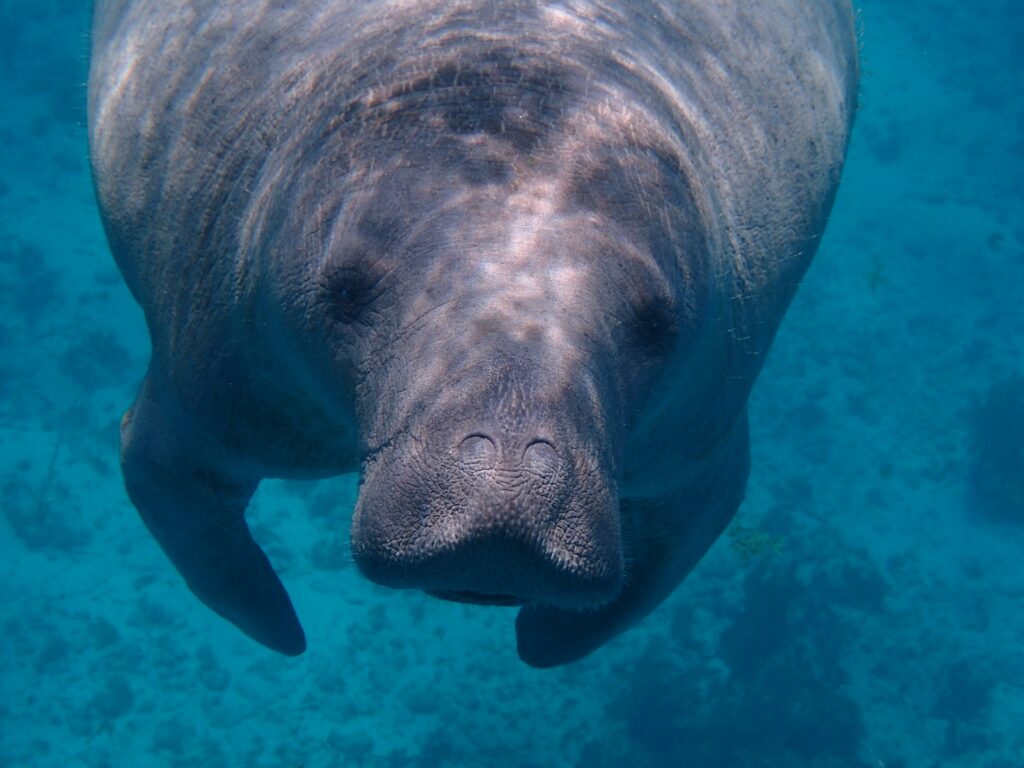
Today’s world supports three distinct manatee species, each adapted to specific geographic regions but sharing the same gentle nature. The West Indian manatee (Trichechus manatus), which includes the Florida and Antillean subspecies, inhabits the southeastern United States, the Caribbean, and portions of Central and South America’s Atlantic coast. The Amazonian manatee (Trichechus inunguis), slightly smaller and lacking the fingernails found in other species, lives exclusively in freshwater systems throughout the Amazon River basin. The African manatee (Trichechus senegalensis) ranges along Africa’s western coast from Senegal to Angola, navigating both coastal waters and inland river systems. While geographically separated, all three species face similar conservation challenges, including habitat loss, watercraft collisions, and historical hunting pressure, making their conservation a global concern spanning three continents.
Physical Adaptations: Built for Aquatic Life
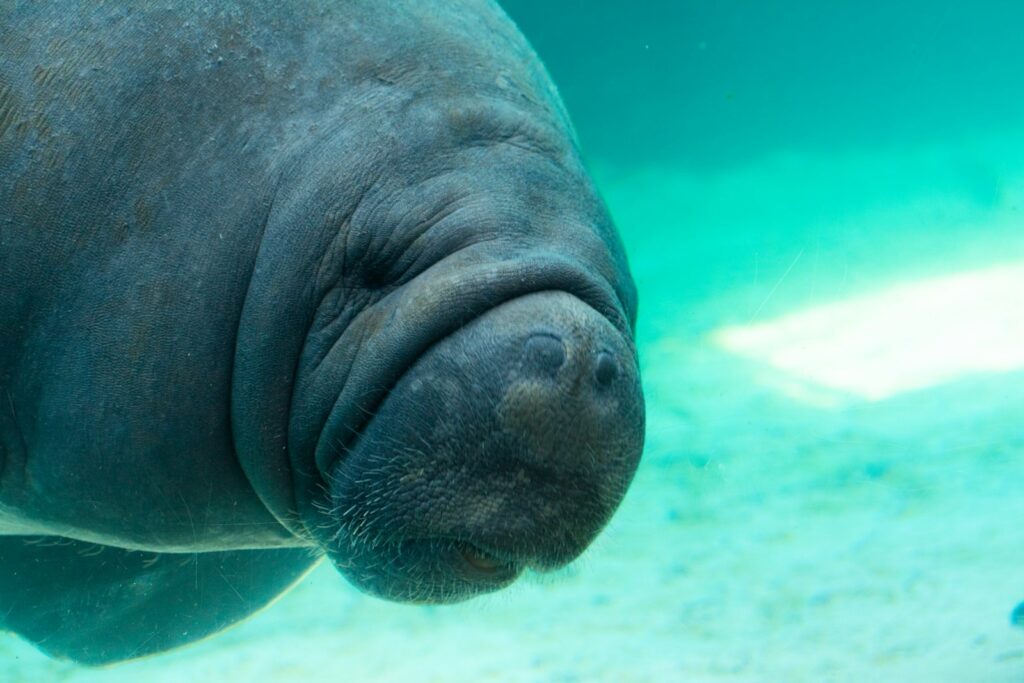
Manatees possess remarkable physical adaptations that make them perfectly suited for their aquatic lifestyle. Their bodies feature a thick layer of blubber that provides insulation against cold water temperatures, buoyancy control, and energy storage during times when food becomes scarce. Their muscular, flexible lips are equipped with sensitive bristles that help them locate and manipulate food, working somewhat like a combination of fingers and taste buds. Unlike most mammals, manatees have no hind limbs, instead evolving a powerful, paddle-shaped tail that propels them through water with surprising agility despite their bulky appearance. Perhaps most impressive is their unique lung structure, which runs horizontally along their back rather than vertically in the chest cavity, allowing for precise buoyancy control as they navigate between surface breathing and bottom feeding without expending excessive energy.
Diet and Feeding: Nature’s Aquatic Lawnmowers
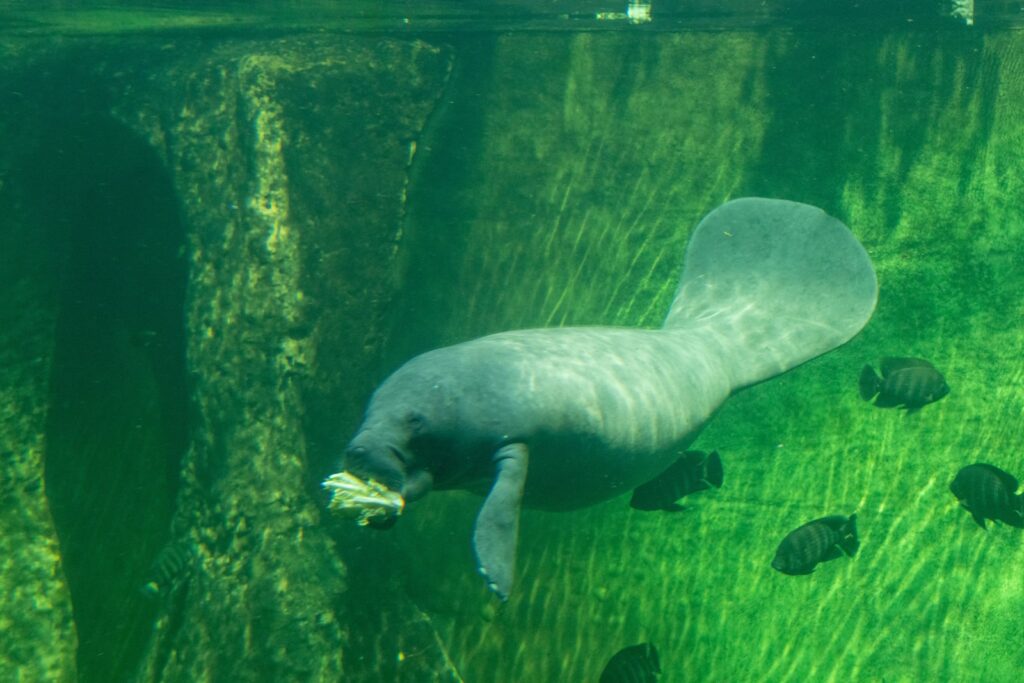
Manatees are obligate herbivores with voracious appetites, consuming between 4-9% of their body weight in vegetation daily – equivalent to 100-150 pounds of plants for a typical adult. Their diverse menu includes more than 60 different species of aquatic plants, with favorites being seagrass, hydrilla, water lettuce, and various algae species that thrive in southern waterways. When feeding, manatees use their muscular, prehensile lips to grasp vegetation and pull it into their mouths, where specialized molars grind the tough plant material. These molars exhibit a unique replacement system called “marching molars,” where new teeth continuously form at the back of the jaw and slowly move forward as older teeth wear down and fall out at the front. This constant tooth replacement is crucial for processing the abrasive plant materials that make up their diet and represents one of their most distinctive evolutionary adaptations.
Historical Presence in the American South
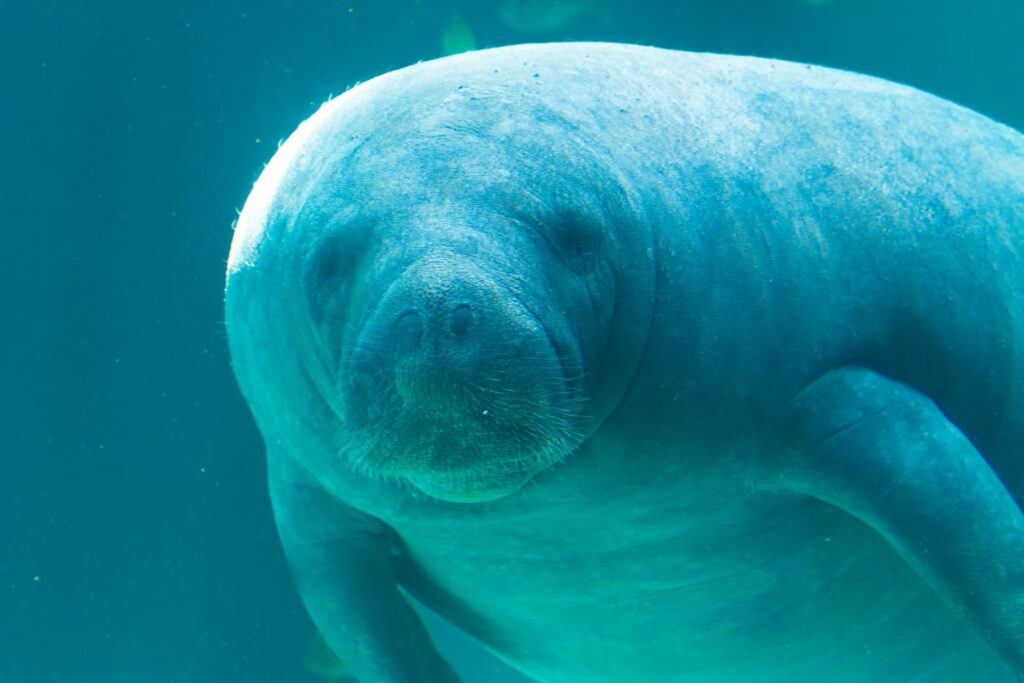
Archaeological evidence and historical accounts suggest manatees have inhabited southern waters for thousands of years, with Native American communities documenting their presence long before European colonization. Early Spanish explorers, including Christopher Columbus, noted encounters with manatees, sometimes mistaking them for mermaids – an error that gave rise to the order name “Sirenia,” referencing mythological sirens. By the 18th and 19th centuries, manatees had become common fixtures in Florida’s waterways, with historical accounts describing large aggregations in springs and coastal areas throughout the Gulf Coast. Native American tribes, including the Seminole and Timucua, incorporated manatees into their cultural traditions and folklore, viewing them as sacred creatures deserving respect. These historical relationships created a foundation for the cultural significance manatees would continue to hold in the American South into modern times.
Cultural Significance: From Hunting Target to Beloved Symbol
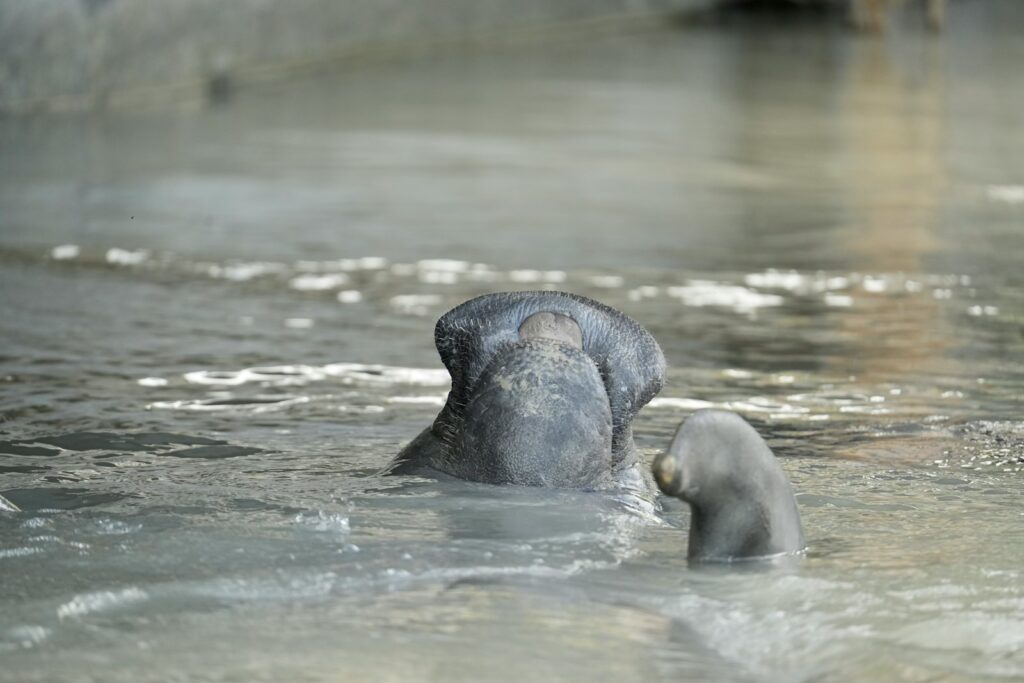
The relationship between humans and manatees has undergone a dramatic transformation over centuries. Early settlers and indigenous peoples occasionally hunted manatees for their meat, hides, and oil, though never at the industrial scale that devastated whale populations. By the 20th century, as environmental awareness grew, manatees transitioned from hunting targets to cultural icons and conservation symbols throughout the South. Florida officially designated the manatee as its state marine mammal in 1975, cementing its status as a regional symbol. Today, manatees generate significant tourism revenue in southern states, with dedicated viewing centers attracting thousands of visitors annually to communities like Crystal River and Blue Spring. The transformation of the manatee’s cultural status represents one of wildlife conservation’s greatest success stories in shifting public perception from resource to revered species.
Winter Migrations: The Search for Warmth
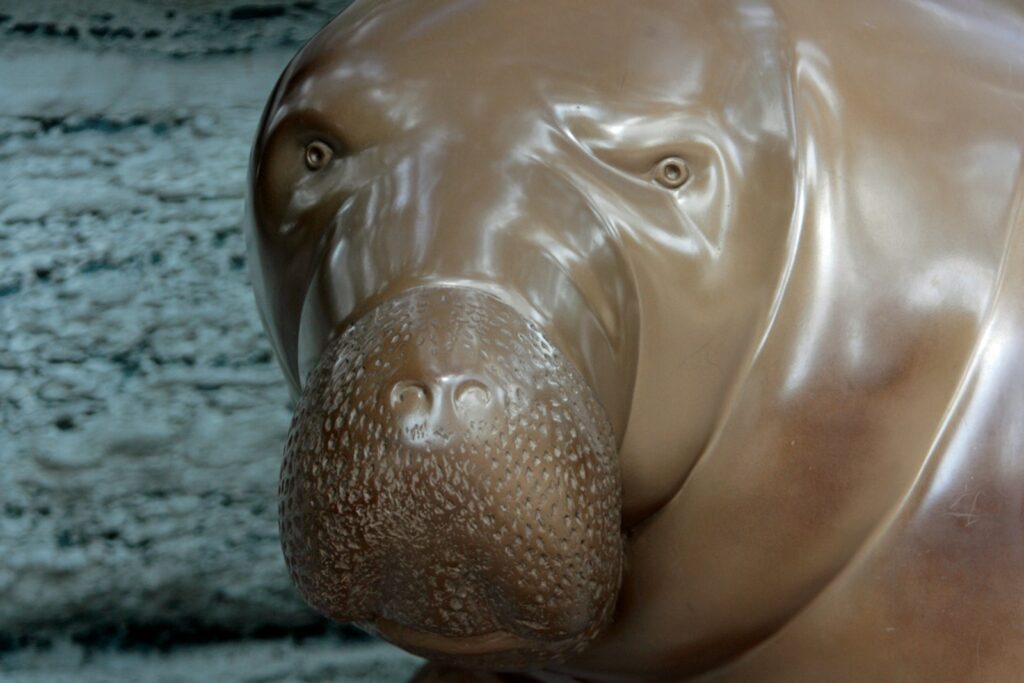
One of the most remarkable aspects of manatee behavior is their seasonal migration pattern driven by their low tolerance for cold water temperatures. When water temperatures drop below 68°F (20°C), manatees face potentially fatal cold stress syndrome, making winter survival a significant challenge in their subtropical range. Florida manatees have adapted by undertaking seasonal migrations to natural warm-water refuges like springs that maintain a constant 72°F year-round. Additionally, they have opportunistically incorporated artificial warm-water outflows from power plants into their migration routes, creating unique management challenges as these industrial sites become essential winter habitat. These winter aggregations can be spectacular, with hundreds of manatees gathering in thermal sanctuaries like Blue Spring State Park or Three Sisters Springs, creating both tourism opportunities and conservation challenges as hundreds of animals concentrate in small areas. Research using satellite tracking has revealed that individual manatees show remarkable fidelity to specific wintering sites, returning to the same locations year after year across their multi-decade lifespan.
Social Structure and Communication
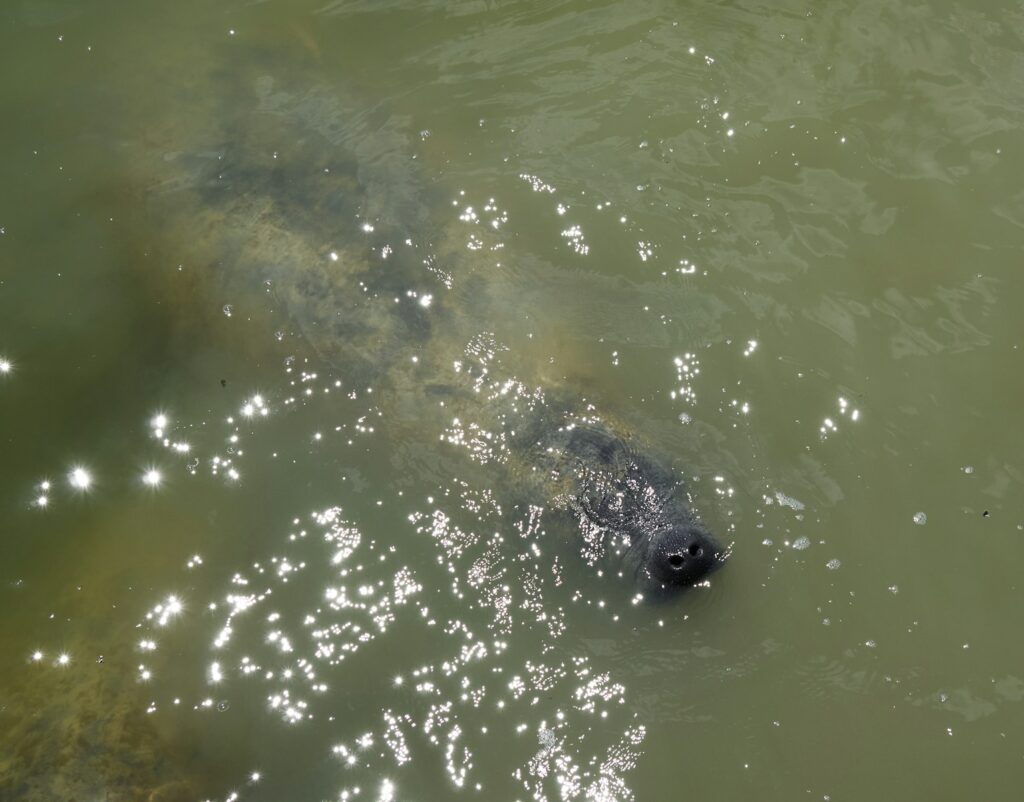
Despite their reputation as solitary animals, manatees maintain a complex social structure best described as a loose network of individuals with fluid associations. Mothers and calves form the strongest bonds, with young remaining dependent on their mothers for up to two years while learning migration routes, feeding grounds, and survival skills. Adult manatees communicate through a repertoire of underwater vocalizations consisting of chirps, whistles, and squeaks that can travel considerable distances underwater. These vocalizations appear particularly important during mating season when males form temporary “mating herds” around receptive females. Research has revealed that manatees possess excellent auditory capabilities and can recognize individual calls, suggesting they maintain social recognition despite their seemingly solitary lifestyle. Their communication abilities, while less studied than those of dolphins or whales, demonstrate surprising complexity for animals once considered relatively simple in their social interactions.
Conservation Challenges: Human Impacts
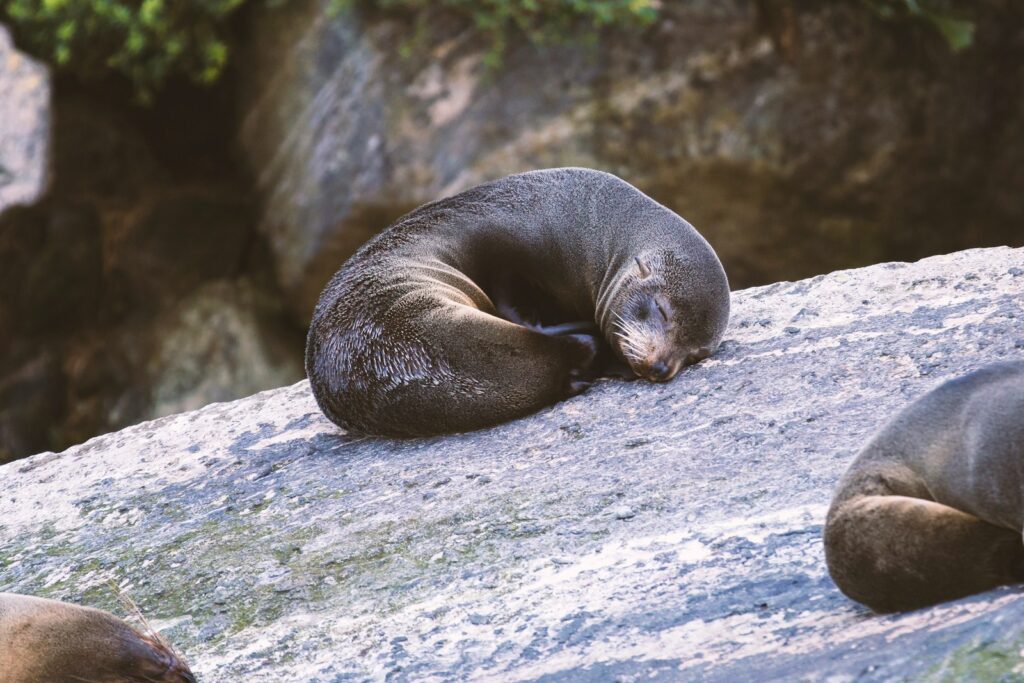
The greatest threats to manatee survival come directly from human activities that have intensified with Florida’s population growth. Watercraft collisions represent the leading documented cause of manatee mortality, with propeller strikes leaving distinctive scarring patterns that allow researchers to identify nearly every adult manatee individually based on their unique injury patterns. Habitat loss through coastal development has eliminated critical feeding areas and travel corridors, while water management practices have altered natural hydrological systems manatees rely upon. More recently, catastrophic mortality events linked to poor water quality have devastated manatee populations, particularly in the Indian River Lagoon where massive seagrass die-offs have created functional famine conditions. Industrial warm water outflows create an additional vulnerability, as manatees have become dependent on artificial heat sources that could disappear with infrastructure changes, potentially stranding winter populations without thermal refuge.
Conservation Success: The Road to Recovery
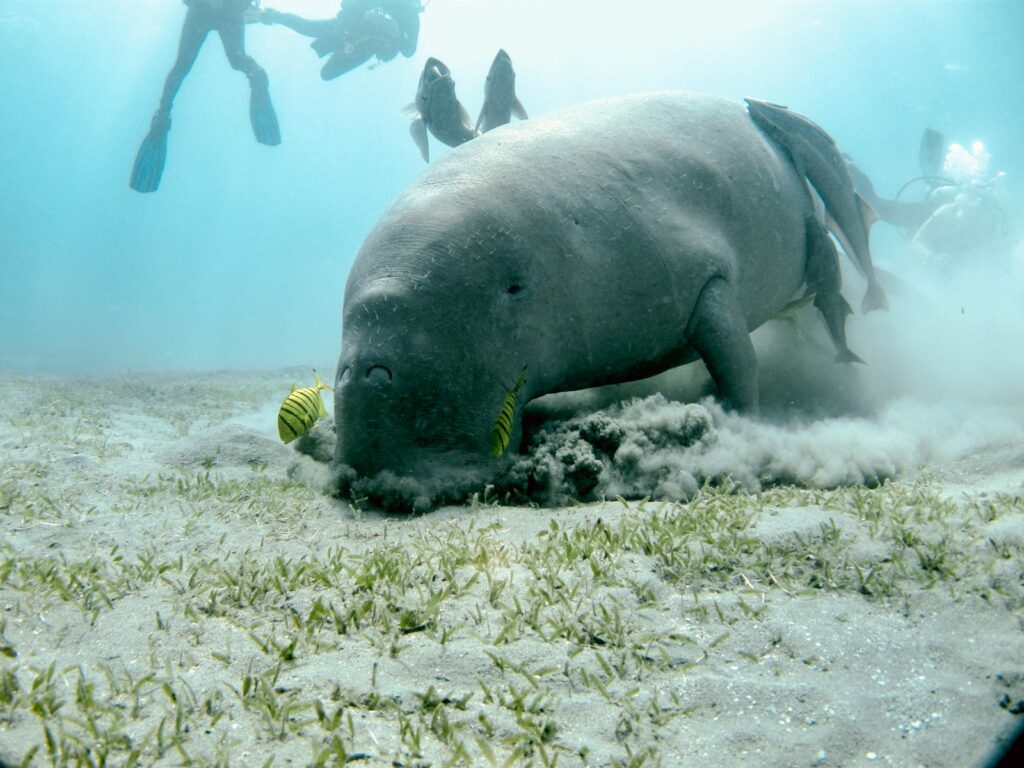
Manatee conservation represents one of wildlife management’s most comprehensive efforts, combining legal protections, habitat conservation, public education, and rehabilitation programs. The species gained federal protection under the Endangered Species Act in 1973, and by 1978, Florida established the first manatee sanctuaries where human activities are strictly regulated during winter months. Population monitoring through synoptic surveys began in 1991, creating one of wildlife science’s longest continuous population datasets. These combined efforts produced remarkable results, with Florida manatee populations growing from approximately 1,200 animals in the 1990s to over 7,500 by 2017, leading to their federal status being downlisted from “endangered” to “threatened.” Rescue networks now span the state, with specialized facilities equipped to rehabilitate injured or orphaned manatees and return them to the wild. This multi-faceted approach demonstrates how comprehensive conservation planning can reverse population declines even for species facing complex threats.
Tourism Impact: The Manatee Economy

The economic value of living manatees has created powerful incentives for conservation throughout the South, particularly in Florida where manatee tourism generates substantial revenue. Communities like Crystal River have transformed their economies around sustainable manatee viewing, with studies estimating that manatee-related tourism generates over $30 million annually in that single small community. Tour operators offering swim-with-manatee experiences operate under strict guidelines designed to minimize wildlife disturbance while providing close encounters. Manatee merchandise, from stuffed animals to clothing, generates millions in additional revenue that often supports conservation efforts through partnerships with environmental organizations. This economic importance has converted former skeptics, including business owners and recreational boaters who once opposed speed restrictions, into conservation advocates as they recognize manatees’ value as living resources. The “manatee economy” demonstrates how wildlife protection and economic development can become mutually reinforcing rather than opposing forces.
Research Breakthroughs: Understanding Manatee Biology
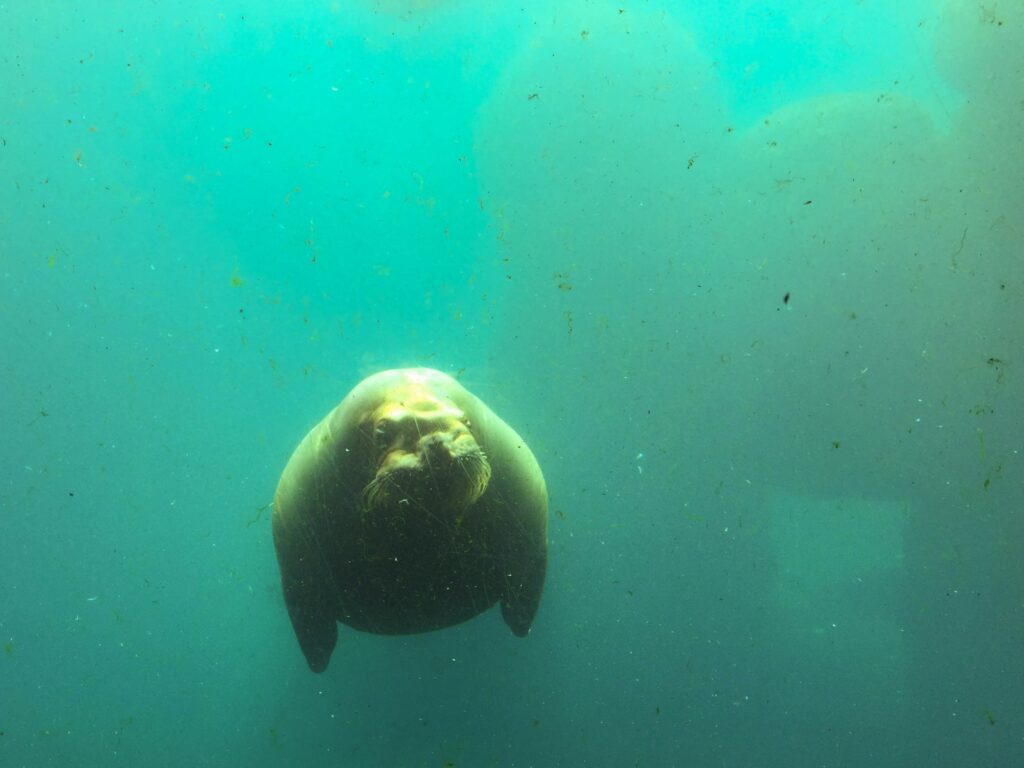
Scientific understanding of manatee biology has expanded dramatically through technological advances in tracking and monitoring. GPS tracking devices now allow researchers to follow individual manatees’ movements across thousands of miles and multiple years, revealing previously unknown migration patterns and habitat use. Genetic studies have identified distinct subpopulations within the Florida manatee, information critical for targeted conservation efforts that address specific regional threats. Health assessment programs involving temporary captures allow scientists to collect biological samples, perform medical evaluations, and assess reproductive status while attaching monitoring devices. Perhaps most fascinating are recent cognitive studies suggesting manatees possess sophisticated learning abilities and memory, demonstrating they can solve experimental tasks and remember solutions years later. This growing body of research continues to reveal manatees as more complex and adaptable than previously understood, informing management strategies and deepening public appreciation for these remarkable animals.
Future Challenges: Climate Change and Habitat Transformation
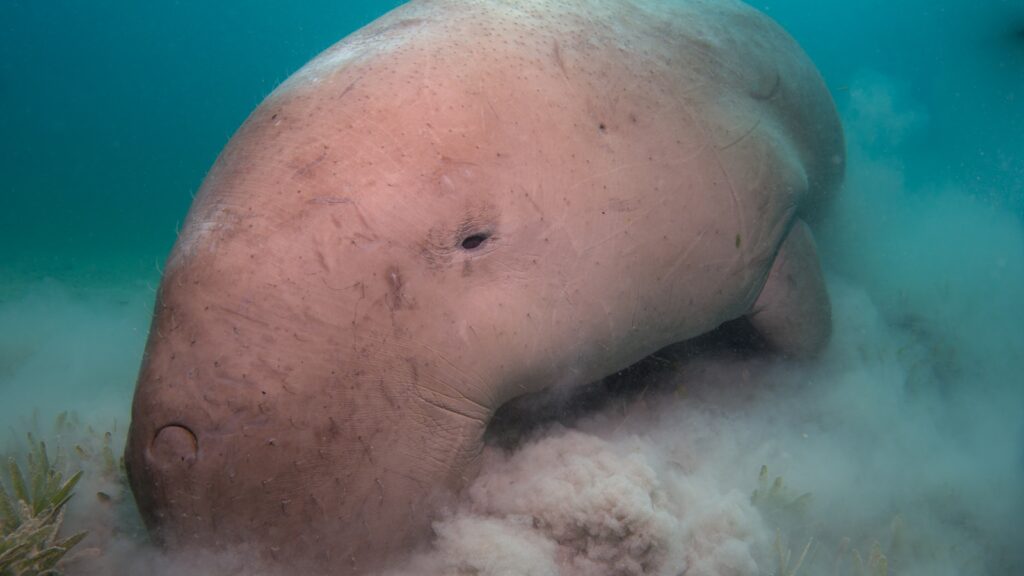
Manatees face uncertain futures as climate change transforms their habitats in multiple ways. Rising sea levels threaten to inundate coastal areas where seagrasses grow, potentially eliminating critical feeding grounds that already face stress from pollution and boat traffic. Warming waters may expand manatees’ range northward while simultaneously increasing harmful algal blooms that destroy seagrass beds through reduced light penetration. Intensifying storm systems pose direct threats through storm surge and indirect threats by altering coastal geography and vegetation patterns. Changing rainfall patterns affect freshwater flow into estuaries, potentially altering salinity levels beyond manatees’ tolerance in key habitats. Despite these challenges, manatees have demonstrated surprising adaptability throughout their evolutionary history, suggesting they may adjust to changing conditions if given sufficient protection from immediate threats and maintained access to essential habitat features like thermal refuges and adequate food supplies.
Conservation Success: A Model for Other Species
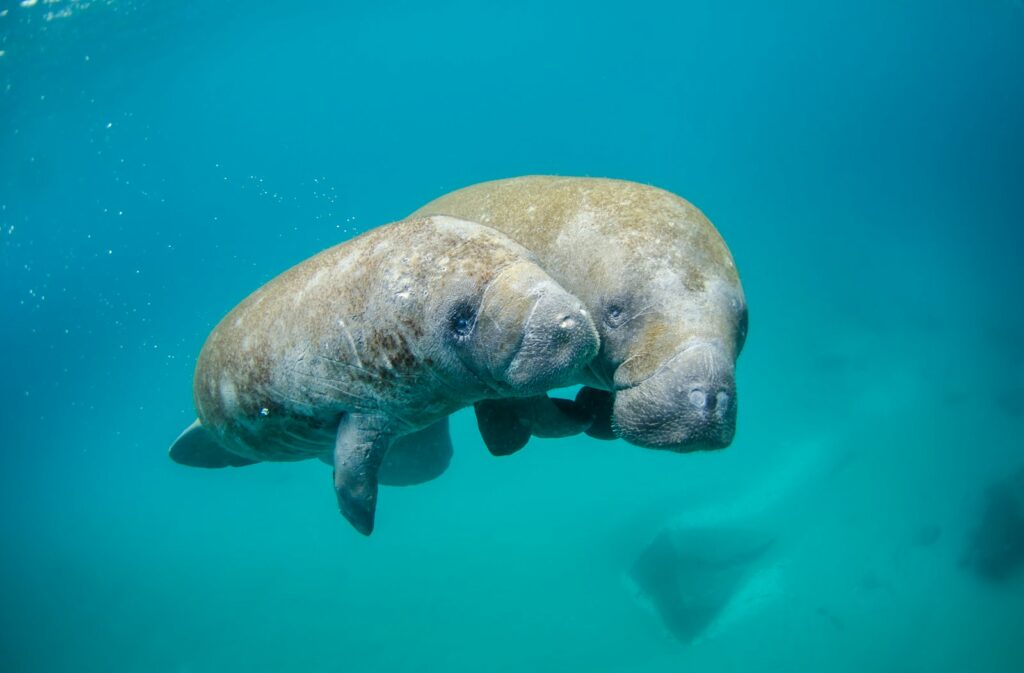
The recovery of manatee populations from their endangered status provides valuable lessons for conservation efforts targeting other marine mammals worldwide. The manatee conservation model demonstrates the effectiveness of multi-pronged approaches that address direct mortality through regulation while simultaneously protecting habitat and raising public awareness. Perhaps most importantly, manatee conservation succeeded by making protection economically beneficial to local communities, creating stakeholders with financial interests in healthy manatee populations. This integrated approach has been adapted for dugong conservation in Australia and sirenian protection in the Amazon and West Africa, demonstrating its transferability to different ecological and social contexts. The manatee’s transformation from an obscure marine mammal to a beloved conservation symbol represents a roadmap for changing public perception around other threatened species that lack manatees’ inherent charisma. As conservation challenges evolve with climate change and growing human populations, the lessons learned from manatee protection will continue informing wildlife management practices worldwide.
The story of how manatees became the gentle giants of the South reflects a remarkable journey of adaptation, near extinction, and recovery. From their evolution from land mammals to their current status as beloved symbols of southern waterways, manatees have maintained their gentle nature while facing constantly changing relationships with humans. Their future remains uncertain as new threats emerge, but their resilience throughout millennia suggests these extraordinary animals may continue gracing southern waters for generations to come. As stewards of their aquatic habitat, our ongoing conservation efforts will determine whether future generations can continue to experience the wonder of encountering these peaceful giants in their natural environment – a living connection to prehistoric times swimming peacefully in modern waterways.