
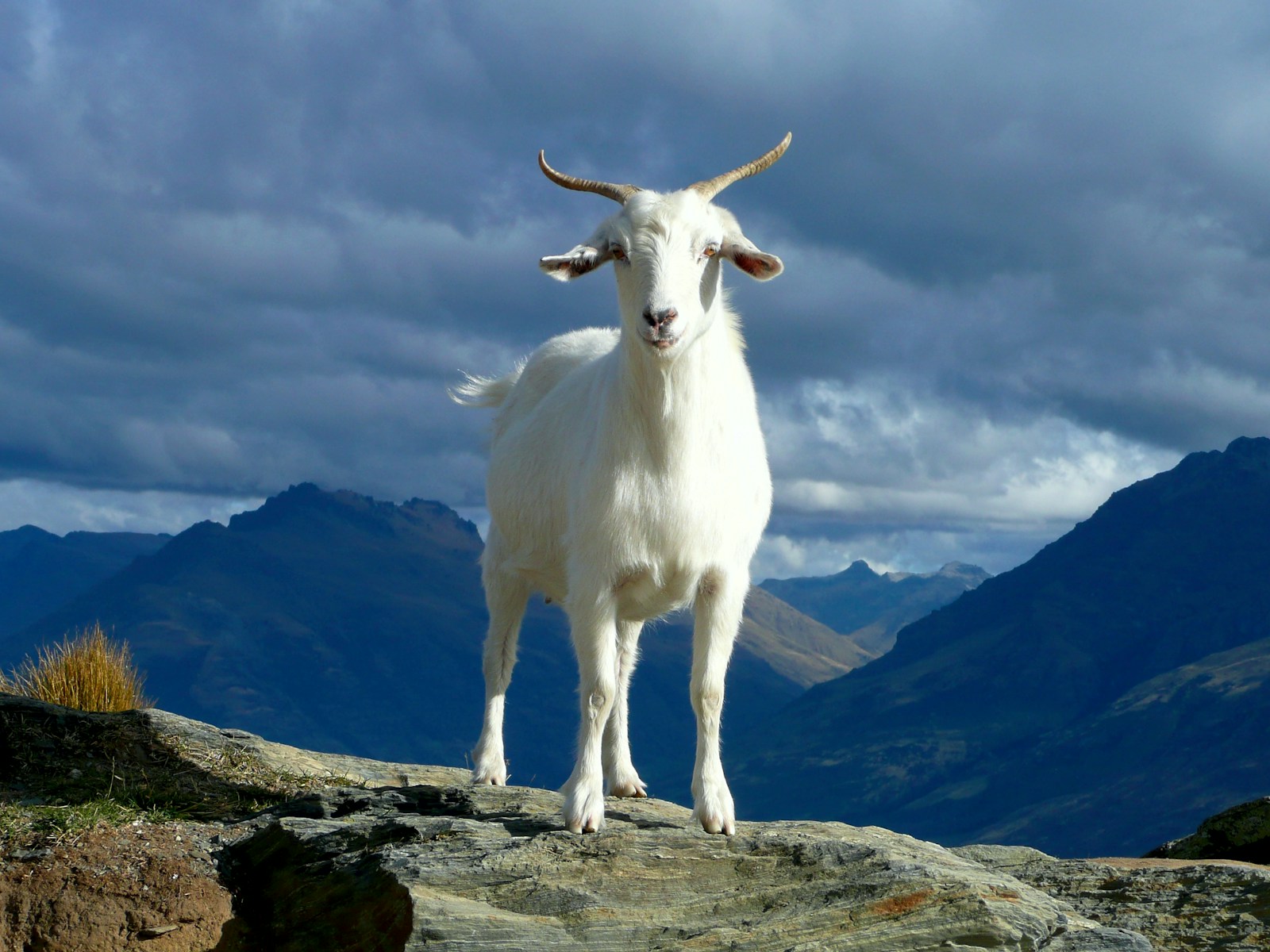
Perched on impossibly narrow ledges with thousand-foot drops below, mountain goats have earned their reputation as nature’s ultimate climbers. These remarkable animals demonstrate feats of balance and agility that seem to defy the very laws of physics, navigating vertical cliff faces that would challenge even the most experienced human climbers with advanced equipment. Native to the rugged alpine regions of North America, from Alaska to the Rocky Mountains, mountain goats have evolved specialized adaptations that allow them to thrive in some of the most inhospitable terrain on the continent. Their ability to traverse steep cliff faces isn’t merely impressive—it’s essential to their survival strategy, helping them evade predators and access food sources that remain untouched by competing species. This article explores the fascinating physical adaptations, behavioral strategies, and evolutionary advantages that allow mountain goats to conquer America’s most formidable vertical landscapes with apparent ease.
The Remarkable Anatomy of Mountain Goat Hooves
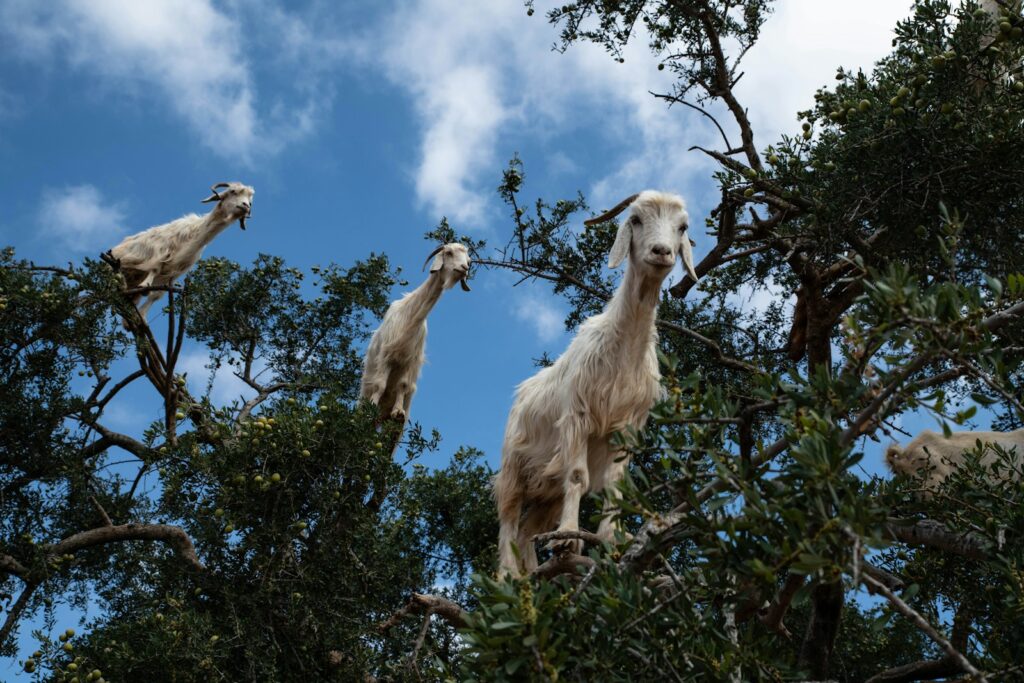
At the heart of a mountain goat’s climbing ability lies its extraordinarily specialized hooves, which represent perhaps the most perfect natural climbing tools in the animal kingdom. Unlike the hard, solid hooves of horses or the split hooves of most other ungulates, mountain goat hooves feature a unique two-part design: a hard outer edge that provides cutting grip on rock surfaces and a soft, rubbery center pad that creates friction and traction. This specialized structure allows the hooves to function almost like natural climbing shoes, with the soft pad molding to tiny imperfections in the rock while the sharp edge can catch on the smallest of ledges. Additionally, the two toes of each hoof can spread apart to enhance stability and grip, essentially allowing the goat to create a wider, more stable platform when navigating precarious positions. Perhaps most impressively, mountain goats can adjust the splaying of their hooves in response to the specific terrain challenges they encounter, demonstrating an adaptive control over their climbing equipment that few other animals possess.
Balance Mechanisms and Low Center of Gravity
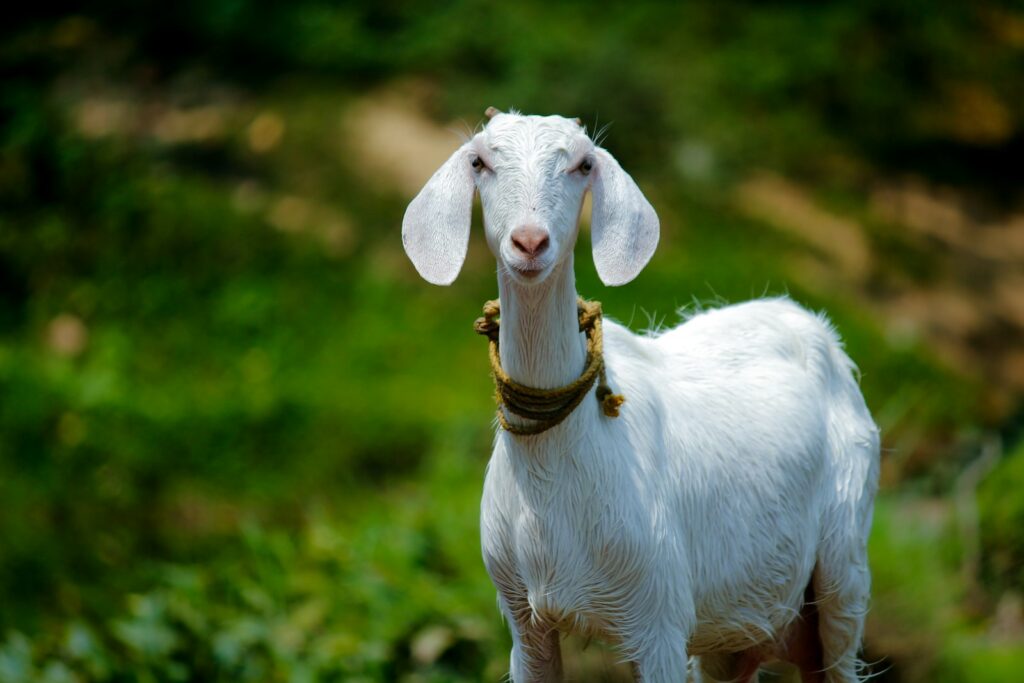
Mountain goats possess an exceptionally low center of gravity relative to their size, which provides crucial stability when navigating steep inclines and narrow ledges. Their stocky, muscular bodies are designed with most of their weight concentrated in their shoulders and chest rather than their hindquarters, allowing them to maintain balance even when their front legs are positioned higher than their back legs on near-vertical surfaces. The mountain goat’s relatively short legs further enhance this stability advantage by keeping their body close to the rock face, reducing the risk of toppling backward during climbs. Their exceptional sense of balance is also supported by a highly developed vestibular system in the inner ear, which provides precise information about body position and orientation. This biological gyroscope allows mountain goats to make split-second adjustments to maintain stability, even when strong winds or loose rocks create challenging conditions on exposed cliff faces. Together, these adaptations create an animal perfectly designed to maintain composure in positions that would be fatal for virtually any other large mammal.
The Role of Muscular Strength and Endurance
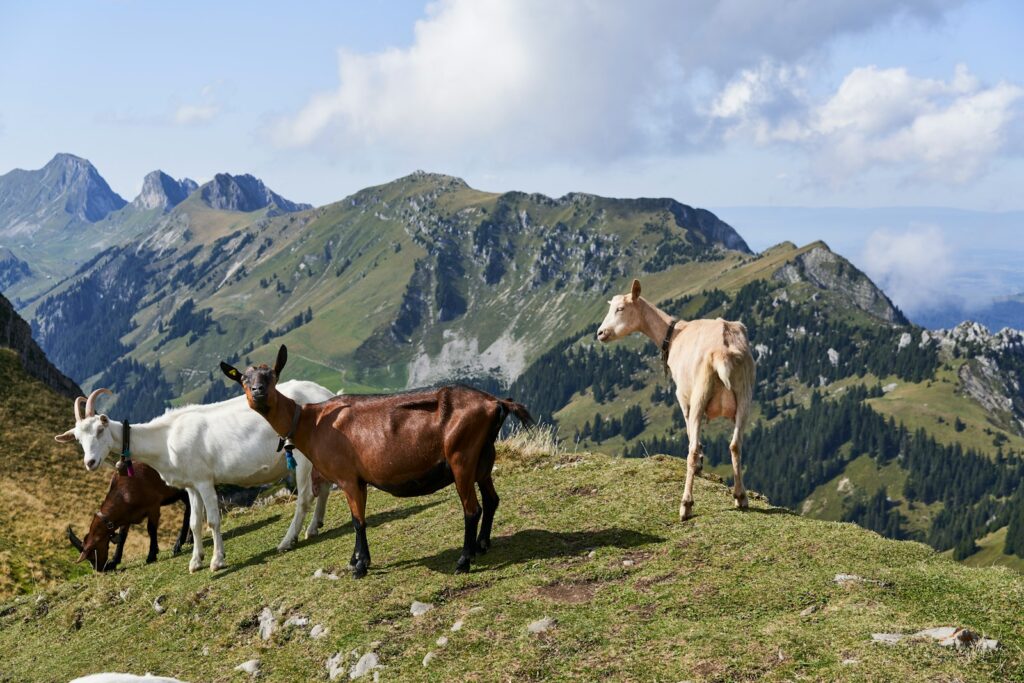
Behind every gravity-defying leap and precarious traverse lies extraordinary muscular power that makes mountain goats among the strongest climbers in the animal kingdom relative to their body size. Their legs contain densely packed slow-twitch muscle fibers that provide exceptional endurance for long climbs, while fast-twitch fibers enable the explosive power needed for vertical jumps of up to 12 feet. The mountain goat’s shoulder and neck muscles are particularly well-developed, allowing them to pull themselves up over ledges using primarily upper body strength when necessary. Their core muscles—including powerful abdominals and back muscles—work constantly to maintain proper posture and balance during climbs, making adjustments that are often too subtle for human observers to notice. Perhaps most impressive is the mountain goat’s ability to sustain climbing efforts for hours at a time, scaling thousands of vertical feet without showing signs of fatigue that would quickly overcome even well-conditioned human climbers. This exceptional muscular endurance is supported by a highly efficient cardiovascular system adapted to function optimally in high-altitude, low-oxygen environments.
Navigational Intelligence and Spatial Memory
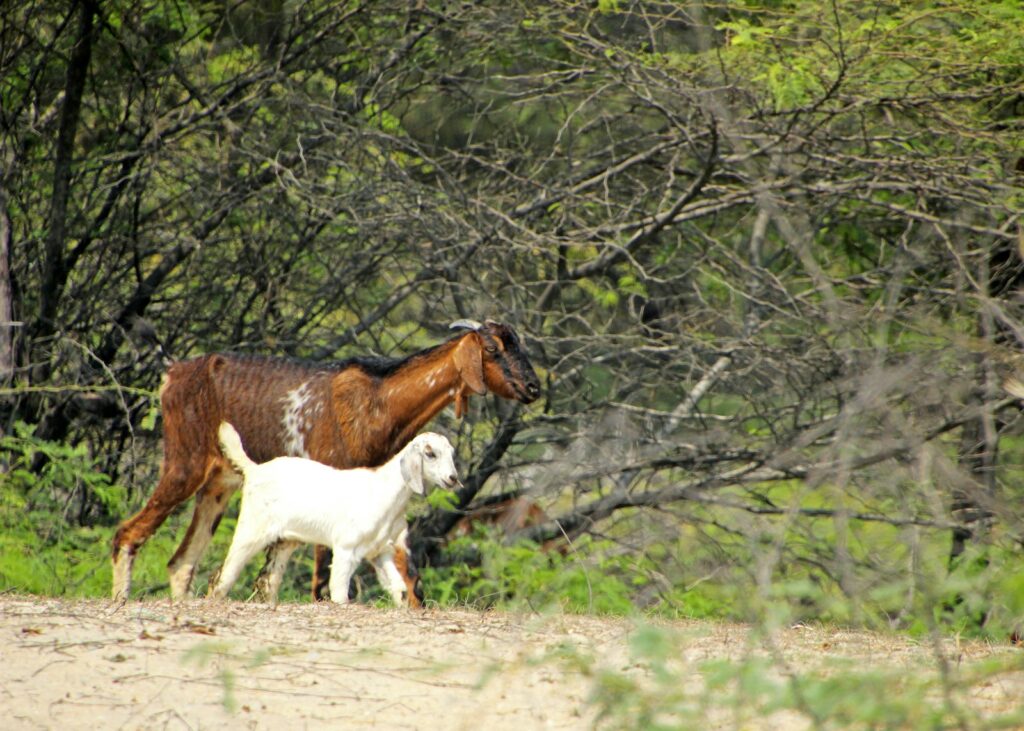
Mountain goats display remarkable cognitive abilities that complement their physical adaptations for cliff navigation, including exceptional spatial memory and route-finding intelligence. Studies have shown that these animals can remember complex climbing routes across vast cliff systems, often following the same paths year after year during seasonal migrations. Their ability to assess terrain safety is equally impressive, as they can quickly evaluate whether a particular ledge or rock face will support their weight before committing to a climbing move. Mountain goats also demonstrate impressive problem-solving skills when encountering obstacles, often pausing to consider multiple potential routes before selecting the most efficient path. Their navigational abilities include an understanding of how weather conditions affect climbing safety, with goats frequently avoiding certain exposures during storms or high winds. This combination of spatial memory, risk assessment, and adaptive decision-making represents a specialized form of intelligence that has evolved specifically to meet the extreme challenges of their vertical habitat.
Learning to Navigate: How Young Goats Develop Climbing Skills
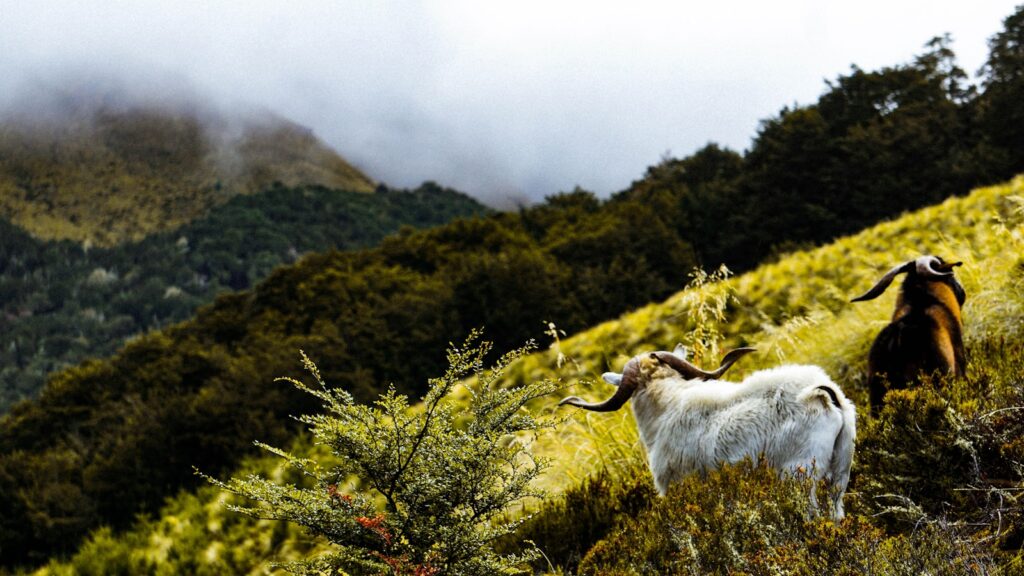
The journey to becoming a masterful cliff climber begins remarkably early for mountain goat kids, who can stand and walk within minutes of birth and begin navigating moderate slopes within hours. This precocious development is essential for survival, as newborns must quickly develop the ability to follow their mothers across challenging terrain. Young kids learn primarily through observation and imitation, carefully watching their mothers’ hoof placement and body positioning before attempting similar movements themselves. The learning process involves a graduated approach to risk, with mothers initially guiding their young along relatively safer routes before progressively introducing more challenging terrain as the kids’ skills develop. By approximately two months of age, mountain goat kids have typically developed sufficient coordination and strength to navigate moderately difficult cliff faces, though they continue refining their techniques throughout their first two years. This extended learning period highlights the complexity of the skills involved, as young goats must master not only physical techniques but also develop the judgment to assess terrain safety and select appropriate routes.
Seasonal Variations in Climbing Behavior

Mountain goats display fascinating seasonal adjustments to their climbing patterns, adapting their vertical movements to changing environmental conditions throughout the year. During summer months, goats often climb to higher elevations where cooler temperatures provide relief from heat and access to alpine meadows rich with nutritious vegetation. These summer ascents can involve navigating some of the most technical terrain in their range, as the animals push to reach isolated high-altitude plateaus inaccessible to competing herbivores. In contrast, winter brings a strategic descent to lower elevations where the goats seek south-facing slopes with reduced snow accumulation and greater forage accessibility. Winter navigation presents unique challenges as ice and snow transform familiar routes, requiring goats to adjust their climbing techniques and often limiting them to slopes where the angle is steep enough that snow cannot accumulate. Spring brings perhaps the most dangerous climbing period, as melting conditions create loose rocks and unstable surfaces that demand exceptional caution and skill to navigate safely. These seasonal adaptations highlight the mountain goat’s remarkable ability to modify its climbing strategy in response to changing environmental conditions.
The Physics of Impossible Climbs
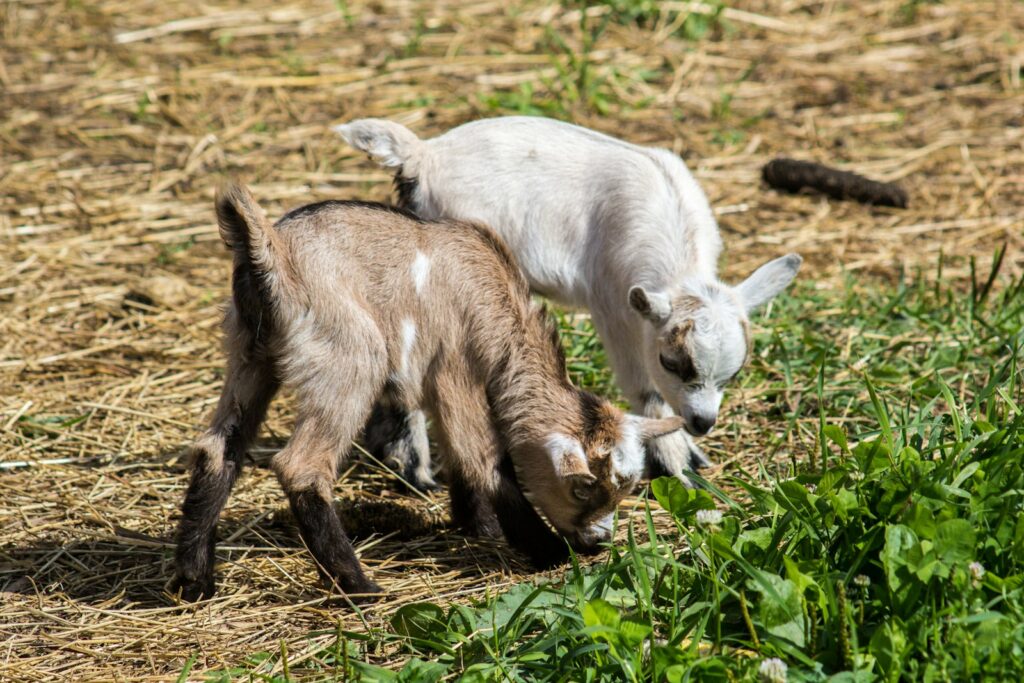
The mountain goat’s ability to navigate near-vertical surfaces sometimes appears to challenge basic physics, but closer examination reveals how these animals work within—rather than defy—physical laws. Their climbing success begins with the principle of friction, as their specialized hoof pads create significant resistance against smooth rock faces, much like high-performance climbing rubber used in human climbing shoes. Mountain goats instinctively manipulate the angle of force application, consistently directing pressure perpendicular to the slope to maximize friction and minimize slippage risk. They further enhance stability by maintaining at least three points of contact with the rock surface whenever possible, creating a tripod effect that dramatically increases stability during movement. When leaping between ledges, mountain goats display an intuitive understanding of ballistic trajectory, calculating jumps that account for both horizontal and vertical distance while considering their landing position relative to the slope angle. Perhaps most impressively, they demonstrate dynamic equilibrium during climbs, making continuous micro-adjustments to their center of mass to compensate for shifts in body position or unexpected changes in surface conditions. These physics-based strategies, refined through evolutionary adaptation, enable feats that seem impossible until their mechanical principles are understood.
Cliff Navigation as Predator Avoidance
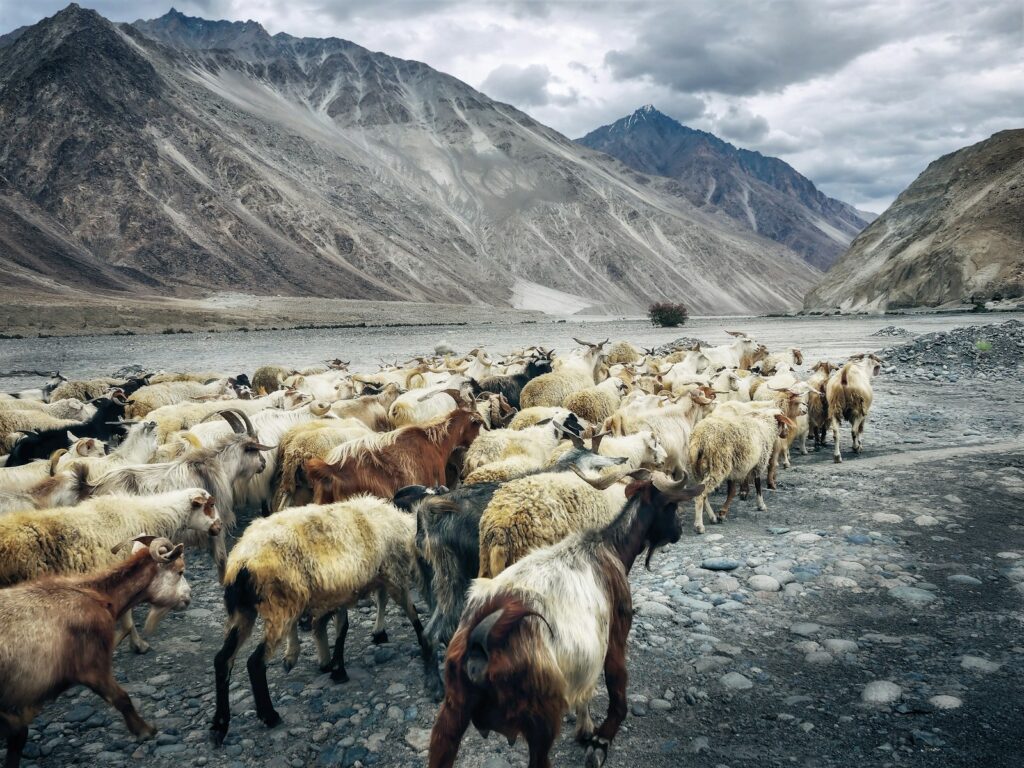
Mountain goats’ extraordinary climbing abilities serve as a primary defense strategy, allowing them to inhabit vertical environments where predators like wolves, bears, and mountain lions either cannot follow or face significantly higher risks when attempting pursuit. When threatened, mountain goats typically flee upward rather than downward or horizontally, instinctively seeking terrain that maximizes their adaptive advantages over potential predators. Their defensive strategy often involves positioning themselves on narrow ledges or cliff faces where larger predators cannot maintain balance or generate the explosive power needed for an attack. Young kids are particularly vulnerable to predation, and mothers strategically position themselves below their offspring during climbs, creating a protective barrier against predators approaching from below while simultaneously providing a safety backstop should the young goat slip. Research has documented that mountain goat populations inhabiting the most technically challenging cliff systems experience significantly lower predation rates than those in areas with more accessible terrain. This evolutionary pressure helps explain why mountain goats have developed such extreme climbing specializations, as the survival advantage conferred by mastering near-vertical terrain has driven the progressive refinement of their climbing adaptations over thousands of generations.
Comparing Mountain Goat Skills to Human Climbers

The climbing abilities of mountain goats far surpass those of even elite human climbers in several key aspects, despite our technological advantages. While human rock climbers rely on specialized equipment like sticky rubber shoes, harnesses, and protection devices, mountain goats navigate similar terrain using only their evolved biological adaptations. Perhaps most impressively, mountain goats routinely free-solo (climb without ropes) routes that would be rated at extremely difficult grades in human climbing terms, often exceeding 5.12 on the Yosemite Decimal System that measures technical difficulty. The confidence with which mountain goats navigate exposed positions is particularly remarkable—they show none of the hesitation or psychological stress that humans experience when facing significant fall potential, suggesting fundamental differences in how their brains process exposure and height. Even with modern climbing technology, humans cannot match the mountain goat’s ability to maintain stability on tiny ledges or their capacity to make dynamic moves on nearly invisible holds. These comparisons highlight not only the extraordinary nature of the mountain goat’s adaptations but also provide climbing inspiration for human mountaineers, who have studied goat movement patterns to improve their own techniques for navigating difficult alpine terrain.
Climate Change Impacts on Mountain Goat Habitat and Navigation
Climate change is creating significant new challenges for mountain goats’ cliff navigation as warming temperatures alter the physical characteristics of their alpine habitats. Accelerated melting of permafrost and ice is increasing rockfall frequency in many mountain ranges, transforming once-stable routes into unpredictable and dangerous passages. Rising temperatures are also pushing mountain goats to seek higher elevations to escape heat stress, forcing them to navigate increasingly technical terrain as they approach mountain summits with limited escape options during severe weather events. Perhaps most concerning, climate change is altering vegetation patterns in alpine zones, with tree lines advancing upward and reducing the open cliff habitat that mountain goats depend on for both forage and predator avoidance. Research has documented increased mortality rates among mountain goat populations in areas experiencing the most rapid warming, particularly during summer heat waves that force goats to navigate hazardous terrain to reach shaded areas or water sources. Conservation biologists are increasingly concerned that the rate of environmental change may exceed the pace at which these highly specialized animals can adapt their navigation strategies to new conditions, potentially threatening long-term population viability in the most affected regions.
Conservation Challenges for America’s Vertical Specialists
Mountain goats face growing conservation challenges that threaten their ability to successfully navigate their vertical domains, with human recreation perhaps presenting the most immediate concern. Increased hiking, climbing, and helicopter tourism in alpine areas can force goats to abandon optimal routes and safe havens, sometimes driving them onto more dangerous terrain where falls or exposure become life-threatening. Habitat fragmentation from road construction, mining operations, and recreational development can sever traditional migration routes, forcing goats to navigate unfamiliar and potentially more hazardous cliff systems. Wildlife management practices present additional complications, as some mountain goat populations have been introduced to mountain ranges outside their native range, creating conservation dilemmas when these adaptable climbers impact sensitive alpine ecosystems not evolved to withstand their presence. Climate change further compounds these pressures through the mechanisms detailed previously, creating a complex conservation challenge requiring integrated approaches. Conservation success stories do exist, however, with protected areas like Glacier National Park and Mount Evans Wilderness providing crucial safe havens where mountain goats can practice their remarkable climbing abilities with minimal human interference, offering hope that with proper management, these iconic cliff navigators will continue to inspire awe in future generations.
Technological Insights: How Scientists Study Cliff Navigation
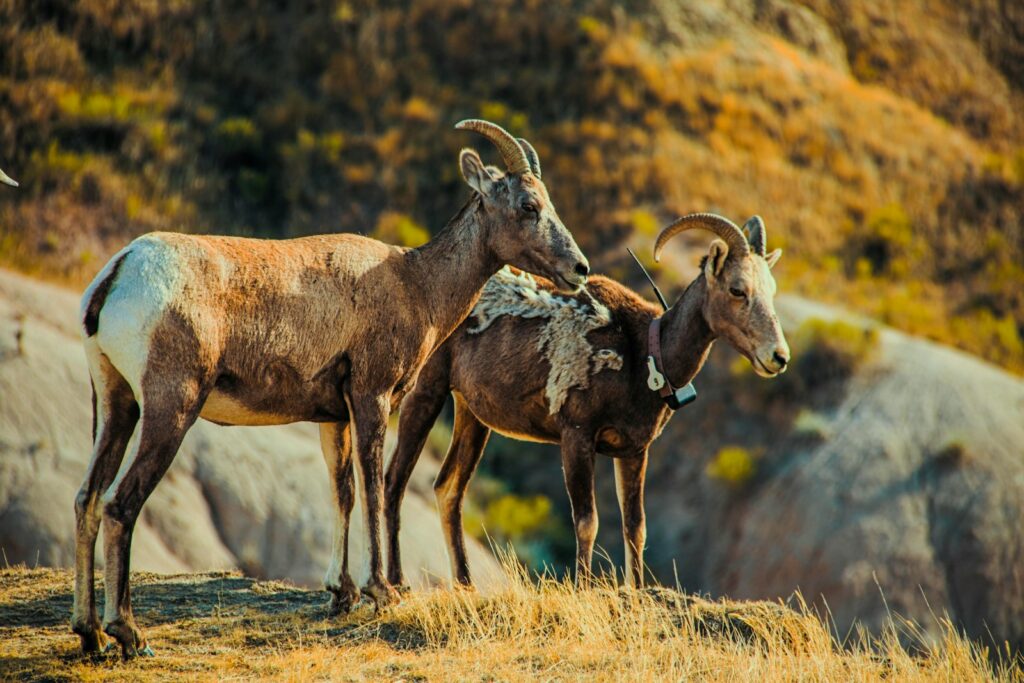
Researchers have developed innovative technologies to study the previously unobservable details of mountain goat climbing behavior, revolutionizing our understanding of their navigational techniques. GPS collars with accelerometers now provide three-dimensional movement data, allowing scientists to analyze the precise routes goats select across complex cliff systems and measure their speed and efficiency on different types of terrain. High-definition remote cameras placed on cliff faces capture detailed footage of hoof placement and body positioning, revealing subtle techniques invisible to ground-based observers, such as the precise way goats distribute weight between limbs during challenging moves. Thermal imaging technology has proven particularly valuable for studying nocturnal navigation, revealing that mountain goats often undertake their most technical climbs during pre-dawn hours when rock surfaces provide optimal temperature and grip conditions. Perhaps most fascinating are the applications of machine learning algorithms to analyze thousands of hours of climbing footage, identifying patterns in decision-making that suggest mountain goats employ complex risk assessment strategies rather than simply following instinctive behaviors. These technological approaches are not only advancing our scientific understanding but also providing insights that help prioritize conservation efforts by identifying the specific cliff features and conditions most critical to mountain goat survival.
Conclusion: Masters of the Vertical Realm
Mountain goats represent one of nature’s most remarkable examples of specialized adaptation, having evolved an integrated suite of physical, cognitive, and behavioral traits that allow them to thrive in environments too extreme for virtually any other large mammal. Their ability to navigate America’s steepest cliffs isn’t merely an impressive display of athletic prowess—it’s a sophisticated survival strategy refined over thousands of generations, allowing these animals to access untapped resources and escape predation by mastering terrain that presents insurmountable barriers to competitors. As we face a future of rapidly changing mountain environments, the continued presence of mountain goats on North America’s most formidable peaks will serve as both inspiration and indicator—a living measure of whether these fragile alpine ecosystems remain healthy enough to support their most specialized inhabitants. For those fortunate enough to witness mountain goats in their element, delicately picking their way across seemingly impossible terrain with unshakable confidence, the experience offers a profound reminder of nature’s endless capacity for specialized adaptation and the extraordinary diversity of evolutionary solutions to life’s challenges. In the mountain goat, we find not just an animal that survives in the vertical realm, but one that has made these intimidating landscapes its home, moving through them with a grace and mastery that continues to astonish even as science reveals the mechanisms behind their remarkable abilities.