
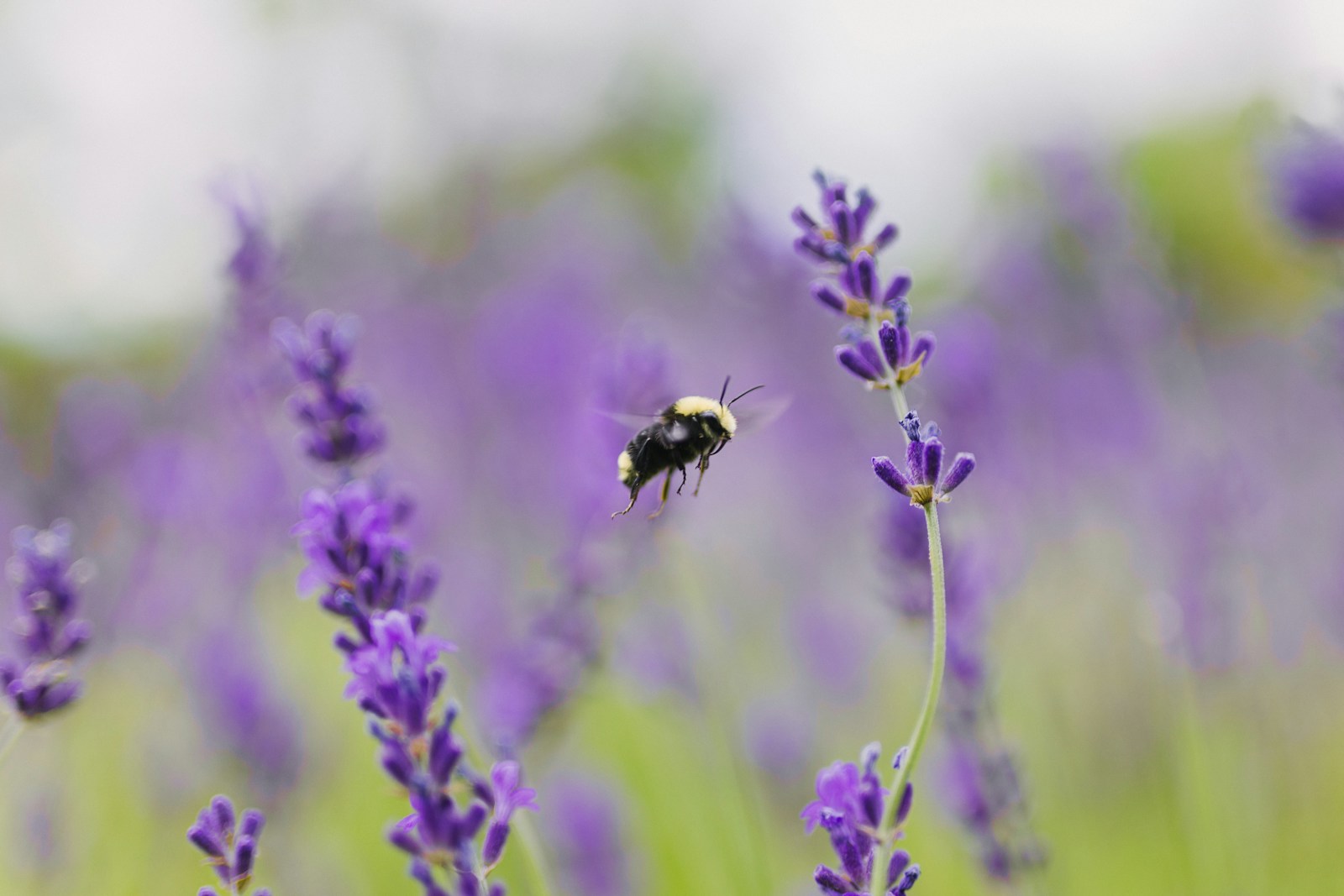
In gardens across America, a quiet revolution is taking place. As butterfly populations dwindle and bee colonies collapse, conservation-minded gardeners and organizations are fighting back with a powerful weapon: native plants. These indigenous species, which evolved alongside local pollinators for thousands of years, provide the specific nectar, pollen, and habitat that native bees, butterflies, hummingbirds, and other pollinating creatures need to survive. The movement to reintroduce native plants isn’t just about creating prettier landscapes—it represents a critical effort to restore ecological balance and protect the creatures responsible for pollinating approximately 80% of all flowering plants, including many of our food crops. This article explores how native plants are making a comeback across urban, suburban, and rural landscapes, creating vital corridors of habitat for the pollinators that sustain our ecosystems.
Understanding the Pollinator Crisis
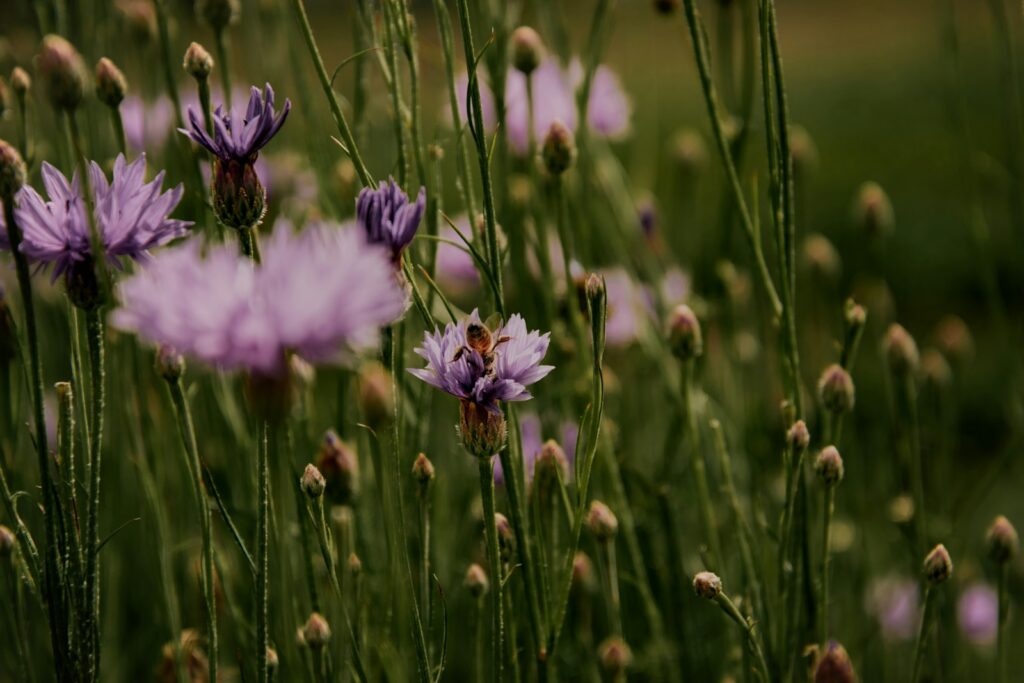
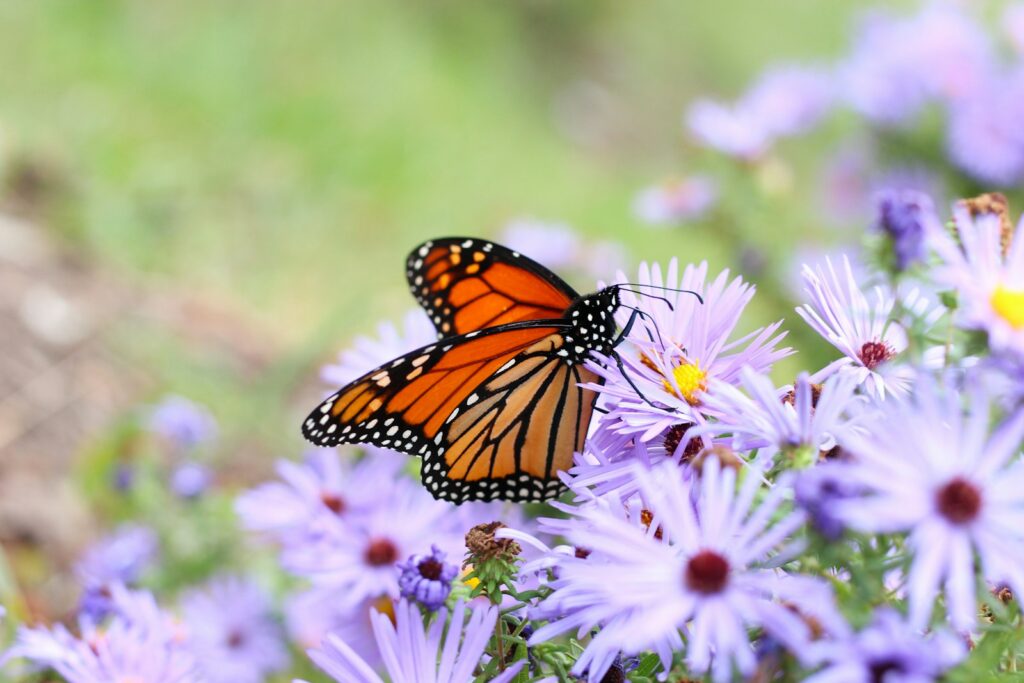
Pollinator populations have been declining at alarming rates over the past several decades, with some native bee species declining by nearly 90% and monarch butterfly populations dropping by over 80% since the 1990s. This decline stems from a perfect storm of threats: habitat loss as natural areas are converted to development or agriculture, widespread pesticide use that directly harms pollinators, climate change altering bloom times and migration patterns, and the spread of diseases and parasites. The consequences extend far beyond the loss of these fascinating creatures themselves. Approximately one out of every three bites of food we consume depends on pollination, making this an economic and food security issue as well as an environmental one. The decline represents a biodiversity crisis with cascading effects throughout ecosystems, as many birds, mammals, and other wildlife depend on the seeds, fruits, and vegetation that result from pollination.
The Native Plant Advantage
Native plants offer tremendous advantages over non-native ornamentals when it comes to supporting pollinators. Having co-evolved with local pollinator species over thousands of years, native plants produce nectar with the specific sugar concentrations and amino acid profiles that native pollinators need. Their bloom times are synchronized with the life cycles of local pollinator species, ensuring food is available when pollinators emerge or migrate through an area. Research has consistently shown that native plant gardens support significantly greater pollinator diversity and abundance than non-native landscapes, with some studies demonstrating up to five times more butterfly species and three times more bee species in native plantings. Beyond providing food, native plants also serve as host plants where butterflies and moths lay eggs, with caterpillars often able to feed only on specific native plant species—the monarch butterfly’s dependence on milkweed being the most famous example.
Urban Pollinator Corridors
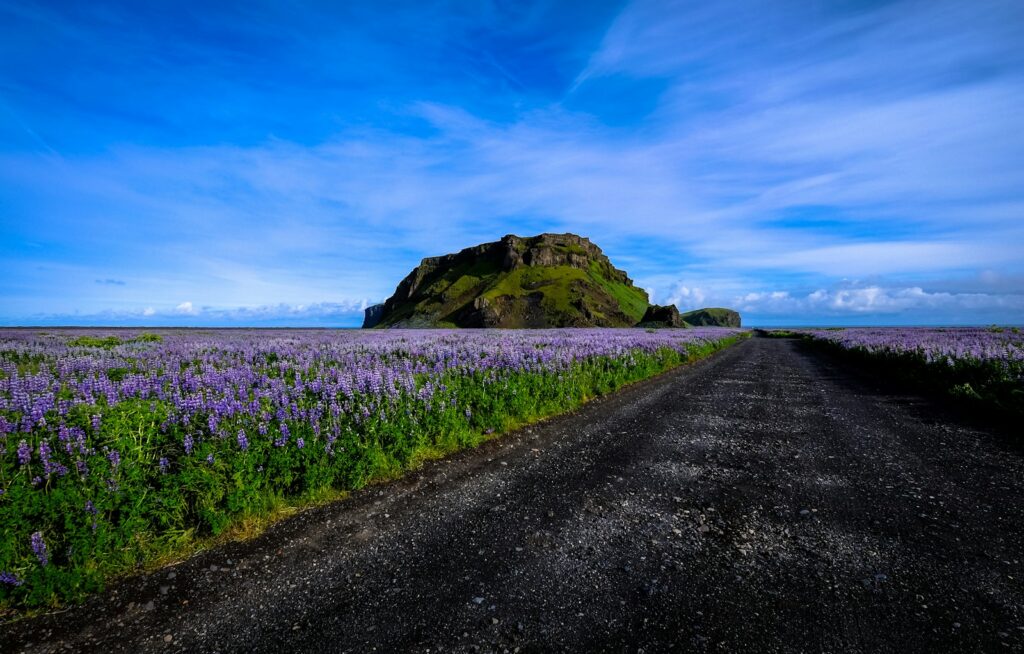
Cities across North America are creating networks of native plant gardens to establish pollinator corridors through urban environments. These corridors connect fragmented habitat patches, allowing pollinators to move safely through developed areas while finding sufficient food and shelter. Cities like Chicago, Portland, and Toronto have established municipal pollinator programs that incorporate native plantings into parks, median strips, municipal buildings, and other public spaces. In Chicago, the Department of Transportation has planted over 140 native species along roadways and public transit lines, creating miles of pollinator-friendly corridors. Citizen science initiatives in these urban areas track pollinator activity, with data showing significant increases in both pollinator diversity and abundance following native plant installations. These urban initiatives also raise public awareness as city dwellers encounter educational signage and witness pollinator activity in highly visible locations.
Prairie Restoration Projects
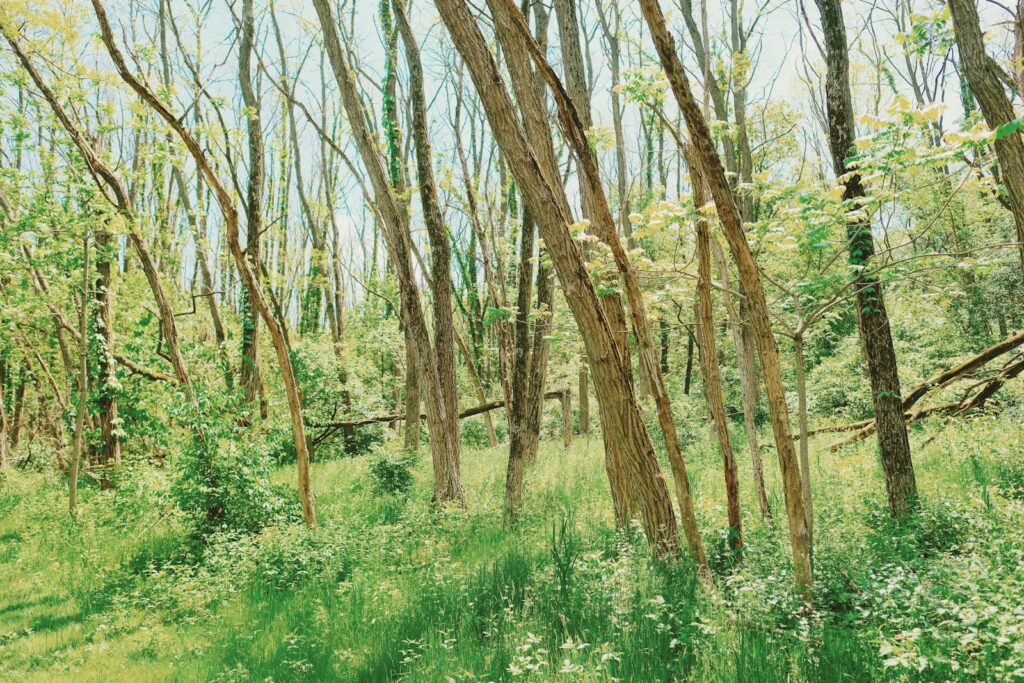
The tallgrass prairies that once covered vast swathes of North America’s heartland have been reduced to less than 1% of their original extent, representing one of the continent’s most endangered ecosystems. Large-scale prairie restoration projects are now underway across the Midwest, reintroducing diverse native grasses and wildflowers that once supported incredible pollinator abundance. Organizations like The Nature Conservancy and the Tallgrass Prairie Center have restored tens of thousands of acres, using techniques like prescribed burns, invasive species removal, and diverse seed mixes containing dozens of native species. These restored prairies provide crucial habitat for specialist bee species that can only collect pollen from specific prairie plants, as well as supporting imperiled butterflies like the regal fritillary and Dakota skipper. Research on these restored prairies shows pollinator populations increasing dramatically within just a few years of restoration, with some sites documenting over 100 bee species and dozens of butterfly species where agricultural monocultures once stood.
Backyard Pollinator Gardens
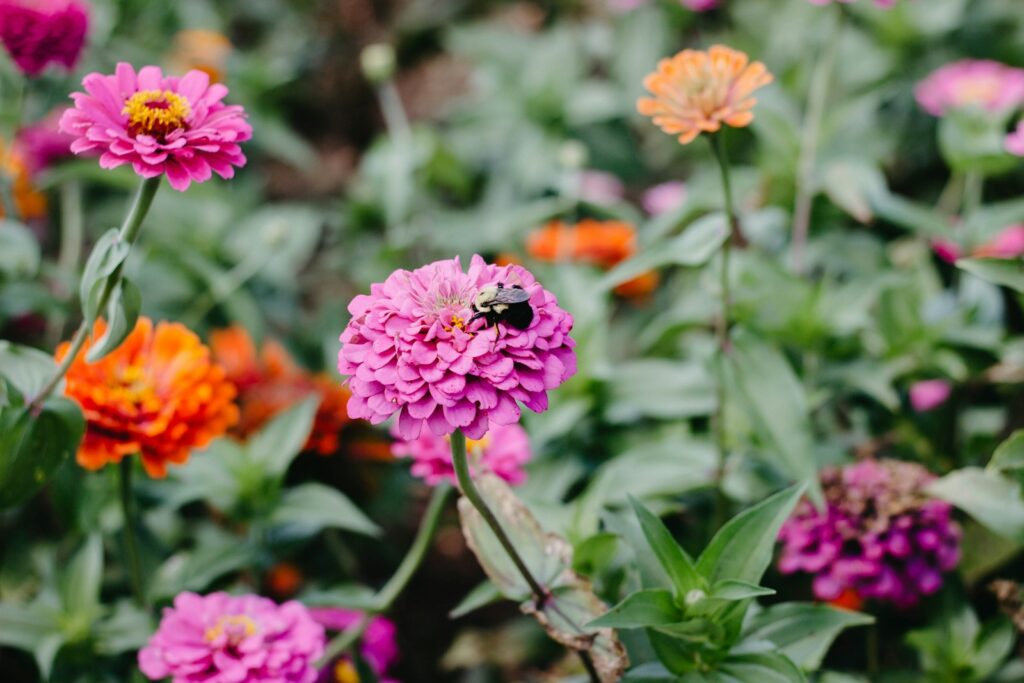
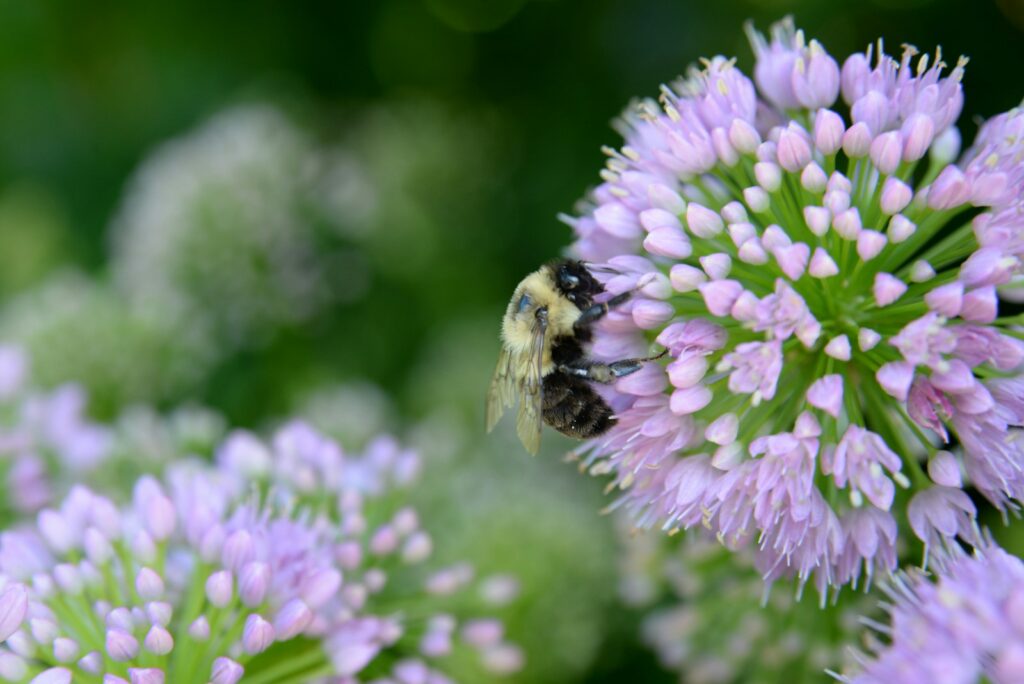
Individual homeowners have become powerful agents of change in the native plant movement, with millions of Americans transforming portions of their yards into pollinator havens. Organizations like the Xerces Society, National Wildlife Federation, and Wild Ones provide homeowners with region-specific planting guides, native plant lists, and garden designs scaled for typical residential properties. These backyard gardens collectively form a distributed network of habitat stepping stones, helping pollinators navigate through otherwise inhospitable suburban landscapes. Research has shown that even small native plant gardens of 100 square feet can support dozens of pollinator species, with larger residential conversions documenting over 50 bee species and 30 butterfly species in a single property. Beyond their ecological benefits, these gardens provide homeowners with constant wildlife activity, seasonal changes, and the satisfaction of making a tangible contribution to conservation.
Native Plant Nursery Industry Growth

The native plant industry has experienced explosive growth in response to increasing demand for indigenous species. Where gardeners once struggled to find native plants beyond a few common varieties, specialized native plant nurseries have emerged across the country, with some offering hundreds of locally-adapted species. Mainstream garden centers and national retailers have also expanded their native plant selections, making these plants more accessible to casual gardeners. This industry growth has been supported by native plant societies, which organize popular plant sales, maintain demonstration gardens, and provide education about native species. The increased availability has been crucial for large-scale restoration projects, which often require thousands of plants or pounds of seed, as well as for homeowners seeking specific regional natives. Industry professionals report annual growth rates of 10-20% in native plant sales over the past decade, reflecting the mainstreaming of what was once a niche gardening segment.
Corporate and Institutional Initiatives
Major corporations and institutions are converting traditional landscaping to native plant gardens, creating significant habitat on their often extensive properties. Companies like Toyota, General Mills, and Google have installed acres of native plant landscaping at their headquarters and facilities, creating highly visible examples of ecological landscaping. College campuses have become important demonstration sites, with institutions like the University of Wisconsin, University of Delaware, and Oberlin College incorporating native plant landscaping into their grounds management while using these areas for research and education. Healthcare facilities are increasingly utilizing native plant gardens as part of healing landscapes, providing therapeutic benefits to patients while supporting biodiversity. These institutional conversions provide important habitat patches at scale, often converting many acres from ecological deserts (turf grass) to biodiverse ecosystems supporting dozens of pollinator species.
Agricultural Buffer Zones

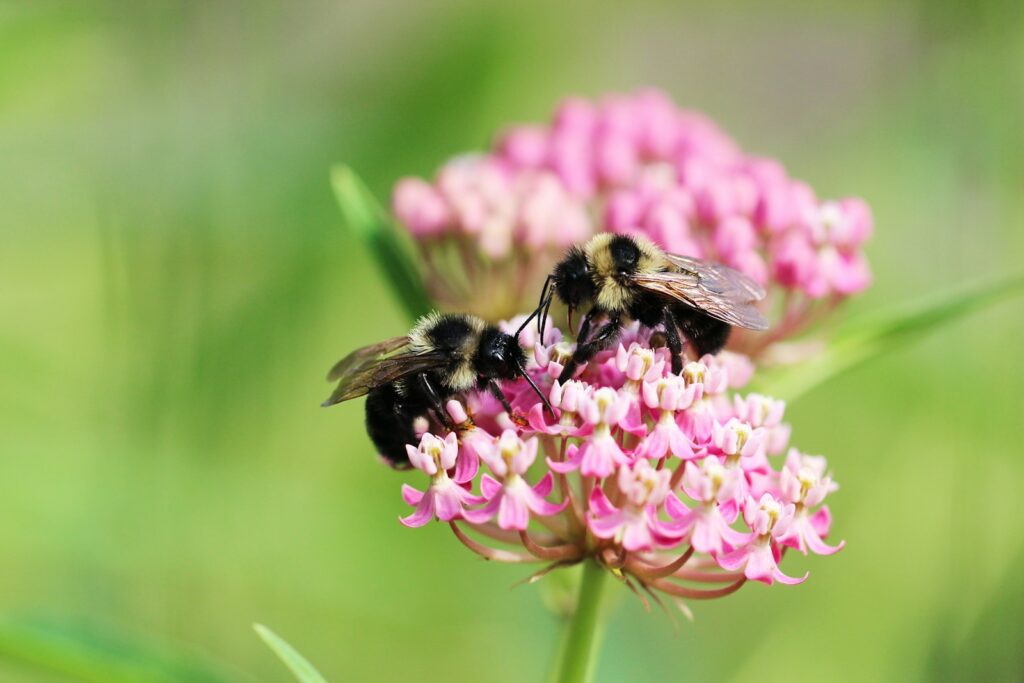
Farmers are incorporating native plantings as buffer zones around agricultural fields, providing habitat for both wild pollinators and managed honeybees that enhance crop yields. These buffer strips typically feature diverse native wildflowers with sequential blooming periods to provide nectar and pollen throughout the growing season. Research has demonstrated that farms with native plant buffers experience improved pollination of crops, with studies showing yield increases of 10-30% in certain fruit and vegetable crops due to enhanced pollinator activity. Beyond supporting pollinators, these buffer zones provide additional ecosystem services including reducing soil erosion, filtering agricultural runoff, and supporting beneficial insects that prey on crop pests. Programs through the USDA’s Natural Resources Conservation Service provide financial incentives and technical support to farmers implementing these native plant buffers, helping to overcome the initial costs of establishment.
Native Plant Selection Strategies
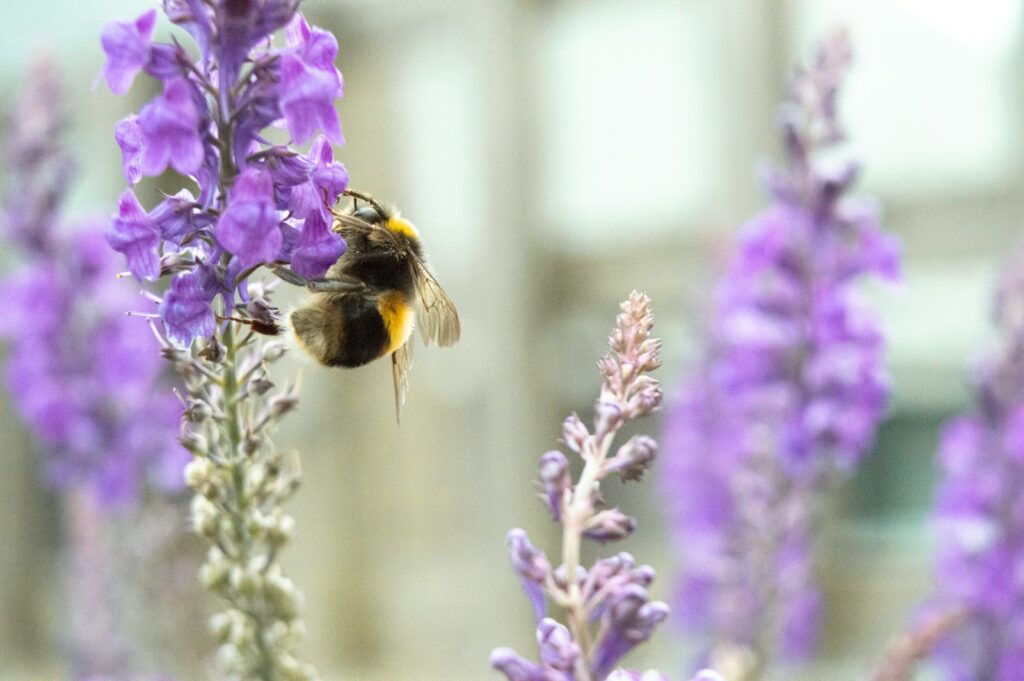
Effective pollinator support requires thoughtful selection of native plants beyond simply choosing indigenous species. Conservation planners focus on creating bloom succession, ensuring flowers are available from early spring through late fall to support pollinators throughout their active seasons. Plant diversity is emphasized, with research showing that gardens containing at least 20 different native plant species support significantly greater pollinator diversity than less diverse plantings. Special attention is given to keystone species that provide disproportionate ecological value, such as native willows that offer the first pollen source for bees emerging in early spring, or goldenrods that fuel monarch butterfly migration in fall. Native plant selection also considers specific pollinator needs, including plants with different flower shapes to accommodate various pollinator tongue lengths and feeding strategies, from long-tongued bumble bees to short-tongued mining bees and hovering butterflies.
Challenges in Native Plant Reintroduction
Despite growing enthusiasm, the native plant movement faces significant challenges in scaling up restoration efforts. Seed availability remains limited for many native species, particularly local ecotypes adapted to specific regions, creating bottlenecks for large restoration projects. Establishment can be difficult, as many native plants invest initially in root development rather than showy top growth, creating a perception that native gardens look unkempt during their first few years. Cultural resistance persists in communities where manicured lawns remain the aesthetic standard, with some homeowners associations and municipal codes actually prohibiting native plant landscaping or taller vegetation. Invasive plants present ongoing management challenges, as they can quickly outcompete newly established natives without consistent monitoring and control efforts. Addressing these challenges requires a combination of public education, policy changes, industry development, and refined restoration techniques to make native plant installations more successful and widely accepted.
Policy Support for Native Plant Initiatives
Government policies at various levels are increasingly supporting native plant reintroduction for pollinator conservation. The federal government established the National Pollinator Health Strategy in 2015, directing agencies to increase pollinator habitat on federal lands and incorporate native plants into landscaping at government facilities. State-level initiatives like Minnesota’s Lawns to Legumes program provide homeowners with financial assistance to convert portions of their yards to native plant gardens, particularly in key corridors for endangered pollinators like the rusty patched bumble bee. At the municipal level, cities like Seattle, Washington DC, and Madison have modified ordinances to explicitly permit native plant landscaping, overriding outdated weed laws that once prohibited taller vegetation. Some municipalities have gone further by offering property tax reductions for lands maintained as pollinator habitat, creating financial incentives for private conservation efforts. These policy supports remove barriers and create positive incentives for native plant adoption across both public and private lands.
Monitoring and Measuring Success
As native plant reintroduction efforts expand, scientists and conservation organizations are developing robust methods to measure their impact on pollinator populations. Standardized monitoring protocols allow comparison between different sites and projects, typically involving timed observations, transect walks, or trap sampling to quantify pollinator abundance and diversity. Citizen science initiatives like Bumble Bee Watch, Monarch Watch, and Great Sunflower Project engage thousands of volunteers in collecting data from their gardens and communities, generating valuable large-scale datasets that would be impossible for researchers to collect alone. Modern technology enhances monitoring through tools like automated camera traps, acoustic monitoring for bee activity, and environmental DNA sampling that can detect rare species even when not directly observed. These monitoring efforts have documented impressive successes, such as the Fender’s blue butterfly rebounding from the brink of extinction following targeted restoration of its native prairie habitat in Oregon, and significant increases in common milkweed abundance leading to localized recoveries of monarch butterfly breeding populations.
The Future of Native Plant Restoration
The movement to reintroduce native plants for pollinators continues to evolve, with promising developments expanding its impact. Emerging technologies like precision seed coating and drone-based seeding are making large-scale restoration more efficient and cost-effective, potentially accelerating the pace of habitat recovery. The concept of functional traits is refining plant selection, as scientists identify specific floral and vegetative characteristics that support particular pollinator groups, allowing more targeted restoration for species of conservation concern. Climate change adaptation is becoming integrated into restoration planning, with practitioners selecting native plant ecotypes from slightly warmer regions to create resilient landscapes that will continue supporting pollinators as conditions change. Perhaps most encouraging is the cultural shift occurring, as native plant landscaping moves from a fringe practice to a mainstream approach embraced by homeowners, businesses, and institutions who recognize both its ecological importance and its distinctive beauty. As these trends continue, interconnected networks of native plant communities may help reverse pollinator declines while transforming our relationship with the landscapes where we live, work, and play.
In the face of alarming pollinator declines, the reintroduction of native plants represents one of the most accessible and effective conservation strategies available to individuals, communities, and organizations. From urban pollinator corridors to prairie restorations, from backyard gardens to corporate campuses, these efforts collectively create a more hospitable landscape for the creatures that pollinate our plants and sustain our ecosystems. While challenges remain in scaling up these efforts and overcoming cultural and practical barriers, the growing momentum behind native plant restoration offers genuine hope for pollinator recovery. By recreating the botanical communities that supported pollinators for millennia before European settlement, we reconnect fragmented landscapes and reestablish the relationships between plants and pollinators that evolved over countless generations. In doing so, we not only preserve biodiversity but also reconnect ourselves with the natural heritage of the places we inhabit.