
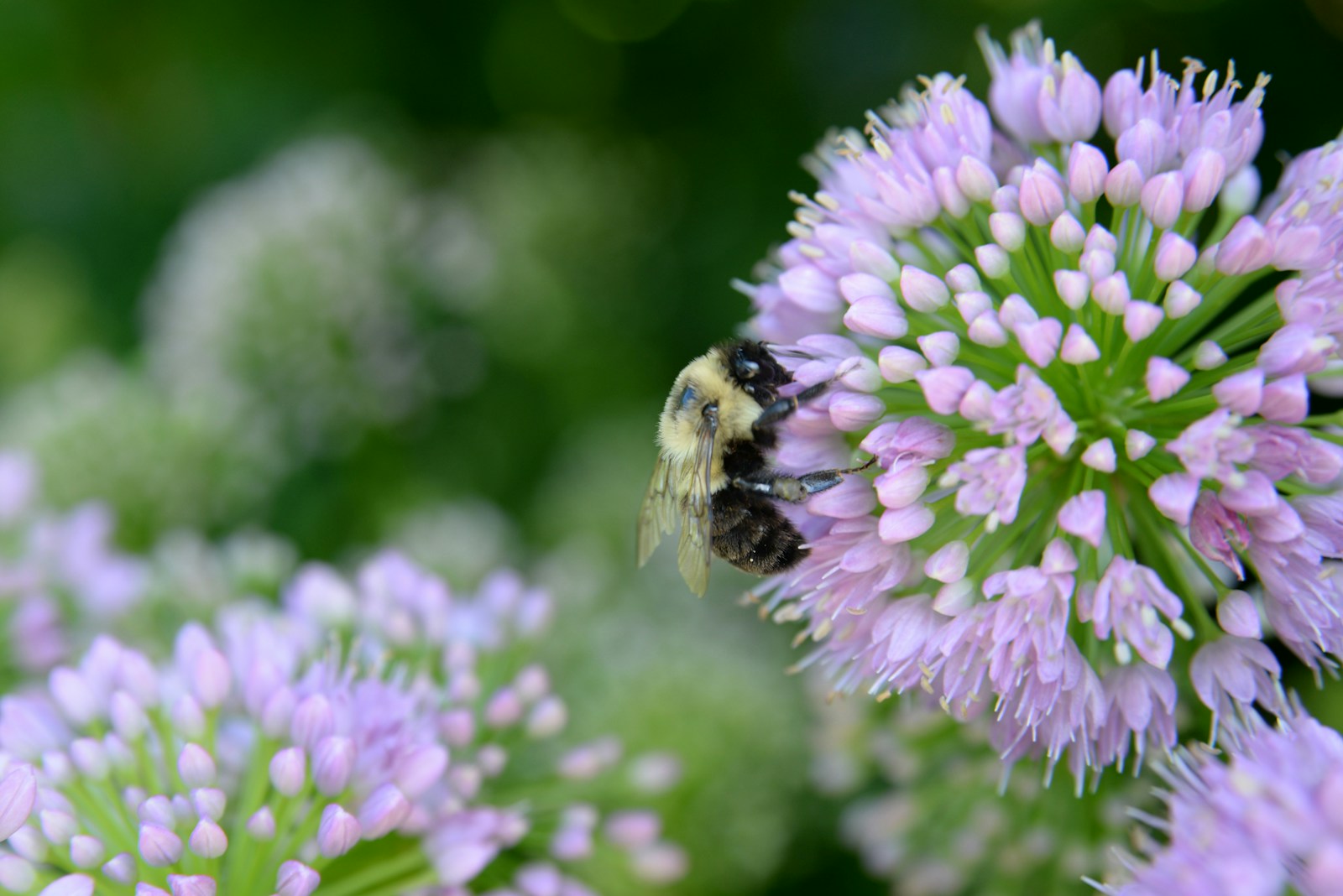
The gentle hum of bees, the flutter of butterfly wings, and the darting movements of hummingbirds are becoming increasingly rare sights in many landscapes. Pollinator populations have declined dramatically in recent decades, largely due to habitat loss, pesticide use, and the proliferation of non-native plant species. However, a growing movement focused on reintroducing native plants is helping to reverse this trend, creating vital habitats that support pollinators throughout their life cycles. These restoration efforts span from sprawling prairie reconstructions to modest backyard gardens, each contributing to a larger ecological tapestry that nurtures biodiversity. As communities reconnect with their botanical heritage, they’re discovering that native plants not only support wildlife but also create resilient, low-maintenance landscapes that celebrate regional identity and ecological health.
Understanding the Pollinator Crisis

Pollinators worldwide face unprecedented challenges, with many species experiencing alarming population declines over the past several decades. Monarch butterflies have decreased by approximately 80% in eastern North America since the 1990s, while numerous bee species have been added to endangered species lists. These losses stem from multiple factors, including habitat destruction, climate change, pesticide use, and disease. Perhaps most significant is the widespread replacement of native plant communities with non-native ornamentals and agricultural monocultures, which has eliminated the specific plant species many pollinators rely on for survival. This disruption of ancient ecological relationships has created a crisis that threatens not only biodiversity but also food security, as roughly 75% of the world’s food crops depend at least partly on animal pollination.
The Essential Relationship Between Native Plants and Pollinators
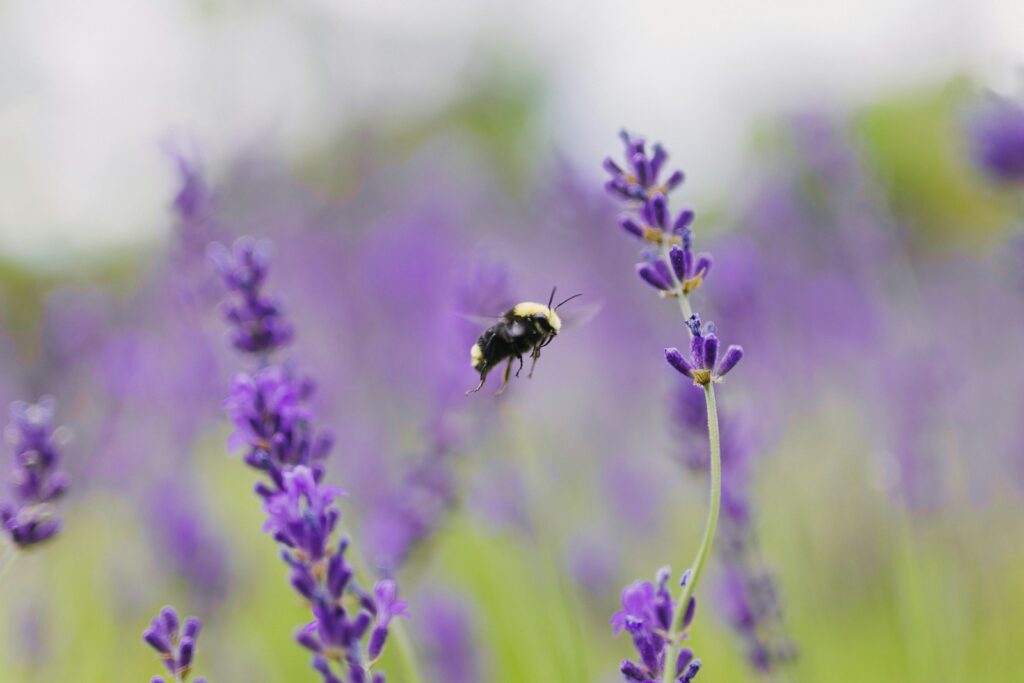
Native plants and their pollinator partners have evolved together over thousands of years, developing intricate and specialized relationships. These co-evolutionary bonds mean that many pollinators can only feed on or reproduce with specific native plant species. For example, monarch butterfly caterpillars feed exclusively on milkweed plants, while certain bee species have mouthparts precisely shaped to access nectar from particular flower forms. Beyond providing food, native plants offer habitat for the complete life cycle of many pollinators, including egg-laying sites, shelter, and overwintering protection. Research consistently demonstrates that landscapes with native plants support significantly greater pollinator diversity and abundance than those dominated by non-native species. This ecological specificity explains why simply planting any flowering plant isn’t enough—restoring the precise native species that local pollinators have adapted to is essential for their survival.
Large-Scale Prairie and Meadow Restorations
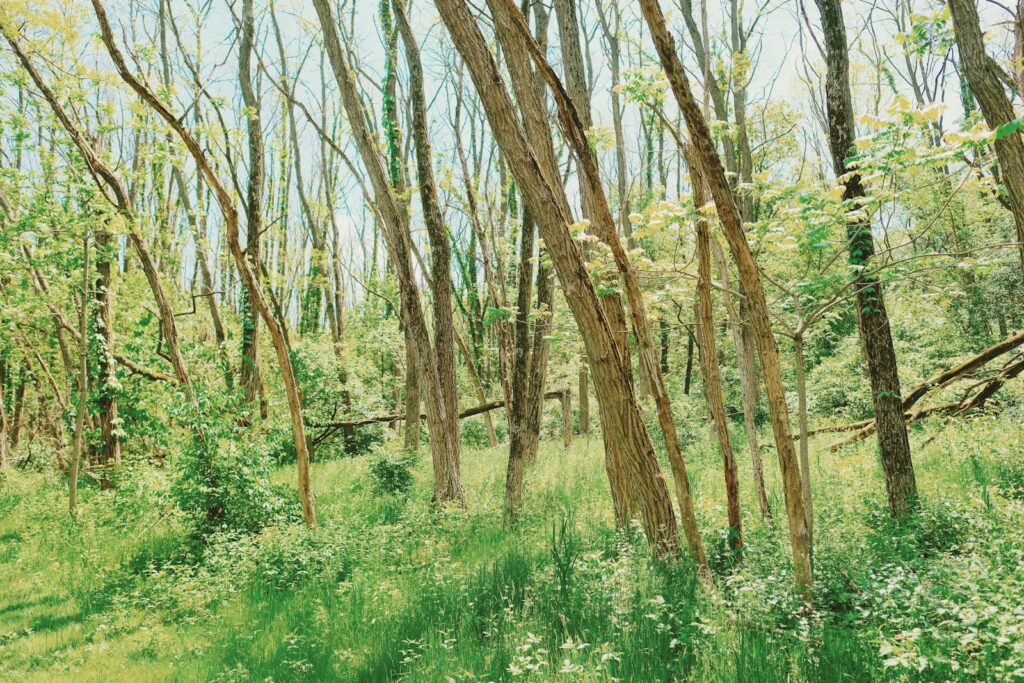
Across North America, ambitious projects are recreating once-vast prairie and meadow ecosystems that historically supported abundant pollinator populations. Organizations like The Nature Conservancy and the Xerces Society partner with landowners to convert thousands of acres of farmland back to diverse native plant communities. These large-scale restorations typically begin with site preparation to remove existing vegetation, followed by seeding with diverse mixes containing dozens of native grasses and wildflowers specifically selected to provide continuous blooming throughout the growing season. The Tallgrass Prairie Center in Iowa has pioneered techniques for reconstructing prairie habitats and documented dramatic increases in bee and butterfly diversity within just a few years of establishment. In the Midwest alone, numerous prairie restoration projects now form a growing network of pollinator corridors connecting fragmented habitats. Monitoring studies from these sites reveal that well-established native plant restorations can support pollinator diversity approaching that of remnant natural areas, demonstrating the remarkable resilience of these ecosystems when given the opportunity to recover.
Urban Native Plant Initiatives
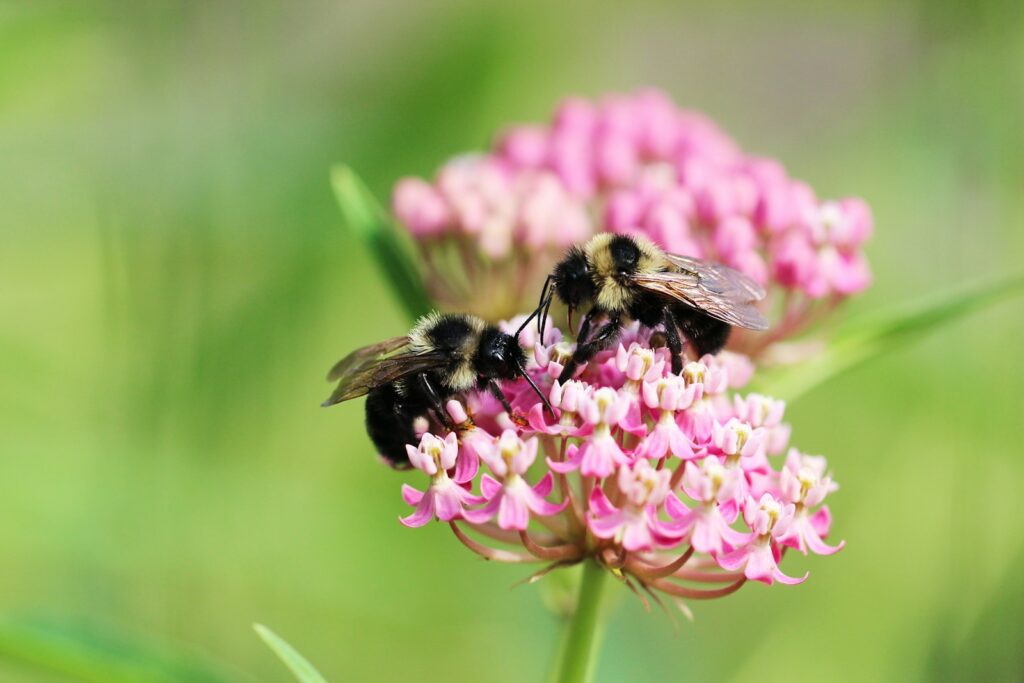
Cities are emerging as surprising havens for pollinators through strategic native plant installations in parks, medians, and other public spaces. The “Million Pollinator Garden Challenge” has inspired thousands of urban native plantings nationwide, while cities like Chicago have incorporated prairie plants into their landscaping policies, transforming previously sterile spaces into biodiversity hotspots. New York City’s High Line park showcases native wildflowers that attract over 30 butterfly species to this elevated urban oasis. Portland, Oregon has revised municipal codes to encourage native plantings in development projects, resulting in pollinator-friendly corridors throughout the city. These urban initiatives demonstrate that even small, fragmented habitats can provide meaningful support for pollinators when planted with appropriate native species. Research shows that urban native gardens can support surprising diversity of bees and butterflies, sometimes exceeding that found in surrounding rural areas dominated by conventional agriculture.
Roadside and Utility Corridor Transformations
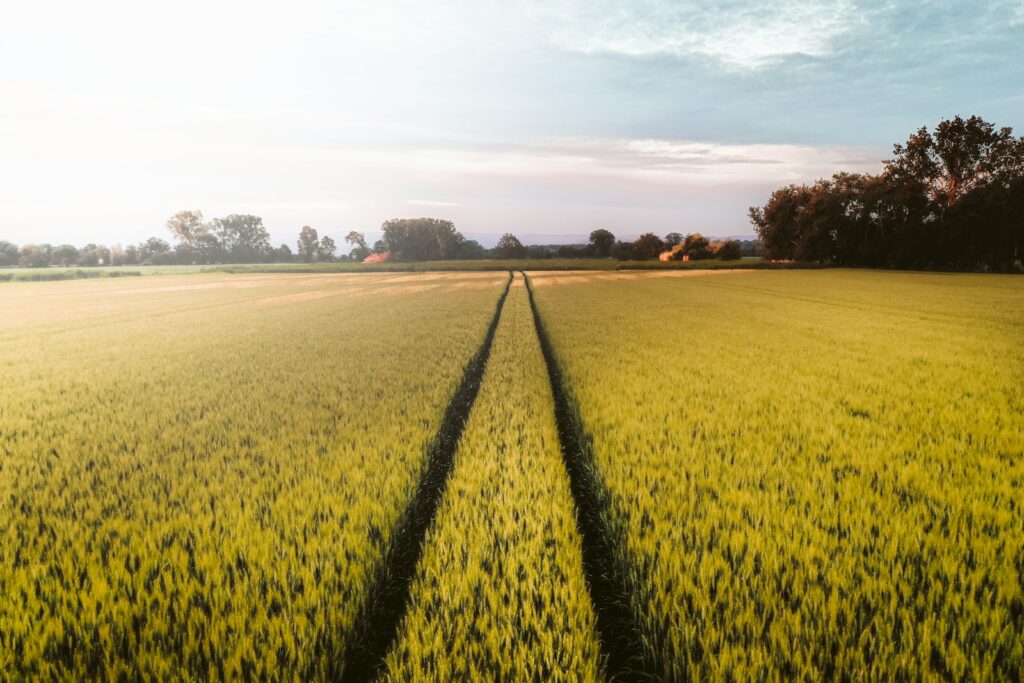
The vast network of roadsides and utility corridors across North America represents an enormous opportunity for pollinator habitat restoration through native plant establishment. Many states have developed “reduced mowing” programs that allow roadside vegetation to grow naturally and flower during critical pollinator seasons. Iowa’s award-winning Integrated Roadside Vegetation Management program has converted thousands of miles of highway margins to native prairie plants, creating continuous corridors for pollinator movement. Similarly, utility companies like American Electric Power have implemented pollinator-friendly management practices beneath transmission lines, replacing traditional frequent mowing with native meadow establishment. These linear habitats serve as crucial movement corridors that connect fragmented populations of pollinators across landscapes. Research monitoring these roadside and utility native plantings has documented significantly higher pollinator diversity compared to traditionally managed areas, with some rare species finding refuge in these novel habitats.
Native Plant Nurseries and the Growing Supply Chain

The native plant restoration movement has sparked tremendous growth in specialized nurseries dedicated to propagating regionally appropriate species for pollinator support. Unlike conventional nurseries, these businesses focus on maintaining genetic diversity and local adaptations in their plant stock, often collecting seeds from multiple wild populations. The Native Plant Network, connecting hundreds of these specialized growers, has developed protocols for propagating previously unavailable species critical to certain pollinators. Many native plant nurseries employ sustainable growing practices, avoiding systemic pesticides that can harm the very pollinators their plants are meant to support. As demand has grown, nurseries have expanded from primarily serving conservation organizations to supplying homeowners, with retail native plant sales increasing by over 200% in the past decade according to industry reports. This maturing supply chain has been essential in making authentic, locally-adapted native plants accessible for restoration projects of all scales.
Homeowner Gardens and Community Initiatives
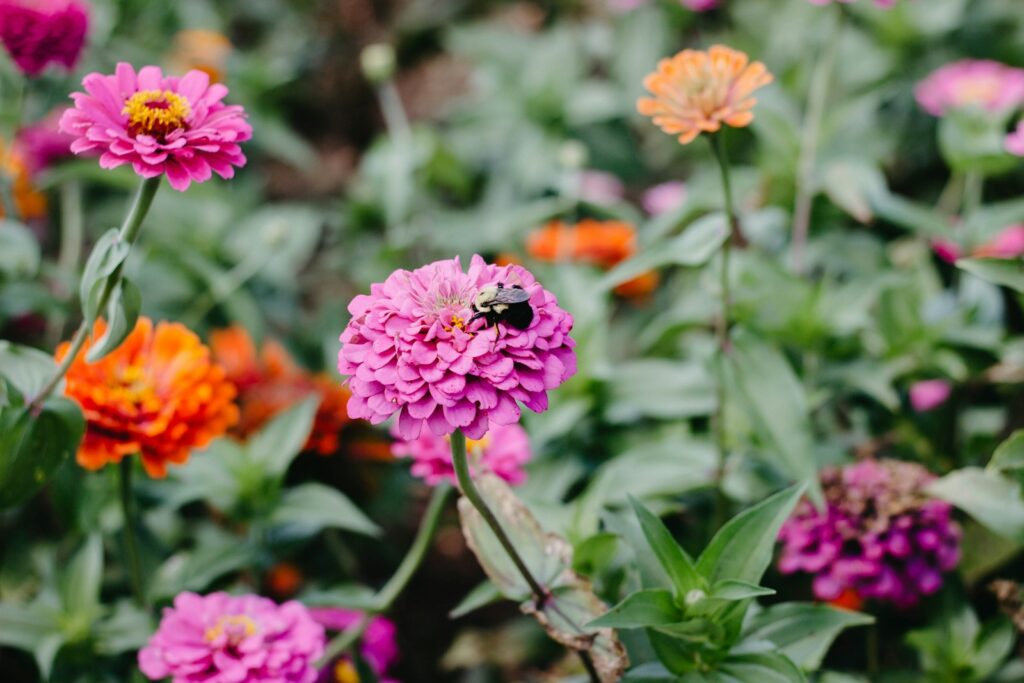
Individual homeowners have become powerful contributors to pollinator conservation by converting portions of their yards to native plant gardens. National programs like the National Wildlife Federation’s Garden for Wildlife have certified over 250,000 properties as wildlife habitats, with native plants being a core requirement. Community-based initiatives such as Wild Ones chapters provide education and support for homeowners transitioning to native landscaping, while neighborhood “pollinator pathway” projects connect adjacent properties to create continuous habitat corridors. Research from the University of Delaware has demonstrated that even modest-sized native plant gardens can support surprising diversity of specialized native bees and butterflies when properly designed with regionally appropriate species. These grassroots efforts collectively create a distributed network of habitats that support pollinator populations in residential areas where conventional landscaping had previously created biological deserts.
Educational Institutions Leading by Example
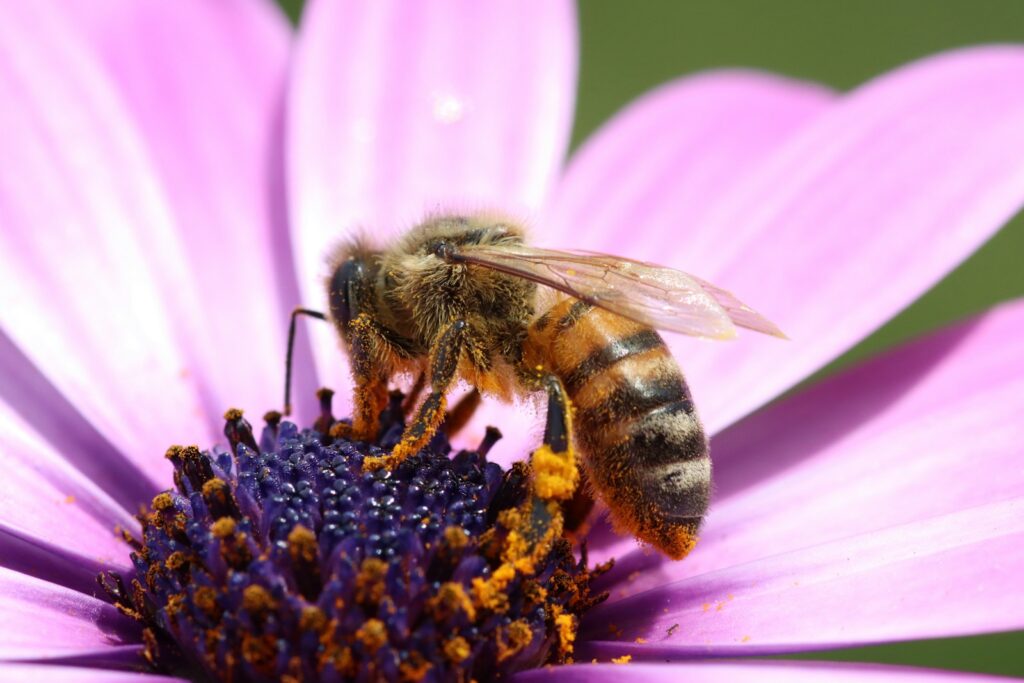
Schools, colleges, and universities across the country are incorporating native plant restorations as both environmental statements and living laboratories. Campus sustainability initiatives increasingly include pollinator habitat creation as a core component, with institutions like Oberlin College replacing conventional lawns with prairie and woodland native species. Elementary and secondary schools implement “schoolyard habitat” programs where students participate in planting and monitoring native gardens, creating hands-on science learning opportunities. The Bee Campus USA program has certified over 150 college campuses that commit to native plant installation and pollinator-friendly practices. These educational settings are particularly valuable for changing cultural perceptions around landscape aesthetics, as they expose young people to ecological landscaping principles. Many institutions document dramatic increases in campus biodiversity following native plant establishment, providing compelling evidence for broader adoption of these practices.
Overcoming Challenges in Native Plant Establishment
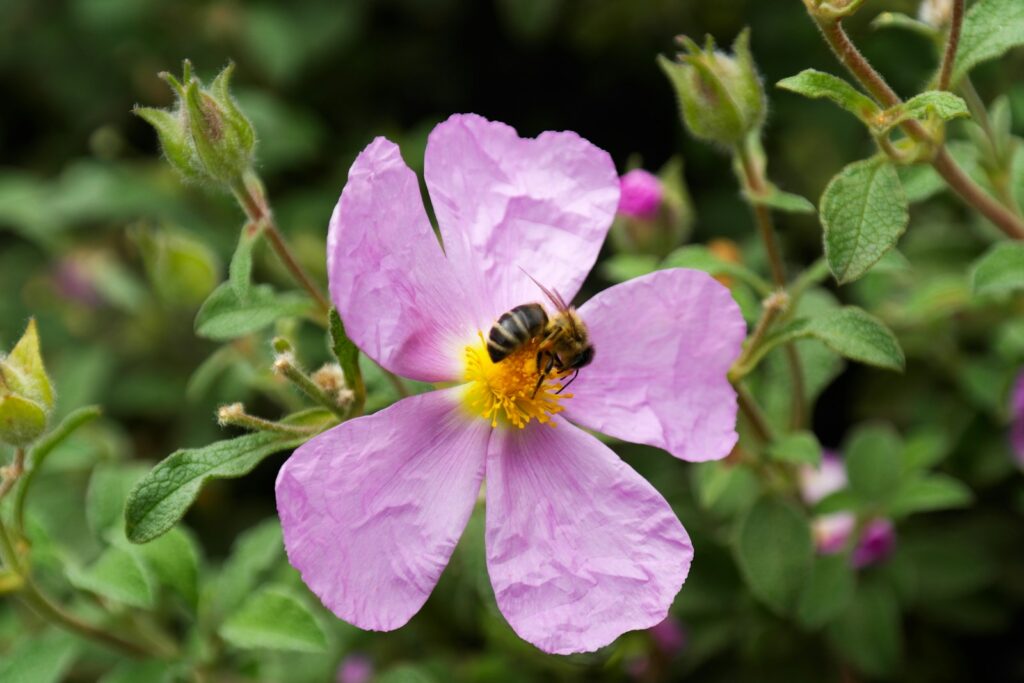
Successfully reintroducing native plants for pollinators involves addressing numerous challenges throughout the establishment process. Invasive species often aggressively compete with newly planted natives, requiring strategic control methods such as targeted herbicide application, mowing regimes, or prescribed fire to give native plants the advantage. Many restoration sites have degraded soil conditions that must be addressed through amendments or selection of pioneer species that can tolerate challenging conditions. Achieving the right diversity and density of species requires careful planning to ensure continuous bloom throughout the growing season while maintaining appropriate ecological niches. Perhaps most challenging is the patience required, as many native perennials invest in root development before showing significant aboveground growth, leading to the restoration adage: “first year they sleep, second year they creep, third year they leap.” Long-term management planning is essential, as even successful restorations require periodic disturbance such as burning or mowing to maintain diversity and prevent woody encroachment.
Scientific Research Guiding Best Practices
Pollinator-focused native plant restoration has evolved from intuitive gardening to science-based practice through rigorous research documenting which approaches maximize ecological benefits. Entomologists at the Xerces Society have developed regional plant lists identifying the most valuable native species for different pollinator groups based on field observations and laboratory studies. Researchers at the University of California have documented that native plant diversity is more important than abundance for supporting robust pollinator communities, with heterogeneous plantings outperforming monocultures. The “keystone plant” concept, pioneered by Dr. Douglas Tallamy, identifies certain native species that disproportionately support food webs, such as oak trees hosting hundreds of lepidopteran species. Scientific monitoring of restoration sites has refined establishment techniques, identifying optimal seeding rates, planting times, and management regimes for different regions and site conditions. This growing body of research allows practitioners to make evidence-based decisions that maximize ecological outcomes from restoration investments.
Economic and Cultural Benefits Beyond Pollinator Support
Native plant restorations deliver numerous benefits beyond their primary goal of supporting pollinators. Economically, established native plantings typically reduce long-term maintenance costs by up to 75% compared to conventional landscaping, requiring minimal irrigation, fertilization, or frequent mowing once established. Native plants with deep root systems improve stormwater management, reducing flooding and erosion while improving water quality through natural filtration. The nursery industry has experienced significant growth through native plant demand, creating specialized jobs and business opportunities in rural communities. Culturally, many restoration projects incorporate ethnobotanical elements, reviving traditional knowledge about native plants used by indigenous peoples for food, medicine, and materials. Public native plant installations create opportunities for nature connection in urban environments, improving psychological well-being and community engagement. These multifaceted benefits help justify investment in native plant projects beyond their ecological value.
Policy Support and Incentive Programs
Government policies increasingly recognize the value of native plant restoration for pollinator conservation, creating supportive frameworks and incentives. The Farm Bill’s Conservation Reserve Program compensates farmers for converting environmentally sensitive cropland to native vegetation, with enhanced payments for pollinator habitat plantings. Several states have passed “Pollinator Protection Acts” that promote native plant establishment on public lands and restrict certain pesticides harmful to pollinators. Municipal policies addressing native plants range from adjusting weed ordinances to accommodate taller vegetation to offering stormwater fee reductions for properties with native landscaping. The National Strategy to Promote the Health of Honey Bees and Other Pollinators established federal goals for habitat creation, while grant programs through the US Fish and Wildlife Service provide direct funding for native plant projects. These policy mechanisms have been essential in scaling up restoration efforts beyond what voluntary action alone could achieve.
Future Directions and Emerging Approaches
The field of native plant restoration for pollinators continues to evolve with innovative approaches addressing current limitations. Climate-adaptive restoration strategies are incorporating assisted migration, where plant materials from slightly southern populations are introduced to help ecosystems adapt to warming conditions. Precision restoration techniques using GPS-guided equipment allow for efficient installation of complex plant communities across large areas. Urban ecology is advancing through novel approaches like “curbside rain gardens” that combine stormwater management with pollinator habitat. The emerging concept of “reconciliation ecology” focuses on redesigning human-dominated landscapes to incorporate ecological function while maintaining human uses. Genetic research is informing more sophisticated approaches to maintaining appropriate levels of diversity within restoration plantings, preserving adaptive capacity. As these approaches mature, practitioners anticipate the ability to restore more resilient and functional ecosystems that can support pollinators even in challenging urban and agricultural contexts.
Conclusion: Weaving a New Ecological Fabric
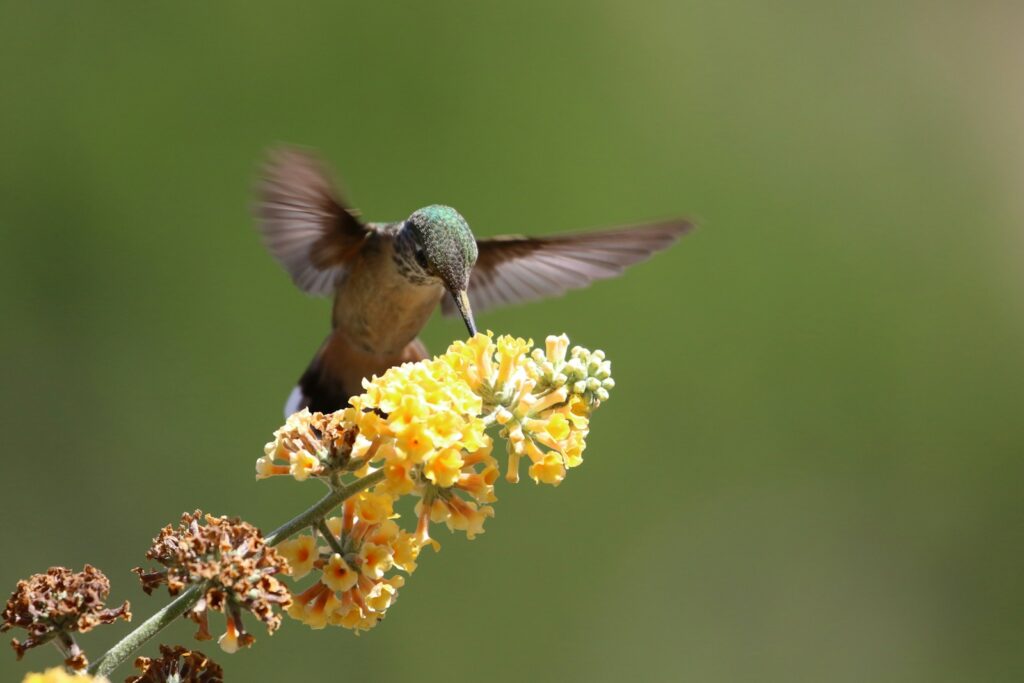
The reintroduction of native plants represents one of the most practical and effective responses to pollinator decline, creating habitat where it has been lost while reconnecting people with their natural heritage. From vast prairie reconstructions to pocket gardens in urban neighborhoods, these efforts collectively weave a new ecological fabric across landscapes fragmented by development and industrial agriculture. The success of these projects demonstrates nature’s remarkable capacity for recovery when given appropriate support. As communities witness the return of butterflies, bees, and birds to restored habitats, they experience firsthand the power of ecological restoration. While challenges remain in scaling these efforts to match the magnitude of habitat loss, the growing movement to reestablish native plant communities offers genuine hope for reversing pollinator declines and creating more resilient ecosystems for the future.