
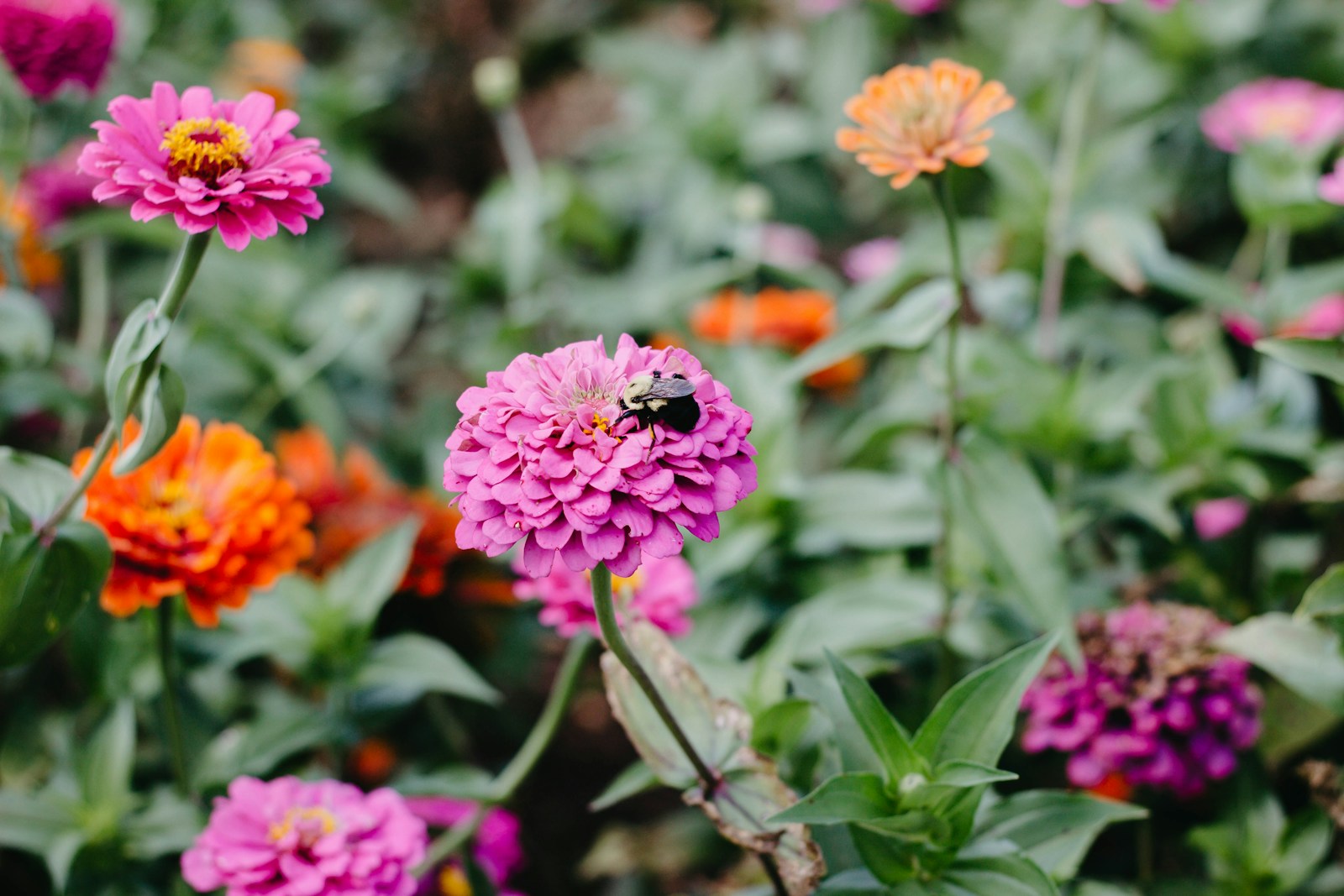
The intricate dance between native plants and pollinators represents one of nature’s most essential and threatened relationships. Across North America, native plant populations have dramatically declined due to urbanization, industrial agriculture, and the introduction of non-native species. This decline has directly contributed to the alarming decrease in pollinator populations, including bees, butterflies, and other insects vital to our ecosystem and food security. Today, a growing movement of conservationists, gardeners, scientists, and community organizations is working to reverse this trend by strategically reintroducing native plant species. Their efforts are creating vital corridors and habitats that support the recovery of these essential pollinators while restoring ecological balance to our landscapes.
Understanding the Native Plant-Pollinator Relationship
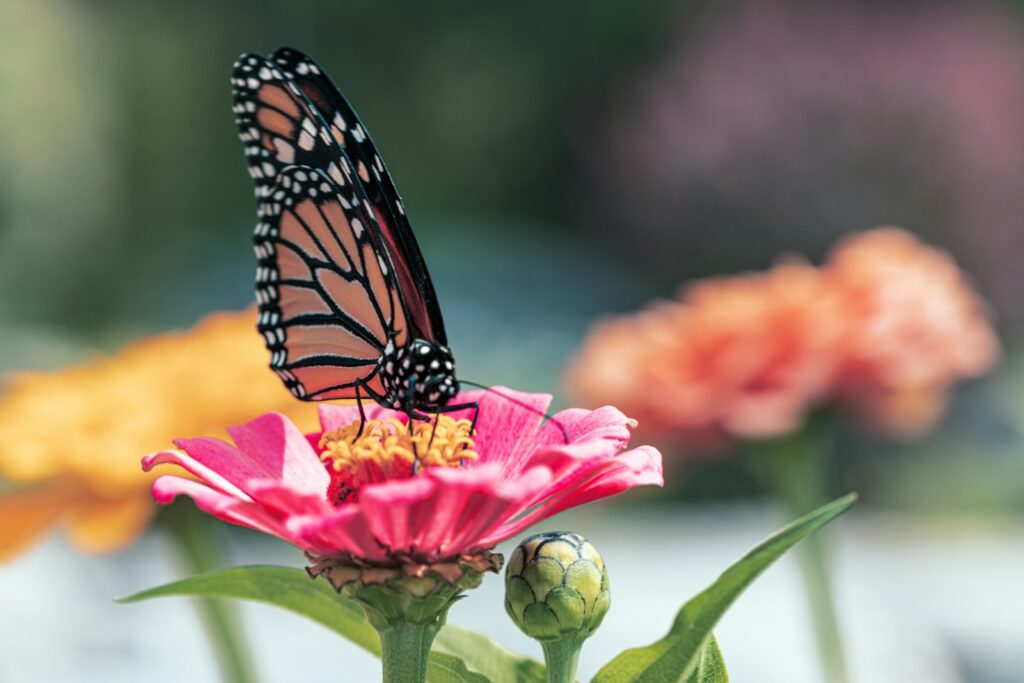
Native plants and their pollinators have co-evolved over thousands of years, developing intricate relationships that benefit both parties. These plants produce nectar and pollen at the precise times when local pollinators need them, providing optimal nutritional content specific to native pollinator requirements. Unlike many introduced ornamental species, native plants often bloom across extended seasons, ensuring continuous food sources throughout pollinators’ active periods. Research consistently shows that native plant species support significantly higher numbers and diversity of pollinators than non-native alternatives, with some studies documenting up to five times more pollinator species on native plantings. This specialized relationship highlights why simply planting any flowering species isn’t enough—the ecological specificity of these ancient partnerships matters tremendously.
The Crisis Facing Native Pollinators
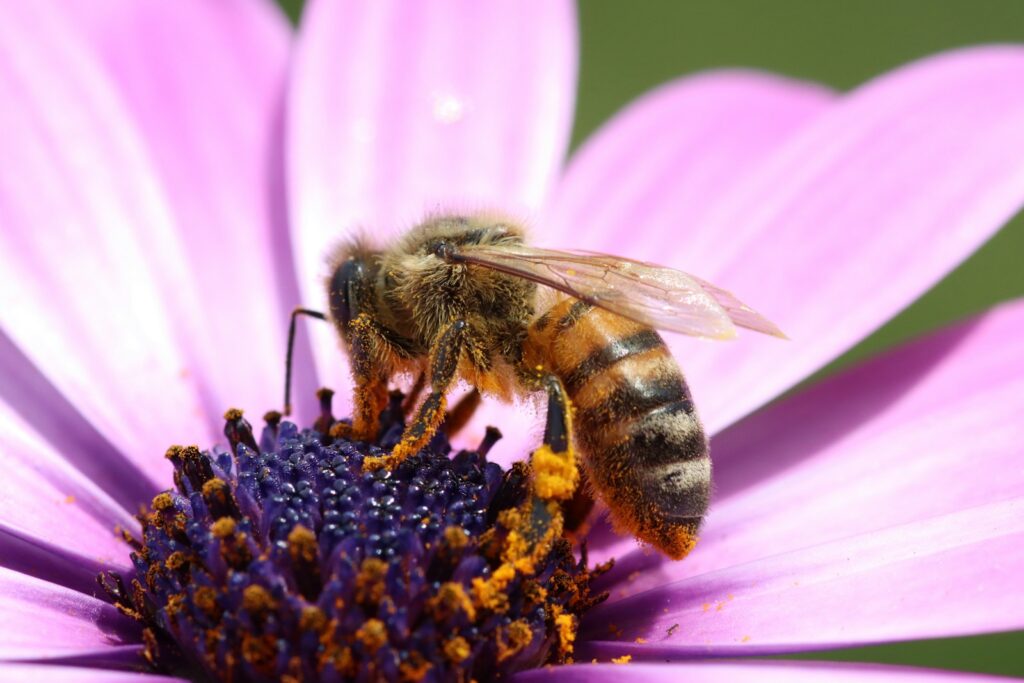
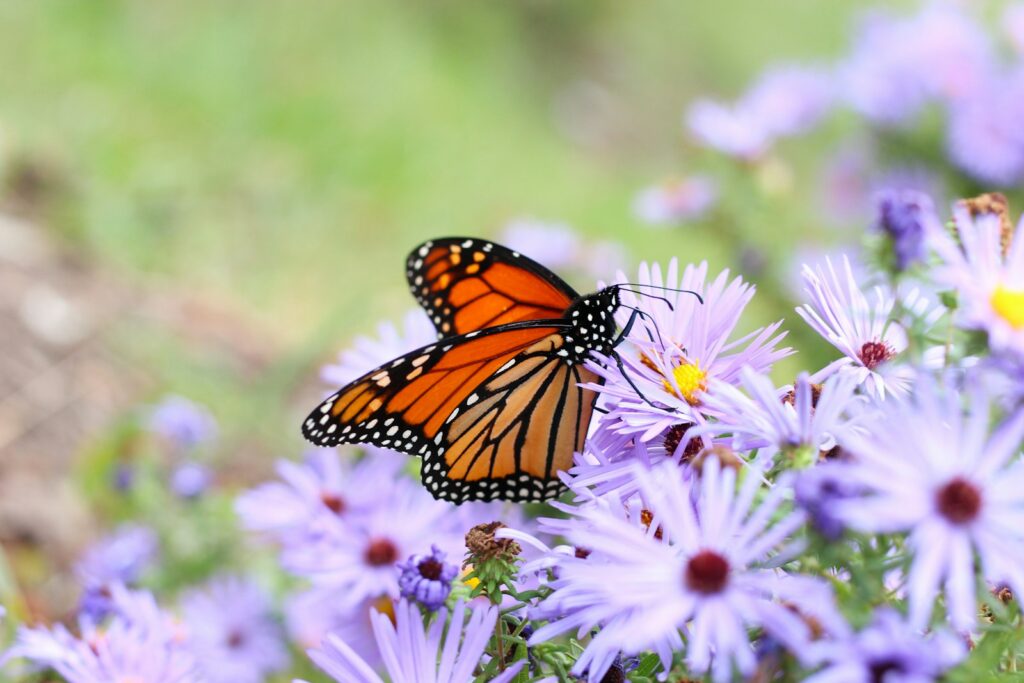
Pollinator populations across North America have experienced catastrophic declines, with managed honeybee colonies decreasing by over 40% in recent decades and many native bee species now endangered or extinct. Monarch butterfly populations have plummeted by more than 80% since the 1990s, primarily due to habitat loss and the disappearance of milkweed, their essential host plant. Habitat fragmentation has created isolated pollinator populations vulnerable to disease, climate fluctuations, and genetic bottlenecks. The widespread use of pesticides, particularly neonicotinoids, has compounded these threats by directly harming pollinators and reducing their reproductive success. These losses represent not just an ecological crisis but an economic one, as pollinators contribute an estimated $24 billion annually to the U.S. economy through their role in crop production.
The Ecological Benefits of Native Plant Restoration
Reintroducing native plants delivers cascading ecological benefits beyond just supporting pollinators. These plants typically develop deeper root systems than non-natives, improving soil structure, preventing erosion, and enhancing water filtration in local watersheds. Native plant communities sequester significant amounts of carbon, helping mitigate climate change impacts while requiring far fewer resources to maintain once established. They create habitat complexity that supports diverse wildlife populations, from soil microorganisms to birds and mammals that depend on the insects sustained by these plants. Research from the University of Delaware has demonstrated that areas restored with native plants support 29 times more beneficial insects than conventional landscapes, contributing to natural pest control and reduced need for chemical interventions.
Planning Strategic Reintroduction Projects
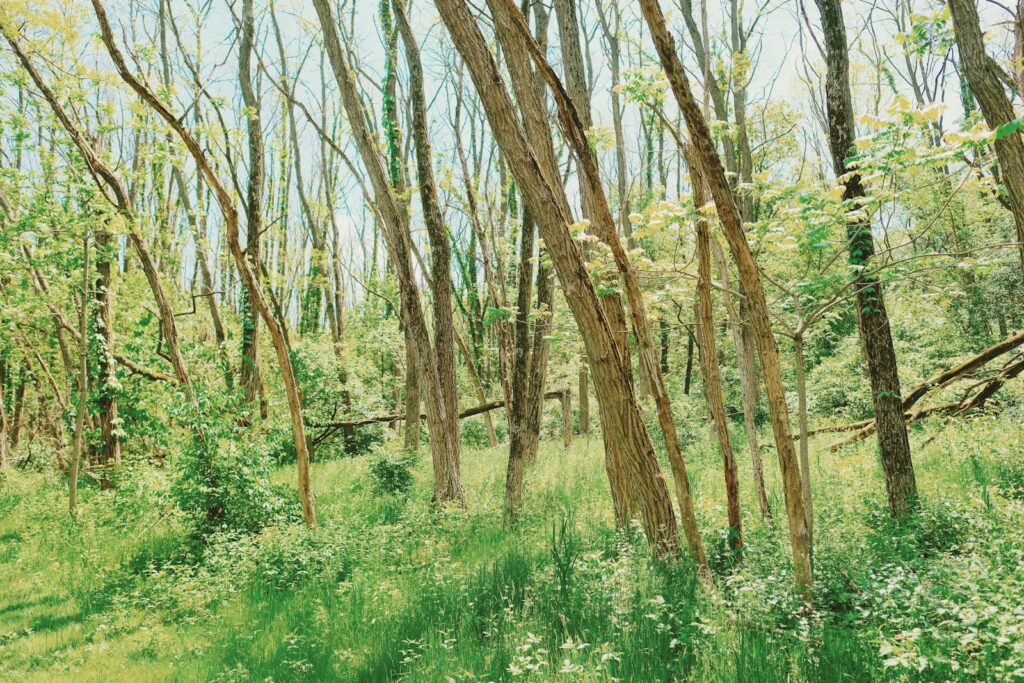
Successful native plant reintroduction begins with thorough ecological planning that considers historical vegetation patterns, current site conditions, and long-term maintenance capabilities. Conservationists typically conduct site assessments that analyze soil composition, moisture levels, sun exposure, and existing vegetation to determine which native species will thrive. Seed sourcing represents a critical consideration, with most experts recommending locally-adapted ecotypes collected within a 50-100 mile radius of the restoration site whenever possible. Progressive projects now incorporate climate resilience into their planning, sometimes selecting plant genetics from slightly warmer regions to accommodate predicted temperature increases. The most effective initiatives take a community ecology approach, reintroducing not just individual species but recreating balanced plant communities that include early, mid, and late successional species.
Creating Pollinator Corridors and Pathways

One of the most innovative approaches to native plant reintroduction involves creating interconnected corridors that allow pollinators to travel safely across fragmented landscapes. These corridors often follow natural features like streams or are strategically placed along roadsides, power line rights-of-way, and even urban environments to connect isolated habitat patches. The Monarch Highway initiative exemplifies this approach, working to establish milkweed and nectar corridors along Interstate 35 from Texas to Minnesota, following the monarch butterfly’s traditional migration route. Organizations like the Xerces Society have partnered with transportation departments in multiple states to develop roadside management practices that favor native flowering plants while reducing mowing and herbicide use. Research shows that even relatively narrow corridors of 25-30 feet can significantly increase pollinator movement between habitat fragments, helping to maintain genetic diversity and population resilience.
Urban Native Plant Initiatives
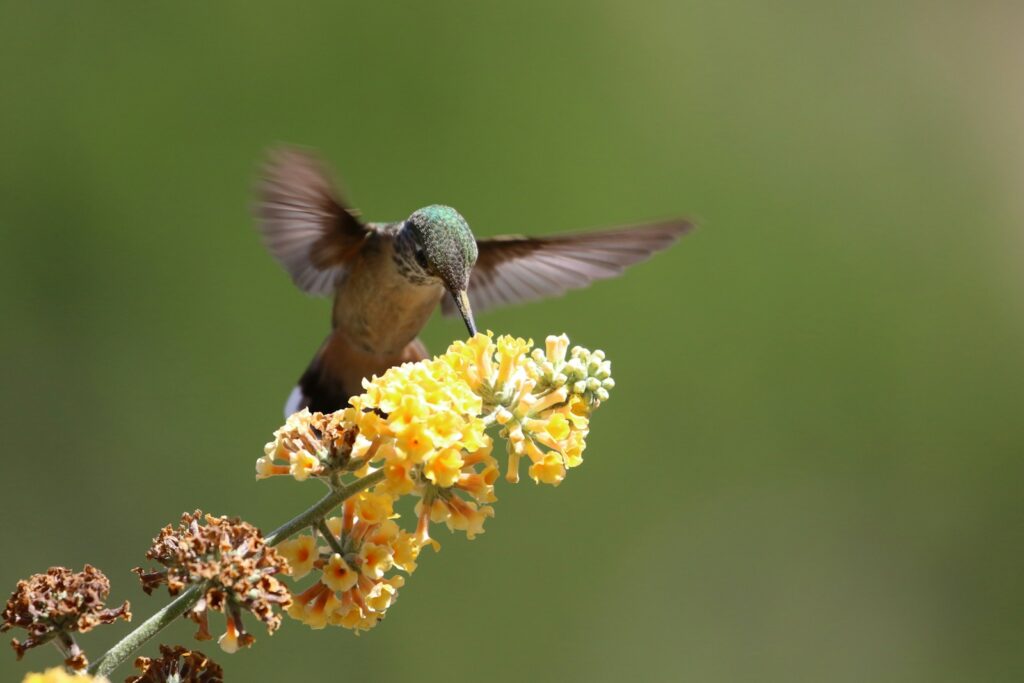
Cities have emerged as surprising frontiers for native plant reintroduction, with urban pollinator gardens proving remarkably effective at supporting diverse pollinator populations. Chicago’s award-winning initiative has converted more than 4,000 acres of urban land to native prairie and woodland plants, creating a network of pollinator habitats throughout the metropolitan area. New York City’s High Line has incorporated over 500 native plant species into its elevated park design, creating an urban nectar corridor documented to support over 30 butterfly species and numerous native bees. These urban initiatives often focus on drought-tolerant native species that can withstand the challenging conditions of city environments while requiring minimal maintenance. The visibility of urban projects serves a crucial educational role, introducing millions of city dwellers to the beauty and ecological importance of native plants.
Native Plant Selection Strategies for Pollinators
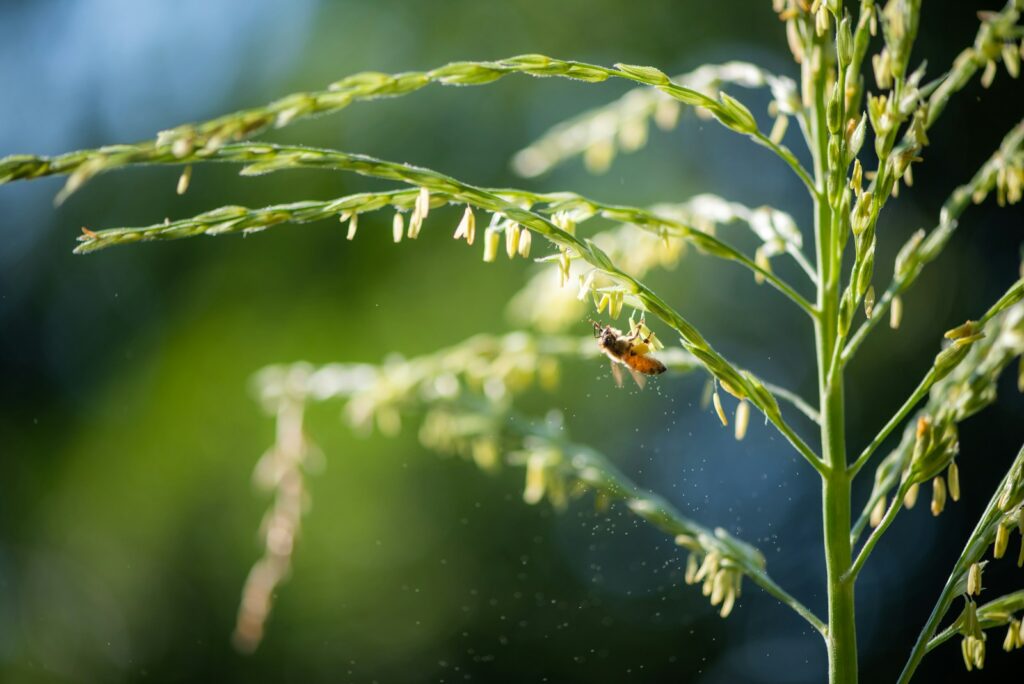
Effective pollinator support requires thoughtful plant selection that ensures continuous blooming throughout the growing season. Conservation botanists recommend including at least three native flowering species for each season—spring, summer, and fall—to provide uninterrupted nectar and pollen resources. Plants with different flower shapes and structures should be incorporated to accommodate the diverse feeding apparatuses of different pollinator species, from long-tongued bumblebees to short-tongued mining bees and butterflies. Native host plants for butterfly and moth larvae represent another critical component, with species like milkweed (Asclepias), spicebush (Lindera benzoin), and native oak trees (Quercus species) supporting the reproduction of numerous pollinator species. Research consistently shows that native plant diversity, rather than abundance of any single species, correlates most strongly with pollinator diversity and resilience.
Seed Banking and Preservation Efforts

Behind many successful reintroduction projects are extensive seed banking initiatives that preserve genetic diversity of native plants. The Bureau of Land Management’s Seeds of Success program has collected seeds from more than 24,000 native plant populations across the United States, creating a living library of ecological restoration materials. These seed banks implement sophisticated storage protocols, maintaining seeds at precise temperature and humidity levels to ensure long-term viability, sometimes for decades. For rare species, conservation organizations often establish specialized propagation programs that carefully grow plants for both reintroduction and seed production, gradually building sustainable populations. The Millennium Seed Bank Partnership represents the world’s largest wild plant conservation program, having successfully banked seeds from over 39,000 species globally, with a significant focus on plants critical to pollinator conservation.
Overcoming Challenges in Native Plant Establishment
Reintroducing native plants presents significant challenges, particularly competition from aggressive non-native species that have altered soil chemistry and ecosystem dynamics. Restoration practitioners have developed sophisticated site preparation techniques including prescribed burns, selective herbicide application, and mechanical removal of invasive species to create conditions where natives can successfully establish. Innovative approaches now include carbon addition to soil (often as wood chips or biochar) to temporarily reduce nitrogen availability, disadvantaging nitrogen-loving invasive species while natives establish. Timing of seeding proves crucial, with many practitioners utilizing dormant season seeding to allow natural freeze-thaw cycles to break seed dormancy. Long-term management plans are essential, as most sites require at least three years of intensive care followed by ongoing maintenance to prevent reinvasion by non-native species.
Community Science and Volunteer Engagement
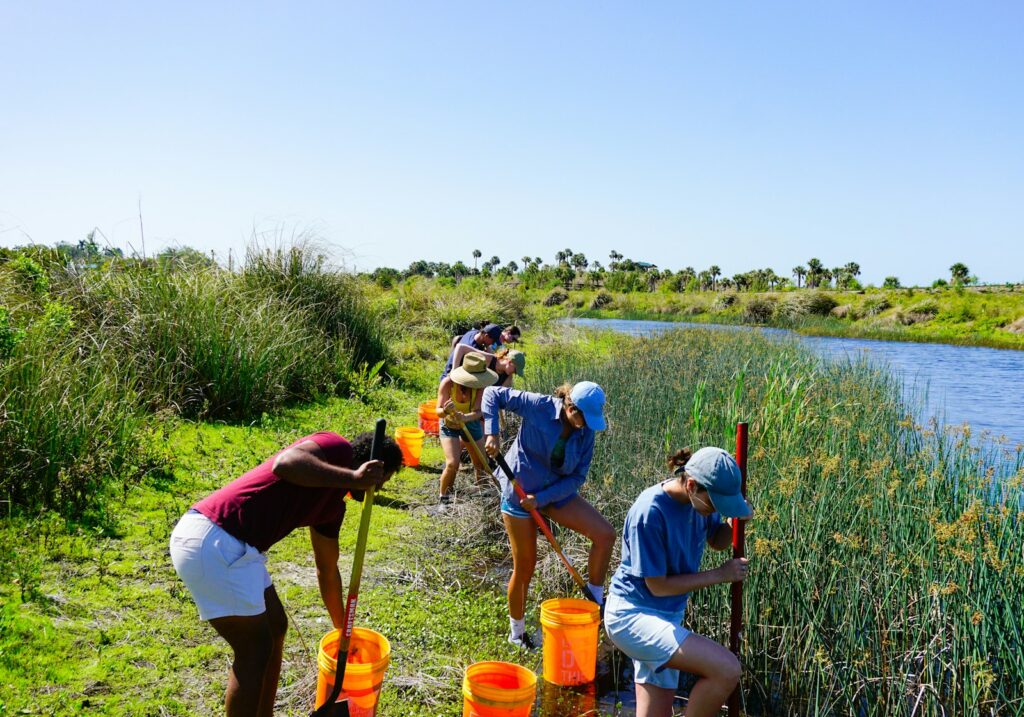
The scale of native plant reintroduction needed to meaningfully support pollinators has increasingly relied on citizen scientists and volunteer networks. Organizations like the Pollinator Partnership have trained thousands of community scientists to monitor pollinator activity and plant-pollinator interactions, generating valuable data that guides conservation efforts. The Monarch Watch program has engaged over 100,000 volunteers in milkweed propagation and monarch butterfly monitoring, distributing more than a million milkweed plants to restoration sites across North America. Many successful projects implement a stewardship model where trained volunteers adopt restoration sites, providing ongoing maintenance and monitoring that would be financially impossible using only professional staff. These community engagement approaches deliver the dual benefit of accomplishing ecological objectives while building public understanding and support for native plant conservation.
Measuring Success Through Scientific Monitoring
Rigorous monitoring forms the backbone of effective native plant reintroduction, allowing practitioners to adapt strategies based on real outcomes rather than assumptions. Leading programs implement before-and-after pollinator surveys using standardized protocols like timed observation periods, transect walks, and bowl trap sampling to quantify changes in pollinator abundance and diversity. Vegetation monitoring typically tracks not just plant survival but functional metrics like bloom period coverage, structural diversity, and seed production that directly impact pollinator support. Long-term studies have demonstrated that successful restorations typically show significant increases in pollinator diversity within 3-5 years, though full ecosystem function may take a decade or more to develop. Cutting-edge projects now incorporate DNA barcoding and pollen analysis to precisely document which plant species pollinators are utilizing, allowing for evidence-based refinement of plant selection strategies.
Policy Support for Native Plant Restoration
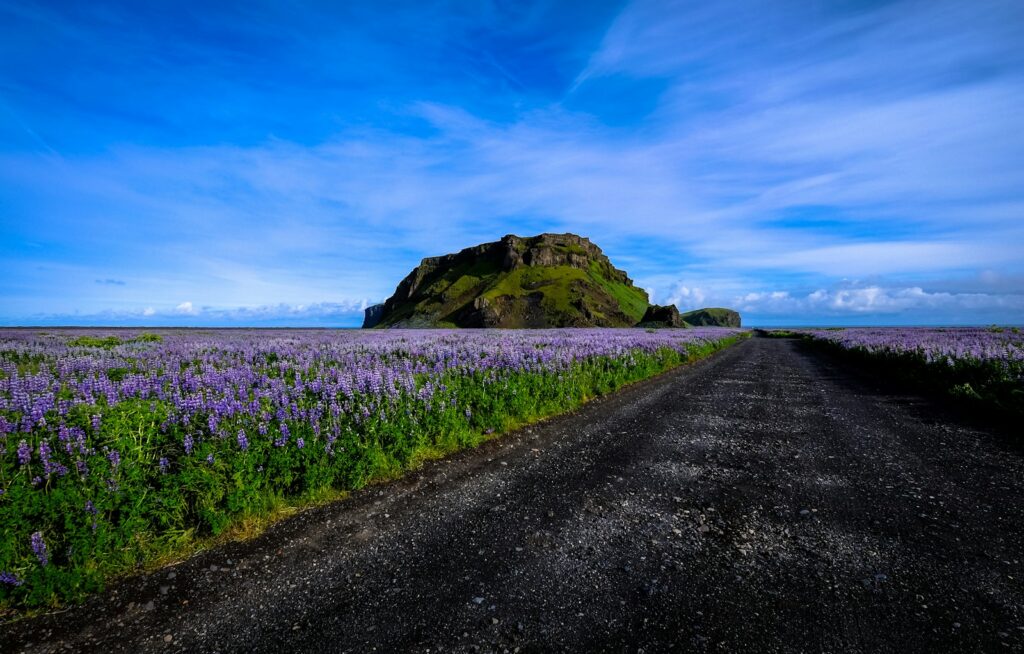
Policy frameworks increasingly recognize and support native plant reintroduction for pollinator conservation at multiple governmental levels. The federal Pollinator-Friendly Practices on Roadsides and Highway Rights-of-Way Act provides funding and technical assistance for transportation departments implementing native plant initiatives along roadways. Multiple states have enacted policies restricting the sale of invasive plants and providing tax incentives for native landscaping on private property. Cities including Seattle, Austin, and Tucson have implemented ordinances requiring native plants in new developments and offering rebates for residential conversion to native landscaping. The National Strategy to Promote the Health of Honeybees and Other Pollinators established a federal roadmap for restoring seven million acres of pollinator habitat on public and private lands, significantly increasing funding for native plant restoration. These policy tools have proven essential for scaling up restoration efforts beyond what volunteer and nonprofit initiatives alone could accomplish.
The Future of Native Plant Reintroduction
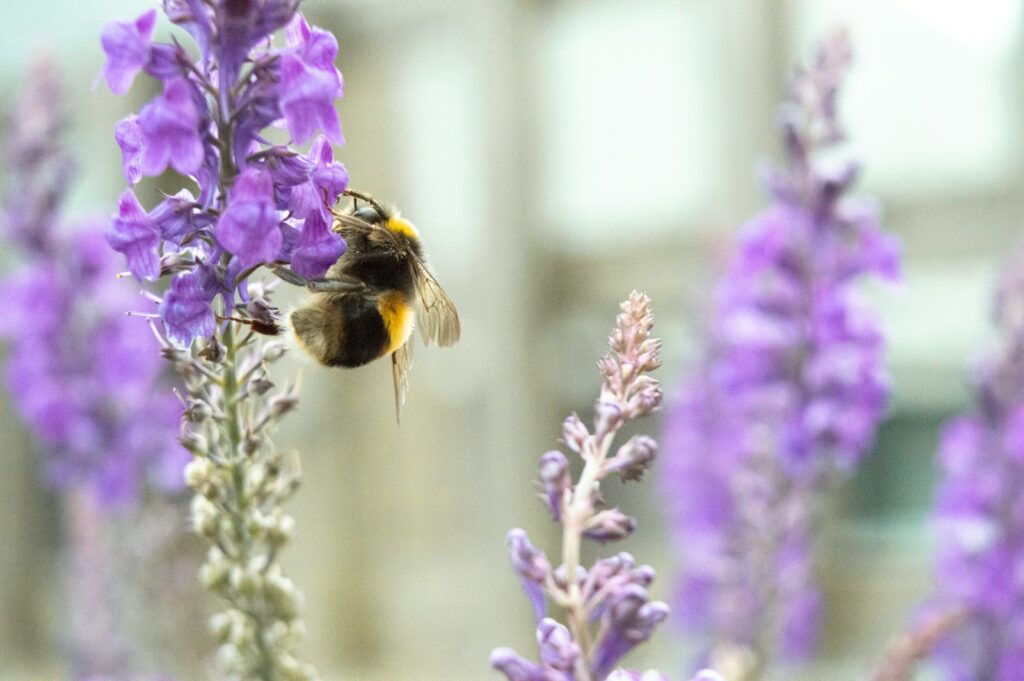
The future of native plant reintroduction is being shaped by emerging technologies and innovative approaches that promise to increase both scale and effectiveness. Advanced propagation techniques are making previously difficult-to-grow species more accessible for restoration, while drone seeding technology allows for cost-effective planting in remote or difficult terrain. Genetic research is informing more sophisticated approaches to maintaining evolutionary potential in restored populations, with some projects deliberately incorporating genetic diversity from multiple populations to enhance climate resilience. The growing field of assisted migration—carefully moving plant populations slightly northward or to higher elevations—is being cautiously implemented to help species adapt to climate change. Perhaps most promising is the integration of economic sustainability into restoration planning, with projects increasingly incorporating sustainable harvest of native plant products like seeds, cut flowers, and medicinal compounds to generate revenue that supports long-term management.
How Individuals Can Contribute to Pollinator Support
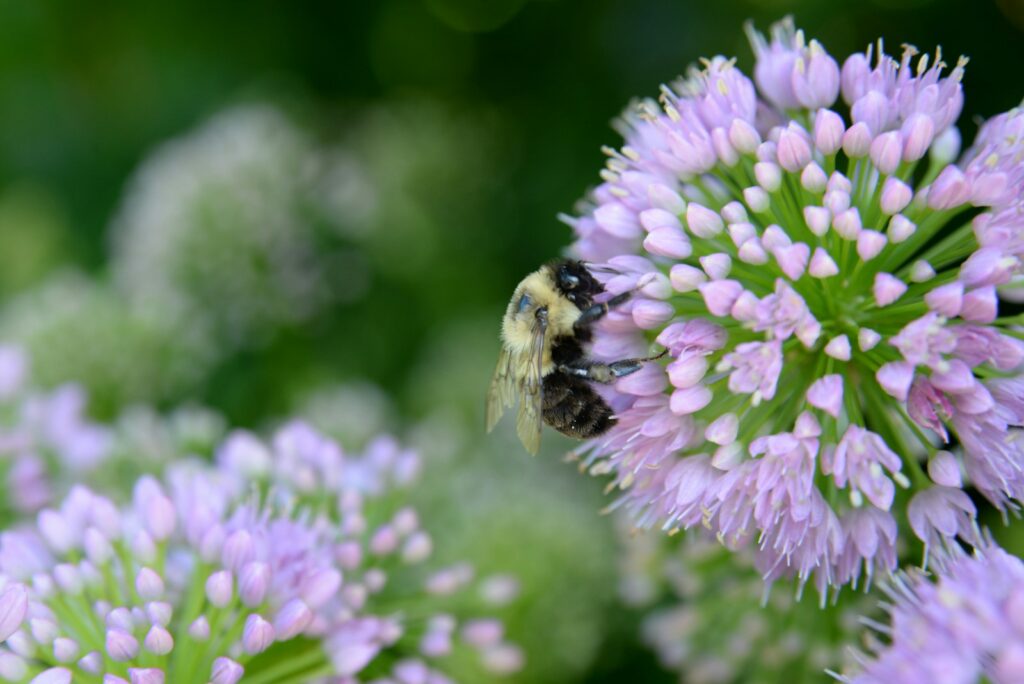
Individual actions collectively create substantial impact in the movement to reintroduce native plants for pollinators. Homeowners with even small yards can replace portions of conventional lawn with native plant gardens, with research showing that even 10-square-foot patches can support dozens of pollinator species. Gardeners should prioritize regional native plants from reputable nurseries that grow plants without neonicotinoid pesticides, which can persist in plant tissues and harm the very pollinators the gardens aim to support. Window boxes, balcony containers, and community garden plots offer opportunities for apartment dwellers to contribute meaningful habitat in urban environments. Beyond planting, individuals can participate in community science initiatives like the Great Sunflower Project or Bumble Bee Watch, contributing valuable data while learning to identify local pollinators. Supporting native plant restoration also means advocating for pollinator-friendly policies in local communities, from reduced mowing schedules in public parks to restrictions on harmful pesticides.
As we face the dual challenges of biodiversity loss and climate change, the reintroduction of native plants offers a powerful and accessible strategy for ecological restoration. These efforts do more than just support pollinators—they reconnect fragmented ecosystems, build climate resilience, and reestablish the botanical heritage of our diverse landscapes. The growing movement to restore native plants represents a rare ecological intervention where even small-scale efforts contribute meaningfully to larger conservation goals. By understanding and supporting the ancient relationships between native plants and their pollinators, we can help ensure these vital ecological partnerships continue to sustain both natural ecosystems and human food systems for generations to come.