

America’s public lands represent some of our nation’s greatest treasures – from towering mountain ranges and pristine forests to expansive deserts and vital watersheds. Recent years have witnessed a significant shift in legislative priorities, with new bills and acts emerging to safeguard these precious resources for future generations. This renewed commitment to conservation comes at a critical time when climate change, development pressures, and resource extraction threaten the integrity of our natural heritage. The following article explores how new legislation is expanding protections for public lands, the driving forces behind these changes, and what these protections mean for communities, wildlife, and the environment.
The Resurgence of Conservation Legislation
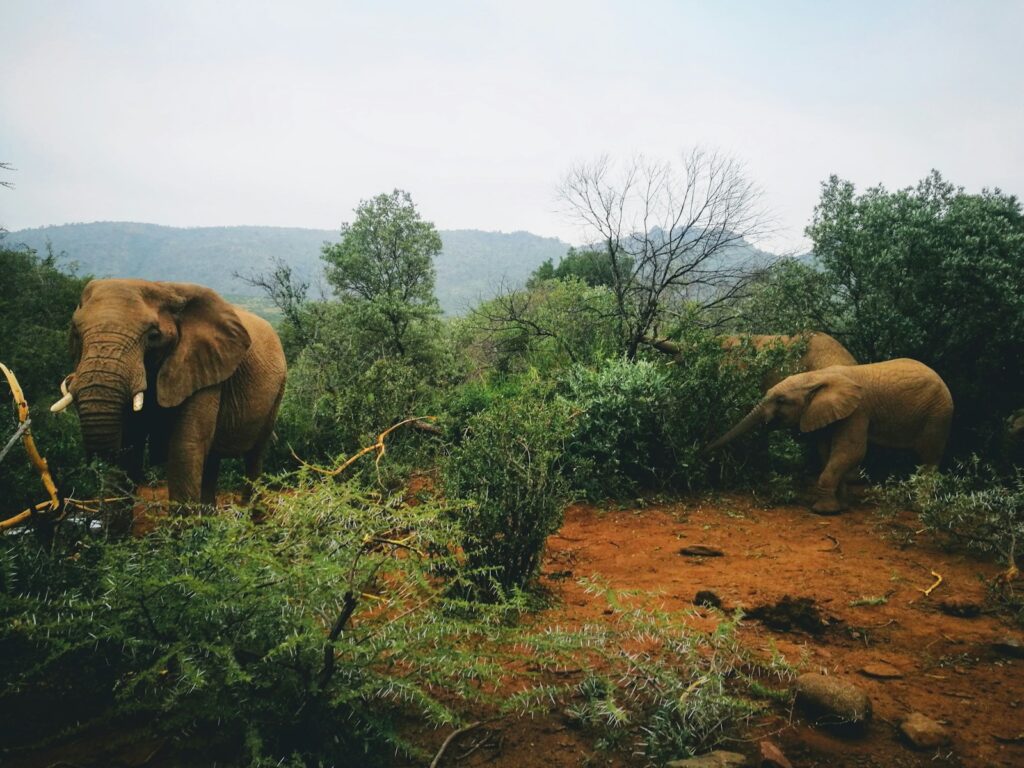
After decades of inconsistent approaches to public land management, the United States has experienced a notable revival in conservation-focused legislation. This resurgence represents a bipartisan recognition that our public lands serve multiple vital functions – from recreational opportunities and wildlife habitat to carbon sequestration and water purification. Recent legislative packages have protected millions of acres from development, mining, and drilling, reversing a trend that had previously prioritized resource extraction over conservation. These new laws often reflect years of grassroots advocacy, scientific research, and community engagement, demonstrating how persistent public pressure can ultimately translate into concrete policy changes. The scope of these protections ranges from expanding existing national monuments and wilderness areas to creating entirely new categories of protected lands.
The Great American Outdoors Act: A Landmark Achievement
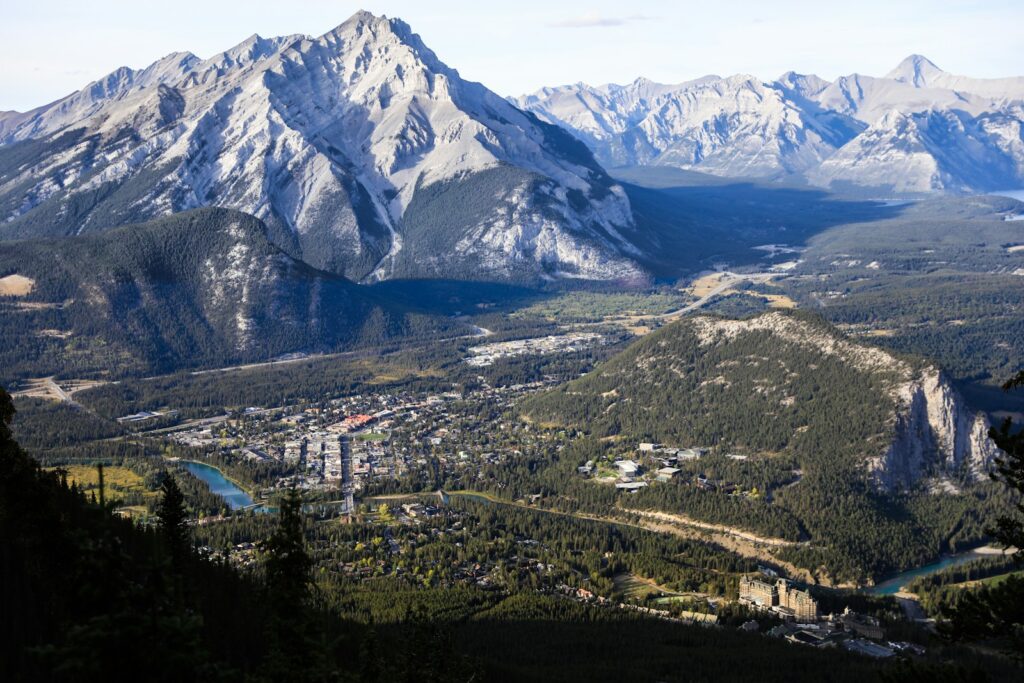
Signed into law in 2020, the Great American Outdoors Act (GAOA) represents one of the most significant conservation funding packages in U.S. history. This bipartisan legislation permanently funded the Land and Water Conservation Fund (LWCF) at $900 million annually, ensuring a reliable stream of resources for acquiring and protecting new public lands. Additionally, the GAOA established the National Parks and Public Land Legacy Restoration Fund, providing up to $1.9 billion annually for five years to address the massive maintenance backlog on federal lands. This investment has enabled agencies to repair deteriorating infrastructure, improve accessibility, and enhance visitor experiences across national parks, forests, wildlife refuges, and other public lands. The legislation marked a turning point in how America funds conservation, moving from unpredictable annual appropriations to guaranteed support for preserving natural and recreational resources.
Expanding Wilderness Designations

Recent legislation has significantly expanded the National Wilderness Preservation System, which provides the highest level of protection available for federal lands. Wilderness designations prohibit roads, motorized equipment, structures, and commercial enterprises, preserving these areas in their most natural state. The Dingell Act of 2019, for example, designated nearly 1.3 million acres of new wilderness across the American West, including ecologically significant areas in Utah, New Mexico, and California. These new wilderness areas protect critical wildlife corridors, watersheds, and unique geological features from development pressures. Wilderness designations also ensure these landscapes remain available for traditional non-motorized recreation like hiking, fishing, and hunting, while maintaining their ecological integrity. The expansion of wilderness protection represents a commitment to preserving America’s most pristine landscapes for future generations.
National Monuments and the Antiquities Act
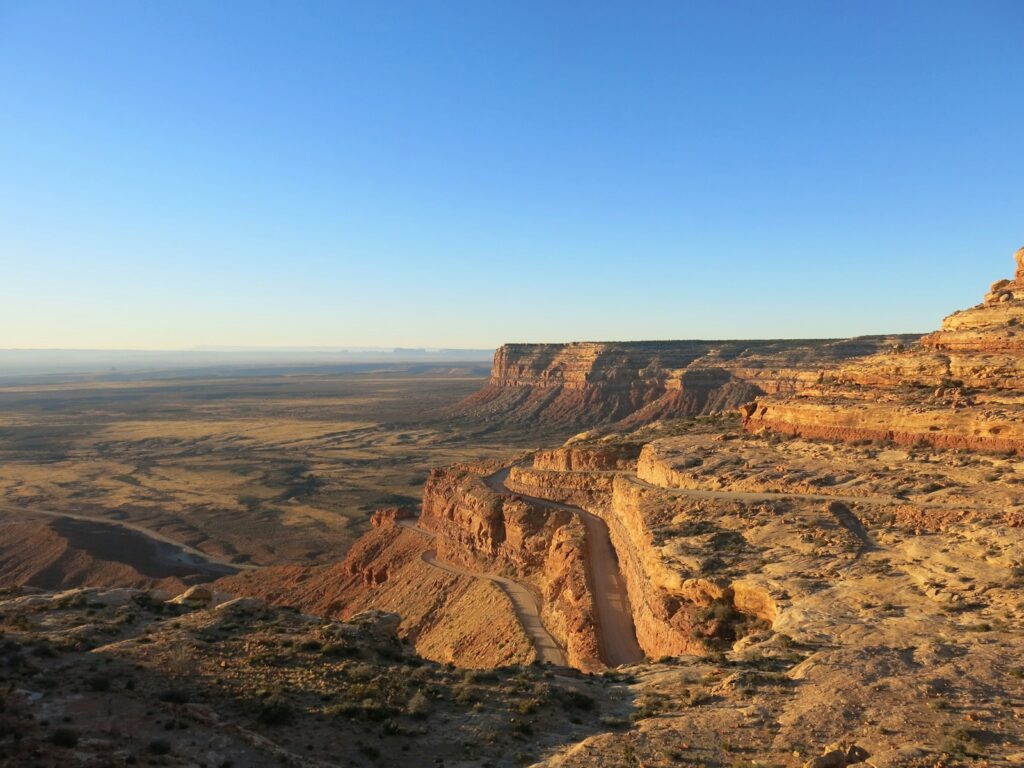
The Antiquities Act has emerged as a powerful tool for protecting significant landscapes and cultural sites through national monument designations. Recent administrations have utilized this authority to safeguard areas of outstanding ecological, historical, and cultural value, often responding to local community advocacy and scientific recommendations. For instance, the restoration and expansion of Bears Ears and Grand Staircase-Escalante National Monuments in Utah reversed previous reductions and reinforced protections for areas rich in Native American cultural sites and remarkable biodiversity. New monuments have been established across the country, from Maine’s Katahdin Woods and Waters to Nevada’s Avi Kwa Ame, protecting ecosystems ranging from northern forests to desert landscapes. These designations often incorporate innovative co-management arrangements with tribal nations, recognizing indigenous connections to these lands and traditional ecological knowledge.
Indigenous Land Protections
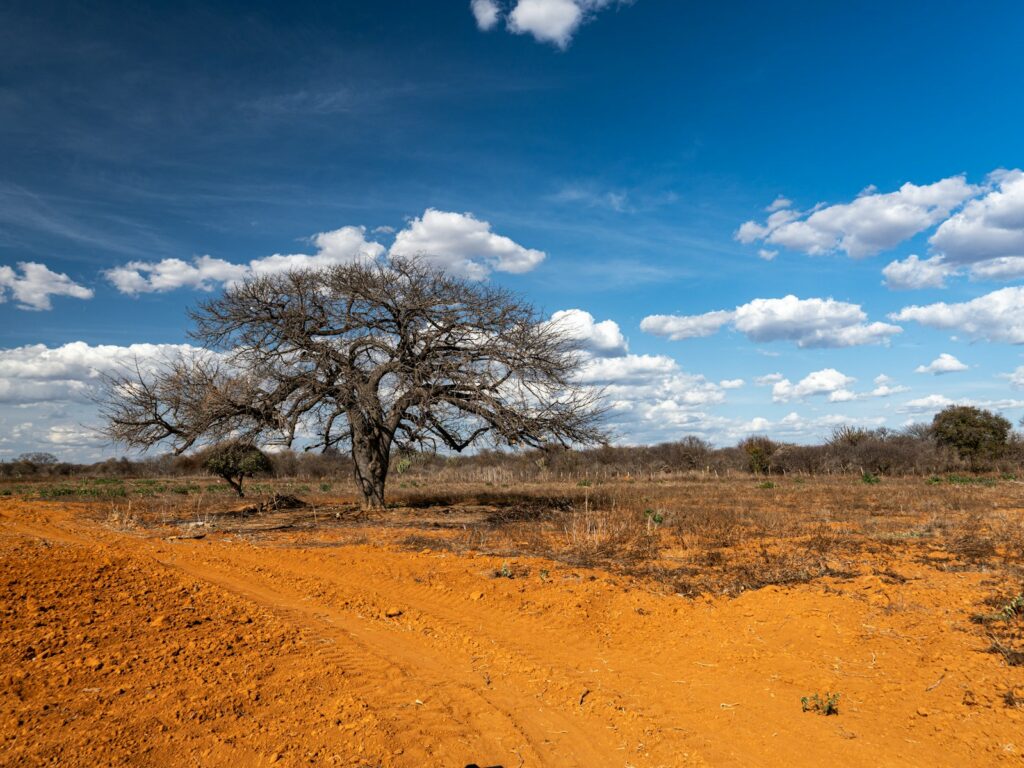
A significant trend in recent public lands legislation has been increased recognition of indigenous rights and traditional connections to ancestral territories. New laws and policies have created frameworks for co-management of protected areas between federal agencies and tribal governments, acknowledging the historical stewardship role of Native communities. For example, legislation establishing Bears Ears National Monument included the creation of an inter-tribal commission to guide management decisions, incorporating traditional ecological knowledge alongside Western scientific approaches. Other initiatives have returned certain lands to tribal ownership or management, rectifying historical injustices while ensuring continued conservation. These collaborative approaches represent a meaningful shift toward reconciliation and respect for indigenous sovereignty while maintaining environmental protections. The integration of tribal perspectives often results in more holistic management strategies that benefit both the ecological health of protected areas and the cultural well-being of Native communities.
Protection of Marine Ecosystems
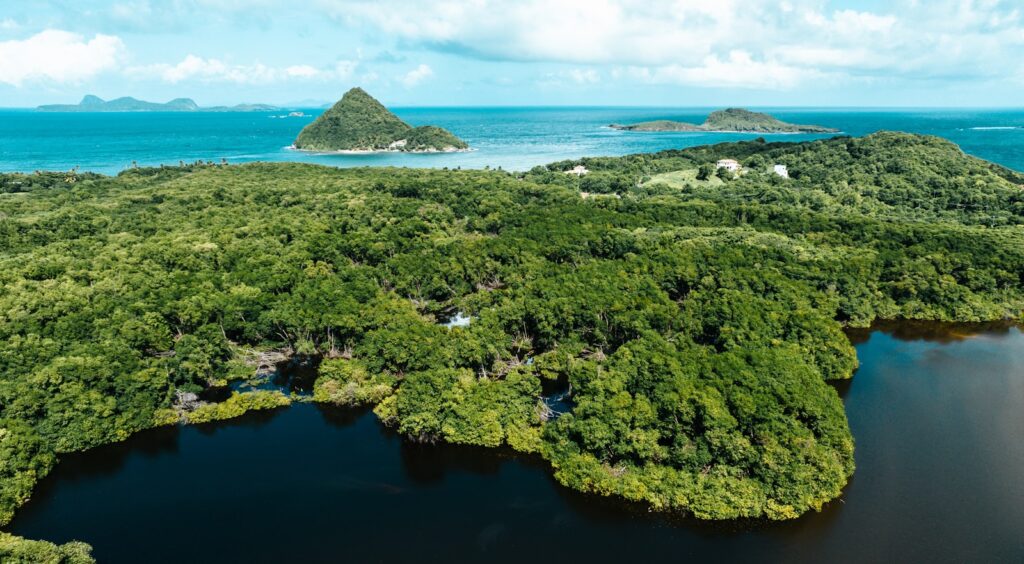
Public lands protection has increasingly extended into marine environments, with new legislation establishing and expanding marine protected areas along America’s coastlines. These designations safeguard critical ocean habitats from harmful fishing practices, seabed mining, and offshore drilling while allowing sustainable activities that support coastal economies. Recent laws have created new marine sanctuaries and monuments in diverse ecosystems, from the cold waters of the Northeast to the tropical environments of the Pacific. These protections help preserve marine biodiversity, support fisheries recovery, and maintain the health of coral reefs and other sensitive habitats. Marine protected areas also serve as living laboratories for scientific research and provide opportunities for sustainable tourism and recreation, benefiting coastal communities economically while preserving ecological values.
Urban Access to Nature Initiatives

New legislation has increasingly focused on creating and protecting public lands in proximity to urban areas, addressing historical inequities in access to nature. Programs like the Outdoor Recreation Legacy Partnership have directed funding toward developing parks and natural spaces in underserved communities, ensuring that conservation benefits reach diverse populations. The Urban National Wildlife Refuge program has expanded protection for natural areas within and adjacent to metropolitan regions, providing wildlife habitat while offering accessible outdoor recreation and education opportunities. These initiatives recognize that public lands should serve all Americans, not just those able to travel to remote wilderness areas. Research consistently demonstrates the health, educational, and social benefits of access to natural spaces, making these urban conservation efforts particularly significant for public health and environmental justice.
Climate Resilience Through Land Protection

Recent public lands legislation has increasingly incorporated climate resilience as a central objective, recognizing the role protected areas play in both mitigating and adapting to climate change. Protected forests, grasslands, and wetlands sequester significant amounts of carbon, while intact ecosystems are better able to withstand climate stresses and support biodiversity. New laws have prioritized protection of climate-resilient landscapes – areas with diverse topography, connectivity, and microclimates that provide refuge for species adapting to changing conditions. Some legislation specifically designates carbon reserves, where management is oriented toward maximizing carbon storage through forest preservation and restoration. These climate-focused protections represent a shift toward viewing public lands as critical infrastructure for addressing our most pressing environmental challenge.
Watershed and Water Resource Protections

The protection of watersheds has emerged as a pivotal component of recent public lands legislation, safeguarding the sources of drinking water for millions of Americans. New designations have placed special protections on headwaters regions, where the highest quality water originates before flowing downstream to population centers. For example, the Colorado Outdoor Recreation and Economy (CORE) Act includes provisions to protect watersheds that supply water to communities across Colorado’s Western Slope. These watershed protections often restrict activities that could contaminate water sources, such as mining operations or certain types of development. The economic value of these protections is substantial, as they reduce water treatment costs for municipalities and support industries dependent on clean water, from agriculture to outdoor recreation.
Collaborative Conservation Models
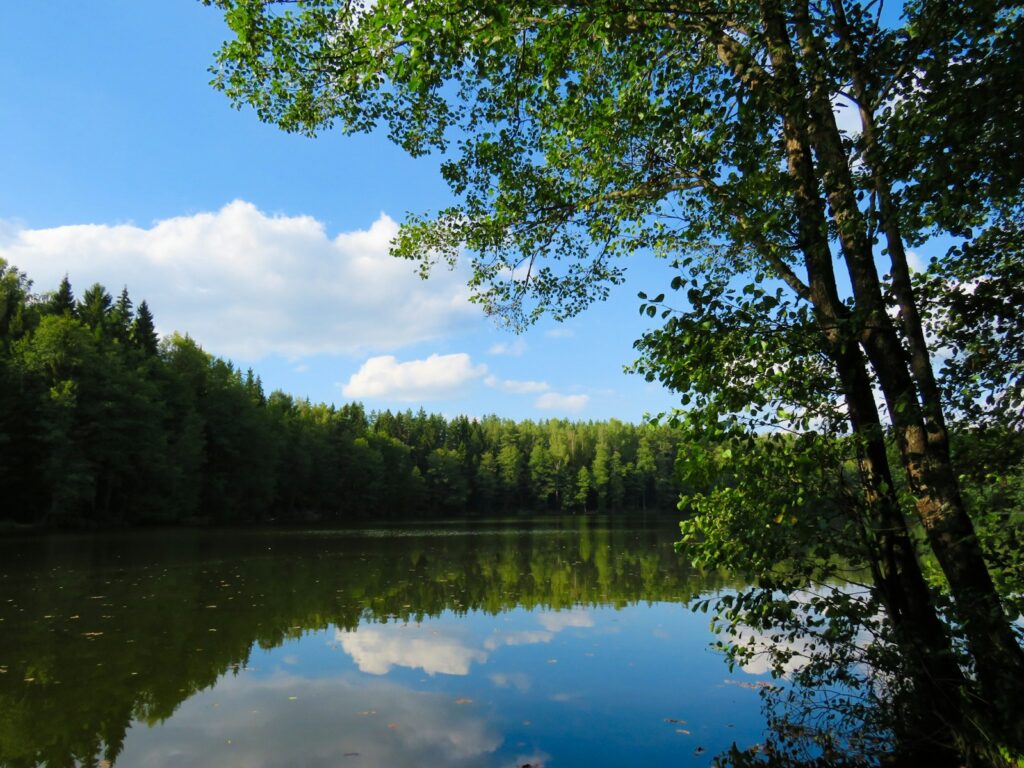
A hallmark of recent public lands legislation has been the emphasis on collaborative management approaches that engage diverse stakeholders in conservation decisions. Rather than imposing top-down protections, many new laws establish frameworks for local communities, recreational users, conservation groups, and industry representatives to participate in planning processes. The Blackfoot Clearwater Stewardship Act exemplifies this approach, bringing together timber interests, ranchers, outfitters, conservationists, and recreationists to craft a solution that expands wilderness while supporting sustainable economic activities. These collaborative models often result in more durable protections that enjoy broader public support and address multiple values simultaneously. By treating local communities as partners rather than obstacles, these initiatives build lasting constituencies for conservation while respecting traditional uses of the land.
Economic Benefits of Protected Lands
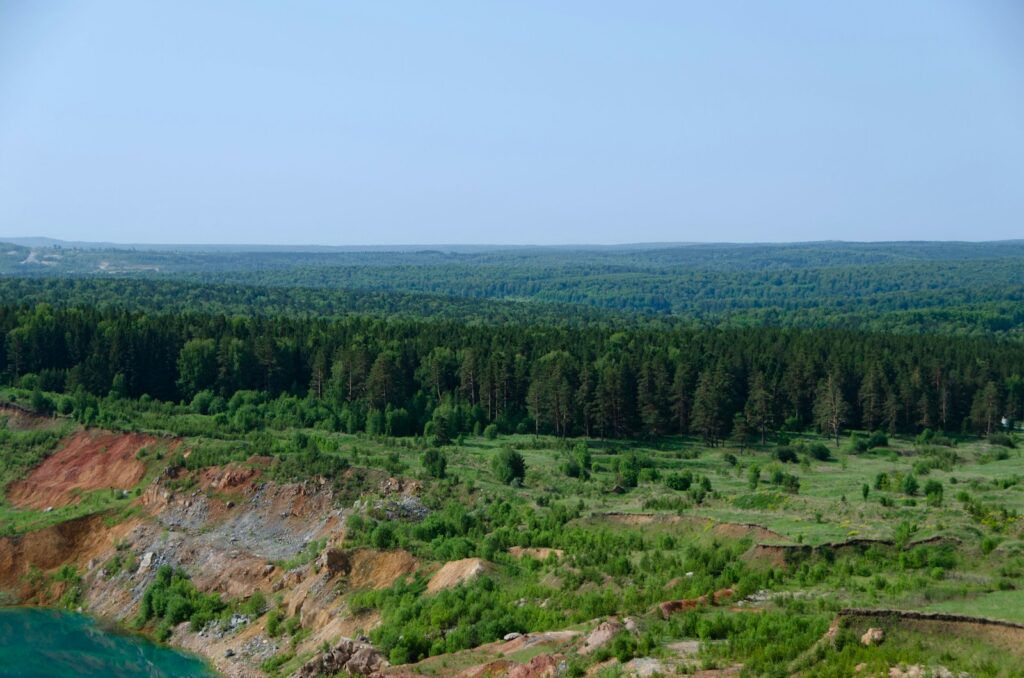
New legislation protecting public lands increasingly recognizes and promotes their economic value to surrounding communities. Protected areas drive significant tourism and outdoor recreation spending, supporting jobs in hospitality, guiding, retail, and other sectors. A study by Headwaters Economics found that counties adjacent to protected federal lands consistently outperform similar counties without such amenities in measures of economic prosperity and population growth. Recent laws have included provisions specifically designed to enhance recreational infrastructure, such as trails, campgrounds, and visitor centers, maximizing economic benefits while managing environmental impacts. Conservation designations can also stabilize property values, attract remote workers and retirees, and support growing outdoor gear manufacturing clusters. This economic dimension has helped build bipartisan support for conservation legislation, particularly in rural areas where traditional extractive industries have declined.
Ongoing Challenges and Future Directions
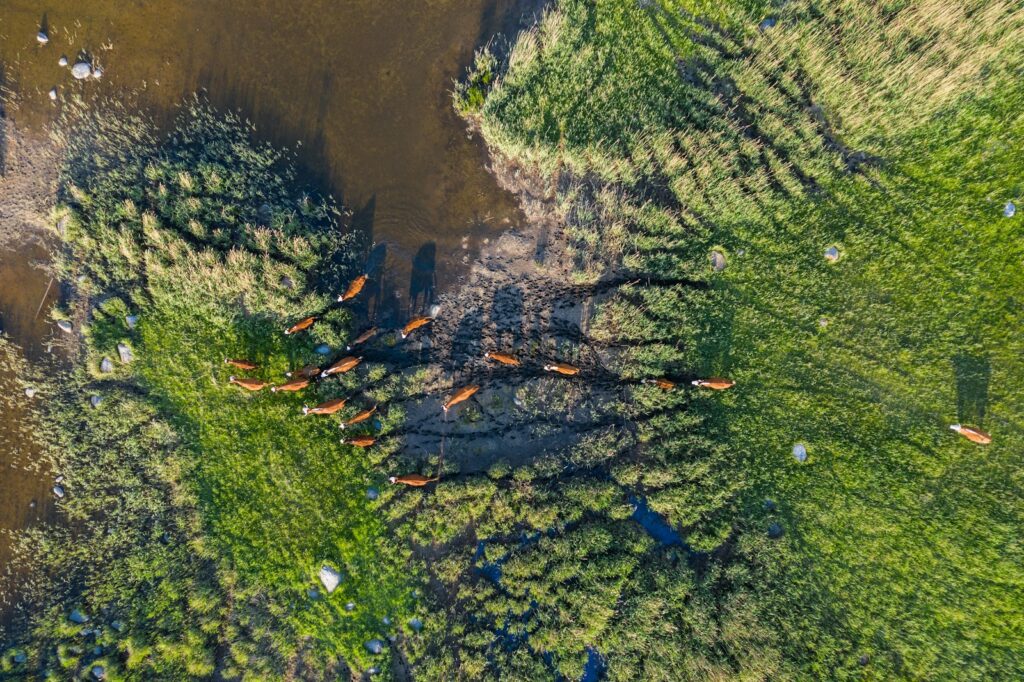
Despite significant progress, public land protection faces continuing challenges that future legislation must address. Funding for management remains insufficient in many areas, with agencies struggling to hire adequate staff, maintain infrastructure, and address visitation pressures. Climate change continues to transform ecosystems in protected areas, requiring adaptive management approaches and strategic additions to conservation networks. Political polarization threatens the bipartisan consensus that has enabled recent conservation successes, with some interests advocating for reduced protections and increased resource extraction. Future legislation will likely need to address connectivity between protected areas, creating wildlife corridors that allow species to migrate in response to climate shifts. Additionally, more comprehensive approaches to invasive species management, wildfire mitigation, and water conservation will be essential to maintain the ecological integrity of protected public lands.
Conclusion
The recent wave of public lands legislation represents a significant recommitment to conservation values that transcends partisan divides. From wilderness designations and national monuments to urban parks and marine sanctuaries, these protections preserve America’s natural heritage while providing diverse benefits to communities nationwide. By incorporating indigenous perspectives, climate considerations, and collaborative approaches, these new laws reflect an evolving understanding of conservation that balances ecological integrity with human needs. As these protected landscapes face mounting pressures from climate change, increased visitation, and development, continued legislative action will be essential to ensure they remain resilient and accessible for generations to come. The story of America’s public lands continues to unfold, with each new protection adding another chapter to our national commitment to preservation and stewardship.