

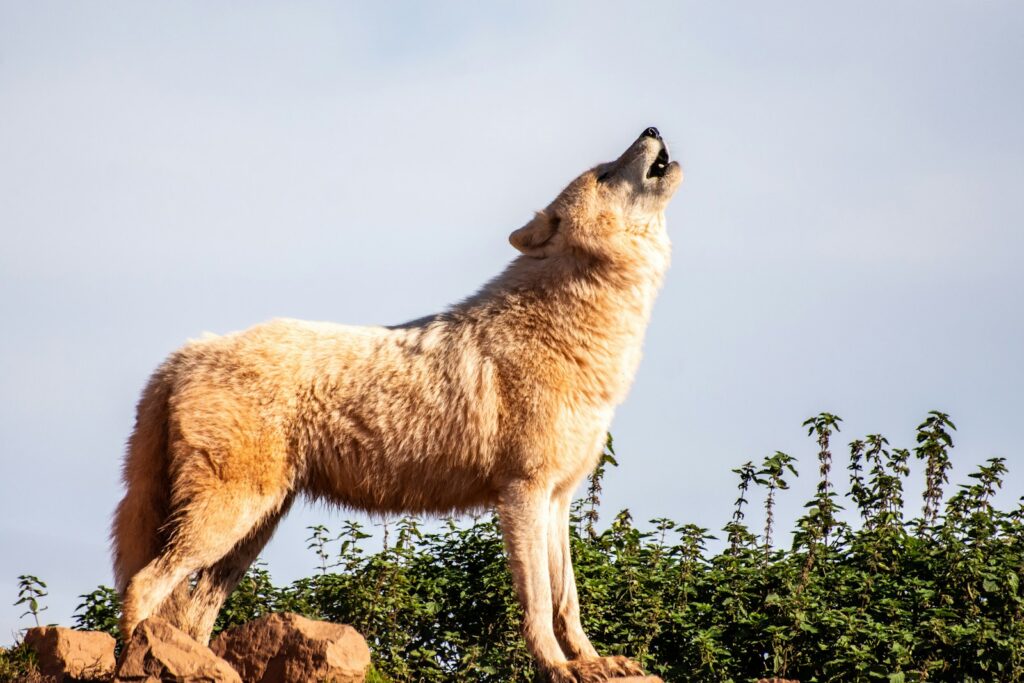
In 1995, after a 70-year absence, wolves were reintroduced to Yellowstone National Park in one of the most ambitious wildlife restoration projects ever undertaken in the United States. What followed was not simply the return of a top predator, but the revival of an entire ecosystem that had been slowly unraveling for decades. This phenomenon, known as a trophic cascade, demonstrated how a single species could transform landscapes, alter river patterns, and bring new life to a declining wilderness. The Yellowstone wolf reintroduction has become the quintessential example of how ecological relationships function and how nature maintains a delicate balance through complex interdependencies.
The Disappearance of Wolves from Yellowstone
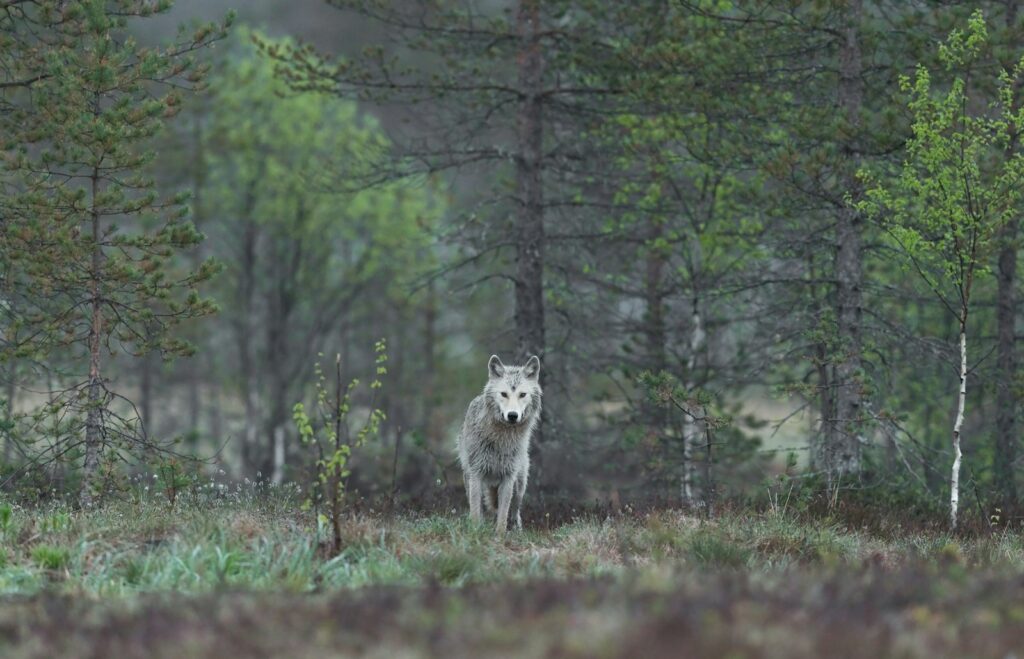
By the 1920s, government-sanctioned predator control programs had successfully eliminated wolves from Yellowstone National Park. The last wolf packs were systematically hunted, trapped, and poisoned as part of a nationwide effort to protect livestock and increase populations of game animals like elk and deer. For nearly seven decades, the howl of wolves was absent from the Yellowstone landscape, creating an ecological vacuum that would have far-reaching consequences. Without their natural predator, elk populations exploded, reaching unsustainable numbers that the park’s vegetation couldn’t support. This marked the beginning of what ecologists would later recognize as a textbook example of a disrupted food web, with impacts cascading throughout the entire ecosystem.
The Decision to Bring Wolves Back
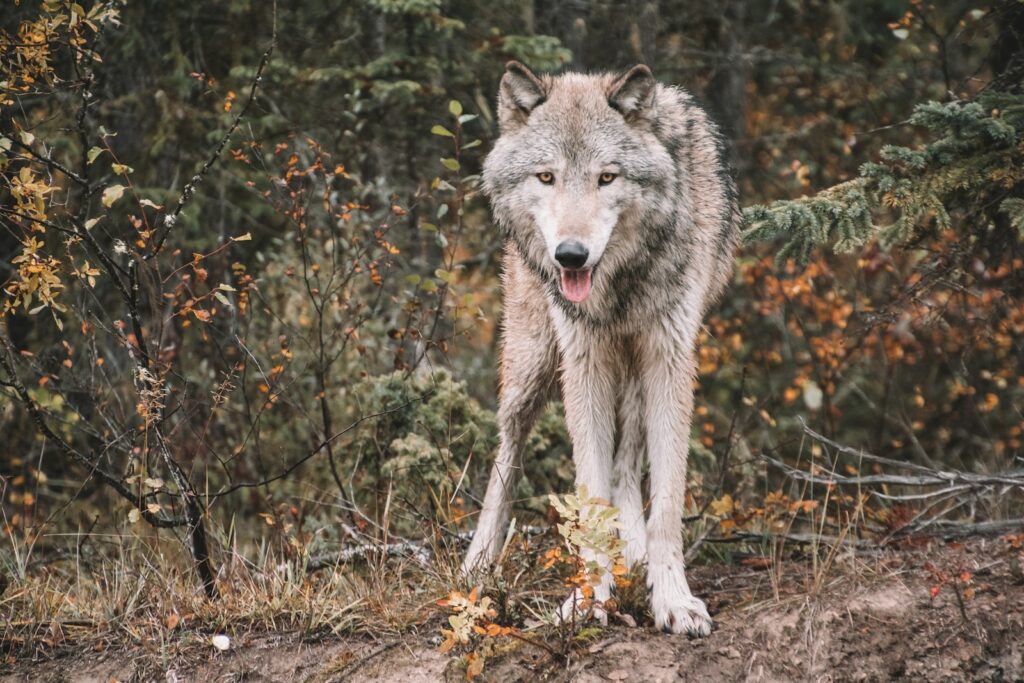
The path to wolf reintroduction was fraught with controversy and political challenges that spanned decades. By the 1960s and 1970s, scientific understanding of predator-prey relationships had evolved substantially, and ecologists began advocating for the return of wolves to restore ecological balance. The passing of the Endangered Species Act in 1973 provided crucial legal protection for wolves and created a framework for their potential return. After years of environmental impact studies, public debates, and legal battles between conservationists, ranchers, and government agencies, the U.S. Fish and Wildlife Service finally approved the reintroduction plan in the early 1990s. The decision represented a fundamental shift in wildlife management philosophy from single-species focus to ecosystem-based approaches.
The Reintroduction Process
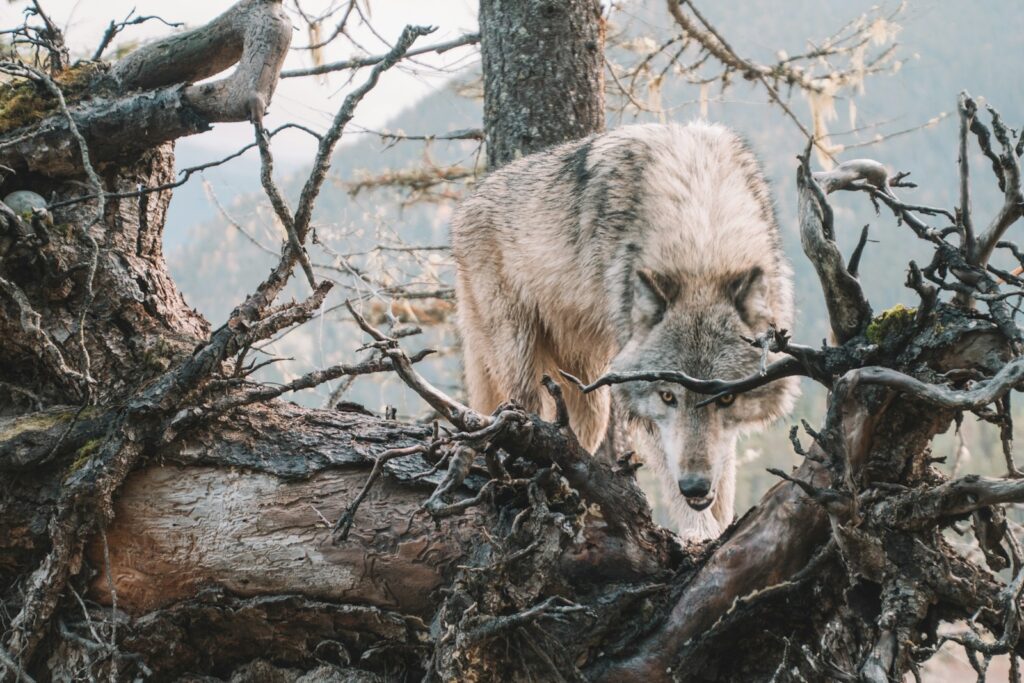
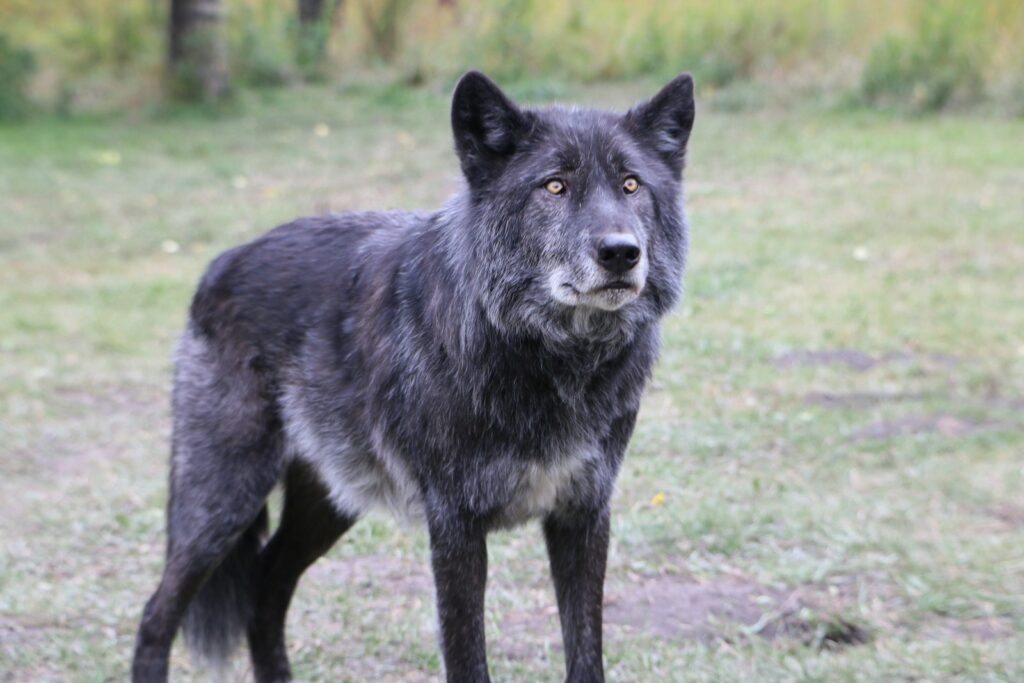
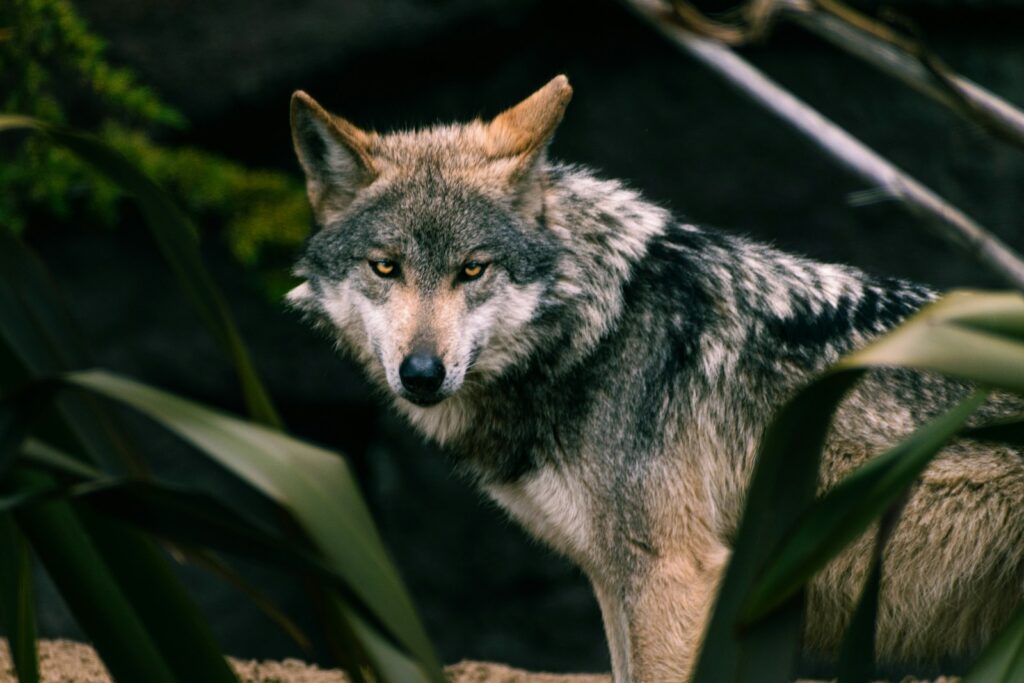
In January 1995, the first group of Canadian gray wolves was released into Yellowstone, followed by additional releases in 1996, totaling 41 wolves. Wildlife biologists carefully selected wolves from areas with similar habitat characteristics to maximize their chances of successful adaptation to Yellowstone. The wolves were transported in specially designed crates and initially kept in acclimation pens to help them adjust to their new surroundings before full release. Each wolf was fitted with a radio collar to allow scientists to track their movements, monitor pack formation, and study their impact on the ecosystem. This methodical approach to reintroduction represented the culmination of years of planning and established a model for future wildlife restoration projects around the world.
The Immediate Impact on Elk Populations
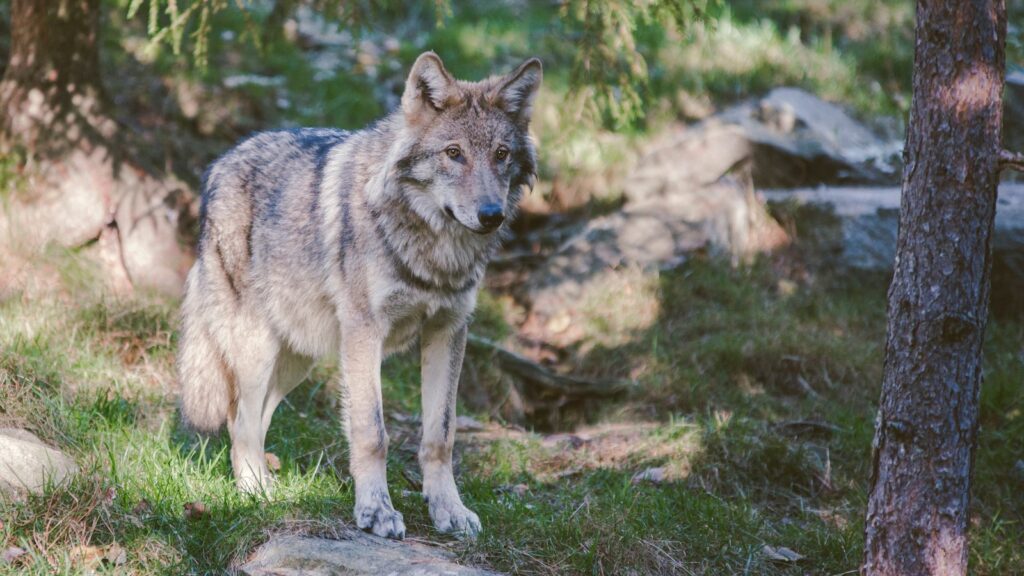
The reintroduced wolves quickly established territories and began hunting their primary prey—Yellowstone’s abundant elk population. Prior to wolf reintroduction, the park’s elk herds had grown to approximately 19,000 animals, well beyond what ecologists considered sustainable for the habitat. Within a few years of the wolves’ return, elk numbers began to decline, eventually stabilizing at around 6,000-8,000 animals—a population size that created a more balanced relationship with the available vegetation. Beyond just reducing numbers, wolves fundamentally changed elk behavior, keeping them more mobile and preventing them from overgrazing sensitive areas like river valleys. This behavioral shift, known as the “ecology of fear,” proved just as important as the direct predation in reshaping the ecosystem.
The Ripple Effect on Vegetation
With elk no longer able to browse unimpeded, Yellowstone’s plant communities experienced a remarkable resurgence. Aspen, willow, and cottonwood trees, which had been unable to grow beyond sapling stage due to intense browsing pressure, began to recover and establish new groves. In some river valleys, aspen recruitment increased by over 500% within the first decade of wolf presence. Scientists documented significant increases in the height, coverage, and complexity of riverside vegetation communities. This vegetative recovery was particularly pronounced in riparian areas where elk had previously concentrated during winter months, creating what ecologists call “browsing lawns” where few saplings survived to maturity.
Rivers Transformed by Wolf Presence
Perhaps the most surprising consequence of wolf reintroduction was how it literally changed the physical geography of Yellowstone’s rivers. As riverside vegetation recovered, the newly established trees and shrubs stabilized riverbanks and reduced erosion, narrowing and deepening stream channels. The denser vegetation provided shade that cooled water temperatures and created more diverse aquatic habitats. Bank erosion decreased substantially, leading to less meandering and more stable river channels. These physical changes in river morphology demonstrated how the influence of wolves could extend beyond the obvious biological relationships to affect the very geology and hydrology of the landscape—a profound example of how living systems and physical environments are inextricably connected.
The Beaver Comeback Story
With the resurgence of willows and aspens—critical food and building materials for beavers—these industrious rodents began to recolonize areas where they had been absent for decades. Before wolf reintroduction, beaver colonies in Yellowstone were scarce, with just one active colony in 1996. By 2007, researchers documented nine active beaver colonies, and that number has continued to grow. Beaver dams created new wetland habitats, raised water tables, and provided drought resistance to watersheds. These impoundments created habitat for fish, amphibians, and aquatic invertebrates, further increasing biodiversity. The return of beavers represents a perfect illustration of how restoring one missing element of an ecosystem can trigger a cascade of positive effects that enhance ecological resilience and complexity.
Biodiversity Benefits Beyond Vegetation
The ecological ripple effects of wolf reintroduction extended to numerous other species throughout the food web. Scavengers like ravens, eagles, magpies, and bears benefited from wolf-killed carcasses, which provided critical winter nutrition when other food sources were scarce. Studies showed that these carrion resources were particularly important for threatened species like grizzly bears emerging from hibernation. Small mammal populations flourished in the thicker understory vegetation, providing more prey for foxes, weasels, and raptors. Songbird diversity increased significantly in areas where vegetation structure had become more complex. Even insects and pollinators benefited from the greater variety and abundance of flowering plants that emerged as elk browsing pressure decreased.
The Scientific Concept of Trophic Cascades
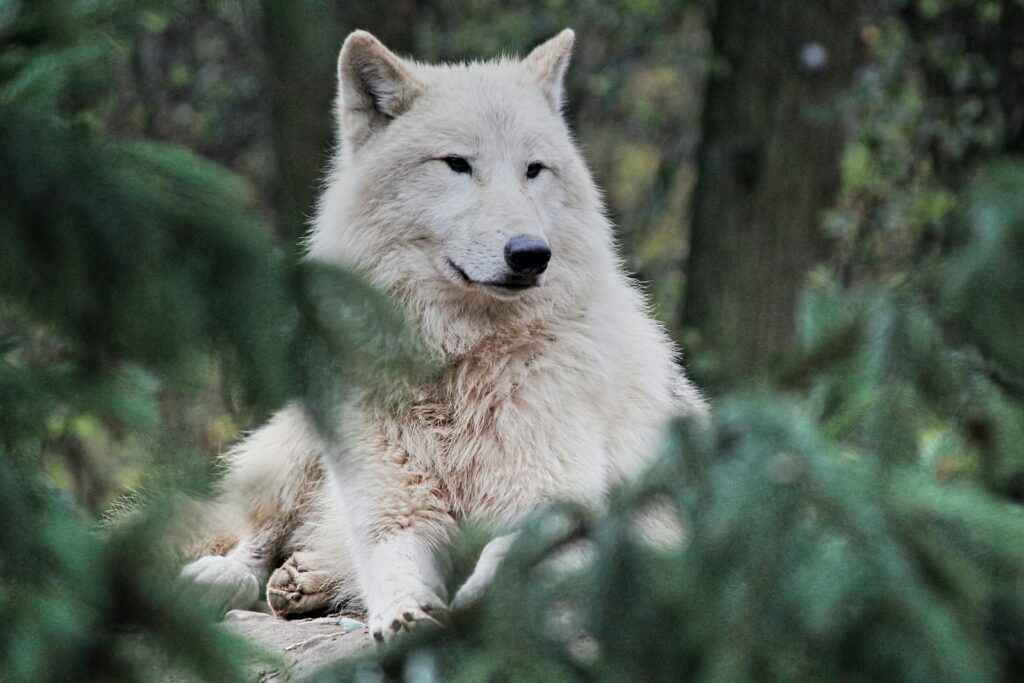
The Yellowstone wolf reintroduction provided ecologists with a real-world laboratory to study the concept of trophic cascades—where changes at the top of the food chain trigger effects that ripple downward through multiple ecological levels. While the theory had existed for decades, Yellowstone offered unprecedented evidence of how powerful these cascades could be in a large, complex ecosystem. The wolf-elk-vegetation-beaver cascade became the most famous example of this phenomenon in scientific literature and conservation education. Long-term research in Yellowstone has helped refine ecological theories about keystone species—those that have disproportionately large effects relative to their abundance. This scientific understanding has influenced conservation planning worldwide, highlighting the importance of preserving or restoring complete food webs rather than focusing solely on individual species.
Economic Benefits to the Region
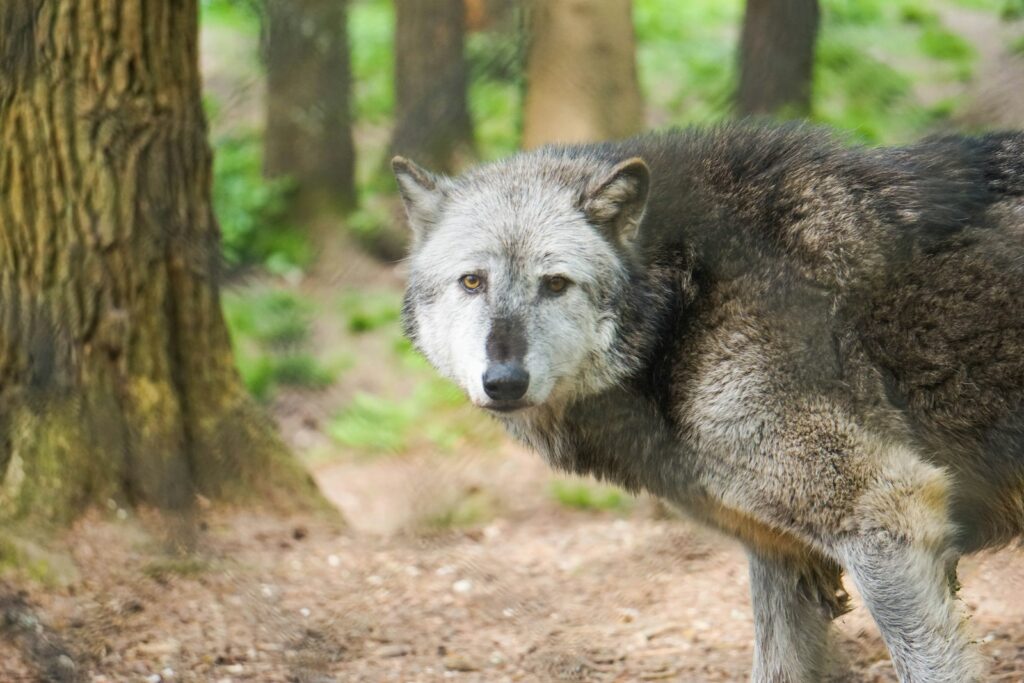
Beyond ecological improvements, wolf reintroduction generated significant economic benefits for communities surrounding Yellowstone. Wolf-watching became a major tourist attraction, with annual economic impact studies estimating that wolves generate over $35 million annually for local economies in the Greater Yellowstone region. This wildlife-based tourism created new jobs, supported local businesses, and diversified the economic base of gateway communities. Survey research has shown that wolves are among the most sought-after species for visitors to observe, with many tourists extending their stays specifically to increase their chances of seeing wolves. This economic dimension has helped shift perspectives among some residents who initially opposed reintroduction, demonstrating how conservation can align with economic development in rural areas.
Ongoing Challenges and Controversies
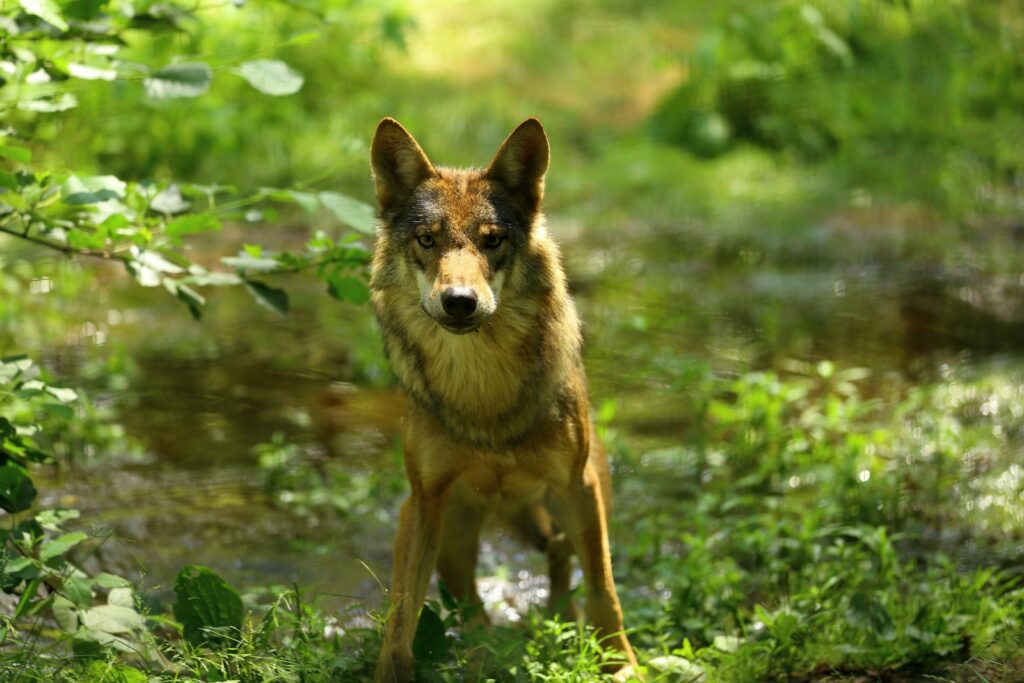
Despite its ecological successes, the wolf reintroduction program continues to face significant social and political challenges. Livestock depredation, though statistically minimal compared to other causes of livestock loss, remains a flashpoint of controversy with ranchers in surrounding areas. Compensation programs for verified wolf kills have helped mitigate economic impacts but haven’t fully resolved conflicts. Wolf hunting seasons established after federal delisting in some areas have created new tensions between conservation groups and hunting advocates. These controversies highlight the complex intersection of ecology, economics, cultural values, and politics that characterize wildlife conservation in working landscapes. Finding sustainable compromises that balance predator conservation with human livelihoods remains an ongoing challenge that requires adaptive management approaches.
Lessons for Global Conservation Efforts
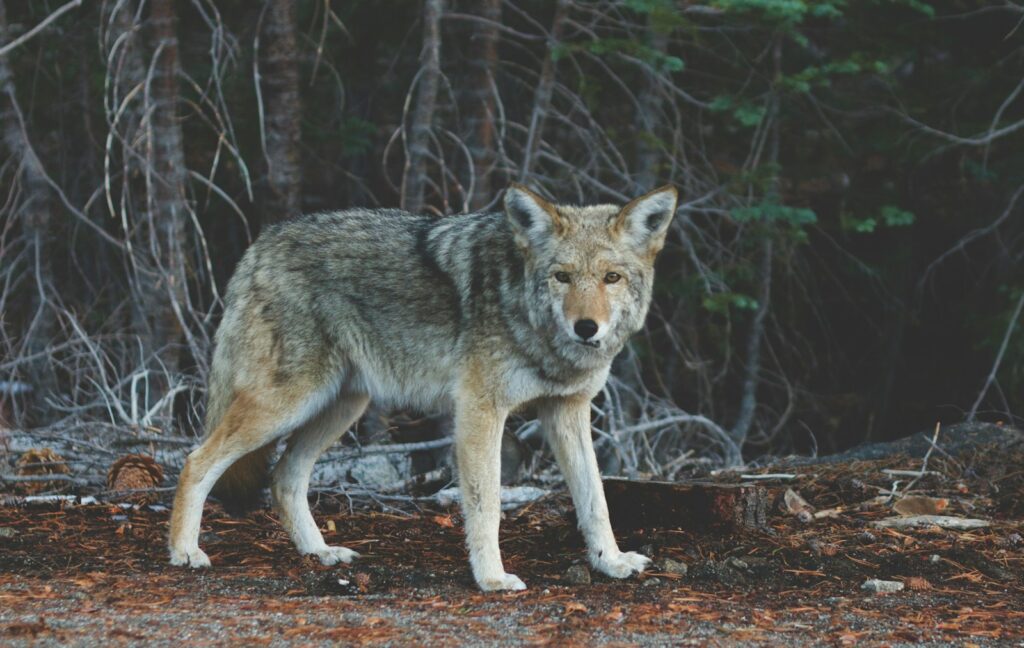
The Yellowstone wolf reintroduction has become a model for conservation projects worldwide, influencing predator restoration initiatives across multiple continents. European rewilding programs in places like Spain, Italy, and Romania have drawn directly on lessons learned from Yellowstone’s experience. Conservation planners now more routinely consider the functional roles species play in ecosystems rather than focusing solely on preserving population numbers. The success story has also highlighted the importance of science communication and public engagement in conservation, as the compelling narrative of ecological recovery has reached audiences far beyond scientific circles. Perhaps most importantly, Yellowstone demonstrated that even severely disrupted ecosystems retain remarkable capacity for recovery when key elements are restored—offering hope for ecological restoration in an era of unprecedented environmental challenges.
The Future of Wolves and Ecosystem Management
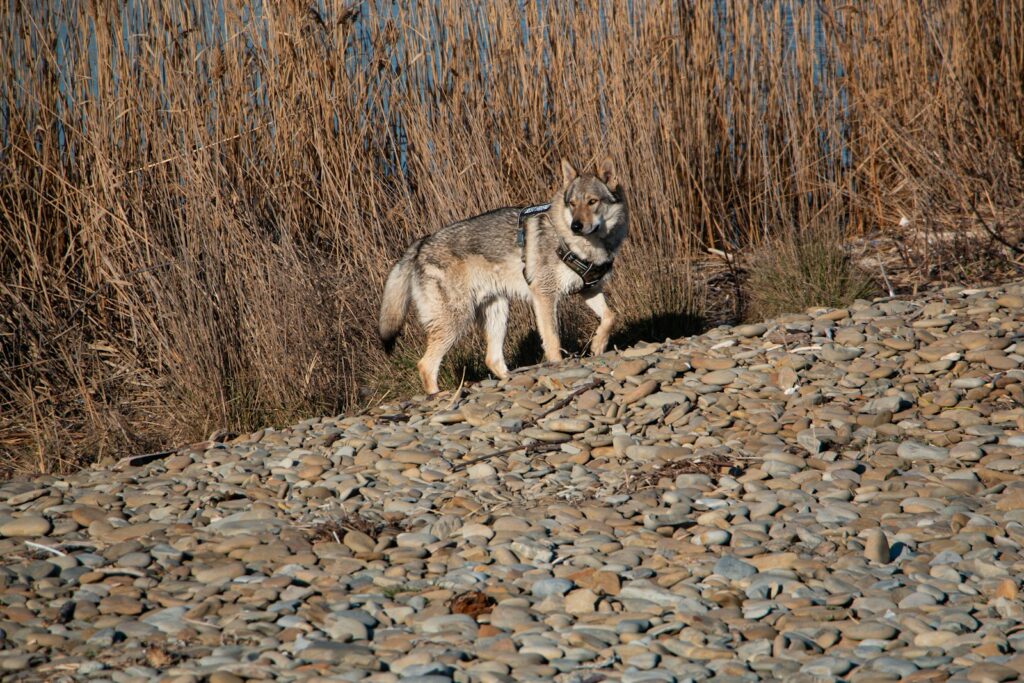
As Yellowstone’s wolf population has stabilized at around 100 individuals in 8-10 packs, scientists continue monitoring how this predator-prey-plant relationship evolves over longer timeframes. Climate change introduces new variables into the ecosystem, potentially affecting elk migration patterns, plant phenology, and competitive relationships between species. Wolf genetics and potential inbreeding within the relatively isolated Yellowstone population present long-term conservation challenges that may require occasional introduction of new individuals to maintain genetic diversity. The Yellowstone experiment has fundamentally altered how ecologists and land managers view ecosystem restoration, emphasizing the importance of understanding and preserving ecological processes rather than simply protecting scenic landscapes or individual species. This shift toward process-based conservation represents one of the most significant legacies of the wolf reintroduction program.
The story of Yellowstone’s wolves offers a powerful reminder of nature’s interconnectedness and resilience. From a single reintroduced species emerged cascading benefits that transformed an entire landscape—from the behavior of the largest mammals to the flow of rivers and the diversity of plant communities. While still evolving after more than twenty-five years, the Yellowstone wolf story has already secured its place as one of conservation’s most illuminating success stories. It demonstrates that with scientific understanding, political courage, and ecological patience, humans can sometimes repair the damage done to natural systems. As we face growing environmental challenges globally, this lesson in ecological restoration offers both practical guidance and much-needed hope for the possibility of rewilding our planet.