

In an era of unprecedented environmental challenges, a powerful movement is emerging from an unexpected source: students. From elementary schoolchildren to university researchers, young people across the globe are rolling up their sleeves and diving into ecological restoration projects. Their efforts represent not just a learning opportunity, but a genuine force for environmental recovery. These students are transforming damaged wetlands, replanting native forests, restoring coral reefs, and revitalizing urban green spaces. Their work combines scientific rigor with youthful enthusiasm, creating a powerful blend that’s yielding impressive results in ecosystem recovery. As climate change and habitat loss accelerate, these student-led initiatives offer a beacon of hope and a practical path forward for fragile ecosystems on the brink.
The Rising Tide of Student Conservationists
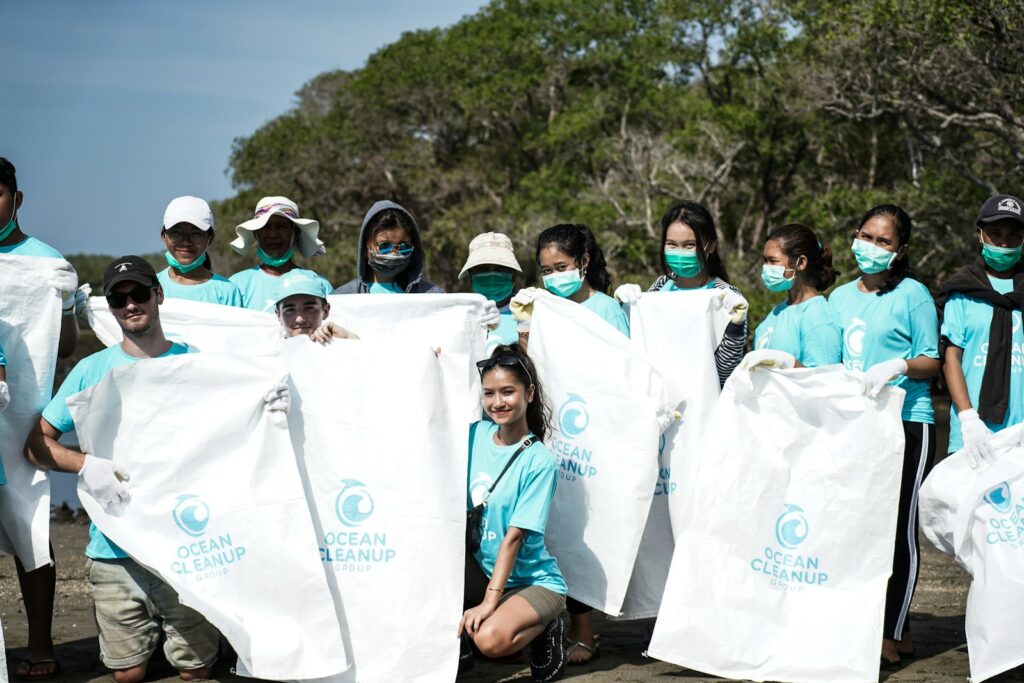
Today’s generation of students has grown up with an acute awareness of environmental degradation, making them uniquely motivated to take action. Unlike previous generations who might have viewed conservation as a niche interest, many of today’s students see ecological restoration as an urgent moral imperative. School systems worldwide have increasingly integrated environmental education into their curricula, providing students with both the knowledge and practical skills to undertake meaningful restoration work. The accessibility of information through digital platforms has further empowered students to educate themselves about specific ecosystems and evidence-based restoration techniques. This combination of motivation, education, and access to information has created a powerful new wave of young conservationists working directly on the frontlines of ecosystem recovery.
Classroom to Coastline: Marine Ecosystem Restoration
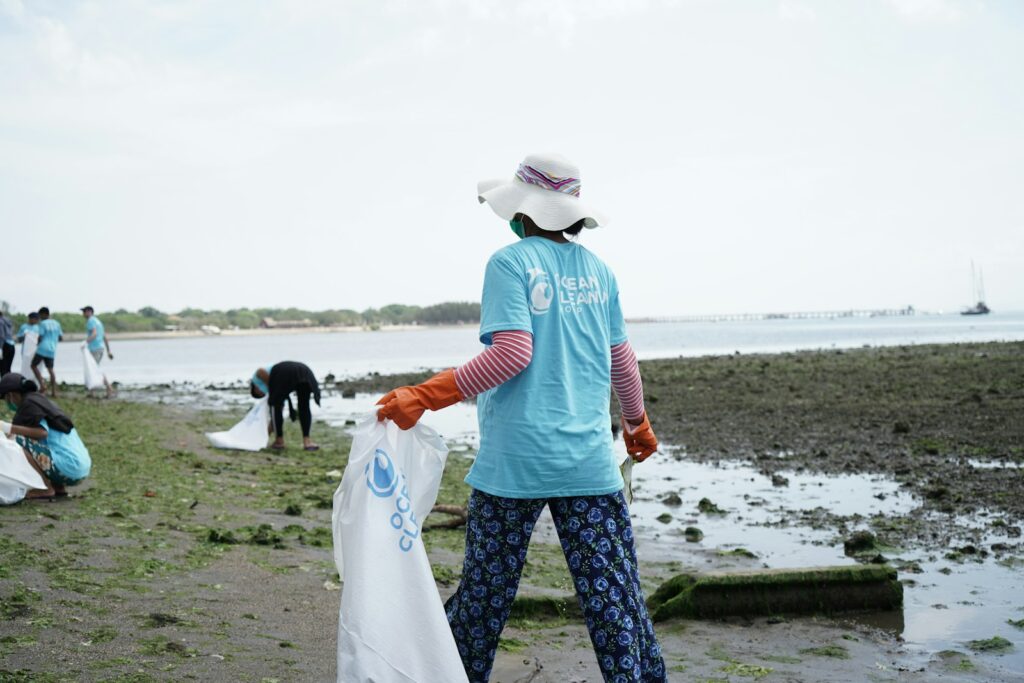
Student-led marine restoration projects have become increasingly sophisticated, tackling everything from seagrass meadows to coral reefs. In Florida, high school marine biology students have established coral nurseries where they grow fragments of endangered coral species before transplanting them to degraded reef systems. University students in the Philippines have pioneered community-based mangrove restoration programs that both protect coastlines and create sustainable livelihoods for local fishing communities. In Australia, students have designed and deployed artificial reef structures that provide crucial habitat for marine organisms while studying their colonization patterns over time. These projects not only restore critical marine habitats but also generate valuable scientific data that contributes to our understanding of marine ecosystem recovery.
Wetland Warriors: Students Tackling Aquatic Habitats
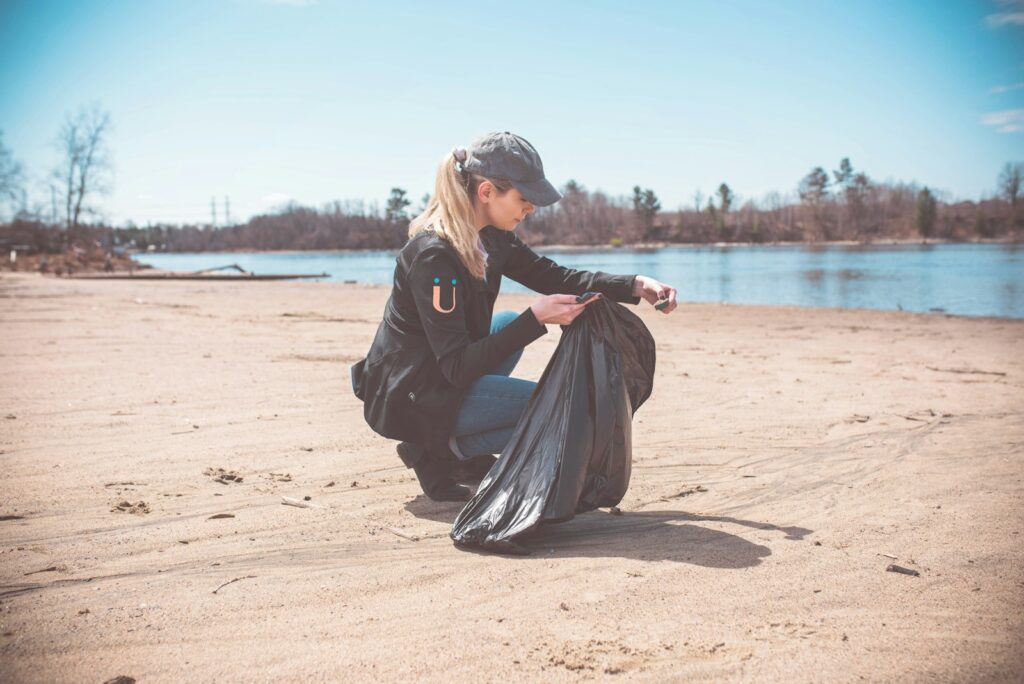
Wetlands represent some of our most vulnerable and valuable ecosystems, and students across the country have become champions of their restoration. In Louisiana, college students have developed innovative approaches to rebuilding marshlands destroyed by erosion and sea-level rise, using native vegetation to stabilize soils and recreate habitat. Elementary schools in the Midwest have adopted local vernal pools, removing invasive species and monitoring amphibian populations as indicators of ecosystem health. In New England, high school environmental clubs have restored urban wetlands by removing accumulated trash, reestablishing native plant communities, and creating educational signage to prevent future degradation. These student wetland projects often serve multiple functions, reducing flood risks for nearby communities while simultaneously creating habitat for threatened species.
Prairie Pioneers: Grassland Restoration Initiatives
North America’s prairie ecosystems have been reduced to a fraction of their historical extent, making them prime targets for student restoration efforts. University students in the Great Plains have established prairie restoration research plots where they experiment with different seeding techniques and management approaches to maximize native plant diversity. High school agricultural programs have partnered with conservation organizations to convert former cropland back to native prairie, providing hands-on experience with soil preparation, seeding, and maintenance. In urban areas, students have created pocket prairies on school grounds, transforming traditional lawns into miniature ecosystems that support pollinators and serve as living laboratories. These prairie restoration projects not only rebuild habitat but also help sequester carbon, improve soil health, and reduce runoff into waterways.
Forest Regenerators: Planting for the Future
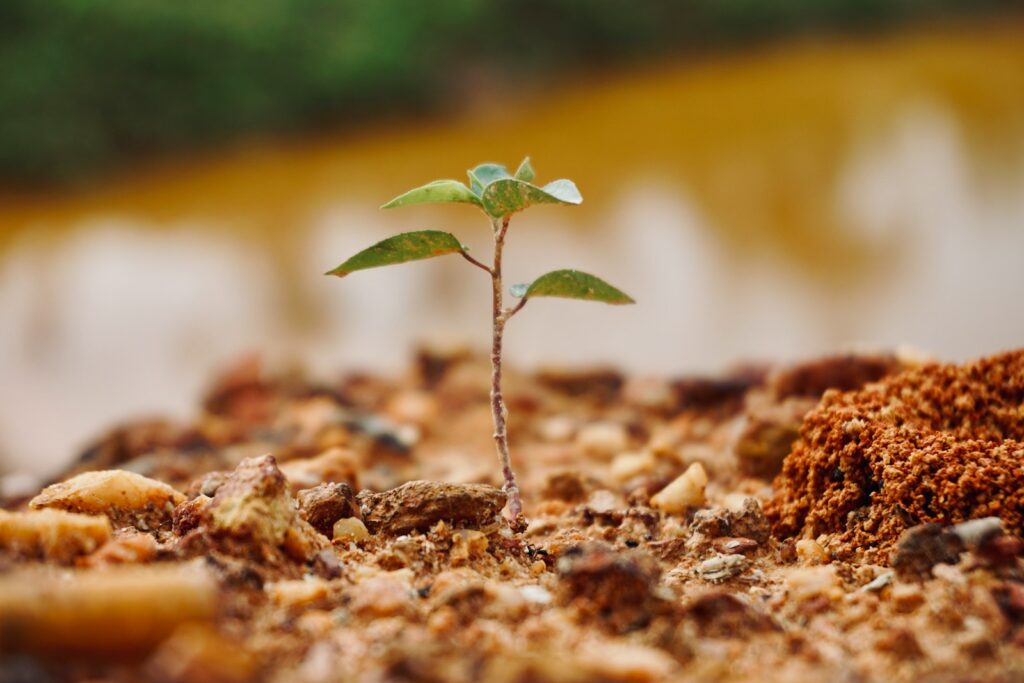
Student-led forest restoration initiatives range from small-scale tree planting events to sophisticated multi-year reforestation projects. In the Pacific Northwest, university forestry students have established experimental plots to study the most effective methods for restoring old-growth forest characteristics to previously logged areas. Elementary schools across the country have adopted degraded woodland areas, removing invasive species and planting diverse native trees and understory plants. In tropical regions, international student exchanges have facilitated knowledge-sharing between students from different countries working on similar forest restoration challenges. These reforestation efforts provide critical wildlife habitat, improve water quality, sequester carbon, and create opportunities for students to witness ecological succession unfold over time.
Pollinator Protectors: Creating Habitat for Bees and Butterflies

The decline of pollinators worldwide has inspired numerous student initiatives focused specifically on creating and enhancing habitat for these essential species. School garden programs have expanded beyond traditional vegetables to include native plant gardens specifically designed to support local pollinator populations. High school students have converted unused areas of school grounds into certified Monarch Waystation habitats, growing milkweed and nectar plants to support butterfly migration. University students studying entomology have conducted research on optimizing urban pollinator habitat design, creating guidelines that other schools can follow. These pollinator-focused projects not only support biodiversity but also provide valuable opportunities for students to observe ecological relationships and conduct citizen science monitoring of insect populations.
Urban Ecology Innovators: Greening City Spaces
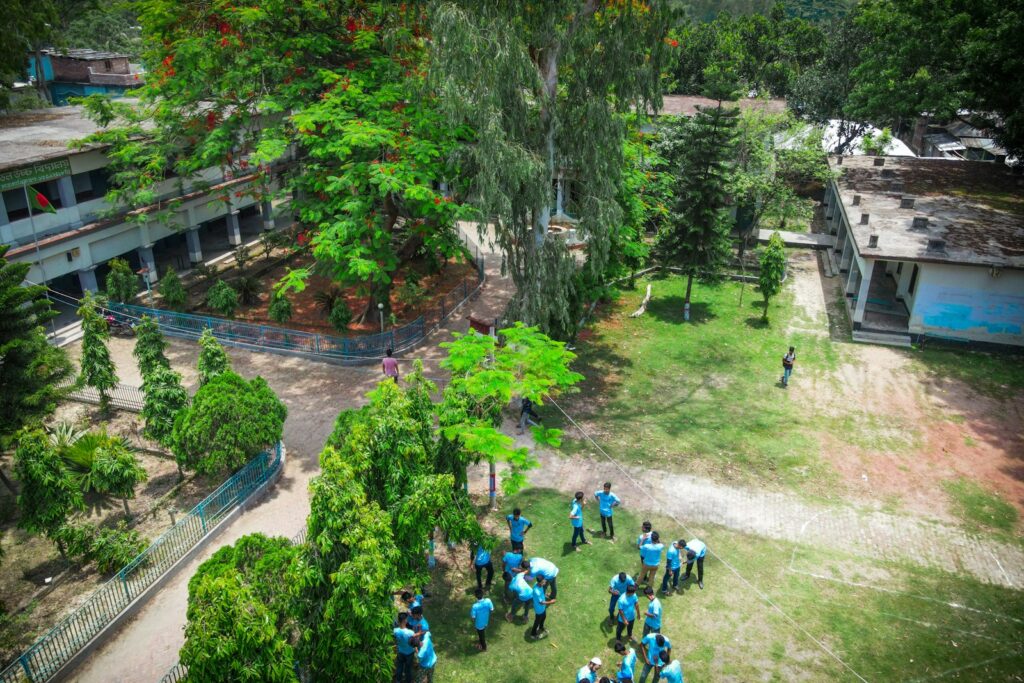
Students in urban environments have become particularly creative in finding ways to restore ecological function to city spaces. Rooftop garden initiatives managed by high school environmental clubs have transformed barren surfaces into productive habitats that reduce urban heat island effects while supporting biodiversity. Middle school science classes have adopted neglected urban lots, removing debris and creating native plant communities that serve as stepping stones for wildlife moving through the urban landscape. University landscape architecture students have redesigned campus grounds to incorporate bioswales and rain gardens that filter stormwater while providing habitat. These urban restoration projects demonstrate that meaningful ecological recovery can happen even in the most developed environments, while giving city-dwelling students a connection to nature they might otherwise lack.
Watershed Stewards: Protecting Water Resources
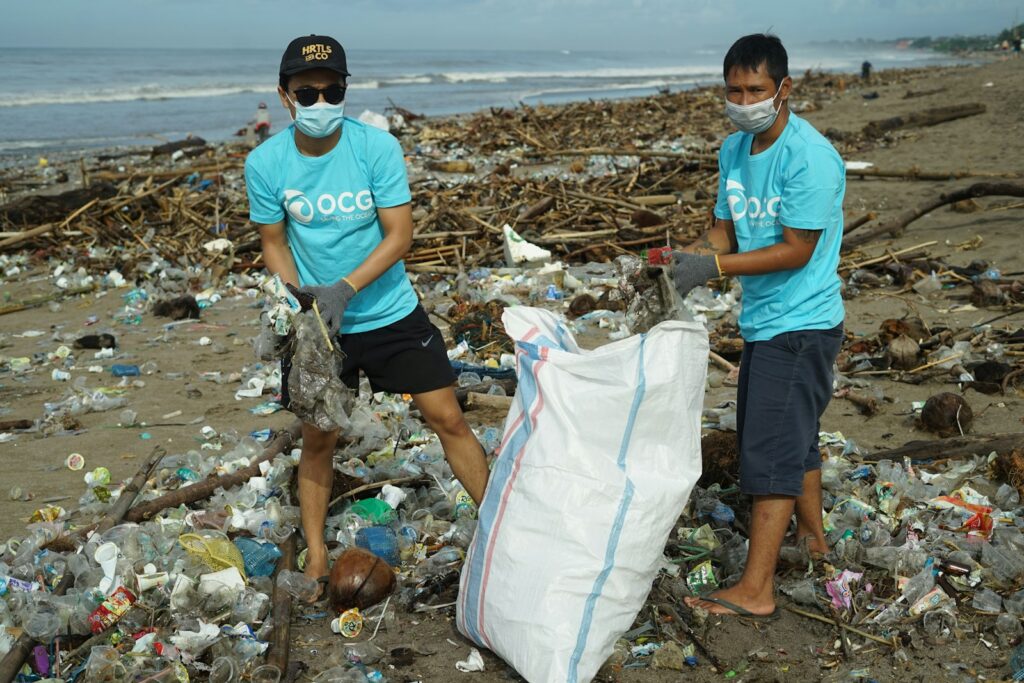
Student-led watershed restoration projects address the critical connections between land management and water quality. High school environmental science classes regularly conduct stream cleanups and riparian zone restoration, removing trash and planting native trees along waterways to reduce erosion and filter runoff. University students have designed and implemented green infrastructure projects that reduce impervious surfaces and manage stormwater through natural processes rather than traditional drainage systems. In agricultural regions, student groups have worked with farmers to establish buffer strips along waterways, reducing nutrient pollution while creating wildlife corridors. These watershed-focused projects help students understand ecological connectivity while producing tangible improvements in water quality that benefit both wildlife and human communities.
Technological Innovators: Students Engineering Ecological Solutions
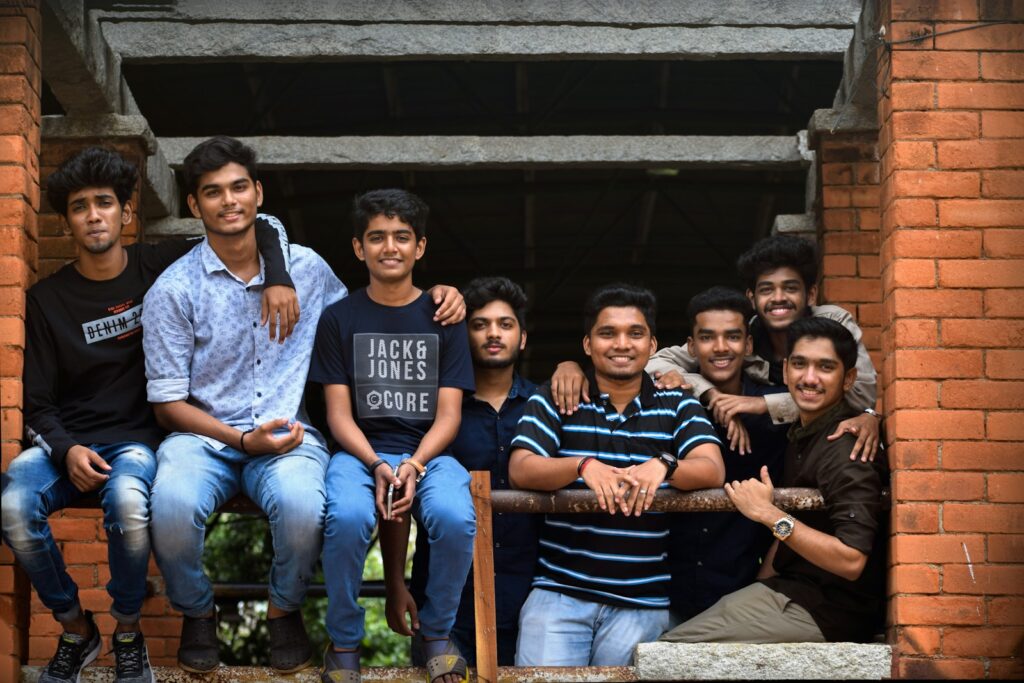
Today’s students are combining ecological knowledge with technological innovation to create cutting-edge restoration tools. Engineering students have designed drone systems for mapping degraded habitats and efficiently distributing native seeds across difficult-to-access terrain. Computer science classes have developed mobile applications that help citizen scientists identify invasive species and report their locations to conservation authorities. Robotics clubs have created automated planting devices that can help establish vegetation in challenging environments like steep slopes or contaminated sites. These technological approaches to restoration not only advance ecological recovery but also prepare students for careers at the intersection of environmental science and technology, an increasingly important field as restoration efforts scale up globally.
Citizen Science Contributors: Students as Data Collectors
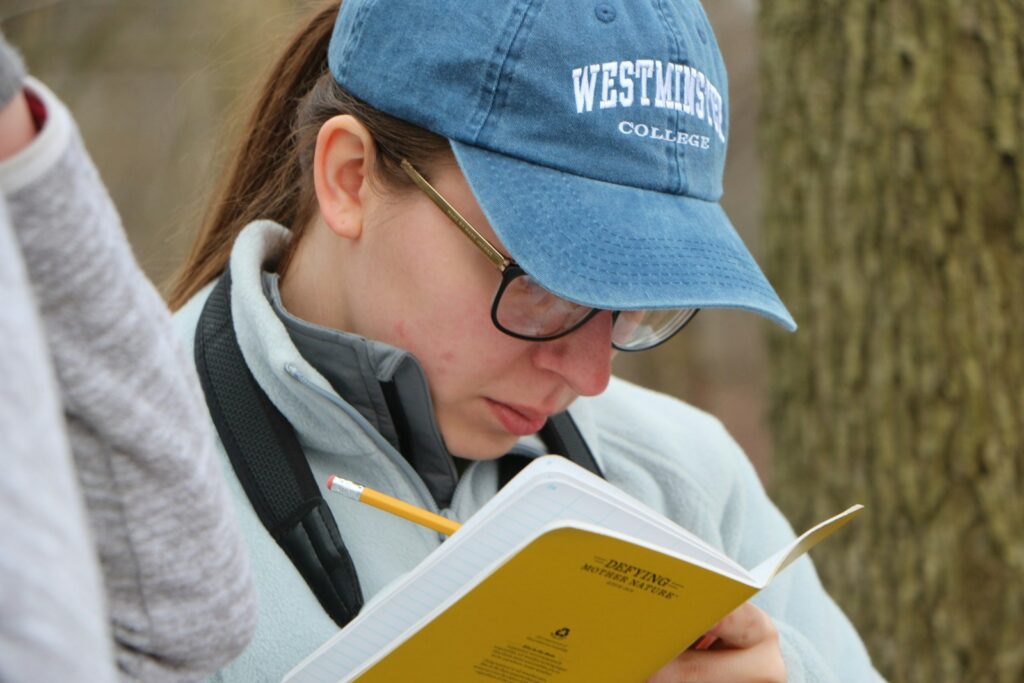
Many student restoration projects incorporate robust monitoring components that contribute valuable data to larger scientific understanding. Elementary and middle school students participate in national monitoring programs like the Monarch Watch, tracking butterfly migrations and habitat conditions. High school biology classes conduct regular biodiversity surveys of restoration sites, documenting changes in species composition over time. University students design sophisticated research projects examining specific restoration questions, from optimal planting densities to the most effective methods for controlling particular invasive species. This scientific dimension of student restoration work ensures that projects are not just well-intentioned efforts but data-driven contributions to the field of restoration ecology, with results that can inform future projects elsewhere.
Community Connectors: Expanding Impact Beyond School Grounds
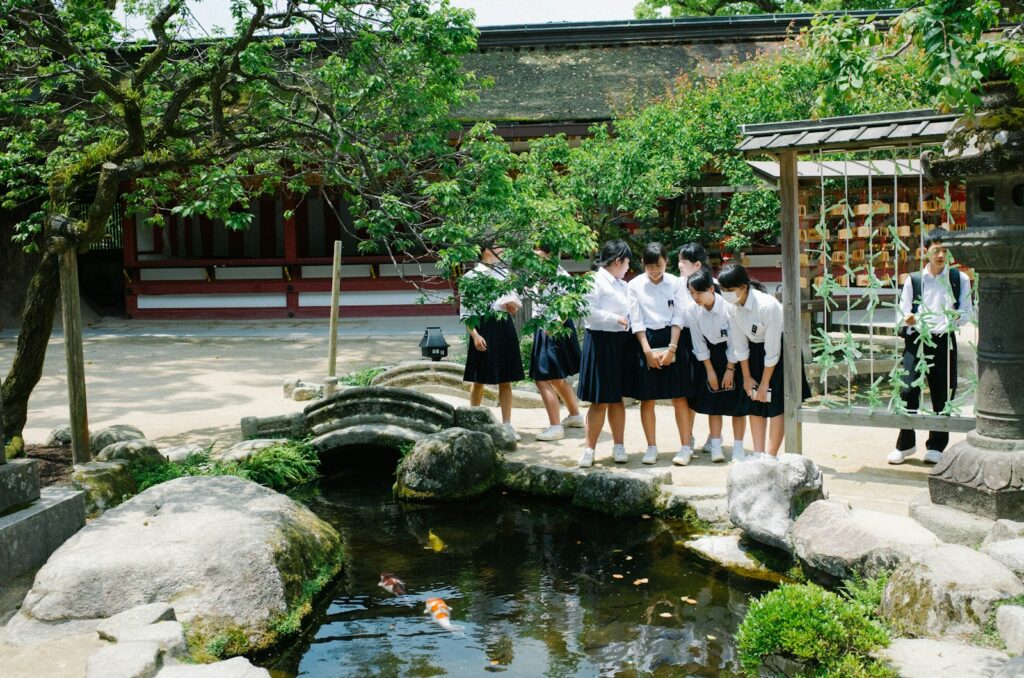
The most successful student restoration initiatives often extend beyond academic settings to engage the broader community. High school environmental clubs have organized community planting days that bring together students, parents, neighbors, and local businesses in collective restoration efforts. University students have developed environmental education programs that train younger students as junior restoration ecologists, creating intergenerational knowledge transfer. Student-led projects have partnered with indigenous communities to incorporate traditional ecological knowledge into restoration planning, acknowledging the cultural dimensions of ecosystem recovery. These community connections multiply the impact of student restoration work, creating social support networks that can sustain projects beyond any individual student’s involvement and building broader public understanding of ecological restoration’s importance.
Overcoming Challenges: Persistence in Restoration Work
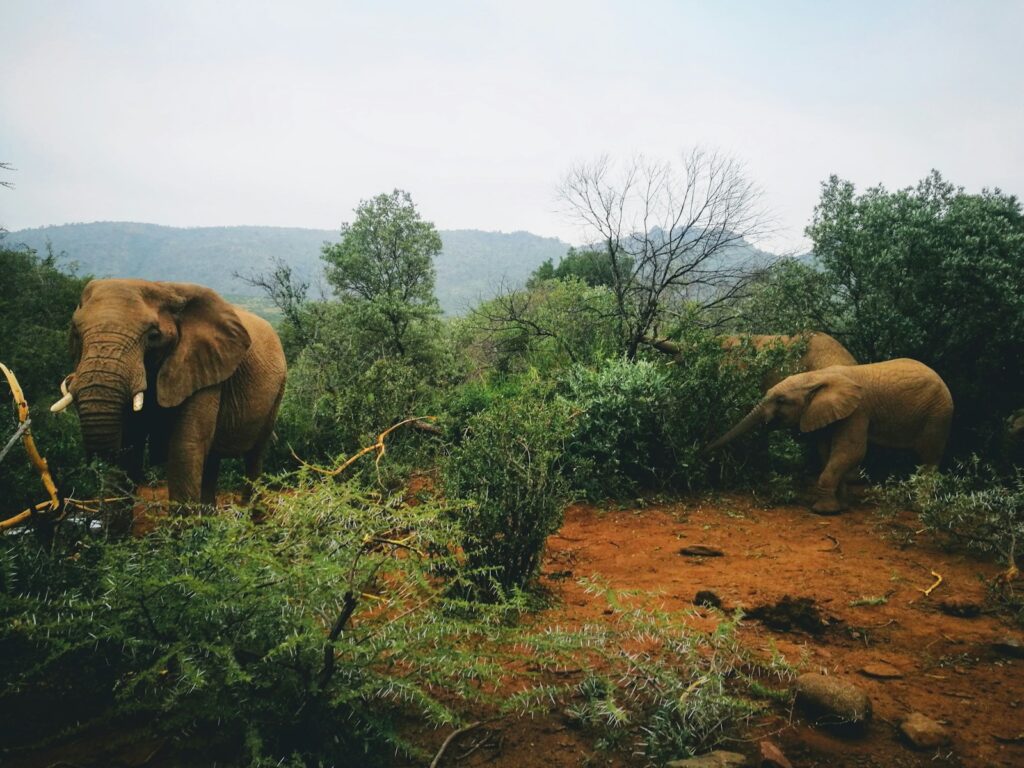
Student restoration projects face unique challenges that participants must navigate to achieve success. The transient nature of student populations means that long-term projects must develop systems for knowledge transfer as older students graduate and new participants join. Limited budgets often require creative fundraising or grant-writing efforts to secure necessary materials and equipment. Working within academic calendars can complicate restoration timing, particularly for projects requiring specific seasonal interventions that might fall during school breaks. Despite these challenges, student-led restoration initiatives have demonstrated remarkable resilience, with many evolving into permanent programs that continue for decades as new generations of students build upon the work of their predecessors, creating a living legacy of ecological recovery.
Future Prospects: Growing the Next Generation of Restoration Ecologists
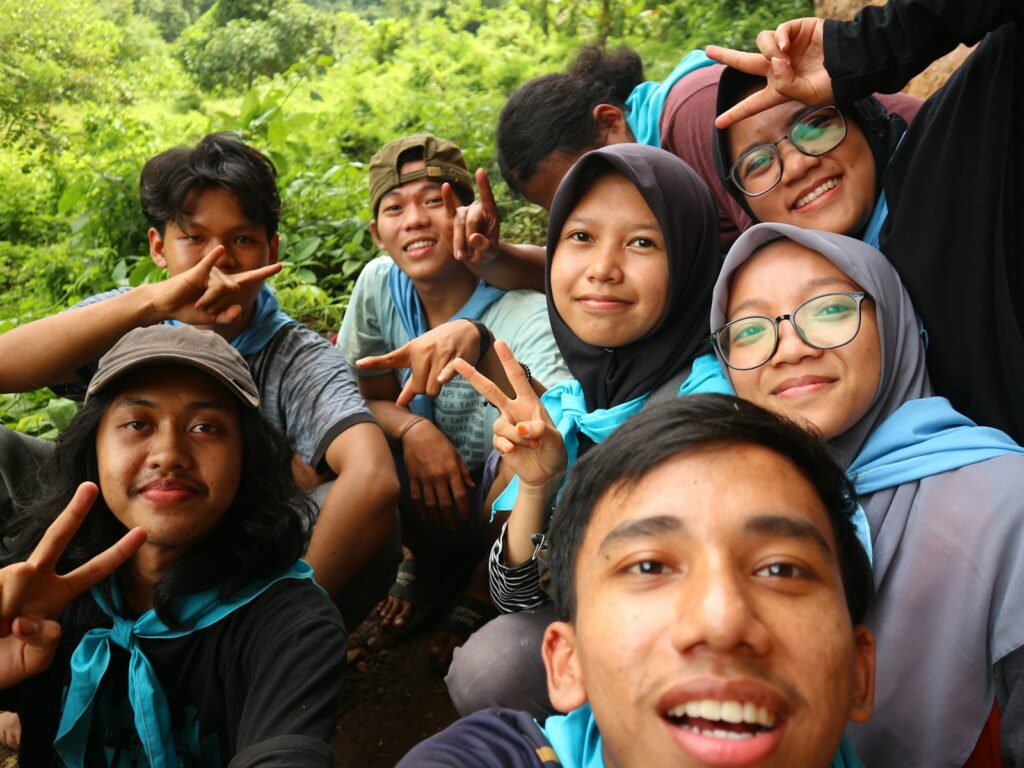
The surge in student restoration activities is creating a pipeline of experienced young people entering environmental fields. Many students who participate in restoration projects during their education go on to pursue careers in ecological restoration, conservation biology, environmental policy, or related fields. Universities have responded to this interest by developing specialized degree programs in restoration ecology, providing formal pathways for students to transform their hands-on experience into professional qualifications. Environmental organizations and government agencies increasingly offer internships and entry-level positions specifically focused on restoration work, recognizing the value of the skills students develop through practical projects. This career pathway dimension means that student restoration efforts have impact not just through the ecosystems they directly restore, but through the human capital they develop for a future in which restoration expertise will be increasingly valuable.
Conclusion
The student-led restoration movement represents one of the most promising developments in modern conservation. By combining education with direct action, these initiatives are simultaneously rebuilding damaged ecosystems and cultivating a generation of environmentally literate citizens prepared to tackle future challenges. The tangible results of their work—thriving wetlands, recovering forests, improved urban habitats—demonstrate that even young people with limited resources can make meaningful contributions to ecological recovery. As climate change and habitat loss continue to threaten ecosystems worldwide, the passion, creativity, and growing expertise of student conservationists offer genuine hope. These young restoration practitioners aren’t just learning about environmental problems—they’re actively solving them, one ecosystem at a time.