

Trail running offers an incredible opportunity to connect with nature, but our presence can be disruptive to wildlife if we’re not careful. Unlike humans, animals perceive fast-moving runners as potential predators, triggering their fight-or-flight response. Learning to minimize our impact helps protect wildlife from unnecessary stress while making our own outdoor experiences safer and more rewarding.
This guide provides comprehensive strategies to help you share the trails harmoniously with wildlife, reducing startling encounters that can be harmful to animals and potentially dangerous for runners.
Understanding Animal Behavior on Trails
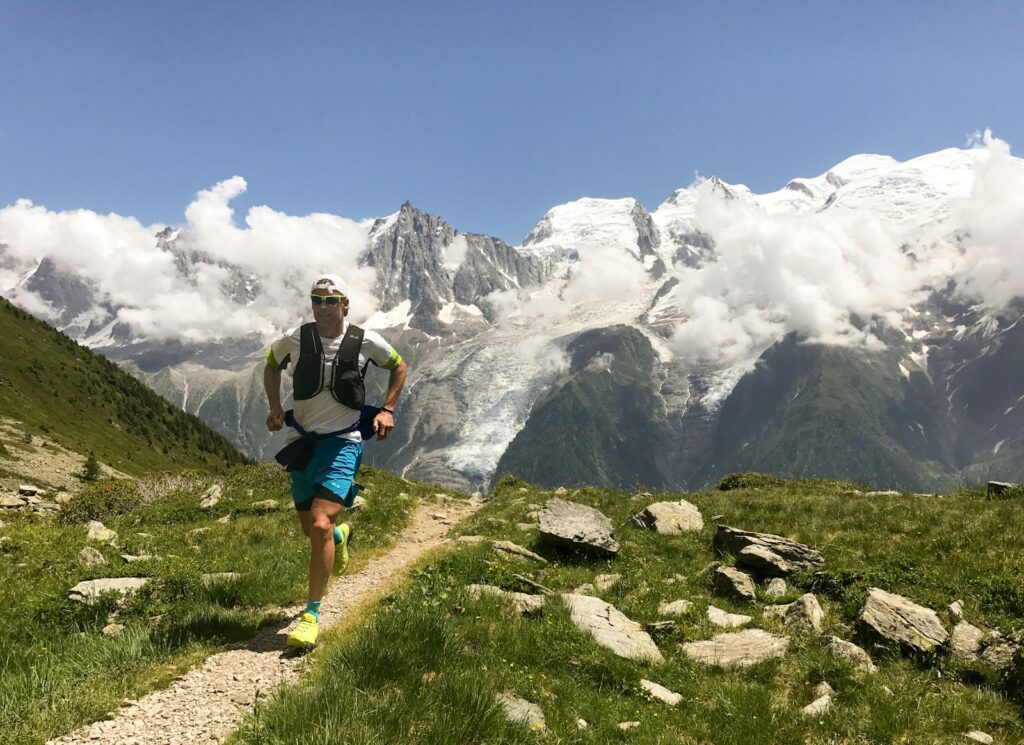
Wild animals have evolved sophisticated survival mechanisms that include heightened sensitivity to rapid movements, which they often interpret as predatory behavior. When a trail runner suddenly appears, animals experience a surge of stress hormones that can disrupt their normal behaviors like feeding, mating, or caring for young. This stress response requires valuable energy that wildlife, especially during challenging seasons, cannot afford to waste repeatedly.
Different species react in distinct ways—deer might freeze before bounding away, while predators like mountain lions may track movement to assess potential threats. Understanding these natural responses helps runners appreciate why moving mindfully through animal habitats is essential for wildlife conservation and personal safety.
Make Your Presence Known

One of the most effective ways to avoid startling wildlife is to announce your presence before animals detect your approach. Speaking in a normal, conversational tone or occasionally calling out “Hello trail!” works remarkably well, as your human voice carries through the environment and gives animals time to move away without panic. Unlike shouting, which can be interpreted as aggression, casual conversation signals your human presence in a non-threatening manner.
Trail bells attached to your pack or shoes provide continuous auditory signals, particularly useful in dense vegetation or around blind corners where animals might not see you coming. Remember that animals typically prefer avoiding human encounters altogether, and giving them advance notice allows them to slip away quietly without stressful confrontations.
Adjust Your Pace in Wildlife-Rich Areas

Speed significantly impacts how threatening you appear to wildlife, making pace management a crucial skill for wildlife-conscious trail runners. Slowing down in areas known for animal activity—such as dawn and dusk feeding zones, water sources, or sections with abundant tracks or scat—dramatically reduces your chances of surprising animals. These reduced-speed zones need only be temporary; you can resume your normal pace once you’ve cleared high-activity areas.
Developing this situational awareness not only protects wildlife but enriches your running experience by connecting you more deeply with the ecosystem you’re moving through. Many experienced trail runners incorporate these natural speed intervals into their training, viewing wildlife considerations as an integral part of their running practice rather than an inconvenience.
Stay Alert and Scan the Trail Ahead

Cultivating active awareness while running requires engaging all your senses to detect wildlife before close encounters occur. Regularly scan the trail both near and far, looking for movement, unusual shapes, or direct eye contact that might indicate an animal’s presence. Pay particular attention to trail edges, dense vegetation, and natural funnels in the landscape where wildlife naturally travel. Your peripheral vision is remarkably effective at detecting movement, so resist the urge to focus solely on foot placement.
Listening for sudden silences (birds stopping their calls) or rustling beyond normal wind movement can alert you to nearby wildlife. This heightened awareness not only helps avoid startling animals but also enriches your running experience by connecting you more deeply with the natural world around you.
Choose Wildlife-Friendly Running Times

The timing of your runs significantly impacts wildlife encounters, as animal activity follows predictable patterns throughout the day. Dawn and dusk—periods known as crepuscular hours—represent peak activity times for many species like deer, elk, and various predators who are actively feeding. Mid-day running, particularly in warmer months, often means fewer wildlife encounters as many animals rest during hotter hours.
Seasonally, be especially mindful during spring when many species have vulnerable young, and during fall mating seasons when certain animals may be more territorial or aggressive. Adapting your running schedule to avoid peak wildlife activity periods not only reduces stress on animals but also minimizes potentially dangerous encounters with protective mothers or territorial males during sensitive periods.
Respecting Wildlife Corridors
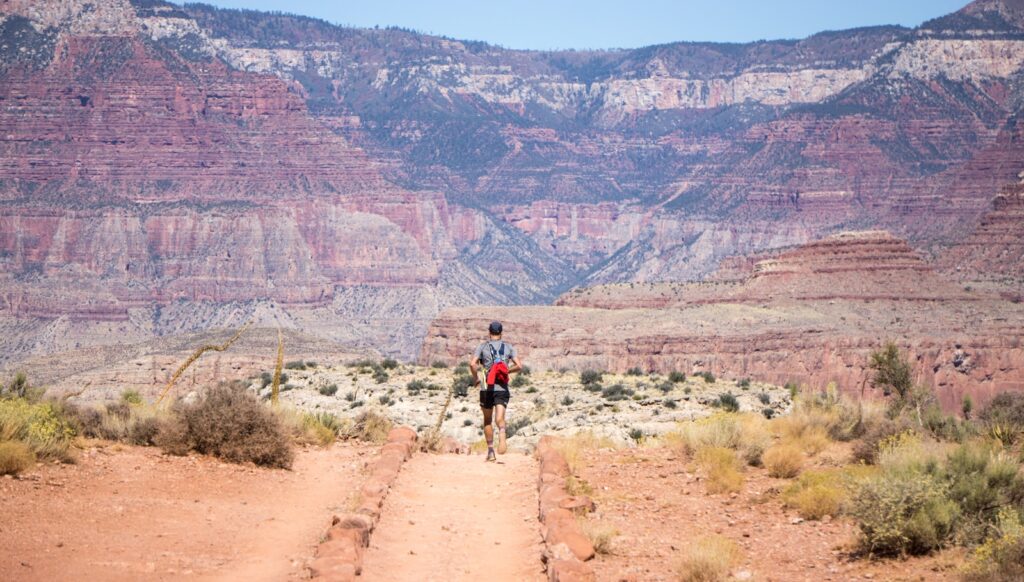
Wildlife corridors—natural pathways animals use to travel between habitats—deserve special consideration from trail runners. These corridors often follow landscape features like ridgelines, streams, or valleys, and frequently intersect with human trails. When running through identified wildlife corridors, significantly increase your alertness and consider reducing your speed to give animals more time to detect and avoid you.
Local conservation organizations and park rangers can often help identify major corridors in your running area. Some trail systems even post signs marking known wildlife pathways, particularly those used by larger mammals. Respecting these animal highways by yielding appropriate space and moving through mindfully demonstrates ecological awareness and reduces wildlife displacement from critical habitat connections they depend upon.
Leash Management for Running with Dogs
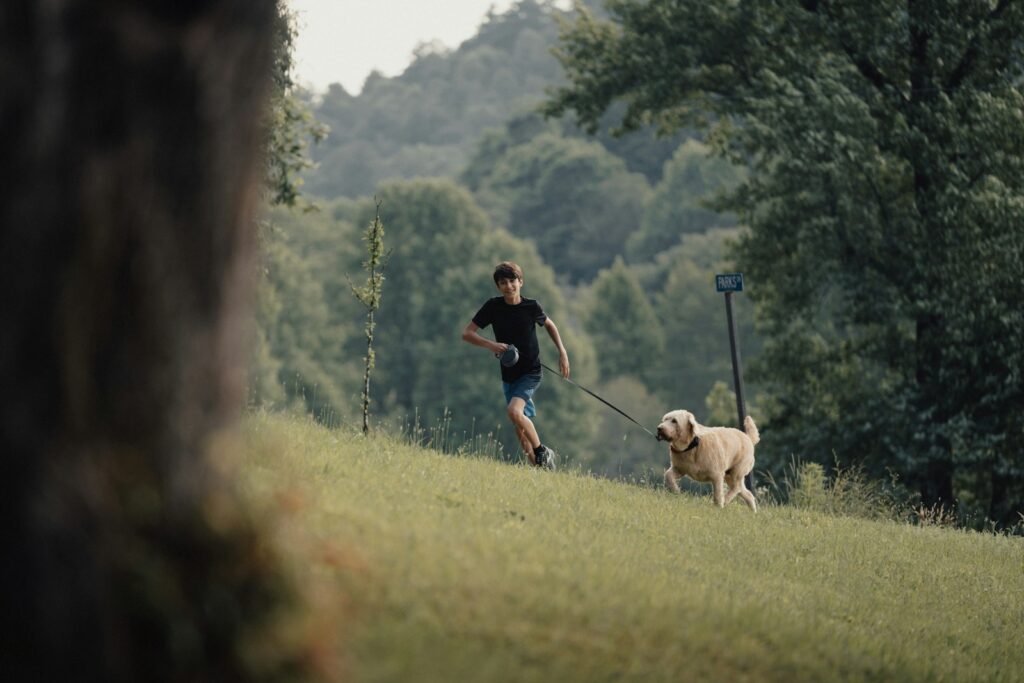
Running with dogs introduces additional considerations for wildlife interactions, as even well-behaved pets trigger strong fear responses in wild animals. A leash provides essential control in wildlife habitats, preventing your dog from chasing animals and potentially separating young from parents or disrupting critical feeding opportunities. Even if your local trails permit off-leash dogs, consider using a leash during wildlife-active periods or in areas with known animal activity. Retractable or bungee-style running leashes offer a good compromise, allowing your dog some freedom while maintaining control.
Training your dog to stop and return reliably becomes especially important, as a dog charging ahead around corners often startles wildlife before you’ve had a chance to announce your presence. Remember that your dog’s prey drive is instinctual, and even gentle pets can cause significant wildlife stress through pursuit behaviors.
Special Considerations for Dangerous Wildlife
Trails through habitats containing potentially dangerous animals like bears, moose, mountain lions, or venomous snakes require heightened awareness and specific behavioral adaptations. Research proper responses for wildlife in your region before running, as reactions differ significantly by species—backing away slowly works for some encounters while appearing large and making noise is better for others. Carry appropriate wildlife deterrents recommended for your area, such as bear spray in grizzly country.
When running in predator territories, consider running with companions, as groups are less likely to be approached by large predators. Avoid using headphones in these areas, as auditory awareness provides crucial early warning of animal presence. Remember that most potentially dangerous wildlife encounters occur because the animal was surprised, reinforcing the importance of announcing your presence consistently in these habitats.
Navigating Trail Encounters Respectfully

Despite your best prevention efforts, occasional wildlife encounters are inevitable and require appropriate responses to minimize stress for the animal. When you spot wildlife on or near the trail, immediately slow down or stop completely to assess the situation rather than continuing at pace. Give the animal plenty of space and a clear escape route—never position yourself between an animal and its perceived safety zone or potential offspring.
If an animal appears nervous (stomping, snorting, raised fur), back away slowly while maintaining awareness without direct eye contact, which many species interpret as a challenge. Remember that the ethical responsibility lies with you to adjust your behavior, not with the animal to accommodate your presence. Taking a moment to allow a peaceful wildlife crossing becomes a highlight of your run rather than an interruption.
Trail Selection with Wildlife in Mind
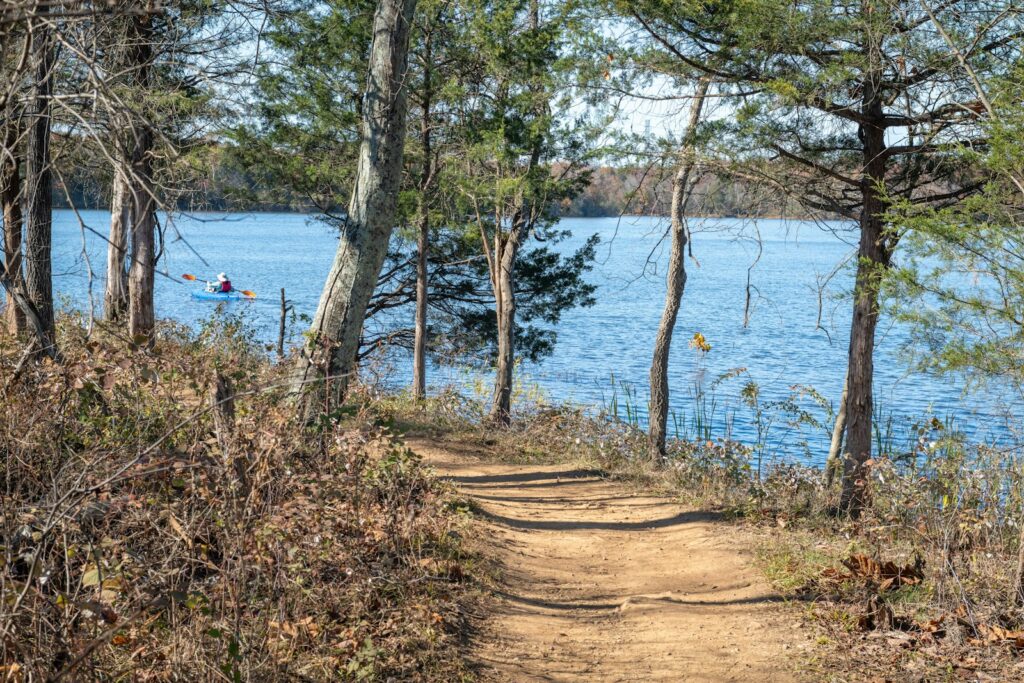
The trails you choose significantly impact your potential for disruptive wildlife encounters. Heavily trafficked trails generally have less wildlife activity close to the path, making them better choices when you need to maintain a faster pace. More remote trails, particularly those near water sources or through diverse habitats, naturally host more animal activity and require greater wildlife awareness. Many trail systems offer seasonal closures or recommendations to protect breeding grounds, migration routes, or sensitive habitats during critical periods.
Respecting these closures, even when they affect favorite running routes, demonstrates commitment to conservation principles. Varying your routes throughout the year based on wildlife considerations not only reduces your impact but introduces wonderful seasonal variety to your running experience.
Group Running Dynamics and Wildlife

Running in groups changes wildlife dynamics in important ways that merit consideration. Animals typically detect groups earlier than solo runners due to increased noise and visual presence, often allowing them more time to move away before close encounters. However, groups can create a “wall of humans” that may block escape routes if not managed thoughtfully, particularly on narrow trails. When running with others, avoid spreading across the full width of the trail, instead maintaining a single-file formation in wildlife-rich areas to leave clear escape paths.
Remind group members about voice volume, as excited conversations can carry surprisingly far and create unnecessary stress for distant animals. Consider designating a wildlife spotter in the front of your group who can alert others to potential encounters and initiate appropriate slowing or stopping as needed.
Educating Fellow Trail Users

Sharing wildlife awareness techniques with other trail users extends your positive impact far beyond your personal running practices. When you observe other runners inadvertently disturbing wildlife, consider finding non-confrontational ways to share information about animal stress responses and simple techniques for reducing impact. Many running clubs and trail organizations welcome presentation topics for meetings or newsletters, providing excellent forums for wildlife awareness education.
Participating in or organizing trail stewardship activities that incorporate wildlife consideration creates community knowledge that benefits entire ecosystems. Your personal example—slowing near wildlife, speaking calmly to announce your presence, or yielding trail space to animals—demonstrates respectful practices that other users often naturally adopt through observation, creating ripple effects throughout the trail community.
Building Sustainable Running Practices
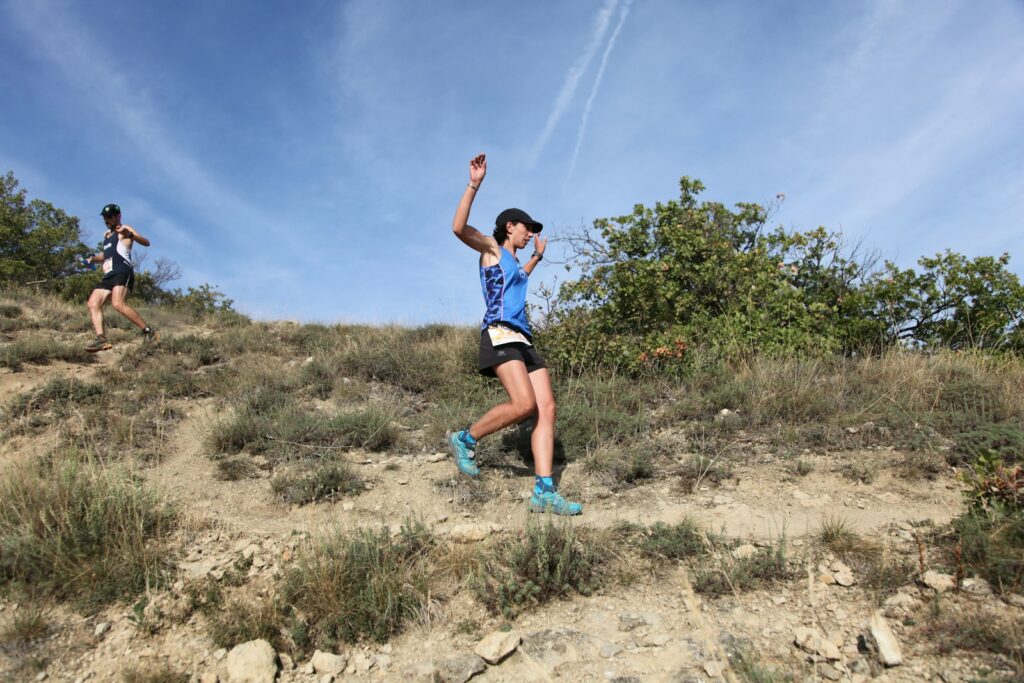
Developing wildlife-conscious running habits ultimately transforms from deliberate practice into intuitive behavior that enhances rather than detracts from your trail experience. Begin by focusing on implementing just one or two techniques until they become automatic, then gradually incorporate additional awareness practices. Many runners report that wildlife considerations actually deepen their connection to natural spaces, adding richness to their running through increased observation and participation in the ecosystem.
Recording wildlife observations in a running journal or through citizen science apps creates valuable data while personalizing your relationship with local trails and their inhabitants. Remember that your presence as a mindful runner supports conservation through firsthand appreciation of natural spaces, creating powerful advocacy for habitat protection that benefits countless species beyond those you encounter directly.
Conclusion: Trail Running with Wildlife in Mind

Trail running and wildlife conservation aren’t mutually exclusive pursuits. By incorporating these mindful practices into your running routine, you can minimize disturbance to animals while enhancing your own connection to natural environments. Making your presence known, adjusting your pace in sensitive areas, staying alert, and respecting wildlife space all contribute to more harmonious trail sharing. These small adaptations require minimal effort yet yield significant benefits for ecosystem health and runner safety.
As trail use continues growing worldwide, each runner who embraces these wildlife-conscious approaches helps preserve the very wilderness qualities that make trail running so rewarding in the first place.