
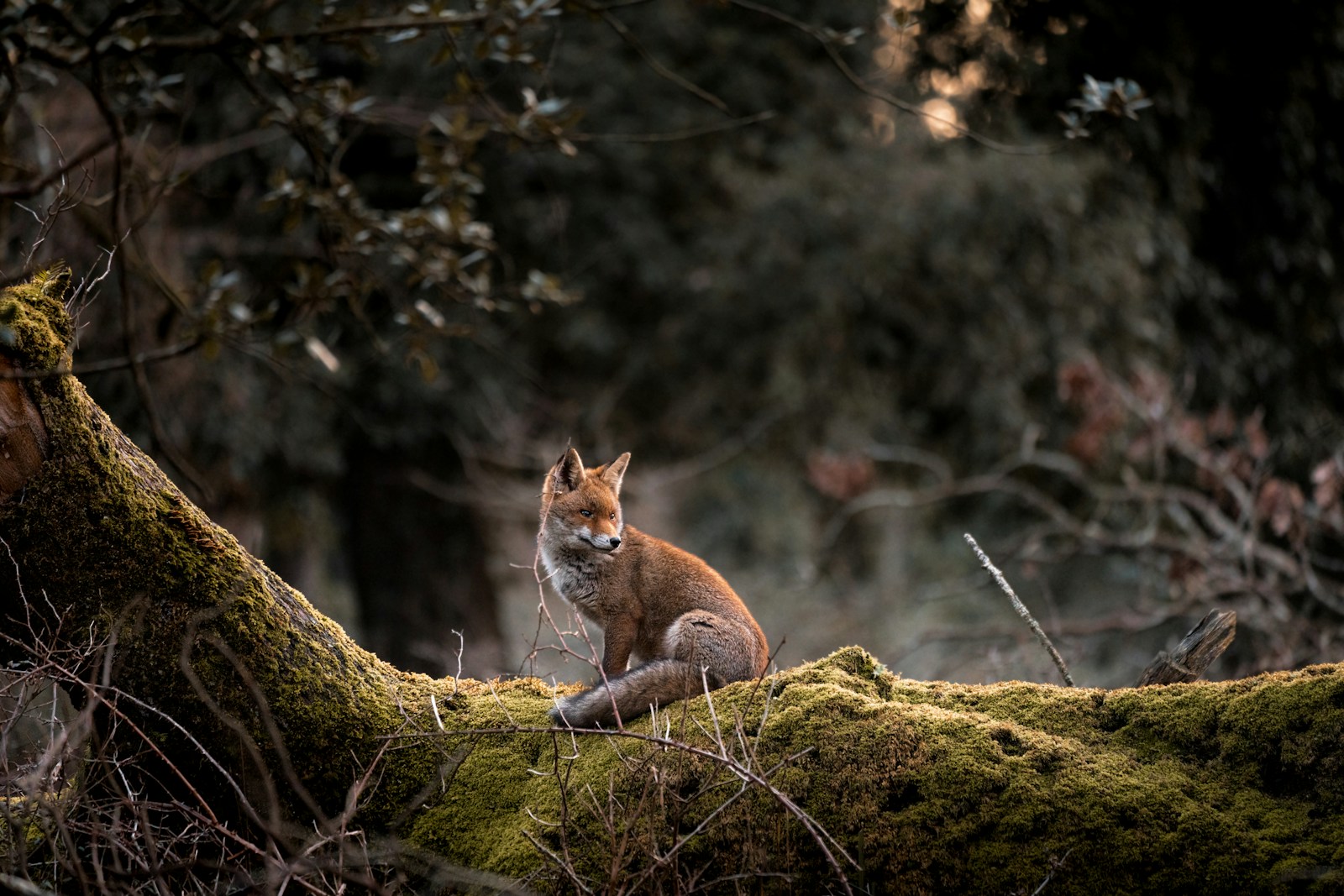
The enchanting experience of witnessing a red fox emerge from the misty veil of dawn is one of nature’s most magical moments. These elusive creatures, with their rusty coats and delicate movements, become almost mythical when glimpsed through swirling fog. While challenging, spotting foxes during these ethereal morning hours offers wildlife enthusiasts unparalleled opportunities for observation and photography. The combination of reduced human activity, natural fox behavior patterns, and the atmospheric conditions creates perfect circumstances for meaningful encounters. This guide will equip you with the knowledge and techniques needed to successfully spot these beautiful animals as they navigate their mysterious morning world.
Understanding Red Fox Behavior Patterns
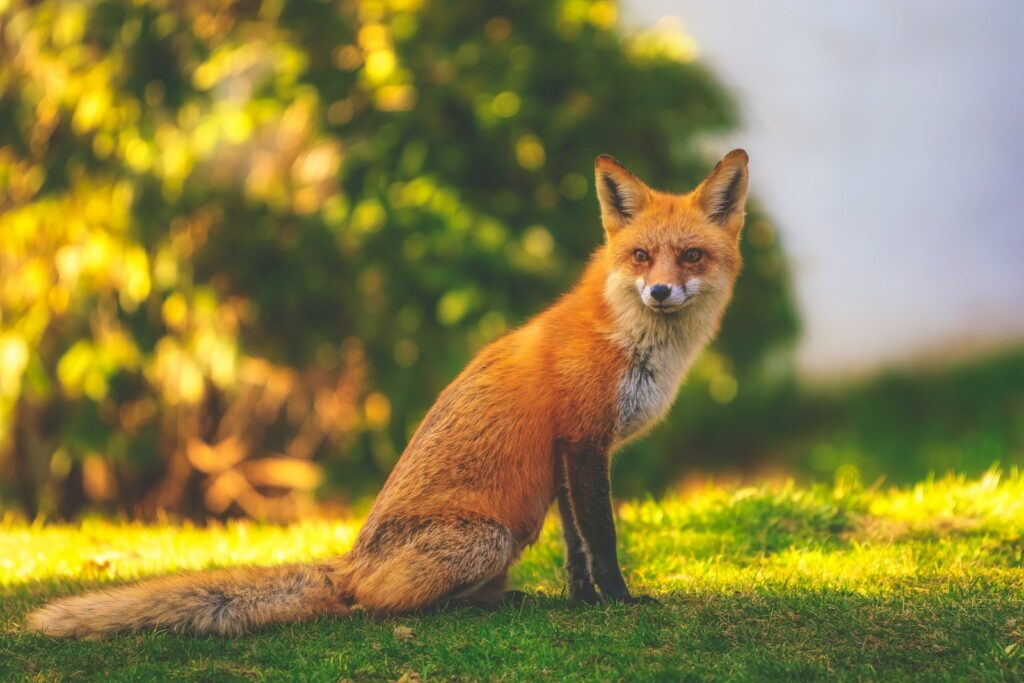
Red foxes (Vulpes vulpes) are crepuscular animals, meaning they’re most active during dawn and dusk when visibility is naturally lower. This evolutionary adaptation helps them hunt while minimizing exposure to both daytime predators and human disturbances. Early mornings are particularly productive for fox-watching as these intelligent canids often spend the hours after sunrise hunting for breakfast or returning to their dens after a night of foraging. Their predictable activity cycles make dawn fog encounters more likely than random daytime sightings. Understanding that foxes follow established routes through their territories can help observers position themselves strategically along these wildlife corridors.
Selecting the Optimal Location
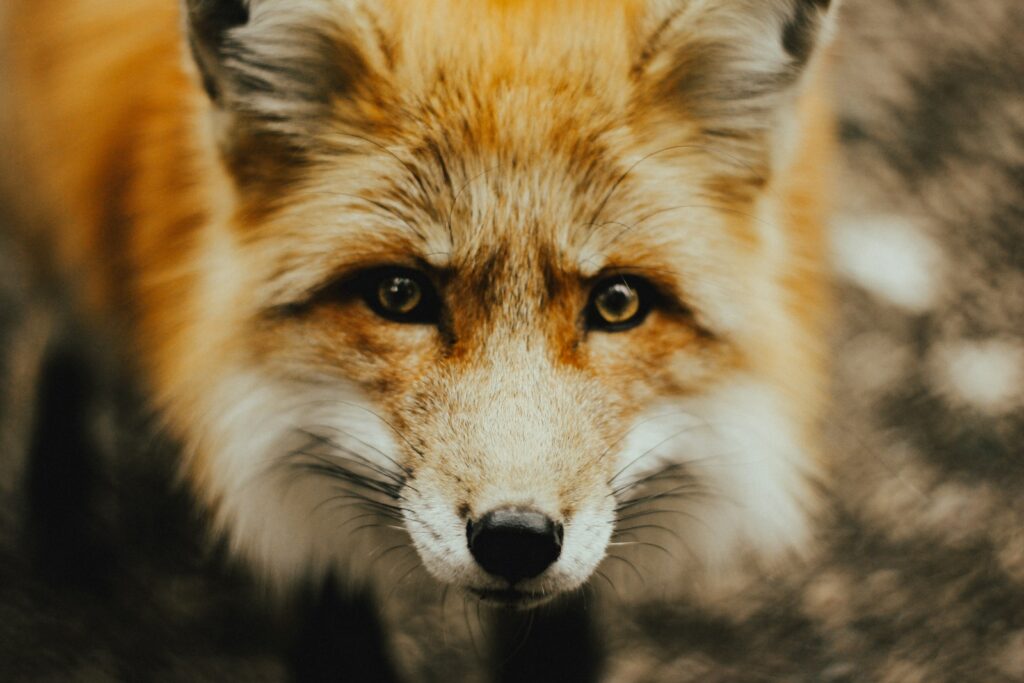
Identifying high-probability fox habitats significantly increases your chances of a successful sighting. Focus on edge environments where different ecosystems meet—woodland borders adjoining meadows, agricultural field margins, or suburban green spaces adjacent to natural areas. Red foxes thrive in these transition zones where prey diversity is highest and escape cover remains accessible. Morning fog tends to settle most heavily in low-lying areas like valleys and meadows near water sources, creating perfect conditions for fox watching. Public nature reserves with mixed habitat types often support healthy fox populations while providing accessible viewing opportunities through established trail systems. Research local wildlife reports or consult with park rangers to identify known fox territories in your region.
Essential Equipment for Foggy Conditions
Properly equipping yourself for fox watching in foggy conditions requires thoughtful preparation beyond standard wildlife viewing gear. Binoculars with good light-gathering capabilities (objective lens diameter of 42mm or larger) will help pierce through the mist and compensate for reduced visibility. Moisture-resistant clothing in muted earth tones helps you blend into the environment while staying comfortable in the damp morning air. A quality camera with fast autofocus capabilities and a zoom lens will allow you to document your fox encounters without disturbing the animals. Consider bringing a small waterproof ground cloth or portable stool for extended observation periods, as staying still is crucial but the ground will likely be dew-covered. Don’t forget to pack lens cleaning cloths, as optics quickly accumulate moisture droplets in foggy conditions.
Timing Your Fox-Watching Expedition
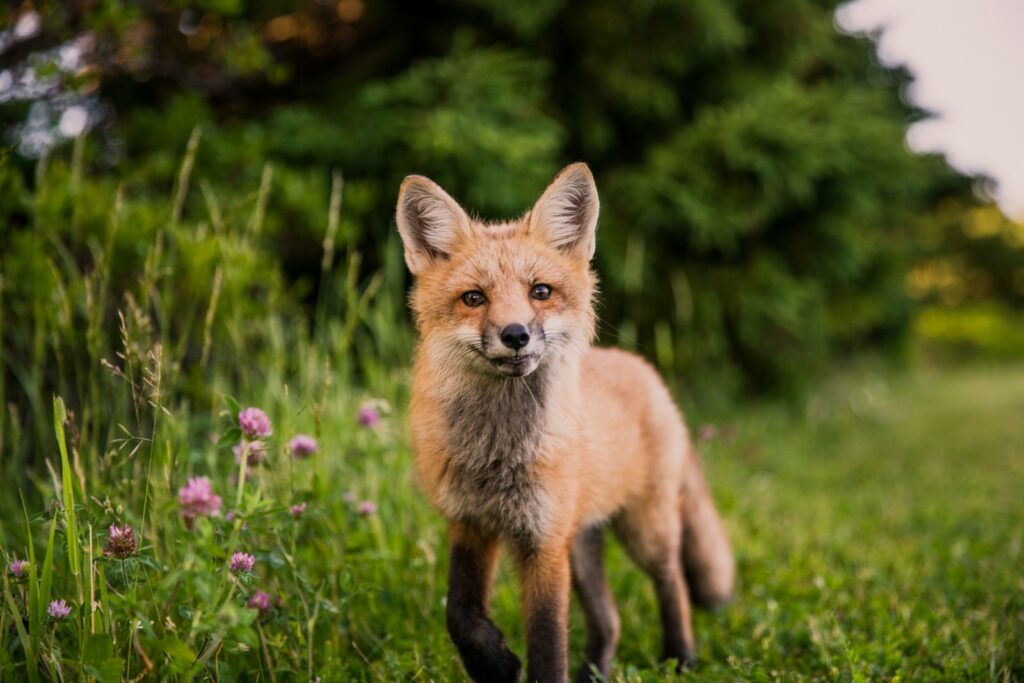
The optimal window for spotting foxes in morning fog typically occurs 30-60 minutes before sunrise until approximately two hours after dawn. This timing coincides with both peak fox activity and the most atmospheric fog conditions before the warming sun begins to dissipate the mist. Seasonal considerations also affect success rates, with spring offering opportunities to observe fox families with young kits learning to hunt, while autumn fog brings increased foraging activity as foxes prepare for winter. Weather patterns play a crucial role in fog formation—ideal conditions typically occur after clear, cool nights followed by slightly warmer mornings with minimal wind. Checking local weather forecasts for predicted temperature inversions can help you plan expeditions for mornings with the highest probability of fog development.
Moving Silently Through Fox Territory
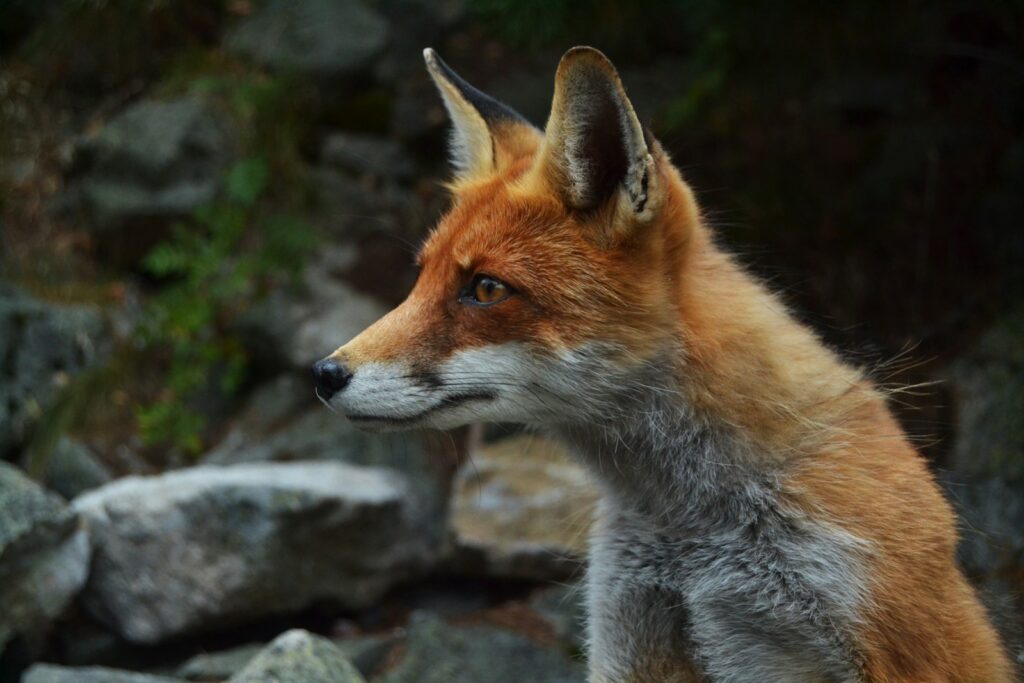
Foxes possess extraordinarily sensitive hearing that can detect the slightest unnatural sounds in their environment. Walking with deliberate, slow steps and avoiding debris like dry leaves or brittle twigs will minimize disturbance as you navigate potential fox habitats. Pause frequently during your approach to a viewing position, allowing any momentary noise to dissipate and giving foxes time to resume natural behaviors if they’ve been briefly alerted. The natural sound-dampening effect of fog works to your advantage, masking minor movement sounds that might otherwise spook these cautious animals. Consider using established trails where available, as wildlife often becomes habituated to human scent along these corridors and may be less likely to flee immediately upon detecting your presence.
Recognizing Fox Silhouettes in Limited Visibility
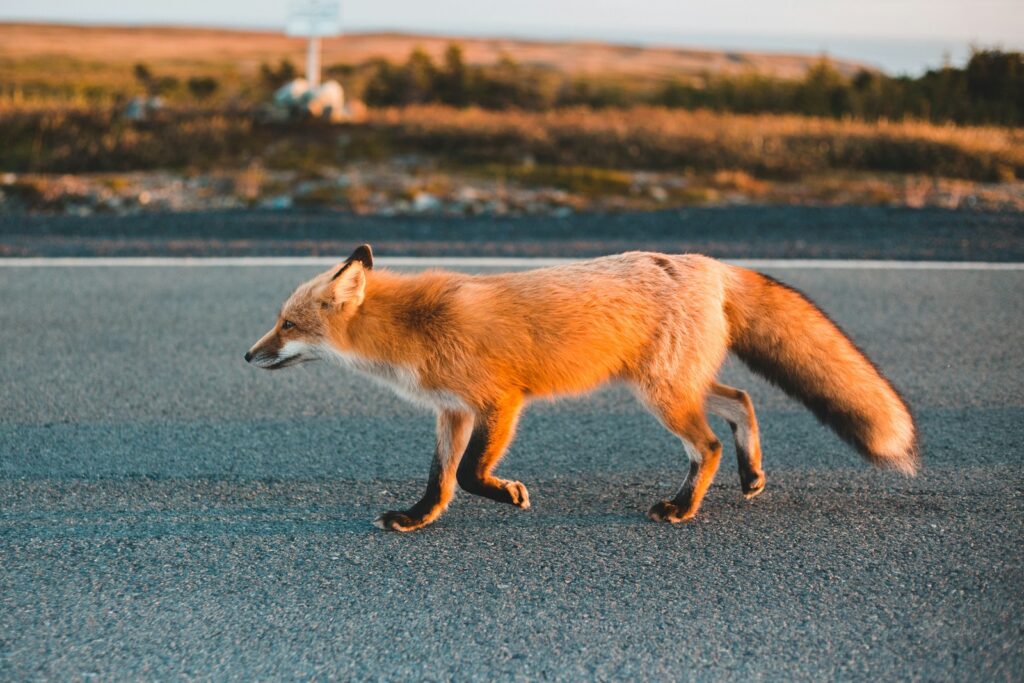
The characteristic silhouette of a red fox becomes your primary identification tool when fog limits detailed observation. Learn to recognize their distinctive profile: medium-sized canid with pointed ears, elongated snout, and the signature bushy tail that often appears disproportionately large. Fox movement patterns are equally distinctive—they typically move with a light-footed trot punctuated by sudden stops to listen or investigate potential prey. Unlike many other similarly-sized mammals, foxes often travel with their tails held horizontally behind them rather than drooping downward. In particularly dense fog, you might first notice the fox’s eyes reflecting any available light, appearing as paired glowing points through the mist before the animal’s full form becomes visible.
Distinguishing Foxes from Similar Species
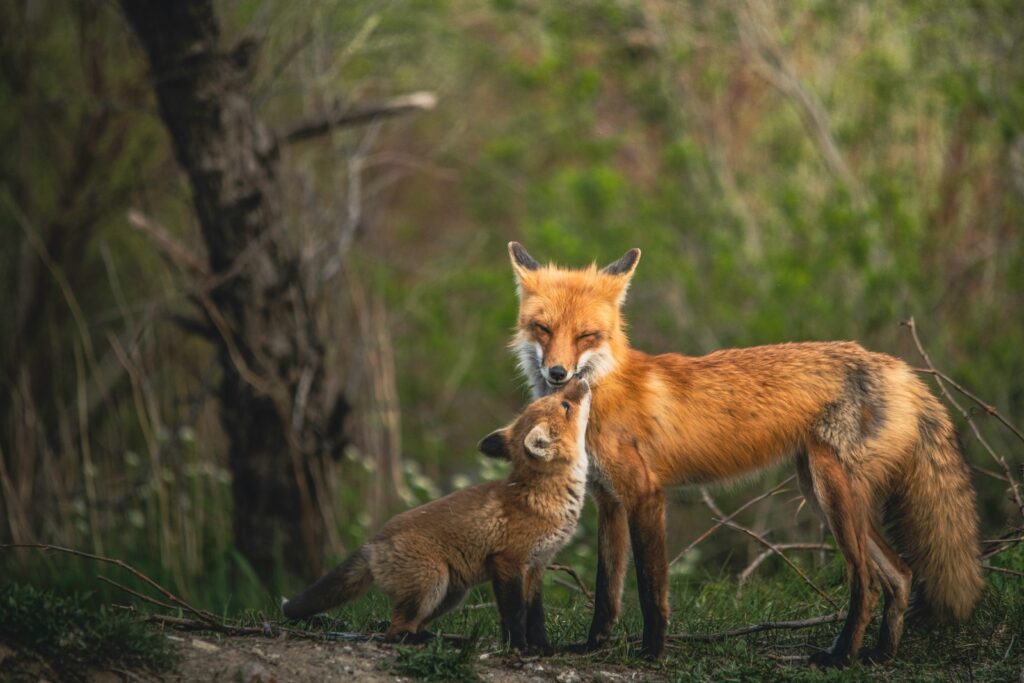
Foggy conditions create identification challenges that require knowledge of potential look-alike species in your region. Domestic cats can sometimes be mistaken for foxes in poor visibility, though their movement is more sinuous and their tails typically held higher. Coyotes appear similar in silhouette but move with a more loping gait and carry their bushier tails lower than foxes typically do. In areas where both species overlap, gray foxes can be distinguished from red foxes by their slightly smaller size and darker coloration, though this distinction becomes difficult in heavy fog. Raccoons might initially resemble foxes when glimpsed briefly, but their characteristic waddling gait and stockier profile quickly differentiate them once in motion.
Reading Fox Body Language Through the Mist
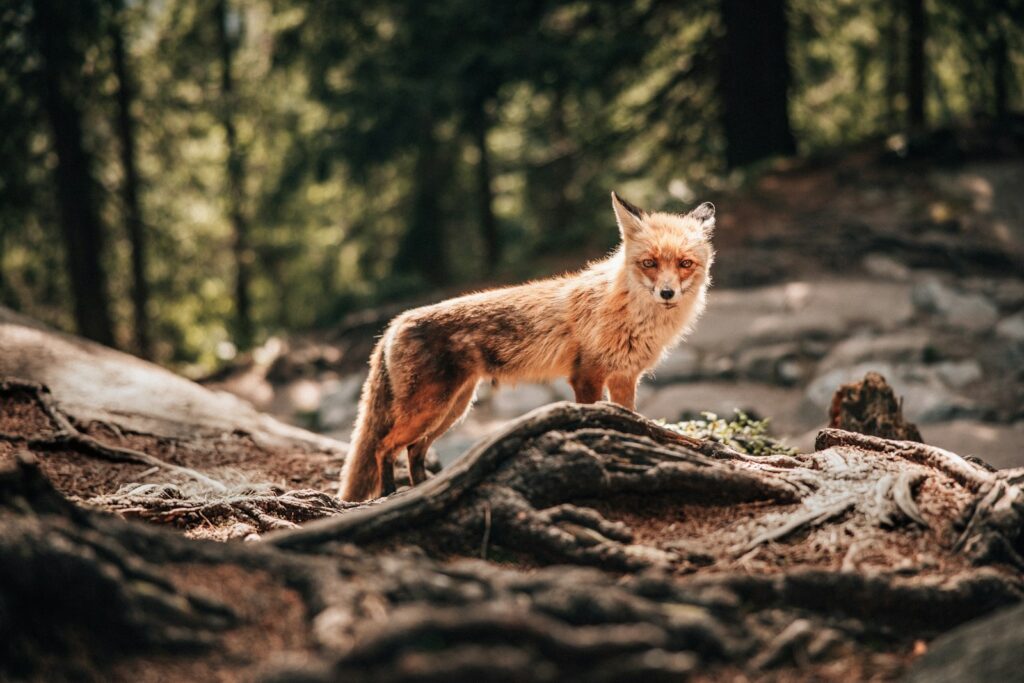
Even through fog, a fox’s body language communicates valuable information about its awareness and intentions. Ears positioned forward indicate curiosity or hunting focus, while ears flattened against the head signal fear or defensive posture if the fox has detected your presence. A fox moving confidently with relaxed, fluid motions suggests it remains unaware of human observers, creating ideal conditions for extended viewing. Watch for the characteristic head-tilting behavior foxes display when listening for prey beneath the surface—this distinctive hunting posture often precedes pouncing. Tail position also conveys important information: a horizontal tail indicates neutral alertness, while a tail held high often signals excitement or agitation.
Utilizing Fox Vocalizations for Location
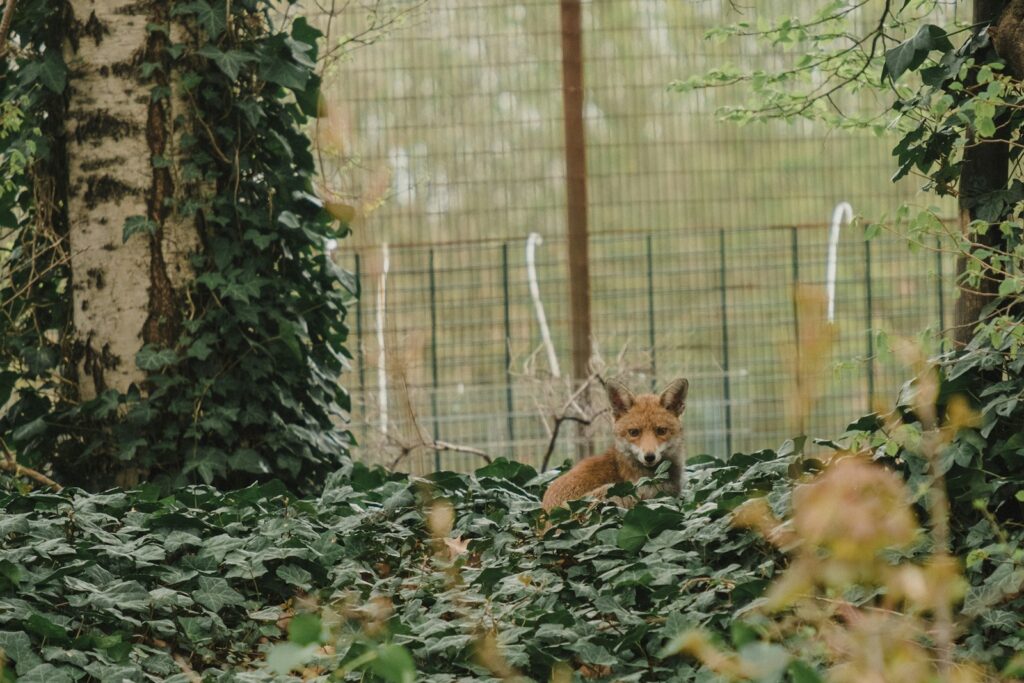
While visual detection becomes challenging in dense fog, fox vocalizations can provide valuable clues to their location and activities. The bark of a red fox—a sharp, abrupt sound often repeated in series—commonly indicates territorial warnings or alarm calls that can help pinpoint their position. During mating season (typically December through February), the distinctive screaming call of vixens carries exceptionally well through fog-laden air and can guide observers toward fox activity centers. Less commonly heard contact calls between family members include soft whines and yips that become audible only at close range but may alert you to nearby foxes hidden by the mist. Recording unfamiliar calls with your smartphone can help with later identification if you’re uncertain about the source.
Following Fox Signs in Damp Conditions
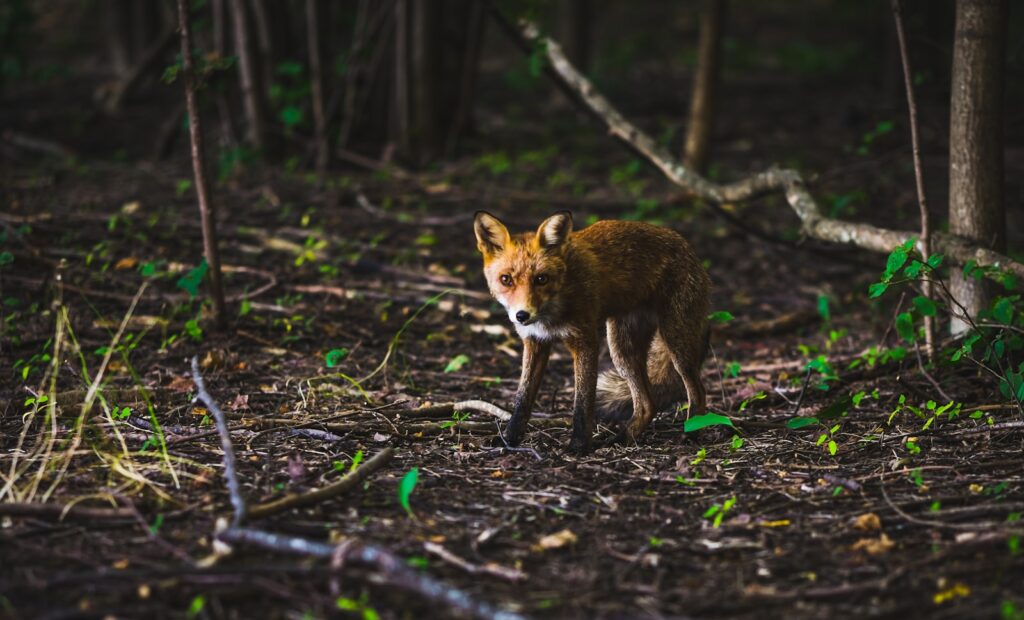
Foggy mornings create ideal conditions for tracking as damp soil perfectly preserves footprints and other sign. Red fox tracks are diamond-shaped with four toe pads and visible claw marks, measuring approximately 2 inches long by 1.5 inches wide, and often show a distinctive straight-line walking pattern unlike the more meandering tracks of domestic dogs. Morning dew highlights otherwise invisible evidence like fur caught on vegetation or territorial scent markings on prominent features along fox travel routes. Fresh droppings (scat) appear dark and twisted, often containing visible fur, berry seeds, or small bone fragments from recent meals, and are frequently deposited on raised surfaces like rocks or logs. Flattened vegetation forming “beds” near protective cover may indicate resting sites worth monitoring for returning foxes.
Photographing Foxes in Atmospheric Fog
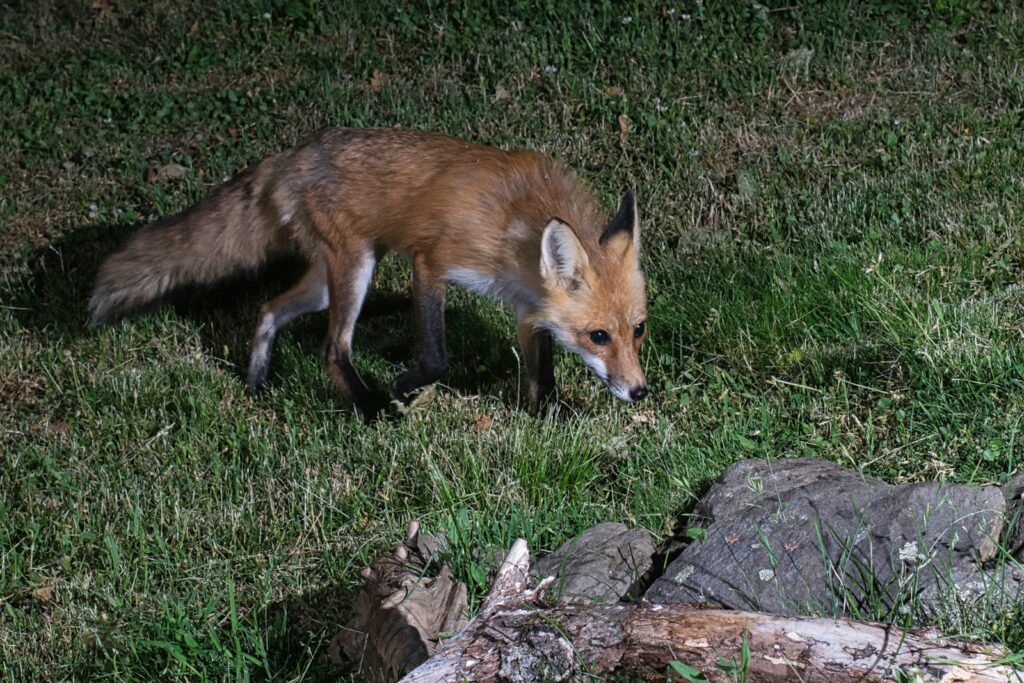
Fog creates uniquely atmospheric conditions for wildlife photography, but requires specific technical adaptations to capture these magical moments effectively. Increase your camera’s ISO setting (typically 800-1600) to compensate for reduced light while maintaining faster shutter speeds needed to freeze fox movement. Manual focus often outperforms autofocus in foggy conditions, so pre-focus on areas where you anticipate fox activity or use focus peaking features if your camera offers them. The diffused light of foggy mornings eliminates harsh shadows and creates a naturally soft, ethereal quality that can transform even simple fox portraits into compelling images. Consider including environmental elements like fog-shrouded trees or grasses to establish context and convey the mysterious ambiance of these special encounters.
Practicing Ethical Fox Observation
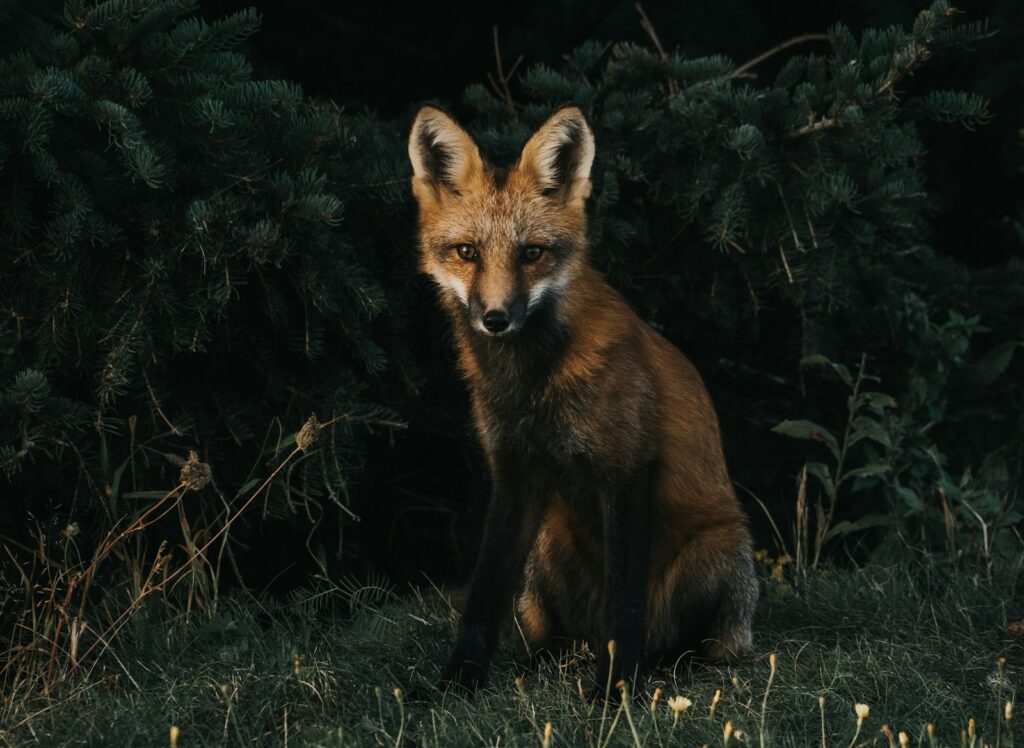
Responsible wildlife observation requires putting the animals’ welfare above your desire for close encounters or perfect photographs. Maintain sufficient distance to avoid influencing natural behaviors, using optical zoom rather than physical proximity to get closer views. Never pursue or intentionally flush foxes from cover, as this causes unnecessary stress and depletes their valuable energy reserves. Spring observations require extra caution as foxes may be denning with vulnerable young kits, making adults more defensive and sensitive to disturbance. Should you accidentally encounter a fox at close range, remain still rather than making sudden movements, allowing the animal to assess you and depart on its own terms. Remember that ethical wildlife viewing leaves no trace of your presence and prioritizes the animal’s natural patterns over your viewing objectives.
Interpreting and Recording Your Fox Observations
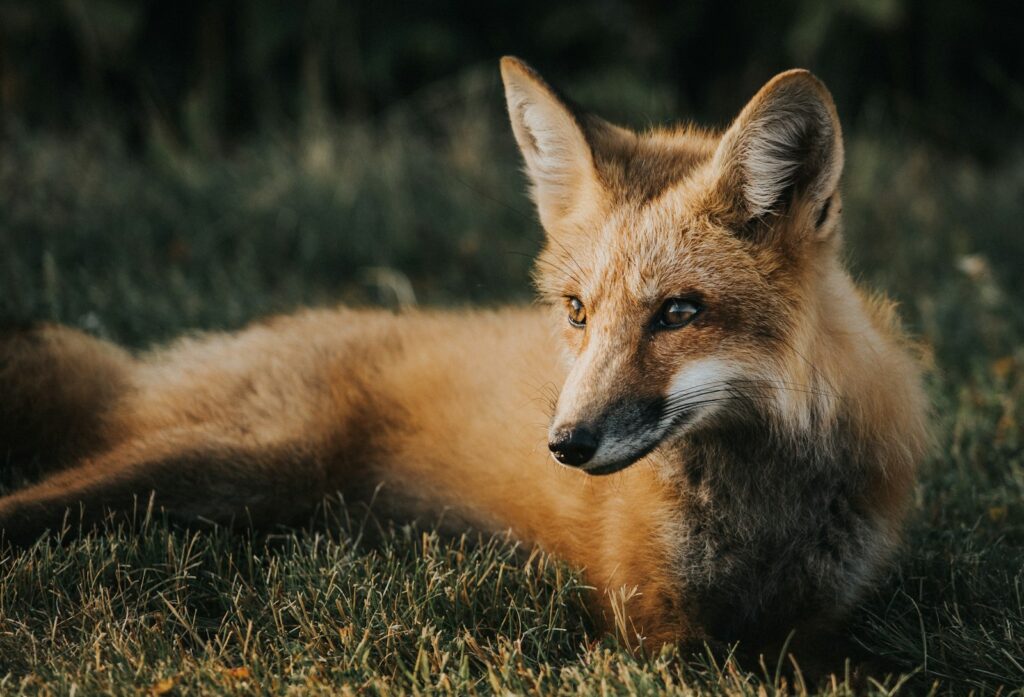
Documenting your fox sightings contributes valuable data to both personal learning and potentially to citizen science projects monitoring wildlife populations. Note specific behaviors observed, such as hunting techniques, social interactions, or responses to environmental factors like weather conditions. Record the precise location, time, and duration of sightings to identify patterns that might improve future observation success. Many nature organizations and wildlife agencies welcome submitted observations of fox activities, particularly in areas where population monitoring is active. Maintaining a dedicated fox observation journal allows you to develop deeper understanding of local fox behavior over time and seasons, transforming occasional sightings into a comprehensive picture of these fascinating animals’ lives within your local ecosystem.
The morning fog transforms ordinary landscapes into mysterious realms where the boundaries between seen and unseen blur—making those fleeting moments when a red fox materializes from the mist all the more magical. With preparation, patience, and practice, you’ll develop the skills to consistently experience these enchanting encounters. Beyond the immediate thrill of spotting these beautiful animals, regular fox observation builds a profound connection to the natural rhythms of your local environment. Each sighting offers a window into the complex, intelligent lives of creatures that have adapted to thrive alongside human development while maintaining their wild essence. Whether you’re a dedicated wildlife photographer, a casual nature enthusiast, or simply someone seeking moments of wonder in the natural world, the quiet joy of watching a red fox navigate the morning fog offers rewards well worth the early alarm and damp shoes.