
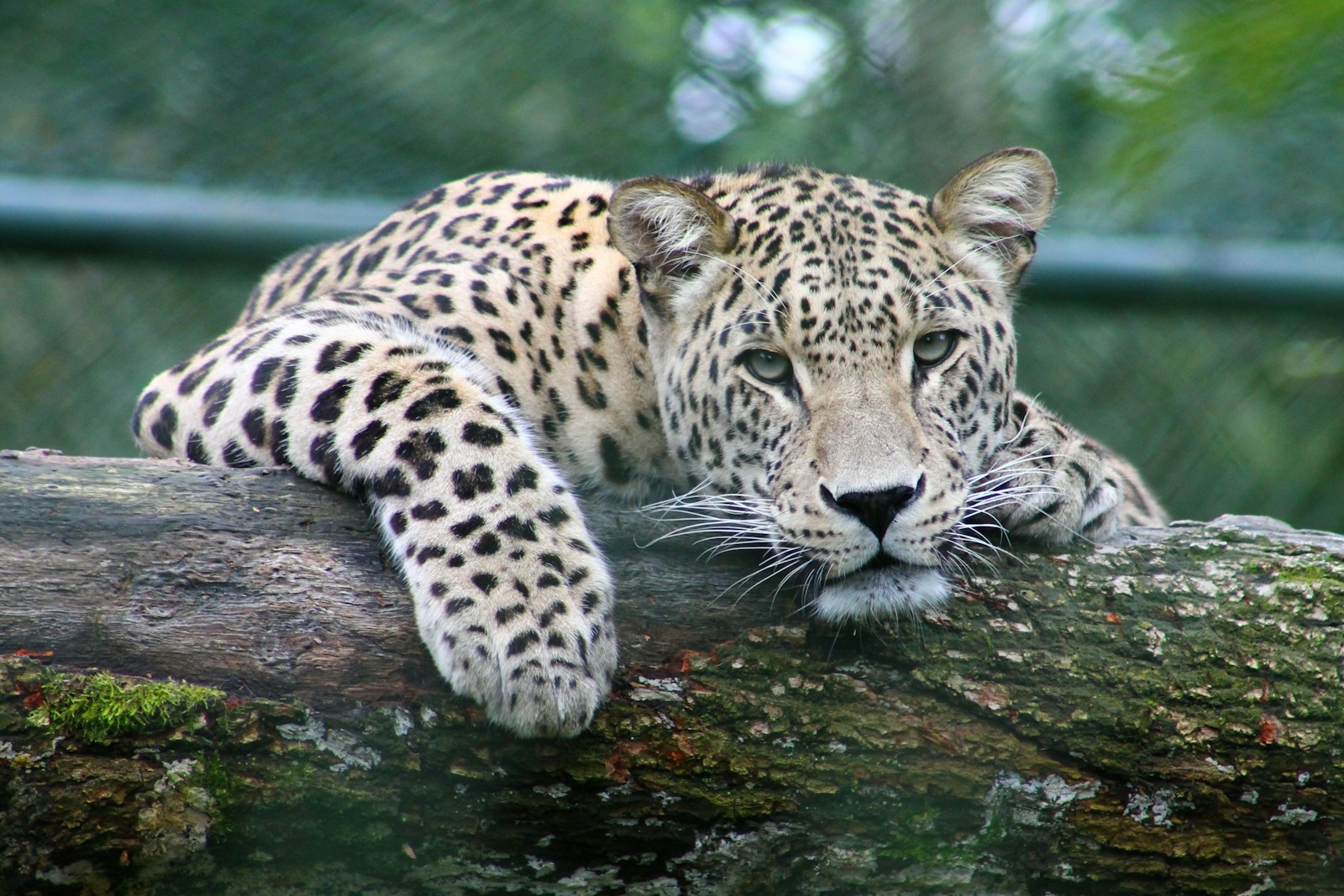
Encountering wild animals in their natural habitat can be both exhilarating and terrifying. Whether you’re hiking through a national park, camping in the wilderness, or simply walking in a rural area, the possibility of coming face-to-face with wildlife exists. While many people panic in these situations, staying calm is crucial for both your safety and the animal’s wellbeing. This article provides comprehensive guidance on maintaining composure during wildlife encounters, understanding animal behavior, and implementing effective strategies that can help prevent dangerous escalations.
Understanding Your Body’s Fear Response

When confronted with a potential threat like a wild animal, your body naturally triggers the “fight-or-flight” response, flooding your system with adrenaline and cortisol. Your heart rate increases, breathing becomes rapid, and muscles tense in preparation for action—physiological changes designed to help you survive. Recognizing these reactions as normal biological processes rather than signs of imminent danger is the first step toward maintaining calm. By acknowledging that these sensations are your body’s ancient survival mechanism at work, you can begin to cognitively override panic with rational thinking. Remember that while these responses were essential for our ancestors, modern encounters rarely require the extreme reactions our bodies prepare us for.
The Importance of Slow, Deep Breathing
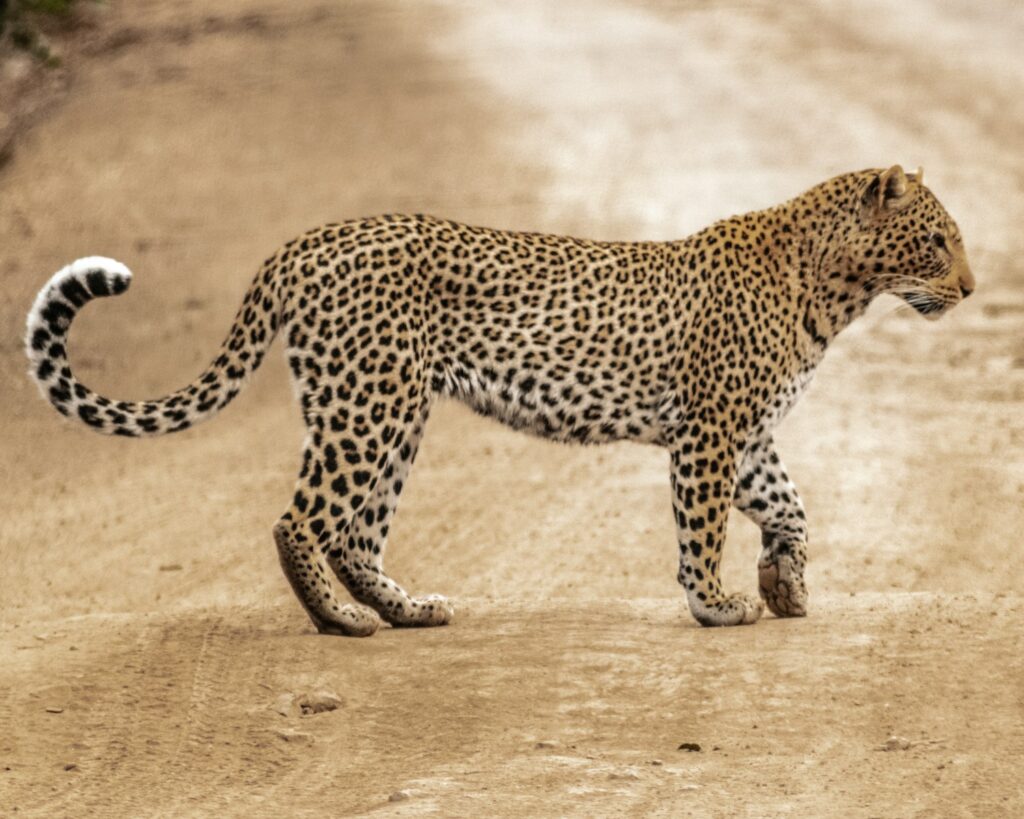
When adrenaline courses through your body during a wildlife encounter, consciously controlling your breathing becomes a powerful tool for regaining composure. Begin by taking slow, deep breaths through your nose, filling your lungs completely, then exhaling gradually through slightly parted lips. This deliberate breathing pattern helps activate your parasympathetic nervous system—the body’s natural calming mechanism—effectively counteracting the stress response. Research shows that controlled breathing can lower heart rate and blood pressure within minutes, helping clear your mind for better decision-making. Additionally, steady breathing helps prevent hyperventilation, which can cause dizziness and impair your ability to respond appropriately to the situation.
Avoid Running at All Costs
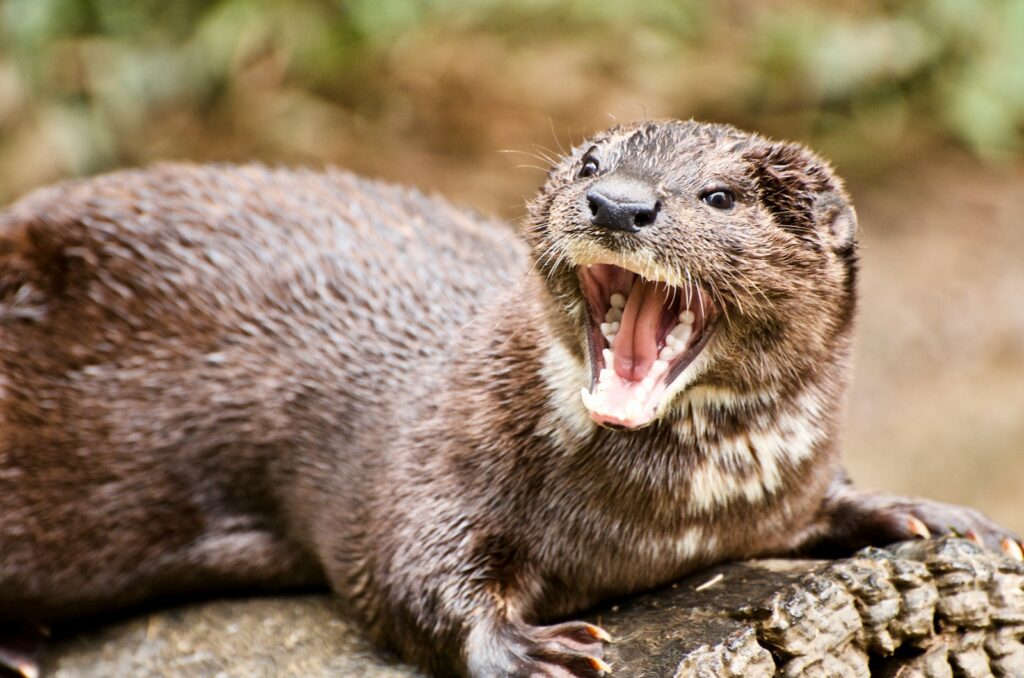
Running away from a wild animal is perhaps the most dangerous reaction you can have, as it triggers predatory instincts in many species. When you run, you immediately position yourself as prey, potentially transforming a curious animal into a pursuing predator. Even animals that weren’t initially aggressive may chase you if you flee, as this behavior mimics injured prey—an easy target in the wild. Instead of running, stand your ground while maintaining awareness of your surroundings and possible escape routes. Experts emphasize that most wild animals don’t view humans as natural prey and are often merely investigating rather than hunting when they approach. Remember that animals can outrun humans in virtually all cases, making flight not only provocative but ultimately futile.
Make Yourself Look Bigger

Increasing your apparent size is an effective deterrent for many wild animal encounters, particularly with predators like mountain lions, bears, or wolves. Raise your arms slowly above your head, open your jacket if you’re wearing one, or hold up a backpack to create the impression of greater mass. This technique works because animals typically assess risk versus reward before engaging, and a larger-appearing adversary suggests greater potential danger to them. For added effect, stand alongside others in your group if possible, creating a unified front that appears even more formidable. This strategy leverages the animal’s natural caution and self-preservation instinct, often convincing them that you’re not worth the potential risk of injury.
Understanding Species-Specific Behaviors
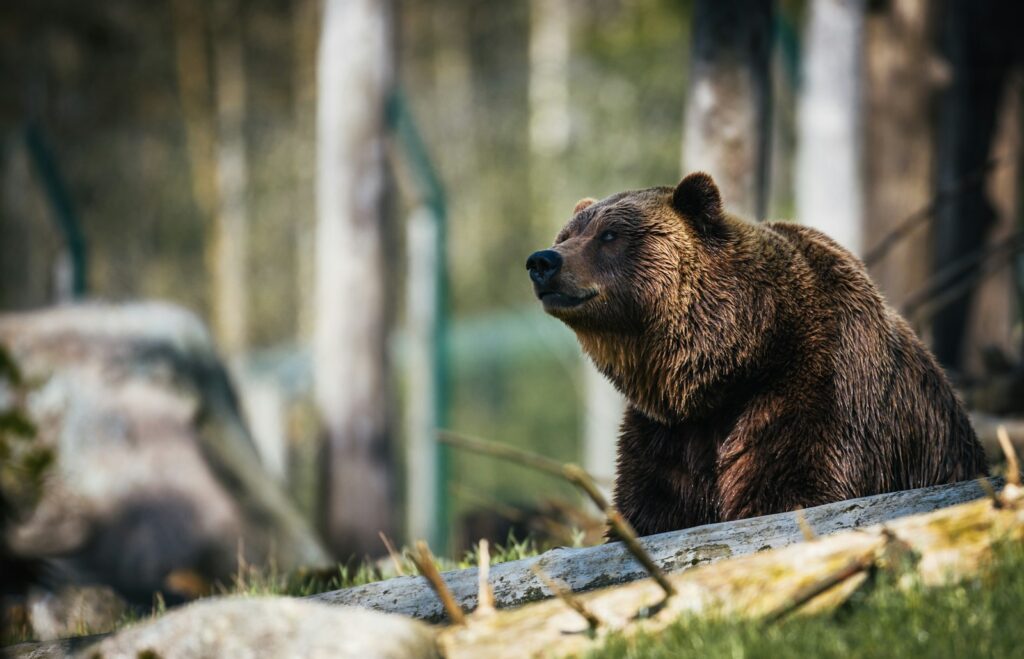
Different wild animals exhibit distinct behaviors and respond to human encounters in various ways, making species recognition crucial for appropriate responses. For instance, black bears often bluff charge but rarely follow through if you stand your ground, while grizzlies may require playing dead in certain situations. Moose display ear-pinning and raised hackles before charging, giving you time to seek barriers. Mountain lions typically avoid confrontation but may stalk if they perceive vulnerability, necessitating aggressive counter-intimidation tactics. Venomous snakes generally strike only when cornered or startled, requiring slow, deliberate movements away from them. Familiarizing yourself with the wildlife specific to your region before outdoor activities can significantly improve your ability to interpret animal behavior and respond correctly.
Maintain Eye Contact Strategically
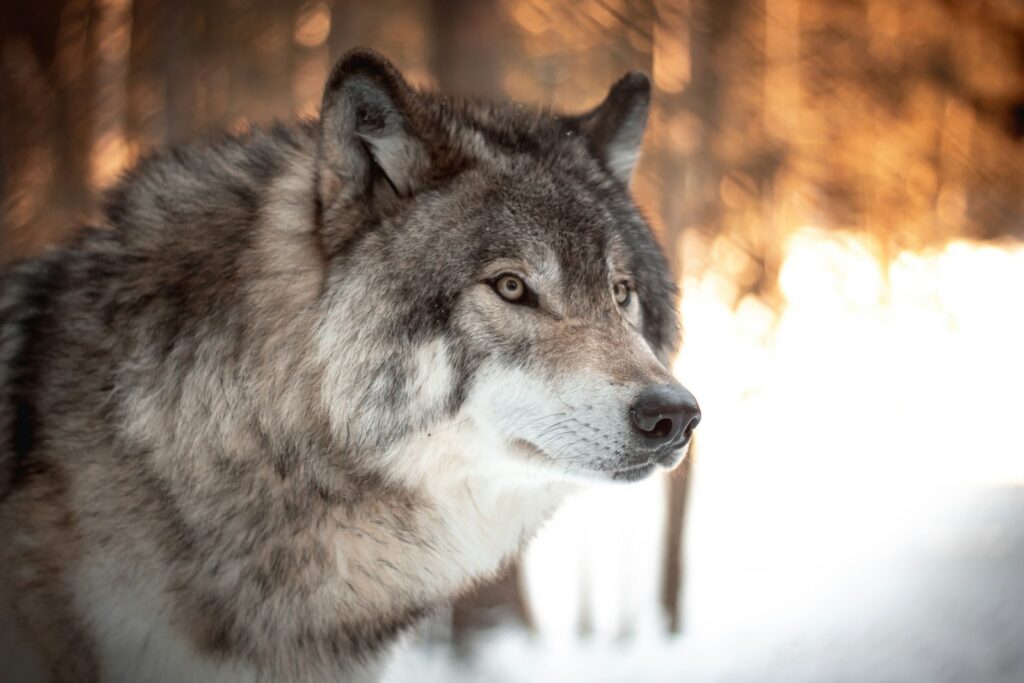
How you use eye contact varies crucially depending on the species you’re encountering. With large predators like mountain lions, direct eye contact demonstrates confidence and can discourage attacks by signaling that you’re not easy prey. However, with primates such as gorillas or chimpanzees, direct eye contact is perceived as a challenge or threat, potentially triggering aggression. With many hoofed animals like moose or elk, intermittent eye contact strikes the right balance—showing awareness without appearing threatening. Understanding these nuances can significantly affect the outcome of a wildlife encounter. When uncertain about the specific protocol, a good general approach is to keep the animal in your peripheral vision while not staring directly at it, communicating both awareness and non-aggression.
Speak Calmly and Assert Your Presence

Your voice can be a powerful tool during wildlife encounters, serving multiple purposes simultaneously. Speaking in a calm, firm, and low-pitched voice helps establish your presence as a human rather than prey, which can deter predatory behavior in many species. The steady sound of human speech often encourages animals to recognize you as human and potentially dangerous, rather than as food. Avoid high-pitched sounds, screaming, or squealing, which may mimic injured prey and trigger predatory instincts. As you speak, maintain a confident tone saying phrases like “Hey bear” or “I’m just passing through,” which helps overcome your natural tendency toward fearful vocalizations. This technique not only influences the animal’s perception but also helps regulate your own breathing and anxiety levels.
Back Away Slowly When Appropriate
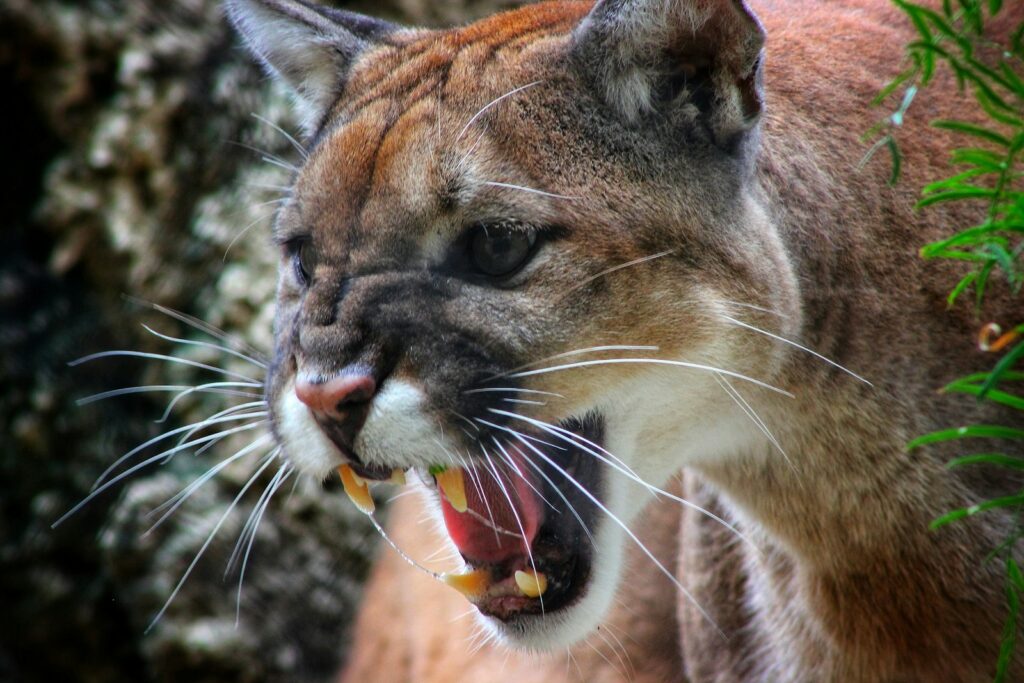
When creating distance between yourself and a wild animal becomes necessary, the manner of your retreat is crucial for safety. Begin by determining if the animal is simply curious or displaying aggressive behaviors like growling, teeth-baring, or charging. If withdrawal seems appropriate, move away slowly and laterally rather than directly backward, which allows you to maintain partial visual contact while appearing less threatening. Never turn your back completely on predatory animals like bears, mountain lions, or wolves, as this position of vulnerability might trigger chase instincts. As you move, be extremely careful not to trip or stumble, which could trigger a predatory response—maintain awareness of your footing without looking down for extended periods. Your goal is to increase distance gradually until you reach safety or the animal loses interest.
Use Deterrents When Necessary
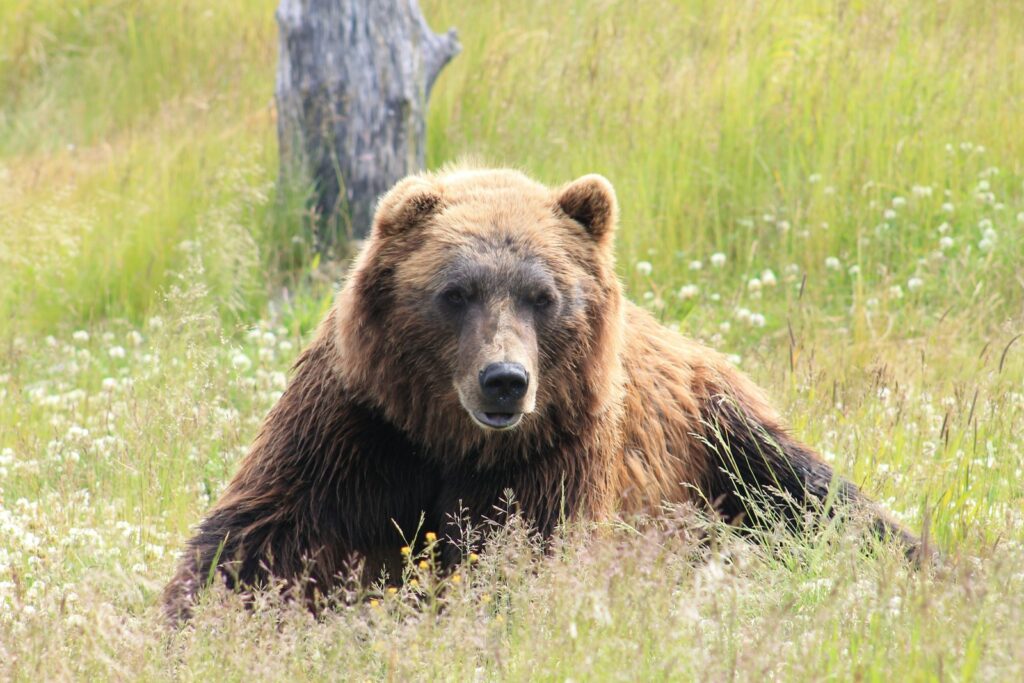
In situations where an animal continues approaching despite your calm demeanor and appropriate responses, having deterrents can provide critical protection. Bear spray, containing capsaicin derivatives, has proven highly effective against multiple species and should be carried in accessible locations when in bear country. Proper usage involves deploying the spray in short bursts when the animal is within 30-40 feet, creating a deterrent cloud rather than aiming directly at the creature. Noise deterrents like air horns or specially designed wildlife whistles can startle animals and interrupt predatory behavior patterns. Even improvised deterrents like banging hiking poles against metal water bottles can create unexpected sounds that discourage approach. Remember that deterrents are last resorts when other techniques fail—they’re not substitutes for proper wildlife avoidance and respectful behavior in natural habitats.
Recognize Warning Signs of Aggression

Being able to differentiate between curious and aggressive animal behavior can dramatically improve your response effectiveness during wildlife encounters. Warning signs vary by species but often include vocalizations like growling, huffing, or hissing; physical displays such as raised fur, flattened ears, or bared teeth; and behavioral indicators including pawing the ground, head-bobbing, or mock charges. Predators like mountain lions may intensely focus their gaze, lower their body, or twitch their tails before attacking. Herbivores such as moose or bison demonstrate agitation through head-tossing, blowing air forcefully, or presenting their broadside to appear larger. Learning these signals before venturing into wildlife habitats enables you to respond earlier in an encounter, often preventing escalation to dangerous confrontations. Remember that juvenile animals accompanied by parents typically present higher risks, as protective instincts heighten aggressive responses.
Travel in Groups for Safety

One of the most effective preventative measures against problematic wildlife encounters is simply traveling with companions rather than alone. Groups create more noise naturally, which alerts animals to human presence long before visual contact occurs, giving wildlife time to avoid the encounter entirely. Statistics consistently show that predatory attacks almost exclusively target solitary individuals or pairs rather than larger groups, as animals instinctively assess risk-versus-reward before approaching potential threats. When traveling in groups, establish clear communication protocols for wildlife sightings and maintain awareness of each member’s location. Groups also provide psychological benefits during encounters—the presence of others often helps individuals regulate fear responses and make more rational decisions. For those who must travel alone in wildlife areas, making deliberate noise through conversation, singing, or occasional clapping becomes even more important.
What to Do After the Encounter
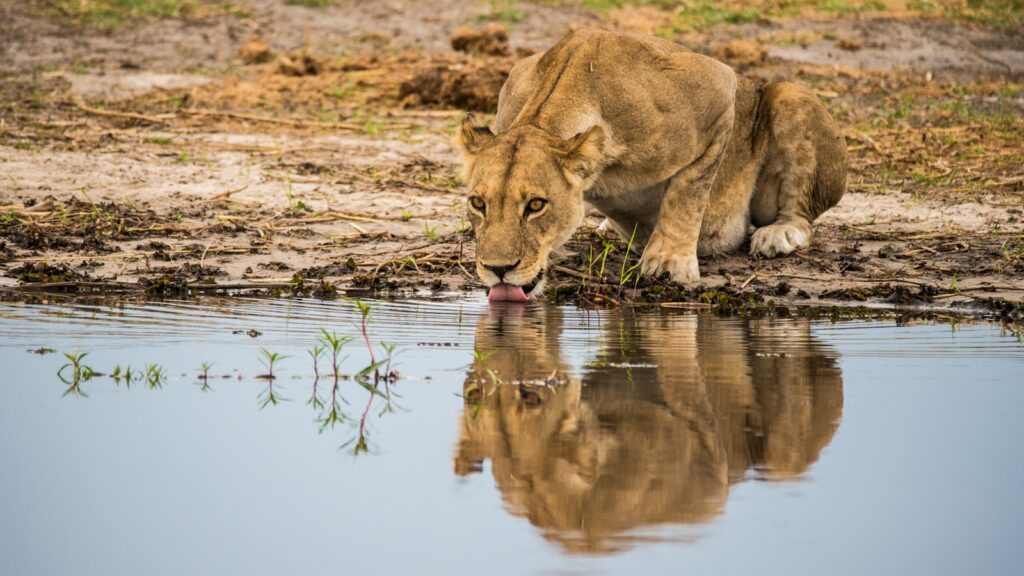
Once a wildlife encounter has ended safely, taking certain actions can help process the experience and contribute to wildlife conservation efforts. First, give yourself time to decompress, as the adrenaline and stress hormones circulating in your system may take 20-30 minutes to subside—find a safe location to sit, hydrate, and stabilize your emotions before continuing your activities. Document the encounter with notes or photos if possible, including the species, location, time of day, and the animal’s behavior, as this information can be valuable for park rangers, wildlife biologists, and other visitors. Report significant encounters to local wildlife authorities, especially if the animal displayed unusual aggression or appeared injured or ill. Finally, use the experience as motivation to learn more about local wildlife and proper interaction protocols, transforming a potentially frightening event into an educational opportunity.
Mental Preparation Before Outdoor Activities

Psychological readiness plays a crucial role in maintaining composure during unexpected wildlife encounters. Before venturing into natural areas, take time to mentally rehearse potential scenarios and appropriate responses specific to the region’s wildlife. This practice, similar to visualization techniques used by athletes and emergency responders, creates neural pathways that facilitate calmer, more effective reactions during actual encounters. Educate yourself about the animals you might encounter by reading reliable sources, attending ranger programs, or using wildlife identification apps. Consider participating in wildlife safety courses offered by many outdoor organizations, which often include practical simulations. Acknowledging and accepting that wildlife encounters are possible rather than dwelling on fears allows you to appreciate natural spaces more fully while remaining appropriately cautious. Remember that most wild animals prefer avoiding humans entirely, making dangerous confrontations statistically rare events.
Conclusion

Staying calm during a wildlife encounter isn’t just beneficial—it can be lifesaving. By understanding animal behavior, practicing appropriate responses, and managing your own fear reactions, you transform potentially dangerous situations into manageable experiences. Remember that most wild animals have no interest in confrontation with humans and are simply protecting themselves, their young, or their territory. Approach outdoor activities with respect for wildlife, proper preparation, and confidence in your ability to respond appropriately. This balanced mindset allows you to enjoy natural spaces safely while coexisting with the remarkable creatures that inhabit them. With practice and knowledge, the initial panic of a wildlife encounter can be replaced with a profound appreciation for these magnificent beings observed from a respectful and safe distance.