
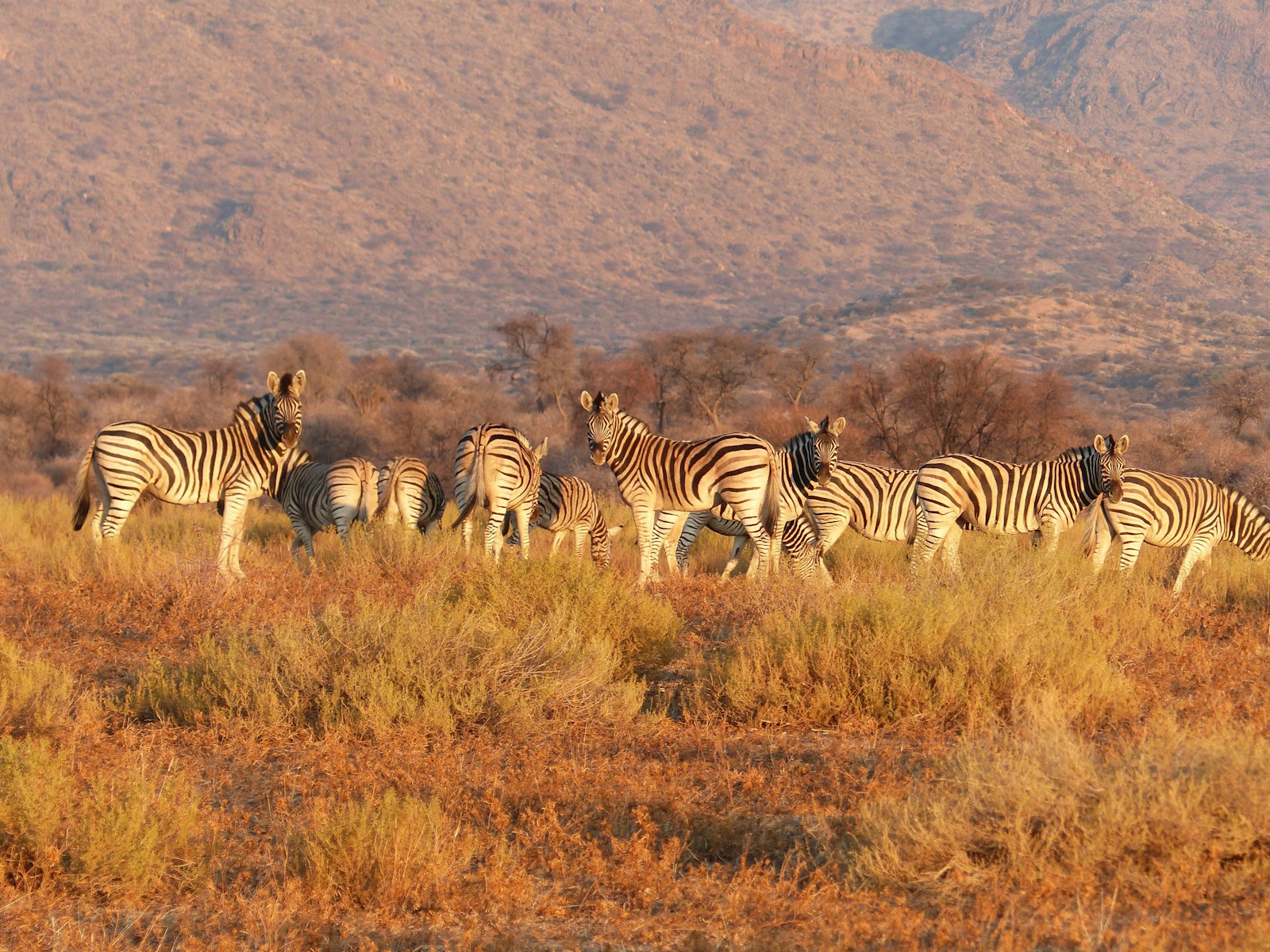
Wildlife tracking is an ancient practice that allows us to connect with nature on a deeper level, offering insights into animal behavior, migration patterns, and ecosystem health. When done ethically, tracking can be a powerful conservation tool that fosters appreciation for wildlife while minimizing human impact. The key lies in adopting non-invasive techniques that allow us to observe and document wildlife without disrupting their natural behaviors or damaging their habitats. This guide explores sustainable tracking methods that prioritize animal welfare and habitat preservation, ensuring that our curiosity about the natural world doesn’t come at the expense of its inhabitants.
Understanding Wildlife Tracking Ethics
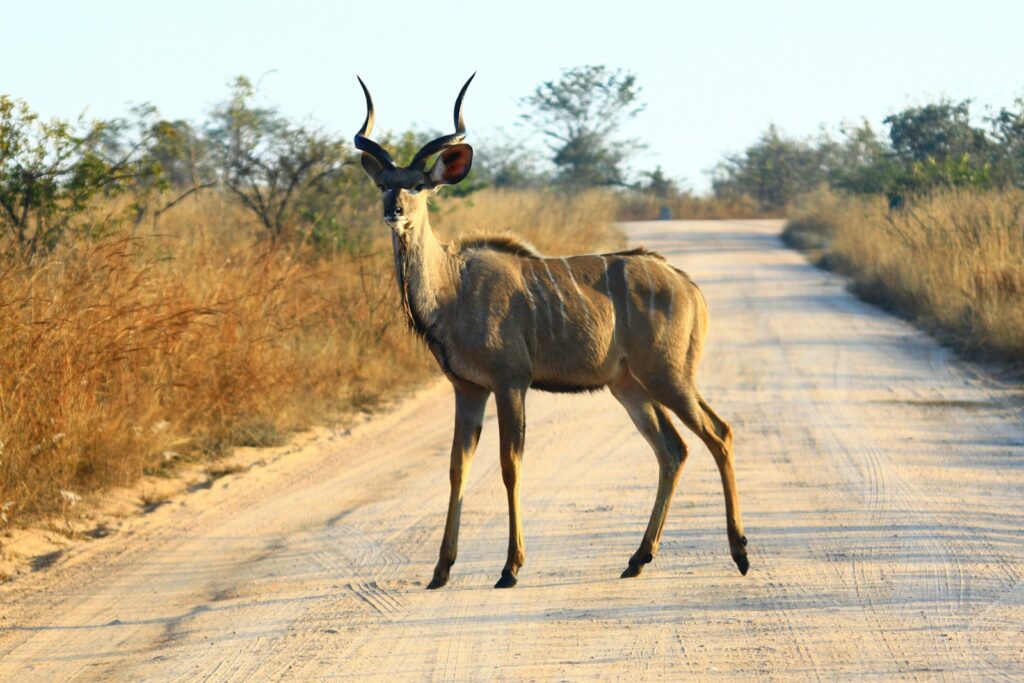
Ethical wildlife tracking begins with acknowledging that we are visitors in the animals’ homes, not the other way around. This mindset requires us to approach tracking with humility, patience, and respect for the creatures we seek to observe. The fundamental principle of ethical tracking is “leave no trace” – ensuring that animals never know you were there and that habitats remain undisturbed. Beyond physical impact, we must consider the psychological stress our presence might cause to wildlife, especially during sensitive periods like breeding seasons or when young are present. Developing a personal code of ethics before setting out can help guide decisions in the field, such as when to retreat if an animal shows signs of distress or awareness of your presence.
Learning to Read Natural Signs
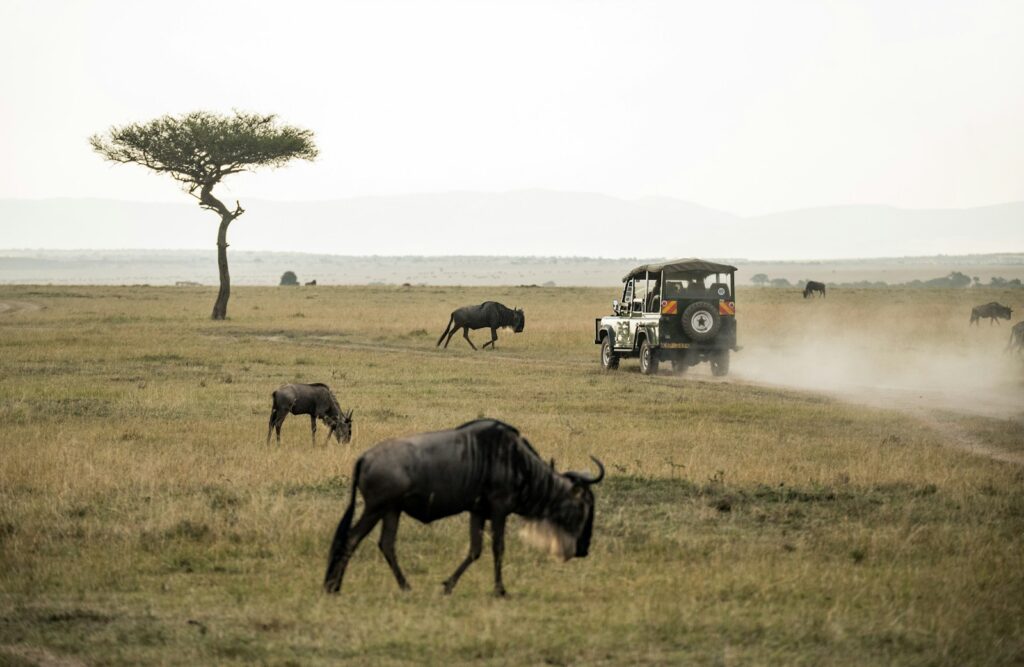
The language of nature reveals itself through subtle signs that wildlife trackers learn to interpret. Tracks (footprints) are the most obvious indicators, varying in size, shape, gait pattern, and depth according to species, age, sex, and behavior. Beyond tracks, animal signs include scat (droppings), which can indicate diet, health, territory marking, and how recently an animal passed through. Feeding signs such as stripped bark, browse lines on vegetation, or scattered feathers from predation tell stories of animal habits and interactions. Other indicators include fur or feathers caught on branches, trails worn through vegetation, bedding areas where grass is flattened, and marking behaviors like scent posts or scratched trees. Learning to read these signs allows you to track wildlife without ever needing to approach the animals themselves.
Essential Equipment for Low-Impact Tracking
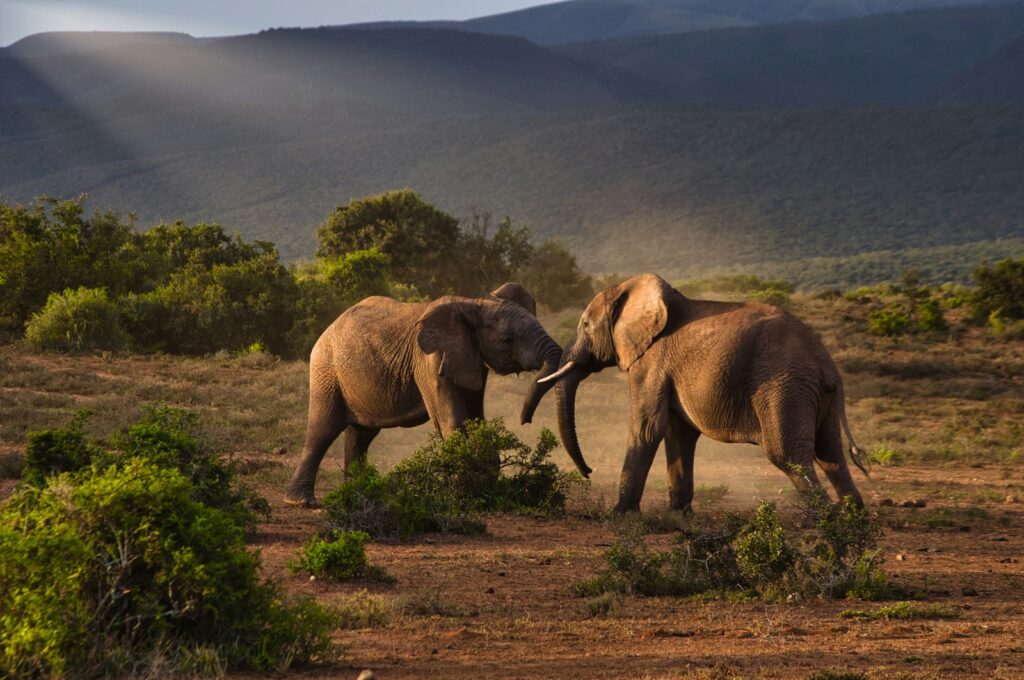
Proper equipment can significantly reduce your environmental footprint while enhancing your tracking experience. Binoculars and spotting scopes allow detailed observation from a distance that won’t disturb wildlife, with 8×42 or 10×42 magnifications offering good versatility for most environments. A camera with a telephoto lens (300mm or longer) enables photo documentation without approaching animals, while modern smartphone cameras can capture decent images of tracks and signs. A small field notebook and pencil are essential for recording observations, sketching tracks, and noting behavior patterns over time. Lightweight, neutral-colored clothing that doesn’t rustle helps you blend into the environment, while proper footwear with minimal tread patterns avoids leaving distinctive human tracks that might alarm wildlife. Consider carrying a small tracking field guide for quick reference, though digital versions on silent mode can reduce weight.
Mastering Silent Movement Techniques
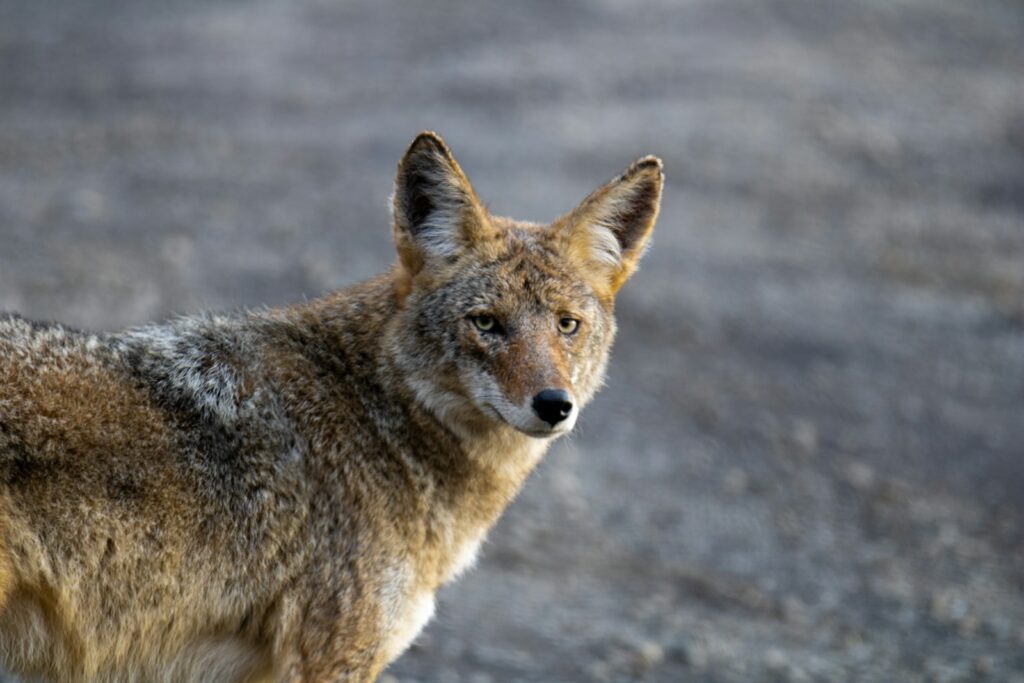
Moving quietly through nature requires both technique and mindfulness, starting with the “fox walk” – a method of placing the outer edge of your foot down first, then rolling to the ball and finally the heel, which distributes weight gradually and reduces noise. Breathing should be slow and controlled through the nose, which not only minimizes sound but also enhances your ability to detect animal scents. Develop the habit of pausing frequently to scan and listen, as movement draws attention while stillness allows wildlife to grow accustomed to your presence. When navigating through dense vegetation, move branches slowly rather than pushing through, and return them to their original position to avoid leaving visible disturbances. The pace of ethical tracking is necessarily slow—measured in feet per minute rather than miles per hour—allowing you to notice subtle signs and giving wildlife time to adjust to your presence without panic.
Tracking in Different Weather Conditions
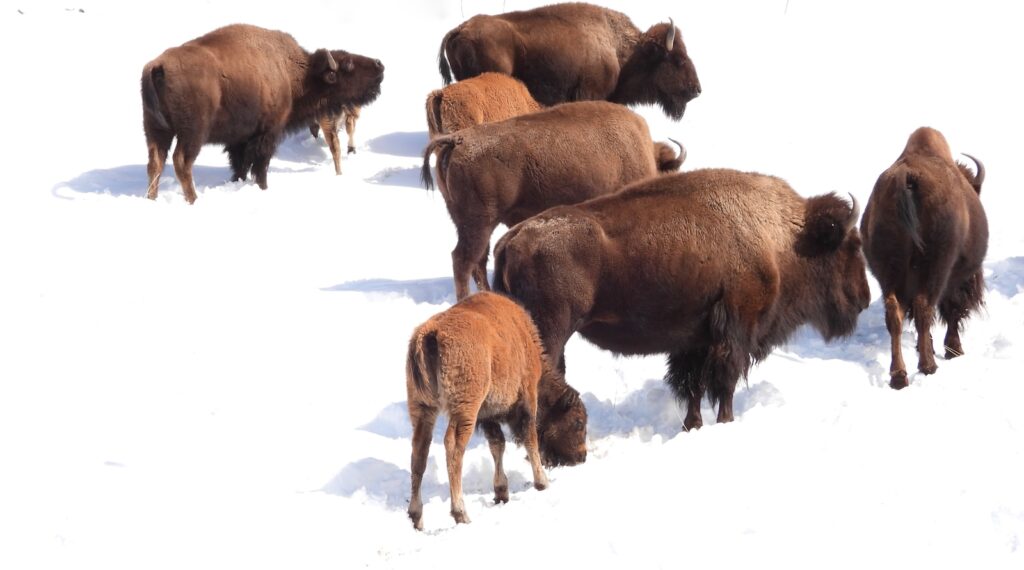
Weather significantly affects both tracking conditions and wildlife behavior, creating opportunities and challenges that vary with atmospheric changes. Fresh snow provides an ideal medium for tracking, revealing perfect imprints that might include fine details like toe pads or claw marks, though tracking in snow requires minimal disturbance of the tracking surface itself. Wet conditions after rain can create excellent tracking opportunities in mud or damp soil, though trackers should avoid creating additional erosion in sensitive areas. Hot, dry conditions present the greatest challenge, requiring trackers to look for subtler signs like dust patterns, bent grass blades, or tracks in isolated patches of suitable substrate. Wind affects both tracking and animal behavior, potentially obliterating tracks in sandy areas but also masking human scent if approached from downwind. Successful trackers adapt their techniques to weather conditions while also understanding how these conditions influence animal movement patterns and activity levels.
Remote Monitoring Technologies

Modern technology offers powerful non-invasive methods to observe wildlife without physical presence. Trail cameras (camera traps) can be strategically placed along game trails or near water sources to automatically photograph passing wildlife, though they should be positioned to avoid flash disturbance at night and checked infrequently to minimize human scent. Environmental DNA (eDNA) sampling allows scientists to detect species presence by collecting genetic material shed into the environment through skin cells, feces, or mucus in water or soil samples, providing valuable data without any animal contact. Acoustic monitoring devices can record wildlife vocalizations over extended periods, helping identify species presence and activity patterns without observer interference. Thermal imaging cameras detect body heat, enabling observation of nocturnal animals without disruptive artificial light. When using any technology, ethical considerations include minimizing equipment visibility, avoiding electronic sounds or lights that might disturb wildlife, and securing devices properly to prevent them becoming environmental hazards.
Understanding Animal Behavior Patterns
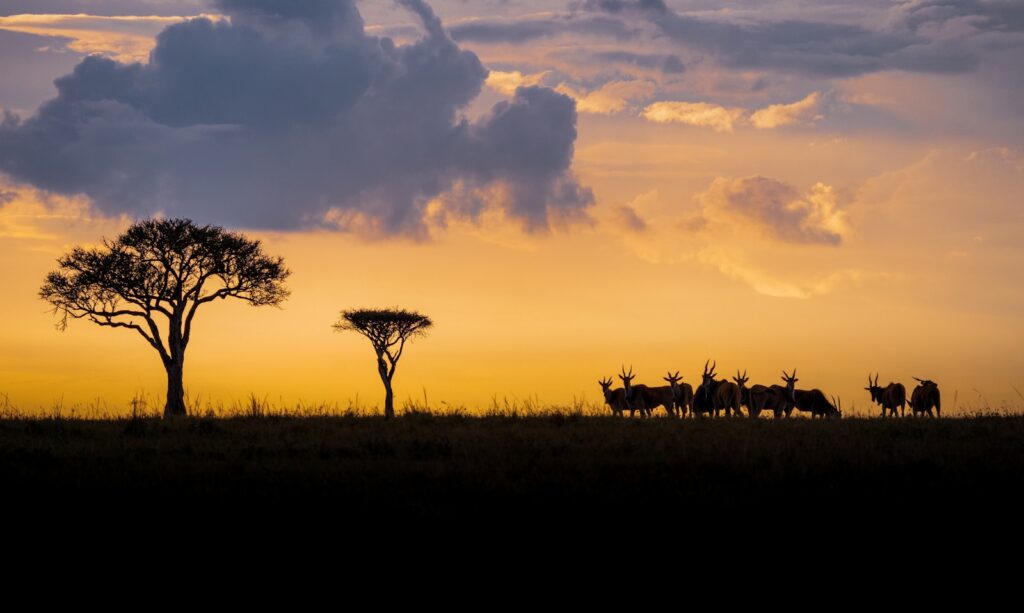
Knowledge of species-specific behavior patterns dramatically improves tracking success while reducing wildlife disturbance. Most animals follow daily rhythms of activity and rest, with many species being crepuscular (active at dawn and dusk) rather than strictly diurnal or nocturnal, making these transition periods optimal for observation. Seasonal patterns affect tracking opportunities as animals adjust their habits for mating, migration, hibernation, or food availability throughout the year. Understanding territorial behaviors helps identify likely travel corridors, marking locations, and gathering areas where signs may be concentrated. Recognizing stress behaviors—such as freezing, ear flicking, alarm calls, or direct staring—allows trackers to withdraw before causing significant disturbance. This knowledge comes from research, field guides, local naturalists, and most importantly, personal observation recorded systematically over time in specific locations where patterns emerge through patient study.
Tracking Different Species Responsibly
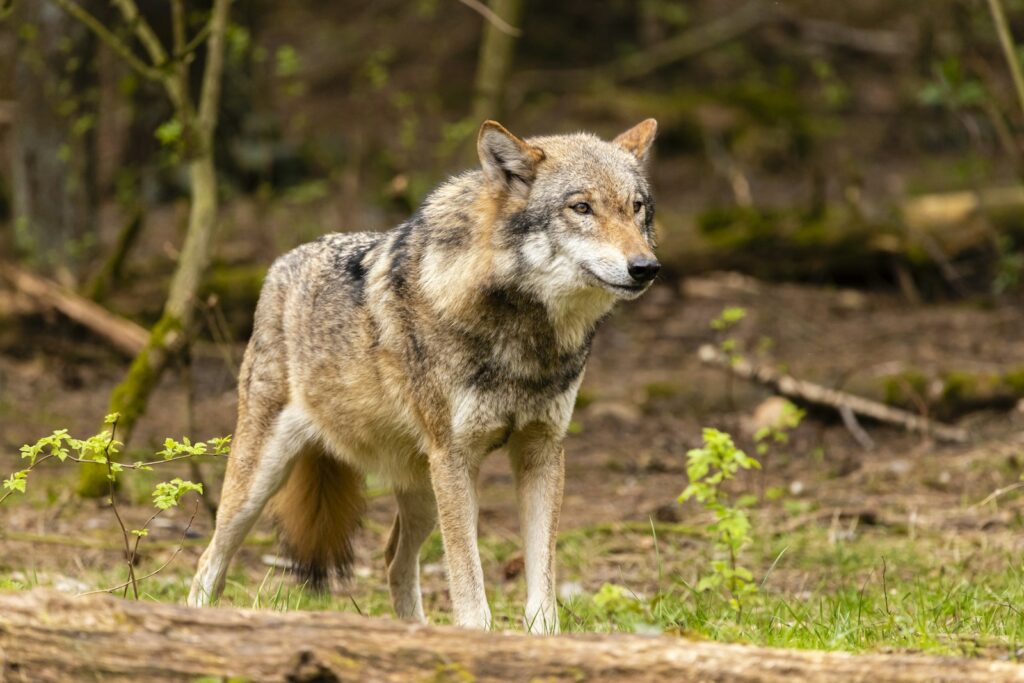
Different wildlife groups require specialized tracking approaches that respect their unique sensitivities. Mammals vary greatly in their tracking difficulty, with canids (wolves, coyotes, foxes) often leaving clear tracks and scat on trails, while felids (cats) typically move more stealthily through the landscape. Birds present different challenges, with tracking focusing more on signs like feathers, nests, droppings, and feeding evidence rather than clear footprints, though some ground-dwelling species leave trackable prints. Reptiles and amphibians require extremely gentle approaches, as they are particularly vulnerable to habitat disturbance and environmental changes; their tracks are often subtle and best observed in sand, mud, or snow without disturbing the surface. Aquatic species may be monitored through signs along shorelines or specialized techniques like underwater photography that minimize ecosystem disruption. For any species, research their specific sensitivities—particularly regarding breeding seasons, young-rearing periods, and ecological vulnerabilities—before attempting to track them.
Documenting Findings Responsibly

Ethical documentation of wildlife observations creates valuable records while respecting animal privacy and safety. Photographs should be taken from appropriate distances using telephoto lenses, without baiting, calling, or otherwise manipulating animal behavior for better shots. When recording location data, consider whether sharing precise coordinates might lead to habitat disturbance by others; for sensitive species or locations, general area descriptions may be more appropriate than exact GPS coordinates. Field notes should focus on observable behaviors rather than anthropomorphic interpretations, including date, time, weather conditions, location, species, number of individuals, behaviors, and interactions. Consider contributing observations to citizen science platforms like iNaturalist or eBird, which allow privacy settings for sensitive species while helping build valuable collective knowledge. For particularly significant findings involving rare or threatened species, contact relevant conservation authorities or researchers who can utilize the information appropriately.
Habitat-Specific Tracking Approaches
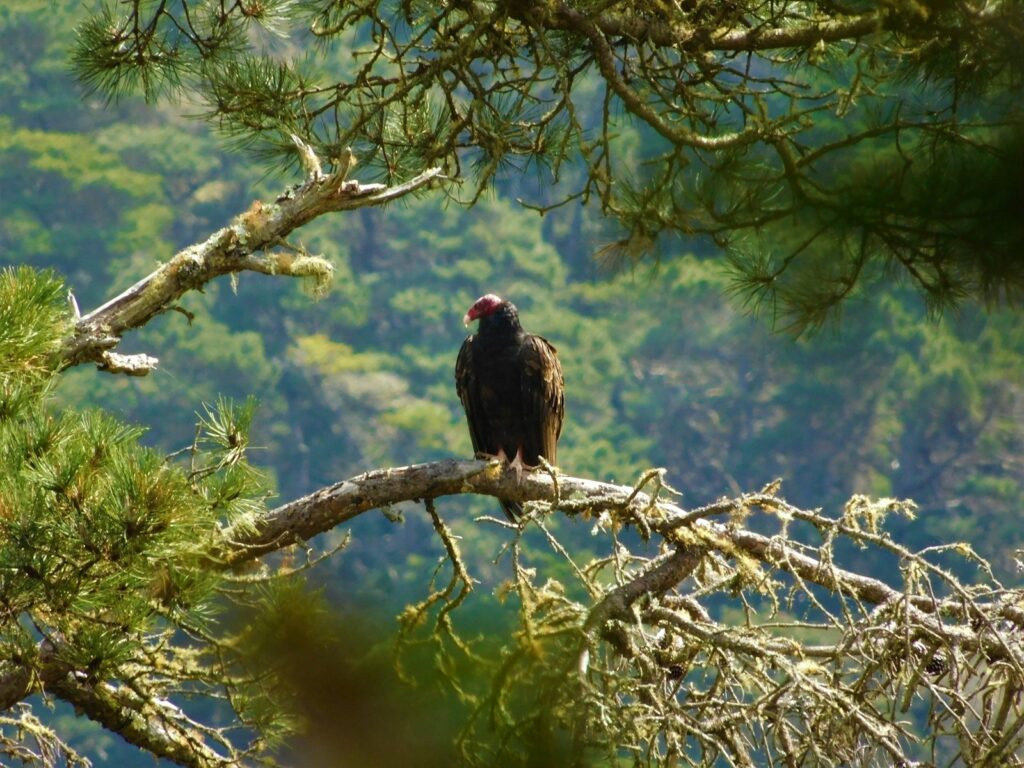
Different ecosystems require specialized tracking techniques that minimize environmental impact. In forests, follow existing game trails rather than creating new paths, and move carefully over the leaf litter which can both reveal and conceal animal signs. Desert environments with sandy surfaces offer excellent tracking opportunities but are fragile ecosystems where tracks can persist for extended periods; walk on rocky surfaces when possible and avoid disturbing cryptobiotic soil crusts that may take decades to recover from footprints. Wetlands require extreme caution, as these biologically rich areas are easily damaged; use established boardwalks where available, avoid creating channels in vegetation, and never drain or alter water patterns for better viewing. Alpine and tundra environments have short growing seasons and slow recovery rates, making it essential to stay on durable surfaces and avoid trampling delicate vegetation. Snow-covered landscapes may seem resilient but can compress insulating snow layers critical for small mammals surviving beneath; established trails or snowshoes help distribute weight and minimize this impact.
Creating Wildlife Observation Blinds
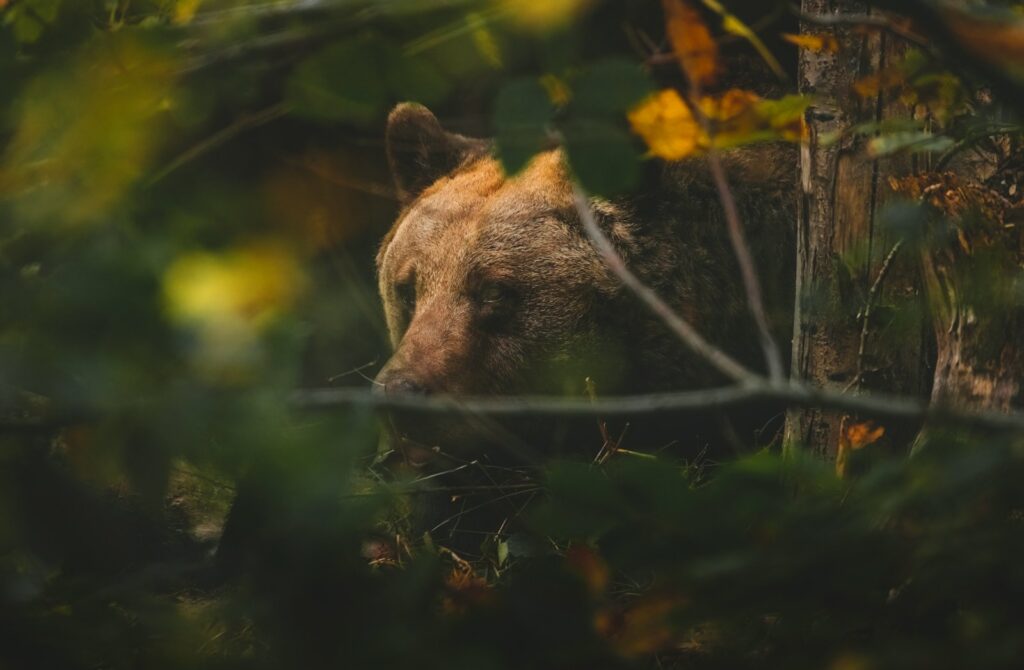
Wildlife blinds provide excellent opportunities for prolonged, non-disruptive observation when properly designed and used. Portable blinds (commercial pop-up varieties or simple camouflage tarps) can be set up temporarily in promising locations, allowing wildlife to acclimate to their presence before you enter. Permanent blinds should be thoughtfully positioned near natural gathering places like water sources or meadows, constructed with local, natural materials where possible, and visited regularly enough to prevent becoming novel objects that wildlife avoids. The approach to any blind should be concealed and indirect, preventing animals from associating the structure with human presence. Inside the blind, movement should be minimal, voices kept to whispers or silence, and scent controlled through clean clothing and avoiding strong foods or fragrances. Properly used blinds create a win-win situation: wildlife remains undisturbed while observers gain intimate glimpses into natural behaviors rarely seen by casual outdoor enthusiasts.
Teaching Others Ethical Tracking
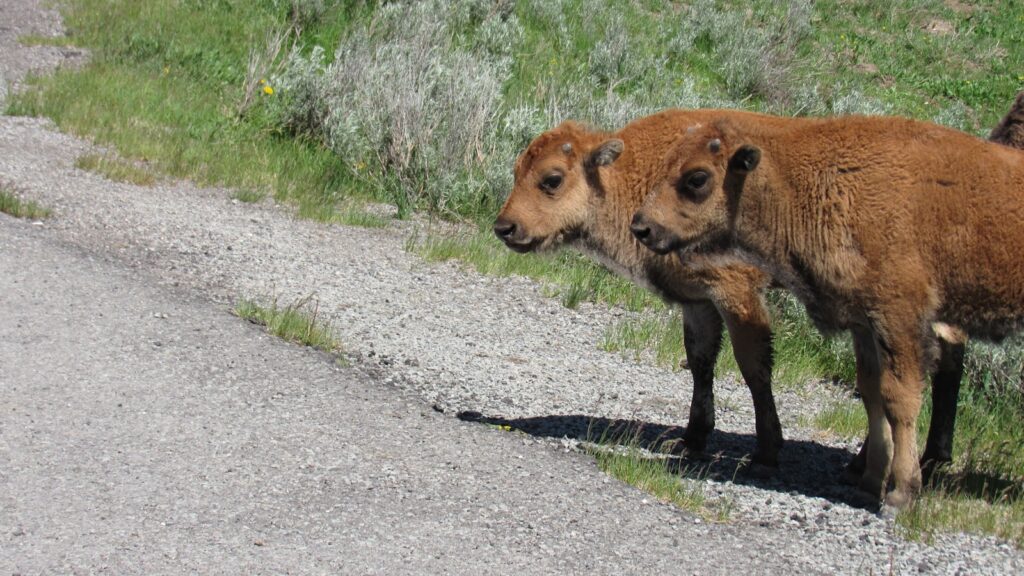
Sharing tracking knowledge with others multiplies its conservation impact while ensuring ethical practices continue through generations. When leading tracking experiences, keep groups small (ideally 2-6 people) to minimize habitat disturbance and noise while maximizing individual learning opportunities. Establish clear ethics guidelines before entering natural areas, including appropriate distances from wildlife, voice volume, movement techniques, and habitat preservation principles. Model good practices through your own behavior, demonstrating respect for all species encountered regardless of their perceived charisma or value. Emphasize observation over interaction, teaching participants to appreciate the subtle tracking puzzle rather than focusing solely on animal encounters. Create opportunities for reflection during and after tracking experiences, asking participants to consider their relationship with nature and the responsibilities that come with knowledge of wildlife patterns and locations. The most effective wildlife tracking education cultivates both skills and ethics simultaneously, recognizing that they are inseparable elements of responsible nature connection.
Contributing to Conservation Through Tracking
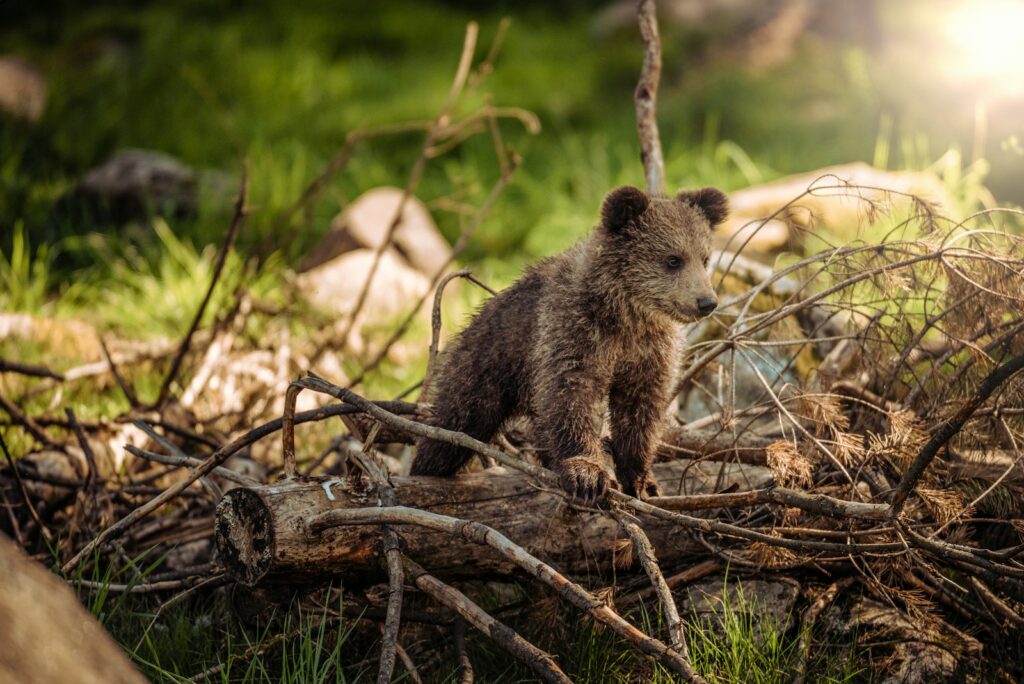
Ethical wildlife tracking can directly support conservation efforts when observations are systematically recorded and shared appropriately. Citizen science platforms like iNaturalist, eBird, and specific wildlife monitoring programs turn casual observations into valuable scientific data when submitted consistently with supporting details. Tracking skills can be volunteered for wildlife surveys, where trained observers help conservation organizations conduct population assessments through track counts, scat surveys, or other non-invasive monitoring methods. Regular trackers often become the first to notice concerning changes in wildlife populations or behaviors in their observation areas, potentially alerting authorities to emerging conservation issues before they become crises. Perhaps most importantly, tracking cultivates deep connection with specific landscapes and their inhabitants, creating passionate advocates who understand local ecosystems intimately and can speak effectively for their protection. The tracker’s mindset—patient, observant, and respectful—represents precisely the relationship with nature that conservation ultimately seeks to foster in society at large.
Conclusion

Wildlife tracking offers a profound way to connect with the natural world while developing observational skills that heighten our awareness of environmental relationships. By adopting non-invasive tracking methods, we can satisfy our curiosity about wildlife while respecting their need for space, security, and undisturbed habitat. The ethical tracker leaves no trace beyond footprints that soon wash away, yet carries away lasting memories and insights that deepen ecological understanding. As we refine our tracking abilities, we become more effective advocates for wildlife conservation, combining technical skills with an ethical framework that prioritizes animal welfare. Whether documenting rare species for science or simply enjoying the detective work of following animal stories written across the landscape, responsible tracking transforms us from mere visitors in nature to attentive participants in its ongoing narrative.