

Binoculars serve as remarkable windows to worlds beyond our immediate reach, transforming ordinary outings into extraordinary adventures of discovery. Whether you’re hiking through dense forests, navigating urban environments, or simply exploring your own backyard, a quality pair of binoculars can significantly enhance your situational awareness and safety while opening up new dimensions of observation. These portable optical devices don’t just bring distant objects closer—they reveal details, movements, and potential hazards that would otherwise remain invisible to the naked eye. In this comprehensive guide, we’ll explore how to effectively use binoculars not only as tools for enjoyment but as essential equipment for personal safety and enriched experiences in various environments.
Understanding Binocular Basics
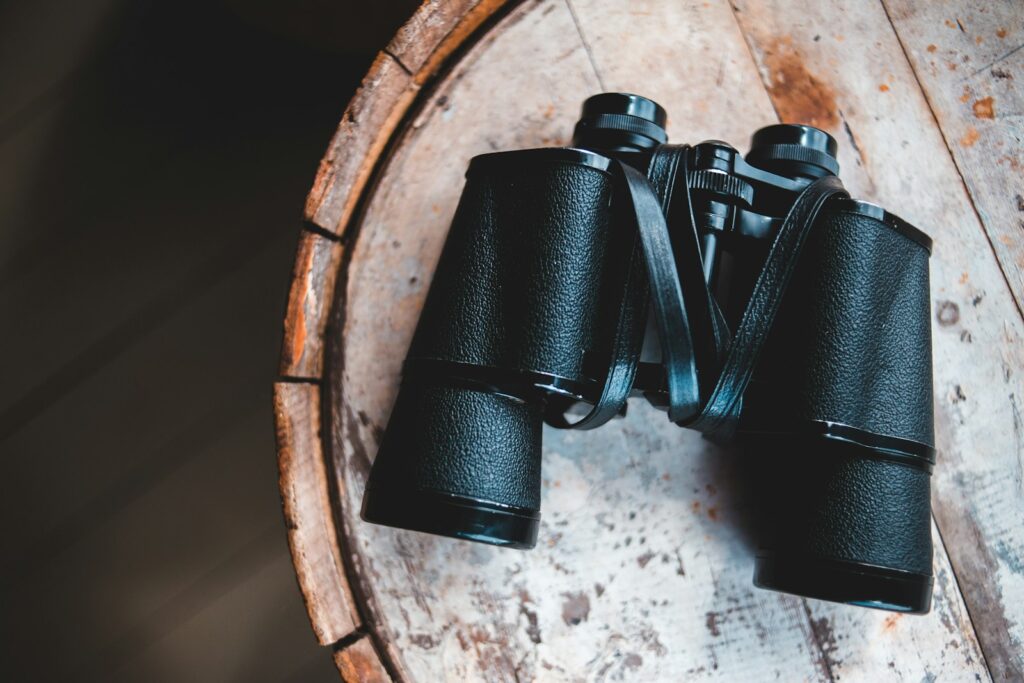
Before delving into safety applications, it’s essential to understand what those numbers on your binoculars actually mean. The first number (like “8” in 8×42) indicates the magnification power, meaning objects will appear eight times closer than with the naked eye. The second number represents the objective lens diameter in millimeters, which affects how much light enters the binoculars and, consequently, image brightness and clarity. Larger objective lenses gather more light and perform better in low-light conditions but add weight and bulk to the instrument. Most general-purpose binoculars fall in the 7×35 to 10×50 range, offering a good balance between magnification, field of view, light gathering capability, and portability.
Choosing the Right Binoculars for Safety
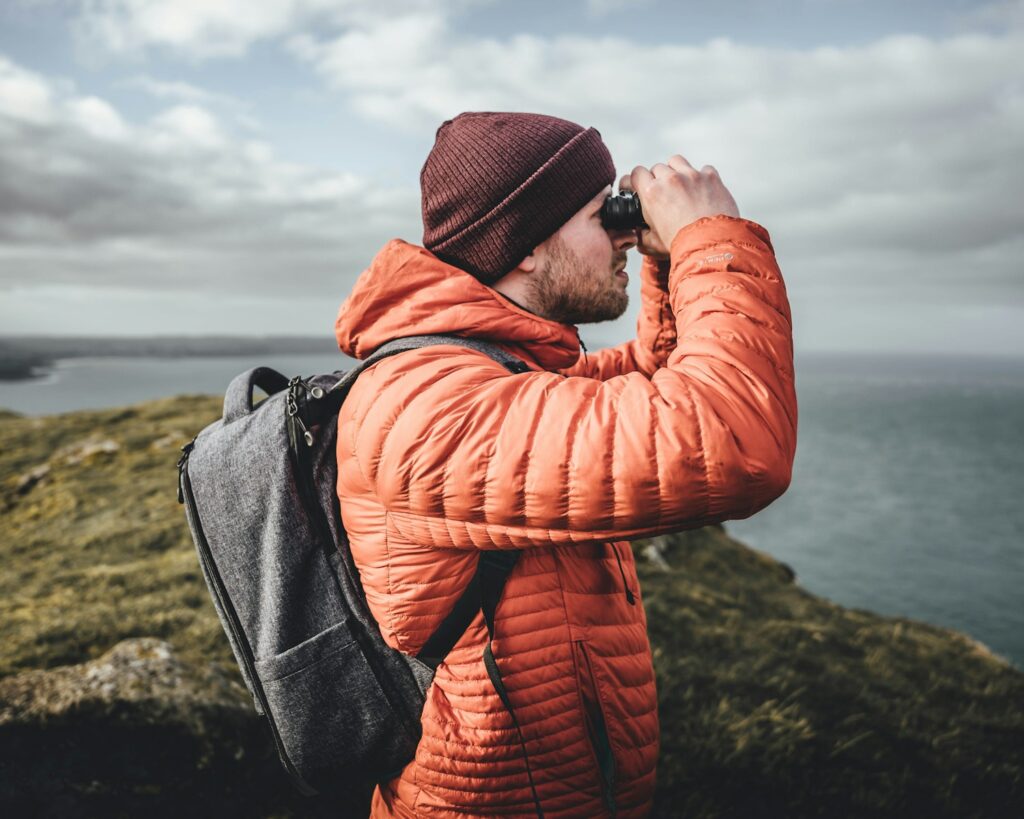
When selecting binoculars with safety in mind, consider models with wider fields of view to maintain situational awareness of your surroundings. An 8×42 configuration often provides the optimal balance between magnification and field of view for most safety applications. Waterproof and fog-proof binoculars are essential if you’ll be using them in varying weather conditions or near bodies of water, as they ensure functionality when you might need them most. Durability features such as rubber armoring provide protection against inevitable drops and bumps while also offering better grip in wet conditions. Additionally, consider the weight and size carefully—binoculars that are too heavy or bulky might be left behind precisely when they could be most useful for safety purposes.
Proper Holding Technique
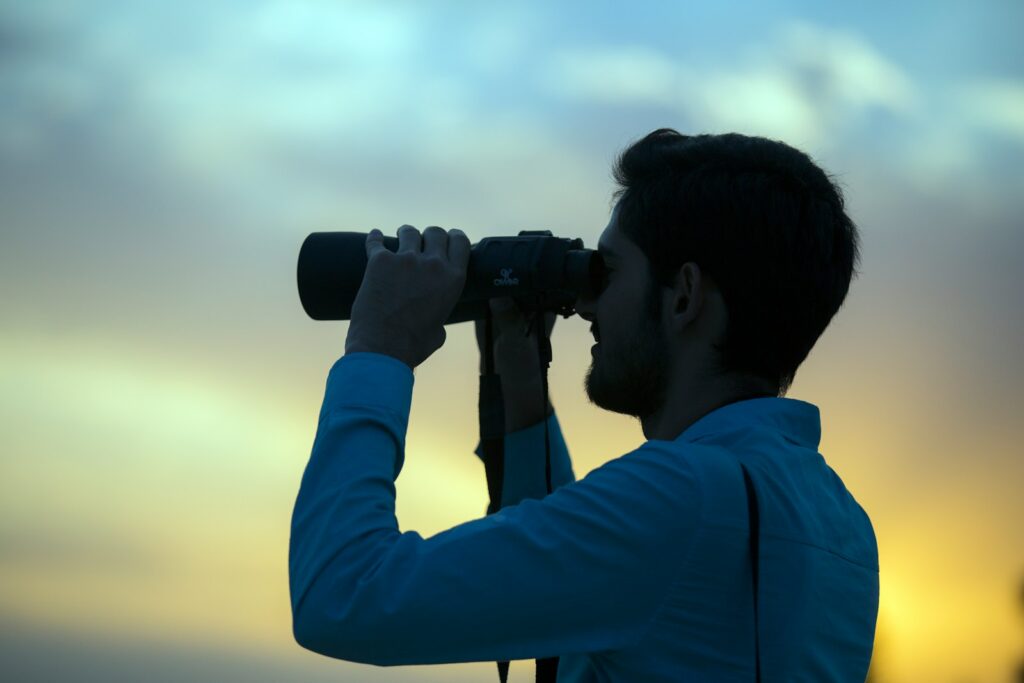
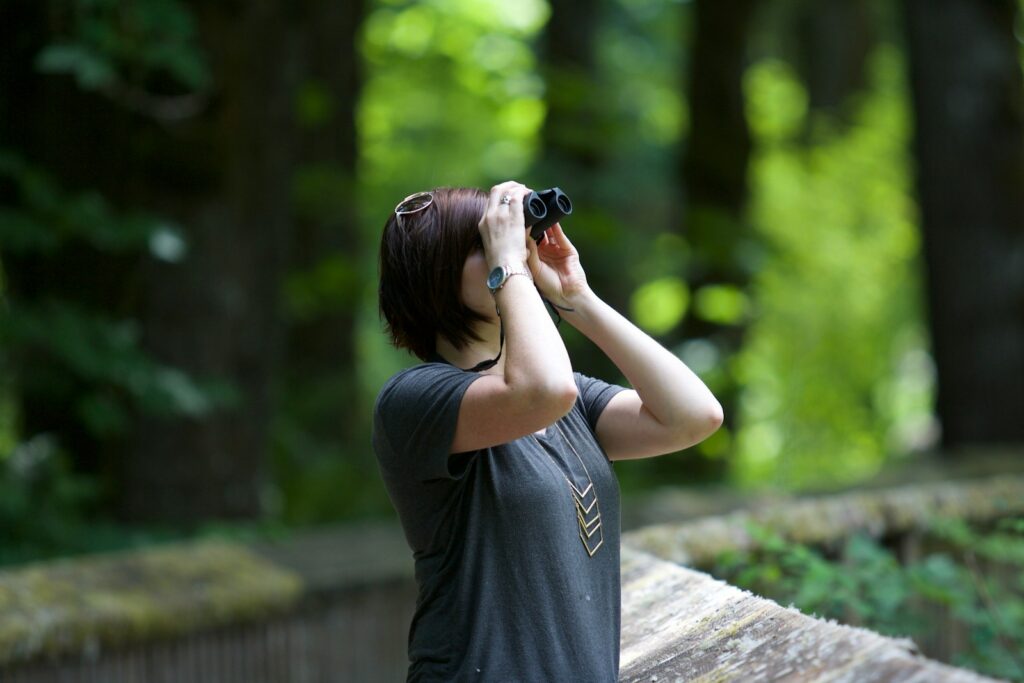
Mastering the correct holding technique dramatically improves both image stability and reduces arm fatigue during extended use. Hold your binoculars with both hands, positioning your index fingers naturally atop the focusing wheel for quick adjustments. Keep your elbows tucked close to your body to create a stable triangle between your eyes and the eyepieces. For extended viewing, consider bracing your arms against a solid object like a tree or railing, or invest in a binocular harness that distributes weight across your shoulders rather than concentrating it around your neck. When walking with binoculars, use the neck or harness strap but also keep one hand on them to prevent swinging and potential damage or noise that could alert wildlife to your presence.
Adjusting for Your Eyes
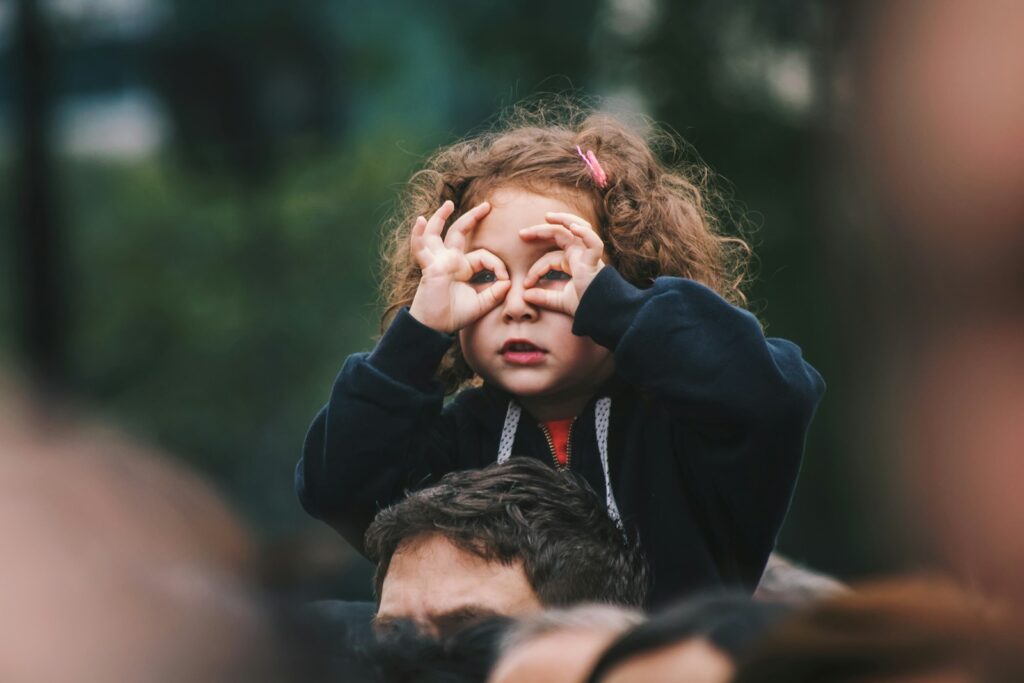
Proper binocular adjustment is crucial for comfortable, clear viewing and preventing the eyestrain that can impair your awareness. Start by setting the interpupillary distance—adjust the barrels until you see a single circular image instead of two overlapping circles. Next, find the diopter adjustment (usually on the right eyepiece) and close your right eye while focusing the main wheel on a distant object with your left eye only. Once that’s sharp, close your left eye and use the diopter adjustment to fine-tune the focus for your right eye. These personalized adjustments should be set once and typically only need readjustment if someone else uses your binoculars. Remember that proper adjustment eliminates the squinting and strain that can cause headaches and diminished awareness of your surroundings.
Scanning Techniques for Hazard Detection
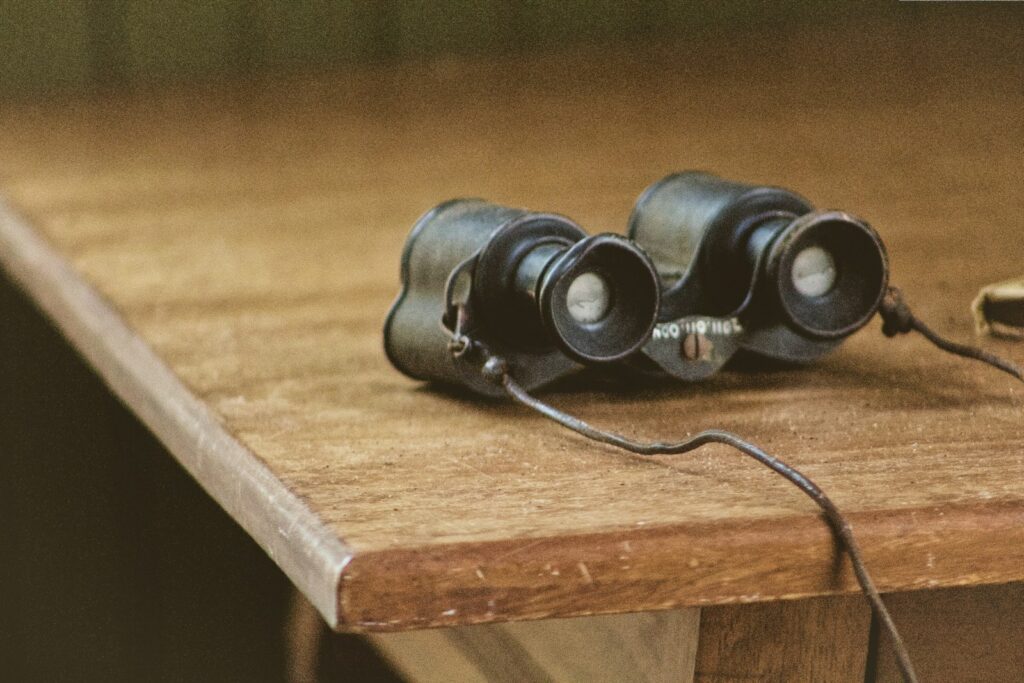
Effective scanning with binoculars can help identify potential dangers before they become immediate threats. Develop a methodical approach by dividing your visual field into quadrants and systematically examining each section before moving to the next. Look for unusual movements, unnatural shapes, or colors that stand out from the natural environment—these visual anomalies often indicate human presence or hazardous wildlife. When hiking, periodically stop to scan the trail ahead for obstacles, sudden drops, or wildlife that might pose dangers. In urban settings, scan rooftops, alleyways, and gathering areas when assessing unfamiliar neighborhoods. Remember to occasionally lower your binoculars and check your immediate surroundings, as focusing too intently on distant objects can make you unaware of closer hazards.
Trail and Terrain Assessment
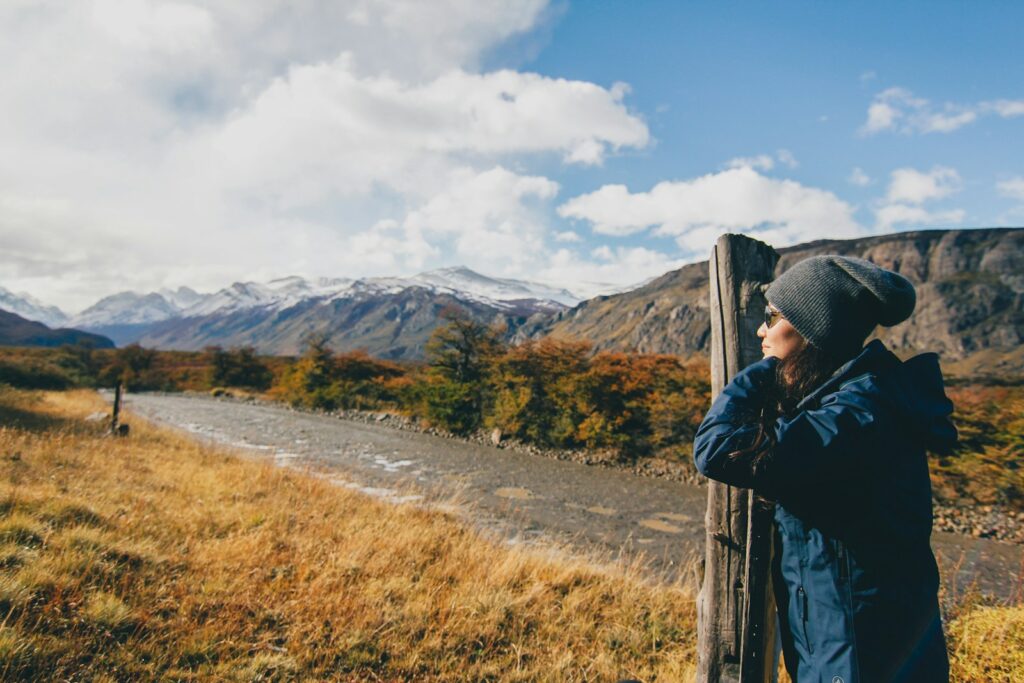
Binoculars excel at helping outdoor enthusiasts evaluate trails and terrain features from a safe distance. Before descending a steep hill or crossing a rocky area, take a moment to examine the path ahead for loose rocks, slippery surfaces, or unstable terrain that might cause injuries. When approaching water crossings, use your binoculars to scout for the shallowest points, submerged hazards, or signs of swift currents that might not be visible from a distance. In mountainous terrain, scan for indicators of recent landslides or avalanche activity, especially after periods of heavy precipitation. This proactive approach to terrain assessment allows you to make informed decisions about your route and avoid potentially dangerous situations before you’re directly confronted with them.
Weather Monitoring

Powerful binoculars serve as valuable tools for monitoring approaching weather systems that might affect your safety. By scanning distant horizons, you can identify developing thunderheads, approaching storm fronts, or dust storms well before they reach your location, providing critical time to seek appropriate shelter. Cloud formations viewed through binoculars reveal details invisible to the naked eye, such as the rotating wall clouds that might indicate tornadic activity or the distinct anvil shape of severe thunderstorms. In mountainous regions, use binoculars to check peaks and ridges for cloud formations that often signal changing pressure systems and incoming weather. This advanced warning system becomes particularly valuable in remote areas where digital weather alerts may be unavailable and natural observation becomes your primary forecasting method.
Wildlife Safety Applications
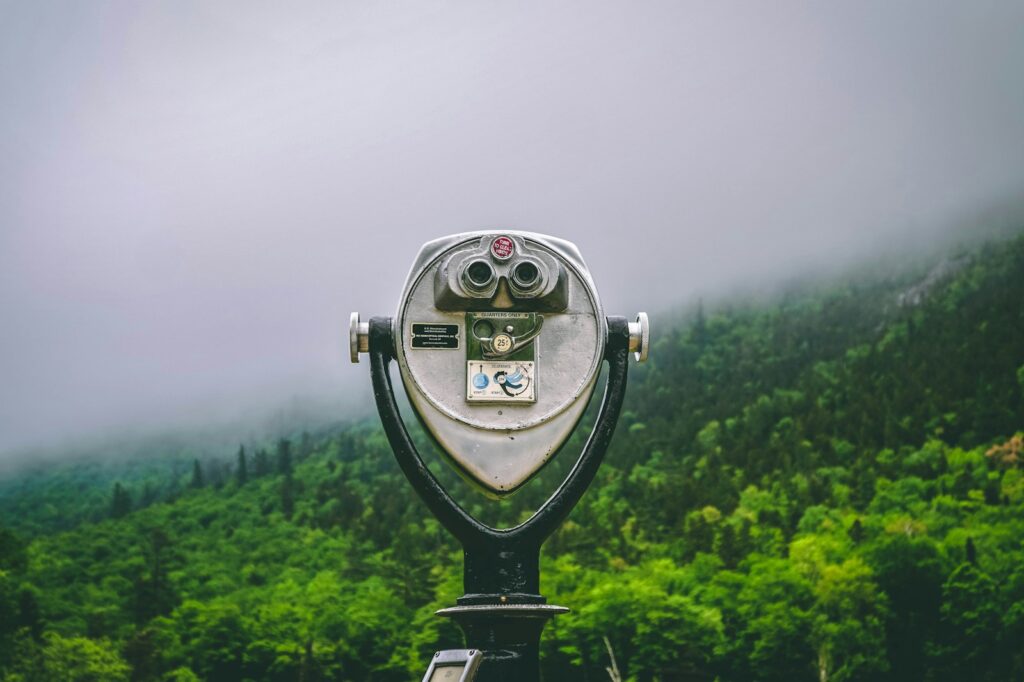
When venturing into wildlife habitats, binoculars create a crucial safety buffer by allowing you to observe animals from a distance that’s safe for both you and the creatures. In bear country, scan hillsides, berry patches, and river corridors for signs of bear activity before entering these areas, potentially avoiding dangerous surprise encounters. Use binoculars to distinguish between harmless and venomous snakes from a safe distance, observing distinctive head shapes and pattern details that might not be visible to the naked eye. When camping, periodically scan your surroundings for signs of predators or scavengers that might be attracted to your food supplies. Remember that maintaining distance observation is not just safer for you—it’s less stressful for the animals and promotes more natural behavior patterns that enhance your wildlife viewing experience.
Navigation and Landmark Identification
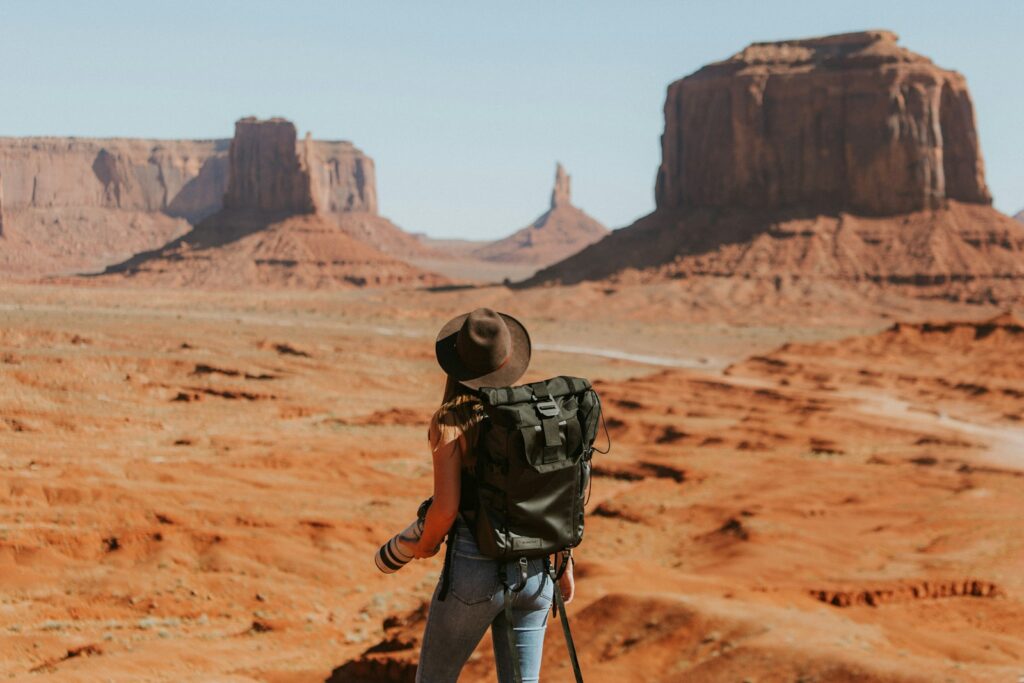
Binoculars significantly enhance navigation capabilities by allowing you to identify distant landmarks described in guidebooks or on maps. When hiking, periodically stop at vantage points to scan the terrain ahead, identifying trail junctions, distinctive rock formations, or other navigational markers that help confirm your location and planned route. In emergency situations, binoculars can help locate distant roads, buildings, or other signs of civilization that might not be visible without optical assistance. When exploring coastal areas, use binoculars to identify navigational buoys, channel markers, and potential hazards like partially submerged rocks or sandbars. This enhanced visual capacity reduces the likelihood of taking wrong turns or becoming disoriented in unfamiliar territory, contributing significantly to overall safety.
Urban Safety Applications
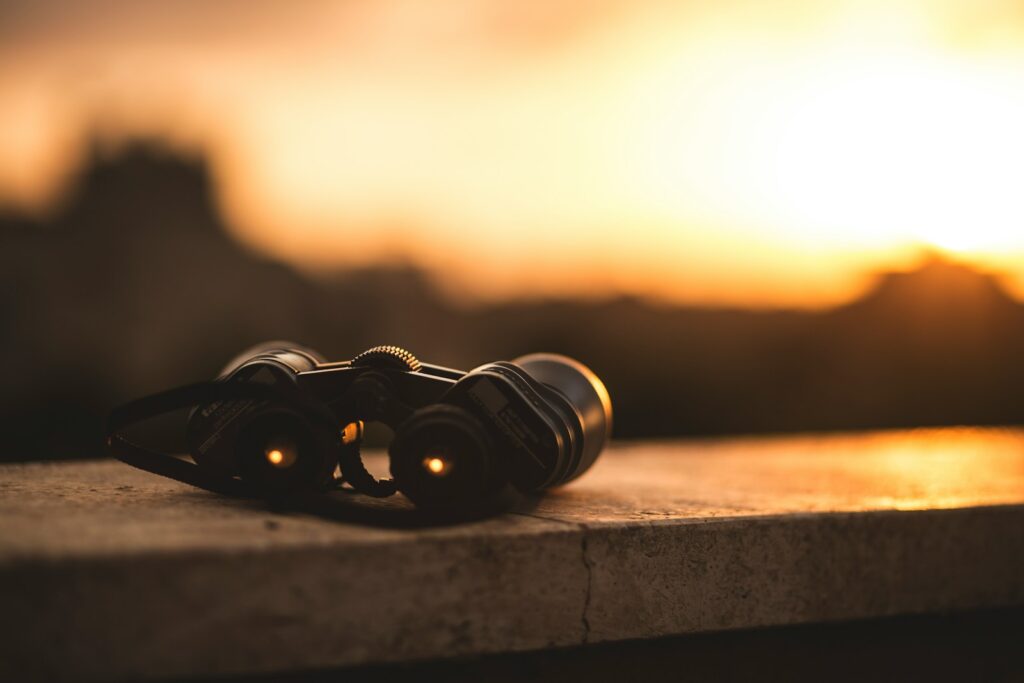
In urban environments, compact binoculars serve as discreet safety tools for assessing unfamiliar areas before physically entering them. When traveling in new cities, use binoculars from a safe vantage point to examine streets, alleyways, or public squares for signs of suspicious activity or potential dangers before walking through these areas. Binoculars allow you to read street signs, business names, or public transportation information from a distance, reducing the need to appear lost or vulnerable while searching for directions. When staying in hotels, a quick scan of the surrounding area from your room can help identify safe routes for morning jogs or evening walks. This advance reconnaissance helps you navigate urban environments with greater confidence and awareness, particularly valuable when traveling alone or in unfamiliar territories.
Night and Low-Light Usage
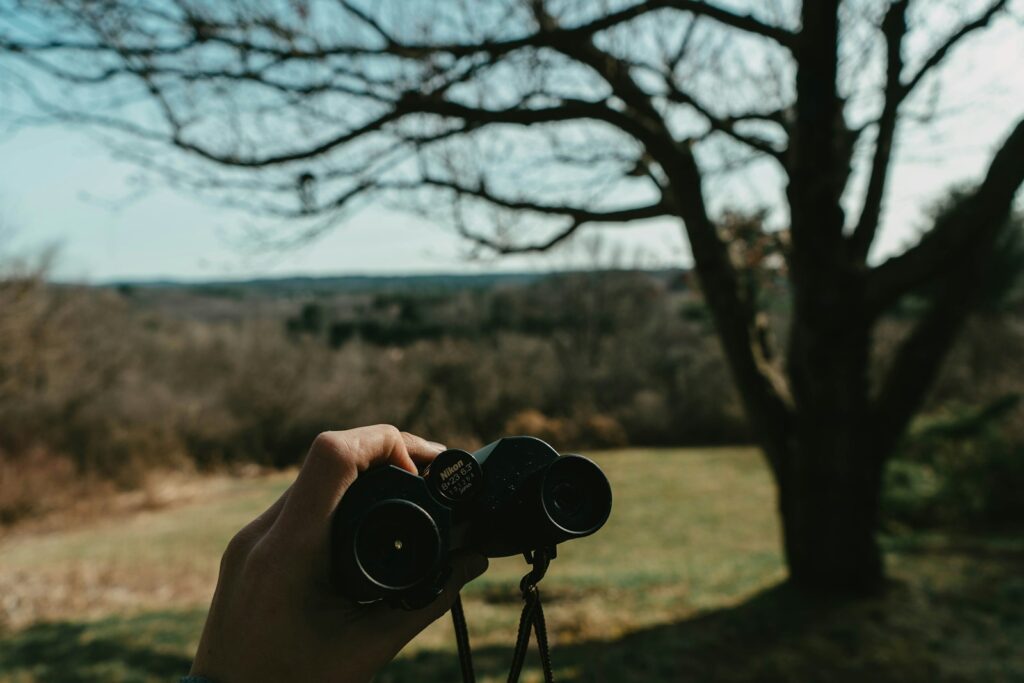
Modern binoculars with quality optics and large objective lenses can significantly extend your visual capabilities in low-light conditions, though they cannot match dedicated night vision devices. When using binoculars at dawn, dusk, or on moonlit nights, allow your eyes to naturally adapt to darkness for at least 15-20 minutes before attempting serious observation. Adjust your expectations in low light—you’ll see shapes and movements more readily than colors or fine details. Quality binoculars with fully multi-coated lenses and BAK-4 prisms dramatically outperform cheaper models in gathering available light, making them worth the investment for those who frequently find themselves outdoors during twilight hours. Remember that while binoculars enhance natural light, they cannot create light where none exists, so always carry a reliable flashlight as a complementary tool for true darkness.
Maintenance for Reliability
Proper maintenance ensures your binoculars remain clear and functional when you need them most for safety purposes. Protect lenses from scratches by always using the provided lens caps when not actively using the binoculars, and clean them only with proper lens-cleaning solutions and microfiber cloths designed for optical surfaces. Keep binoculars in their case when transported in backpacks to prevent internal misalignment from impacts. Regularly check and gently clean the eyecups, focusing mechanism, and body to prevent dust buildup that can eventually work its way inside the optics. If your binoculars get wet, allow them to air dry completely before storing them, even if they’re advertised as waterproof, as trapped moisture can lead to internal fogging or fungal growth on lens coatings. This consistent care ensures your binoculars remain ready for critical observations when safety situations arise.
Teaching Children Binocular Safety Skills
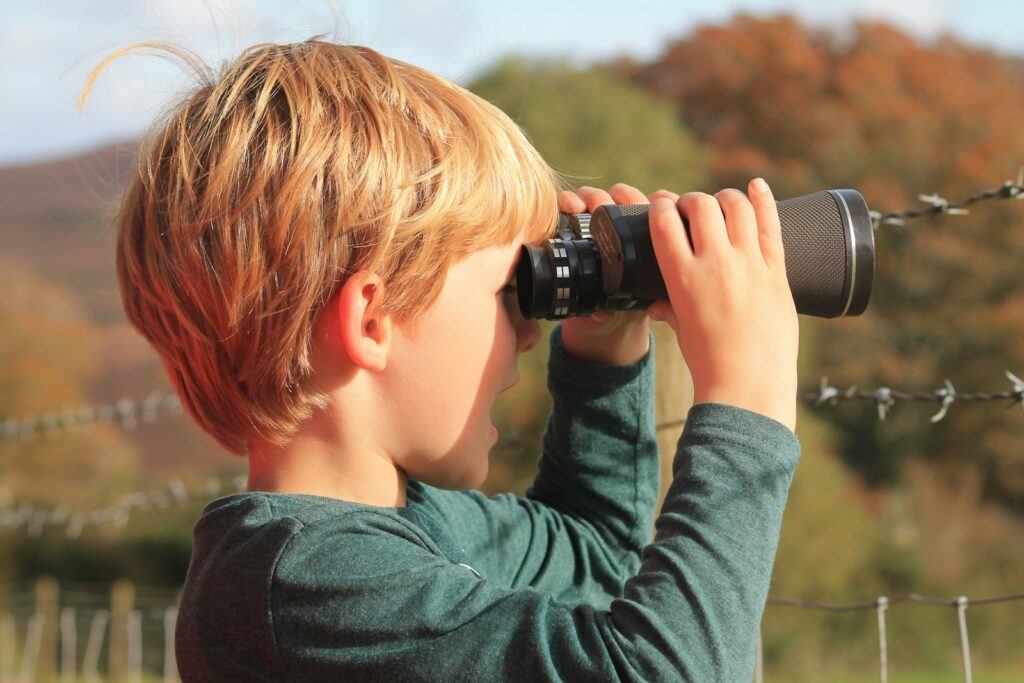
Introducing children to binoculars opens new worlds of discovery while providing an opportunity to teach valuable observation and safety skills. Start with durable, lightweight models specifically designed for children, featuring rubber armoring and simplified focusing mechanisms. Teach proper handling by having them always use the neck strap and demonstrating the correct two-handed grip before allowing independent use. Create engaging scavenger hunts that encourage systematic observation of natural surroundings, gradually building their ability to notice details and anomalies that might indicate hazards. Show children how to alternate between binocular views and unaided vision to maintain awareness of their immediate surroundings, instilling habits that will serve them well as lifelong observers. These early lessons in careful observation often translate to generally increased situational awareness even when binoculars aren’t being used.
Binoculars in Emergency Situations
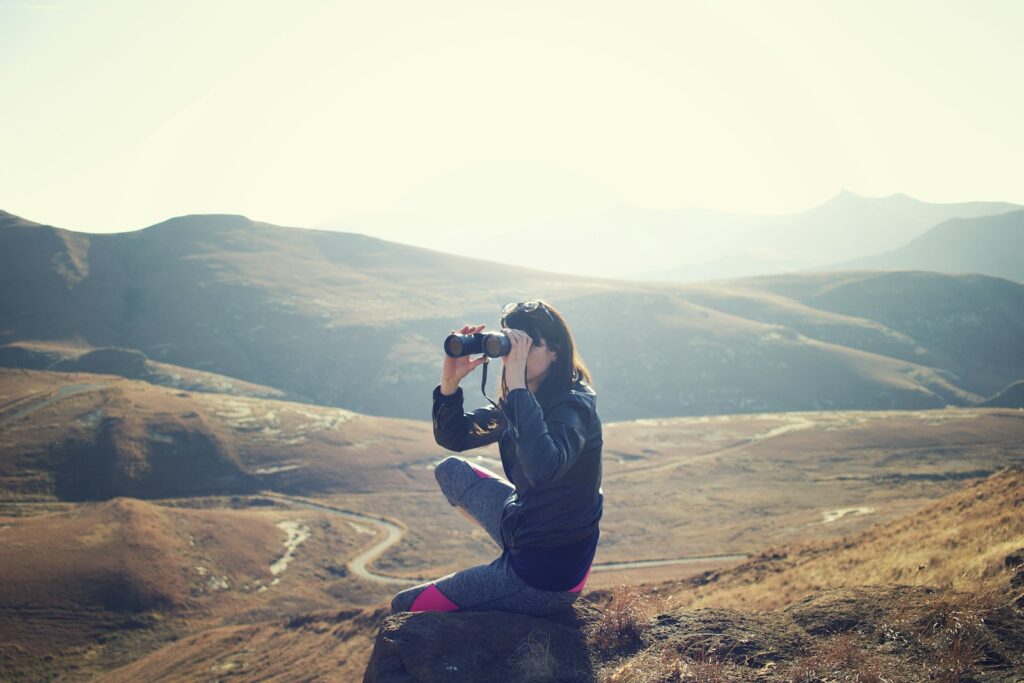
In true emergencies, binoculars become powerful tools for signaling, search operations, and assessing dangerous situations from safe distances. If lost or injured in remote areas, use binoculars to spot distant roads, buildings, or other signs of civilization that might not be visible to the naked eye. When part of search efforts, systematic scanning with binoculars dramatically increases your effective search radius, especially in areas with varied terrain or vegetation. During natural disasters, safely assess structural damage, flooding extent, or wildfire progression without putting yourself at risk by approaching dangerous areas. If separated from hiking partners, binoculars allow you to search wide areas quickly for their distinctive clothing colors or movement patterns. Remember that the objective lenses of binoculars can also reflect sunlight quite effectively, potentially creating a signal visible to search aircraft in emergency situations.
The humble binocular, often considered merely a tool for birdwatching or sporting events, reveals itself as a versatile instrument for enhancing personal safety across numerous environments and situations. By mastering proper technique, developing systematic observation habits, and carrying appropriate binoculars for your activities, you transform these optical devices into extensions of your natural senses—effectively expanding your safety perimeter and enriching your experiences. Whether you’re navigating wilderness trails, exploring urban environments, or simply observing the world around your neighborhood, the enhanced visual awareness that binoculars provide offers both practical safety benefits and deeper connection with your surroundings. As you integrate these observation skills into your regular activities, you’ll find yourself noticing details that most people miss entirely, developing a heightened awareness that serves you well in any environment.