
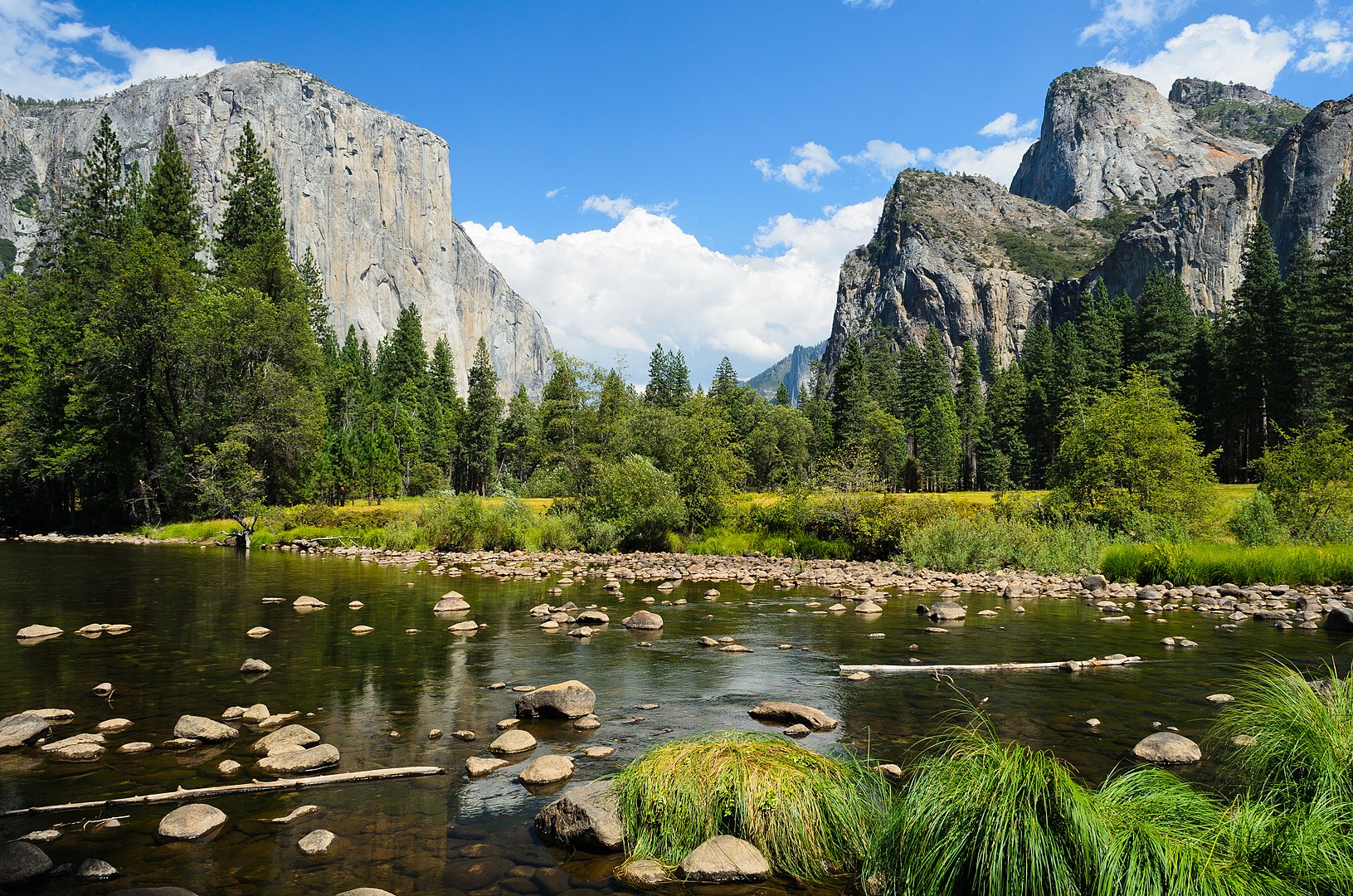
America’s national parks are natural treasures, each offering unique landscapes, wildlife, and adventures. While experiencing a single park can be memorable, stringing several together on one ambitious road trip creates an unforgettable journey through the country’s most spectacular scenery. From towering redwoods to expansive canyons, from geothermal wonders to pristine coastlines, a multi-park road trip showcases the incredible diversity of America’s protected lands.
This guide will help you plan, prepare, and execute the ultimate national park adventure, maximizing your time while creating lasting memories across multiple iconic destinations.
Choosing Your National Park Region

Planning an effective multi-park road trip begins with selecting parks that make geographical sense together. The National Park Service manages 63 national parks across the United States, but trying to visit too many or selecting parks that are too far apart can lead to exhaustion and excessive driving time. Instead, focus on parks within a specific region that can be reasonably connected in a single journey.
Popular regional clusters include the Utah “Mighty Five” (Zion, Bryce Canyon, Capitol Reef, Canyonlands, and Arches), the Northern Rockies group (Yellowstone, Grand Teton, and Glacier), or the California parks circuit (Yosemite, Sequoia, Kings Canyon, and Redwood). By choosing parks within 3-5 hours’ drive of each other, you’ll maximize sightseeing time while minimizing transportation fatigue.
Determining the Ideal Trip Duration
The length of your road trip will significantly impact how many parks you can realistically visit and how deeply you can explore each one. As a general rule, allocate at least two full days for major parks (like Yellowstone or Yosemite) and one full day for smaller parks (like Bryce Canyon). Add transit days between parks, factoring in that scenic drives often take longer than GPS estimates due to stops for viewpoints and road conditions.
A well-planned two-week vacation might comfortably accommodate 4-5 parks with adequate exploration time at each, while a month-long adventure could incorporate 7-8 parks with more comprehensive experiences. Remember that rushing through too many parks will diminish your connection with each location, so be realistic about the time you have available and prioritize quality experiences over quantity of park stamps in your passport.
Creating a Logical Route
Your multi-park itinerary should flow in a logical sequence that minimizes backtracking and creates an efficient loop or one-way journey. Map out the parks you want to visit and connect them with the most scenic and practical routes available. Consider starting and ending your trip at major transportation hubs where rental cars are affordable and flights are plentiful. For example, a Southwest parks tour might begin and end in Las Vegas, while a Northern Rockies adventure could start in Salt Lake City and end in Spokane.
Tools like Google Maps, Roadtrippers, or the National Park Service’s official website can help you visualize distances between parks and identify logical stopping points. When planning your route, also research scenic byways that connect parks, as these designated roads often offer spectacular views and worthwhile attractions that enhance the journey between destinations.
Timing Your Visit Strategically
The timing of your multi-park road trip can dramatically affect your experience, from crowd levels to weather conditions to accessibility. Summer (June-August) offers full access to most parks but comes with peak crowds and higher accommodation rates. Spring (April-May) and fall (September-October) typically provide more moderate temperatures and thinner crowds, making these shoulder seasons ideal for many park regions.
Winter visits (November-March) offer solitude and unique photographic opportunities in parks like Bryce Canyon or Yellowstone, but may come with road closures and limited services. Research each park’s peak visitation patterns and consider planning your trip to hit the most popular parks during weekdays rather than weekends. Many parks also have micro-seasons worth targeting, such as wildflower blooms in Olympic National Park (July), fall colors in Acadia (October), or firefly displays in Great Smoky Mountains (June).
Securing Accommodations in Advance
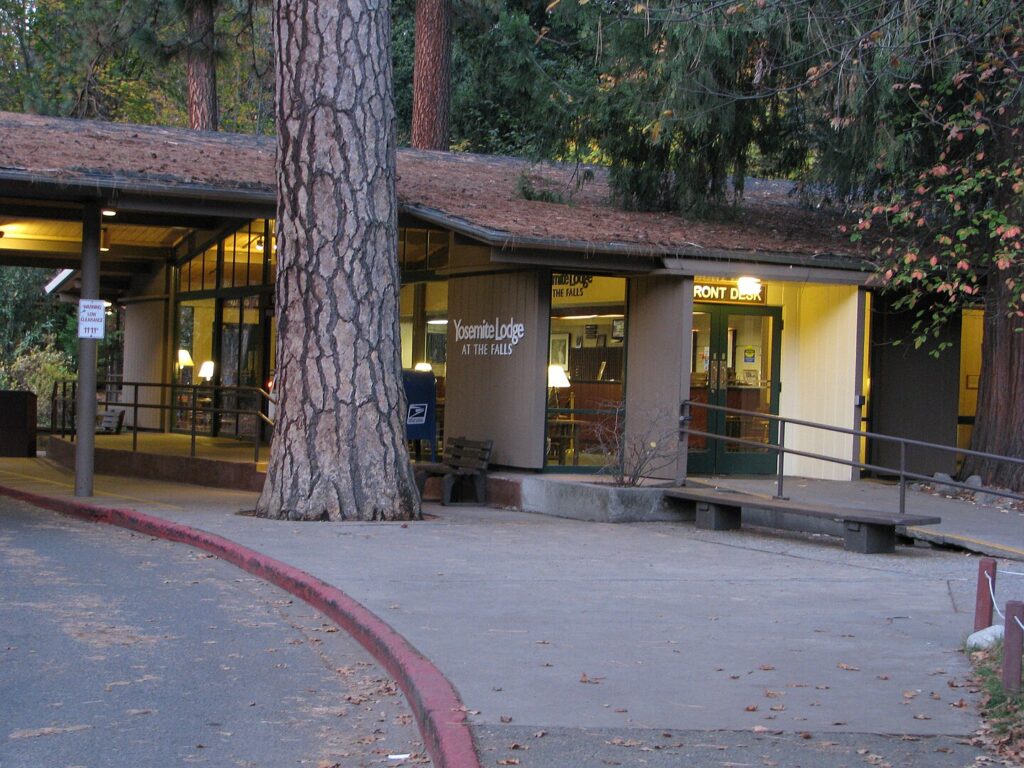
Accommodations within and near national parks require advance planning, especially if you’re traveling during peak seasons. In-park lodges and campgrounds often fill 6-12 months in advance, particularly in highly visited parks like Yosemite, Grand Canyon, and Yellowstone. Create a spreadsheet tracking reservation opening dates for each park on your itinerary, as the booking windows vary between parks (typically 6 months for campgrounds, up to 13 months for some lodges).
Consider mixing accommodation types throughout your journey—perhaps splurging on an iconic in-park lodge like El Tovar at Grand Canyon, booking cabins or motels in gateway communities for mid-range options, camping for a few nights to save money, and occasionally staying in more comfortable accommodations in larger towns between parks to recharge. If you’re flexible, also track last-minute cancellations, as desirable accommodations sometimes become available closer to your travel dates.
Maximizing the America the Beautiful Pass
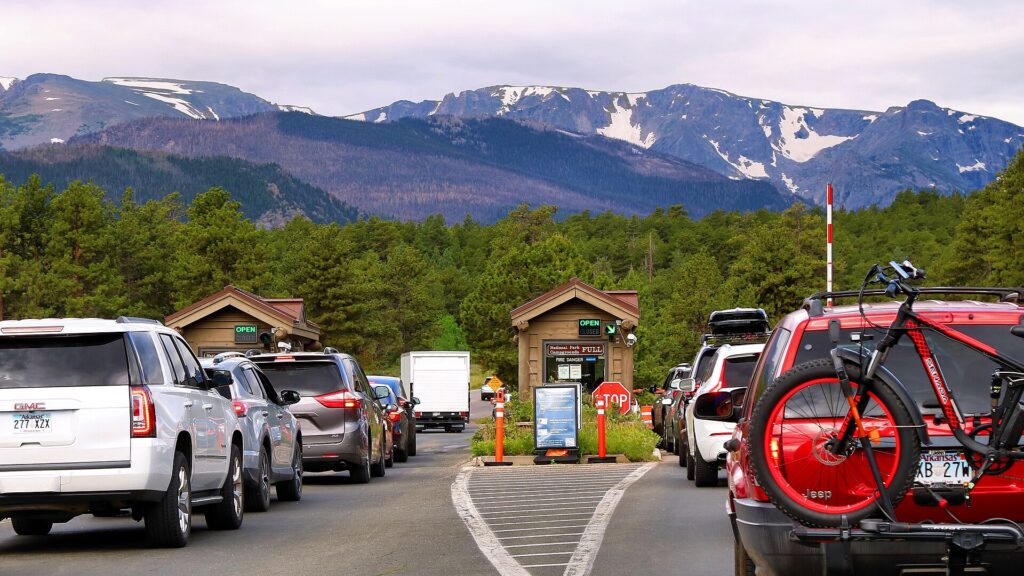
For a multi-park road trip, the America the Beautiful annual pass represents exceptional value at $80 per year. This pass covers entrance fees at all national parks and federal recreational lands for the passholder and passengers in a private vehicle (up to 4 adults; children under 16 are always free). Without this pass, individual park entrance fees typically range from $20-35 per vehicle, meaning the pass pays for itself after visiting just 3-4 parks. Purchase your pass at the first park you visit, at many federal land management offices, or online through the USGS store before your trip.
Special passes are also available for seniors (lifetime pass for $80 or annual for $20), active military (free), fourth-grade students (free), and permanently disabled visitors (free). The pass does not cover additional fees for activities like guided tours or specialized permits, nor does it guarantee entry during timed-entry reservation periods, so research each park’s current entrance policies before arriving.
Packing Essentials for Multiple Environments

A multi-park road trip presents unique packing challenges, as you’ll likely encounter varying climates, elevations, and activities across different parks. Pack versatile clothing that can be layered for comfort in changing conditions, including moisture-wicking base layers, insulating mid-layers, and waterproof outer shells. Essential gear includes a good pair of broken-in hiking boots, a hydration system (bottles or reservoir), a day pack for trails, sun protection (hat, sunglasses, and sunscreen), basic first aid supplies, insect repellent, and navigation tools like park maps or GPS devices.
Technology needs might include camera equipment, binoculars, portable chargers, and downloadable maps for areas without cell service. For the car, pack a cooler for food storage, emergency supplies (jumper cables, flashlight, basic tools), cleaning wipes for dusty conditions, and extra water. Remember that elevation changes between parks can create dramatic temperature differences, even in the same season, so prepare for conditions ranging from hot desert days to potentially freezing mountain evenings.
Planning Park Activities in Advance
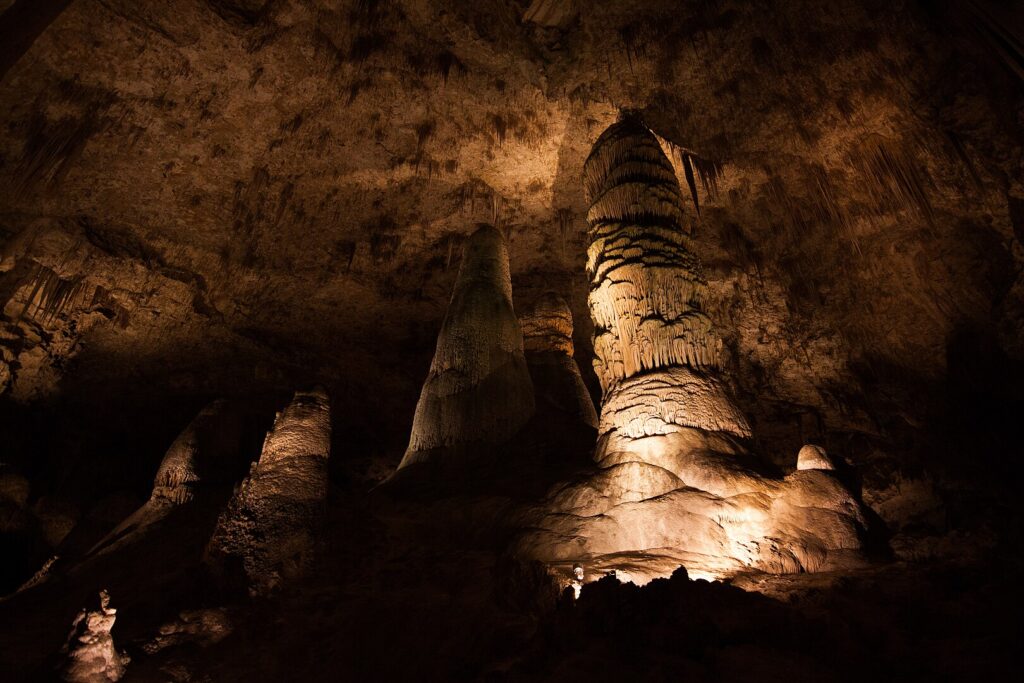
While spontaneity has its place in road trip adventures, certain park experiences require advance planning and reservations. Research each park’s permit requirements, timed entry systems, and reservation-only activities several months before your trip. Popular ranger-led programs, backcountry permits, specialty tours (like cave explorations at Carlsbad Caverns or boat tours at Glacier), and shuttle reservations for high-demand trails often fill up well in advance. Many parks have implemented timed entry or reservation systems for popular areas to manage crowds, such as Yosemite’s reservation requirement during peak summer months or Arches’ timed entry program.
Make a prioritized list of must-do activities for each park, then determine which ones need advance arrangements. For activities that don’t require reservations, having a tentative daily schedule will help you maximize your time, especially if you plan to hit popular trails and viewpoints during off-peak hours to avoid crowds.
Navigating Park Transportation Systems
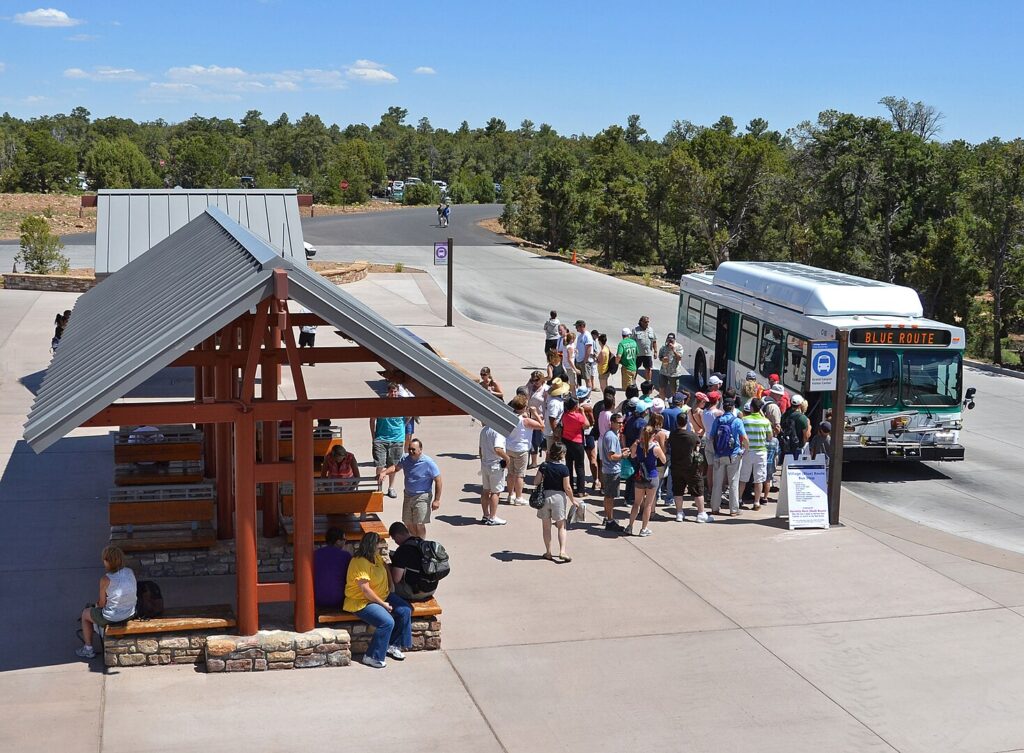
Understanding each park’s transportation options is crucial for a smooth multi-park itinerary. Several popular parks like Zion, Yosemite (seasonally), and Grand Canyon operate mandatory shuttle systems in their busiest sections to reduce traffic congestion. Research whether the parks on your list require shuttle use, if reservations are needed, and where you can park to access these systems. Some parks, including Glacier and Denali, have limited road access for private vehicles, with certain iconic routes reserved for park shuttle buses or authorized tour operators.
In parks with full vehicle access, familiarize yourself with scenic drives and their approximate driving times, adding buffer time for traffic, wildlife viewing stops, and popular viewpoints. Download offline maps before entering parks, as cell service is often limited or non-existent in many areas, making navigation apps unreliable without pre-downloaded data. Also note parking limitations at popular trailheads, which may require arriving very early at certain locations like Logan Pass in Glacier or Delicate Arch in Arches.
Experiencing Each Park’s Highlights Efficiently
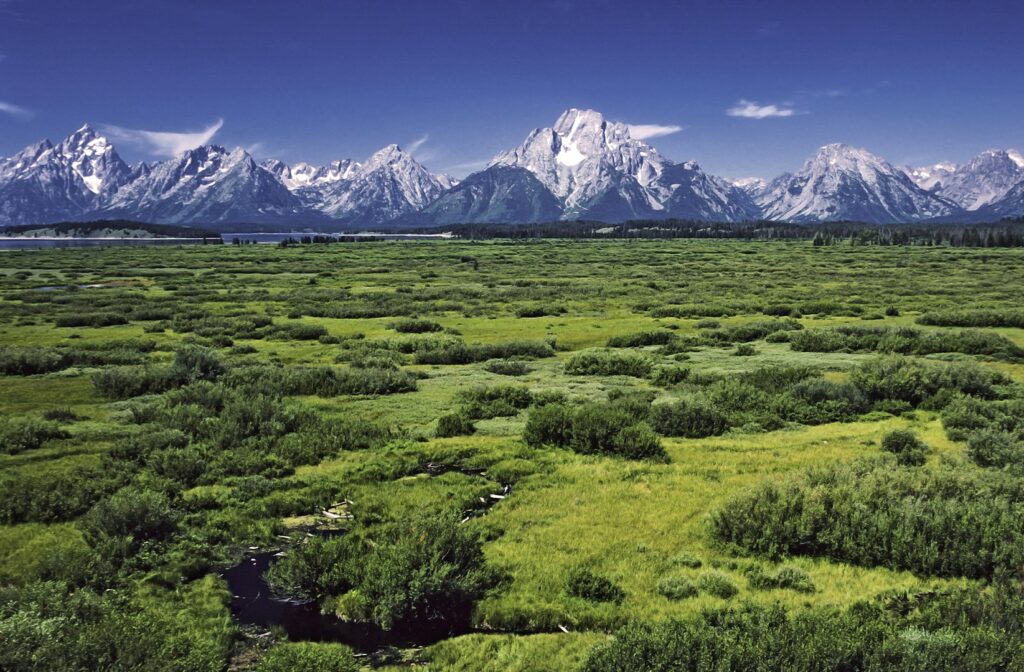
With limited time in each park, strategically plan to experience the most iconic features while discovering some less-trafficked gems. Start each park visit at the visitor center to get updated information on conditions, closures, and ranger recommendations tailored to your interests and abilities. Consider the “sandwich approach” to each park: dedicate your first day to famous must-see attractions and popular viewpoints, your middle day(s) to more immersive experiences like longer hikes or specialized activities, and your final day to catching anything you missed or revisiting favorites. Aim to hit the most popular spots during off-peak hours—before 9 am or after 4 pm—when crowds thin out and lighting is often best for photography. For efficiency, group attractions by geographical area rather than trying to zigzag across the park multiple times. Balance driving tours with hiking experiences, and mix challenging activities with more relaxed exploration to avoid exhaustion over your multi-park journey.
Finding Hidden Gems Between Parks

The journey between national parks often holds unexpected treasures that can enhance your road trip experience. Research state parks, national monuments, historic sites, and scenic byways that lie along your route between major parks. These lesser-known destinations frequently offer excellent experiences with fraction of the crowds found in national parks. For example, travelers between Zion and Bryce might discover the stunning slot canyons of Grand Staircase-Escalante National Monument, while those driving from Grand Teton to Yellowstone could explore the charming town of Jackson and National Elk Refuge.
Use resources like Atlas Obscura, Roadtrippers, or state tourism websites to identify interesting detours that align with your interests, whether geological wonders, historic sites, exceptional viewpoints, or local cultural experiences. Building in these discoveries between major parks provides welcome breaks from driving while creating a more comprehensive picture of the region’s diverse landscapes and heritage.
Staying Flexible and Managing Expectations

While thorough planning is essential for a successful multi-park road trip, maintaining flexibility allows you to adapt to unexpected circumstances and serendipitous opportunities. Weather conditions can significantly impact park experiences, so have backup plans for rainy days or when snow closes high-elevation roads and trails. Wildlife sightings, special natural phenomena, or unexpected park events might warrant adjusting your schedule to take advantage of once-in-a-lifetime experiences. Build buffer days into your itinerary when possible, which can absorb delays or be used to extend stays in parks that particularly captivate you.
Manage expectations about how much you can realistically see in each park—it’s better to deeply experience a few key areas than to superficially check off a lengthy list of attractions. Remember that you’ll likely return to favorite parks in the future, so view this road trip as an introduction rather than a comprehensive exploration of each destination.
Documenting Your Epic Journey

A multi-park adventure creates countless memories worth preserving through thoughtful documentation. Beyond standard photography, consider creative ways to record your experiences across different parks. Maintain a travel journal with daily entries describing not just what you saw, but how each place made you feel and surprising discoveries you made along the way. Collect cancellation stamps in a National Park Passport book at each visitor center, creating a tangible record of your journey.
Create park-specific rituals, like taking a similar posed photo at an iconic viewpoint in each park or collecting a small stone (where permitted) from each location to create a display at home. Record short video clips or time-lapses that capture the essence of each park’s unique features, from Old Faithful erupting to sunrise at Mesa Arch. Share your experiences responsibly on social media or a travel blog, potentially inspiring others while providing practical insights about multi-park planning.
Conclusion: Maximize Your Multi-Park Road Trip Experience
A multi-park road trip represents one of the greatest adventures available in North America, connecting you with diverse landscapes that showcase the continent’s natural splendor. With thoughtful planning, realistic expectations, and a balance of structure and spontaneity, you can create an itinerary that maximizes experiences while minimizing logistical headaches. Remember that the journey between parks often provides memorable moments equal to those within park boundaries.
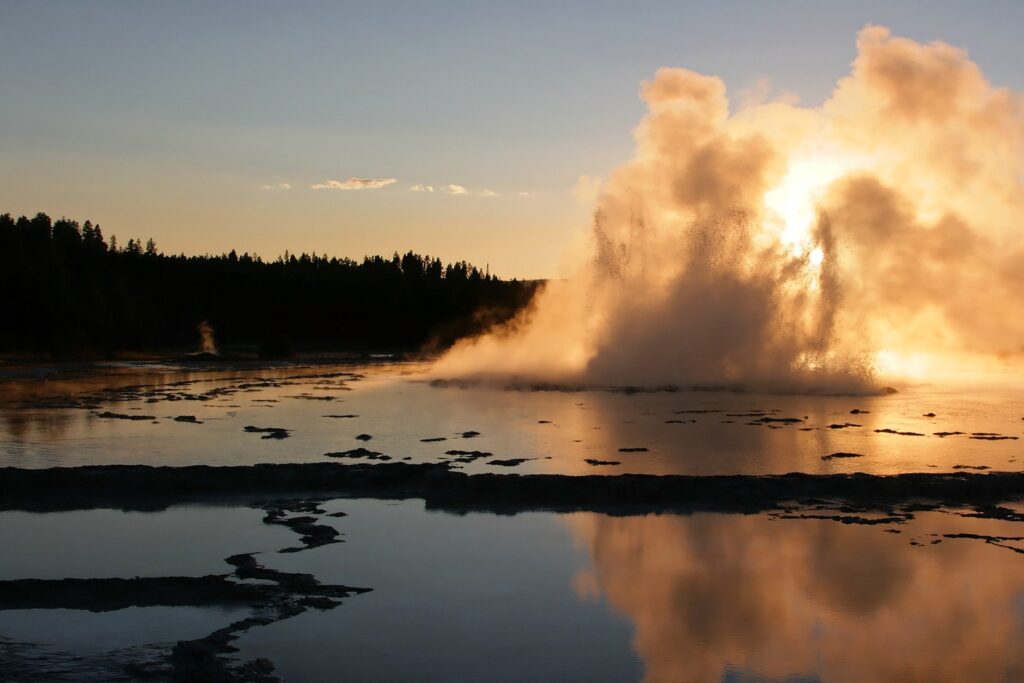
Whether you’re witnessing the sunrise over the Grand Canyon, standing beneath ancient redwoods, or watching geysers erupt in Yellowstone, a multi-park road trip offers a profound connection to America’s natural heritage. The memories, photographs, and experiences you gather will fuel your appreciation for these protected landscapes long after you return home—and likely inspire your next national park adventure.