
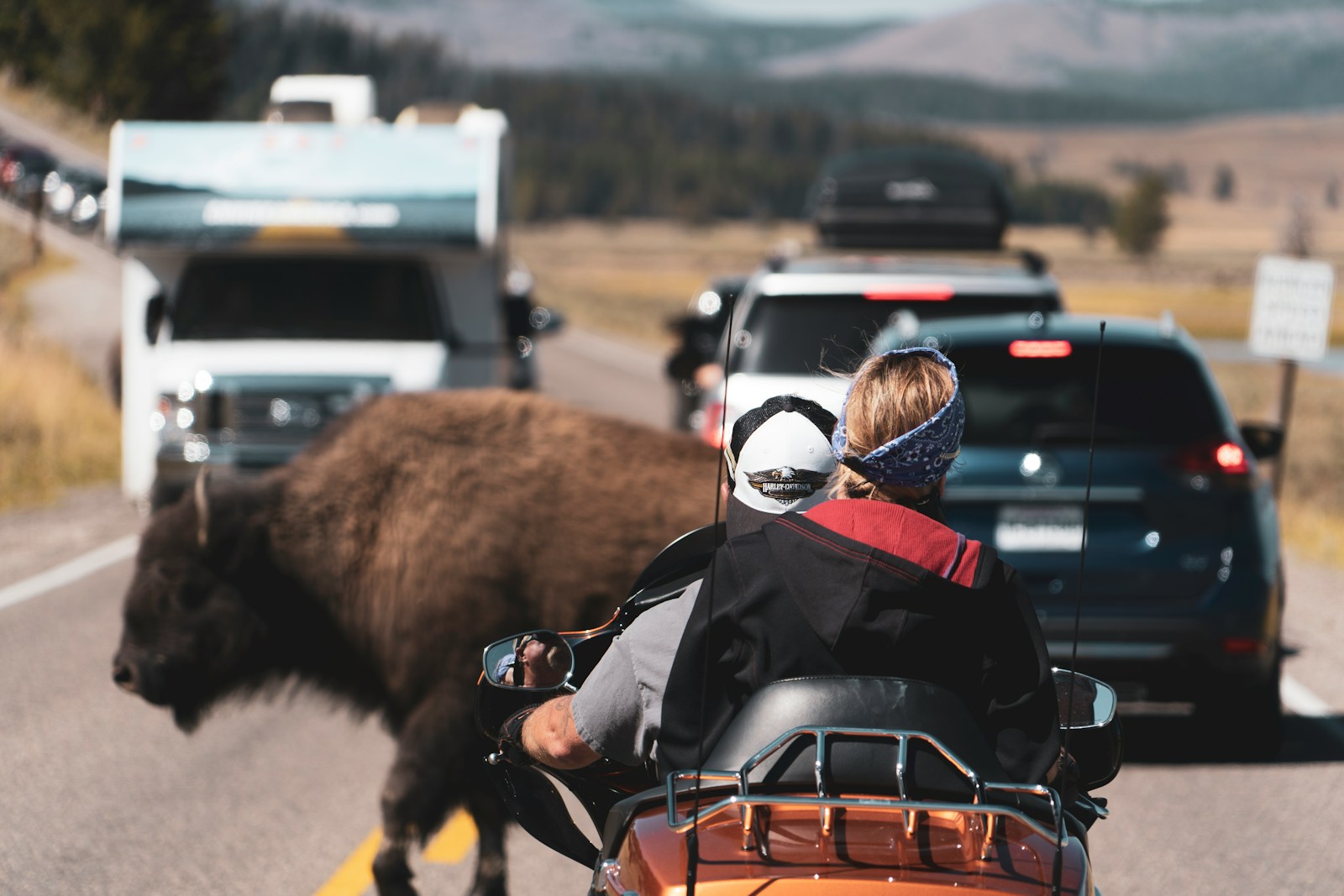
Every year, millions of animals are killed in vehicle collisions on highways that cut through their natural habitats. These tragic encounters not only devastate wildlife populations but also pose serious risks to human safety. In recent decades, a remarkable solution has emerged: wildlife crossings. These innovative structures—bridges and underpasses designed specifically for animal use—are creating safe passages across dangerous roadways, preserving migration routes, and reconnecting fragmented ecosystems.
As climate change forces more species to shift their ranges, these crossings have become critical conservation tools, demonstrating how thoughtful infrastructure design can help humans and wildlife coexist harmoniously in our increasingly developed world.
The Growing Problem of Wildlife-Vehicle Collisions
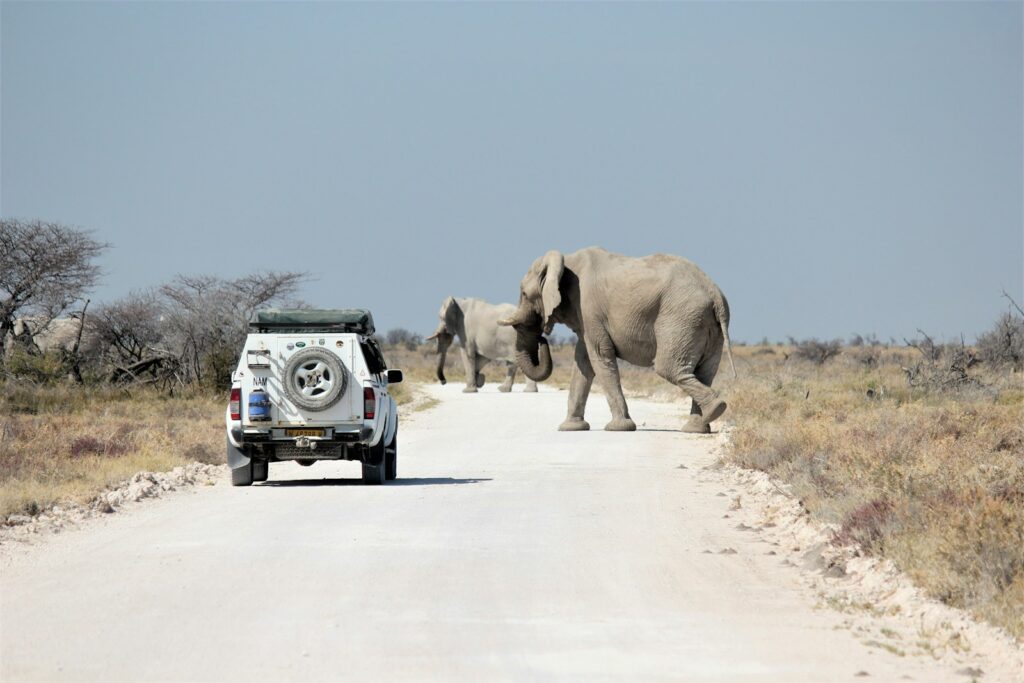
Wildlife-vehicle collisions represent a significant and worsening problem on roadways around the world. In the United States alone, there are an estimated 1-2 million collisions between vehicles and large animals annually, resulting in approximately 200 human deaths, 26,000 injuries, and nearly $8 billion in economic costs. Beyond the human toll, these collisions kill countless animals, from common species like deer and raccoons to endangered populations that can ill afford additional mortality.
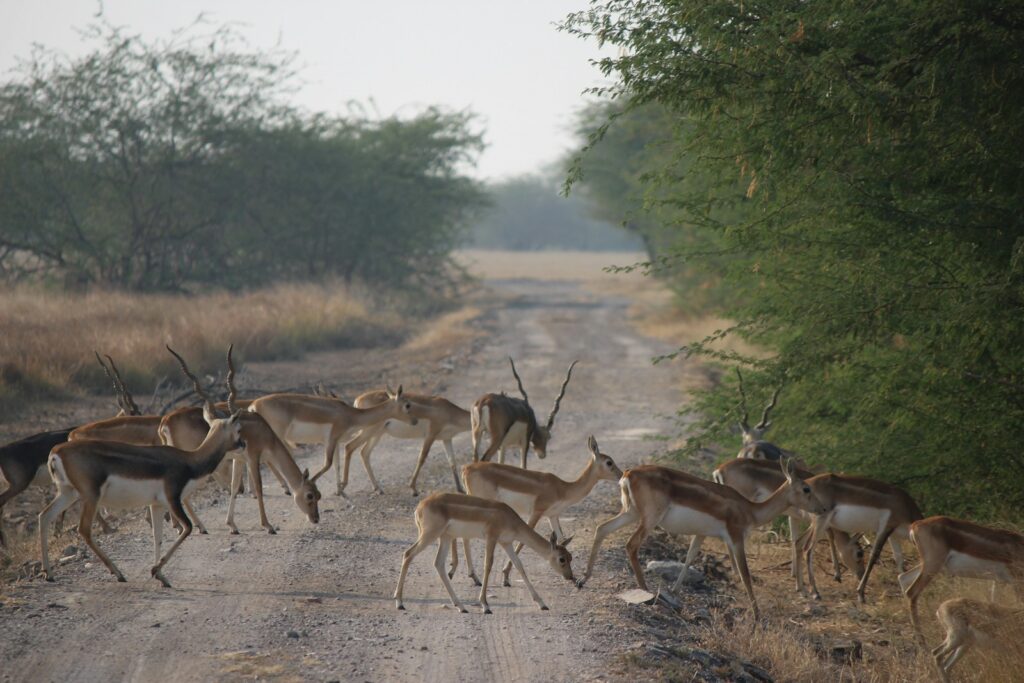
Roads themselves create barriers that fragment habitats, isolate animal populations genetically, and disrupt natural migration patterns that many species depend on for survival. With road networks continuing to expand globally and traffic volumes increasing, wildlife managers and transportation planners have recognized the urgent need for effective mitigation strategies.
The Birth of Wildlife Crossing Structures
The concept of dedicated wildlife crossings emerged in France in the 1950s, but it was in the 1970s when European countries began constructing purpose-built structures in earnest. Early designs were often experimental, with biologists and engineers learning through trial and error which features would encourage animal use. The first major wildlife overpass in North America was built in Banff National Park, Canada, in the 1980s as part of the Trans-Canada Highway reconstruction project.
These pioneering structures demonstrated that animals would indeed use well-designed crossings, leading to a gradual expansion of wildlife passage infrastructure worldwide. Today’s crossings benefit from decades of research on animal behavior and movement patterns, resulting in increasingly sophisticated and effective designs tailored to specific species and landscapes.
Types of Wildlife Crossing Structures
Wildlife crossings come in diverse forms, each designed to accommodate different species and landscape contexts. Wildlife overpasses, often called “green bridges,” are vegetated structures that span highways, providing a continuous habitat connection that mimics natural surroundings. Underpasses range from large open-span bridges that allow water, wildlife, and sometimes vehicles to pass underneath, to smaller culverts and tunnels designed for smaller creatures. Specialized crossings include amphibian tunnels with guidance fencing, fish passages that maintain stream connectivity, and canopy bridges for arboreal species like squirrels and monkeys.
Modified infrastructure such as expanded bridge spans over rivers or modified drainage culverts can serve dual purposes, accommodating both water flow and animal movement. The most effective crossing systems employ multiple structure types to serve the complete spectrum of local wildlife.
The Science Behind Successful Crossing Design
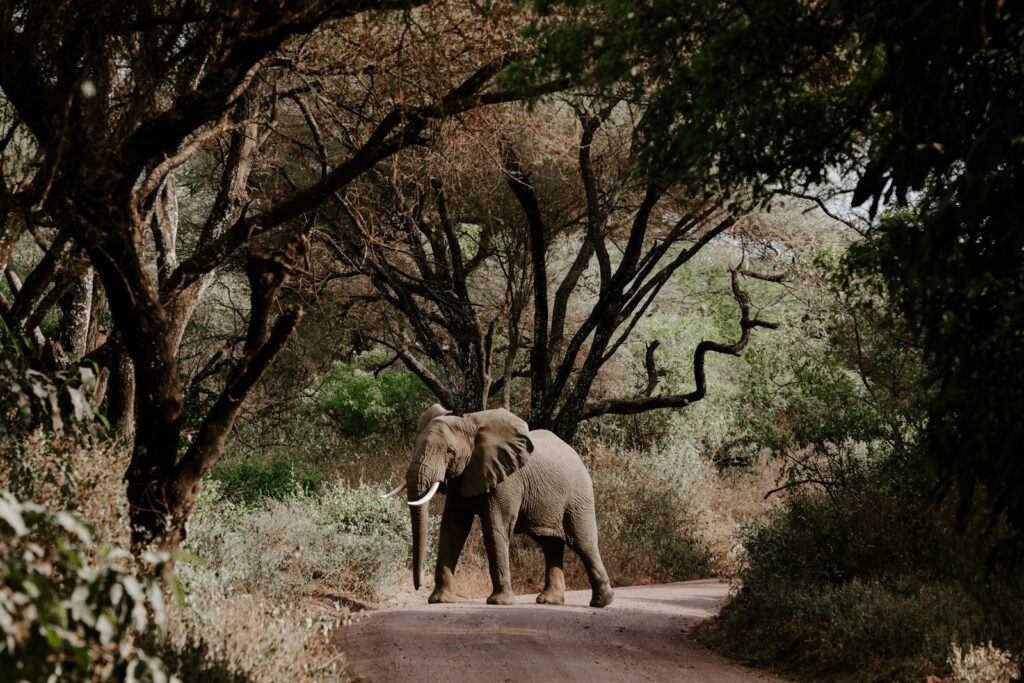
Effective wildlife crossings aren’t just built; they’re carefully engineered based on scientific understanding of animal behavior and ecology. Location selection is crucial, with planners analyzing animal movement patterns, roadkill hotspots, and natural landscape features to identify optimal crossing points. Structure dimensions must accommodate target species—larger mammals like elk and moose require wider, more open structures, while smaller creatures may prefer more enclosed passages with cover.
Vegetation plays a critical role in making crossings appealing to wildlife, with native plants creating continuous habitat that guides animals toward and across structures. Noise barriers, light shields, and visual screens help insulate crossings from the disturbances of traffic below. Scientists continue to refine design principles through camera monitoring and tracking studies that reveal which features most effectively encourage animal use across different species.
Banff National Park: A Wildlife Crossing Success Story

Banff National Park in Alberta, Canada, stands as the gold standard for wildlife crossing infrastructure, featuring one of the world’s most extensive and well-studied systems. Since the 1980s, Parks Canada has installed 44 crossing structures along the Trans-Canada Highway that bisects this crucial mountain ecosystem, including six overpasses and 38 underpasses. Research has documented more than 200,000 animal crossings representing 11 species of large mammals, including grizzly bears, wolves, elk, and rare Canada lynx. Collision rates have dropped by more than 80% in sections with crossings and fencing, saving countless animal lives and preventing human injuries.
Perhaps most remarkably, genetic studies have confirmed that the crossings have effectively reconnected previously isolated wildlife populations, with animals finding mates from across the highway and restoring gene flow. Banff’s long-term monitoring program has provided invaluable data that continues to inform crossing projects worldwide.
Economic Benefits of Wildlife Crossings
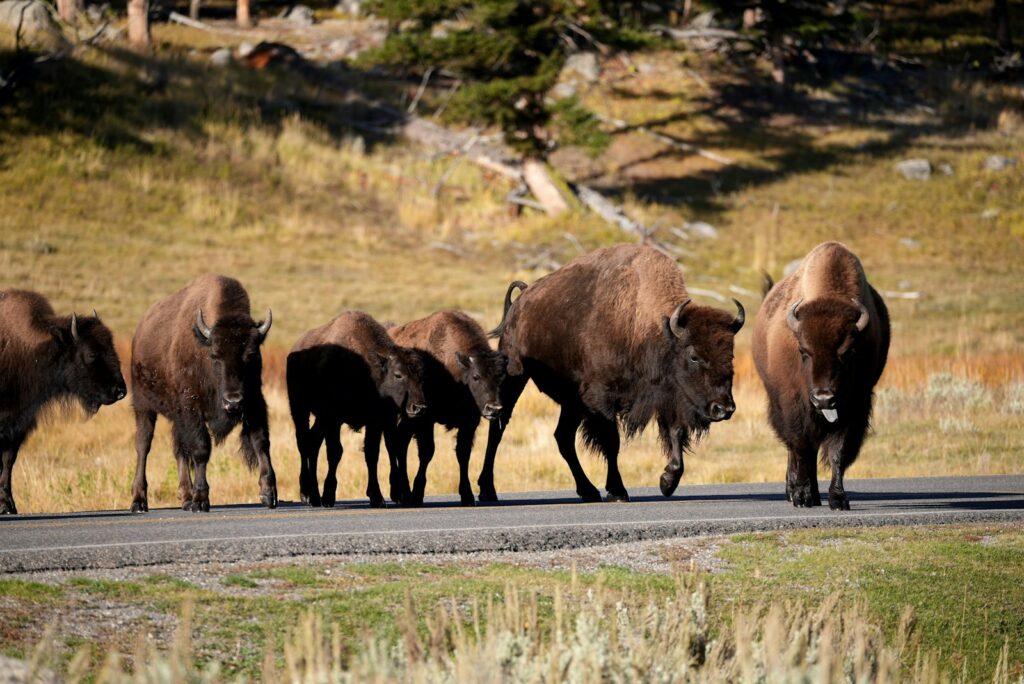
While wildlife crossings require significant upfront investment, cost-benefit analyses consistently demonstrate their economic value. A study in Wyoming found that the average wildlife-vehicle collision costs approximately $6,500 in vehicle damage, human injury expenses, and wildlife value—and these costs can escalate dramatically when larger animals or serious human injuries are involved. In areas with high collision rates, crossing structures typically pay for themselves within 10-20 years through reduced accident costs alone. Tourism benefits also factor into the equation, particularly in places where wildlife viewing drives the local economy.
The construction and maintenance of crossing structures creates jobs in engineering, construction, and biological monitoring fields. These economic advantages have helped persuade transportation departments and legislators to allocate funding for wildlife crossings, recognizing them as fiscally responsible infrastructure investments rather than simply conservation luxuries.
Notable Wildlife Crossings Around the World
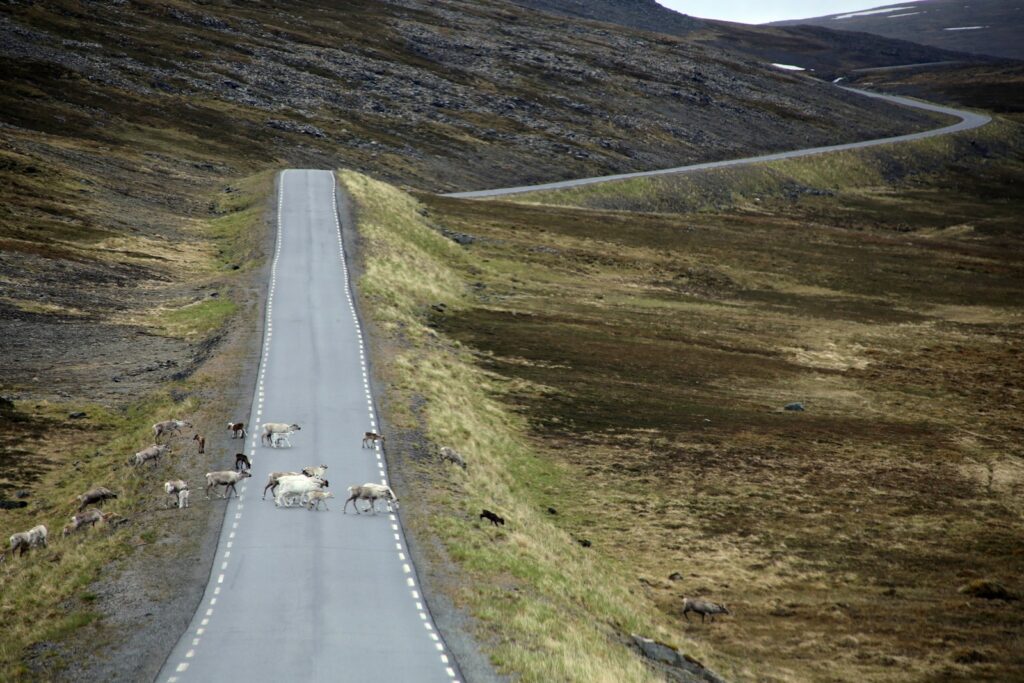
Innovative wildlife crossing projects have emerged globally, each adapted to local species and conditions. The Netherlands’ Natuurbrug Zanderij Crailoo stands as the world’s longest wildlife bridge at over 800 meters, forming part of a national ecological network that helps sustain populations of wild boar, deer, and endangered European badgers. In Australia, rope bridges and glider poles help arboreal marsupials like possums and sugar gliders safely traverse roadways without descending to the dangerous ground. Singapore’s Eco-Link@BKE reconnects two nature reserves with a 62-meter wide vegetated bridge supporting rainforest species including pangolins and flying squirrels.
In the United States, Florida’s extensive underpass system has been crucial in protecting the endangered Florida panther, while Montana’s Highway 93 North features 41 crossing structures integrated with cultural elements honoring the Confederated Salish and Kootenai Tribes. These diverse examples demonstrate how crossing designs can be tailored to local ecological and cultural contexts.
The Wallis Annenberg Wildlife Crossing

Currently under construction in California, the Wallis Annenberg Wildlife Crossing represents the next generation of wildlife passage infrastructure. When completed, this 165-foot-wide, 200-foot-long structure will span ten lanes of the busy US-101 freeway near Los Angeles, becoming the world’s largest wildlife bridge. The $87 million project will reconnect the Santa Monica Mountains with the Simi Hills, providing critical habitat connectivity for the area’s isolated mountain lion population, which faces extinction due to genetic isolation. Beyond its impressive engineering, the project stands out for its innovative public-private funding model, with substantial support coming from philanthropic sources alongside traditional transportation funds.
The crossing’s design incorporates extensive native vegetation and sound-dampening features, while also accommodating the region’s challenging seismic conditions. As a high-profile project in a major urban area, the Annenberg Crossing has brought unprecedented public attention to wildlife connectivity issues.
Challenges in Implementation and Acceptance
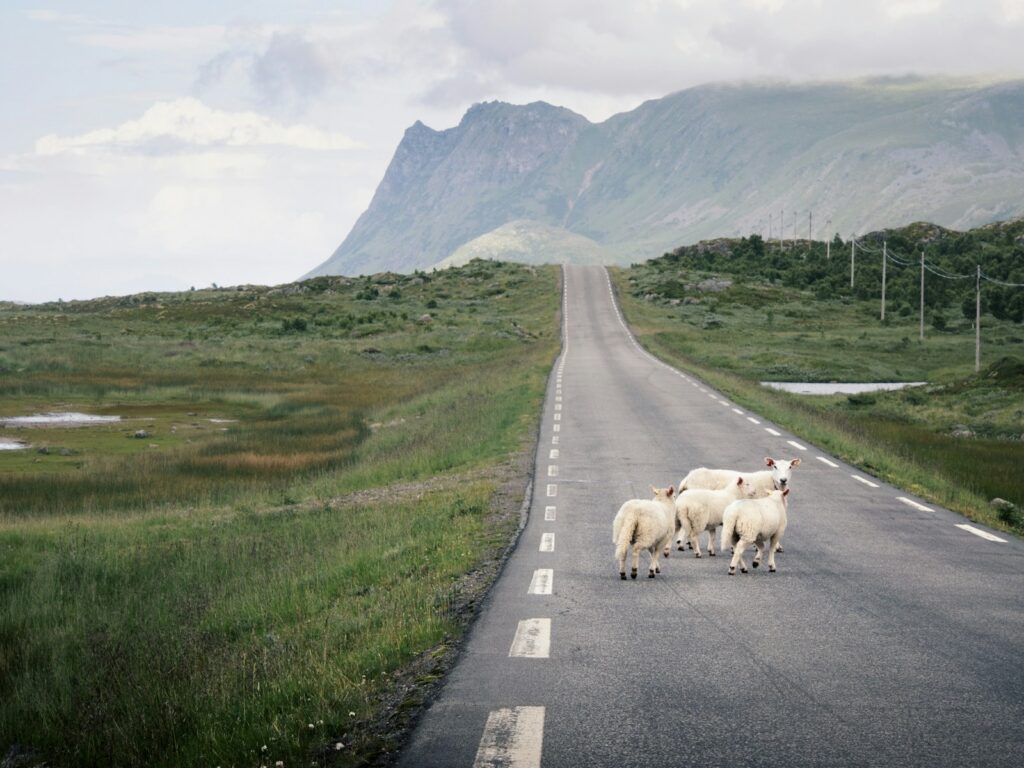
Despite their proven benefits, wildlife crossing projects face numerous implementation challenges. Funding remains the most significant hurdle, with crossings often perceived as expendable “extras” in transportation budgets rather than essential safety infrastructure. The timing of implementation presents difficulties, as retrofitting crossings to existing roads costs substantially more than incorporating them into initial construction. Political obstacles arise when projects span multiple jurisdictions or when public understanding of their importance is limited. Maintenance responsibilities can fall into bureaucratic gaps between transportation and wildlife agencies, potentially compromising long-term effectiveness.
Land-use planning around crossings poses another challenge, as development pressure can threaten the natural corridors leading to crossing structures. Overcoming these obstacles requires persistent advocacy, creative funding approaches, and education of both policymakers and the public about the multifaceted benefits of wildlife passage infrastructure.
Monitoring Effectiveness and Adaptation
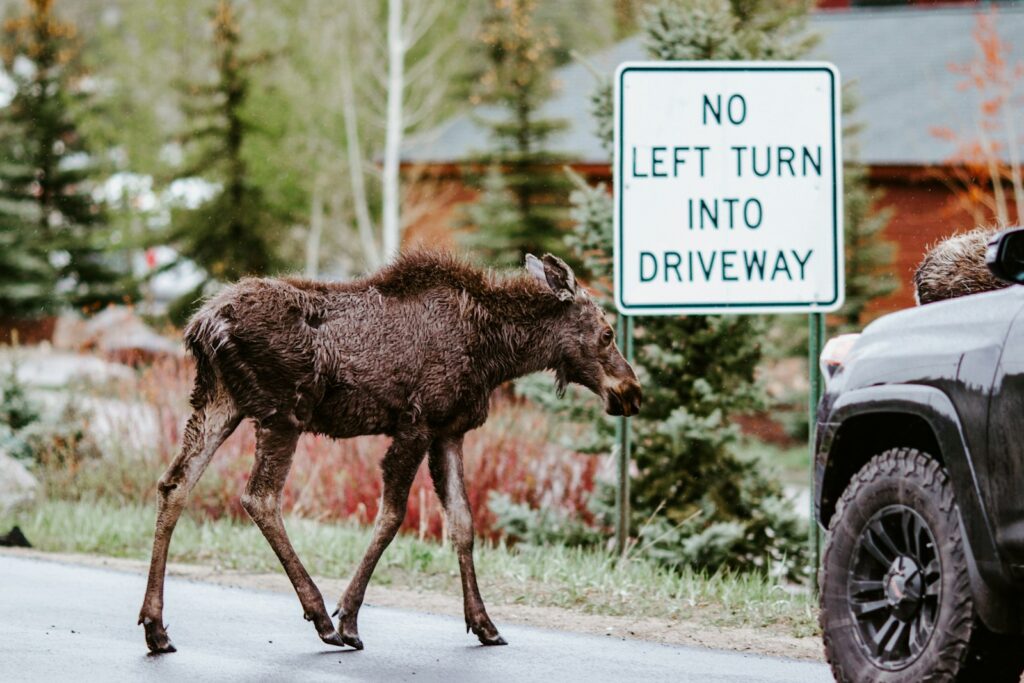
Scientific monitoring forms a crucial component of wildlife crossing programs, allowing managers to assess effectiveness and refine approaches. Motion-triggered cameras provide the most common monitoring method, capturing images of animals using structures and helping biologists document which species benefit and how they behave during crossings. GPS collar studies offer more detailed information about individual animals’ movements in relation to road infrastructure. Genetic sampling can reveal whether crossings successfully facilitate breeding between previously isolated populations, a critical measure of long-term effectiveness.
Mortality monitoring along roadways helps quantify reductions in wildlife-vehicle collisions following crossing implementation. The most sophisticated programs incorporate adaptive management principles, using monitoring data to modify features like vegetation, fencing, or human activity restrictions to improve performance over time. This scientific rigor has helped wildlife crossings evolve from experimental concepts to proven conservation tools.
The Role of Fencing in Crossing Success

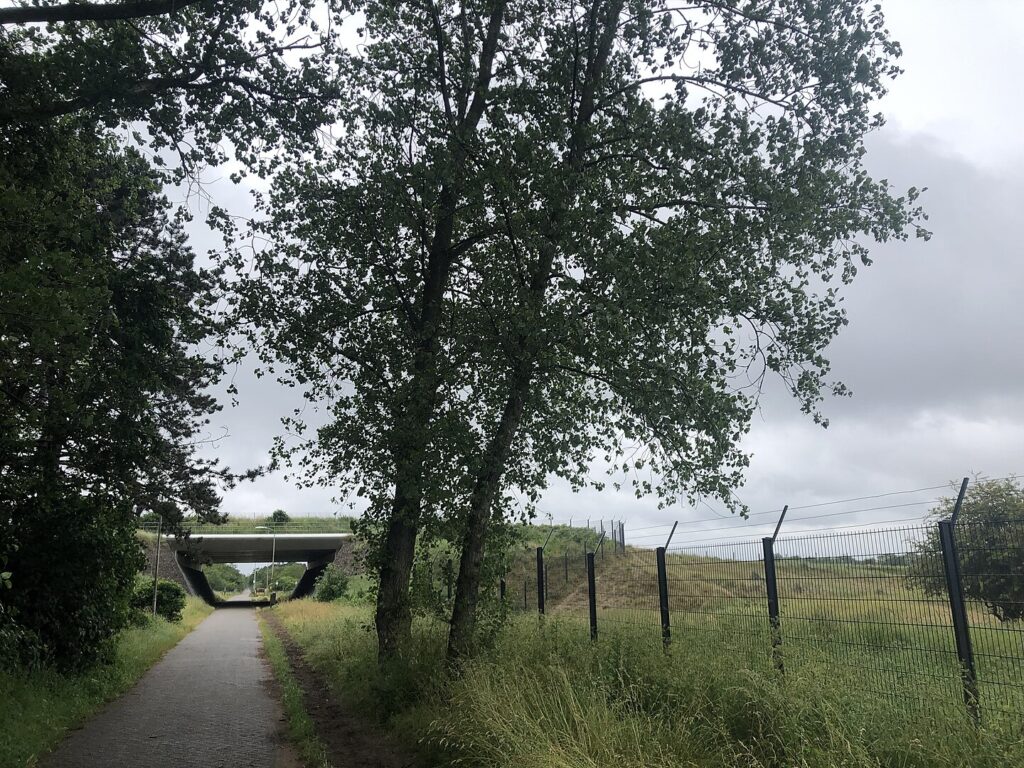
While crossing structures create passage opportunities, wildlife fencing plays an equally crucial role in guiding animals toward these safe crossing points and preventing road access elsewhere. Research consistently shows that crossings without fencing achieve only modest reductions in wildlife-vehicle collisions, while properly fenced systems can reduce collisions by 80-95%. Effective fencing systems typically extend at least 3 miles from crossing structures and stand 8-12 feet tall for large mammals, with specially designed ends to prevent animals from circling around endpoints.
Additional features like escape ramps or jump-outs allow animals that somehow enter the roadway to safely exit, while specialized gates maintain fence integrity at access roads. Fence maintenance represents an ongoing commitment, as even small breaches can significantly reduce effectiveness. The most successful wildlife crossing systems view fencing not as a separate element but as an integral component of a comprehensive connectivity solution.
Climate Change and the Growing Importance of Wildlife Crossings
Climate change has elevated the importance of wildlife crossings from beneficial conservation tools to essential climate adaptation infrastructure. As temperature and precipitation patterns shift, many species must move to find suitable habitat conditions, following their “climate niche” across landscapes. Roads and development that fragment habitats can prevent these necessary movements, potentially trapping species in increasingly unsuitable environments. Wildlife crossings provide crucial linkages that facilitate these climate-driven migrations, serving as lifelines for species adjusting their ranges.
Conservation biologists increasingly design connectivity networks with climate resilience in mind, considering how species distributions may shift and identifying crossing locations that will serve both current and future movement needs. This forward-looking approach recognizes that wildlife mobility will be essential for species survival as ecosystems transform under climate pressure.
The Future of Wildlife Crossing Innovation

The field of wildlife crossing design continues to evolve, with innovations making structures more effective and cost-efficient. Modular, prefabricated crossing elements offer potential cost savings and faster installation compared to traditional custom-built structures. Advanced materials like lightweight composites may enable longer spans without support columns that can create wildlife deterrents. Simulation technology allows designers to model animal movements and test virtual designs before construction begins. Smart technology integration, including automated monitoring systems and dynamic wildlife warning signs that activate when animals approach roadways, offers supplemental protection.
The emerging field of “road ecology” is bringing transportation engineers and wildlife biologists together in unprecedented collaboration, with dedicated university programs training a new generation of specialists. As these innovations continue, wildlife crossings will likely become standard elements in transportation infrastructure rather than exceptional additions.
Citizen Involvement and Advocacy
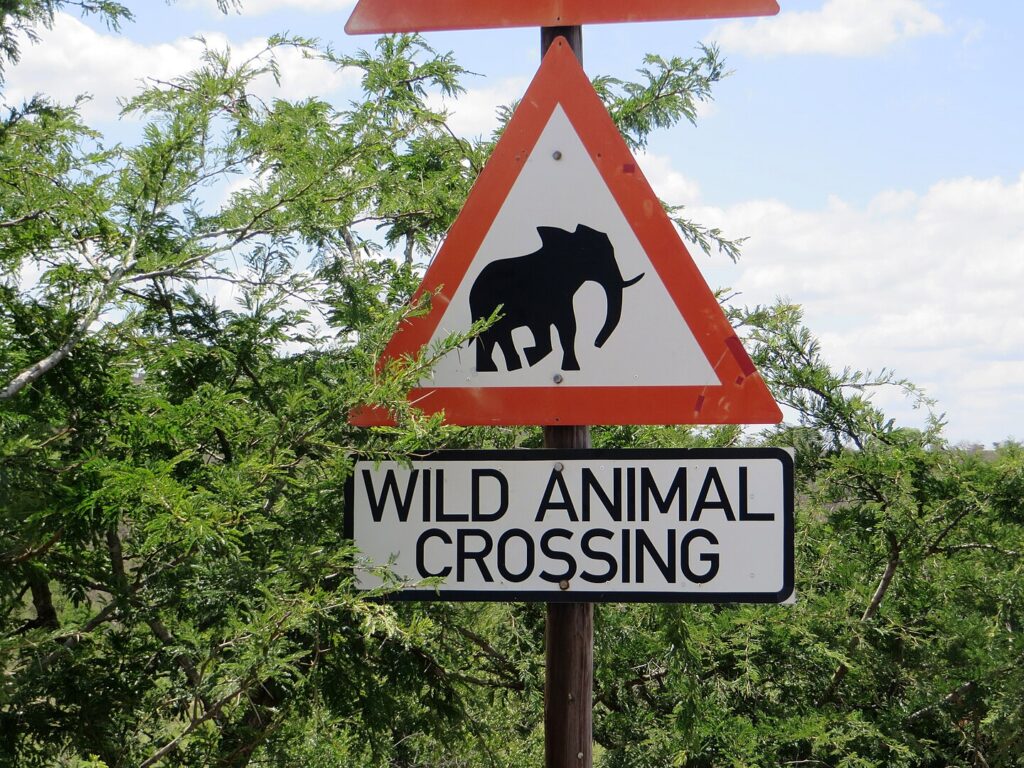
Public support has proven essential in advancing wildlife crossing projects from concept to reality. Citizen science initiatives engage local communities in monitoring roadkill hotspots and wildlife movements, generating valuable data while building public investment in solutions. Advocacy organizations have successfully campaigned for crossing funding at local, state, and federal levels, with groups like the Wildlands Network and Center for Large Landscape Conservation developing toolkits to help communities advocate effectively. Educational programs in schools near crossing projects help young people understand the importance of habitat connectivity and often create passionate young advocates.
Indigenous communities have played particularly important roles in several major crossing initiatives, bringing traditional ecological knowledge and cultural perspectives that enhance project design and implementation. This grassroots involvement demonstrates how wildlife crossings can transcend political divides, bringing together diverse stakeholders around the shared goals of public safety and wildlife conservation.
Conclusion: Innovative Wildlife Crossings for Safer Roads

Wildlife crossings represent one of conservation’s most tangible success stories—a rare win-win solution that saves both human and animal lives while delivering economic benefits. From humble beginnings as experimental structures, these crossings have evolved into sophisticated systems backed by robust science and demonstrated effectiveness. As road networks continue to expand globally and climate change forces wildlife to adjust their ranges, the need for permeable transportation infrastructure will only grow more urgent.
The most successful projects show that effective solutions require not just good engineering but also collaboration across disciplines, jurisdictions, and communities. With continued innovation, advocacy, and investment, wildlife crossings promise a future where our transportation needs need not come at the expense of the natural world’s connectivity—a future where humans and wildlife can safely share landscapes despite our different paths.