
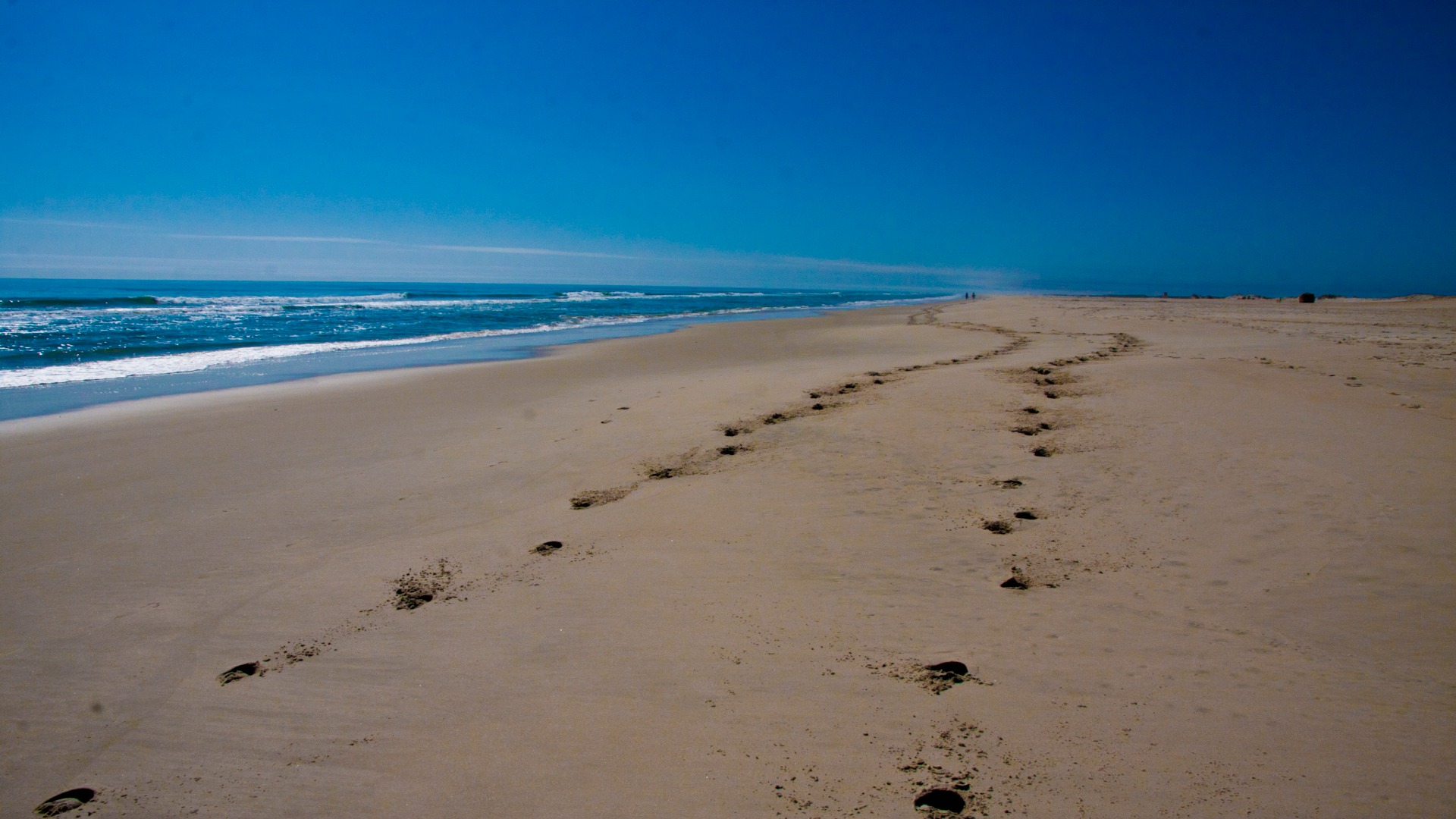
There’s something magical about falling asleep to the sound of waves and waking up to a sunrise over the water. America’s national parks offer some of the most pristine beaches where visitors can experience this unique connection between land and sea. From the rugged Pacific coastline to the gentle Gulf shores, beachfront camping in our national parks provides unparalleled access to natural beauty while offering a truly immersive outdoor experience.
These destinations combine the adventure of camping with the serenity of beachfront locations, creating memories that last a lifetime. Whether you’re an experienced camper or trying it for the first time, these beachfront campgrounds offer something special for everyone.
Olympic National Park’s Kalaloch Campground, Washington

Perched on a bluff overlooking the Pacific Ocean, Kalaloch Campground offers one of the most dramatic coastal camping experiences in the national park system. The campground features 170 sites nestled among coastal forest, with several offering direct views of the crashing waves below. Visitors can explore tide pools teeming with colorful sea stars, anemones, and other marine life during low tide.
The famous Tree of Life, a Sitka spruce somehow surviving despite having its roots completely exposed by erosion, is just a short walk away. The weather here can be unpredictable with frequent fog and rain, but this only adds to the mysterious beauty of this Pacific Northwest gem.
Channel Islands National Park, California
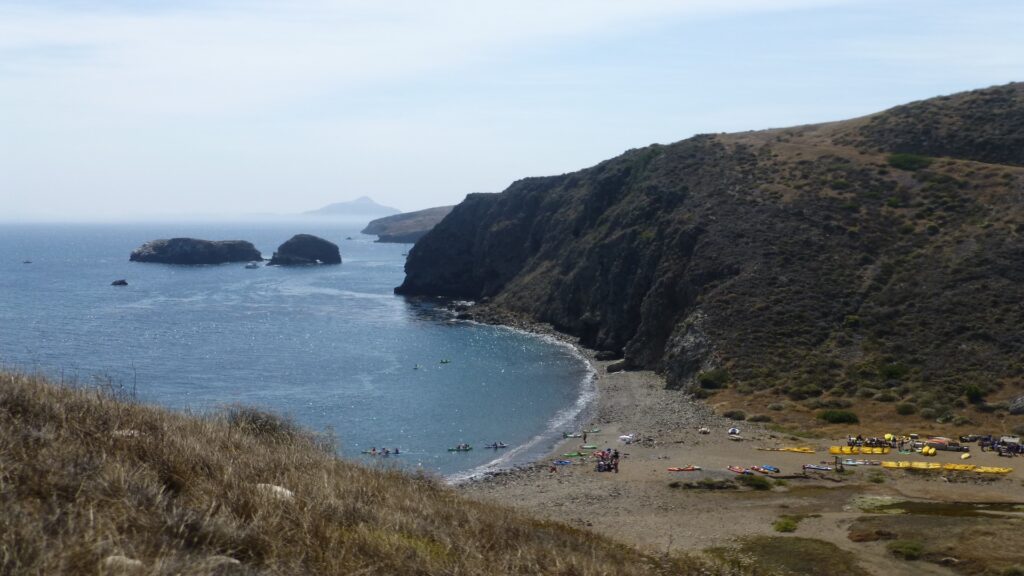
For those seeking solitude and pristine beaches, the primitive campgrounds on Santa Cruz and Santa Rosa Islands offer an unparalleled experience. These remote island campgrounds require some effort to reach—you’ll need to take a boat or plane—but the reward is camping on some of California’s most untouched coastline. The Channel Islands are often called “the Galapagos of North America” due to their unique endemic species and rich biodiversity.
Campers might spot island foxes, watch blue whales passing offshore during migration season, or kayak through sea caves along the dramatic shoreline. Since all supplies must be carried in and all trash packed out, this destination attracts experienced campers looking for a true wilderness experience.
Assateague Island National Seashore, Maryland/Virginia

Few camping experiences can match the magic of sharing a beach with wild horses, which is exactly what awaits at Assateague Island National Seashore. The barrier island’s oceanside campground puts visitors right on the Atlantic, with sites nestled among the dunes just steps from the shore. The famous wild horses of Assateague roam freely throughout the campground, often grazing near tents or along the beach at sunrise.
While the horses are the main attraction, the park also offers excellent bird watching, crabbing, clamming, and some of the East Coast’s most beautiful undeveloped beaches. Campers should note that sites are exposed to wind and weather, so proper equipment and preparation are essential.
Gulf Islands National Seashore, Florida
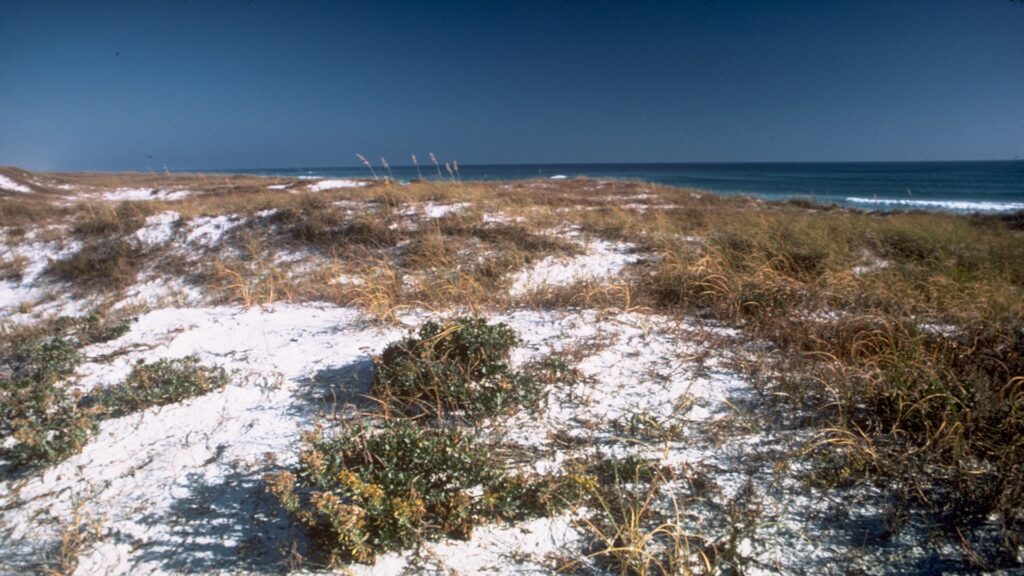
For those who prefer the calm, crystal-clear waters of the Gulf of Mexico, the Fort Pickens Campground at Gulf Islands National Seashore is a slice of paradise. Located on Santa Rosa Island near Pensacola, this campground combines history with natural beauty as it sits near a historic Civil War-era fort. The sugar-white sand beaches of the Gulf Islands are considered among the finest in the world, with their characteristic bright color and soft texture.
Unlike many national park beaches, the water here is typically calm and warm, making it ideal for families with young children. Dolphin sightings are common from shore, and the clear waters make for excellent snorkeling right off the beach.
Padre Island National Seashore, Texas

As the longest undeveloped barrier island in the world, Padre Island National Seashore offers primitive beach camping unlike anywhere else in America. The park allows camping directly on the beach along most of its 70-mile stretch, giving visitors the ultimate freedom to find their perfect spot. This is a true wilderness experience—there are no designated sites, no amenities, and often no other people for miles around.
From June through August, lucky visitors might witness public releases of newly hatched Kemp’s ridley sea turtles, the most endangered sea turtle species in the world. Four-wheel drive vehicles are recommended for accessing the more remote stretches of beach, where the solitude and stargazing are unmatched.
Point Reyes National Seashore, California

The Coast Camp and Wildcat Camp at Point Reyes offer two distinct beachfront camping experiences along California’s stunning Marin coastline. Both campgrounds require hiking in (1.8 miles for Coast Camp, 5.7 miles for Wildcat), which keeps crowds minimal and preserves the wilderness experience. Coast Camp provides easy access to Limantour Beach and its rich tidepools, while Wildcat campers can visit the Instagram-famous Alamere Falls—one of California’s rare tidefall waterfalls that plunges directly onto the beach. Fog is common here, creating a mystical atmosphere as it rolls over coastal hills. The region is also known for its abundant wildlife, including tule elk, harbor seals, and over 490 species of birds.
Cumberland Island National Seashore, Georgia

Cumberland Island offers a southern coastal wilderness experience, with its Sea Camp and Stafford Beach campgrounds providing access to 17 miles of undeveloped Atlantic beaches. The island is accessible only by ferry, ensuring a peaceful experience far from highways and development. Like Assateague, Cumberland is home to feral horses that roam the beaches and maritime forests, though these descendants of domestic horses aren’t native to the ecosystem.
Historical ruins, including those of Dungeness, a mansion built by the Carnegie family, add cultural interest to the natural beauty. The island’s beach camping is characterized by massive dunes, ancient live oak forests draped with Spanish moss, and beaches where you might collect perfect sand dollars or spot nesting loggerhead turtles during the summer months.
Dry Tortugas National Park, Florida

For the ultimate remote beach camping experience, nothing compares to Dry Tortugas National Park, located 70 miles west of Key West in the Gulf of Mexico. The park’s primitive camping area on Garden Key sits in the shadow of massive Fort Jefferson, one of the largest coastal forts ever built. With only 8 campsites available and access limited to private boats or ferries, this is one of the most exclusive camping experiences in the national park system.
The surrounding waters feature some of the most pristine coral reefs in North America, making this a snorkeler’s and diver’s paradise. At night, with no light pollution for miles, the stargazing is spectacular, with the Milky Way often clearly visible stretching across the sky.
Acadia National Park, Maine
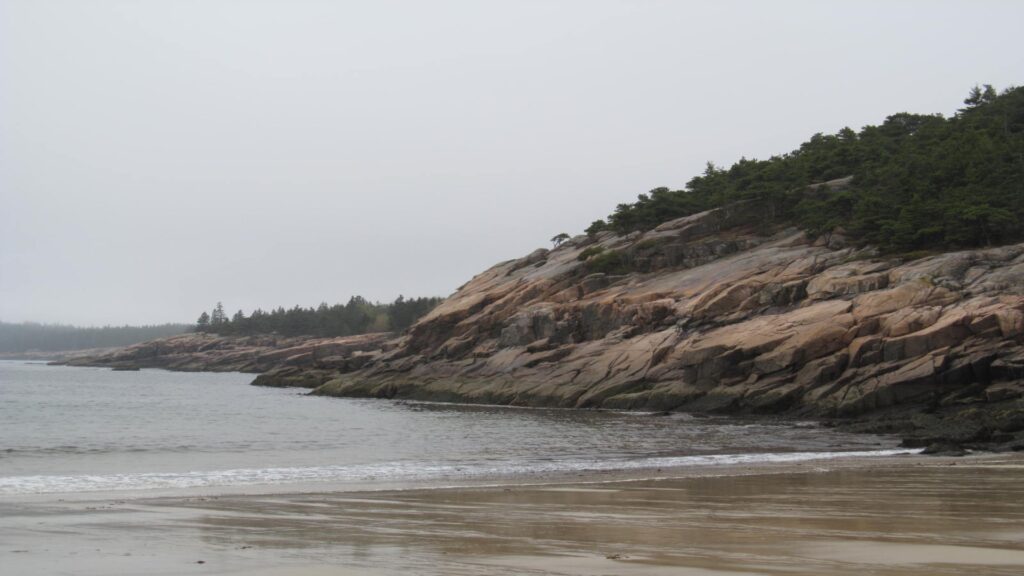
While not directly on the beach, the Seawall and Blackwoods campgrounds at Acadia provide easy access to the park’s dramatic rocky shoreline and several beach areas. Maine’s rugged coast offers a different type of beach experience, where granite meets the sea in spectacular fashion. Campers can explore tide pools filled with periwinkles, barnacles, and occasionally lobsters among the rocky outcroppings.
The park’s unique position as the first place in the United States to see the sunrise makes early mornings particularly special, especially from the summit of Cadillac Mountain. The nearby Sand Beach, though small, is a beautiful crescent of sand surrounded by mountains—a rarity on Maine’s predominantly rocky coast.
Apostle Islands National Lakeshore, Wisconsin
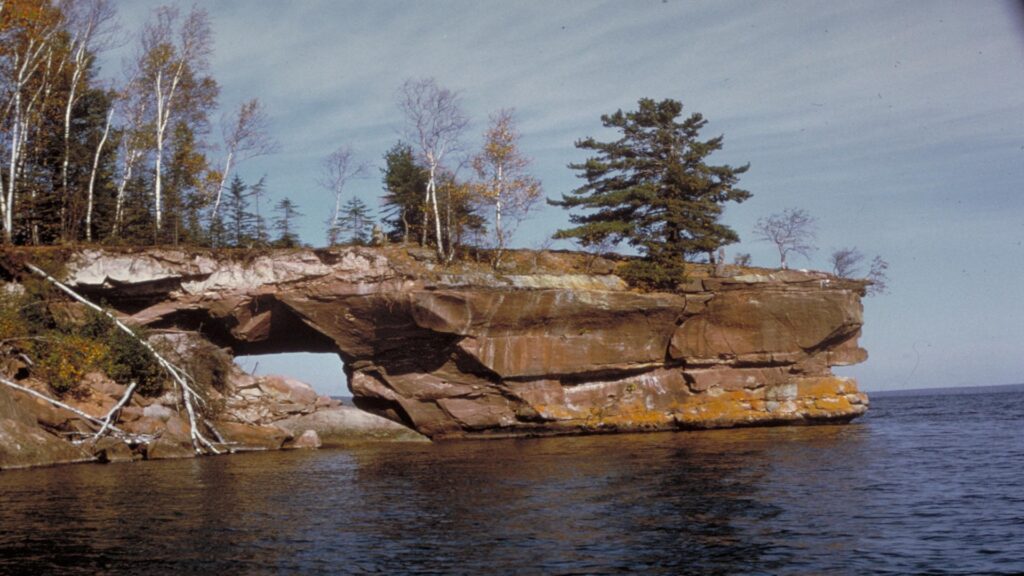
For those who prefer freshwater beaches, the Apostle Islands in Lake Superior offer some of the most beautiful inland beach camping in America. The 21 islands feature numerous primitive camping opportunities, many with beaches of either sand or smooth, wave-polished stones. The islands are famous for their sandstone sea caves, which in winter transform into ice caves adorned with spectacular formations.
Summer water temperatures remain brisk, rarely exceeding 70°F even in August, making this a refreshing destination during heat waves. Most campsites require boat access, either private or water taxi, adding to the remote feeling despite being relatively close to mainland Wisconsin.
Virgin Islands National Park, St. John

For tropical beach camping, Cinnamon Bay Campground in Virgin Islands National Park offers an experience that rivals any in the Caribbean. Set on one of St. John’s most beautiful white sand beaches, the campground provides options ranging from bare sites for your own tent to eco-tents and cottages with basic amenities. The crystal-clear waters offshore are protected as a marine reserve, resulting in exceptional snorkeling just steps from your campsite with hundreds of species of tropical fish, coral, and the occasional sea turtle.
The campground sits within a historic sugar plantation area, with ruins that can be explored via short hiking trails. While technically requiring a passport for American visitors, this U.S. National Park offers a taste of the Caribbean that’s more accessible than many international destinations.
Tips for Successful Beachfront Camping

Beachfront camping comes with unique considerations beyond typical campground experiences. Sand can be challenging—it gets into everything, so bring appropriate gear like closed containers for food and specialized tent stakes designed for sandy conditions. Weather exposure is another factor, as many beach campgrounds lack natural windbreaks; strong tent guylines and windscreens can make a significant difference in comfort.
Tides are critically important to track, especially for beaches where camping is allowed directly on the sand; always set up well above the high tide line. Finally, these popular destinations often require reservations months in advance, particularly for summer weekends, so planning ahead is essential for securing your spot on America’s most beautiful beaches.
Conclusion

Beach camping in America’s national parks offers a unique opportunity to experience some of the country’s most spectacular coastlines in their most natural state. From the wild Pacific Northwest to the tropical shores of the Caribbean, these destinations showcase the incredible diversity of America’s protected shorelines.
Whether you’re looking for solitude, adventure, wildlife viewing, or simply the perfect sunset, these beachfront campgrounds provide unparalleled access to the timeless rhythm of waves meeting shore. By respecting these special places—carrying out all trash, minimizing impact, and following park regulations—we can help ensure these pristine beaches remain available for future generations to enjoy their own perfect nights under the stars, lulled to sleep by the eternal sounds of the sea.