

In an increasingly digital world, the call of nature beckons more strongly than ever. There’s something inherently rejuvenating about falling asleep to the distant rumble of a waterfall, waking to birdsong, or spotting wildlife from your tent door. Camping near these natural wonders offers more than just a place to pitch a tent—it provides an immersive experience that connects us with the raw beauty of our planet.
This guide explores exceptional campsites that offer proximity to magnificent waterfalls, opportunities for wildlife encounters, and true wilderness experiences. Whether you’re an experienced backcountry explorer or a family looking for accessible natural wonder, these destinations promise unforgettable outdoor adventures where nature’s greatest spectacles become your temporary backyard.
Olympic National Park: Where Rainforest Meets Coastline
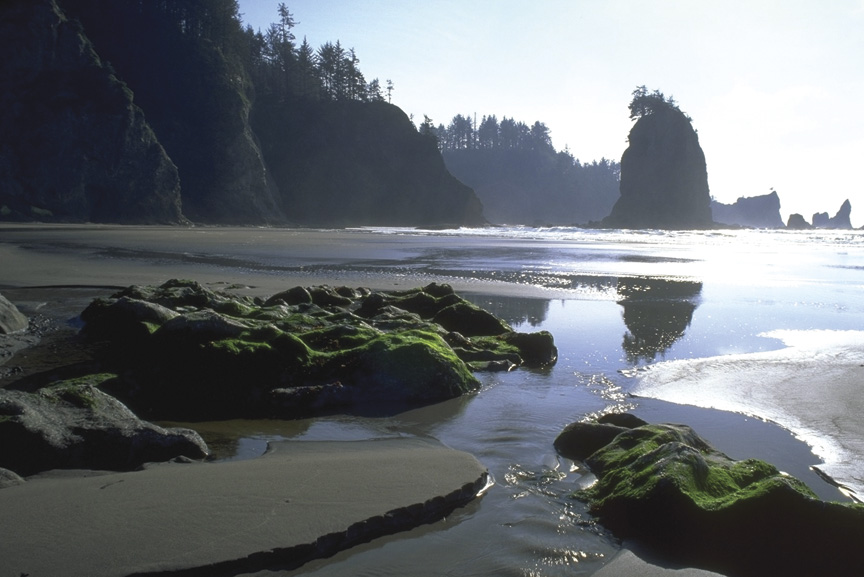
Olympic National Park in Washington state offers a camping experience unlike any other, with sites nestled between ancient rainforests and dramatic coastlines. The Hoh Campground places you in the heart of a temperate rainforest where Roosevelt elk roam freely among moss-draped trees that seem to belong in a fairytale. Just a short hike away, you’ll find Sol Duc Falls, a magnificent three-pronged waterfall that thunders through a narrow gorge.
For those seeking coastal wilderness, Kalaloch and South Beach campgrounds offer oceanfront camping where you might spot whales, sea otters, and bald eagles while falling asleep to the rhythm of crashing waves. The park’s diverse ecosystems—from alpine meadows to old-growth forests—mean wildlife sightings are virtually guaranteed for patient observers.
Yosemite National Park: Valley of Giants
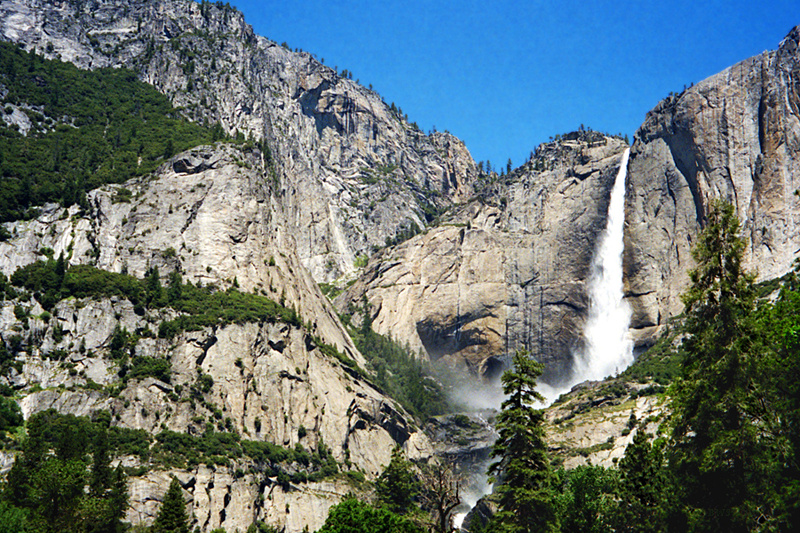
Few places on Earth combine dramatic waterfalls, diverse wildlife, and pristine wilderness as perfectly as Yosemite National Park. North Pines Campground offers sites with views of Yosemite Falls, North America’s tallest waterfall, which roars most impressively during spring snowmelt. The Upper Pines Campground places you in the heart of Yosemite Valley, where black bears, mule deer, and coyotes make regular appearances against a backdrop of towering granite monuments.
For those seeking solitude, the Tuolumne Meadows Campground sits at 8,600 feet elevation, offering high-country wilderness experience with subalpine meadows teeming with wildflowers and wildlife. Yosemite’s 13 campgrounds range from developed sites with amenities to primitive wilderness camps, accommodating every type of outdoor enthusiast from families to hardcore backcountry adventurers.
Great Smoky Mountains National Park: Appalachian Biodiversity Hotspot
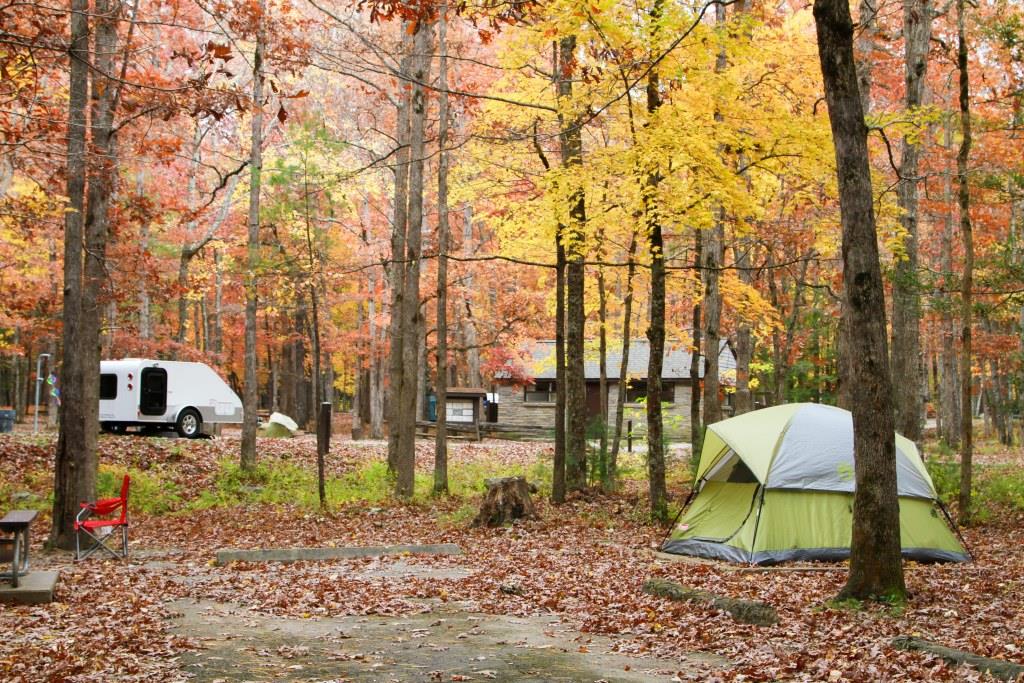
As America’s most visited national park, Great Smoky Mountains harbors some of the country’s most biodiverse ecosystems and exceptional camping opportunities. Cades Cove Campground sits in a verdant valley where black bears, white-tailed deer, and wild turkeys are frequently spotted grazing in meadows bordered by historic homesteads. The Smokemont Campground offers easy access to the stunning Mingo Falls and Deep Creek’s triple waterfalls, with the soothing sounds of rushing water serving as nature’s lullaby.
For wilderness enthusiasts, backcountry sites along the Appalachian Trail provide true solitude and the chance to witness the park’s famous synchronous fireflies—a rare phenomenon where thousands of fireflies flash in unison during early summer. With over 1,500 black bears residing in the park—approximately two bears per square mile—wildlife encounters are common but require proper food storage and wildlife etiquette.
Glacier National Park: Crown of the Continent
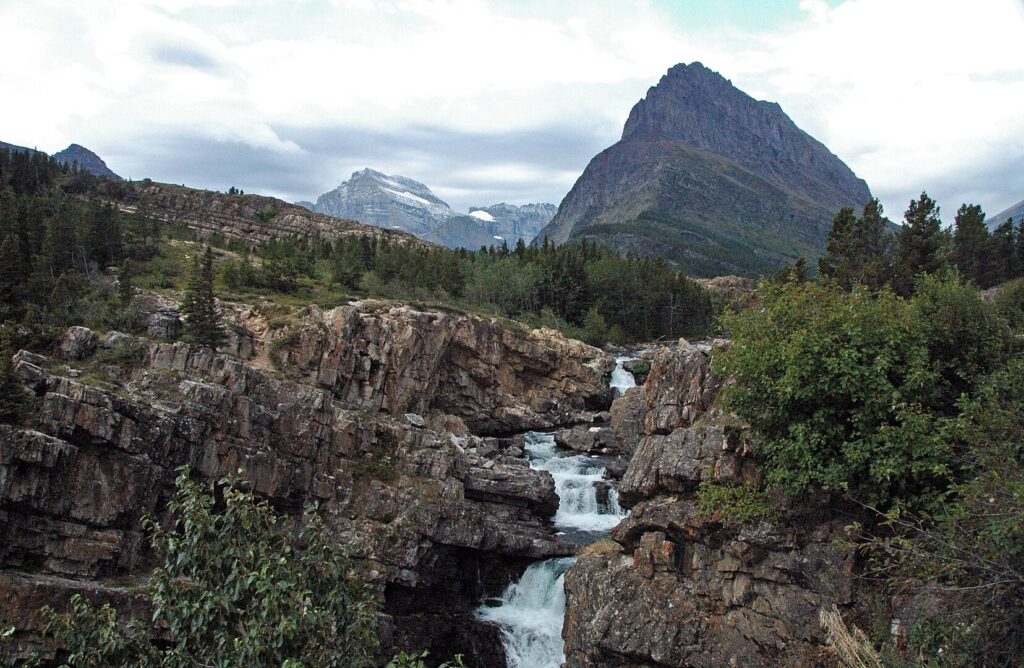
Glacier National Park’s rugged peaks, pristine lakes, and abundant wildlife make it a premier destination for campers seeking wilderness immersion. Many Glacier Campground is often called the park’s wildlife watching capital, where grizzly bears, moose, and mountain goats are frequently spotted on surrounding hillsides. A short hike from the campground leads to magnificent Redrock Falls, a series of cascades cutting through red argillite stone.
For waterfall enthusiasts, the Avalanche Campground provides easy access to Avalanche Lake, fed by dramatic falls tumbling down from Sperry Glacier. Two Medicine Campground offers a more tranquil experience with fewer crowds but equal wildlife viewing opportunities, particularly for bighorn sheep and the occasional wolf or wolverine. Remember that Glacier represents one of the last intact ecosystems in the continental United States where all native predators—including wolves, wolverines, lynx, and both grizzly and black bears—still roam freely.
Yellowstone National Park: Geothermal Wonderland
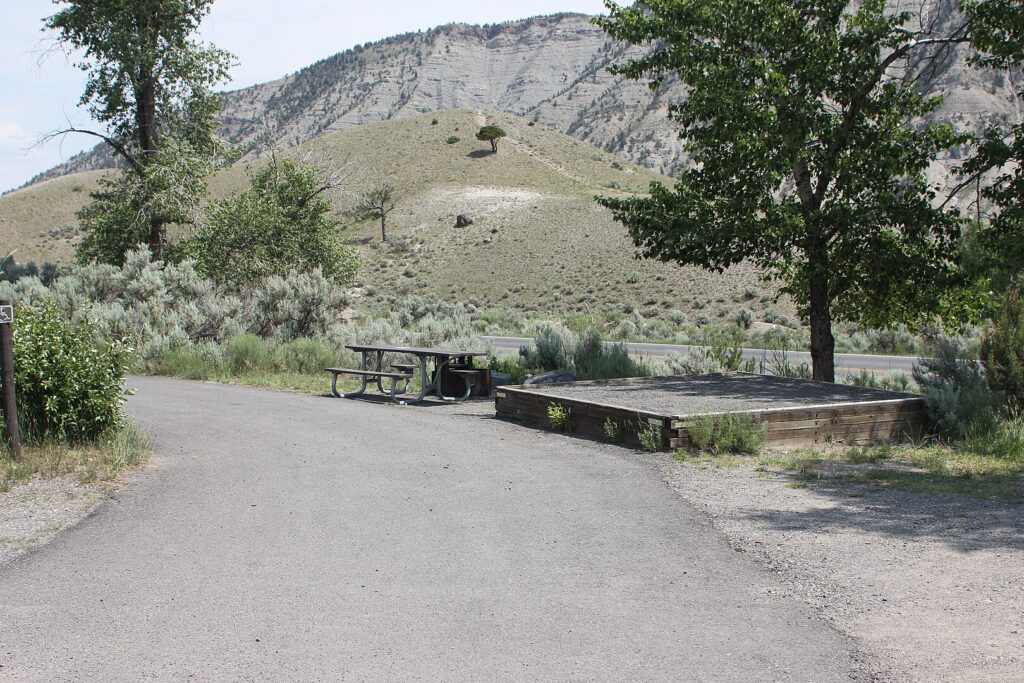
As America’s first national park, Yellowstone offers unparalleled camping experiences amidst geothermal wonders and abundant wildlife. Madison Campground is strategically located near the park’s wildlife-rich central region, where bison herds frequently pass through camp on their daily migrations. The Mammoth Campground sits near the spectacular Mammoth Hot Springs and offers year-round camping with frequent elk sightings right among the campsites.
For waterfall enthusiasts, Tower Fall Campground provides easy access to its namesake 132-foot waterfall while serving as a prime location for spotting black bears foraging on nearby slopes. Slough Creek Campground, accessible via a rough dirt road, rewards visitors with solitude and the highest chances of wolf sightings in the park, especially at dawn and dusk when Yellowstone’s apex predators are most active. With over 300 waterfalls, 67 mammal species, and 50% of the world’s geysers, Yellowstone’s camping options are as diverse as its natural wonders.
Banff National Park: Canadian Rockies Grandeur
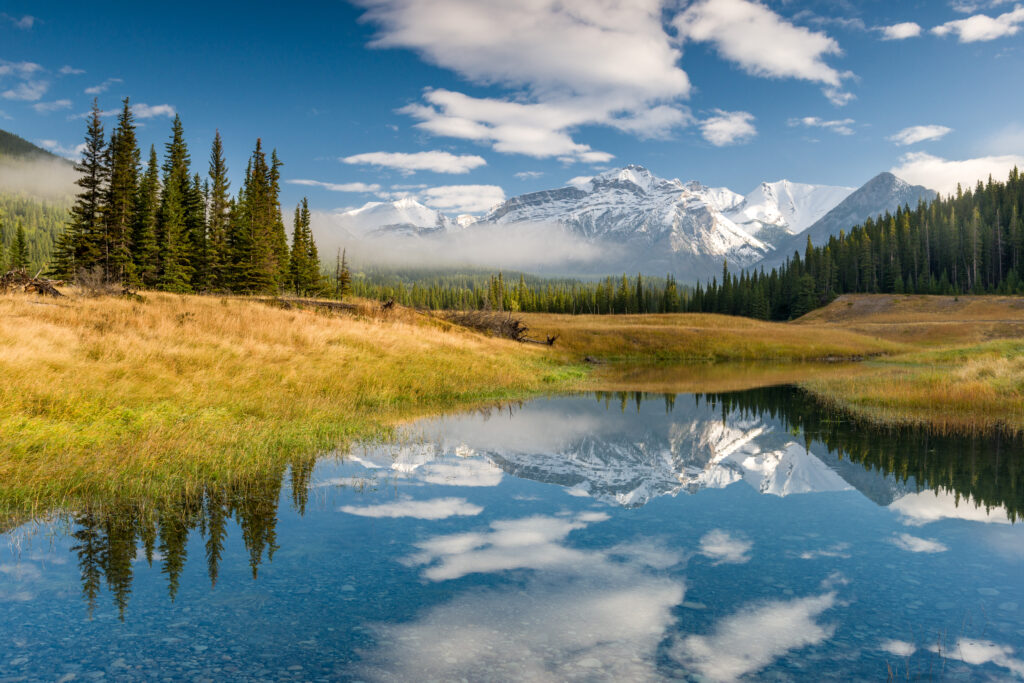
Banff National Park in Alberta, Canada, showcases some of North America’s most spectacular mountain scenery alongside camping opportunities that connect visitors with pristine wilderness. Johnston Canyon Campground places you steps away from its namesake canyon where seven stunning waterfalls cascade through a limestone gorge, with catwalks providing breathtaking viewpoints. The Lake Louise Campground offers unmatched views of Victoria Glacier while providing excellent opportunities to spot black bears, grizzlies, and elk in surrounding alpine meadows.
For backcountry enthusiasts, Egypt Lake Campground rewards a challenging hike with solitude, star-filled skies, and the chance to witness mountain goats navigating seemingly impossible terrain. Protection Mountain Campground provides a more accessible wilderness experience, with frequent visits from bighorn sheep and the haunting sounds of wolf packs that call the Bow Valley home. When camping in Banff, remember that tent campers are required to use food storage lockers due to the healthy predator populations that roam this pristine wilderness.
Olympic Peninsula: Washington’s Rainforest Paradise
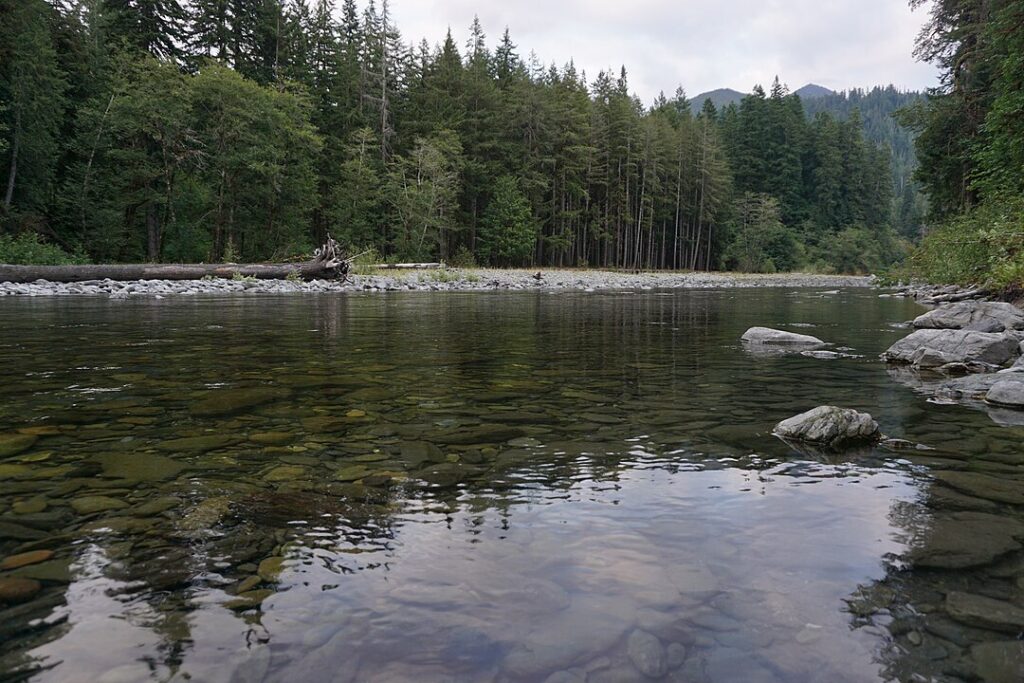
Washington’s Olympic Peninsula houses some of the continent’s most unique camping experiences where rainforests, mountains, and coastal wilderness converge. Graves Creek Campground in the Quinault Rainforest offers primitive sites nestled among towering trees draped with hanging moss, where the nearby Graves Creek Falls provides a soundtrack of rushing water through the night. The Hoh Rain Forest Campground places you in one of the world’s few temperate rainforests, where annual rainfall exceeds 140 inches and creates an environment where Roosevelt elk thrive alongside black bears and cougar.
For coastal camping, Rialto Beach Campground allows permitted wilderness camping with the Pacific Ocean as your front yard and tide pools teeming with colorful sea stars, anemones and the occasional glimpse of sea otters playing in kelp beds. Deer Park Campground, perched at 5,400 feet elevation, offers a contrasting alpine experience with panoramic views of the Olympic Mountains and frequent sightings of black-tailed deer and Olympic marmots.
Grand Teton National Park: Jagged Peaks and Alpine Lakes
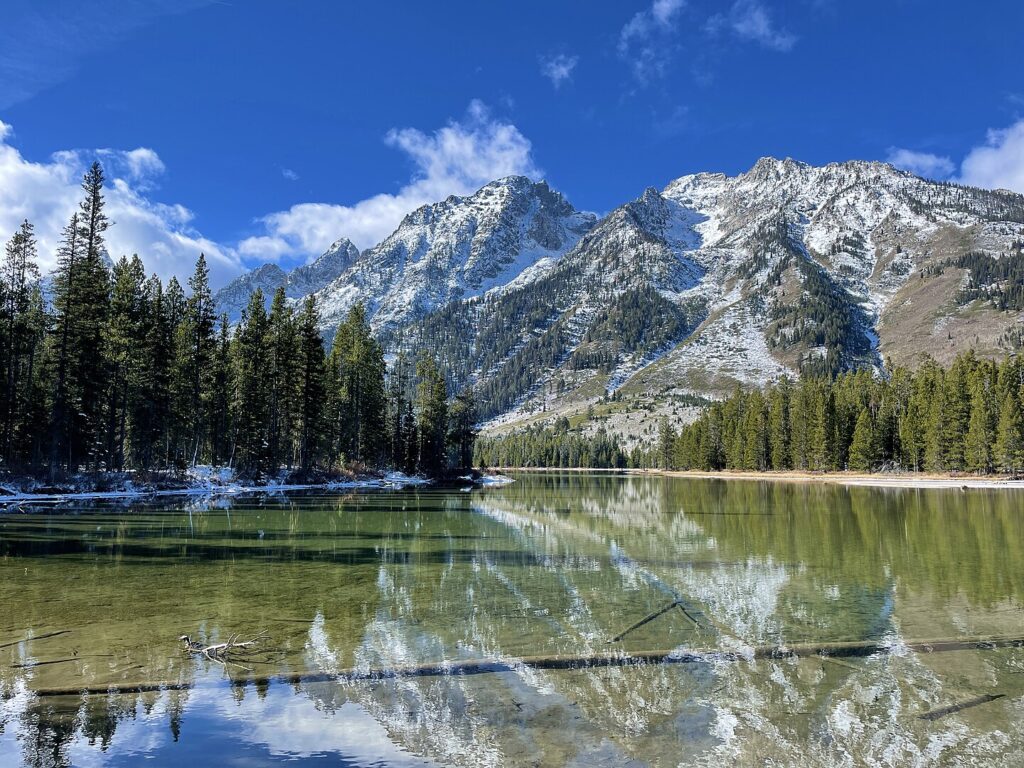
Few mountain ranges in North America are as iconic as the Tetons, and camping beneath these jagged peaks offers an unforgettable wilderness experience with abundant wildlife. Signal Mountain Campground overlooks Jackson Lake with the entire Teton Range as a backdrop, offering frequent moose sightings along the lakeshore and the sounds of bugling elk during fall rut. Jenny Lake Campground is perhaps the park’s most sought-after camping location, providing easy access to Hidden Falls and Inspiration Point while offering prime habitat for black bears, mule deer, and the occasional mountain lion.
For those seeking solitude, the primitive backcountry camping at Phelps Lake allows you to fall asleep to the distant sounds of waterfalls cascading down Death Canyon while coyotes serenade the night. Colter Bay Campground balances wilderness with amenities, offering lakeside camping where beaver, river otter, and bald eagles are commonly spotted along the shoreline. The Greater Yellowstone Ecosystem encompassing Grand Teton is one of the largest nearly intact temperate ecosystems on Earth, making wildlife encounters almost guaranteed for observant campers.
Big Bend National Park: Desert Wilderness and Rio Grande
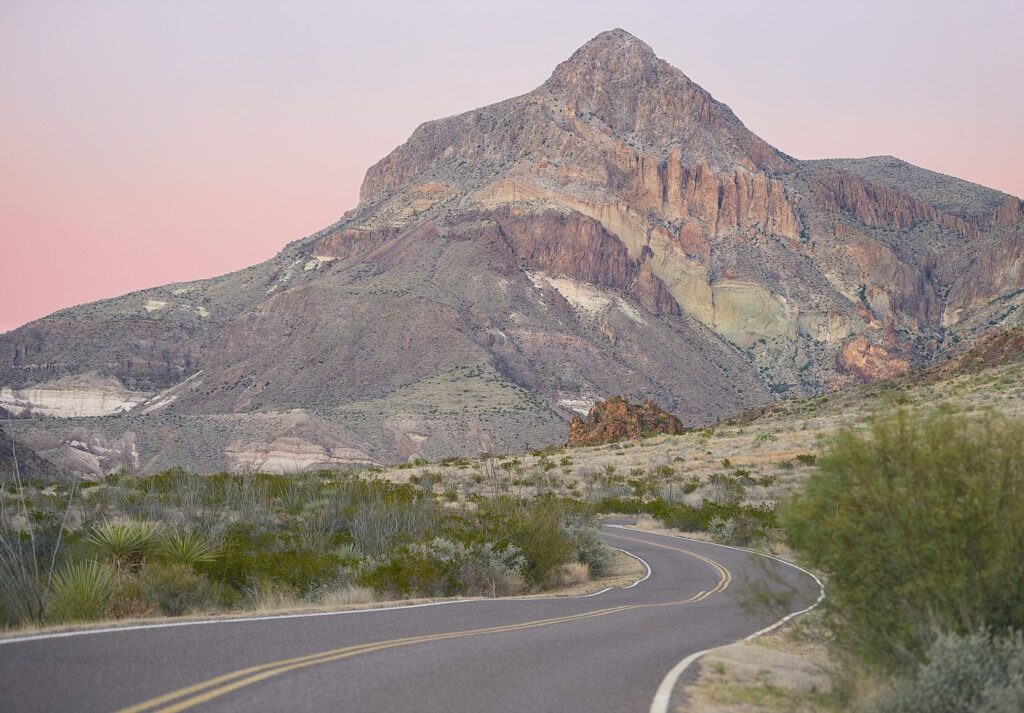
In the remote corners of west Texas, Big Bend National Park offers a unique desert wilderness camping experience unlike anything else in the country. The Chisos Basin Campground sits at 5,400 feet elevation within a mountain bowl, surrounded by towering peaks where mountain lions and the rare Carmen Mountains white-tailed deer roam the slopes. While natural waterfalls are scarce in this desert environment, the Rio Grande creates spectacular canyons where primitive camping along the riverbank allows you to fall asleep to flowing water beneath star-filled skies untouched by light pollution. Cottonwood Campground offers shaded sites beneath massive cottonwood trees where you might spot javelinas, roadrunners, and even the occasional ring-tailed cat foraging after dark.
For true wilderness seekers, backcountry camping permits allow you to camp in remote areas where you might go days without seeing another human being while sharing territory with black bears, bobcats, and over 450 species of birds that inhabit this desert wilderness. The park’s isolation—it’s several hours from any major city—means exceptionally dark skies for stargazers and a profound sense of solitude rare in today’s connected world.
Watkins Glen State Park: Gorge Camping in the Finger Lakes
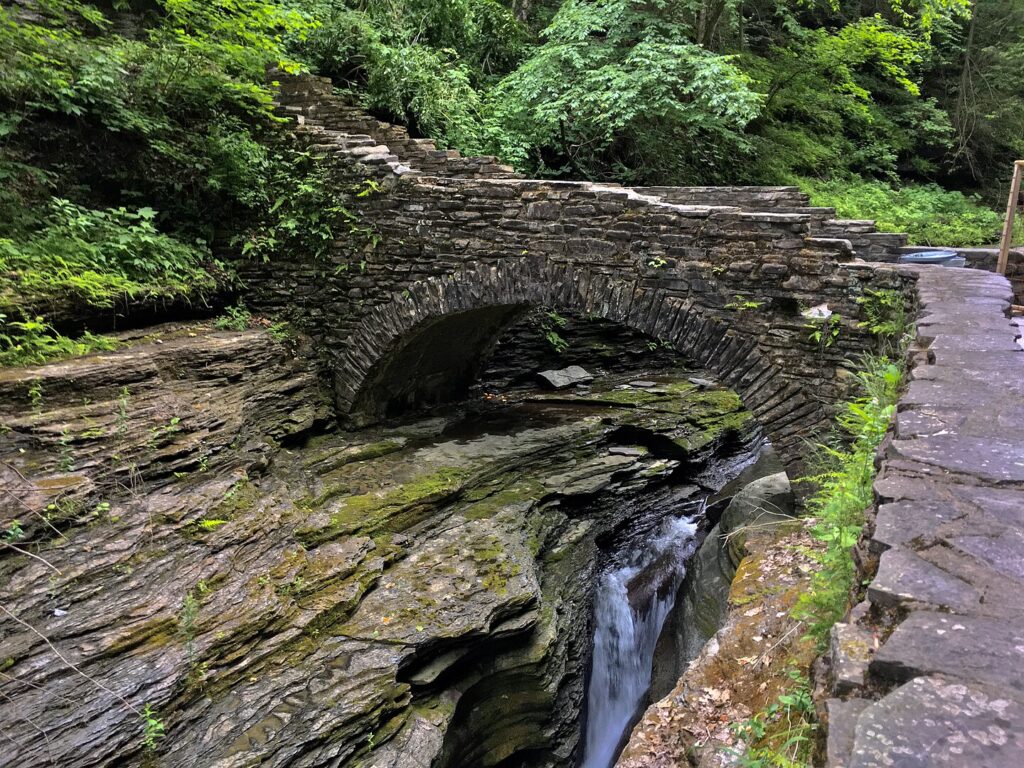
Not all wilderness camping requires remote national parks, as demonstrated by New York’s spectacular Watkins Glen State Park. The main campground places you within walking distance of the renowned Watkins Glen Gorge Trail, where 19 waterfalls cascade along a two-mile path through 200-foot cliffs carved by ancient glaciers. Morning hikes before the crowds arrive allow campers to experience the ethereal beauty of Rainbow Falls and Cavern Cascade in solitude, with water sometimes appearing to hang in mid-air as it descends through narrow stone corridors.
While large mammals are less common here than in expansive national parks, the surrounding forests harbor abundant white-tailed deer, red fox, and over 200 bird species that create a symphony of natural sounds each morning. The park’s location in the heart of the Finger Lakes region means campers can combine wilderness experiences with visits to local wineries and farm-to-table restaurants, creating a balanced outdoor experience that’s particularly appealing to families and first-time campers.
Porcupine Mountains Wilderness State Park: Michigan’s Old Growth Forest
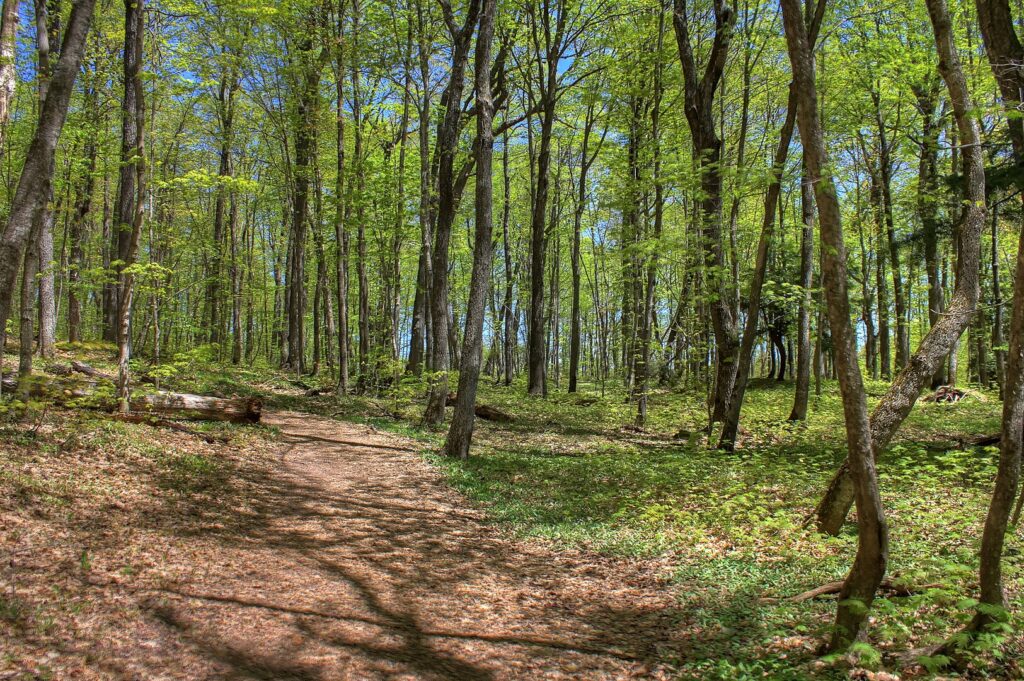
Michigan’s Upper Peninsula houses one of the Midwest’s true wilderness treasures in the Porcupine Mountains, home to the largest tract of old-growth northern hardwood forest in North America. The Presque Isle Campground provides waterfront sites on Lake Superior with easy access to the spectacular Presque Isle River waterfalls, where the river tumbles through ancient volcanic rock formations before meeting the great lake. Backcountry campers can secure permits for sites along the Little Carp River Trail, where multiple waterfalls provide natural swimming holes surrounded by 300-year-old hemlock and maple trees. The Union Bay Campground offers more amenities while still providing access to the park’s wilderness, including frequent sightings of black bears, beavers, and timber wolves that have naturally recolonized the area.
For a truly unique experience, the park’s rustic cabins and yurts allow for wilderness immersion even during Michigan’s snowy winters, when waterfalls freeze into magnificent ice sculptures and wolf tracks are easily spotted in fresh snow. The park’s 60,000 acres receive relatively few visitors compared to national parks, creating an authentic wilderness experience within a day’s drive of major Midwestern cities.
Zion National Park: Desert Oasis and Canyon Wilderness
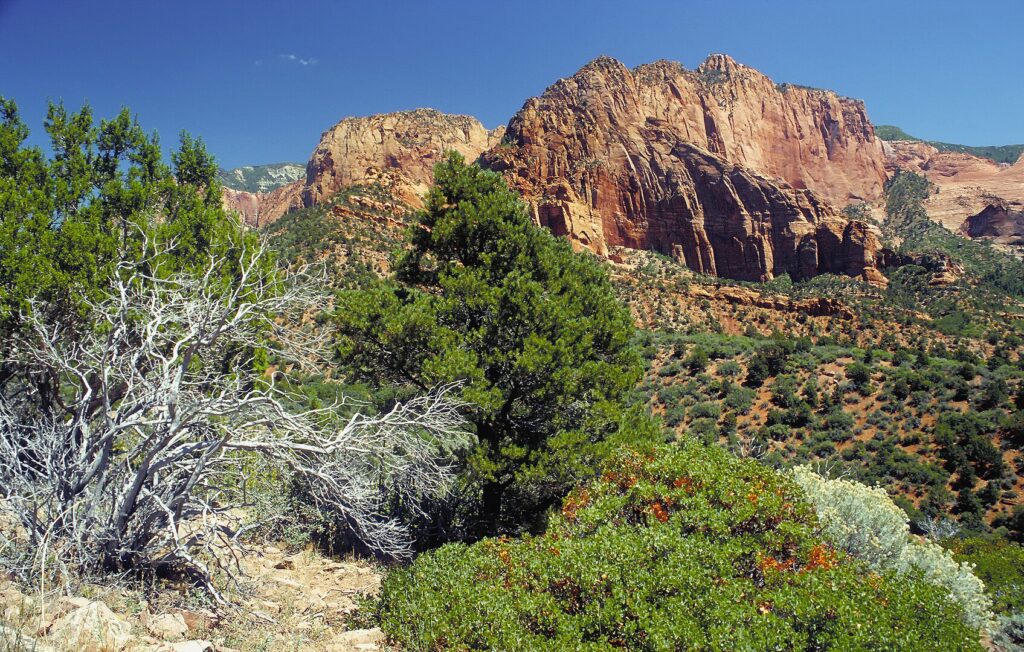
Utah’s Zion National Park offers some of the Southwest’s most dramatic landscapes, with camping options that connect visitors to both waterfalls and wildlife in a desert setting. The Watchman Campground sits beneath towering sandstone cliffs where peregrine falcons nest and desert bighorn sheep navigate seemingly impossible terrain. While the desert environment might seem inhospitable, the Virgin River creates a ribbon of life through the canyon, culminating in the spectacular Emerald Pools where waterfalls cascade into crystal-clear collecting basins surrounded by hanging gardens and lush vegetation. For wilderness seekers, backcountry permits allow camping along the West Rim Trail where springs create unexpected waterfalls tumbling hundreds of feet down red rock walls, creating microhabitats for rare plants and animals.
South Campground offers a more family-friendly base for exploring the Narrows, where the Virgin River has carved one of the world’s premier slot canyons that serves as a natural wildlife corridor for mule deer, ringtail cats, and even the occasional mountain lion. During summer monsoon season, ephemeral waterfalls appear throughout the park as rainwater pours off thousand-foot cliffs, creating spectacular but short-lived cascades that few visitors are fortunate enough to witness.
Safety Considerations for Wilderness Camping
Camping near waterfalls, wildlife, and wilderness areas requires special safety considerations beyond standard camping practices. When camping near waterfalls, always set up camp well above the high-water mark, as flash floods can occur rapidly even during clear weather if storms develop upstream. Wildlife safety varies by region—in bear country, proper food storage in designated lockers or bear canisters is non-negotiable, along with cooking at least 100 feet from your sleeping area. Wilderness camping often means limited or no cell service, making it essential to leave detailed trip plans with reliable contacts and consider carrying satellite communication devices for emergencies.
Weather preparedness becomes particularly important in wilderness settings, where conditions can change rapidly and evacuation may be difficult; always pack clothing and gear for conditions at least 20 degrees colder and wetter than forecast. Remember that the most magnificent camping locations often come with inherent risks, and respecting nature’s power is part of the wilderness experience that makes these destinations so rewarding.
Conclusion: The Ultimate Wilderness Campsite
The perfect wilderness campsite—where waterfalls provide natural soundscapes, wildlife offers glimpses into untamed existence, and true wilderness surrounds you—represents one of life’s most profound opportunities to reconnect with our natural world. These destinations do more than provide a place to sleep outdoors; they offer transformative experiences that remind us of our place within nature’s grand tapestry. Whether you’re watching morning mist rise from a waterfall in Olympic National Park, spotting wolves in Yellowstone’s Lamar Valley from your tent, or falling asleep to the rhythm of waves at Big Bend’s river camps, these experiences create memories and connections that endure long after you’ve returned to civilization.
As you plan your next wilderness camping adventure, remember that the greatest reward comes not just from witnessing these natural wonders, but from the humility and perspective gained by experiencing them on nature’s terms.