

Exploring America’s natural wonders with your four-legged companion creates memories that last a lifetime. National parks offer some of the most breathtaking landscapes in the country, and while many have restrictions on where dogs can roam, there are still plenty of pet-friendly trails to discover. From coastal pathways to mountain vistas, these trails welcome both two-legged and four-legged adventurers. This guide highlights the best dog-friendly trails across America’s national parks, providing essential information for planning your next outdoor adventure with your canine companion. Before hitting the trail, remember that responsible pet ownership in these protected areas helps ensure these spaces remain open to dogs for generations to come.
Understanding National Park Pet Policies

National parks typically have stricter regulations regarding pets than other public lands, primarily to protect wildlife, natural resources, and other visitors. Most national parks restrict dogs to developed areas such as campgrounds, picnic areas, and specific designated trails. The standard “B.A.R.K.” principles (Bag your pet’s waste, Always leash your pet, Respect wildlife, Know where you can go) serve as helpful guidelines for all pet owners. Each park has its own specific regulations, so checking the official National Park Service website for your destination is essential before planning your trip. Some parks are significantly more dog-friendly than others, with varying lengths and numbers of trails where dogs are permitted.
Acadia National Park: A Dog Lover’s Paradise

Acadia National Park in Maine stands out as one of the most dog-friendly national parks in the United States, with over 100 miles of hiking trails and 45 miles of carriage roads where leashed pets are welcome. The Ocean Path trail offers a relatively flat 4-mile round trip along the dramatic rocky coastline between Sand Beach and Otter Point, with plenty of opportunities for scenic stops and photo opportunities. For a more challenging hike, the 3.3-mile Gorham Mountain Loop provides spectacular ocean views and moderately difficult terrain that most active dogs can handle. Wonderland Trail and Ship Harbor Trail are gentler options, both approximately 1.5 miles long and offering beautiful coastal scenery perfect for a leisurely walk with your four-legged friend.
Cuyahoga Valley National Park: Midwestern Dog-Friendly Haven
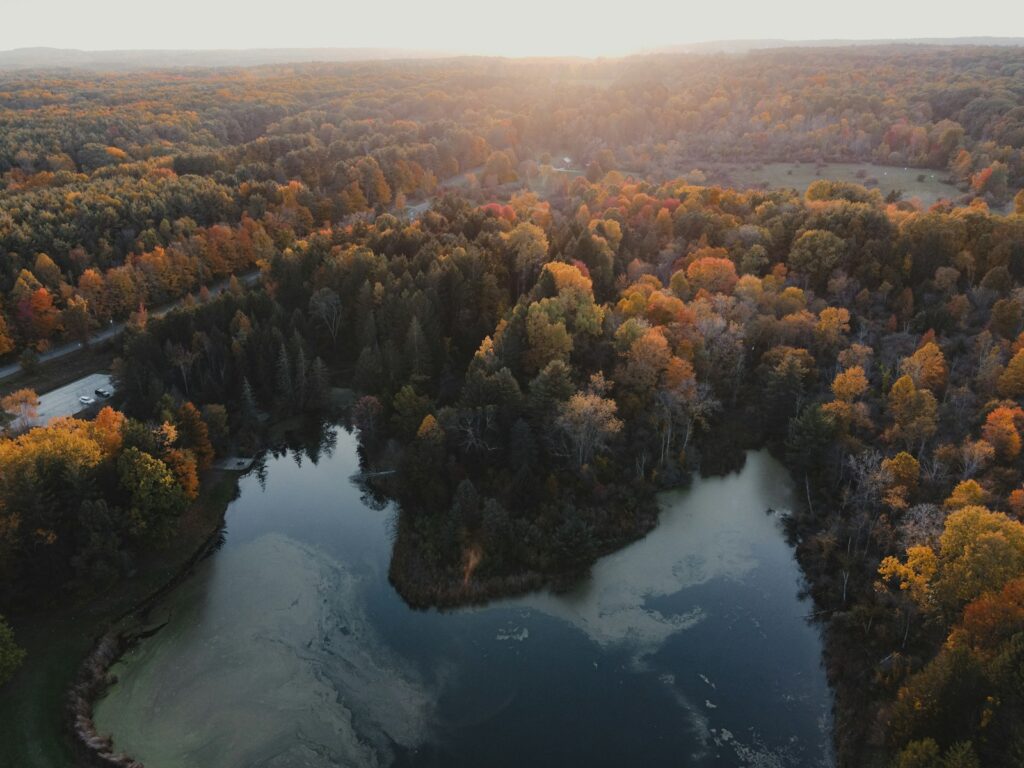
Ohio’s Cuyahoga Valley National Park is exceptionally welcoming to canine visitors, allowing leashed dogs on all of its more than 125 miles of hiking trails. The Ohio & Erie Canal Towpath Trail is the park’s signature pathway, a 20-mile flat, accessible trail that follows the historic canal route and is perfect for dogs of all abilities. For a more immersive forest experience, the 2.2-mile Brandywine Gorge Trail loops around Brandywine Falls, one of the park’s most beautiful features, though be aware the boardwalk sections can get crowded during peak times. The Salt Run Trail offers a more secluded 3.5-mile journey through maple and oak forests, providing a quieter experience for dogs who might be sensitive to crowds or other trail users.
Grand Canyon National Park: Rim Trail Adventures
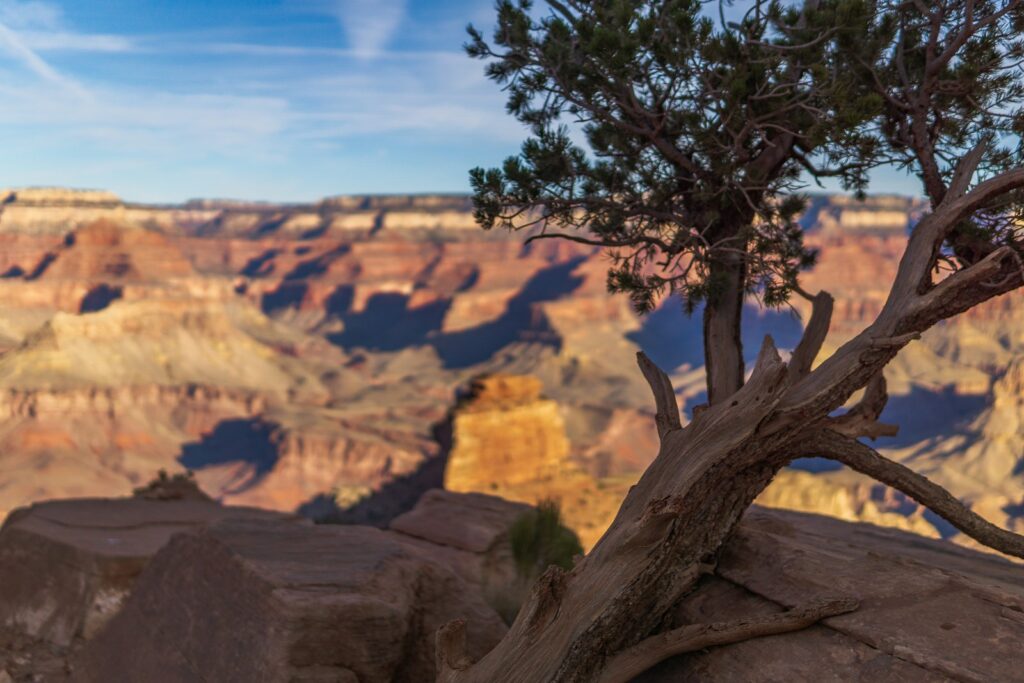
While the interior of Grand Canyon National Park is off-limits to pets, the South Rim Trail provides an excellent opportunity for dogs to experience the majesty of this natural wonder. This paved trail stretches for approximately 13 miles along the canyon’s edge, offering countless breathtaking viewpoints of the massive chasm below. Dogs must remain on a leash no longer than six feet at all times, and owners should be particularly vigilant about keeping them away from the edge. The Trail of Time section is particularly interesting, featuring exhibits about the canyon’s geological history that human companions can enjoy while taking a leisurely stroll with their pets. Water stations are available at various points along the trail, but carrying extra water is essential, especially during the hot summer months when the exposed pathway can become extremely warm.
Shenandoah National Park: Blue Ridge Mountain Trails

Shenandoah National Park in Virginia offers over 500 miles of trails, with approximately 480 of them open to leashed dogs, making it one of the most dog-friendly national parks in the eastern United States. The Blackrock Summit Trail is a favorite 1-mile loop that offers spectacular vistas of the Blue Ridge Mountains while traversing relatively easy terrain suitable for most dogs. For a more challenging adventure, the 3.7-mile Rose River Loop takes you and your furry friend past beautiful waterfalls and through lush forests with moderate elevation changes. The 3.4-mile Doyles River Falls trail offers another waterfall experience, with the sound of rushing water often exciting canine companions throughout the journey. When hiking in Shenandoah, always be aware of local wildlife, including bears, and keep your dog close to avoid unfortunate encounters.
Yosemite National Park: Limited but Spectacular Options

While Yosemite National Park has more restrictions than some other parks, dogs are still welcome on fully paved roads, sidewalks, and the Wawona Meadow Loop, a relatively flat 3.5-mile trail that offers beautiful meadow views and is especially lovely in spring when wildflowers bloom. The paved trails in Yosemite Valley provide some of the most iconic views in the park, including the 1-mile roundtrip Lower Yosemite Fall Trail, where you and your dog can experience the mist from North America’s tallest waterfall. The Bridalveil Fall paved trail is another short option at 0.5 miles roundtrip, offering views of one of Yosemite’s most photogenic waterfalls. Remember that summer days in Yosemite Valley can become extremely hot, so early morning walks are best for your dog’s comfort and safety.
Olympic National Park: Coastal Canine Adventures

Olympic National Park in Washington offers diverse ecosystems, and while dogs are restricted from many trails, they are allowed on specific beaches and several worthwhile trails. The Peabody Creek Trail near the Olympic National Park Visitor Center is a peaceful 0.5-mile forested walk that’s perfect for a quick nature break with your dog. The Spruce Railroad Trail along Lake Crescent stretches for 4 miles one-way along the northern shore of the crystal-clear lake, offering relatively flat terrain and beautiful water views. Perhaps most exciting for many dogs is the Rialto Beach area, where leashed pets are permitted for the first 0.5 miles, allowing them to experience the dramatic Pacific coastline with its crashing waves and massive driftwood. Kalaloch and Ruby beaches also allow leashed dogs, providing opportunities for beach walks amidst the dramatic sea stacks and coastal scenery.
Hot Springs National Park: Urban Trail System

Hot Springs National Park in Arkansas offers a unique experience as one of the most urban national parks, with all 26 miles of trails open to leashed dogs. The Grand Promenade is a brick-paved, half-mile walkway above the historic bathhouse row, providing an accessible path with interesting views of the historic district and opportunities to feel the warm water seeping from the ground. For a more challenging hike, the 1.5-mile Goat Rock Trail offers excellent views of the surrounding Ouachita Mountains and diverse forest environments. The 10-mile Sunset Trail is the longest in the park and can be broken into three distinct sections, allowing you to choose your adventure based on your dog’s stamina and abilities. After your hike, the park’s location adjacent to the town of Hot Springs means you can find dog-friendly patios where both you and your pet can refresh and refuel.
Great Sand Dunes National Park: Sandy Paw Adventures
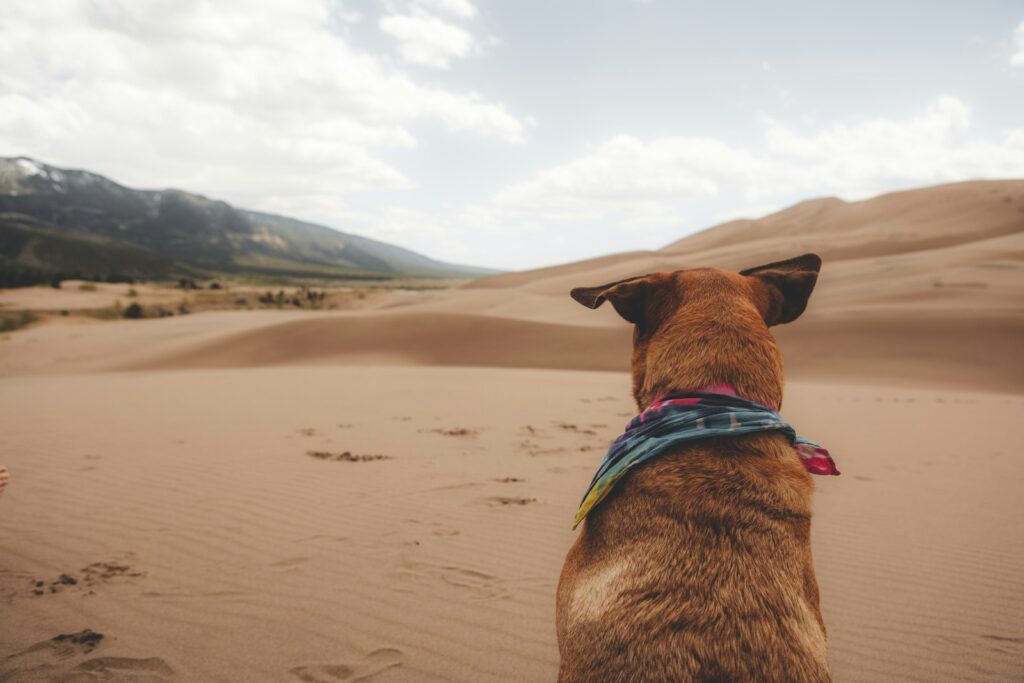
Great Sand Dunes National Park in Colorado offers a uniquely dog-friendly experience, allowing leashed pets on the massive dunes up to the first high ridge, as well as in other non-vegetated areas of the main dune field. This is an exceptional opportunity for dogs who enjoy playing in sand, though owners should be aware that the sand can become extremely hot during summer days, potentially burning sensitive paw pads. Early morning or evening visits are recommended during warm months to protect your dog’s feet and prevent overheating. The Medano Creek area at the base of the dunes is also dog-friendly when water is flowing (typically spring and early summer), providing a refreshing splash zone after dune exploration. Always carry extra water, as the dry environment and physical exertion of climbing dunes can quickly dehydrate both humans and canines.
Mammoth Cave National Park: Surface Trails
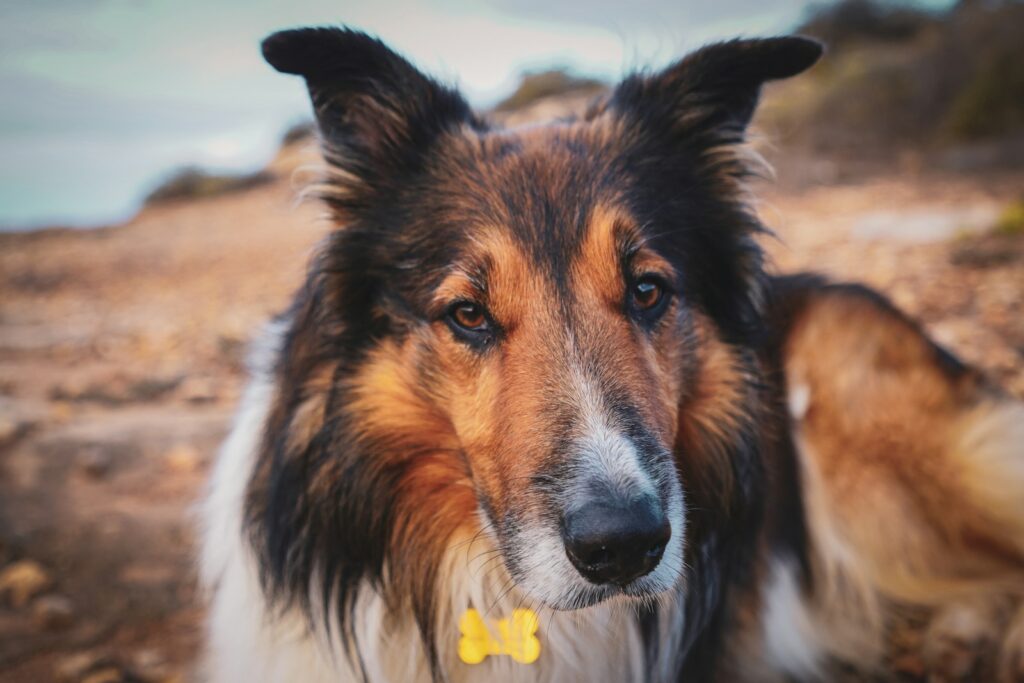
While dogs cannot enter the famous cave system at Mammoth Cave National Park in Kentucky, they are welcome on all 84 miles of surface trails that wind through the park’s lush forests. The 1-mile Sloan’s Crossing Pond Walk is a favorite for dog owners, offering a peaceful stroll around a small wetland area often filled with wildlife like turtles and frogs that might intrigue your pet. The Green River Bluffs Trail provides a moderately challenging 1.3-mile loop with beautiful overlooks of the Green River valley and diverse forest habitats. For a longer adventure, the 4.9-mile Turnhole Bend Trail takes you through varied terrain with opportunities to observe wildlife and seasonal wildflowers. The park’s campgrounds are also pet-friendly, making Mammoth Cave an excellent destination for an extended stay with your four-legged companion.
Biscayne National Park: Island Adventures

Biscayne National Park in Florida offers a unique marine experience where leashed pets are welcome on the grounds of Convoy Point and on Boca Chita and Elliott Keys. While you’ll need to arrange boat transportation to reach the keys, they provide rare opportunities for island exploration with your dog in a national park setting. On Elliott Key, the 1-mile Spite Highway trail takes you through tropical hardwood hammock, offering glimpses of the unique island ecosystem. The developed areas of both keys have picnic facilities where you can relax with your pet after exploring. Remember that much of the park is underwater, so opportunities with pets are limited to these land areas, but they still provide a distinctive national park experience in a tropical setting that’s quite different from most other parks on this list.
Preparing Your Dog for National Park Trails
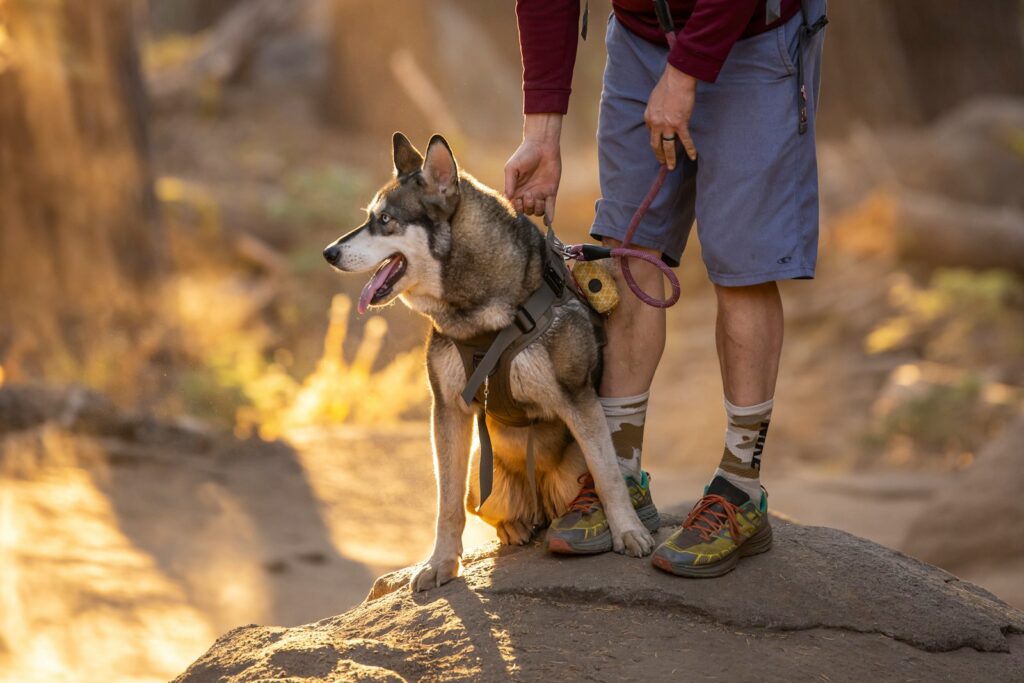
Before embarking on a national park adventure, ensure your dog is physically prepared for the specific trails you plan to hike. Just like humans, dogs need to build endurance gradually, so start with shorter local hikes before attempting longer or more challenging trails. Pack essential items including plenty of water, a collapsible bowl, waste bags, a first aid kit with pet-specific supplies, and possibly booties to protect paws from rough or hot terrain. Make sure your dog’s ID tags are current and consider having them microchipped as an extra precaution. Brush up on basic obedience commands, as good recall and leash manners are essential for safety in these natural environments. Also research the availability of veterinary services near your destination park in case of emergency.
Responsible Pet Ownership in National Parks
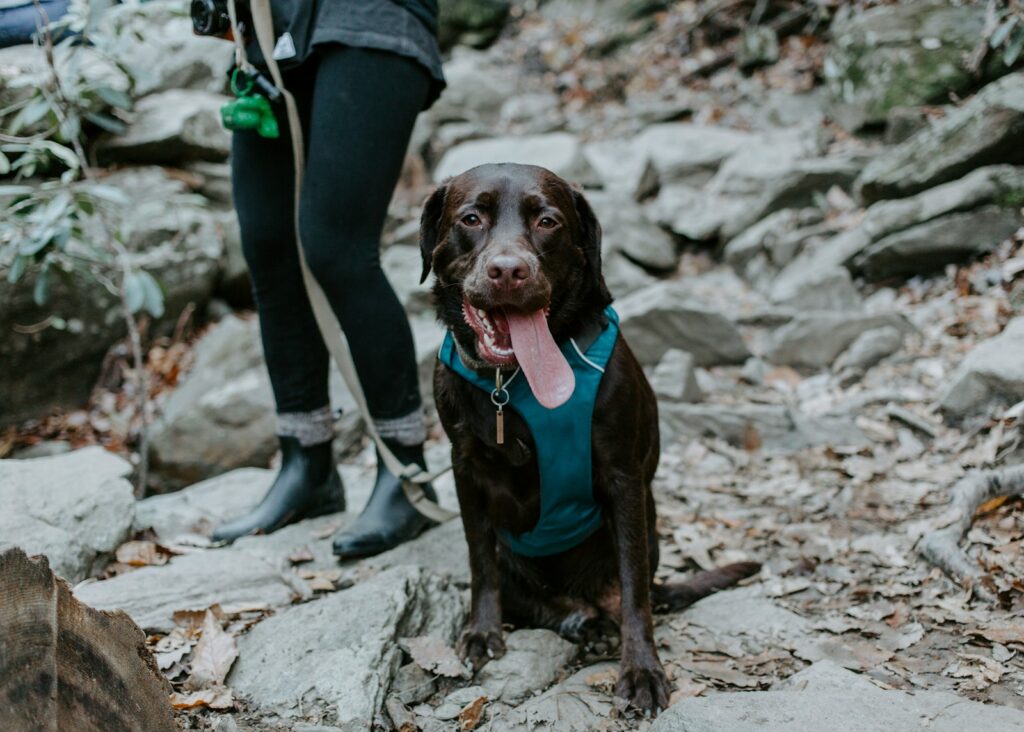
When visiting national parks with your dog, following Leave No Trace principles becomes even more important. Always pack out pet waste in appropriate bags, even if you’re in remote areas where it might seem tempting to leave it behind. Keep your dog leashed at all times, typically on a leash no longer than six feet, regardless of how well-trained they may be. This protects wildlife from disturbance, prevents unwanted encounters with other park users, and keeps your dog safe from potential hazards like steep drops or poisonous plants. Respect wildlife by preventing your dog from chasing, barking at, or otherwise harassing animals, which can cause stress and disrupt natural behaviors. By demonstrating exemplary pet ownership, you help ensure that national parks remain accessible to dogs for future visitors to enjoy.
Beyond the Trails: Dog-Friendly Accommodations Near National Parks

Planning a national park trip with your dog requires considering accommodations that welcome pets as warmly as the trails do. Many national park campgrounds allow dogs, though they typically must remain leashed even at your campsite and cannot be left unattended. For those preferring more comfortable lodging, research pet-friendly cabins, lodges, and hotels in gateway communities surrounding the parks, as options within park boundaries may be limited or have restrictions. Some parks, like Acadia, have nearby towns with numerous pet-friendly options, while more remote parks might have fewer choices. Many accommodations charge pet fees and may have specific rules about leaving dogs in rooms, so clarify these policies before booking. Additionally, research dog-friendly restaurants, cafes with outdoor seating, and pet supply stores in the area to make your entire trip enjoyable for both you and your four-legged hiking partner.
Exploring national parks with your dog creates a special bond through shared adventures in some of America’s most beautiful landscapes. While restrictions exist to protect these precious environments, the trails highlighted here offer excellent opportunities to include your canine companion in your outdoor explorations. By following park regulations, preparing appropriately, and practicing responsible pet ownership, you help ensure these spaces remain available for dogs and their humans for years to come. Whether you’re hiking coastal paths in Acadia, scaling sand dunes in Colorado, or strolling along the rim of the Grand Canyon, these dog-friendly trails offer unforgettable experiences that both ends of the leash will treasure.