
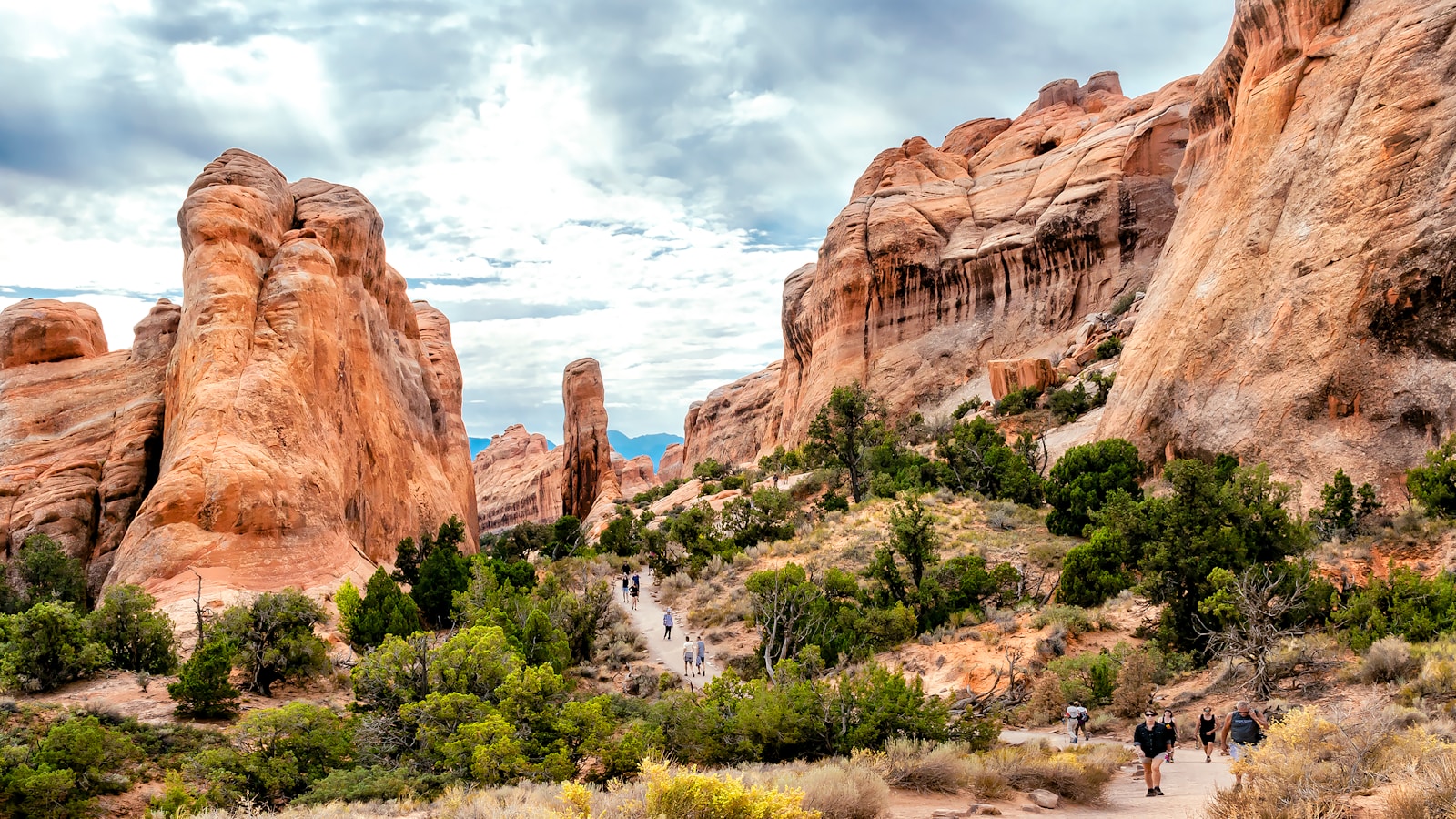
In a world increasingly dominated by urban landscapes and digital distractions, national parks stand as monuments to natural wonder and bastions of adventure. These protected wilderness areas offer not just spectacular scenery, but also unparalleled opportunities for thrill-seekers to test their limits and find exhilaration in the embrace of nature. From scaling towering peaks to navigating rushing rivers, and from exploring mysterious cave systems to traversing ancient forests, America’s national parks provide the perfect backdrop for unforgettable adventures. This guide explores the premier national parks for those who crave adrenaline, challenge, and immersion in the wild. Whether you’re an experienced outdoor enthusiast or just beginning your adventure journey, these parks offer experiences that will leave you breathless—both from exertion and awe.
Yosemite National Park: A Climber’s Paradise
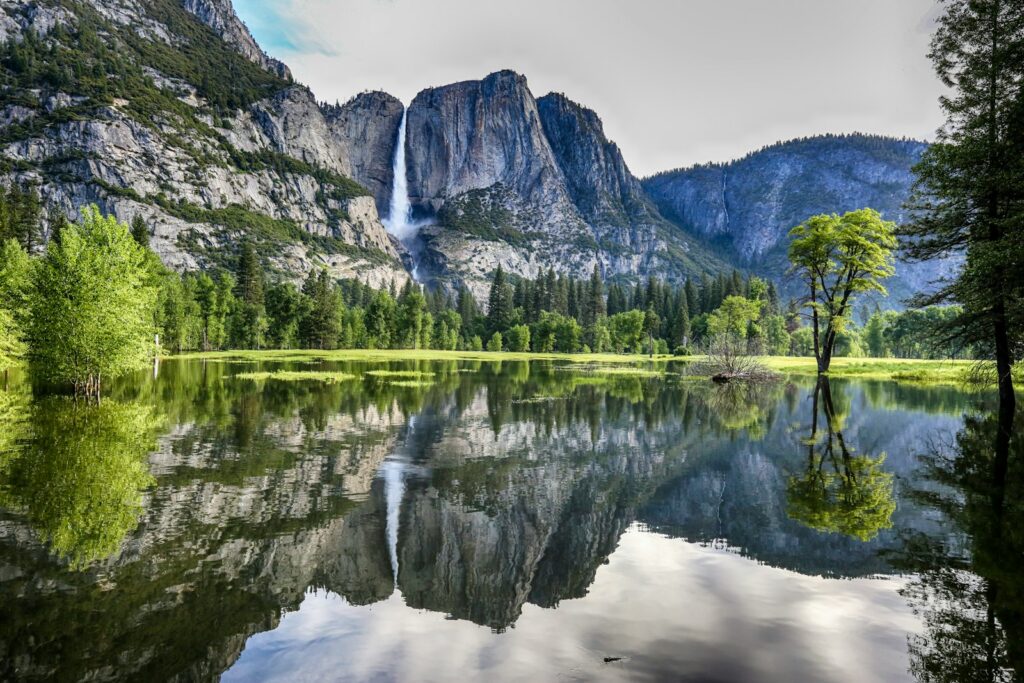
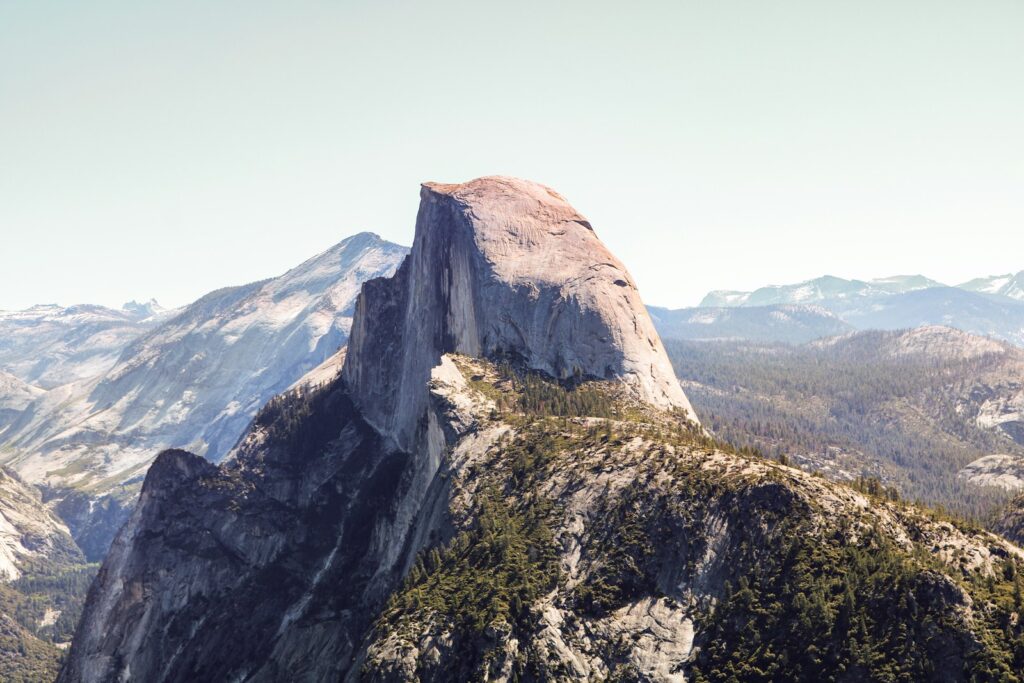
Yosemite National Park in California stands as the undisputed mecca for rock climbers worldwide, with its iconic granite monoliths offering some of the most challenging and rewarding climbing experiences on the planet. El Capitan, a 3,000-foot vertical rock formation, has become legendary in climbing circles, particularly for its route “The Nose” which represents the ultimate test of endurance and skill. Beyond climbing, adventure seekers can hike to the summit of Half Dome, a strenuous 14-16 hour round trip requiring permits and featuring the famous cable section where hikers pull themselves up the final 400 feet along steel cables. The park also offers opportunities for canyoneering, backcountry skiing in winter, and multi-day wilderness backpacking routes that take you far from the crowds into Yosemite’s spectacular high country.
Grand Canyon National Park: River Adventures and Rim-to-Rim Challenges
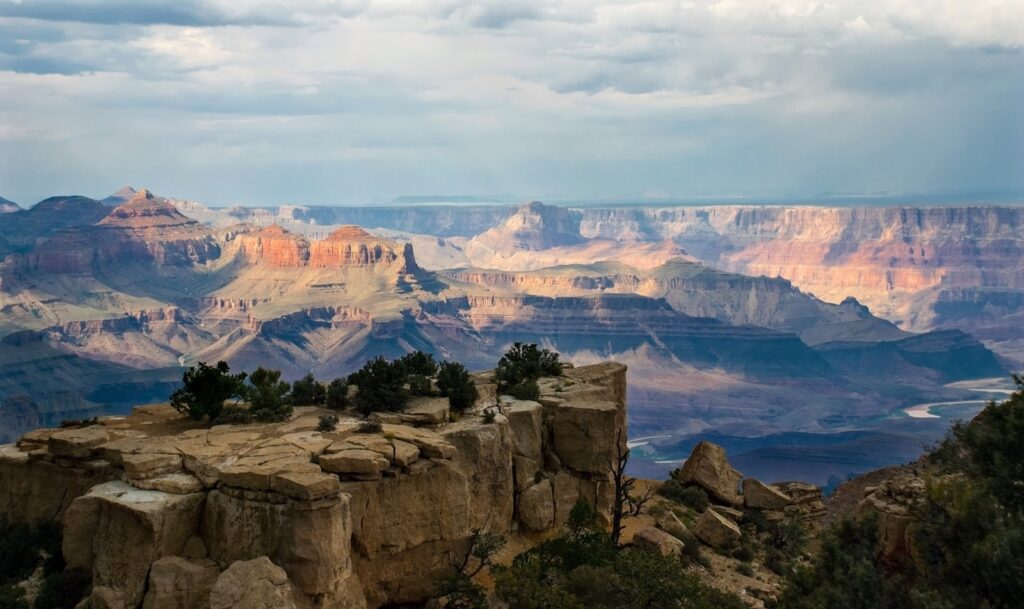
The Grand Canyon presents adventure seekers with opportunities as vast as the canyon itself, with the Colorado River offering some of the most exhilarating whitewater rafting in North America. Multi-day rafting trips through the canyon combine heart-pounding rapids with peaceful stretches where you can absorb the ancient geology towering thousands of feet above. For hikers seeking the ultimate challenge, the Rim-to-Rim trek traverses the entire canyon, descending 4,500 feet from the North Rim, crossing the Colorado River, and ascending 4,800 feet to the South Rim—a journey typically done in two days but attempted in a single grueling day by the most ambitious adventurers. Backcountry permits allow for exploration of remote areas rarely seen by the average visitor, including hidden slot canyons, waterfalls, and Native American archaeological sites that remain largely untouched by modern civilization.
Zion National Park: Slot Canyons and Exposed Ridges
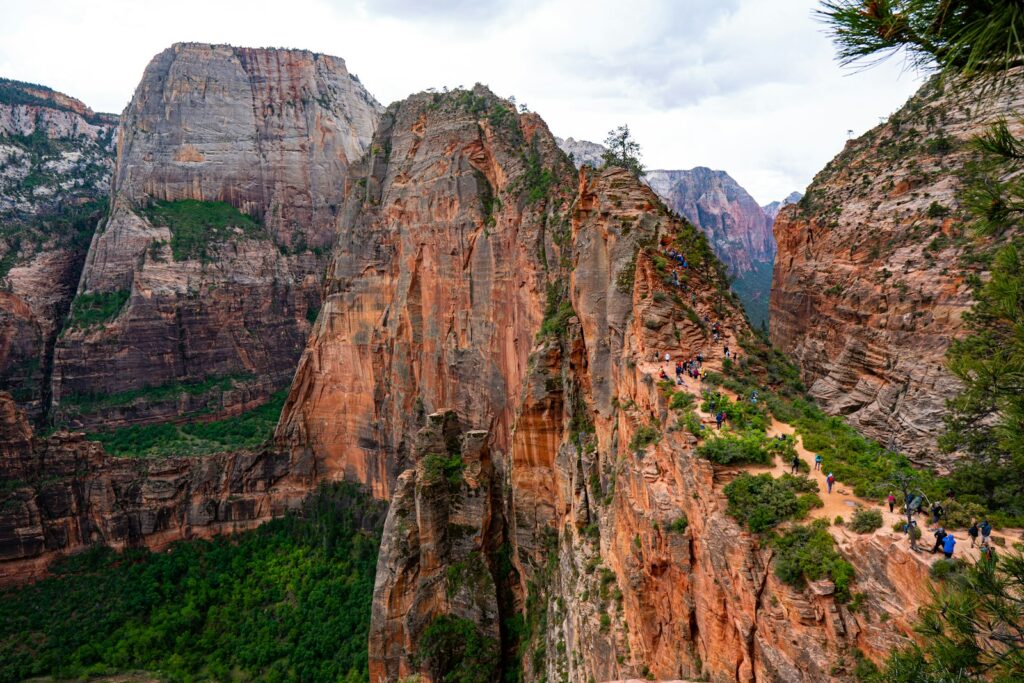
Utah’s Zion National Park offers some of the most unique adventure experiences in the national park system, with its narrow slot canyons providing unforgettable canyoneering opportunities through sculpted sandstone passages. The Narrows invites adventurers to wade upstream through the Virgin River between towering walls that sometimes narrow to just 20 feet wide, while technical canyoneering routes like Orderville Canyon and Mystery Canyon require rappelling skills and proper equipment. Perhaps most famous—and intimidating—is Angels Landing, a 5.4-mile round-trip hike that culminates in a knife-edge ridge with 1,000-foot drop-offs on either side, where hikers must use chain assists to reach the spectacular viewpoint. For those seeking multi-day adventures, the Trans-Zion Trek connects several trails into a 47-mile journey across the entire park, showcasing diverse ecosystems from desert to forest.
Grand Teton National Park: Alpine Climbing and Mountaineering
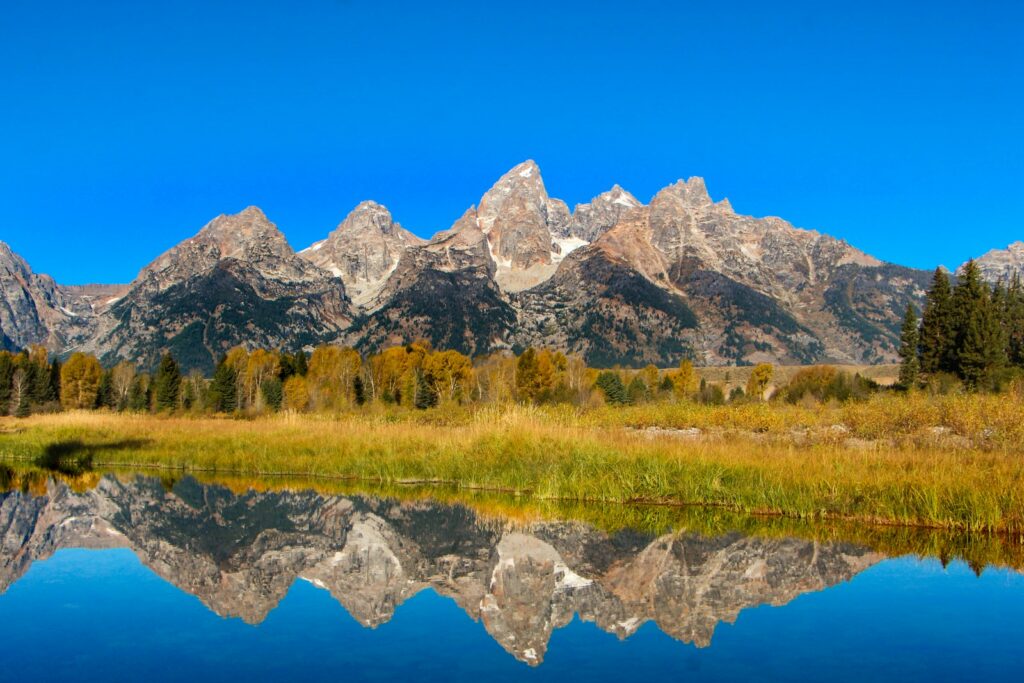
Grand Teton National Park in Wyoming offers some of America’s most accessible yet challenging alpine mountaineering opportunities, with the iconic jagged skyline of the Teton Range dominating the landscape. The Grand Teton itself, rising to 13,775 feet, presents numerous technical climbing routes, ranging from the relatively straightforward Owen-Spalding route (still requiring technical climbing skills) to challenging multi-pitch climbs on near-vertical faces. The park’s 200+ miles of hiking trails include punishing elevation gains that access remote alpine lakes, spectacular viewpoints, and wildlife-rich meadows. Winter transforms the park into a backcountry skiing paradise, with challenging routes like the 5,000-vertical-foot descent of the Skillet Glacier offering experiences for expert skiers. The park’s proximity to Jackson Hole also makes it possible to combine adventures with nearby opportunities for whitewater rafting on the Snake River.
Olympic National Park: Ecosystem Diversity Adventures
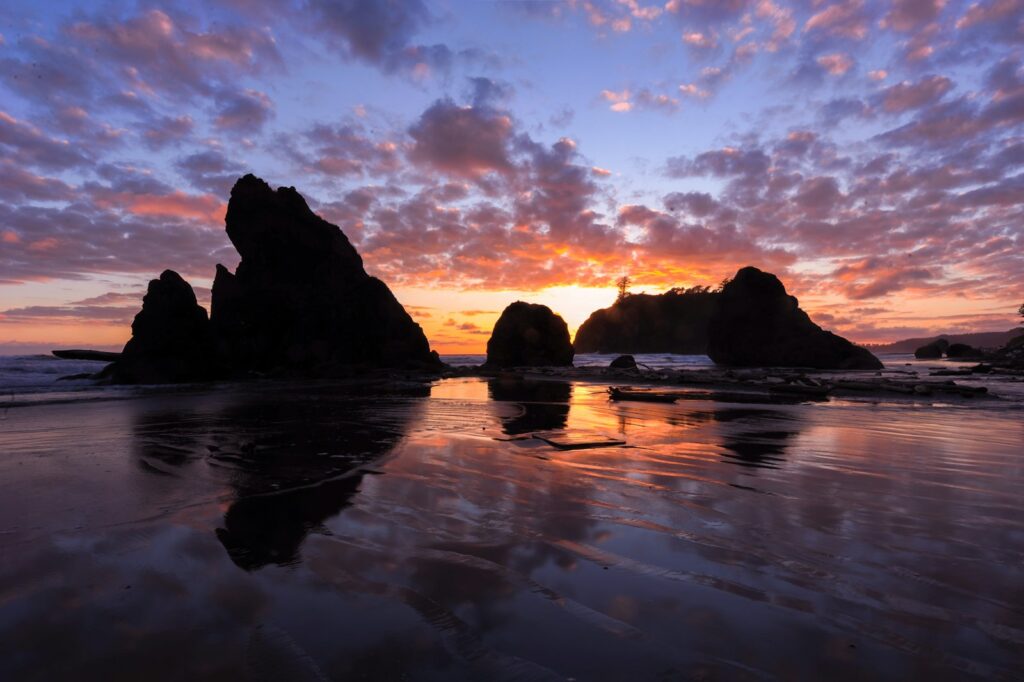
Olympic National Park in Washington state stands unique among national parks for containing three distinct ecosystems—temperate rainforest, wild Pacific coastline, and alpine mountains—allowing adventurers to experience dramatically different terrains in a single trip. The park’s wilderness coast offers challenging multi-day backpacking routes where hikers must carefully time their passage around headlands with the tides and use ropes to climb bluffs when the tide is high. In the interior, the Hoh Rainforest receives over 12 feet of rain annually, creating a mystical moss-draped environment where adventurers can backpack along the 17.4-mile Hoh River Trail to the base of Mount Olympus. Alpine adventurers can tackle the challenging climb of Mount Olympus itself, which requires glacier travel skills and technical climbing equipment to reach the summit at 7,980 feet, where on clear days views extend from the Pacific Ocean to the Seattle skyline.
Rocky Mountain National Park: Alpine Traverses and Technical Climbs
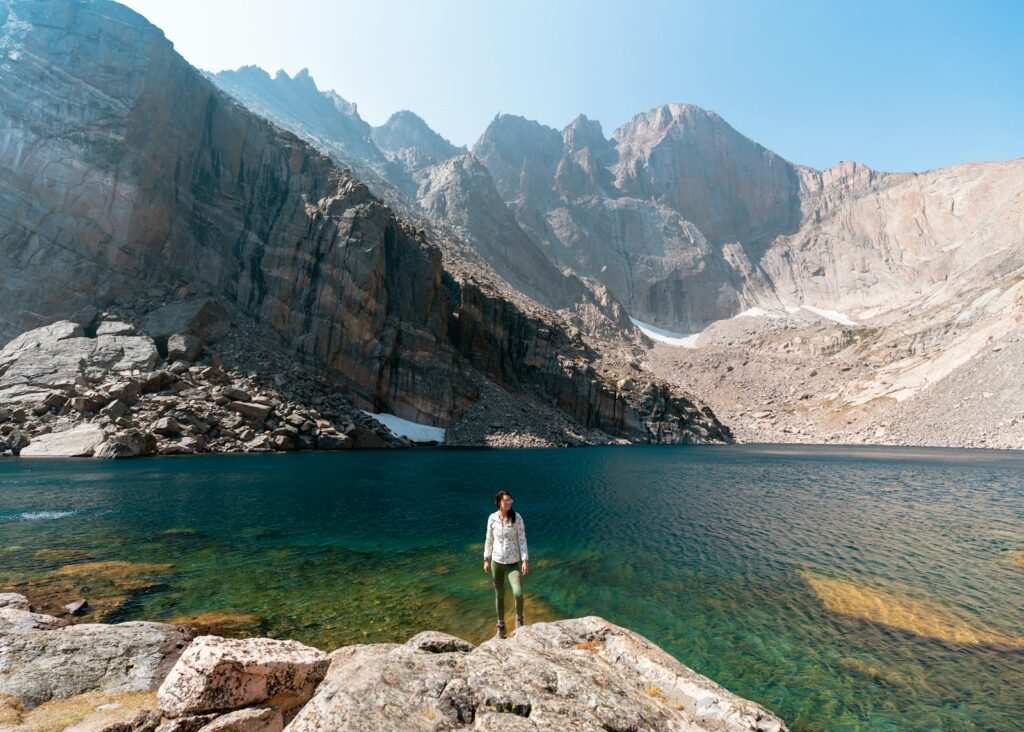
Colorado’s Rocky Mountain National Park offers adventure seekers the opportunity to experience the raw beauty and challenge of high alpine environments, with more than 60 peaks exceeding 12,000 feet in elevation. The crown jewel for many adventurers is Longs Peak, a 14,259-foot mountain whose Keyhole Route—though non-technical—still involves exposure, route-finding challenges, and an exhausting 15-mile round trip with over 5,000 feet of elevation gain. Technical climbers flock to the Diamond, a 900-foot sheer east face of Longs Peak offering some of the most difficult alpine big wall routes in the country. The Continental Divide Trail runs through the park, allowing for multi-day high-altitude backpacking trips with panoramic views of alpine lakes and rugged peaks. Winter brings opportunities for ice climbing in Glacier Gorge and Hidden Falls, plus challenging backcountry skiing in avalanche-prone terrain that demands proper training and equipment.
Denali National Park: Wilderness Expeditions and Summits
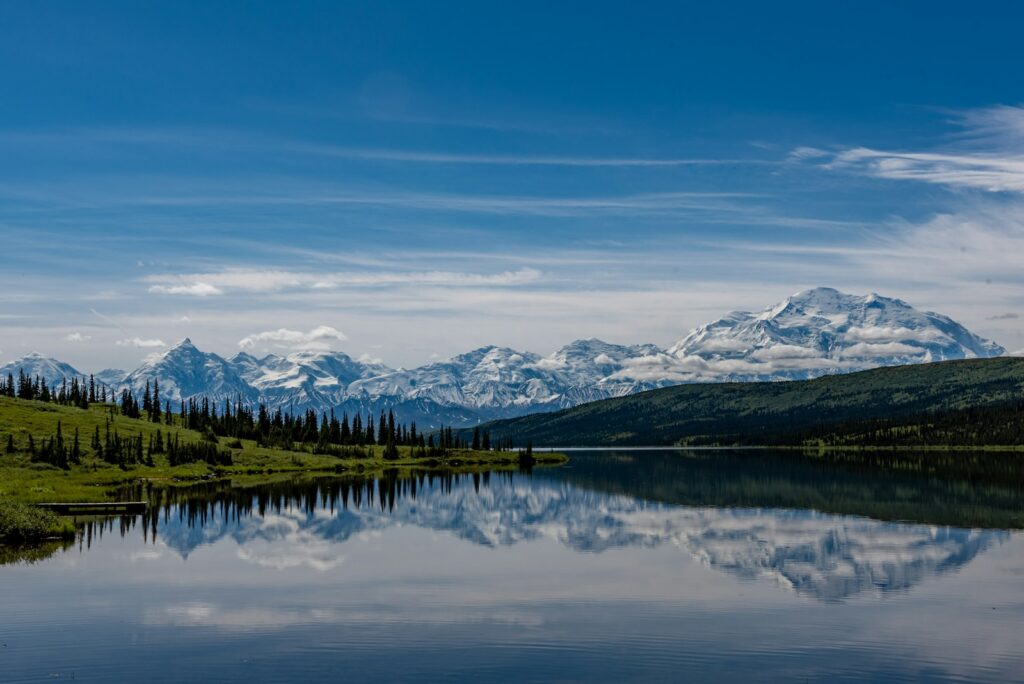
Alaska’s Denali National Park represents the ultimate wilderness adventure experience, anchored by North America’s highest peak—Denali, towering at 20,310 feet. Climbing Denali is a serious expedition requiring weeks of commitment, technical mountaineering skills, and the ability to endure extreme conditions, including temperatures dropping to -40°F and sudden severe storms. Beyond the mountain itself, the park offers true wilderness backpacking with no trails, requiring advanced navigation skills and bear safety knowledge as adventurers make their own routes through unmarked terrain. Packrafting combines backpacking with river travel, allowing adventurers to cross otherwise impassable waterways and experience remote valleys rarely visited by humans. Winter brings opportunities for extreme cold-weather camping, dog mushing, and cross-country skiing across a landscape transformed by snow and ice, where temperatures can plummet to -50°F and the northern lights dance overhead.
Canyonlands National Park: Remote Desert Challenges
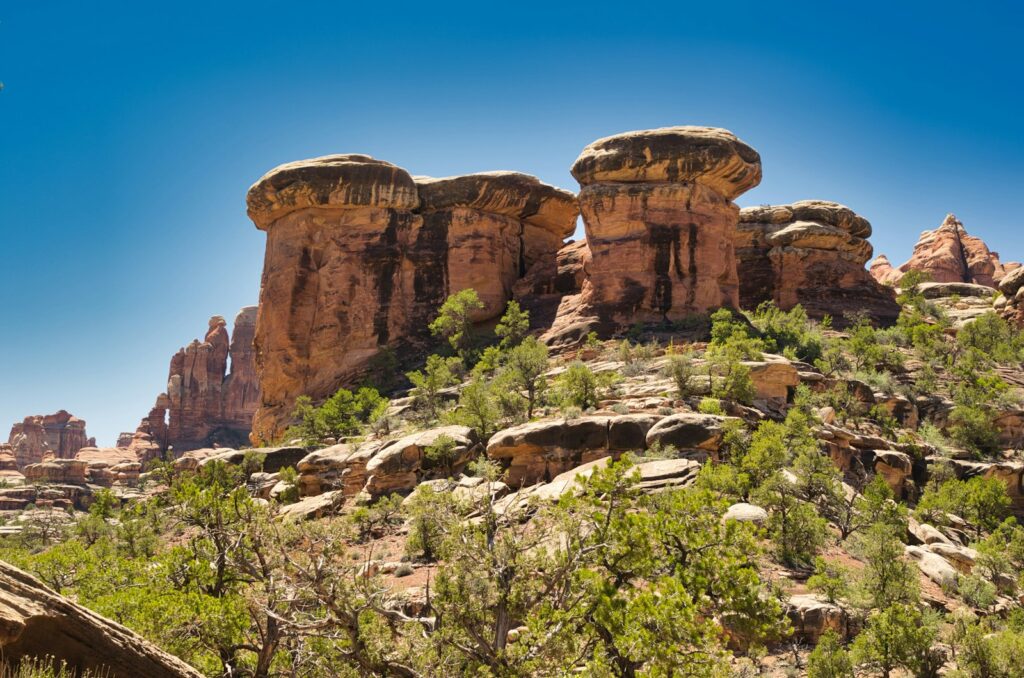
Utah’s Canyonlands National Park offers some of the most remote and challenging desert terrain in the national park system, divided into distinct districts by the confluence of the Green and Colorado Rivers. The Maze district represents the park’s most challenging area, with a labyrinth of twisting canyons requiring serious four-wheel-drive vehicles just to reach the trailheads, followed by complex navigation through unmarked routes where rangers warn visitors they must be self-sufficient and prepared for emergencies. Mountain biking enthusiasts tackle the famous White Rim Road, a 100-mile loop through the Island in the Sky district that requires 3-4 days to complete while negotiating steep, technical sections with limited water sources. The rivers themselves offer multi-day flatwater paddling expeditions through spectacular scenery, while technical canyoneering routes like Lower Black Box demand advanced skills to navigate narrow slots with swimming sections and rappels. Winter brings special challenges, as temperatures can plummet below freezing, creating treacherous ice on exposed slickrock sections.
Hawaii Volcanoes National Park: Volcanic Exploration

Hawaii Volcanoes National Park offers adventure seekers the rare opportunity to witness the raw power of Earth’s geological forces up close, with the active volcanoes Kīlauea and Mauna Loa creating an ever-changing landscape of lava flows, steam vents, and newly formed land. Adventurous hikers can undertake the challenging 8-mile round trip trek across the floor of Kīlauea Iki Crater, walking on hardened lava that was a seething lake of molten rock in 1959 and still steams in places as moisture hits hot rocks below the surface. The most ambitious backpacking route is the multi-day Mauna Loa Summit Trail, which climbs 6,662 feet in elevation over 19.6 miles to reach the summit of one of the world’s largest active volcanoes at 13,677 feet, where hikers might witness the glow of distant lava against the night sky. Conditions can change rapidly due to volcanic activity, with areas opening and closing based on current eruptions, gas levels, and the creation of new lava flows that sometimes reach the ocean in spectacular steam explosions.
Wind Cave National Park: Underground Exploration
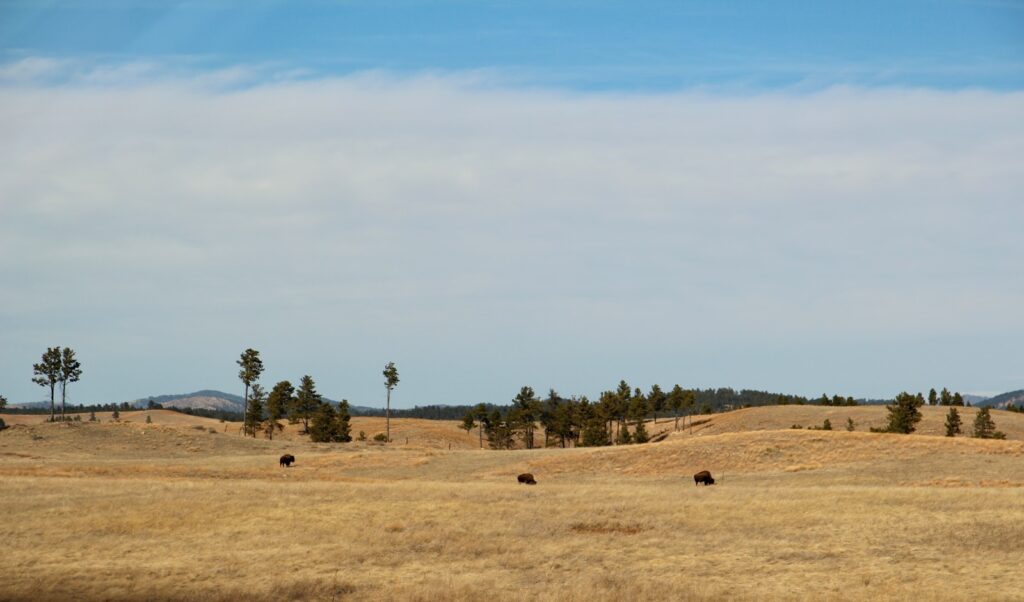
South Dakota’s Wind Cave National Park offers adventure seekers a different dimension of exploration—downward into one of the world’s most complex cave systems, currently mapped at over 150 miles of passages with more discovered each year. The Wild Cave Tour takes properly equipped adventurers on a challenging four-hour journey through undeveloped sections of the cave, where participants must squeeze through narrow passages as tight as 8-10 inches, crawl through tunnels, and climb over rock obstacles while learning about the cave’s unique boxwork formations, which are among the finest in the world. Above ground, the park protects one of the few remaining mixed-grass prairies in the United States, where adventurous backpackers can obtain permits for backcountry camping amid bison, elk, and prairie dog towns. The combination of exploring both below and above ground in a single park offers a unique adventure experience that challenges visitors both physically and mentally while providing insight into dramatically different ecosystems separated by just a few hundred feet of limestone.
Glacier National Park: Remote Wilderness Trekking
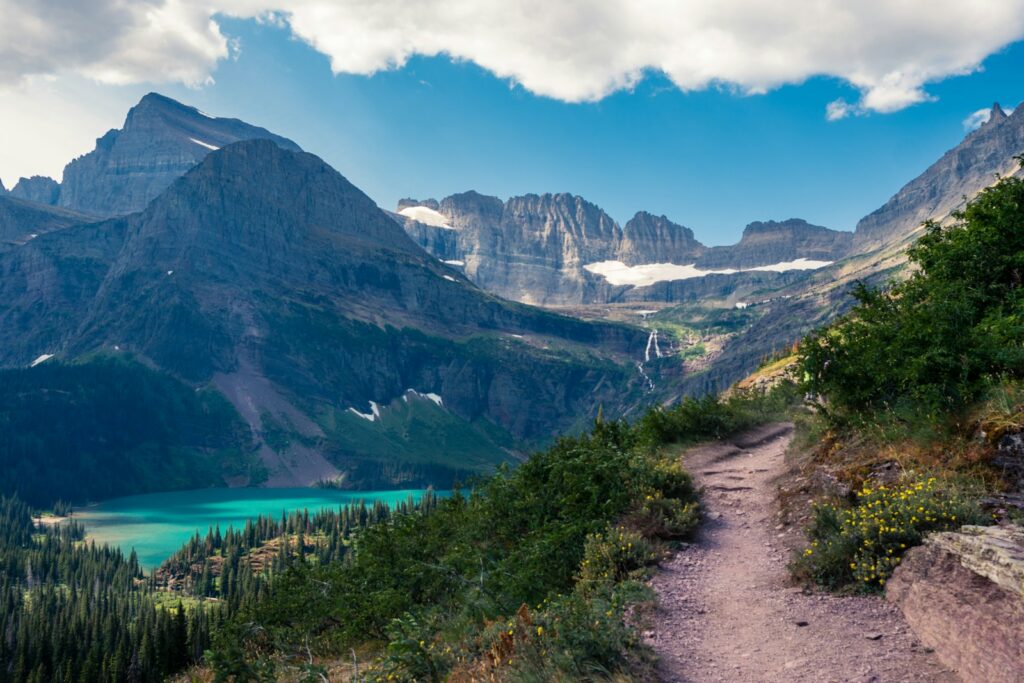
Montana’s Glacier National Park offers some of the most pristine alpine wilderness in the lower 48 states, with over 700 miles of trails crossing spectacular mountain passes and providing access to remote backcountry areas. The Continental Divide Trail runs through the heart of the park, allowing for multi-day backpacking trips where encounters with grizzly bears and mountain goats are common, requiring proper wildlife safety precautions and food storage. High-elevation passes like Swiftcurrent and Piegan offer heart-pounding hiking with exposure and snow fields that often persist into August, while providing breathtaking views of glacier-carved valleys. Technical climbers tackle challenging routes on peaks like Mount Siyeh and Mount Gould, where loose rock and sudden weather changes add to the adventure. Winter transforms the park into a realm of extreme solitude, where experienced adventurers can undertake challenging ski touring expeditions or ice climbing on frozen waterfalls, though avalanche awareness is essential, as the park’s steep terrain creates significant hazards.
Everglades National Park: Wilderness Paddling Adventures
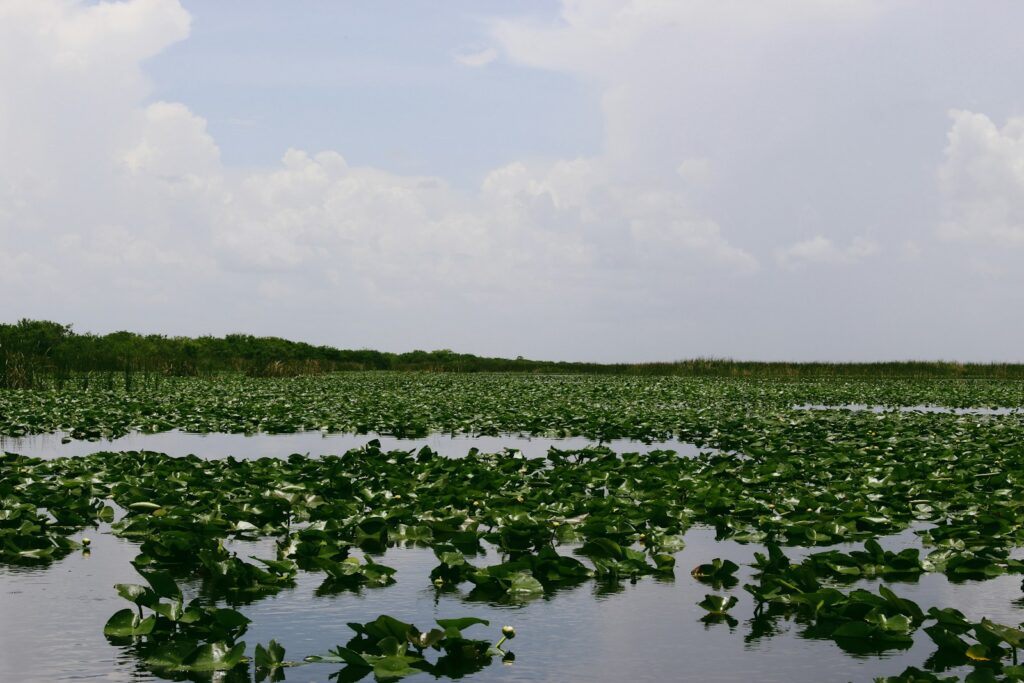
Florida’s Everglades National Park presents a unique adventure landscape where water, rather than land, forms the primary medium of exploration through the largest subtropical wilderness in the United States. The 99-mile Wilderness Waterway offers one of America’s premier paddle adventures, a challenging multi-day canoe or kayak journey through mangrove tunnels, open bays, and river passages that requires careful navigation, camping on elevated chickees (wooden platforms) over the water, and self-sufficiency in a remote environment. Adventurers must be prepared for intense heat, humidity, and insects during the summer months, while winter brings more comfortable temperatures but potentially challenging low water levels that might require dragging boats through shallow mud flats. The park’s saltwater edges provide opportunities for multi-day sea kayaking expeditions around the Ten Thousand Islands region, where paddlers navigate tidal currents and camp on isolated beaches while potentially encountering dolphins, manatees, and a stunning array of birds. Advanced paddlers can attempt the challenging 100-mile Everglades Challenge race from Tampa to Key Largo, which crosses the park and tests participants’ endurance, navigation skills, and ability to handle changing wind and water conditions.
Planning Your National Park Adventure: Essential Considerations
Embarking on adventures in national parks requires thorough preparation that begins with understanding the permit systems, which often involve lottery applications submitted months in advance for popular activities like Half Dome cables in Yosemite or The Narrows in Zion. Safety preparation must include both physical conditioning appropriate to your planned activities and acquiring the necessary technical skills through courses or guided experiences before attempting challenging routes independently. Seasonal considerations significantly impact adventure possibilities, with many high-elevation parks having short summer seasons for alpine activities, while desert parks offer better conditions in spring and fall, and some adventures like Everglades paddling are most comfortable in winter. Responsible adventure practices are essential, including following Leave No Trace principles, respecting wildlife closures, being prepared with appropriate emergency gear, including satellite communication devices in remote areas, and understanding that national parks preserve these landscapes for future generations of adventurers.
Conclusion
America’s national parks offer an unmatched playground for adventure seekers, each providing its own unique challenges and rewards. From scaling vertical rock faces to paddling through remote waterways, exploring underground labyrinths to traversing high alpine passes, these protected lands present opportunities to test physical limits while connecting deeply with natural wonders. The adventure experiences found in these parks often demand serious preparation, technical skills, and respect for the power of natural forces, but they reward participants with moments of exhilaration and accomplishment impossible to find elsewhere. Beyond the immediate thrill, adventures in these spectacular landscapes foster a deeper appreciation for wilderness conservation and create memories that last a lifetime. Whether you’re planning your first serious outdoor challenge or adding to a lifetime of wilderness experiences, America’s national parks stand ready to offer their trails, peaks, rivers, and canyons as the setting for your next great adventure.