
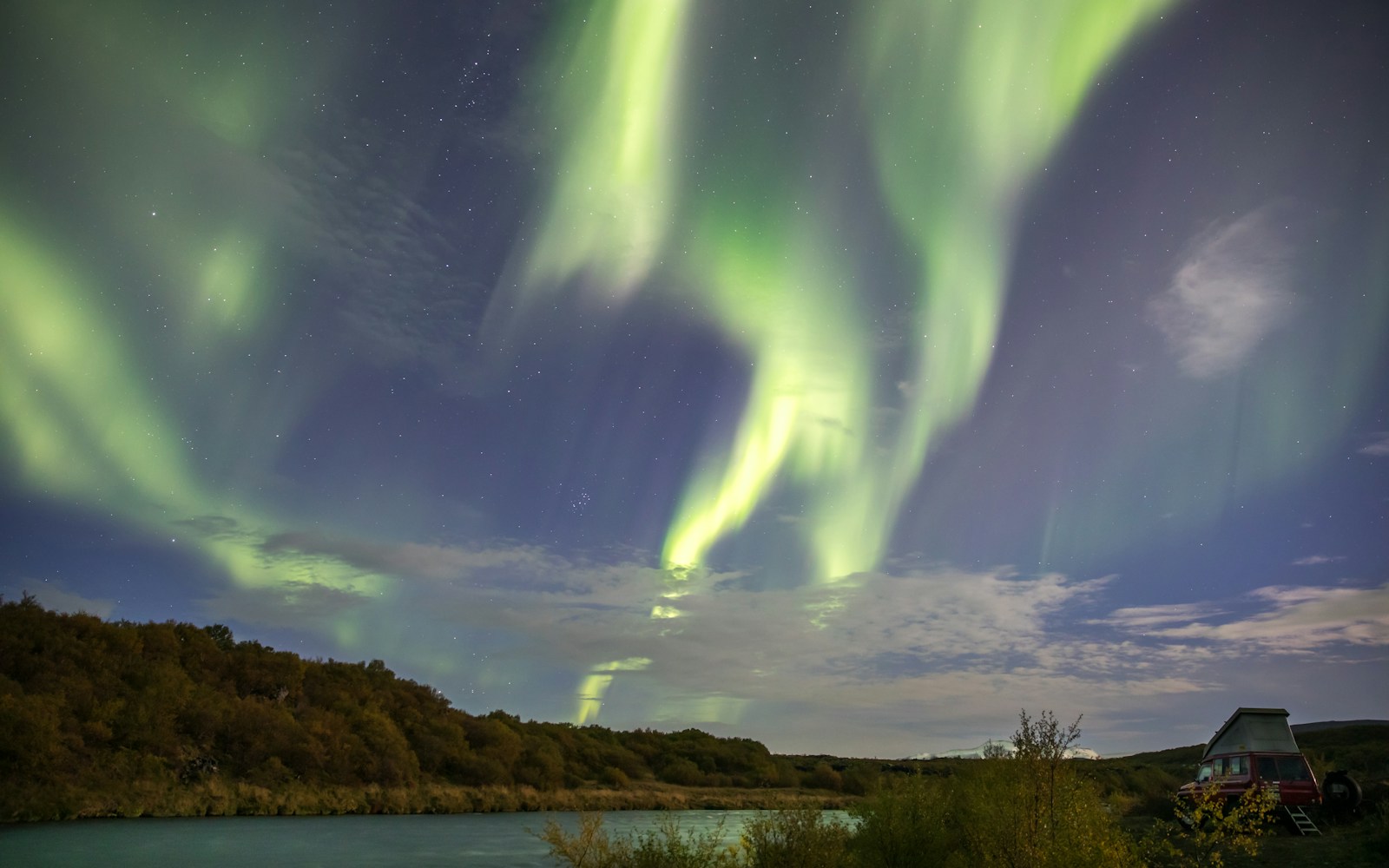
The Northern Lights, or Aurora Borealis, represent one of nature’s most spectacular light shows, dancing across dark skies in mesmerizing displays of green, purple, and red. For many travelers, witnessing this phenomenon ranks high on their bucket lists, combining the awe of celestial wonders with the beauty of pristine wilderness. While many associate these lights with distant locations like Iceland or Norway, several U.S. national parks offer excellent viewing opportunities within North America. The key ingredients for optimal aurora viewing include dark skies far from light pollution, clear weather conditions, and locations at higher latitudes where auroral activity is more frequent and intense. This guide explores the best national parks for experiencing this breathtaking natural phenomenon, complete with viewing tips and practical information to help plan your northern lights adventure.
Denali National Park, Alaska
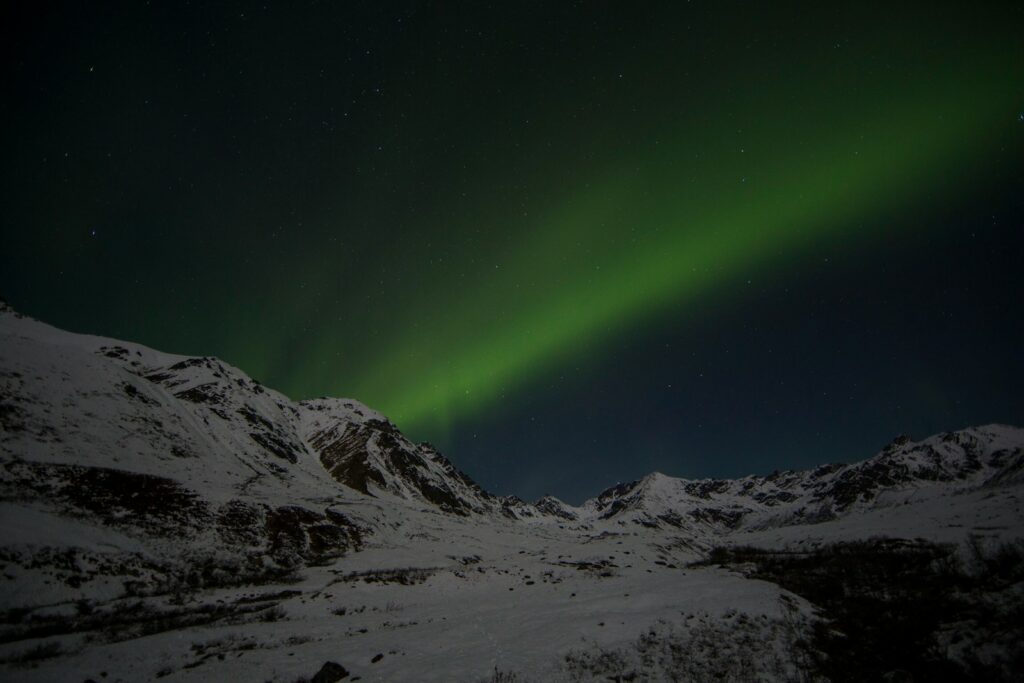
Denali National Park stands as perhaps the premier destination within the United States for witnessing the Northern Lights, offering over six million acres of pristine wilderness far from urban light pollution. Located in Alaska’s interior, the park sits at the ideal latitude (approximately 63°N) where auroral activity is frequent and often spectacular. Visitors benefit from Denali’s infrastructure, which includes several accessible viewpoints and designated areas specifically chosen for night sky observation. The prime viewing season runs from late August through early April, with September and March offering the perfect balance of dark skies and relatively milder temperatures compared to the frigid winter months. The park’s elevation and vast open spaces, particularly around Wonder Lake and the Savage River area, provide unobstructed views of the horizon where the lights typically begin their ethereal dance.
Gates of the Arctic National Park, Alaska
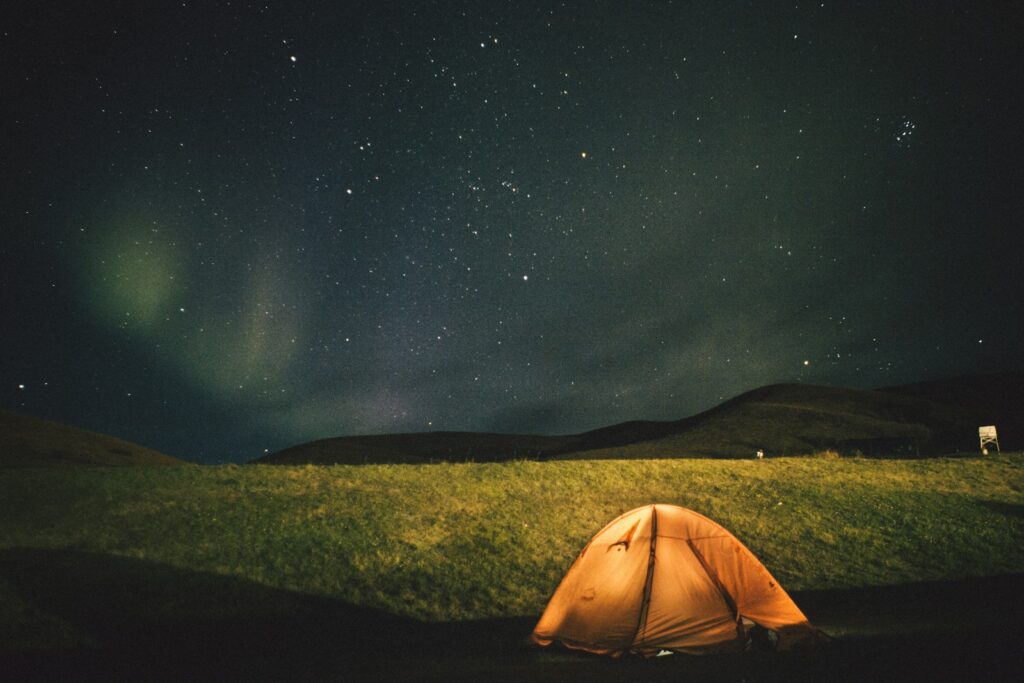
For the truly adventurous aurora hunter, Gates of the Arctic National Park presents an unparalleled wilderness experience combined with some of the darkest skies in North America. Situated entirely north of the Arctic Circle at latitudes exceeding 66°N, this remote park experiences some of the most frequent and vibrant auroral displays in the United States. What makes Gates of the Arctic unique is its complete lack of roads, developed facilities, or trails, creating an environment virtually untouched by human light sources. Accessing this pristine wilderness requires serious preparation, typically involving bush planes and experienced guides, as winter temperatures regularly plunge below -30°F (-34°C). Those willing to brave these challenges are rewarded with aurora displays that can last for hours, sometimes filling the entire sky dome with pulsating curtains of light reflected in the park’s pristine lakes and against snow-covered peaks.
Voyageurs National Park, Minnesota
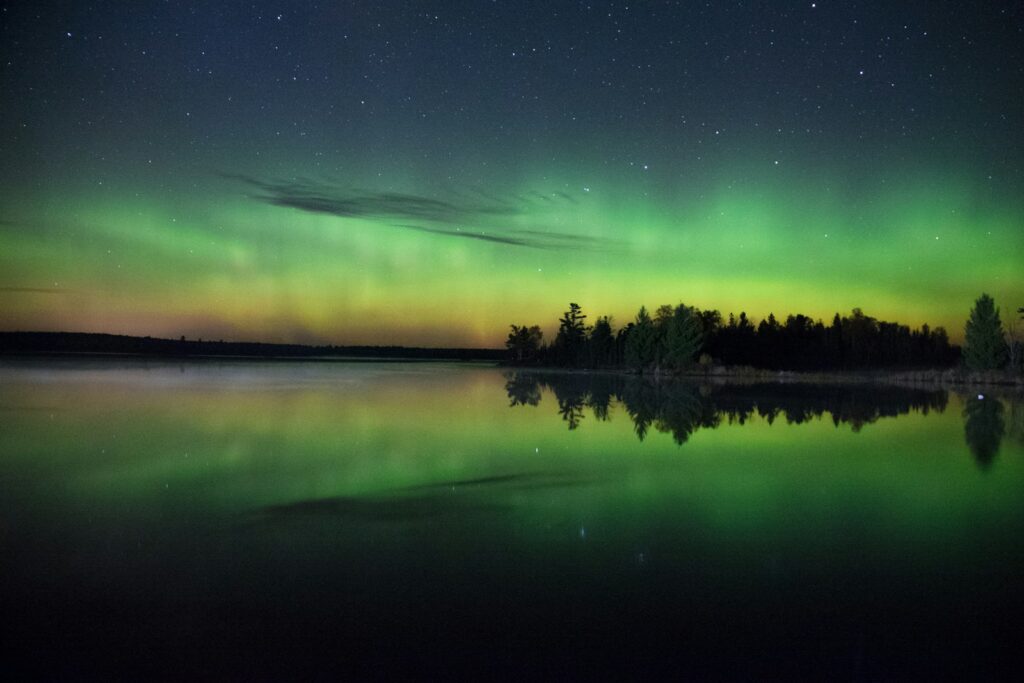
Voyageurs National Park represents the most accessible aurora-viewing destination in the continental United States, making it perfect for those unable to make the journey to Alaska. Located in northern Minnesota along the Canadian border at approximately 48°N latitude, the park experiences regular auroral activity during periods of heightened solar activity. Voyageurs’ network of interconnected waterways creates perfect reflecting surfaces that can double the visual impact of the lights when conditions align perfectly. The park’s designation as an International Dark Sky Park in 2020 recognizes its exceptional stargazing conditions and commitment to protecting its night skies from light pollution. Winter visitors can access remote viewing areas via snowmobile, cross-country skis, or snowshoes, while summer and fall visitors might catch rare displays reflecting off the park’s numerous lakes, creating a magical double aurora effect.
Glacier National Park, Montana
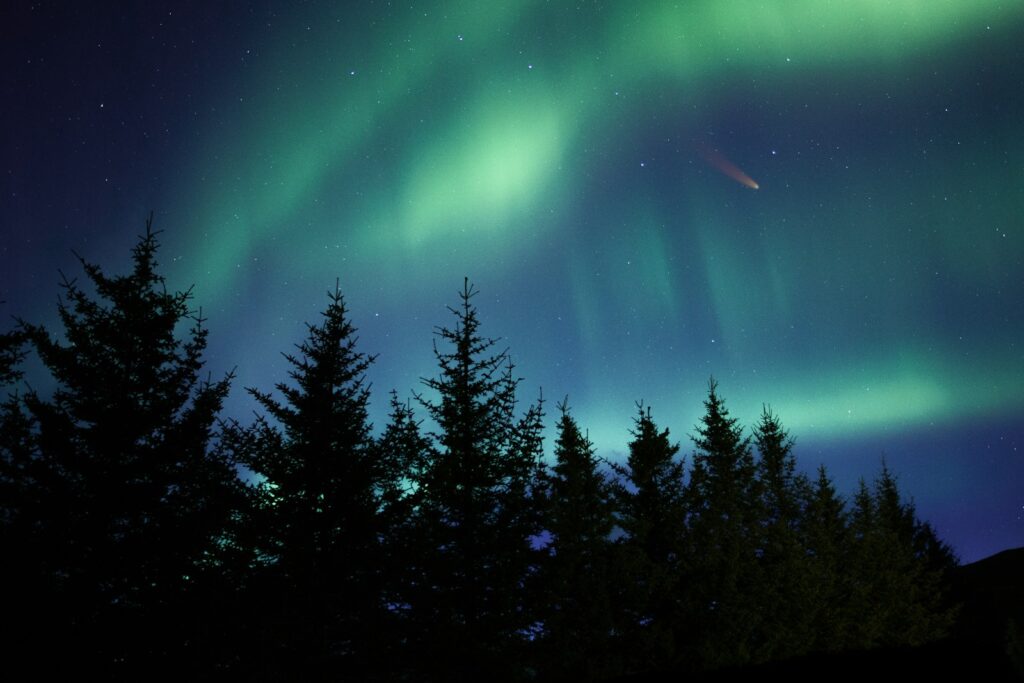
Glacier National Park combines spectacular mountain scenery with periodic opportunities to witness the Northern Lights, particularly during periods of strong geomagnetic activity. Situated along the U.S.-Canada border at approximately 48°N latitude, the park occasionally experiences aurora displays that complement its already stunning alpine landscape. Lake McDonald provides one of the most popular and accessible viewing locations, where the calm waters mirror the dancing lights against the silhouettes of jagged mountain peaks. The park’s commitment to dark sky preservation has resulted in minimal light pollution throughout much of its one million acres, creating ideal conditions for night sky observation. While auroral displays are less frequent than in more northerly parks, when they do occur over Glacier’s dramatic topography, they create some of the most photogenic Northern Lights scenes in the lower 48 states.
Kobuk Valley National Park, Alaska
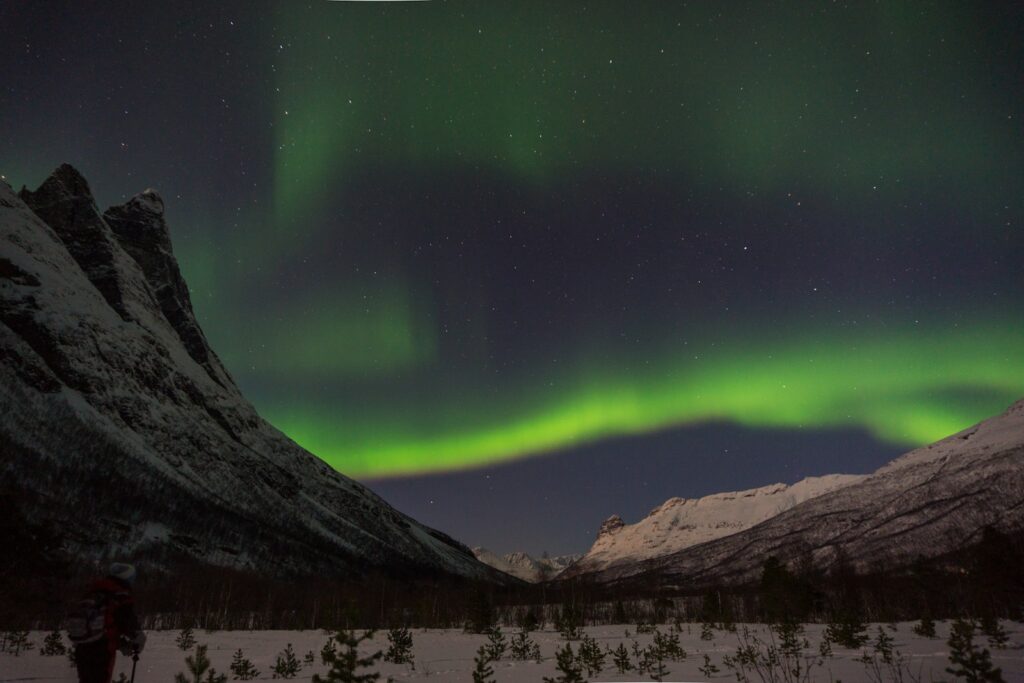
Kobuk Valley National Park offers one of the most unique aurora viewing experiences, combining the ethereal Northern Lights with a landscape dominated by Arctic sand dunes. Located above the Arctic Circle in northwestern Alaska, this remote park experiences frequent and vibrant auroral displays against a truly otherworldly backdrop. The Great Kobuk Sand Dunes—the largest active dunes in the Arctic—create sweeping foreground elements that photographers particularly prize when capturing the Northern Lights. Accessibility challenges similar to Gates of the Arctic mean visitors must arrive via bush plane and be prepared for true wilderness camping, with no facilities available within the park boundaries. Winter viewing provides the darkest skies but requires extreme cold-weather preparation, while shoulder seasons (September and March-April) offer more moderate conditions while still providing good opportunities for aurora sightings.
Isle Royale National Park, Michigan
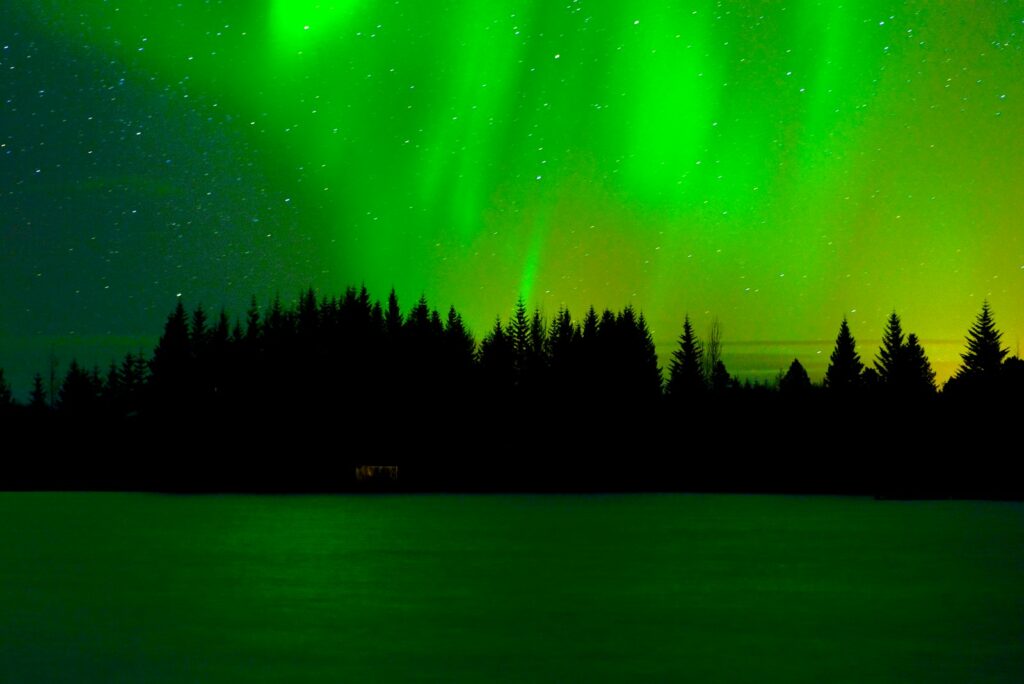
Isle Royale National Park presents a distinctive opportunity to witness the Northern Lights from an isolated island wilderness surrounded by the vast waters of Lake Superior. This remote destination sits at approximately 48°N latitude and benefits from exceptional dark skies due to its isolation from mainland light sources and limited development. The island’s numerous bays and harbors provide sheltered viewing locations where the aurora can be seen reflecting off the lake’s surface, creating a doubling effect that enhances the visual impact. The park is completely closed from November through April, making September and early October the prime aurora viewing months when visitors can combine fall colors with potential Northern Lights displays. Overnight visitors staying at Rock Harbor or Windigo may witness stunning displays from the shoreline, while backpackers can seek out remote ridges and clearings for unobstructed views.
North Cascades National Park, Washington
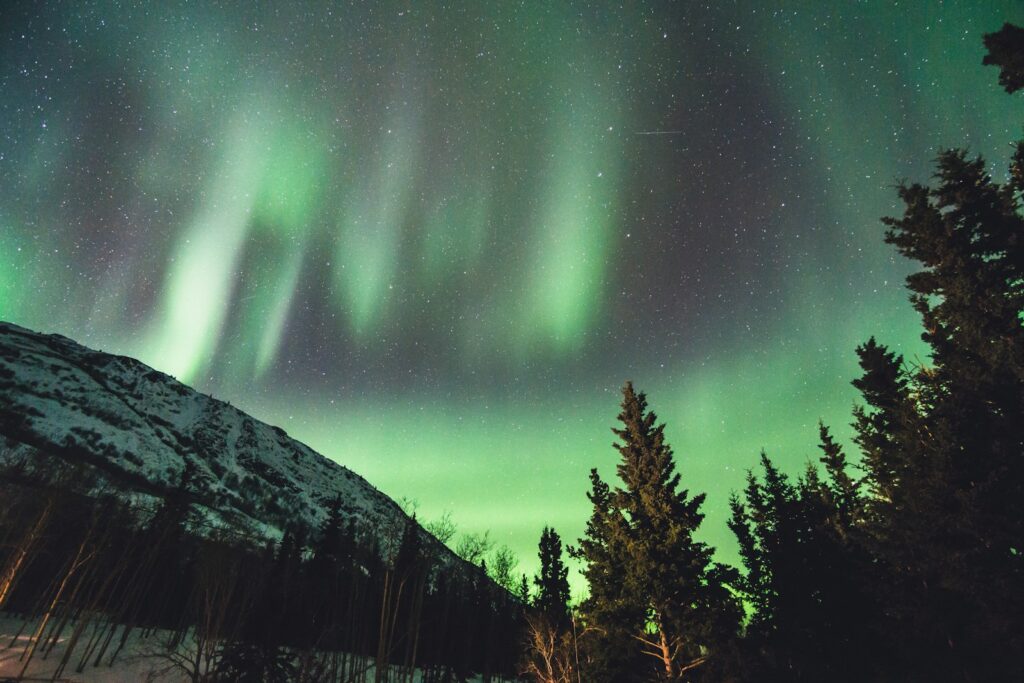
North Cascades National Park represents the southernmost national park on this list with reasonable aurora viewing potential during periods of intense geomagnetic activity. Located in northern Washington state at approximately 48°N latitude, this mountain wilderness occasionally experiences the Southern reach of strong auroral displays. The park’s rugged terrain, with dramatic peaks exceeding 9,000 feet, creates stunning foreground elements when the lights do appear. Diablo Lake viewpoint and the areas around Ross Lake provide accessible locations with open northern horizons necessary for spotting the lights at this latitude. While auroral displays are less frequent here than in more northerly parks, the combination of alpine scenery, pristine lakes, and minimal light pollution creates memorable opportunities during periods of heightened solar activity, typically during the solar maximum years of the 11-year solar cycle.
Understanding Aurora Forecasting
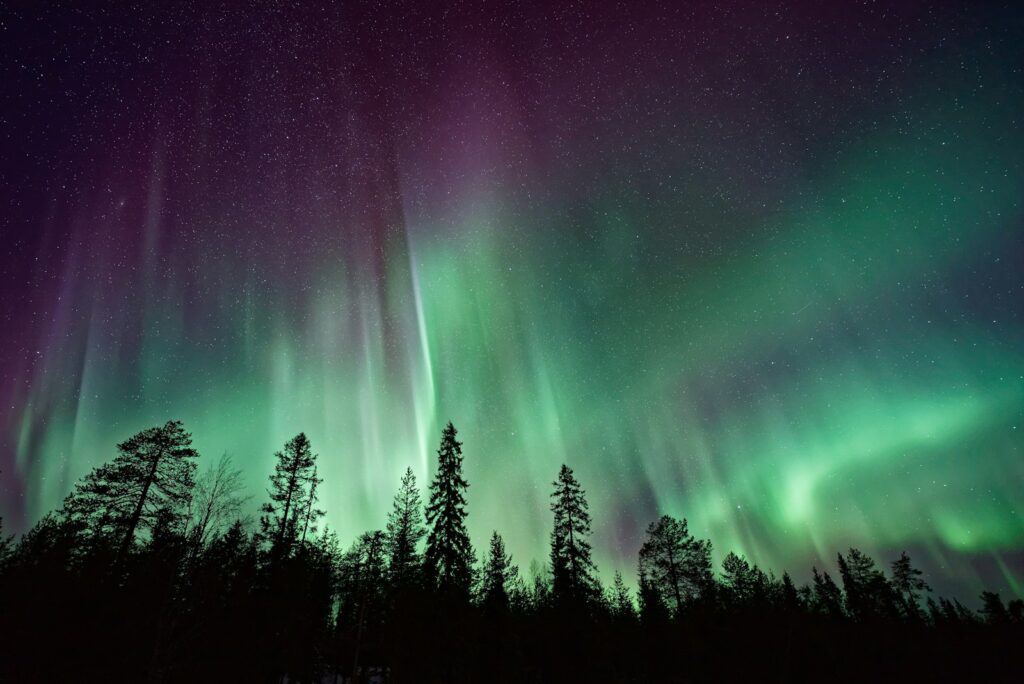
Successfully viewing the Northern Lights at any national park requires understanding how to monitor and interpret aurora forecasts and activity levels. The Kp-index, which measures geomagnetic activity on a scale from 0-9, serves as the primary indicator of potential aurora visibility, with higher numbers indicating stronger activity visible at lower latitudes. For parks in Alaska, even a Kp of 2-3 might produce visible aurora, while parks in the lower 48 states typically require a Kp of 5 or higher for noticeable displays. Several reliable resources provide aurora forecasts, including NOAA’s Space Weather Prediction Center and the University of Alaska Fairbanks’ Geophysical Institute, both offering 3-day advance predictions of auroral activity. Mobile apps like “My Aurora Forecast” and “Aurora Alert” can provide real-time notifications when conditions become favorable at your specific location, maximizing your chances of witnessing this elusive phenomenon.
Best Seasons for Aurora Viewing
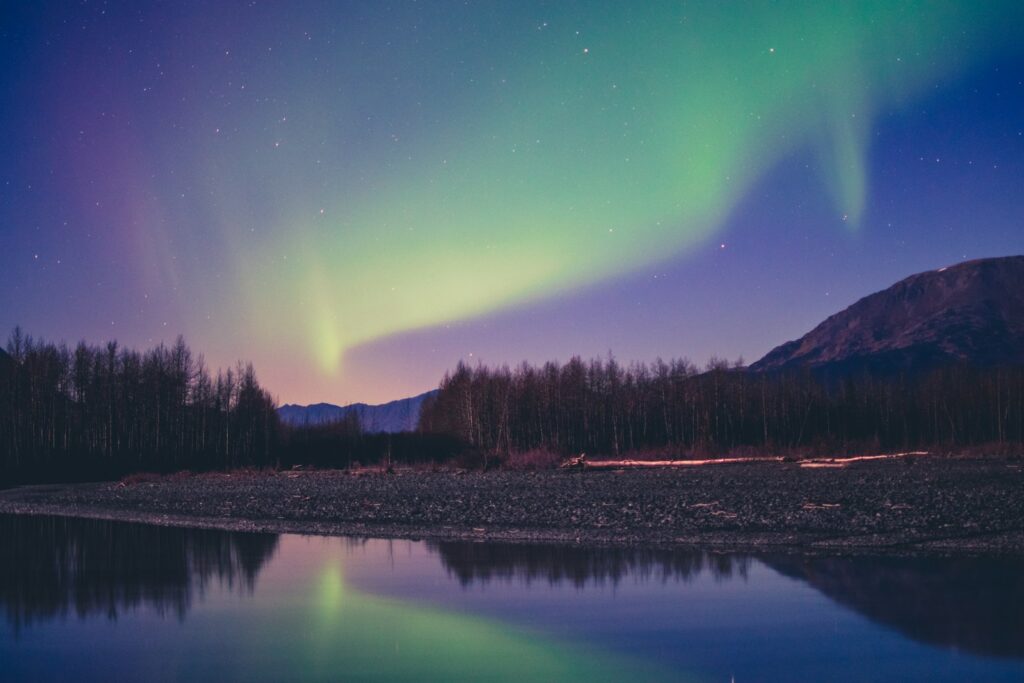
The optimal seasons for aurora viewing vary significantly depending on which national park you plan to visit. For the Alaskan parks (Denali, Gates of the Arctic, and Kobuk Valley), the primary viewing season spans from late August through early April, when dark night skies return after the summer’s midnight sun. September and March represent particularly favored months in these northern locations, offering a balance of darkness, potentially milder temperatures, and statistically higher geomagnetic activity around the equinoxes. For parks in the continental United States (Voyageurs, Glacier, Isle Royale, and North Cascades), the viewing window focuses on fall through early spring when nights are longest, with September-October and March-April offering the best balance of accessibility and darkness. Weather patterns also play a crucial role, with fall often providing more stable, clear conditions in many locations compared to the cloudier, snowier winter months.
Photography Tips and Techniques
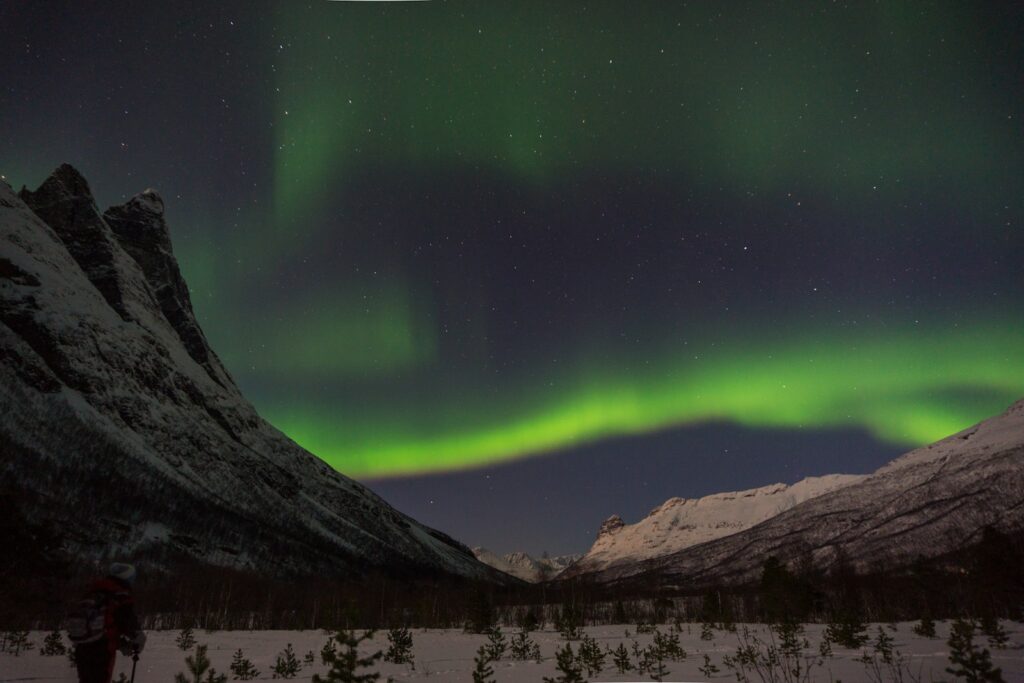
Capturing the Northern Lights in national parks requires specialized photography techniques and equipment to preserve this magical experience. A camera with manual settings is essential, typically paired with a fast wide-angle lens (f/2.8 or faster) that can capture broad swaths of sky while gathering maximum light. Successful aurora photography typically employs ISO settings between 1600-6400, apertures between f/1.8-f/4, and shutter speeds ranging from 5-15 seconds depending on aurora brightness and movement speed. A stable tripod is absolutely necessary, as is a remote shutter release to prevent camera shake during long exposures. Many photographers use the “rule of 500” (dividing 500 by the lens focal length) to determine the maximum exposure time before stars begin to trail, though this must be shortened for particularly active, fast-moving aurora displays. Including foreground elements unique to each national park—Denali’s mountains, Voyageurs’ lakes, or Kobuk Valley’s sand dunes—transforms simple sky photographs into compelling landscape compositions that capture the complete experience.
Safety Considerations for Night Viewing
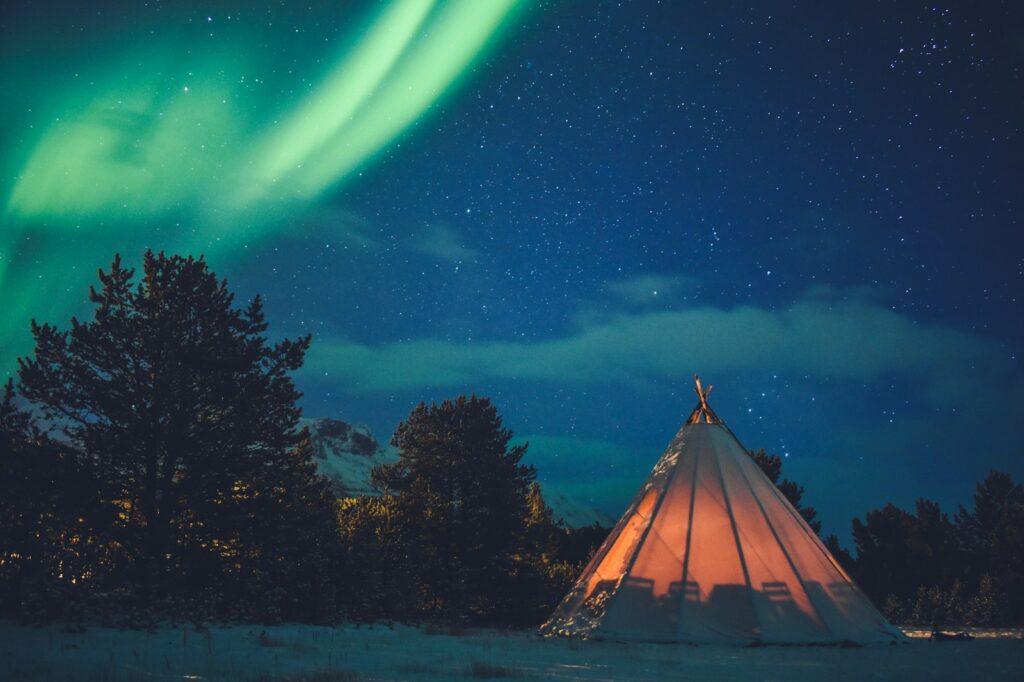
Viewing the Northern Lights in national parks requires special safety precautions beyond those normally associated with daytime visits. Winter aurora hunts in particular demand proper preparation for extreme conditions, especially in Alaskan parks where temperatures can plunge to dangerous levels after dark. Dressing in proper layered clothing with appropriate insulting materials can literally be a lifesaving consideration, with special attention needed for extremities that are particularly vulnerable to frostbite. Navigation presents another critical challenge, as trails and landmarks visible during daylight disappear in darkness, making GPS devices, headlamps with red light modes (to preserve night vision), and detailed maps essential equipment. Wildlife awareness remains important, particularly in parks with significant bear populations, where making noise and carrying bear spray may be necessary even during nighttime aurora viewing sessions. Always inform park rangers or leave detailed plans about your intended viewing locations and expected return times, particularly when venturing into remote areas away from established viewing points.
Accommodation Options and Accessibility
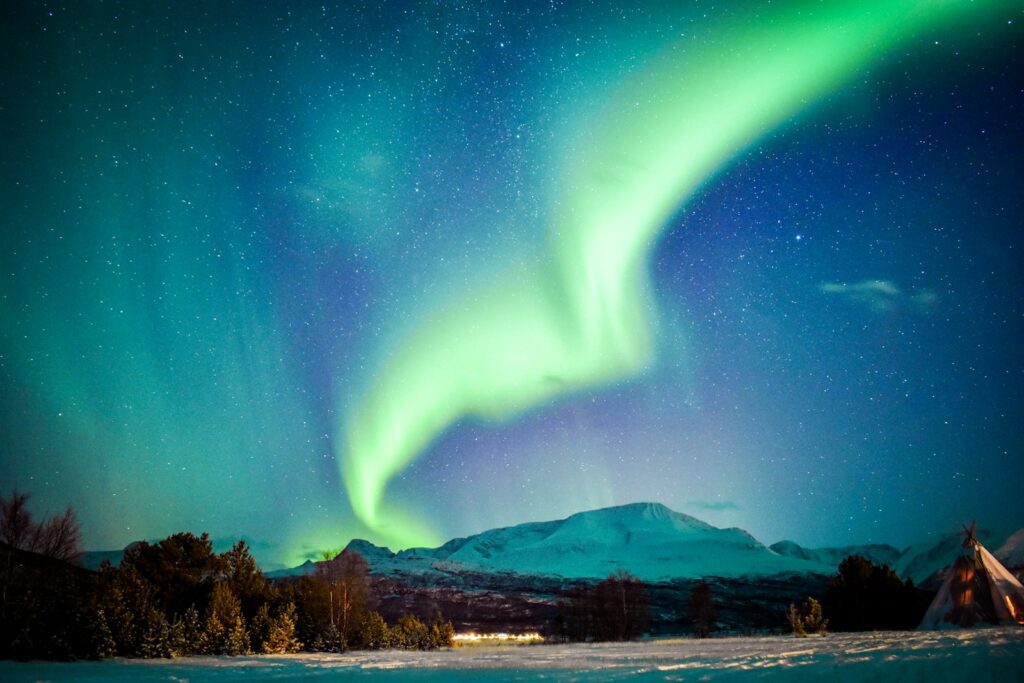
Each national park offers different accommodation options that affect the aurora viewing experience, ranging from developed facilities to wilderness camping. Denali provides the most developed infrastructure with options including the Riley Creek Campground and nearby lodges that remain open during shoulder seasons when aurora viewing combines with more moderate temperatures. Voyageurs offers lakeside cabins and established campgrounds accessible by car, making it the most convenient option for those seeking aurora views with comfortable amenities. At the opposite extreme, Gates of the Arctic and Kobuk Valley have no developed facilities whatsoever, requiring completely self-sufficient wilderness camping with proper permits and extensive experience. For winter viewing in any park, accessibility becomes a major consideration, with many roads closed seasonally and alternative transportation including snowmobiles, dog sleds, or cross-country skis often necessary to reach prime viewing areas away from buildings and artificial light sources.
Cultural Significance of the Northern Lights
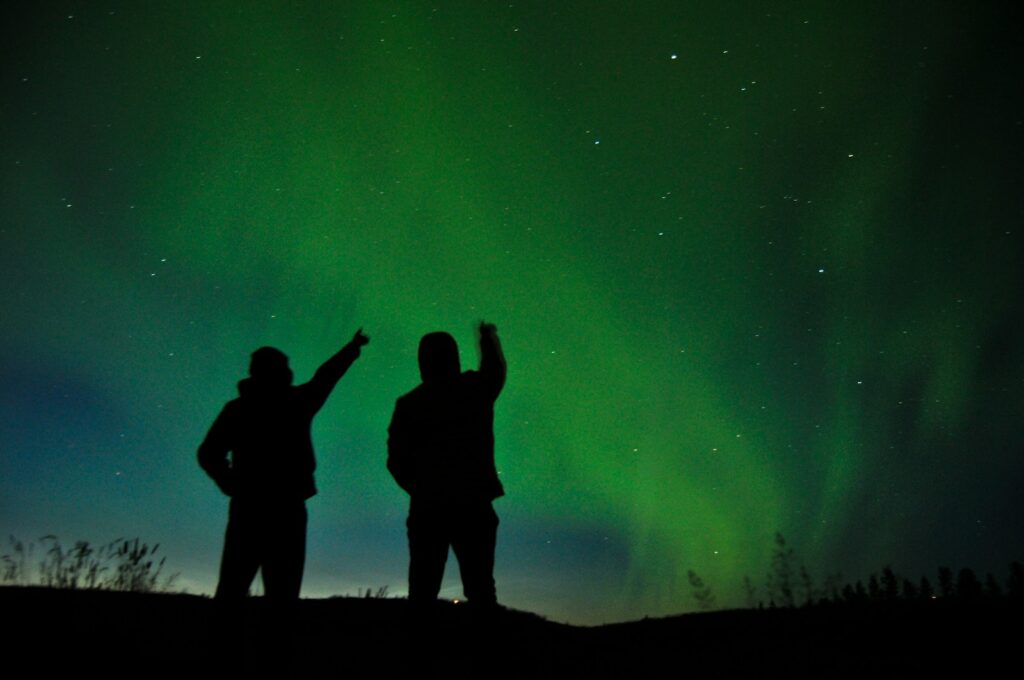
The Northern Lights hold profound cultural significance for many Indigenous peoples whose traditional territories encompass these national parks. In Alaska, the Inupiat and Athabascan peoples have passed down rich oral traditions interpreting the dancing lights as spirits of ancestors, animals, or celestial beings communicating with the living world. The Cree people near Voyageurs National Park traditionally viewed the lights as the spirits of their ancestors dancing across the night sky, with the crackling sounds sometimes heard during intense aurora displays representing attempts by these spirits to communicate with the living. Many park interpretive programs now incorporate these cultural perspectives alongside scientific explanations, offering visitors a more complete understanding of aurora significance. Learning about these traditional beliefs and stories adds depth to the viewing experience, connecting modern visitors to thousands of years of human wonder at this celestial phenomenon and providing cultural context unique to each park’s location.
The Northern Lights represent nature at its most magical, transforming ordinary night skies into canvases of moving color that have inspired wonder throughout human history. America’s national parks offer diverse settings to witness this phenomenon, from the accessible shores of Lake Superior at Isle Royale to the remote Arctic wilderness of Gates of the Arctic. Each location combines unique landscapes with the astronomical spectacle above, creating distinctive viewing experiences found nowhere else on Earth. With proper planning, patience, and perhaps a measure of good fortune with weather and solar conditions, these protected natural spaces provide the perfect stage for witnessing one of nature’s most extraordinary displays. Whether you choose the relative convenience of Voyageurs or the untamed wilderness of Alaska’s northern parks, the experience of standing beneath curtains of dancing light in these carefully preserved landscapes creates memories that endure long after the last shimmer fades from the night sky.