
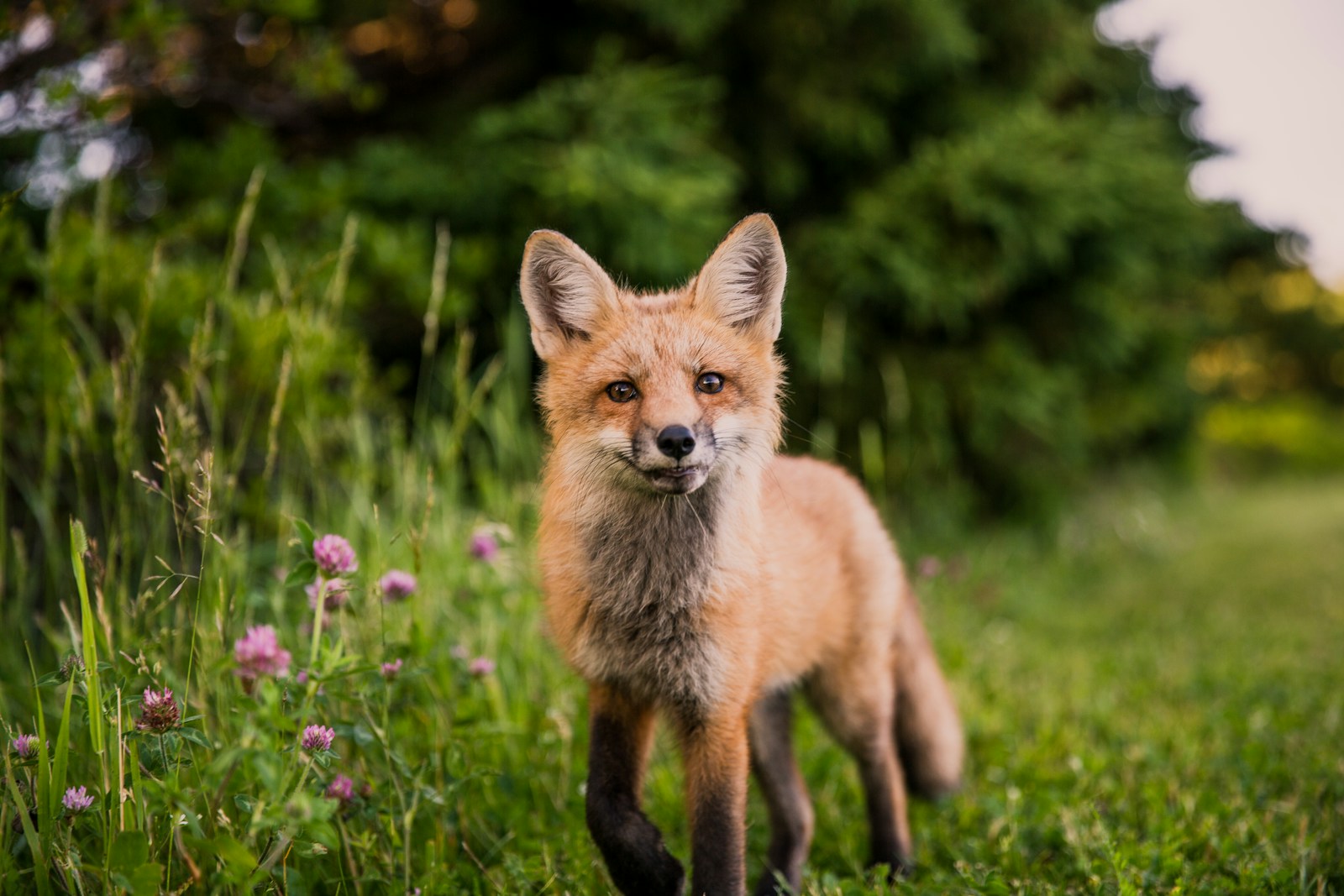
In the vast tapestry of natural wonders that make up America’s national parks, wildlife stands as one of the most captivating elements. These protected lands serve as crucial habitats for countless species, creating unparalleled opportunities for visitors to witness animals in their natural environments. From the iconic grizzly bears of Alaska to the elusive mountain lions of the Southwest, our national parks offer windows into wild America that can transform a simple vacation into a life-changing experience. Whether you’re an avid photographer, a family with curious children, or simply someone seeking connection with the natural world, these sanctuaries provide the perfect setting for wildlife encounters that stay with you long after you’ve returned home.
Yellowstone National Park: America’s Wildlife Crown Jewel
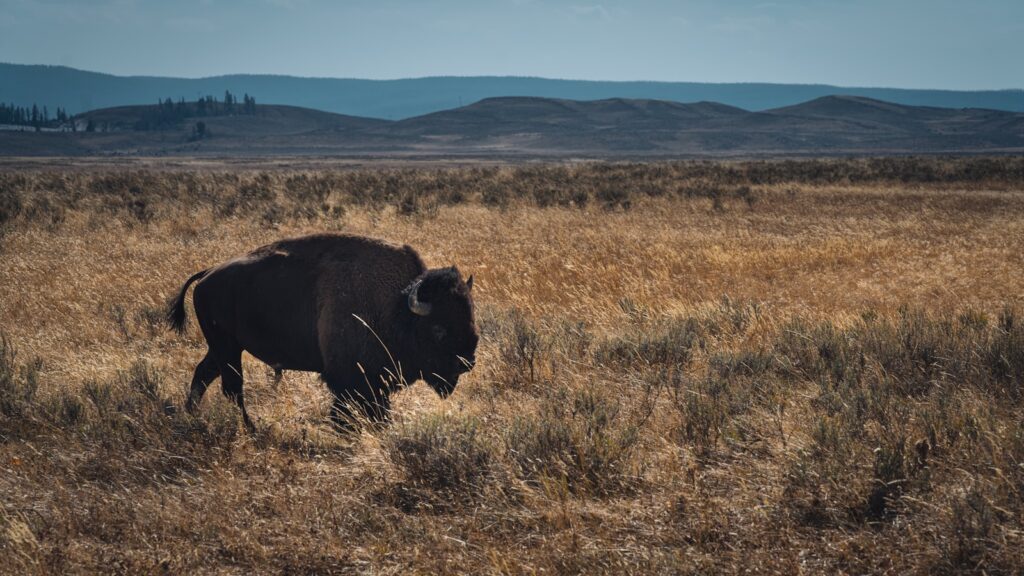
No discussion of wildlife viewing can begin anywhere but Yellowstone, America’s first national park and perhaps its most spectacular wildlife sanctuary. The park’s Lamar Valley, often called “America’s Serengeti,” offers visitors the chance to witness the most complete ecosystem in the lower 48 states. Here, wolf packs hunt across vast valleys, grizzly bears forage in meadows, and massive bison herds roam freely as they have for centuries. Dawn and dusk provide magical opportunities when animals are most active, with dedicated wildlife watchers lining pullouts with spotting scopes and binoculars. The reintroduction of wolves in the 1990s restored the complete predator-prey dynamic, making Yellowstone a living laboratory of ecological restoration.
Denali National Park: Alaska’s Wilderness Showcase
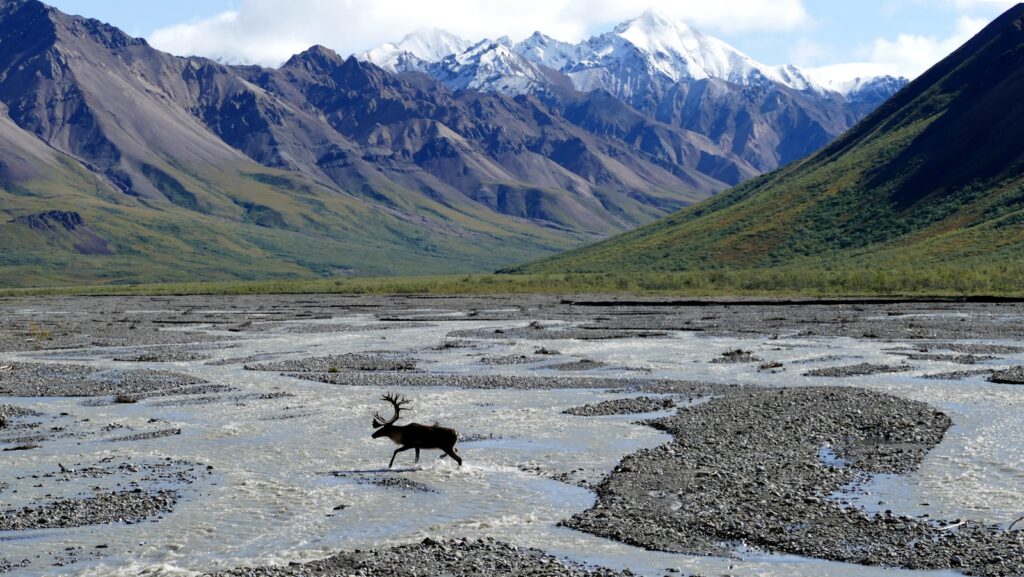
Denali National Park offers wildlife viewing on a truly grand scale, with six million acres of untamed wilderness providing habitat for Alaska’s “Big Five”: grizzly bears, wolves, moose, caribou, and Dall sheep. The park’s restricted road system creates a unique viewing environment, where vehicles are limited and animals roam undisturbed across vast landscapes. Bus tours along the 92-mile park road provide accessible wildlife watching opportunities, with trained drivers who know where animals typically gather. Autumn brings spectacular displays as moose enter the rut, bears frantically feed before hibernation, and the tundra blazes with color. The mountainous terrain creates diverse habitats that support remarkable biodiversity despite the harsh subarctic climate.
Everglades National Park: Subtropical Water Wilderness
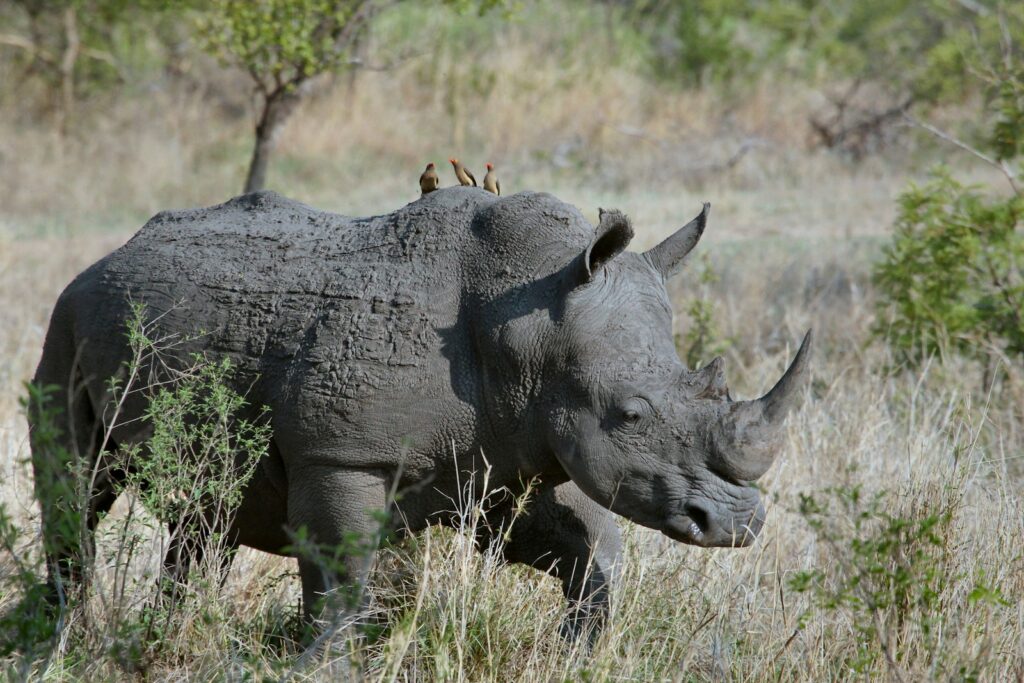
Unlike the mountainous parks of the west, Everglades National Park protects a vast subtropical wetland ecosystem with wildlife viewing opportunities unlike anywhere else in America. This “River of Grass” harbors an astonishing array of species, from iconic American alligators and crocodiles to the endangered Florida panther and manatees. Boardwalk trails like Anhinga Trail provide almost guaranteed sightings of wading birds, turtles, and basking alligators in remarkably close proximity. The dry winter season (December through April) concentrates wildlife around remaining water sources, creating spectacular viewing opportunities as herons, egrets, and wood storks gather in the thousands. Boat tours through mangrove tunnels and across Florida Bay reveal dolphins, rays, and the park’s incredible diversity of aquatic life.
Olympic National Park: Ecological Islands and Marine Wonders

Olympic National Park’s unique geography encompasses three distinct ecosystems—mountains, temperate rainforest, and coastline—creating remarkable wildlife diversity within a single park. The remote Hoh Rainforest harbors Roosevelt elk moving silently through moss-draped forests, while black bears forage for berries along high mountain trails. The park’s protected coastline offers some of America’s best tide pooling, with colorful sea stars, anemones, and countless intertidal creatures visible during low tides. Marine mammal viewing opportunities abound, with harbor seals hauling out on rocky shores and migrating gray whales visible from coastal overlooks during spring and fall. The ecological isolation created by Olympic’s peninsula location has fostered unique subspecies found nowhere else on earth.
Grand Teton National Park: Wildlife in a Spectacular Setting

Grand Teton National Park combines some of America’s most dramatic mountain scenery with exceptional wildlife viewing opportunities, particularly during spring and fall migrations. The park’s location along the Greater Yellowstone Ecosystem provides habitat for virtually all the same species as its northern neighbor, but in a more compact and accessible area. Dawn excursions to Oxbow Bend or Willow Flats often reward visitors with moose feeding in wetlands, while the sagebrush flats of Antelope Flats support Wyoming’s largest pronghorn herd. Fall brings the dramatic elk rut, when massive bulls bugle and clash in meadows beneath the towering Teton range. The Snake River corridor creates a wildlife highway through the park, with beavers, river otters, and countless bird species visible during float trips.
Katmai National Park: Bear Viewing Paradise

For those seeking the ultimate bear viewing experience, Katmai National Park in Alaska stands above all others. This remote wilderness provides crucial habitat for one of the world’s largest concentrations of brown bears, with the famous Brooks Falls serving as the iconic location where bears gather to feast on migrating salmon. During peak season in July, visitors can witness dozens of massive bears fishing simultaneously, sometimes standing just feet from the viewing platforms. The park’s volcanic landscape creates diverse habitats supporting not just bears but wolves, moose, and nearly 150 bird species. The remote nature of Katmai—accessible primarily by floatplane—ensures that wildlife behavior remains largely natural and unaffected by human presence.
Channel Islands National Park: California’s Galapagos
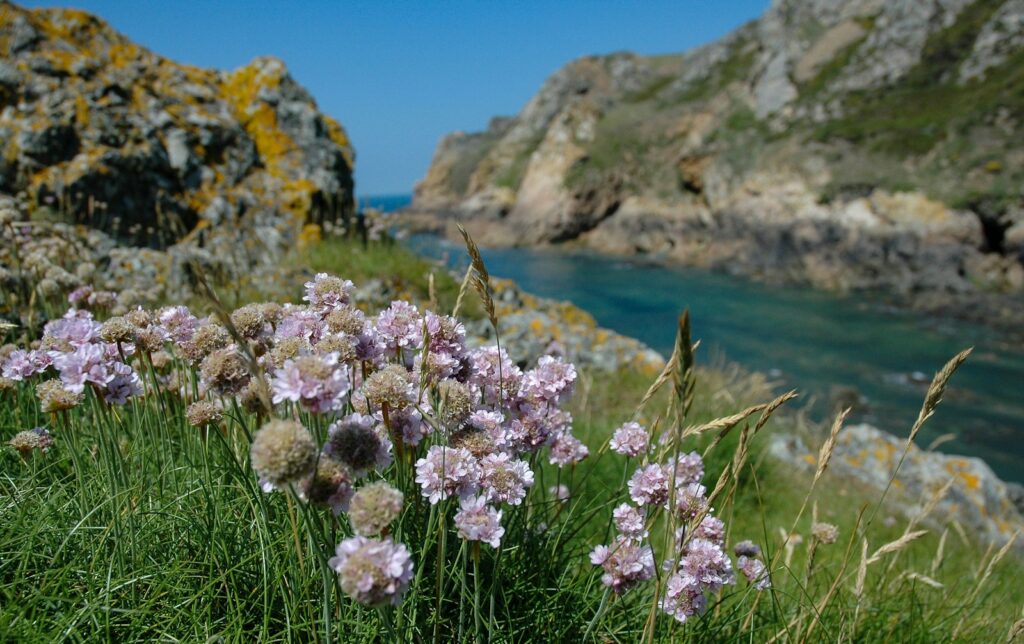
Often called “California’s Galapagos,” Channel Islands National Park protects a remarkable island ecosystem just off the southern California coast. These isolated islands harbor unique subspecies found nowhere else on Earth, including the diminutive island fox, which has made a remarkable recovery from near-extinction. The surrounding marine sanctuary creates unparalleled opportunities to view dolphins, whales, and sea lions in their natural environment. Bird enthusiasts find paradise in the islands’ seabird colonies, where thousands of western gulls, cormorants, and the rare scrub jay species unique to Santa Cruz Island nest. Kayaking along sea caves and kelp forests reveals a vibrant underwater ecosystem populated by colorful fish, sea stars, and the occasional harbor seal popping up to investigate visitors.
Theodore Roosevelt National Park: Prairie Wildlife Showcase

The badlands of North Dakota provide a spectacular backdrop for viewing America’s reestablished prairie ecosystem in Theodore Roosevelt National Park. Here, reintroduced bison herds roam freely across rolling grasslands alongside bands of wild horses descended from ranch stock released decades ago. The open terrain and network of scenic drives make wildlife spotting relatively easy, with prairie dog towns creating centers of activity that attract predators like American badgers, coyotes, and raptors. Dawn and dusk drives along the park’s loop roads often yield sightings of mule deer, pronghorn, and even the occasional moose along the Little Missouri River. The park honors the conservation legacy of Theodore Roosevelt, whose time ranching in this harsh but beautiful landscape shaped his conservation ethic as president.
Rocky Mountain National Park: Alpine Wildlife Encounters
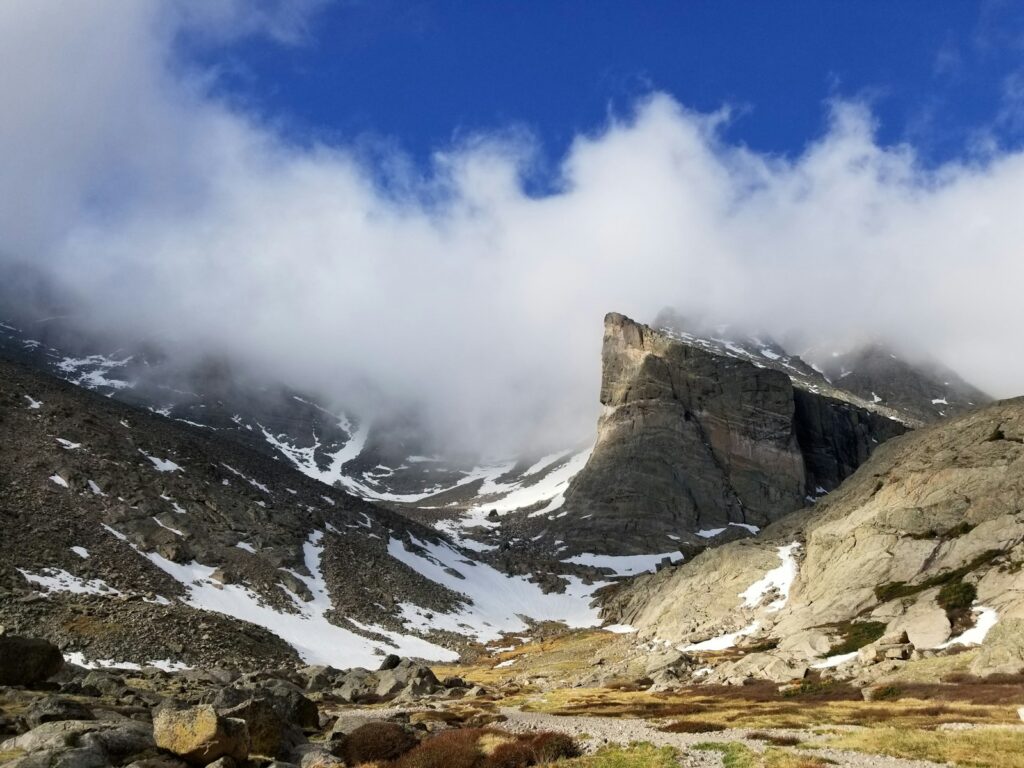
The accessible high-country environments of Rocky Mountain National Park provide some of America’s best opportunities to observe animals adapted to life in the alpine zone. Trail Ridge Road—the highest continuous paved road in America—takes visitors above treeline, where bighorn sheep navigate precarious cliffs and yellow-bellied marmots sun themselves on rocky outcrops. The park’s elk population numbers in the thousands, with fall rut activities drawing crowds to witness bugling bulls and harems in mountain meadows. Dawn visits to Moraine Park or Horseshoe Park almost guarantee wildlife sightings, with moose increasingly common in wetland areas. The park’s varied elevation zones, from montane forests to alpine tundra, create diverse habitats supporting over 60 mammal species and 280 recorded bird species.
Great Smoky Mountains National Park: Eastern Forest Biodiversity

As America’s most visited national park, Great Smoky Mountains harbors an astonishing level of biodiversity, earning its designation as a UNESCO World Heritage Site. These ancient mountains support the greatest variety of salamander species in the world, with researchers still discovering new species in remote watersheds. Cades Cove, an isolated valley accessible via an 11-mile loop road, provides reliable viewing opportunities for black bears, white-tailed deer, and reintroduced elk in the Cataloochee Valley. Spring brings a spectacular wildflower display accompanying the emergence of wildlife after winter dormancy. The park’s southern Appalachian forest ecosystem represents one of the most diverse temperate forest environments in the world, with more tree species than in all of northern Europe.
Glacier National Park: The Crown of the Continent
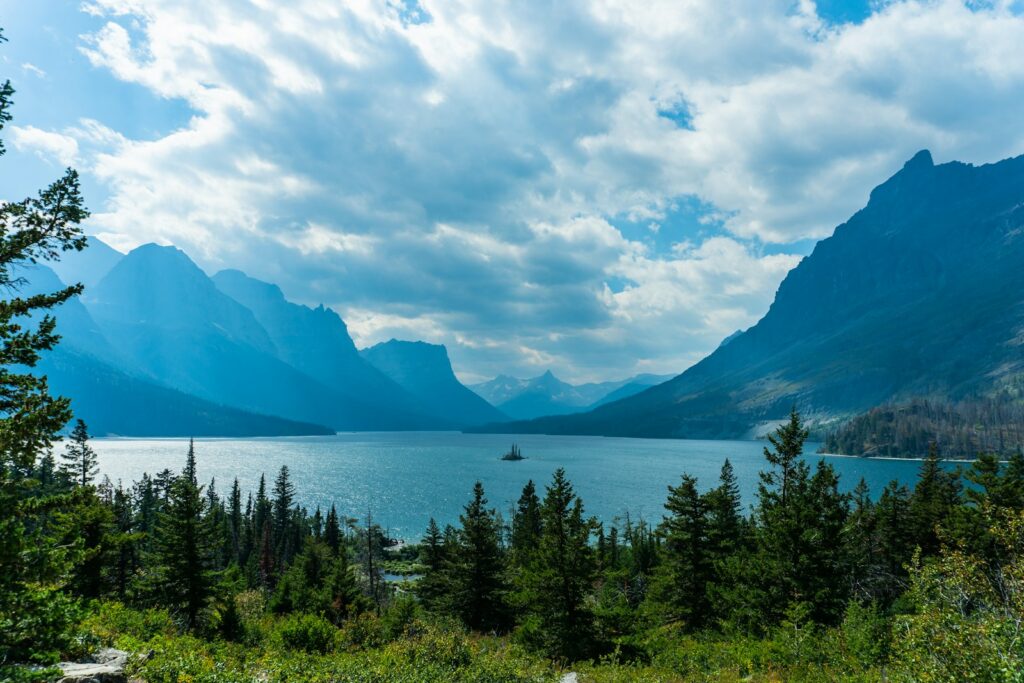
Glacier National Park represents one of the most intact ecosystems in the lower 48 states, where visitors can still encounter the full complement of predators and prey that existed before European settlement. The iconic Going-to-the-Sun Road provides access to alpine meadows where mountain goats and bighorn sheep can be observed at remarkably close range. Many Glacier Valley offers North America’s highest concentration of grizzly bears, visible from both roads and hiking trails (with proper safety precautions). Dawn excursions to wildlife-rich areas like Two Medicine often yield sightings of moose, black bears, and the occasional wolf or wolverine for the extremely fortunate. The park’s international designation as part of the Waterton-Glacier International Peace Park recognizes the borderless nature of wildlife populations that move freely between the U.S. and Canada.
Voyageurs National Park: Northern Wilderness Waterways
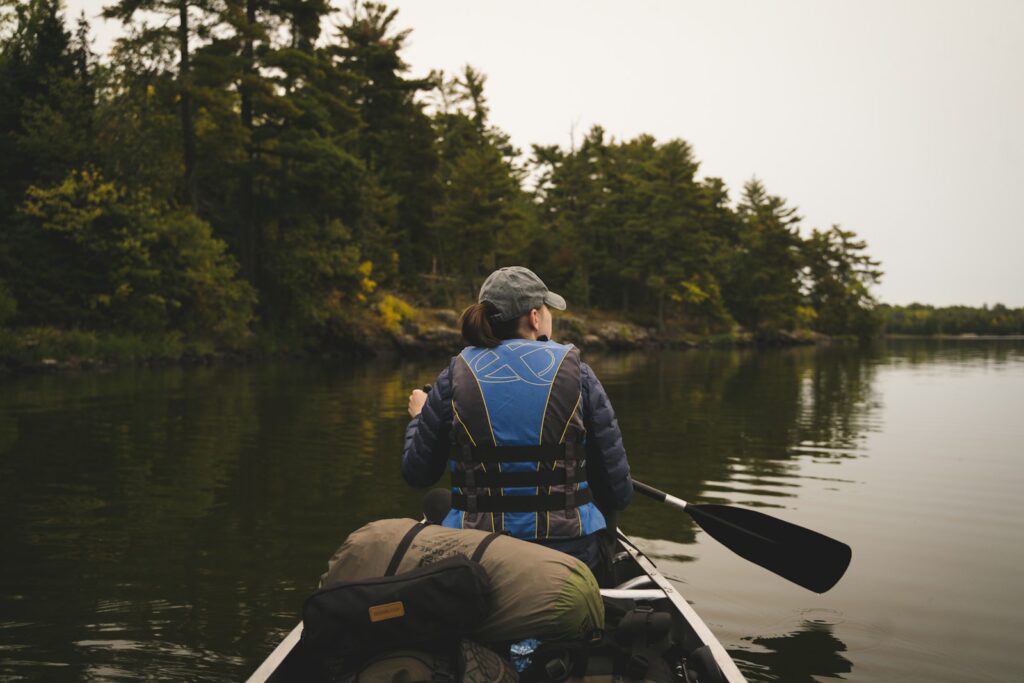
Minnesota’s Voyageurs National Park protects a unique water-based ecosystem where wildlife viewing takes on a different character, often experienced from canoes, kayaks, or tour boats. The park’s interconnected lakes and waterways provide ideal habitat for Minnesota’s recovering wolf population, with howling sometimes heard across still evening waters. Bald eagles nest in remarkable numbers, with over 40 active nests typically recorded within park boundaries. The northern location creates opportunities to view boreal species at the southern edge of their range, including pine martens, lynx, and great gray owls. Perhaps most magnificently, the park offers some of the best opportunities anywhere to observe the massive North American moose, especially during early morning paddles into secluded bays where these giants feed on aquatic vegetation.
Wildlife Viewing Tips and Ethical Considerations

Successful wildlife viewing requires patience, preparation, and respect for animal welfare. Early morning and late evening typically offer the best opportunities, when animals are most active and lighting creates dramatic photography conditions. Binoculars and spotting scopes transform the experience, bringing distant animals into clear view without disturbing their natural behaviors. All national parks enforce minimum viewing distances (typically 100 yards for predators and 25 yards for other large mammals) to protect both wildlife and visitors. Practicing ethical wildlife viewing means never approaching, feeding, or otherwise manipulating animal behavior, allowing these creatures to remain truly wild. Remember that we are privileged guests in their home, and our primary responsibility is to observe without impact.
Conclusion

America’s national parks showcase the incredible diversity of wildlife that calls our continent home. From the massive brown bears of Katmai to the tiny island foxes of Channel Islands, these protected lands give us the precious opportunity to witness animals living as they have for millennia before human development fragmented so much of their habitat. Beyond the joy these encounters bring to visitors, they serve a crucial conservation purpose, creating emotional connections that transform park visitors into wildlife advocates. As climate change and habitat loss increasingly threaten biodiversity worldwide, our national parks stand as vital refuges where ecosystems function naturally and wildlife can thrive. By visiting respectfully, we not only create lasting memories but also contribute to the ongoing protection of these irreplaceable natural treasures.