
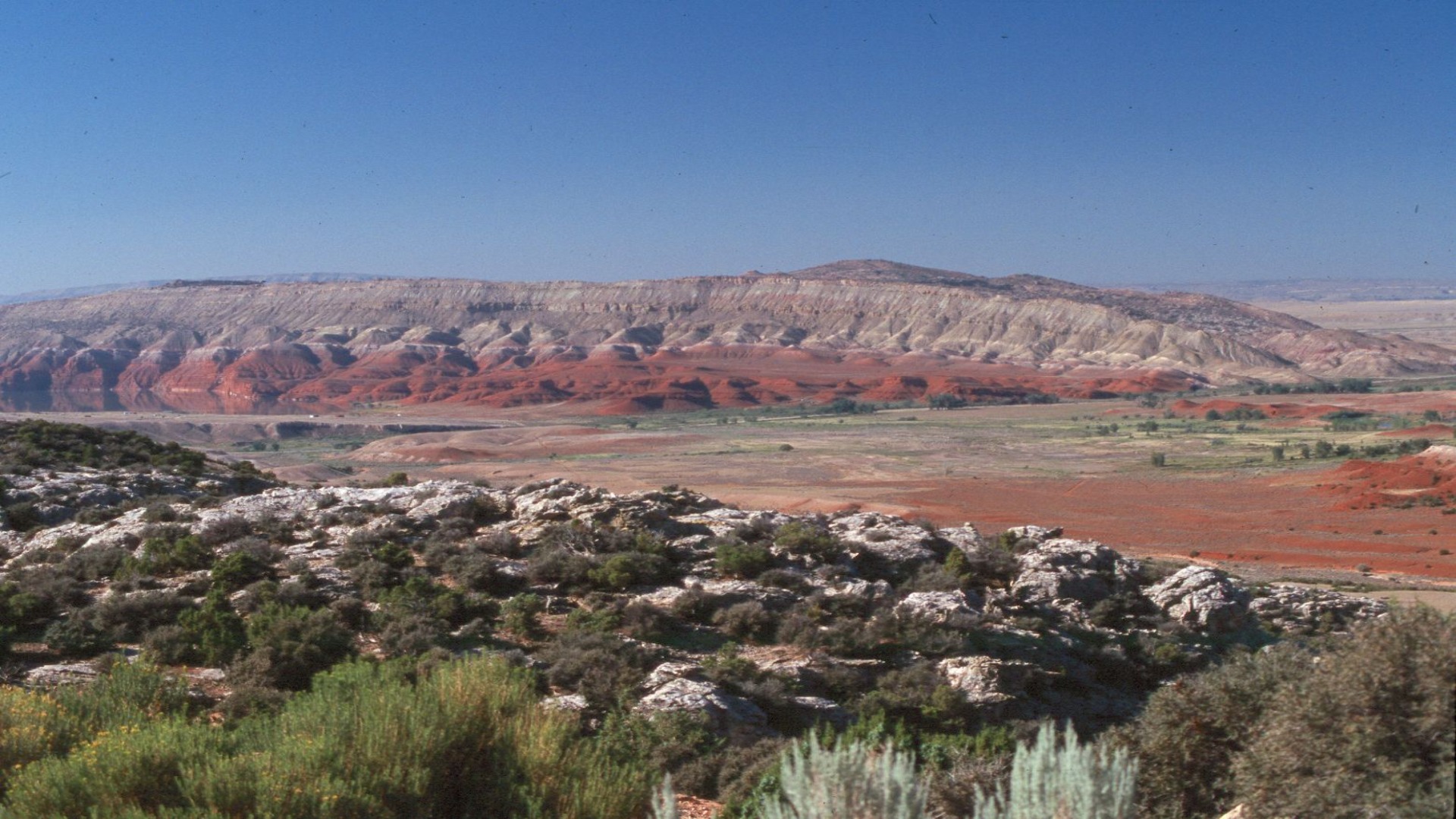
Desert national parks offer some of the most breathtaking and unique landscapes on Earth. From towering sand dunes to vibrant wildflower blooms, these protected areas showcase nature’s resilience in seemingly harsh environments. However, timing your visit to these arid wonderlands is crucial. Desert climates can be unforgiving, with extreme temperature swings that can make the difference between an unforgettable adventure and a potentially dangerous situation.
This comprehensive guide will help you determine the optimal seasons to explore America’s desert national parks, considering factors like weather patterns, crowd levels, and special natural phenomena that occur throughout the year.
Understanding Desert Climate Patterns
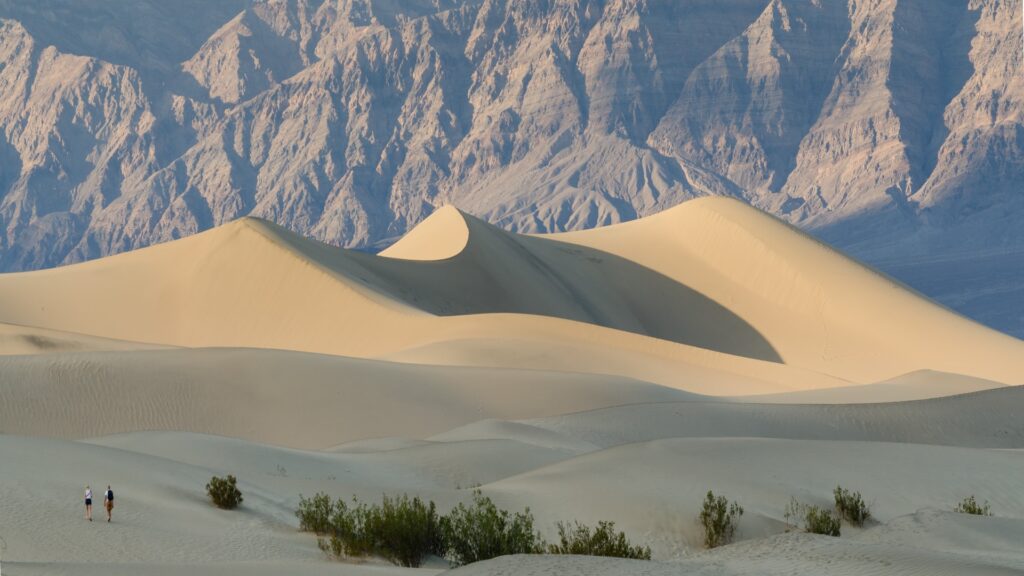
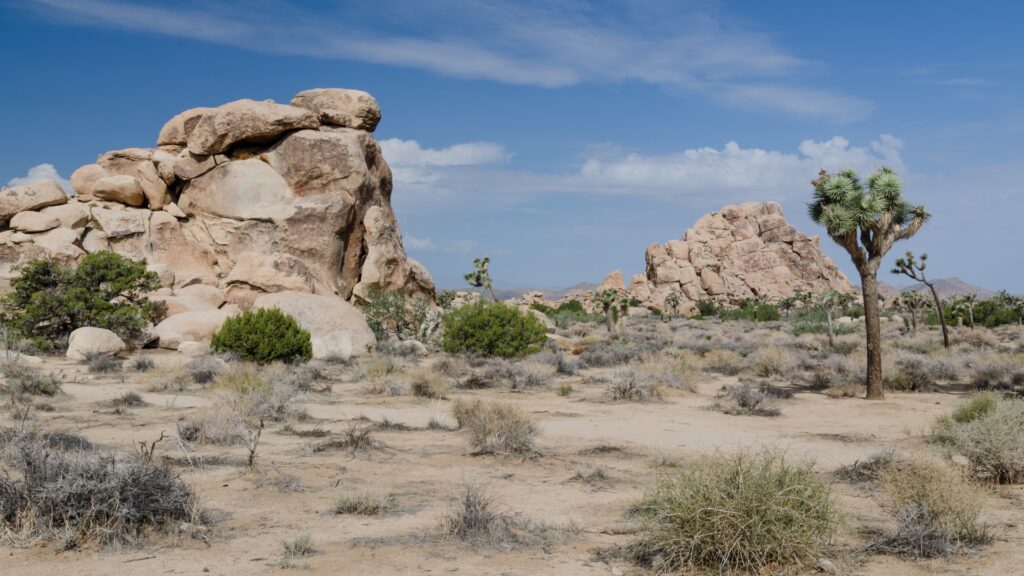
Desert national parks experience distinctive climate patterns characterized by minimal rainfall, low humidity, and dramatic temperature fluctuations between day and night. Unlike other ecosystems, deserts typically have two primary seasons rather than four: a hot, dry period and a cooler period with slightly more precipitation. These parks generally fall into two categories: hot deserts (like Death Valley) that reach scorching temperatures in summer, and high deserts (like parts of Joshua Tree) that sit at higher elevations with more moderate conditions.
Understanding these fundamental climate characteristics is essential for planning a visit that allows you to fully appreciate the desert’s beauty while remaining safe and comfortable. The combination of intense sunlight, minimal shade, and dry conditions means that proper preparation becomes even more critical than in other natural settings.
Spring: Prime Time for Desert Exploration
Spring (March through May) reigns as the most popular and arguably perfect season to visit most desert national parks. During these months, daytime temperatures typically range from the mid-60s to mid-80s Fahrenheit, creating ideal conditions for hiking, photography, and outdoor activities.
This season also brings the possibility of spectacular wildflower blooms, particularly after winters with sufficient rainfall, transforming typically barren landscapes into carpets of color. Parks like Death Valley, Joshua Tree, and Saguaro showcase different wildflower species, from desert marigolds to the iconic California poppy.
Additionally, spring offers longer daylight hours for exploration while avoiding the extreme heat that characterizes summer months. Wildlife also becomes more active during spring, increasing your chances of spotting desert creatures that remain hidden during other seasons.
The Miracle of Desert Wildflower Blooms
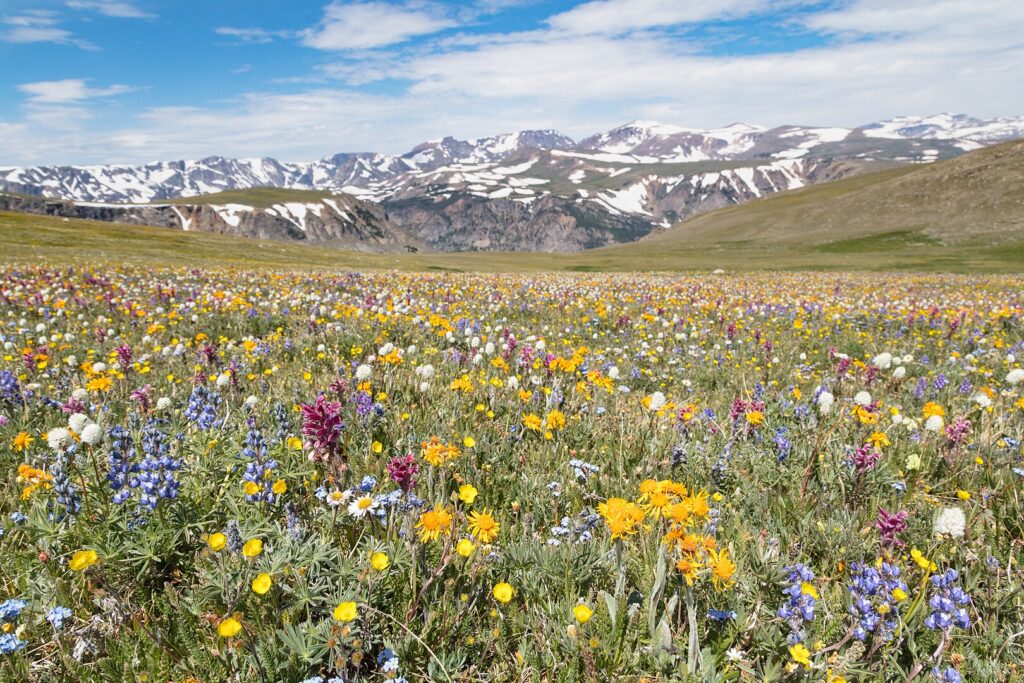
The phenomenon of desert wildflower blooms represents one of nature’s most remarkable transformations and can be a primary motivation for spring visits. These blooms are highly dependent on winter rainfall patterns, with spectacular “super blooms” occurring after particularly wet winters, sometimes creating once-in-a-decade displays. Different desert elevations bloom at different times, with low desert flowers typically appearing in February and March, while higher elevation blooms may peak in April and May.
Each park features different signature species: Death Valley’s desert gold and phacelia, Joshua Tree’s brittlebush and desert dandelion, and Saguaro’s prickly pear and ocotillo blooms. Park websites and wildflower hotlines often provide bloom forecasts, helping visitors time their trips to coincide with peak flowering periods and recommended viewing locations.
Fall: The Desert’s Second Prime Season
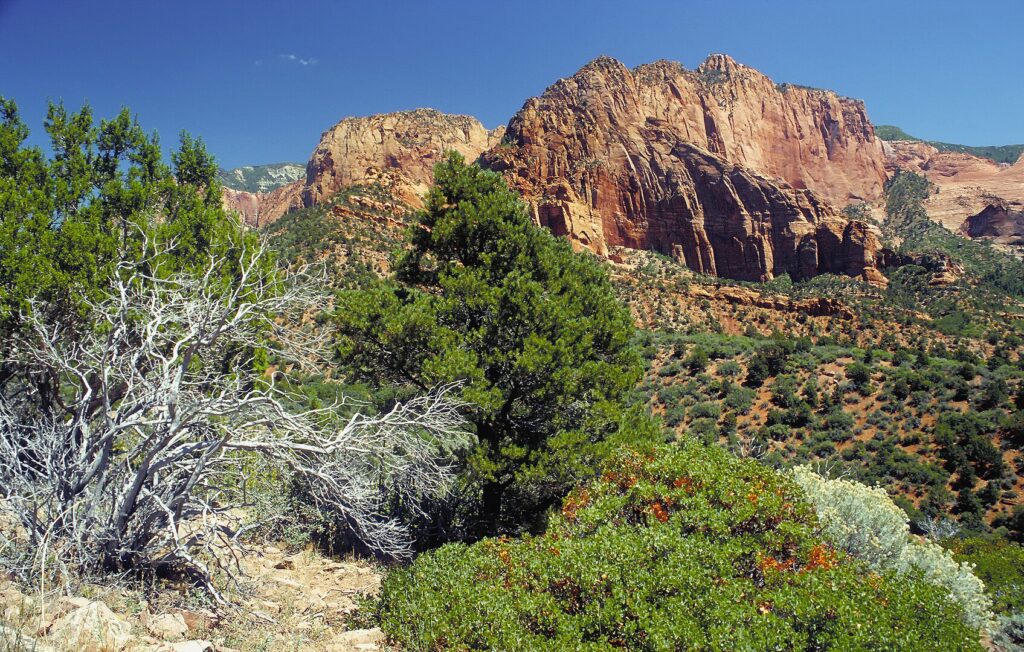
Fall (October through November) presents another excellent window for desert park exploration, offering many of spring’s advantages with some unique benefits. As summer heat dissipates, temperatures return to comfortable ranges, typically between 65-85°F during the day and cooler evenings perfect for stargazing.
Fall visitors often encounter fewer crowds than during the spring peak, particularly in parks like Zion and Grand Canyon that see heavy spring and summer traffic. The slanted autumn sunlight creates exceptional photographic conditions, highlighting the desert’s geological features with dramatic shadows and warm golden hues.
Fall also marks the beginning of tarantula mating season in some desert regions, offering wildlife enthusiasts the chance to observe these fascinating arachnids during their rare above-ground appearances, along with other desert creatures becoming more active in the cooler conditions.
Winter: Discovering Desert Solitude

Winter (December through February) in desert national parks offers a completely different experience characterized by solitude, crisp air, and unique perspectives on familiar landscapes. Low-elevation parks like Death Valley become particularly appealing during winter, with comfortable daytime temperatures typically ranging from 60-70°F – making this the only season when extensive hiking is truly pleasant. The winter months bring the possibility of occasional rainfall, which transforms the desert temporarily, filling seasonal waterfalls and enhancing the clarity of already spectacular views.
Higher elevation desert parks like Bryce Canyon may receive snow, creating stunning contrasts between white snowfall and red rock formations that few visitors ever witness. The significant reduction in visitation during winter also means easier access to popular viewpoints, greater availability of accommodations, and the rare experience of having expansive desert vistas almost entirely to yourself.
Summer: Extreme Caution Required

Summer (June through September) represents the most challenging season for desert national park visits, requiring careful planning and extreme caution. Temperatures in low-elevation parks like Death Valley can exceed 120°F, creating potentially life-threatening conditions for unprepared visitors, with surfaces too hot to touch and dehydration risks that can escalate rapidly. Higher elevation desert parks like Grand Canyon’s North Rim offer more moderate conditions but still require vigilance regarding sun exposure and hydration.
If summer visits are unavoidable, essential precautions include limiting outdoor activities to early morning or evening hours, carrying abundant water (at least one gallon per person per day), utilizing electrolyte replacements, wearing appropriate sun protection, and staying on designated trails near facilities. Summer visitors should also prepare for monsoon-season thunderstorms that can cause flash flooding in slot canyons and low-lying areas, particularly in parks like Capitol Reef and Canyonlands.
Park-Specific Timing: Death Valley National Park
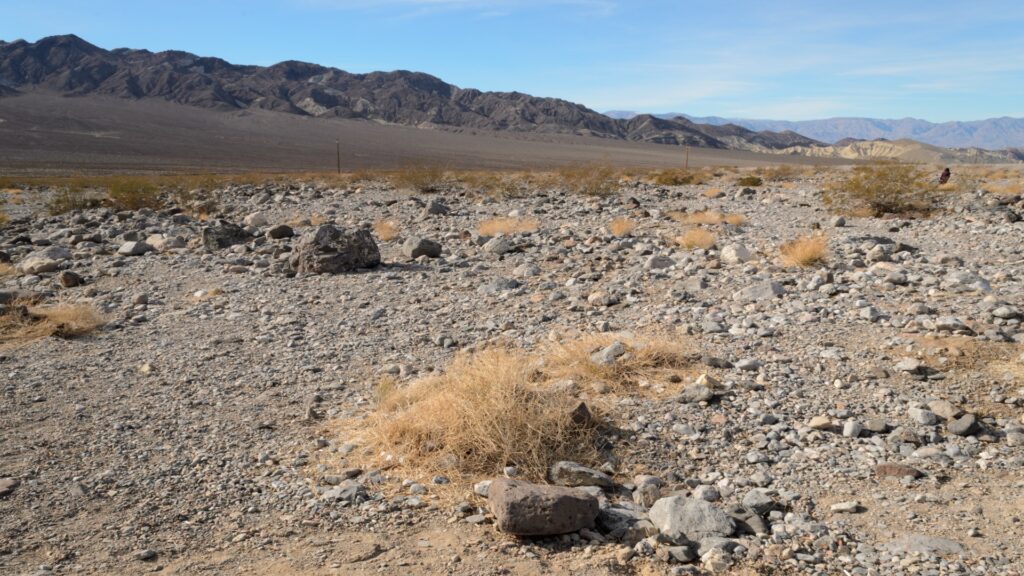
Death Valley National Park, as America’s hottest and driest national park, requires particularly strategic timing for visits. The optimal window falls between November and March, when daytime temperatures typically range from 60-75°F with cooler nights – perfect conditions for exploring iconic sites like Badwater Basin, Zabriskie Point, and Mesquite Flat Sand Dunes.
Winter occasionally brings rare rainfall that can create temporary lakes on the valley floor, reflecting the surrounding mountains in stunning fashion. February through March offers the possibility of wildflower blooms, though their intensity varies dramatically from year to year based on winter precipitation patterns.
Summer visits (June through September) should be approached with extreme caution, as temperatures regularly exceed 115°F, making most outdoor activities dangerous except in the pre-dawn hours and creating risk of vehicle breakdowns on remote park roads.
Park-Specific Timing: Joshua Tree National Park
Joshua Tree National Park, straddling the Mojave and Colorado deserts, offers different optimal visiting windows depending on your planned activities. October through April provides the most comfortable temperatures for rock climbing, hiking, and photography, with daytime highs typically between 60-85°F.
Spring (March-May) brings the possibility of wildflower displays and blooming Joshua trees, creating spectacular photographic opportunities among the park’s iconic boulder formations and twisted yuccas. Winter nights can drop below freezing but reward visitors with extraordinary stargazing in one of America’s darkest sky regions.
Summer temperatures regularly exceed 100°F, making extended outdoor activities challenging, though the park’s higher elevation areas provide somewhat more moderate conditions than lower desert parks. Regardless of season, the dramatic transition zones between desert ecosystems make Joshua Tree a fascinating study in adaptation and survival.
Park-Specific Timing: Grand Canyon (Desert Sections)

The Grand Canyon’s desert environments present distinct seasonal considerations compared to its forested rims. The inner canyon and Colorado River corridor maintain desert conditions year-round, with summer temperatures at Phantom Ranch regularly exceeding 100°F between June and September, creating dangerous conditions for hikers on trails like Bright Angel and South Kaibab. Spring (April-May) and fall (September-October) offer ideal conditions for inner canyon exploration, with moderate temperatures perfect for experiencing the dramatic transition from rim ecosystems to desert environments.
Winter brings the possibility of ice on upper portions of inner canyon trails, requiring traction devices, though lower elevations remain relatively mild and uncrowded. The North Rim, closed in winter due to snow, provides a higher-elevation desert experience with stunning viewpoints accessible from mid-May through October, offering cooler alternatives during summer months.
Park-Specific Timing: Arches and Canyonlands

Utah’s neighboring desert parks, Arches and Canyonlands, share similar optimal visiting seasons despite their different landscapes. Mid-March through May and September through October provide the most comfortable temperatures for exploring Arches’ delicate stone formations and Canyonlands’ expansive vistas, with daytime highs typically ranging from 60-85°F.
Summer brings temperatures regularly exceeding 100°F, creating challenging conditions on exposed trails like Delicate Arch and Grand View Point, though early morning starts can mitigate heat risks. Winter offers a completely different experience with the possibility of snow dusting red rock formations, creating stunning photographic opportunities and significantly reduced crowds.
Spring visits coincide with desert wildflower blooms among the sandstone formations, while fall brings vibrant color to cottonwood trees in canyon bottoms. Both parks experience significant temperature variations between day and night throughout the year, requiring layered clothing regardless of season.
Crowd Considerations and Reservation Requirements
Visitor volume has become an increasingly important factor when planning desert national park visits, with several parks implementing reservation systems during peak periods. Spring weekends and holidays see the heaviest visitation at most desert parks, particularly during wildflower blooms and school breaks in March and April.
Parks like Arches have introduced timed entry systems during high season, requiring advance planning several months ahead. Alternatives to peak periods include weekday visits, particularly in shoulder seasons (early spring and late fall), which offer similar weather conditions with significantly reduced crowds. Winter weekdays represent the lowest visitation periods across all desert parks, providing rare opportunities for solitude at popular viewpoints and on signature trails.
Accommodation availability follows similar patterns, with campgrounds and lodges frequently booking completely full during spring and fall peak periods, while offering greater availability and sometimes reduced rates during winter months.
Stargazing Opportunities and Dark Sky Parks
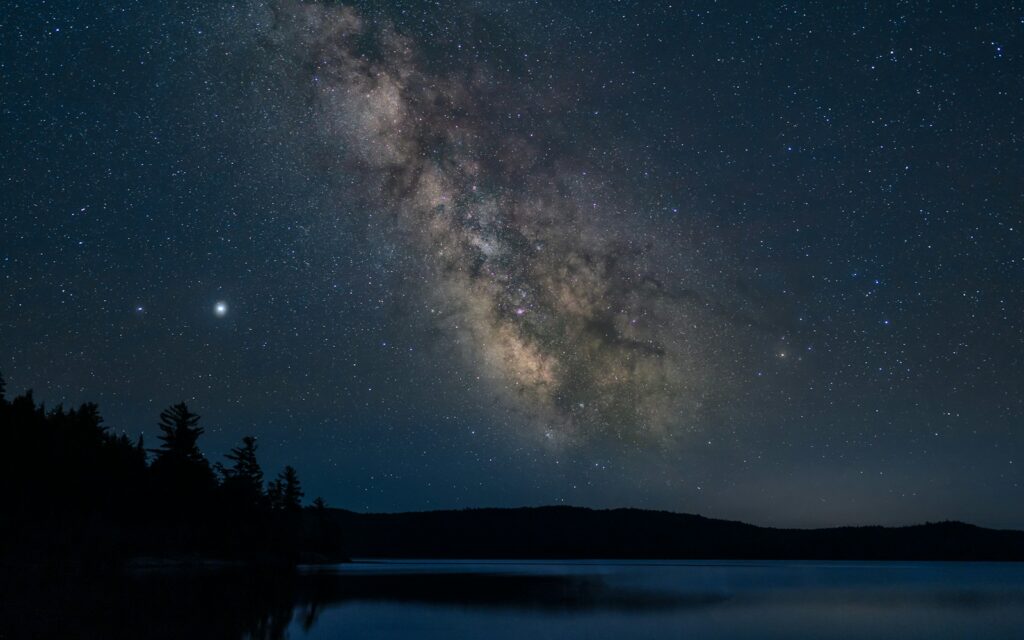
Many desert national parks hold International Dark Sky Park designations, offering exceptional stargazing opportunities that should influence visit timing. The clear, dry air and minimal light pollution create ideal conditions for observing celestial objects, with visibility factors changing seasonally. Winter offers the longest nights and often the clearest skies, though temperatures can drop significantly after sunset, requiring proper cold-weather preparation.
Summer brings warmer night temperatures but shorter darkness periods and the possibility of monsoon clouds obscuring views. The Milky Way core becomes visible in the Northern Hemisphere from April through October, with optimal viewing around new moon phases when skies are darkest.
Parks including Death Valley, Joshua Tree, and Big Bend offer regular astronomy programs during peak seasons, providing telescope access and expert guidance for appreciating the desert’s remarkable night skies.
Preparation Essentials for Desert Park Visits

Desert environments demand specific preparation regardless of season, with certain considerations becoming even more critical during extreme temperature periods. Water remains the most essential resource, with experts recommending carrying at least one gallon per person per day during moderate temperatures and more during hot periods, even for short hikes.
Sun protection including wide-brimmed hats, sunglasses, and high-SPF sunscreen becomes necessary year-round due to the desert’s minimal shade and intense UV exposure at higher altitudes. Navigation tools gain importance in landscapes with few distinct landmarks and potentially confusing trail systems, making paper maps essential backups to electronic devices that can overheat or lose power.
Vehicle preparation also requires special attention, including checking cooling systems, carrying extra water, and maintaining at least half a tank of fuel when traveling between desert destinations, as service stations can be extraordinarily distant and cell service nonexistent in many desert park regions.
Conclusion: Discover America’s Desert National Parks Year-Round
The desert national parks of America offer remarkable experiences throughout the year, each season presenting its own character and considerations. While spring and fall generally provide the most comfortable conditions for exploration, winter and even summer can offer unique perspectives for well-prepared visitors. By aligning your visit with your specific interests—whether wildflower blooms, stargazing, photography, or seeking solitude—you can experience these extraordinary landscapes at their most captivating.
Regardless of when you choose to visit, appropriate preparation remains essential in these beautiful but demanding environments. The desert’s stark beauty, geological wonders, and resilient ecosystems await those who time their journeys thoughtfully, revealing natural treasures that have shaped the American landscape and imagination for generations.