

America’s national parks offer breathtaking landscapes that transform dramatically with the changing seasons. From snow-capped mountains to vibrant fall foliage, desert blooms to summer wilderness adventures, timing your visit to align with nature’s calendar can create unforgettable experiences. Each season unveils unique natural phenomena, wildlife viewing opportunities, and recreational possibilities across the diverse national park system. This guide explores the most spectacular parks to visit during each season, helping you plan the perfect national park getaway no matter what time of year you choose to explore America’s natural treasures.
Spring: Shenandoah National Park, Virginia
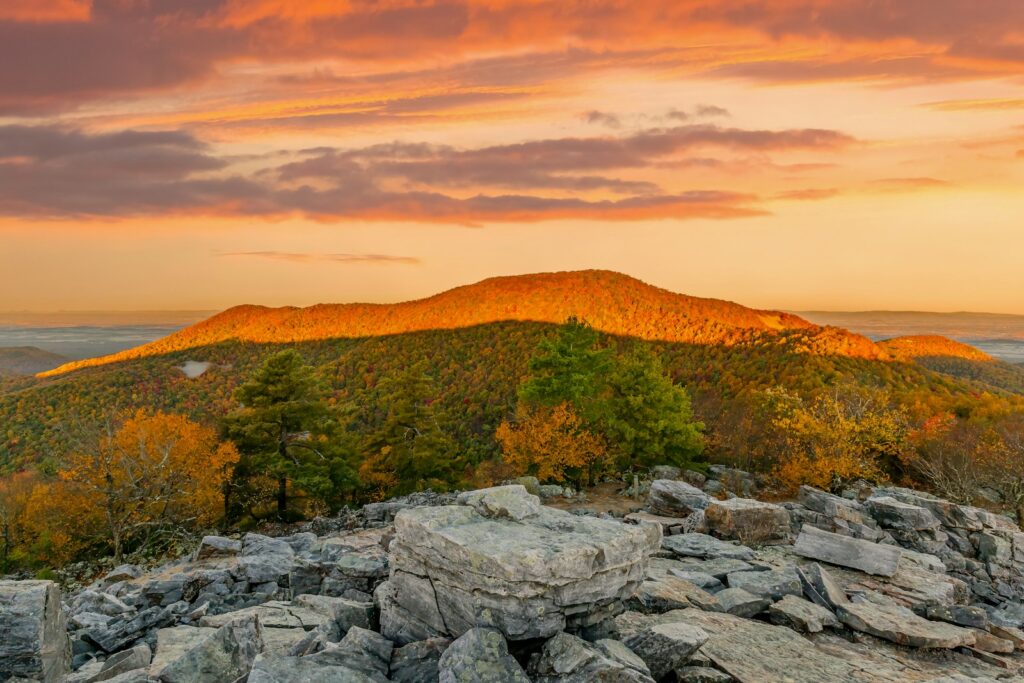
Shenandoah National Park bursts to life in spring as the Blue Ridge Mountains shed their winter dormancy and explode with vibrant colors. Between April and May, the rolling hillsides become carpeted with over 850 species of wildflowers, including trillium, violets, and lady’s slippers, creating a photographer’s paradise. Spring also marks the time when waterfalls reach their peak flow from snowmelt, making the hike to Overall Run Falls or Dark Hollow Falls particularly rewarding. Wildlife enthusiasts will appreciate increased opportunities to spot black bears emerging from hibernation and numerous bird species returning from their winter migrations. Skyline Drive, the park’s scenic 105-mile road, offers unobstructed views during this season before the summer foliage becomes too dense, allowing visitors to fully appreciate the awakening landscape.
Spring: Death Valley National Park, California
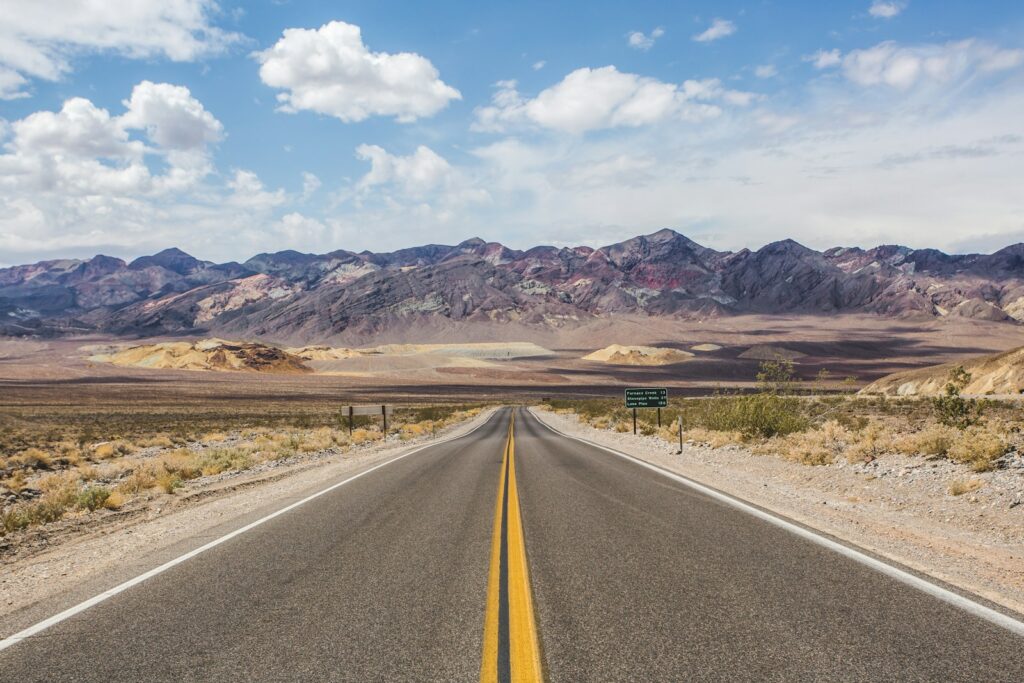
Death Valley transforms from a forbidding desert into a surprising haven of life during spring, particularly if winter rains have been generous. Between late February and mid-April, the normally barren landscape can produce spectacular wildflower “super blooms” that paint the desert floor with vibrant yellows, purples, and whites—a rare phenomenon that attracts visitors from around the world. Spring also provides comfortable temperatures (70s-80s°F) that make exploring the park’s vast salt flats, sand dunes, and dramatic canyons pleasant rather than punishing. Badwater Basin, North America’s lowest point at 282 feet below sea level, becomes accessible without the extreme summer heat that can reach deadly temperatures above 120°F. Evening temperatures remain cool enough for stargazing under some of the darkest skies in the United States, offering perfect conditions to witness the Milky Way stretching across the night sky.
Spring: Grand Canyon National Park, Arizona
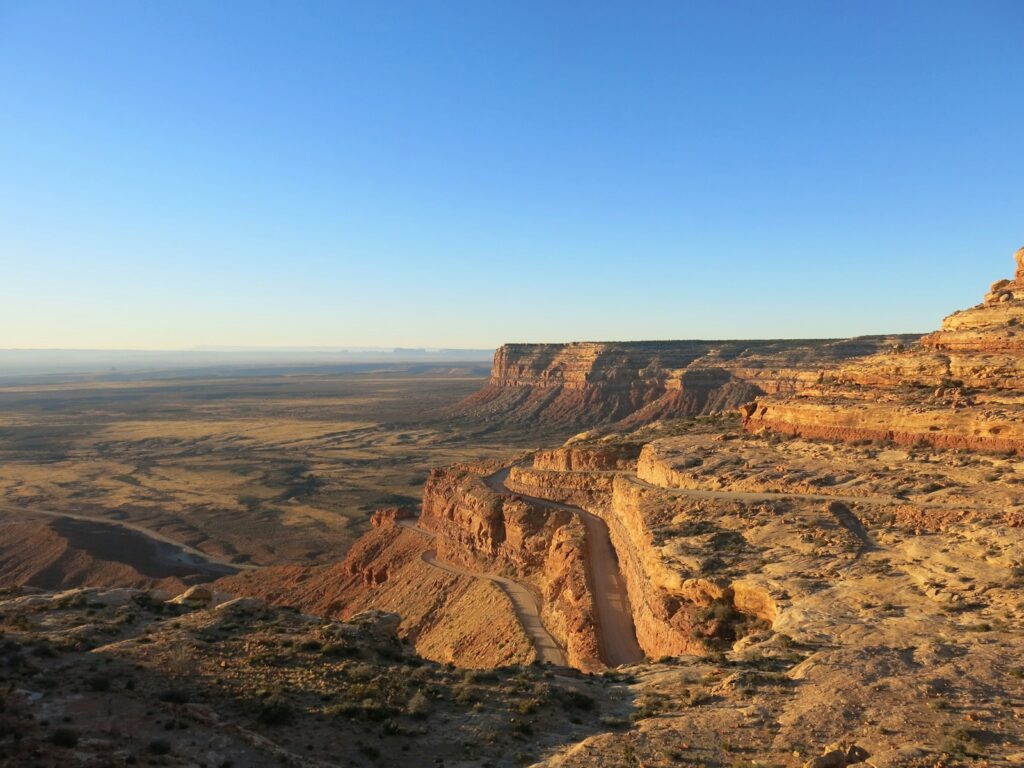
Spring at the Grand Canyon offers ideal conditions to experience this natural wonder without the crushing summer crowds or winter weather limitations. From April through May, the canyon rim enjoys mild temperatures in the 60s and 70s°F, while the inner canyon begins warming up, creating perfect hiking conditions for challenging trails like Bright Angel or South Kaibab. The spring snowmelt enhances the Colorado River’s flow, making this the prime season for whitewater rafting adventures through the heart of the canyon. Wildlife becomes increasingly active, with California condors soaring on thermal updrafts and desert bighorn sheep navigating the steep canyon walls. The spring light creates magnificent photography opportunities as it casts ever-changing shadows across the canyon’s multicolored geological layers, particularly during the golden hours of sunrise and sunset.
Summer: Glacier National Park, Montana
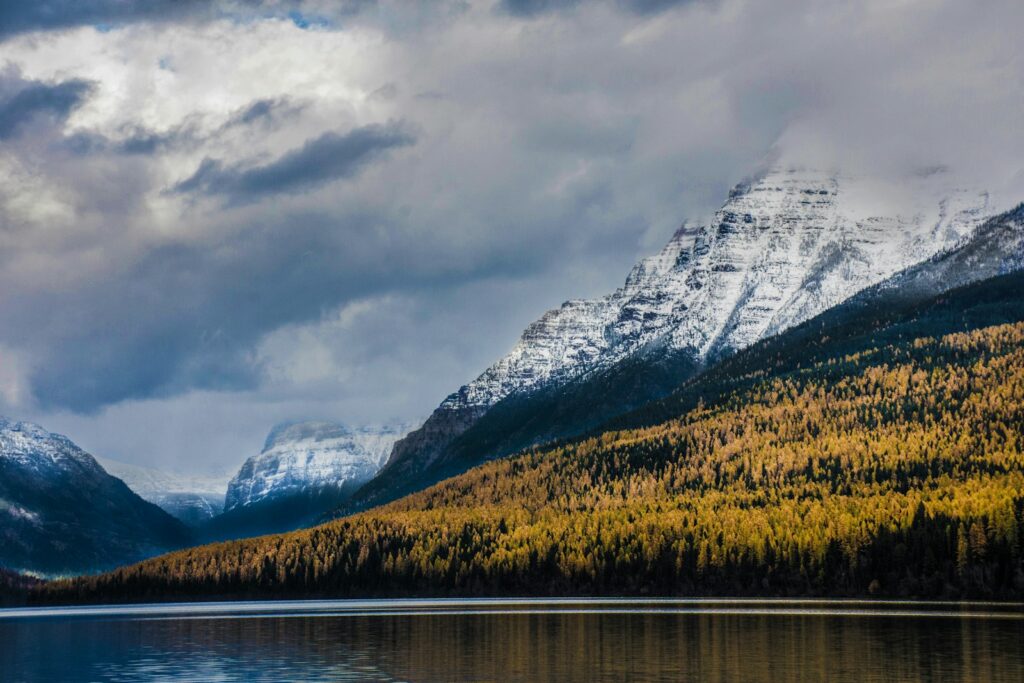
Summer unveils Glacier National Park in its full splendor, offering visitors access to areas that remain snowbound most of the year. From July through early September, the park’s crown jewel—the Going-to-the-Sun Road—becomes fully operational, allowing travelers to cross the Continental Divide at Logan Pass (6,646 feet) while witnessing some of North America’s most stunning alpine scenery. The short summer season creates an explosion of wildflower meadows where glacier lilies, beargrass, and Indian paintbrush create kaleidoscopic displays against the backdrop of jagged peaks. Wildlife viewing reaches its peak as mountain goats, bighorn sheep, and grizzly bears roam the high country, while the park’s 700+ miles of trails become accessible for hikers of all abilities. The park’s 26 remaining glaciers, though rapidly receding due to climate change, are most visible during this season—a sobering reminder of the urgency to experience these disappearing ice formations that give the park its name.
Summer: Olympic National Park, Washington
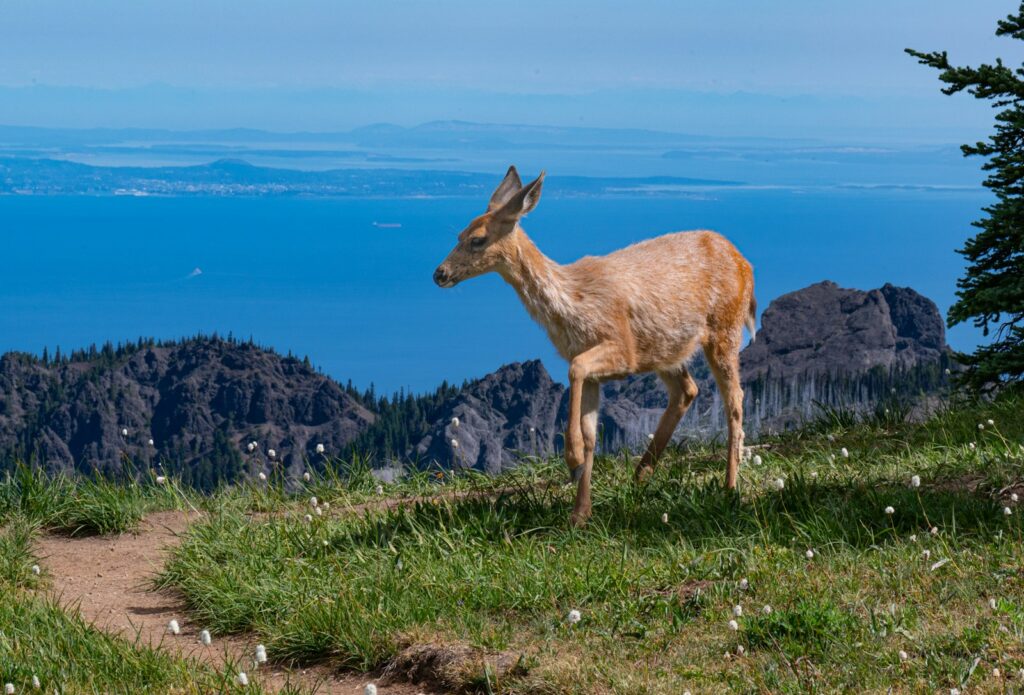
Olympic National Park showcases its remarkable diversity during summer when visitors can experience three distinct ecosystems in a single day. From July through September, the park’s subalpine meadows at Hurricane Ridge burst with colorful wildflowers while offering crystal-clear views of the Olympic Mountains that are often shrouded in clouds during other seasons. The park’s 73 miles of wild Pacific coastline become perfect for tide pooling, where visitors can discover vibrant marine ecosystems teeming with starfish, sea anemones, and other fascinating creatures during low tide. Summer also provides the ideal opportunity to explore the Hoh Rain Forest when its moss-draped old-growth trees receive less rainfall, allowing sunlight to create ethereal beams through the dense canopy. The park’s many glacial-fed rivers offer refreshing swimming holes and fishing opportunities, while evenings at places like Lake Crescent deliver spectacular sunset reflections on calm waters surrounded by forested mountains.
Summer: Kenai Fjords National Park, Alaska

Kenai Fjords National Park becomes accessible during Alaska’s brief but glorious summer, offering visitors a front-row seat to some of America’s most dramatic coastal wilderness. From June through August, boat tours navigate the park’s fjords, bringing visitors face-to-face with tidewater glaciers that actively calve massive ice chunks into the sea with thunderous cracks that echo across the water. Wildlife viewing reaches its zenith as humpback whales, orcas, sea otters, puffins, and countless other marine species take advantage of productive summer feeding grounds. The Harding Icefield Trail, accessible only during summer months, rewards ambitious hikers with panoramic views of the park’s namesake feature—a 700-square-mile ice field that feeds nearly 40 glaciers flowing from the mountains to the sea. Extended daylight hours characteristic of Alaskan summers allow for maximized exploration time, with the midnight sun creating magical lighting conditions for photographers seeking to capture the park’s raw beauty.
Fall: Acadia National Park, Maine
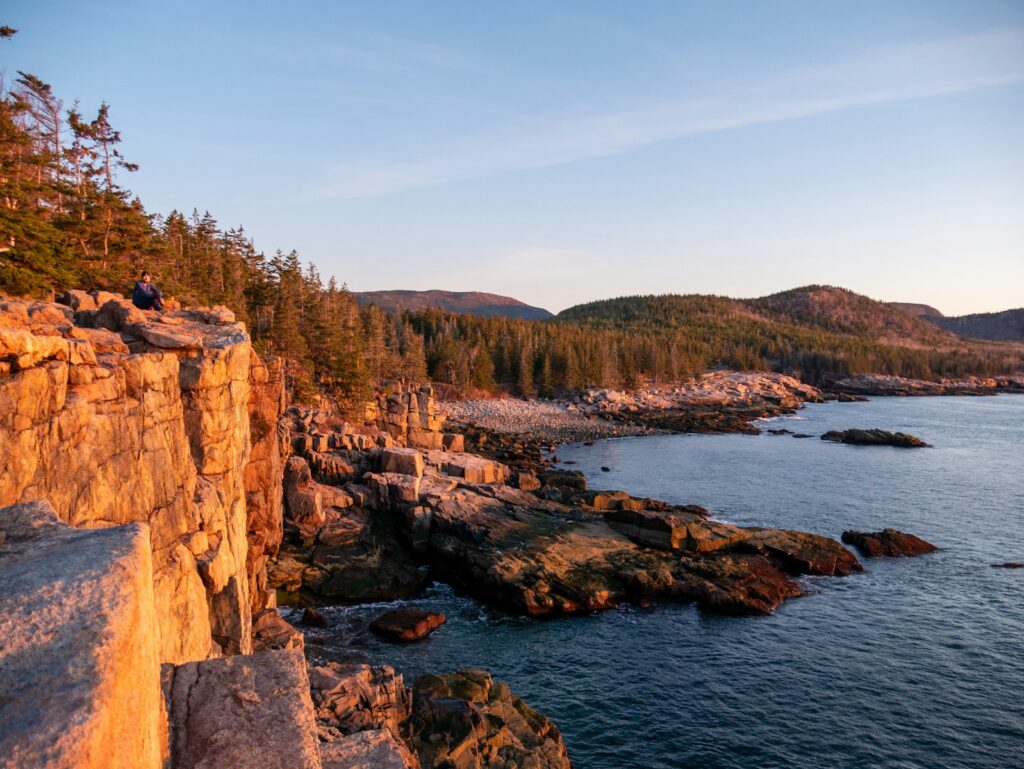
Acadia National Park transforms into a masterpiece of color during fall when its mixed forests of maple, oak, birch, and aspen trees create a spectacular foliage display typically peaking in mid-October. The park’s signature Cadillac Mountain, the highest point on the North Atlantic seaboard, offers breathtaking panoramic views of this autumnal tapestry contrasted against the deep blues of the Atlantic Ocean and scattered islands of Frenchman Bay. Fall brings refreshingly crisp temperatures perfect for hiking the park’s 158 miles of trails without the summer humidity or crowds, while the 45 miles of carriage roads designed by John D. Rockefeller Jr. provide car-free routes for cyclists and equestrians to immerse themselves in the seasonal splendor. Culinary enthusiasts can enhance their visit by exploring nearby coastal villages offering fresh lobster and seasonal treats like apple cider donuts, creating a multisensory New England autumn experience that explains why this season draws photographers and nature lovers from around the world.
Fall: Great Smoky Mountains National Park, Tennessee/North Carolina
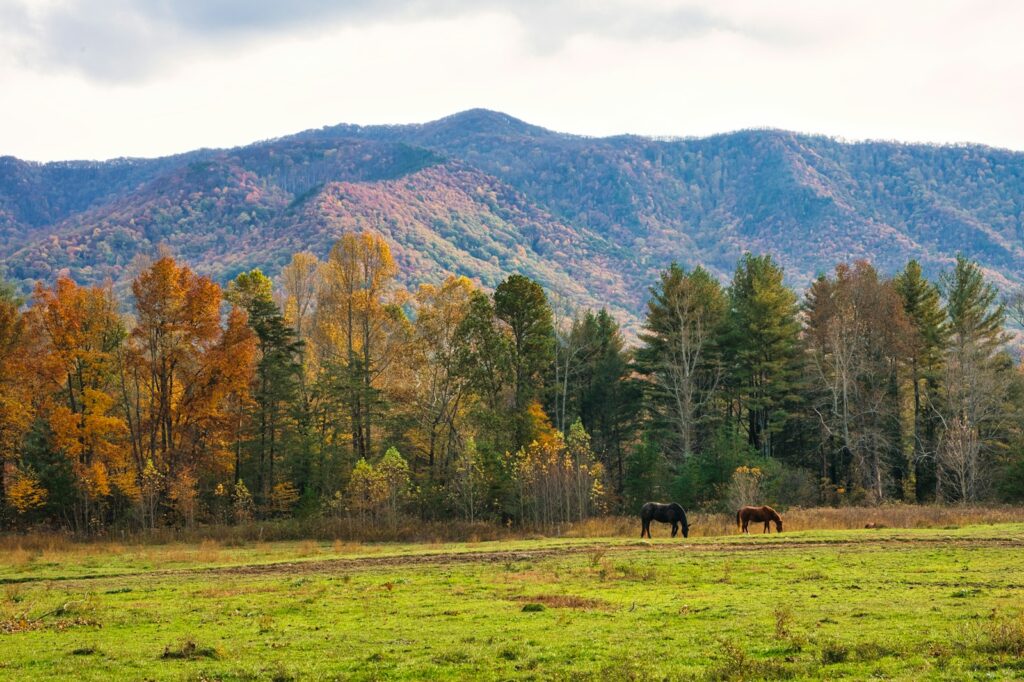
Great Smoky Mountains National Park delivers America’s longest-lasting fall foliage display, with colors gradually shifting from the highest elevations in late September to the lower valleys by early November. The park’s remarkable biodiversity—including over 100 native tree species—creates an unmatched palette of reds, oranges, yellows, and purples that seem to set the mountains ablaze when viewed from scenic overlooks along Newfound Gap Road or the Blue Ridge Parkway. Historic sites like Cades Cove and Cataloochee Valley become even more photogenic when framed by autumn colors, offering glimpses into Appalachian pioneer life against a backdrop of seasonal transformation. Wildlife activity intensifies as elk enter their rutting season, with males bugling and competing for mates in the meadows during dawn and dusk. The comfortable hiking temperatures and reduced humidity make fall ideal for exploring popular trails like Alum Cave to Mount LeConte or Ramsey Cascades, where the seasonal colors reflect in crystal-clear mountain streams and waterfalls.
Fall: Yellowstone National Park, Wyoming/Montana/Idaho
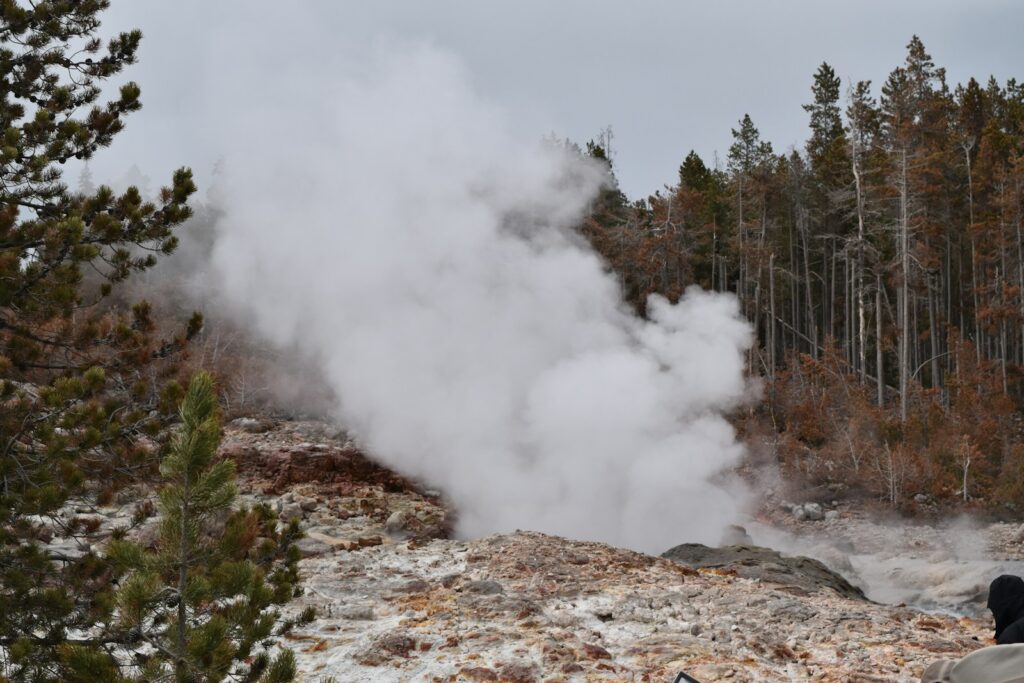
Yellowstone National Park reveals a different character in fall as summer crowds dissipate and wildlife prepares for the approaching winter. September and early October bring golden aspens that contrast dramatically with the deep green lodgepole pines and the park’s unique geothermal features, creating otherworldly landscapes around attractions like Grand Prismatic Spring. The park’s famous wildlife viewing reaches its peak as elk enter the dramatic rut season, filling the valleys with the haunting sounds of bull elk bugling, while grizzly and black bears actively forage to build fat reserves before hibernation. Bison herds gather in the open meadows, their dark forms creating striking silhouettes against the autumn landscape, especially when morning frost or light snow dusts the ground. The cooler temperatures cause the park’s geysers and hot springs to produce more steam, creating mystical scenes particularly at dawn when the thermal features appear to be breathing life into the crisp mountain air.
Winter: Yellowstone National Park, Wyoming/Montana/Idaho
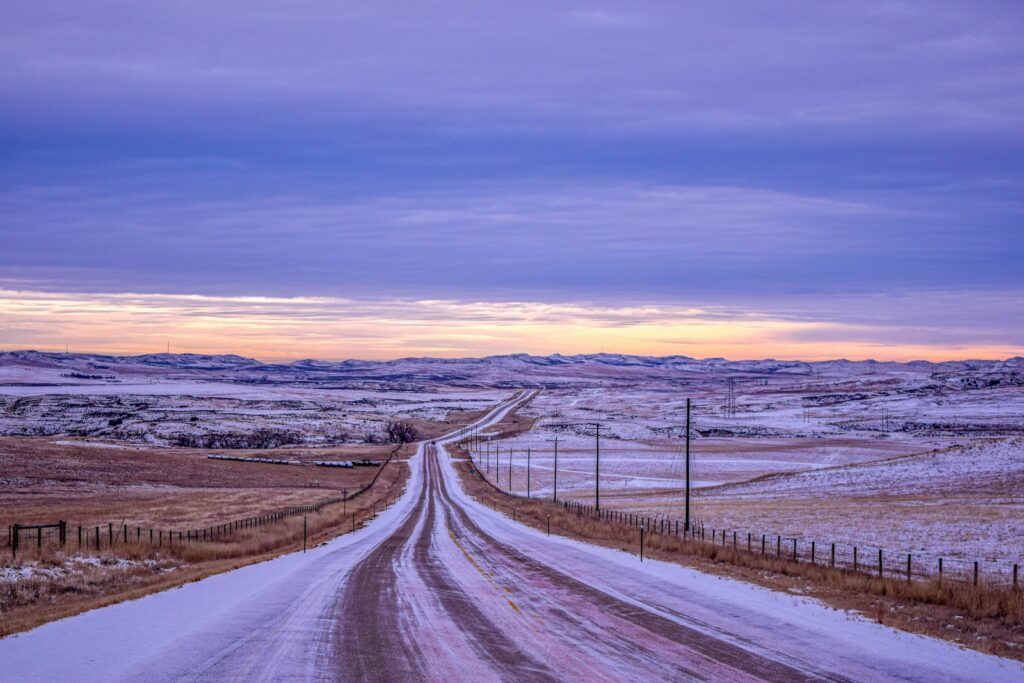
Yellowstone transforms into a winter wonderland from December through March, offering a rare glimpse of America’s first national park as few experience it. The steam from the park’s 10,000+ geothermal features creates surreal scenes against the snow-covered landscape, with frost-covered bison appearing almost prehistoric as they trudge through deep powder near bubbling hot springs. Access shifts dramatically in winter, with most park roads closing to conventional vehicles but opening to over-snow transportation like snowcoaches and snowmobiles, creating an intimate experience of the park’s vast wilderness. Winter wildlife viewing becomes exceptional as animals concentrate in thermal areas and lower elevations, making it easier to spot wolves hunting across the Lamar Valley—often called America’s Serengeti. Photography opportunities become extraordinary as the low winter sun creates dramatic lighting across pristine snowfields, while night skies reveal brilliant stars against the dark canvas created by the park’s minimal light pollution.
Winter: Bryce Canyon National Park, Utah
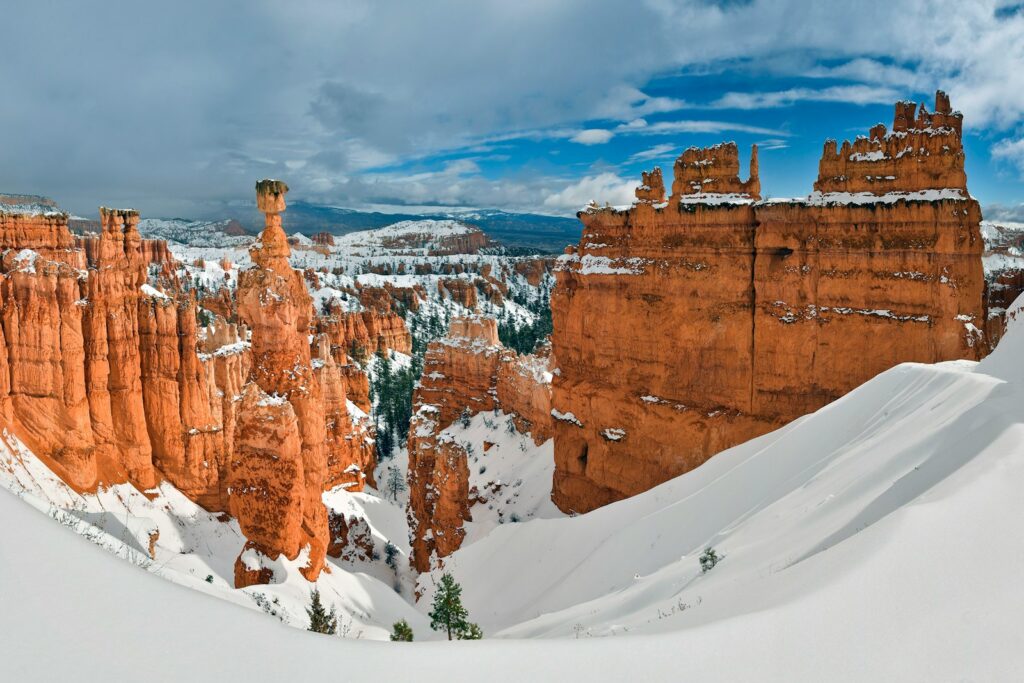
Bryce Canyon National Park wears an entirely different character in winter when snow blankets its famous hoodoos, creating a striking contrast between the red-orange rock formations and pristine white snow. The winter light enhances the park’s surreal landscape, with the low sun angle intensifying the vibrant colors of the rock and casting longer shadows that accentuate the intricate details of the amphitheater’s thousands of spires. Visitor numbers drop dramatically, allowing winter travelers to experience profound silence and solitude among formations that normally see heavy summer crowds. The park maintains plowed roads to the most spectacular viewpoints, while offering ranger-led snowshoe hikes that provide safe access to the rim and occasionally down among the hoodoos themselves. Clear, cold winter nights deliver some of the darkest skies in the contiguous United States, creating ideal conditions for stargazing and night photography, with the Milky Way appearing to rise directly from the canyon’s mystical formations.
Winter: Everglades National Park, Florida
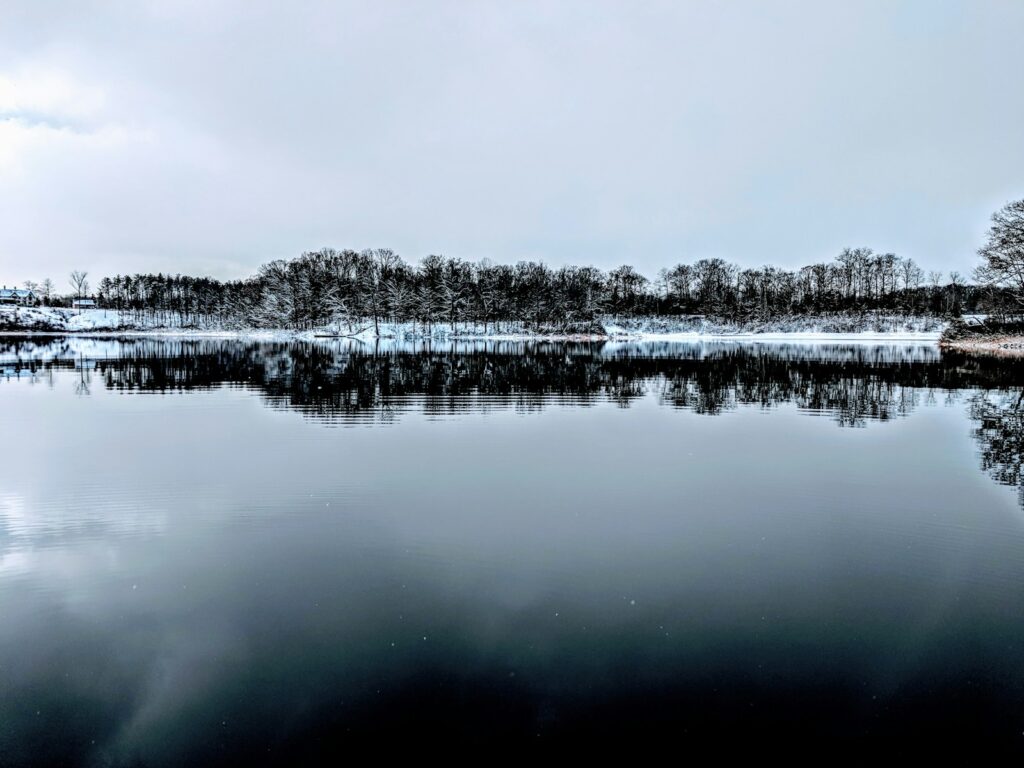
The Everglades enjoys its prime season during winter when comfortable temperatures, diminished mosquito populations, and concentrated wildlife create ideal visiting conditions. From December through April, the subtropical wetlands enter their dry season, causing wildlife to gather around remaining water sources and making species like alligators, wading birds, and even the elusive Florida panther more visible to patient observers. Birding reaches its zenith as migratory species join resident birds, creating spectacular congregations of roseate spoonbills, wood storks, and over 300 other bird species that use the park as their winter haven. Water levels recede during this season, improving hiking conditions on trails like Anhinga and making paddling excursions through mangrove tunnels and sawgrass prairies more accessible and rewarding. Winter also coincides with the park’s least humid period, offering comfortable conditions for exploring diverse ecosystems from the Shark Valley observation tower to the coastal waters of Florida Bay, where manatees seek warmer waters during cooler months.
Planning Tips for Seasonal National Park Visits
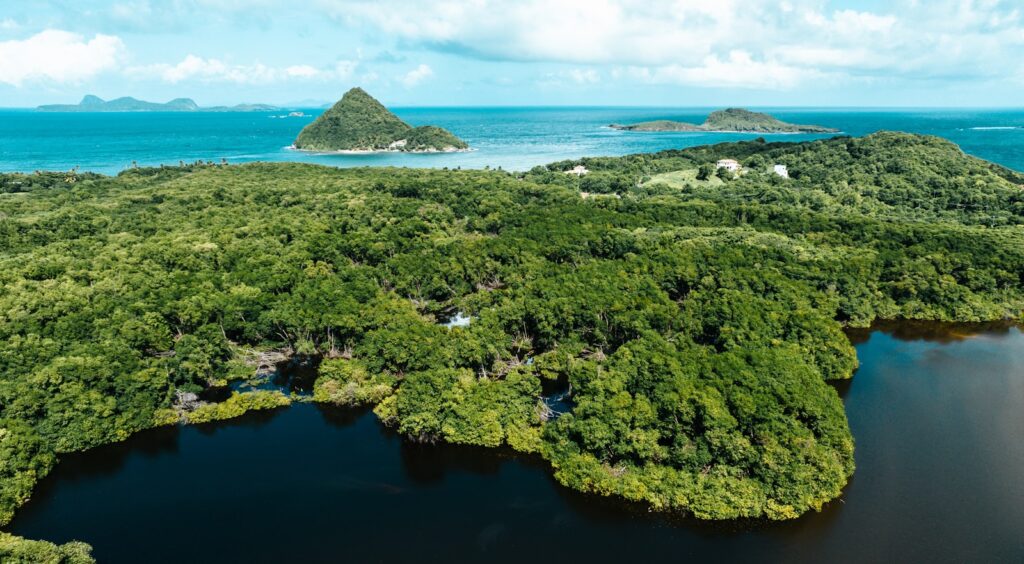
Successful seasonal visits to national parks require strategic planning that accounts for each park’s unique circumstances and challenges. For popular summer destinations like Yellowstone or Yosemite, securing accommodations and campsite reservations 6-12 months in advance is essential, as is arriving at major attractions early in the morning to avoid peak crowds. Winter visits to parks like Bryce Canyon or Yellowstone necessitate preparing for extreme weather conditions with proper cold-weather gear, chains for vehicles, and flexibility in itineraries to accommodate sudden weather changes. Shoulder seasons (late spring and early fall) often provide the best balance of accessibility, reasonable crowds, and pleasant conditions in parks that experience extreme seasonal variations. Always research seasonal road closures, facility availability, and required permits well before your trip, as many parks operate with reduced services outside their prime seasons. Finally, consider connecting with park rangers upon arrival for current conditions and insider recommendations, as their expertise can help you discover seasonal highlights that may not appear in standard guidebooks.
Experiencing America’s national parks through the lens of seasonal change offers a deeper appreciation for these protected landscapes and the natural cycles that shape them. From spring wildflowers in Death Valley to summer adventures in Glacier, autumn colors in the Great Smokies to winter solitude in Yellowstone, each season unveils different facets of these treasured places. By timing your visits strategically, you can witness spectacular natural phenomena, enjoy optimal conditions for your preferred activities, and potentially avoid the heaviest crowds. As climate change continues to alter seasonal patterns across these ecosystems, experiencing these iconic landscapes throughout the year becomes not just a travel goal but a way to witness and document America’s natural heritage during this time of unprecedented transformation.