

When it comes to exploring America’s natural landscapes, the spotlight often falls on iconic national parks like Yellowstone, Yosemite, and the Grand Canyon. However, the United States is home to numerous lesser-known wildlife reserves that offer equally spectacular biodiversity, breathtaking landscapes, and intimate wildlife encounters—without the crowds. These hidden gems preserve critical ecosystems, provide sanctuary for endangered species, and offer visitors authentic wilderness experiences that often surpass their more famous counterparts.
From coastal marshlands teeming with migratory birds to desert oases harboring unique adapted species, these underrated wildlife reserves deserve recognition for their conservation significance and natural beauty. Join us as we venture off the beaten path to discover America’s best-kept wildlife secrets.
Okefenokee National Wildlife Refuge, Georgia
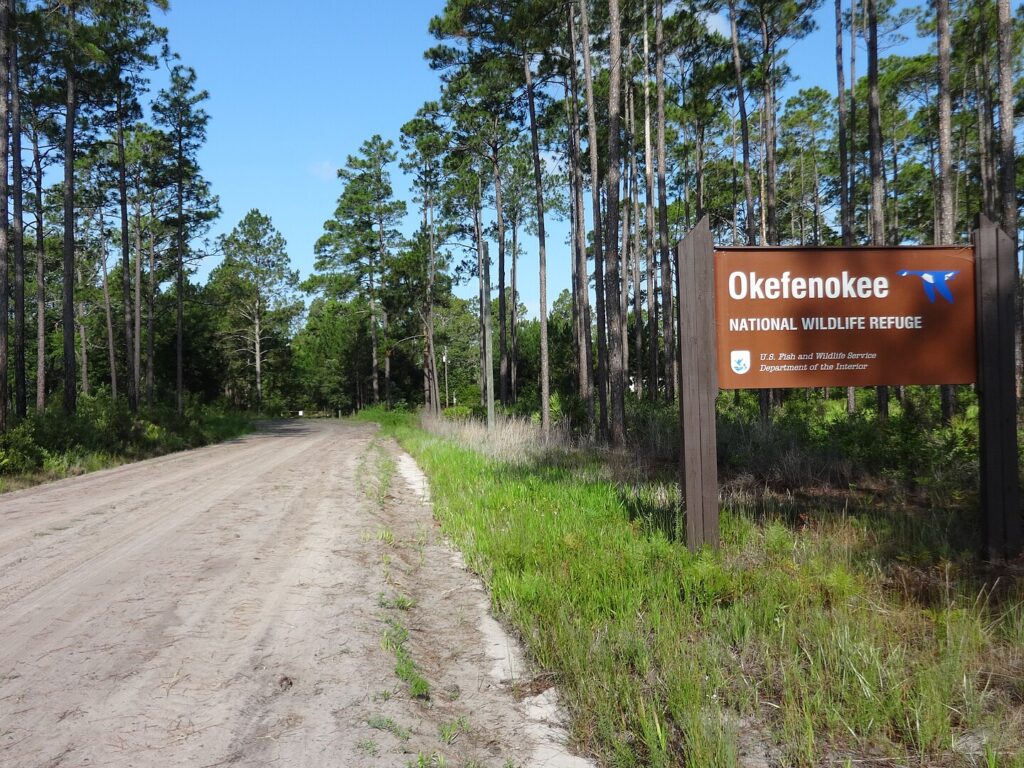
Spanning over 400,000 acres along the Georgia-Florida border, the Okefenokee National Wildlife Refuge protects one of the oldest and most well-preserved freshwater systems in America. This vast swampland contains cypress forests, wetland prairies, and blackwater rivers that create a primeval landscape seemingly untouched by time.
Visitors can navigate the refuge’s extensive water trails by canoe or kayak, encountering American alligators, black bears, and over 200 bird species including the endangered red-cockaded woodpecker. The refuge’s dark, tannin-stained waters reflect the cypress trees like mirrors, creating ethereal scenes particularly at dawn and dusk when wildlife activity peaks and the swamp awakens with a chorus of frogs, insects, and birds.
Bitter Lake National Wildlife Refuge, New Mexico
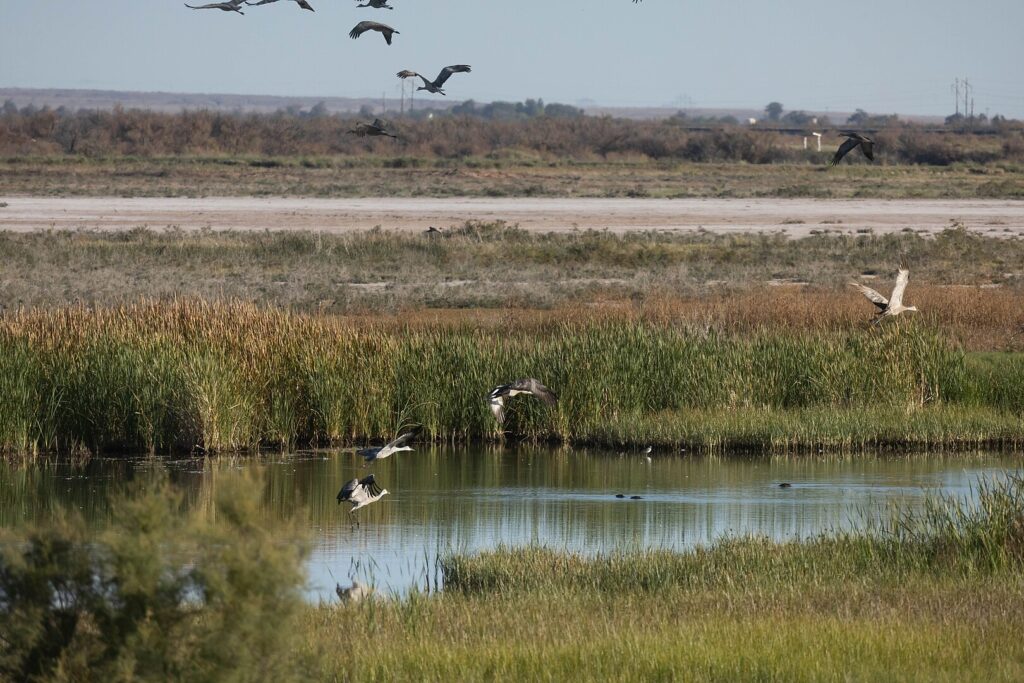
Located east of Roswell in New Mexico, Bitter Lake National Wildlife Refuge represents a surprising desert oasis where the Chihuahuan Desert meets the Southern Plains. This ecological crossroads creates a unique environment where over 100 dragonfly and damselfly species—more than anywhere else in North America—dance above wetlands fed by underground springs. The refuge hosts an astonishing diversity of wildlife adapted to its mixed habitat, including threatened species like the least tern and Pecos bluntnose shiner.
Visitors during migration seasons witness spectacular congregations of sandhill cranes and snow geese that transform the sky into living canvases of movement, while the refuge’s gypsum sinkholes harbor rare invertebrates found nowhere else on Earth.
National Bison Range, Montana
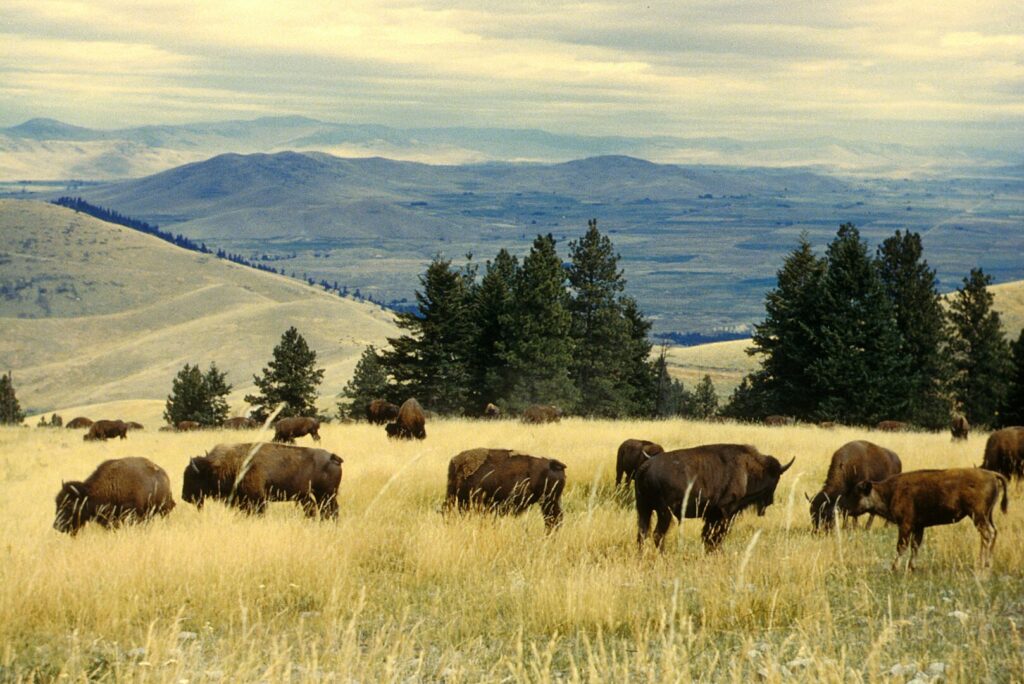
Established in 1908 as one of America’s first wildlife refuges, the National Bison Range in western Montana offers an intimate experience with America’s national mammal against the stunning backdrop of the Mission Mountains. This 18,500-acre preserve maintains one of the most important conservation herds of American bison, helping restore a species that once faced extinction. Beyond the approximately 350 bison that roam its rolling grasslands, visitors might spot pronghorn antelope, bighorn sheep, elk, and black bears amid wildflower meadows that explode with color during spring and summer.
The refuge’s Red Sleep Mountain Drive provides a 19-mile self-guided tour through diverse habitats, climbing 2,000 feet in elevation to deliver panoramic views of the Flathead Valley and numerous wildlife viewing opportunities away from Montana’s more crowded destinations.
Aransas National Wildlife Refuge, Texas
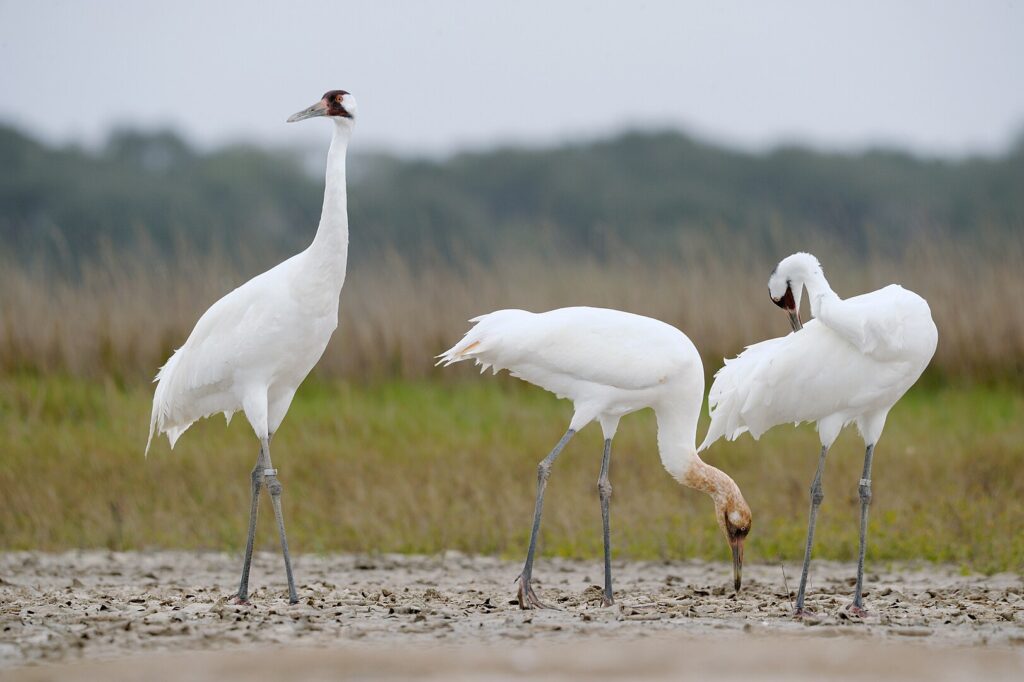
Along the Gulf Coast of Texas, Aransas National Wildlife Refuge serves as the winter home for the last natural wild flock of endangered whooping cranes, North America’s tallest birds standing nearly five feet tall. This coastal preserve encompasses salt marshes, oak mottes, and grasslands that support over 400 bird species throughout the year, making it a premier destination for dedicated birders seeking rare sightings. Beyond avian diversity, the refuge harbors American alligators, nine-banded armadillos, and one of the few remaining populations of the endangered Kemp’s ridley sea turtle that nests along its protected beaches.
The refuge’s observation tower and boardwalks provide exceptional wildlife viewing opportunities across its diverse ecosystems, while boat tours during winter months offer close-up encounters with the majestic whooping cranes as they feed in the shallow wetlands.
Hart Mountain National Antelope Refuge, Oregon
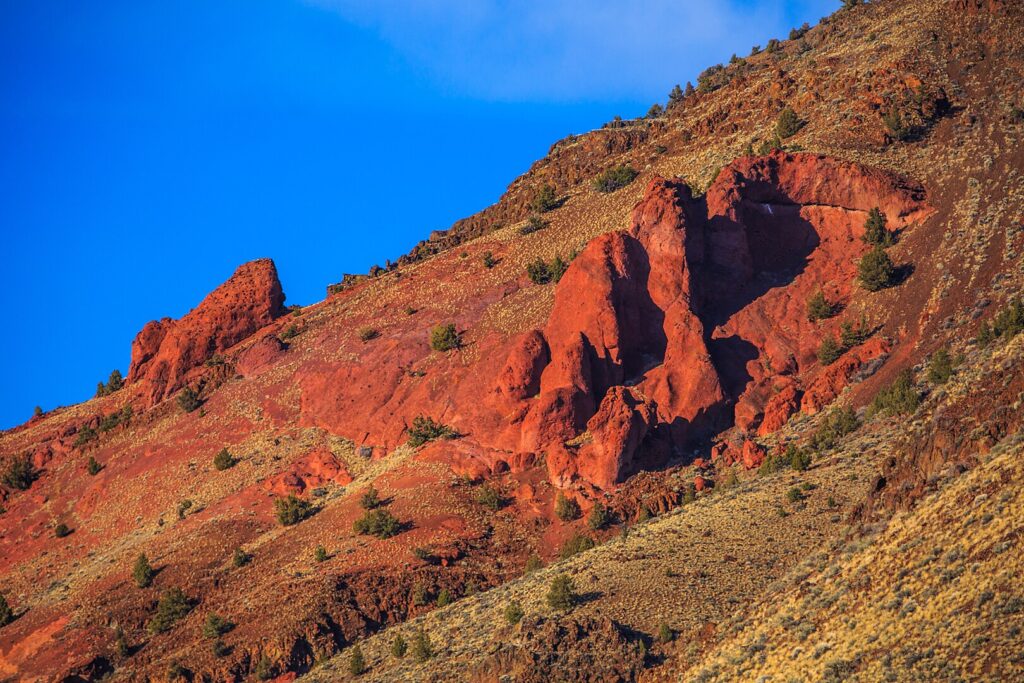
Rising dramatically from Oregon’s high desert floor, Hart Mountain National Antelope Refuge provides sanctuary for pronghorn antelope across its 278,000 acres of rugged wilderness. This remote refuge features stunning fault-block mountain geology with 30-mile vistas across the Warner Valley, hot springs, and sage-scented highlands that harbor one of the largest concentrations of pronghorn in the country. After decades of cattle removal and habitat restoration, the refuge now showcases what a healthy sagebrush ecosystem looks like, supporting thriving populations of sage grouse, bighorn sheep, and mule deer alongside numerous raptors that patrol the skies.
Visitors willing to brave the unpaved roads and primitive camping conditions are rewarded with extraordinary solitude, dark night skies brilliant with stars, and wildlife viewing opportunities uninterrupted by crowds or commercialization.
Sevilleta National Wildlife Refuge, New Mexico
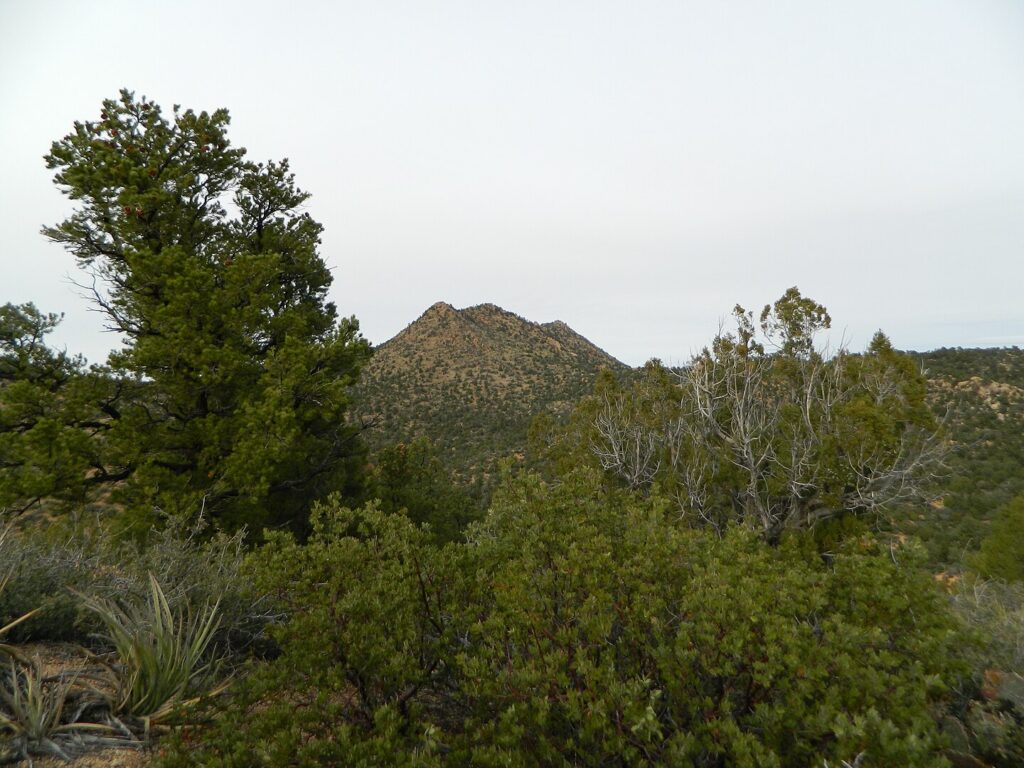
Serving as a living laboratory for ecological research, Sevilleta National Wildlife Refuge encompasses an extraordinary convergence of four major North American biomes: Colorado Plateau Shrub-Steppe, Great Plains Grassland, Chihuahuan Desert, and Pinyon-Juniper Woodland. This 230,000-acre refuge, located about an hour south of Albuquerque, represents one of the largest intact landscapes in the Southwest, protecting critical habitat for species ranging from desert bighorn sheep to the endangered Mexican gray wolf. While much of the refuge remains closed to facilitate ongoing research projects, its visitor center and designated trails offer educational opportunities and glimpses into diverse ecosystems that transition dramatically across short distances.
The refuge’s scientific significance lies in its long-term ecological research programs that monitor climate change impacts on native species and ecosystems, making it both a wildlife sanctuary and an invaluable scientific resource.
Buenos Aires National Wildlife Refuge, Arizona
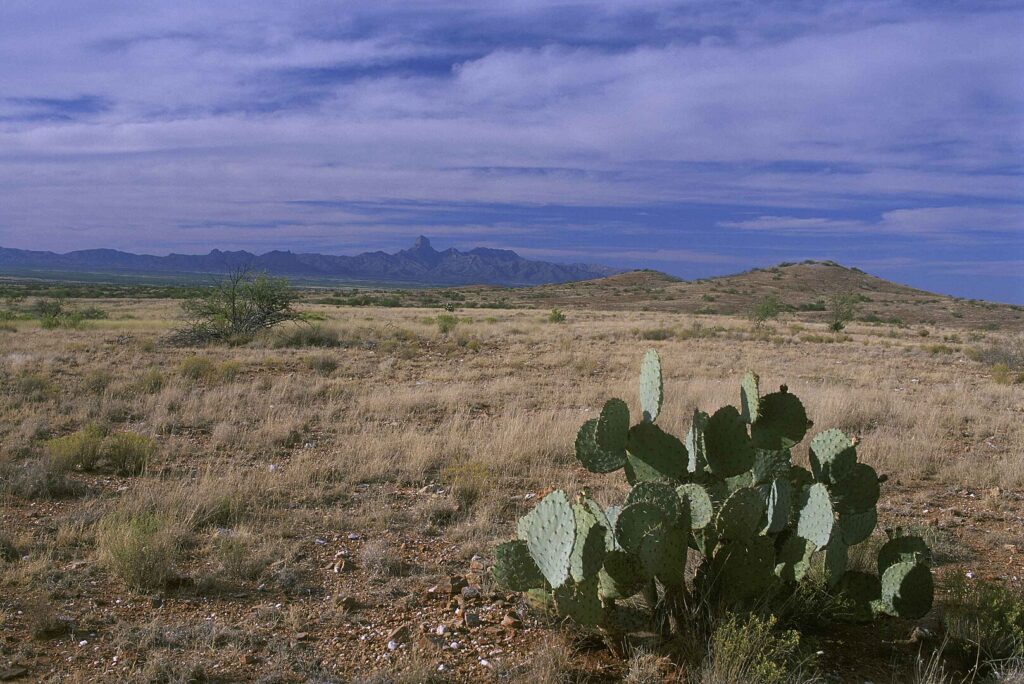
Nestled against the Mexican border in southern Arizona, Buenos Aires National Wildlife Refuge preserves 118,000 acres of rare semi-desert grassland that once dominated the region before cattle ranching transformed the landscape. Established primarily to protect the endangered masked bobwhite quail, this expansive refuge now serves as crucial habitat for over 300 bird species, 58 mammal species, and 53 reptile species that thrive in its restored grasslands, riparian areas, and mesquite bosques. The refuge offers exceptional hiking opportunities along the border of the Baboquivari Mountains, considered sacred by the Tohono O’odham people, whose prominent peak dominates the western skyline.
Visitors during summer months might witness the spectacular “monsoon bloom” when seasonal rains transform the seemingly barren landscape into a riot of colorful wildflowers, attracting countless butterflies and creating one of the Southwest’s most remarkable ecological transformations.
Neal Smith National Wildlife Refuge, Iowa
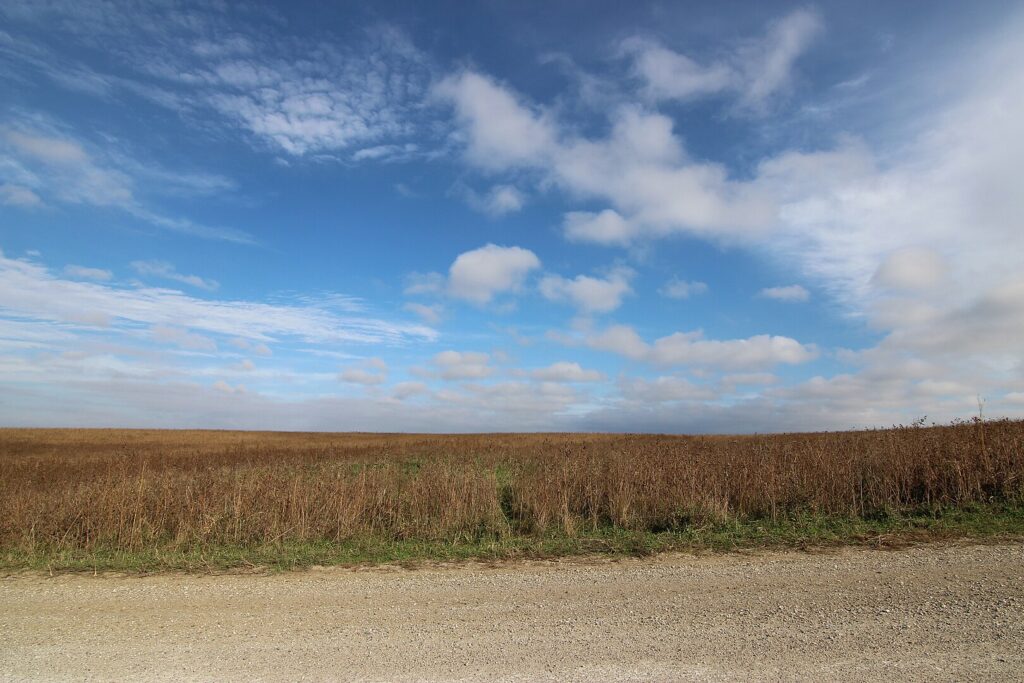
In the heart of America’s corn belt, Neal Smith National Wildlife Refuge undertakes one of the nation’s most ambitious prairie restoration projects, returning farmland to the tallgrass prairie ecosystem that once covered 85% of Iowa. This 8,654-acre refuge offers visitors a glimpse of the pre-settlement landscape where native grasses can reach heights over eight feet tall and wildflowers create seasonal tapestries of color across the gently rolling terrain. A small but growing herd of American bison and elk roam portions of the prairie, helping maintain the ecosystem through their grazing patterns just as they did for thousands of years before European settlement.
The refuge’s Prairie Learning Center provides excellent educational exhibits about prairie ecology and restoration techniques, while miles of trails allow visitors to immerse themselves in a vanishing ecosystem that once represented America’s most diverse and productive grassland.
Nisqually National Wildlife Refuge, Washington
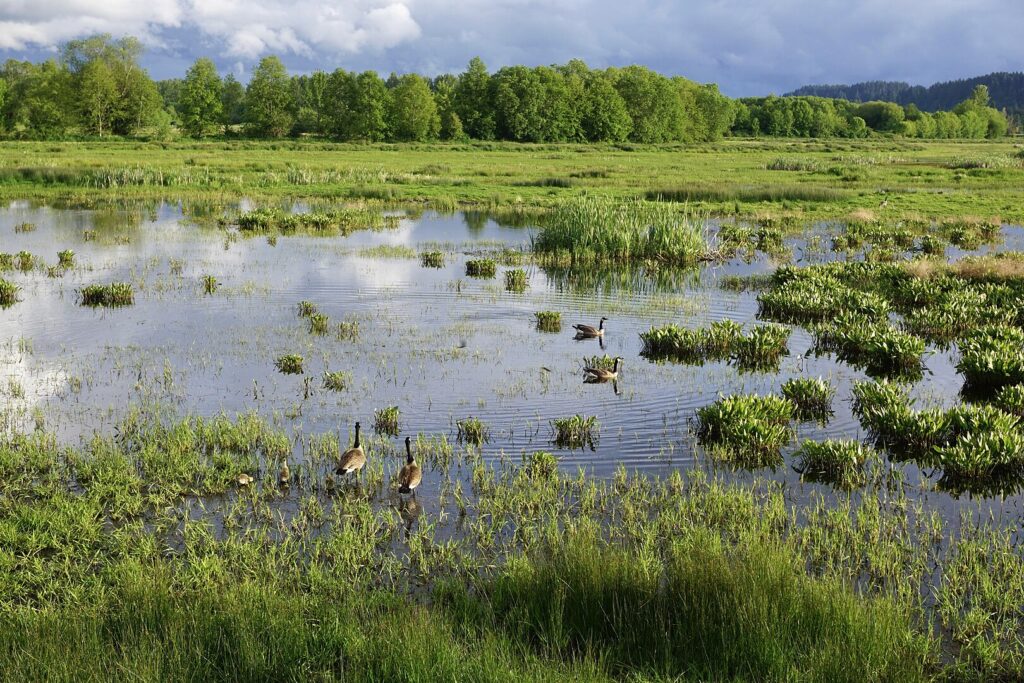
Where the freshwater of the Nisqually River meets the saltwater of Puget Sound, Nisqually National Wildlife Refuge protects a diverse estuary ecosystem vital to migrating birds along the Pacific Flyway. Following an extensive restoration project that removed dikes and returned hundreds of acres to tidal influence, the refuge now showcases one of the most successful habitat restoration efforts in the Pacific Northwest.
Visitors can traverse the refuge’s mile-long boardwalk extending into the estuary, observing the dramatic changes that occur as tides advance and recede through the salt marshes while providing close encounters with herons, eagles, seals, and salmon. During spring and fall migrations, the refuge transforms into a spectacular birding destination as thousands of waterfowl, shorebirds, and songbirds stop to rest and feed in its productive waters, offering an accessible wildlife spectacle just minutes from the urban centers of Olympia and Tacoma.
Red Rock Lakes National Wildlife Refuge, Montana
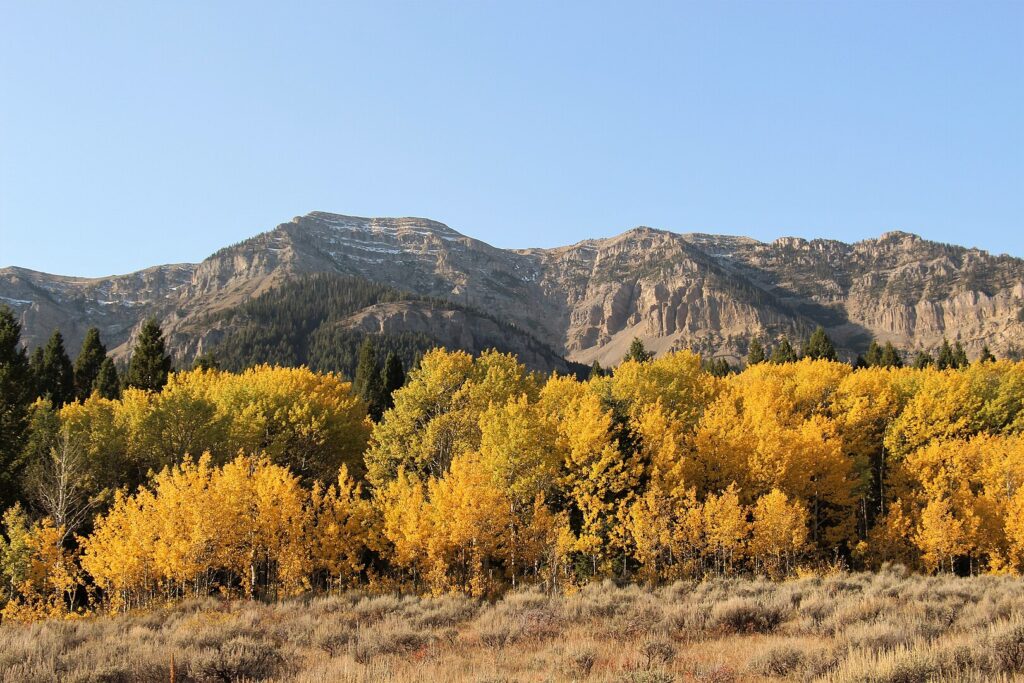
Hidden within Montana’s remote Centennial Valley near Yellowstone, Red Rock Lakes National Wildlife Refuge played a critical role in saving the trumpeter swan from extinction and continues to protect one of the most pristine wetland complexes in the Greater Yellowstone Ecosystem. At 9,000 feet elevation, this high-mountain wilderness experiences a short but intense summer season when its lakes, marshes, and meadows explode with life against the backdrop of the towering Centennial Mountains. The refuge’s isolation and limited development offer visitors authentic wilderness experiences with opportunities to observe moose feeding in willow thickets, sandhill cranes performing courtship dances, and trumpeter swans gliding across mist-covered lakes at dawn.
Accessible primarily via gravel roads that can become impassable during wet weather, the refuge’s remoteness serves as both protection for its wildlife and a reward for adventurous visitors seeking pristine landscapes far from tourist crowds.
Canaan Valley National Wildlife Refuge, West Virginia
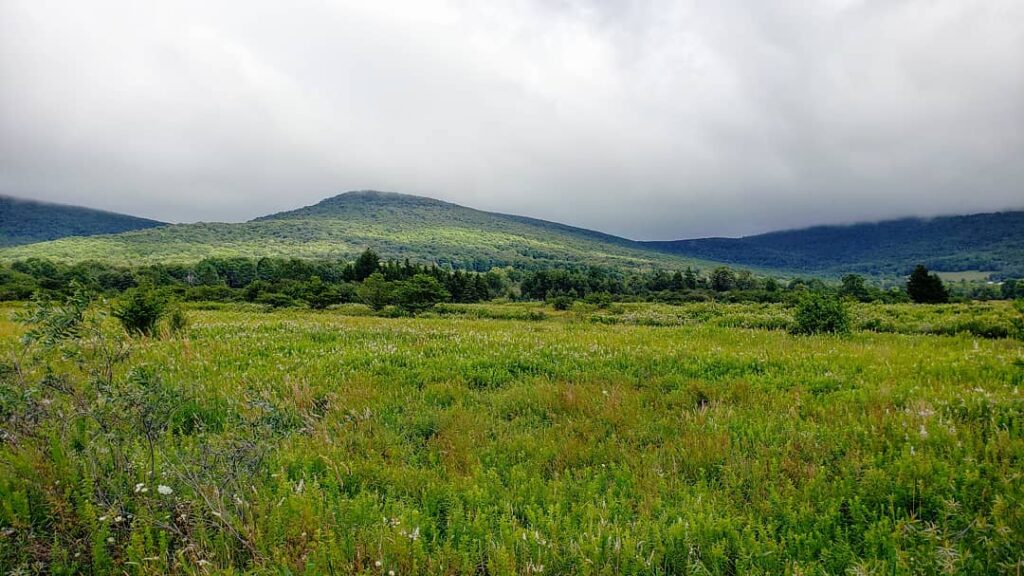
Nestled within the Allegheny Mountains of West Virginia, Canaan Valley National Wildlife Refuge protects the largest high-elevation valley east of the Mississippi River, creating a cool, moist climate that harbors ecosystems more typically found in Canada. This 16,000-acre refuge features extensive peatlands, rare spruce forests, and wetlands that support northern species at the southernmost extent of their range, making it a biological crossroads of exceptional scientific importance. The refuge’s diverse habitats support over 600 plant species, including rare orchids and carnivorous plants, alongside numerous mammals like black bears, beavers, and the recently reintroduced river otter that thrive in its pristine watersheds.
Visitors can explore over 31 miles of trails that traverse the refuge’s varied landscapes, from dense forests to open meadows where white-tailed deer graze amid wildflowers, all while experiencing significantly fewer crowds than the nearby and more famous Monongahela National Forest.
J.N. “Ding” Darling National Wildlife Refuge, Florida
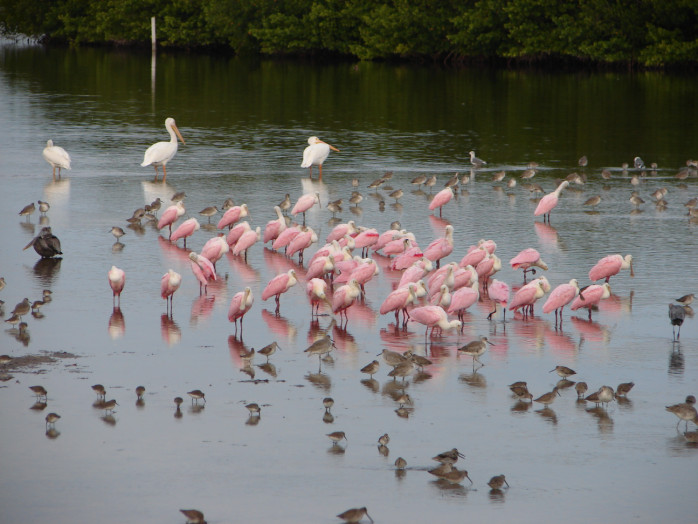
Occupying nearly half of Sanibel Island off Florida’s Gulf Coast, the J.N. “Ding” Darling National Wildlife Refuge protects one of the country’s most pristine and productive mangrove ecosystems. Named after the Pulitzer Prize-winning cartoonist and conservationist who helped establish it, this refuge safeguards critical habitat for approximately 245 bird species and serves as an important stopover for migratory birds traveling along the Atlantic Flyway. The refuge’s famous Wildlife Drive allows visitors to observe roseate spoonbills sweeping their distinctive bills through shallow waters, wood storks stalking the mangrove edges, and alligators basking along mudflats, all from the comfort of their vehicles.
Beyond its mangrove forests, the refuge encompasses seagrass beds, cordgrass marshes, and hardwood hammocks that collectively support one of Florida’s most diverse coastal ecosystems, yet it remains overshadowed by more publicized destinations despite offering some of the state’s best wildlife viewing opportunities.
Attwater Prairie Chicken National Wildlife Refuge, Texas
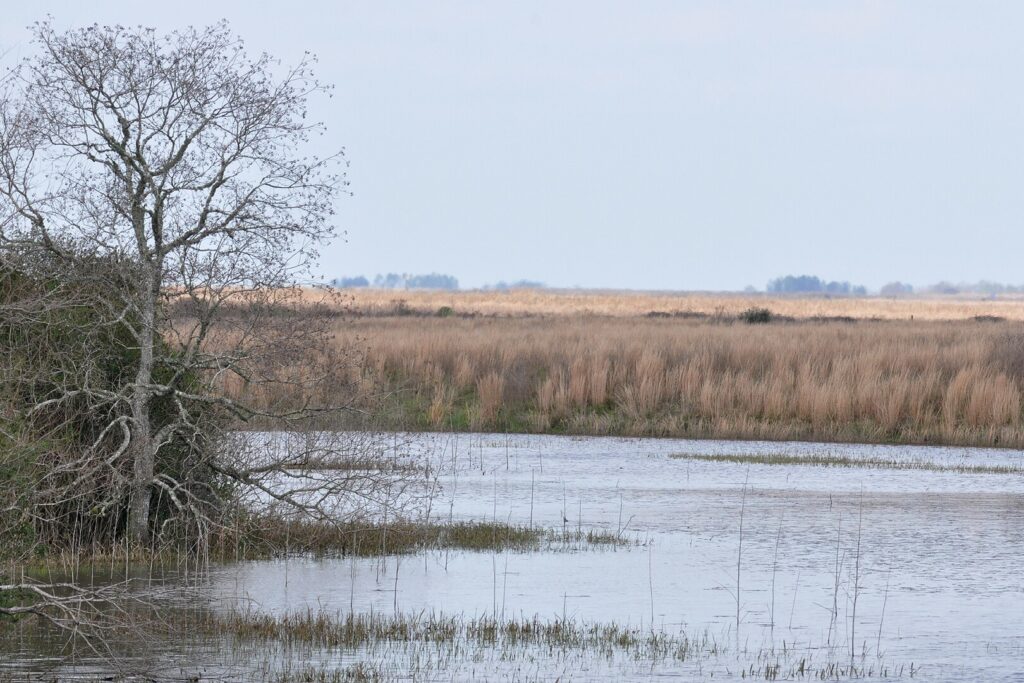
Dedicated to saving one of North America’s most endangered birds, the Attwater Prairie Chicken National Wildlife Refuge preserves a remnant of the once-vast coastal prairie that stretched along the Texas Gulf Coast. This 10,541-acre sanctuary protects one of the last populations of the Attwater’s prairie-chicken, a ground-dwelling grouse that performs elaborate courtship displays each spring when males inflate orange air sacs on their necks and stamp their feet rapidly to attract mates. Beyond its flagship species, the refuge maintains one of the largest and highest-quality coastal prairie remnants, representing an ecosystem that has lost more than 99% of its historical range to agricultural conversion and urban development.
Visitors during spring can witness the prairie chickens’ remarkable courtship rituals from designated viewing blinds, while year-round opportunities exist to observe diverse grassland birds, coyotes, bobcats, and pollinators that thrive in this meticulously managed landscape where controlled burns and grazing maintain the prairie’s ecological health.
Conclusion: Preserving America’s Hidden Natural Treasures

These underrated wildlife reserves represent just a sampling of America’s lesser-known protected lands that offer extraordinary natural experiences for those willing to venture beyond familiar destinations. What these reserves lack in name recognition, they more than compensate for with authentic wilderness experiences, unique ecosystems, and intimate wildlife encounters unattainable in more heavily trafficked parks. As climate change, habitat loss, and increasing visitation pressure challenge our most famous natural areas, these underrated refuges serve as critical ecological safeguards while providing visitors with opportunities to connect with nature in meaningful ways.
By exploring these hidden treasures, not only do travelers discover America’s remarkable biodiversity, but they also contribute to conservation awareness and distribute tourism impact more sustainably across our protected lands network. The next time you plan a nature-focused journey, consider these remarkable yet underappreciated wildlife reserves—you might just discover your new favorite wild place.