

In the depths of forests and across vast tundras, one of nature’s most compelling social structures unfolds: the wolf pack. These remarkable canids, often misunderstood and mythologized, display a level of loyalty and cooperation that has fascinated scientists and nature enthusiasts for generations. Far from being simply predatory machines, wolves maintain intricate social bonds that ensure their survival in harsh environments. Their legendary loyalty isn’t just the stuff of folklore—it’s a sophisticated evolutionary adaptation that helps these apex predators thrive through collective effort. As we venture into understanding the complex dynamics of wolf packs, we’ll discover how their fierce loyalty shapes everything from hunting strategies to pup-rearing, creating one of the animal kingdom’s most successful family units.
The Foundation of Wolf Pack Structure
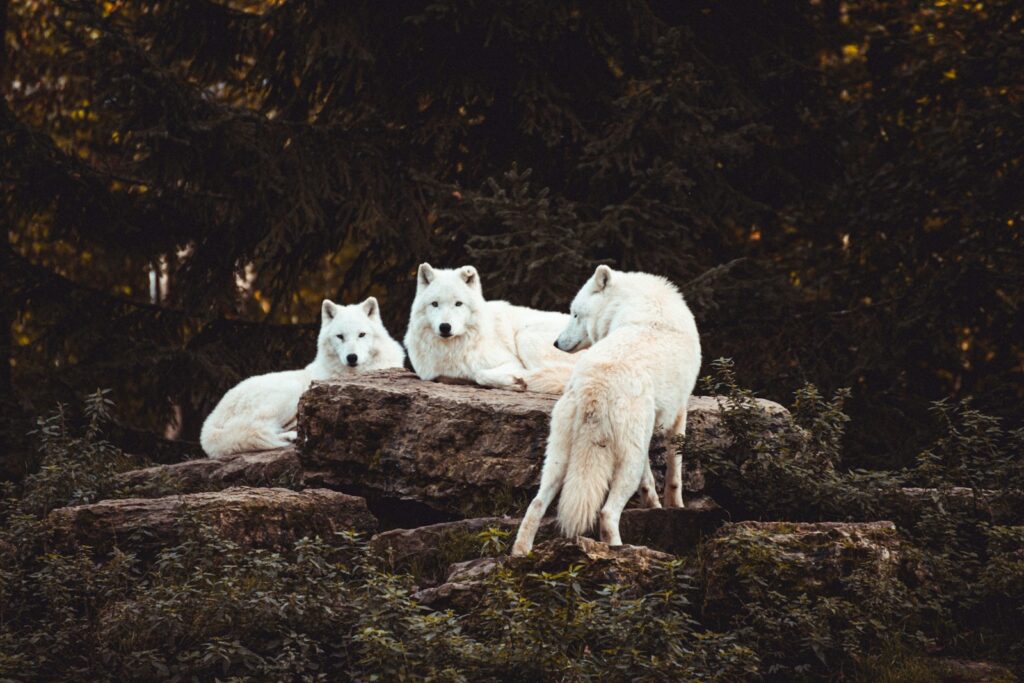
At its core, a wolf pack is typically a family unit consisting of a breeding pair—often referred to as the alpha male and female—and their offspring from different years. This family-based structure creates natural bonds of kinship that form the foundation of pack loyalty. Unlike the popular misconception that packs are constantly engaged in violent power struggles, most wolf packs maintain stability through family connections and established roles. The breeding pair leads the group through experience rather than through constant displays of dominance. Young wolves generally remain with their birth pack for 1-3 years before potentially dispersing to find mates and establish their own territories, creating a multi-generational support system that benefits all members.
The Science Behind Pack Bonds
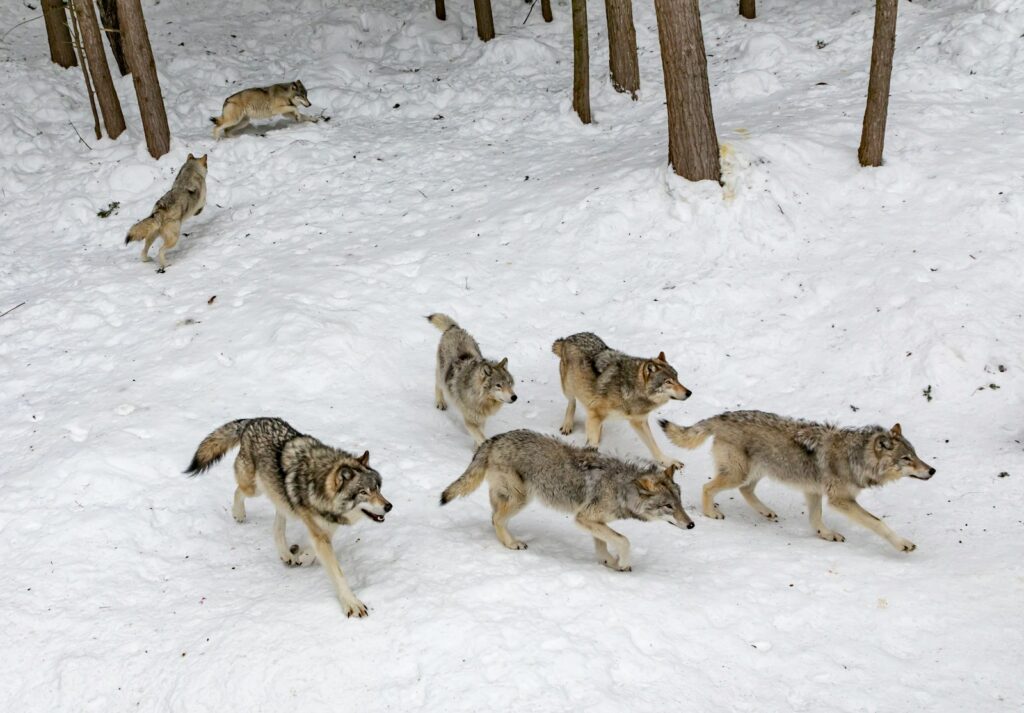
Wolf loyalty has deep biological roots, supported by sophisticated neurochemical processes that mirror those found in human relationships. When wolves interact positively with packmates, their brains release oxytocin—often called the “bonding hormone”—which reinforces social attachments and promotes cooperative behaviors. Studies have shown that wolves in established packs have elevated levels of this hormone during friendly interactions, strengthening their connections over time. Additionally, wolves have developed specialized vocalizations, facial expressions, and body language that help maintain group cohesion and reinforce pack bonds. These biological mechanisms create a positive feedback loop where social interaction triggers physiological responses that further strengthen the wolves’ desire to remain loyal to their pack.
Cooperative Hunting: Survival Through Teamwork
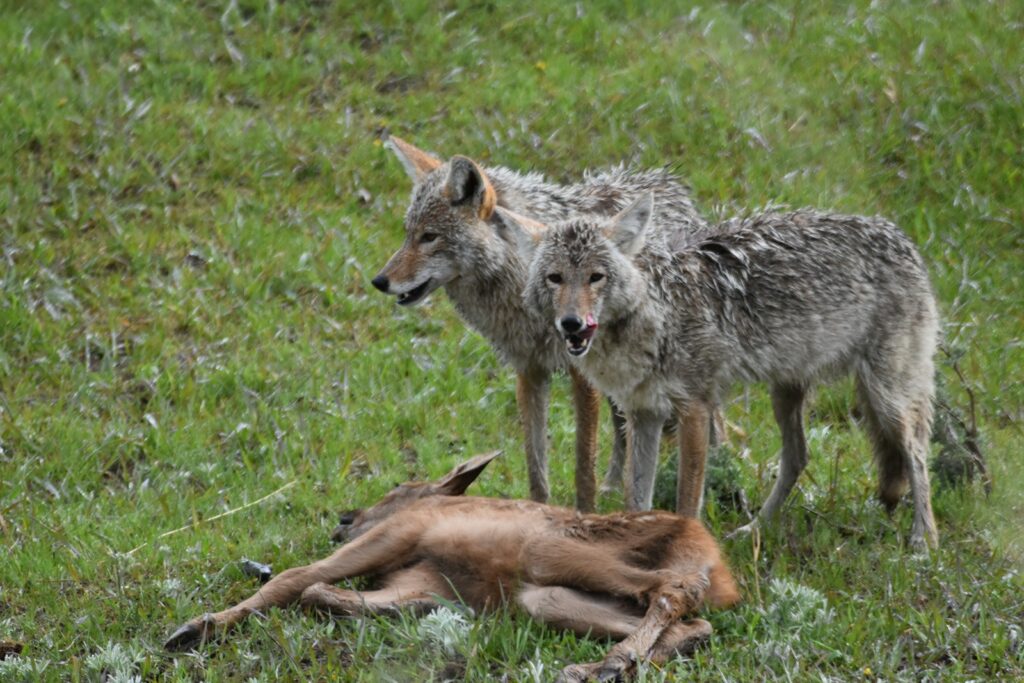
Perhaps the most visible demonstration of wolf pack loyalty comes during hunting expeditions, where coordinated teamwork can mean the difference between feast and famine. Wolves have evolved sophisticated hunting strategies that require each pack member to play specific roles—some may drive prey toward waiting packmates, while others position themselves to intercept fleeing animals. This level of coordination requires not just instinct but learned behaviors and trust among pack members. A study in Yellowstone National Park found that packs hunting elk had success rates of up to 14% when working together, compared to less than 2% for lone wolves attempting the same prey. Beyond increasing hunting efficiency, this cooperation allows wolves to take down larger prey that would be impossible for individual wolves, demonstrating how loyalty translates directly into survival advantage.
The Alpha Concept: Debunking Misconceptions
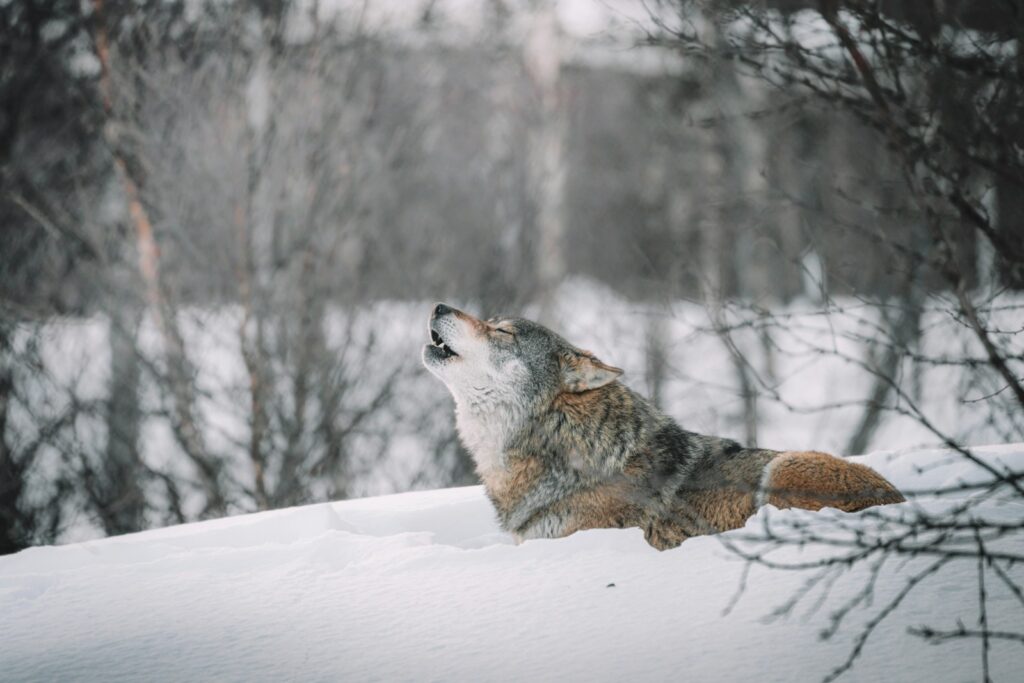
For decades, wolf packs were described using the “alpha wolf” theory, suggesting that packs were dominated by the strongest, most aggressive individuals who fought their way to the top. Modern research has largely debunked this oversimplified model, revealing a more nuanced reality of wolf leadership. In natural settings, wolf packs are typically led by a breeding pair who are usually the parents of most pack members, creating leadership through family structure rather than combat. Dr. L. David Mech, who originally helped popularize the alpha concept in the 1970s, has since spent years correcting this misunderstanding, noting that wild wolf packs function more like human families than military hierarchies. This familial leadership model explains why wolves show such strong loyalty—they’re protecting and supporting their actual family members in most cases.
Collective Care of Young: Pack Parenting
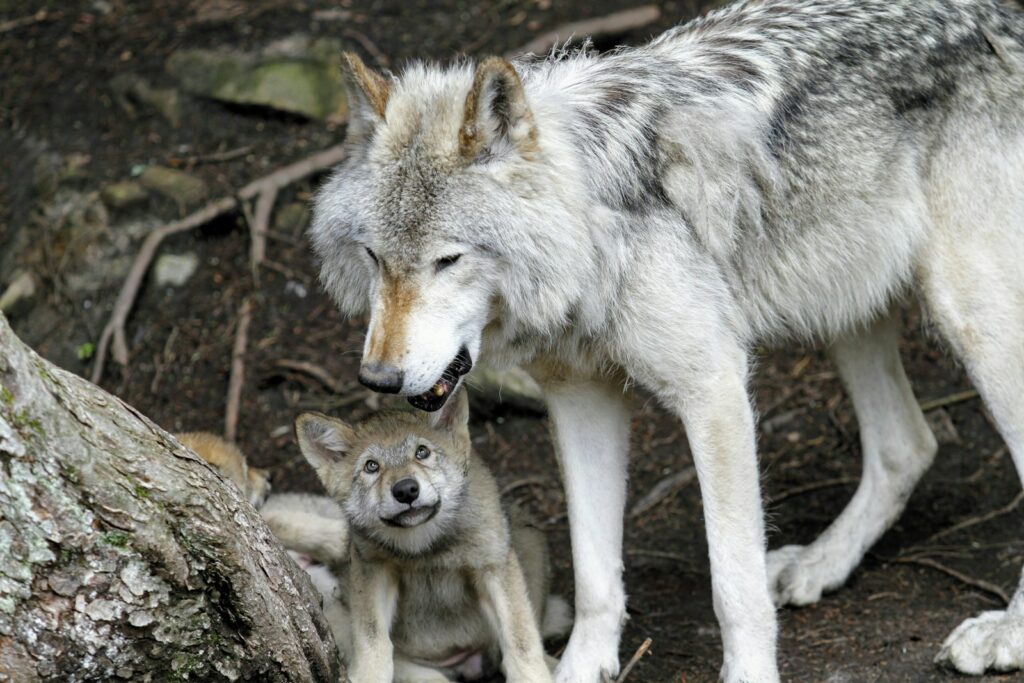
Wolf pack loyalty shines brightest in their approach to raising young, where the entire group contributes to pup survival. While the breeding female gives birth to pups, all pack members participate in what biologists call “alloparenting”—shared parenting responsibilities distributed throughout the group. Non-breeding wolves regurgitate food for hungry pups, protect them from threats, and even babysit while parents hunt. This collective approach to childcare significantly increases pup survival rates in harsh environments where resources may be scarce. Older siblings often take special interest in younger pack members, playing with them and teaching hunting skills, creating bonds that can last for years. This investment in the next generation demonstrates how wolf loyalty extends beyond immediate self-interest to ensure the pack’s continuation.
Communication: The Glue That Binds the Pack
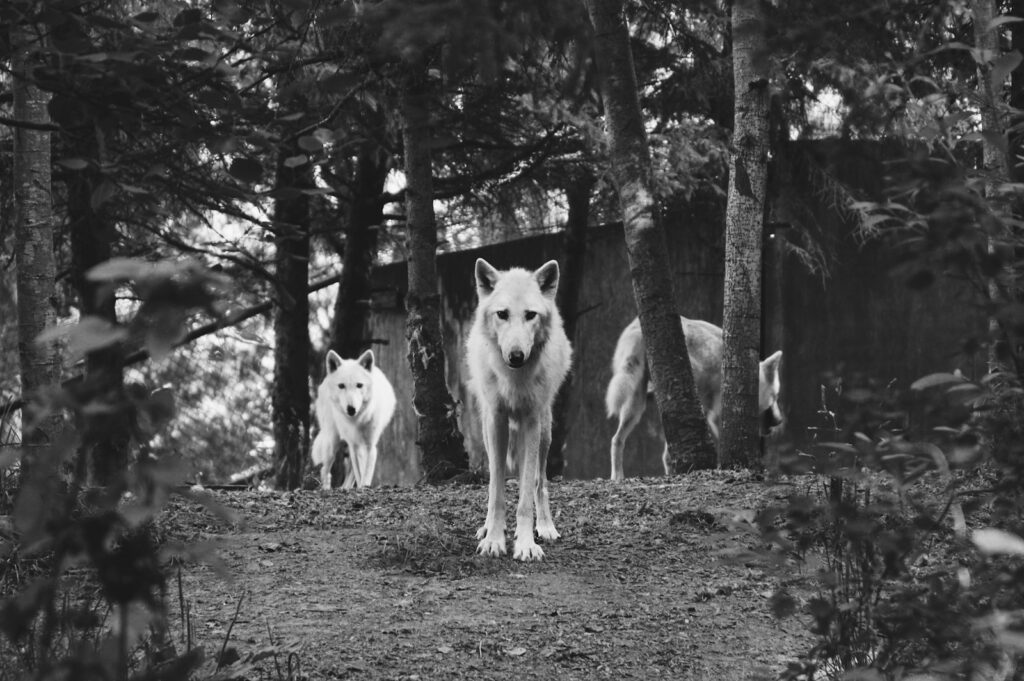
Wolves possess one of the most sophisticated communication systems among mammals, using a combination of vocalizations, body language, and scent marking to maintain pack cohesion. Their iconic howling serves multiple purposes, including rallying pack members, advertising territory, and locating separated individuals. Research has documented at least ten distinct vocalizations in wolves, from friendly whimpers to warning growls. Beyond sound, wolves use an elaborate system of facial expressions and body postures that convey intentions and emotional states with remarkable precision. This complex communication network allows pack members to coordinate activities, avoid unnecessary conflicts, and strengthen social bonds. Studies have even shown that wolves can recognize individual packmates’ howls from over two miles away, highlighting how their communication adaptations support their loyal group structure.
Territory Defense: United Against Outside Threats
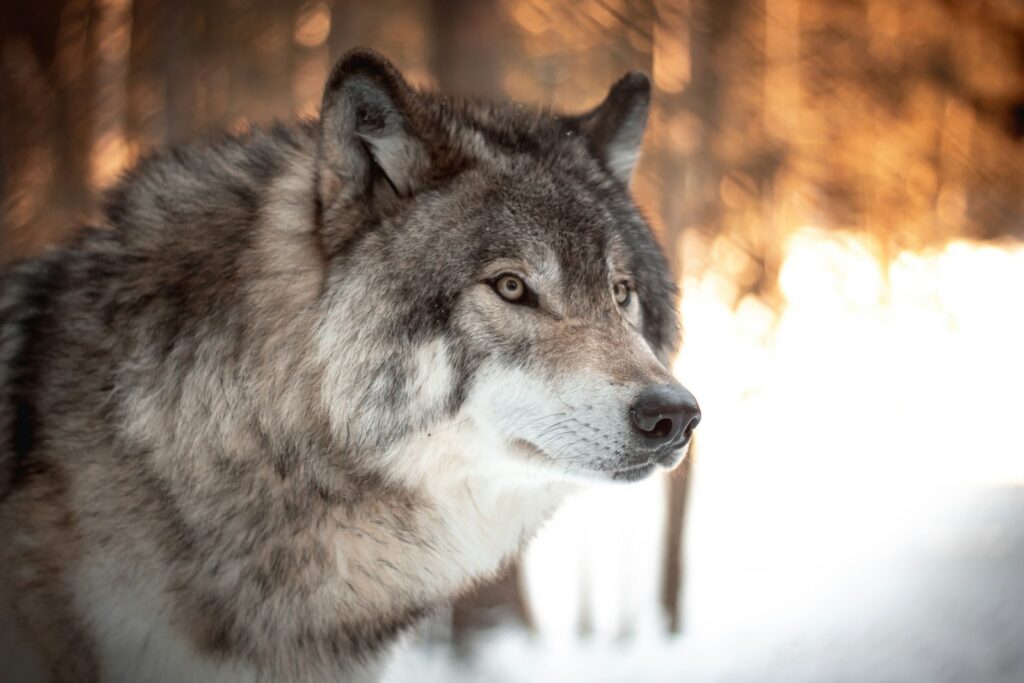
Wolf packs demonstrate remarkable unity when defending their territory against rival packs or other predators, showcasing loyalty through collective defense. A wolf pack typically maintains a territory ranging from 50 to 1,000 square miles, depending on prey availability and pack size. Pack members work together to mark these boundaries using scent marking, howling, and physical patrolling. When territorial disputes occur, packs present a united front against intruders, with even subordinate members risking injury to protect their shared space. Research in Yellowstone National Park has documented that the leading cause of wolf mortality is often conflict with neighboring packs, highlighting the serious nature of these territorial commitments. This willingness to face danger collectively demonstrates how deeply ingrained pack loyalty becomes in wolf behavior—they literally put their lives on the line for their family group.
Mourning Behaviors: Emotional Bonds Beyond Utility
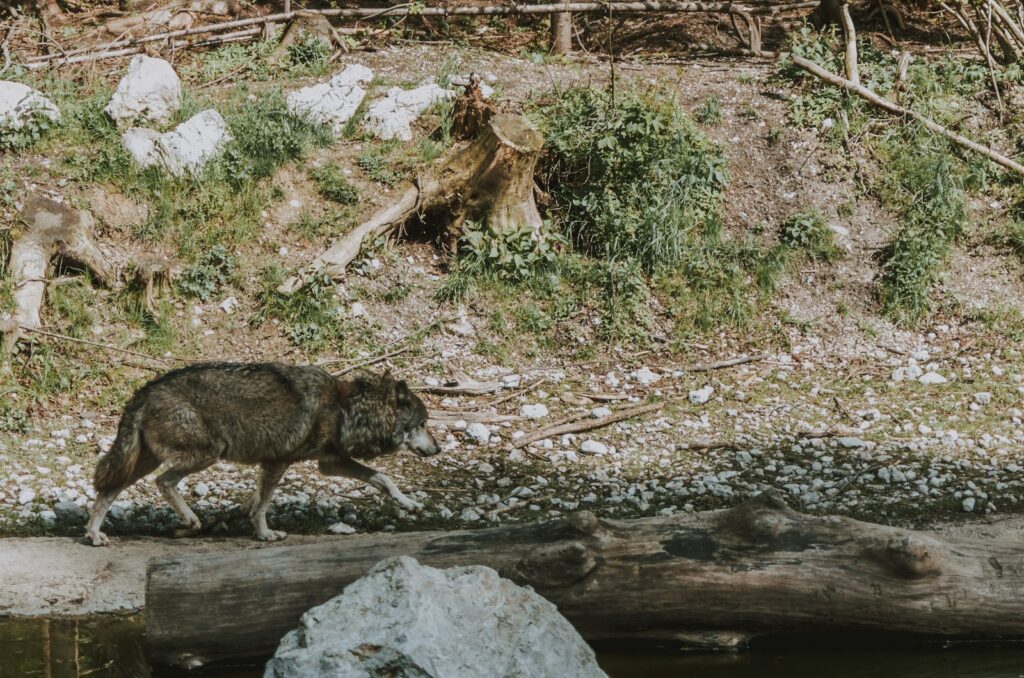
One of the most compelling aspects of wolf pack loyalty appears in their response to the death of a pack member, showing emotional connections that go beyond mere survival advantage. Field researchers have documented wolves exhibiting behaviors that strongly resemble mourning when a packmate dies. These behaviors can include reduced activity, loss of appetite, whimpering, and even visiting the location where the pack member died. In one documented case in Yellowstone, researchers observed a pack returning repeatedly to the site where their alpha female had been killed by a rival pack. While scientists are careful about attributing human emotions to animals, these observations suggest emotional bonds that transcend simple utilitarian relationships. These mourning-like behaviors indicate that wolf loyalty contains elements of genuine attachment rather than being solely a survival mechanism.
Care for Injured Pack Members
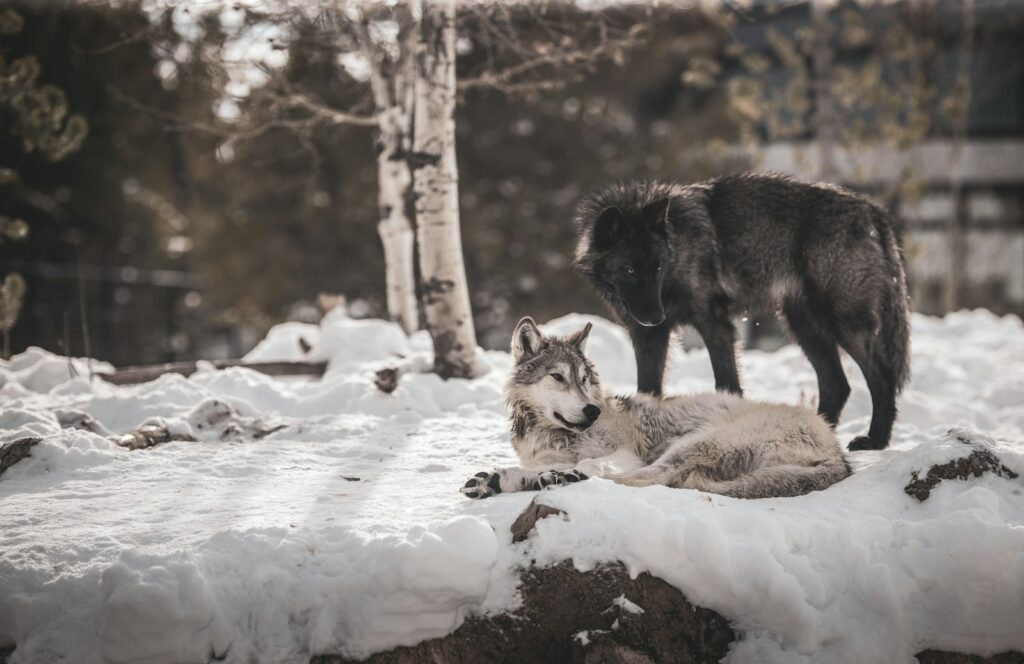
Wolf pack loyalty manifests powerfully in how the group responds to injured members, often adjusting their behavior to accommodate wounded individuals. Researchers have documented numerous cases where packs slow their traveling pace when a member is injured, sometimes even bringing food back to an immobile packmate. In Yellowstone, biologists observed a pack that continued to care for an adult female with a broken leg for over six months until she recovered enough to resume normal activities. This level of accommodation represents a significant investment of group resources, as a slower-moving pack may miss hunting opportunities or face greater vulnerability to rival packs. Such behaviors demonstrate that wolf loyalty extends beyond contributions to group success—packs often support members who temporarily cannot contribute to hunting or defense, suggesting bonds that transcend immediate pragmatic value.
The Role of Play in Strengthening Pack Bonds
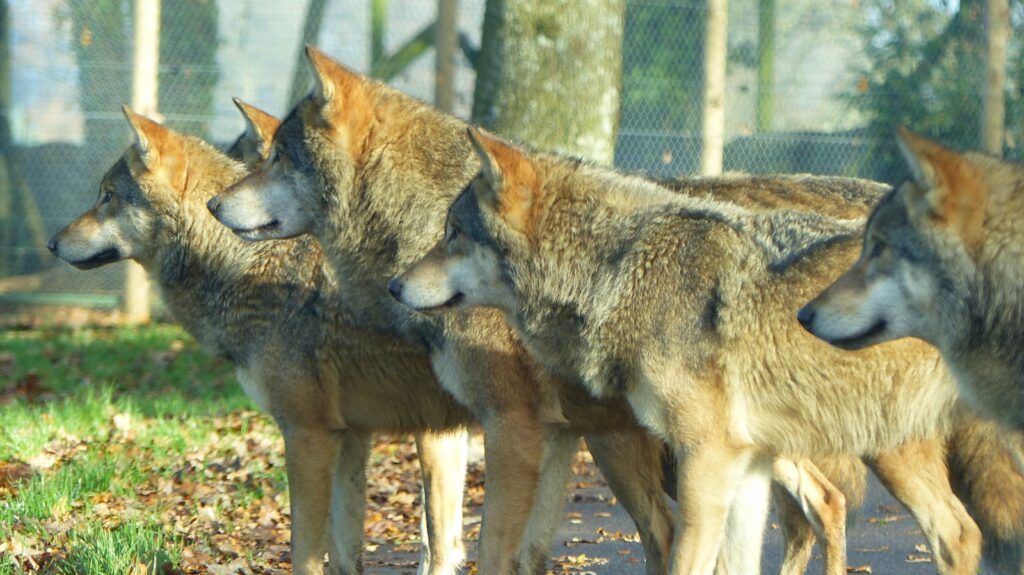
Play behavior among wolves serves as more than mere recreation—it functions as a crucial mechanism for developing and reinforcing the social bonds that underpin pack loyalty. Even adult wolves engage in play sessions that include chase games, play-fighting, and object manipulation. These interactions serve multiple purposes, from honing hunting skills to establishing trust and communication patterns between individuals. Researchers have noted that play increases significantly during times when the pack is well-fed and secure, suggesting it represents an investment in social cohesion when basic survival needs are met. Wolf play follows established patterns with recognizable “rules,” including self-handicapping where stronger wolves moderate their strength when playing with younger or smaller packmates. This sophisticated play behavior creates positive associations between pack members that strengthen their desire to remain loyal to the group.
Dispersal and New Pack Formation
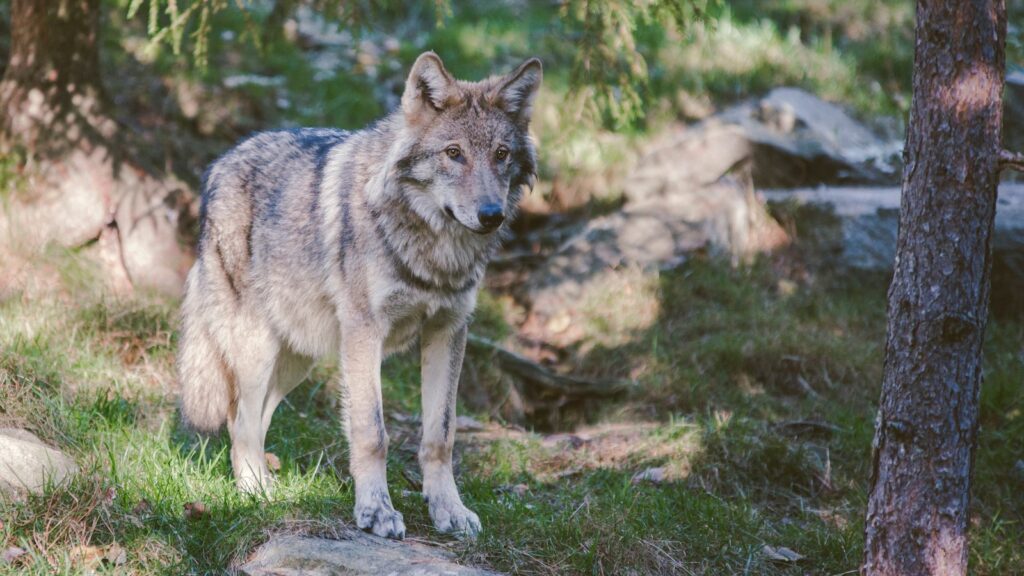
The loyalty that binds wolf packs together exists in dynamic tension with the biological imperative for young wolves to eventually disperse and establish their own reproductive units. Typically, wolves between 1-3 years old may leave their birth pack, undertaking sometimes dangerous journeys covering hundreds of miles to find mates and unclaimed territory. This dispersal mechanism prevents inbreeding while allowing wolf populations to expand into suitable habitat. Interestingly, some dispersing wolves maintain connections with their birth packs, occasionally visiting or even temporarily rejoining during times of stress. In newly formed packs, the loyalty patterns established in birth packs serve as templates for creating fresh bonds. Research tracking dispersing wolves has found that those who successfully establish new packs often replicate the social structures and behaviors they experienced in their birth groups, demonstrating how loyalty patterns transmit across generations.
Human Impact on Wolf Pack Loyalty
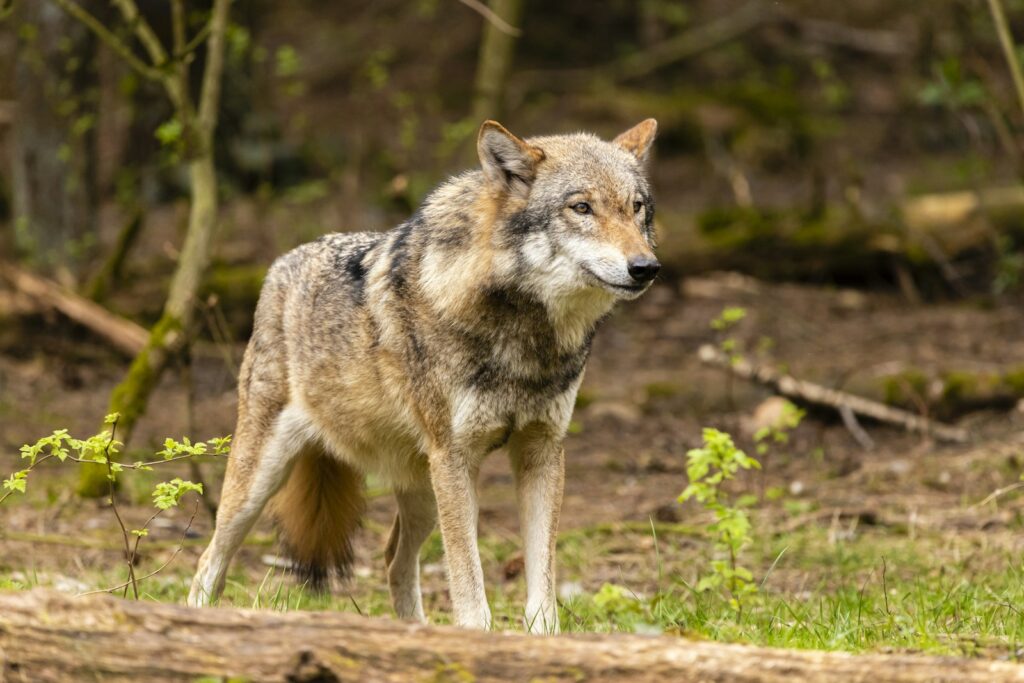
Human activities, particularly hunting and habitat fragmentation, can severely disrupt the complex social bonds that create wolf pack loyalty. When key pack members are killed, especially breeding adults, packs may fragment or collapse entirely, leaving surviving members vulnerable. Studies in areas with heavy wolf hunting have documented increased pack instability, smaller group sizes, and disrupted hunting patterns that reduce survival chances. Beyond direct mortality, human-caused stressors like habitat loss force wolves into smaller territories with less prey, creating resource competition that can strain pack cohesion. Conservation efforts that protect entire packs and their territories have proven more effective than those focused solely on individual wolves, recognizing that the strength of wolf populations lies in their social structure. Understanding wolf loyalty has become an essential component of effective conservation, highlighting how protecting social bonds is as important as preserving individual animals.
Lessons from Wolf Loyalty for Human Society
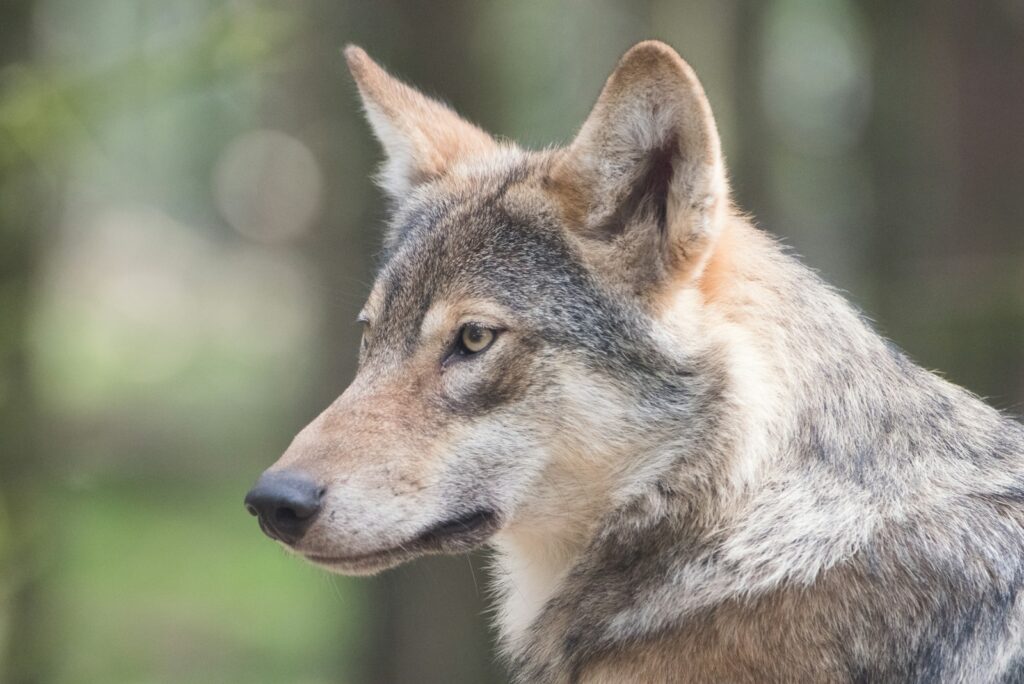
The fierce loyalty displayed in wolf packs offers compelling insights for human social structures and cooperation. Wolf packs demonstrate that leadership based on experience and family bonds often creates more stable social units than dominance-based hierarchies, challenging simplified “alpha” models sometimes applied to human organizations. Their cooperative approach to resource acquisition and territory defense illustrates how group loyalty can create outcomes impossible for individuals to achieve alone. Perhaps most strikingly, wolf pack care for vulnerable members—including the young, elderly, and injured—provides a natural model of community support that many human societies aspire to maintain. Conservation biologist Dr. Carl Safina notes that wolf social structures reveal “not a hierarchy of dominance but a network of relationships” based on cooperation and mutual support. As humans increasingly recognize the sophisticated social lives of wolves, their pack loyalty serves not just as a fascinating biological adaptation but as a mirror reflecting our own social evolution.
In understanding wolf pack loyalty, we discover a complex social adaptation that transcends simplistic notions of animal behavior. This loyalty isn’t blind instinct but a sophisticated evolutionary strategy built on family bonds, communication, and mutual benefit. It creates a resilient social structure that has allowed wolves to survive in some of Earth’s most challenging environments for millennia. While humans have often misunderstood and mythologized wolves, modern research reveals them as creatures with emotional depth and social intelligence that rivals our own in many ways. As we continue to learn from these remarkable animals, their fierce loyalty reminds us that cooperation, not just competition, shapes survival in the natural world. In the end, the wolf pack stands as a powerful example of how binding together in loyal groups helps species—including our own—not just survive but thrive through the power of togetherness.