
Stretching across the American West like a vast golden sea, native grasslands once dominated the landscape from the Mississippi River to the Rocky Mountains. These ancient ecosystems, shaped by millennia of grazing bison, prairie fires, and extreme weather, represent one of North America’s most endangered habitats. Today, less than 10% of original prairie grasslands remain intact, threatened by agricultural conversion, urban development, invasive species, and changing climate patterns. Despite their diminished footprint, these grasslands remain vital reservoirs of biodiversity, carbon storage, and cultural heritage. Across the West, a growing coalition of scientists, ranchers, Indigenous communities, and conservation organizations is racing against time to protect and restore these essential ecosystems before they disappear forever.
The Historical Extent of Western Grasslands
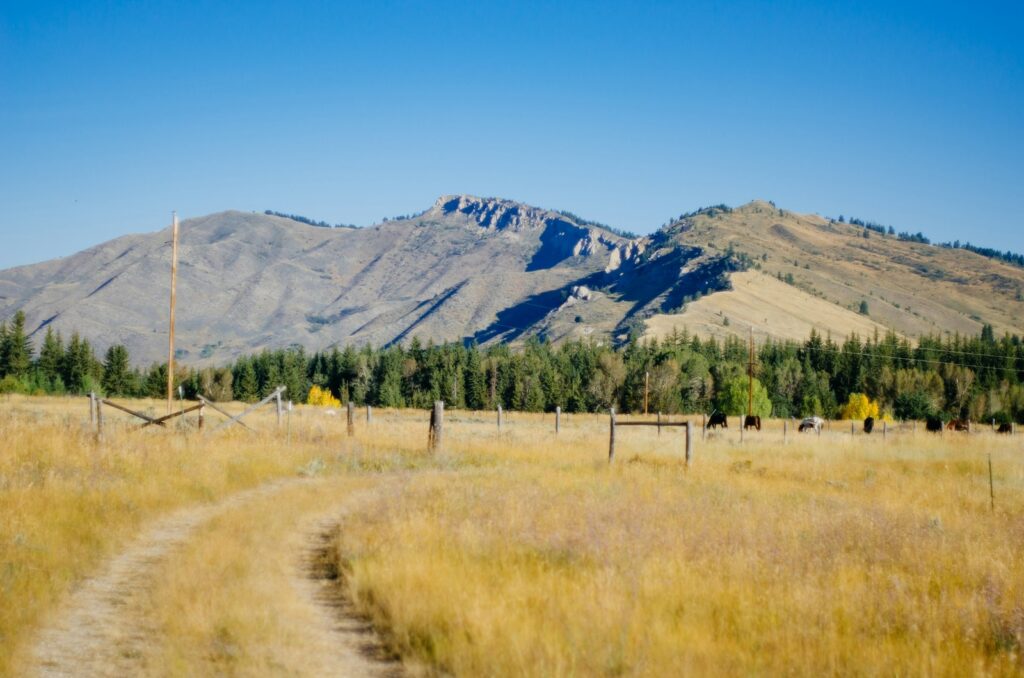
Prior to European settlement, native grasslands covered approximately 700 million acres of North America, making them one of the continent’s largest ecosystems. These grasslands evolved over thousands of years, developing deep, complex root systems that created some of the richest soil on Earth. The prairies were home to an estimated 30-60 million bison, whose grazing patterns helped maintain the grassland ecology. Native Americans managed these landscapes through controlled burning, which prevented woody encroachment and stimulated new growth. This symbiotic relationship between humans, animals, and grasslands created a dynamic, resilient ecosystem that supported incredible biodiversity while building massive carbon reserves underground in the form of soil organic matter.
The Three Main Types of Prairie Ecosystems
Western grasslands are not monolithic but rather comprise three distinct prairie ecosystems, each defined by rainfall gradients and soil conditions. Tallgrass prairies, found in the eastern regions with higher rainfall (30-40 inches annually), once covered 170 million acres from Texas to Minnesota, featuring iconic grasses that could reach heights of 8-10 feet. Mixed-grass prairies occupied the middle section of the Great Plains with moderate precipitation (20-30 inches yearly), creating a transitional zone where eastern and western species intermingle. Shortgrass prairies dominate the western regions closest to the Rocky Mountains, where lower rainfall (10-20 inches annually) supports drought-resistant grasses typically under 2 feet tall. Each of these prairie types hosts unique plant and animal communities specially adapted to local conditions, creating a gradient of biodiversity across the West.
The Ecological Importance of Native Grasslands
Native grasslands provide essential ecosystem services that extend far beyond their boundaries. These prairies act as massive carbon sinks, sequestering carbon dioxide in their extensive root systems, which can extend more than 15 feet below the surface. A single acre of healthy prairie can store up to 5 tons of carbon in its soil, making grassland conservation a critical component of climate change mitigation. Native grasslands also excel at water filtration and flood control, with their deep roots creating channels that allow precipitation to penetrate the soil rather than run off the surface. Additionally, these ecosystems support more than 700 species of vertebrates and thousands of invertebrate and plant species, including many pollinators essential for agricultural production in surrounding areas. The intricate food webs within healthy grasslands also provide natural pest control services estimated to be worth billions of dollars annually.
The Alarming Rate of Grassland Loss
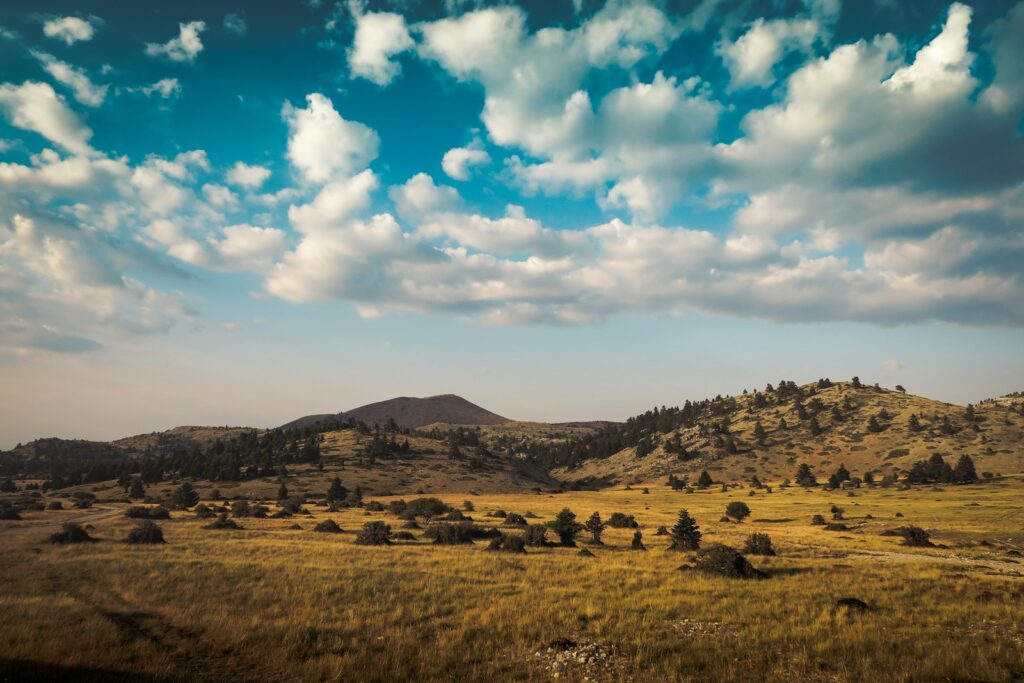
The conversion of native grasslands represents one of the most extensive habitat transformations in North American history. Tallgrass prairies have experienced the most dramatic decline, with less than 4% of their original extent remaining, primarily due to their fertile soils being ideal for row crop agriculture. Between 2018 and 2020 alone, an estimated 2.6 million acres of grassland were converted to cropland across the Great Plains, representing an area larger than Yellowstone National Park. This rate of loss exceeds tropical deforestation in some years, yet receives far less public attention. In the Northern Great Plains, approximately 600,000 acres of grassland are lost annually to various forms of development. These statistics understate the full impact, as many remaining grasslands are heavily degraded by invasive species, overgrazing, or fragmentation, reducing their ecological functionality even when they remain classified as grassland.
Primary Threats Facing Western Grasslands
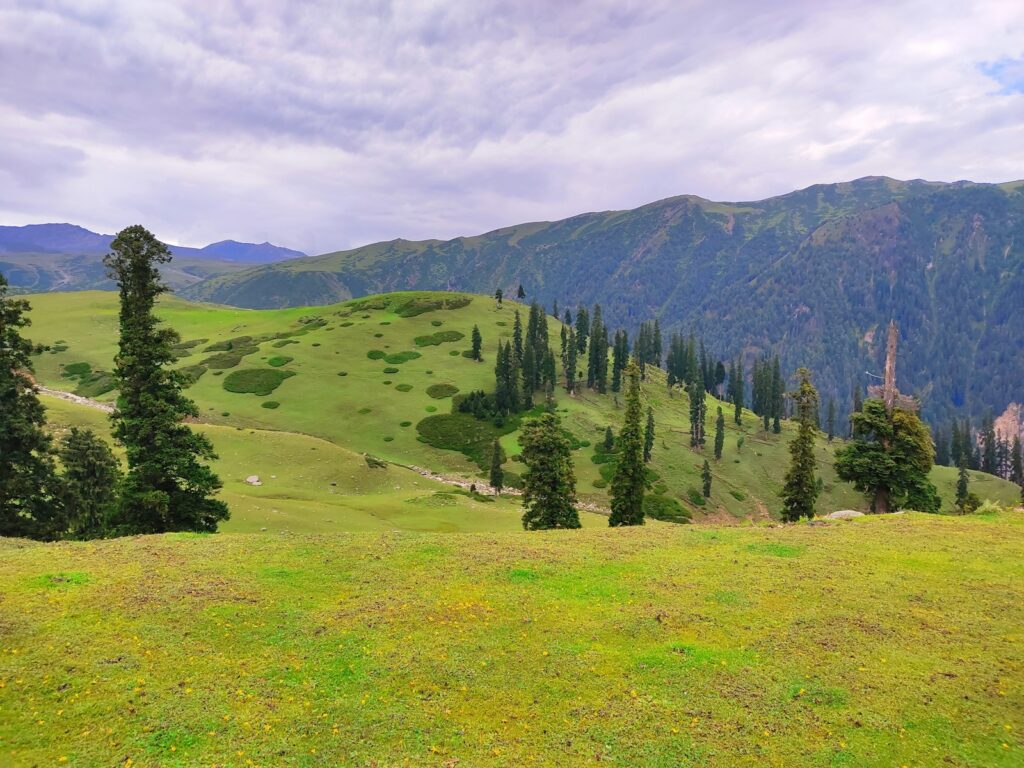
Multiple intersecting threats continue to reduce and degrade remaining native grasslands across the West. Agricultural conversion remains the leading cause of grassland loss, with high commodity prices and agricultural subsidies incentivizing the plowing of even marginal lands. Urban and energy development fragment remaining grasslands, with oil and gas infrastructure, solar farms, and housing developments claiming significant acreage annually. Invasive species like cheatgrass, smooth brome, and Kentucky bluegrass outcompete native plants and alter fire regimes, fundamentally changing ecosystem function. Climate change presents perhaps the most pervasive threat, as shifting precipitation patterns and rising temperatures stress native species while creating more favorable conditions for woody encroachment and invasive plants. The combination of these pressures has created what ecologists call an “extinction debt,” where grassland species may persist for a time but face inevitable decline without significant intervention.
The Role of Ranchers in Grassland Conservation
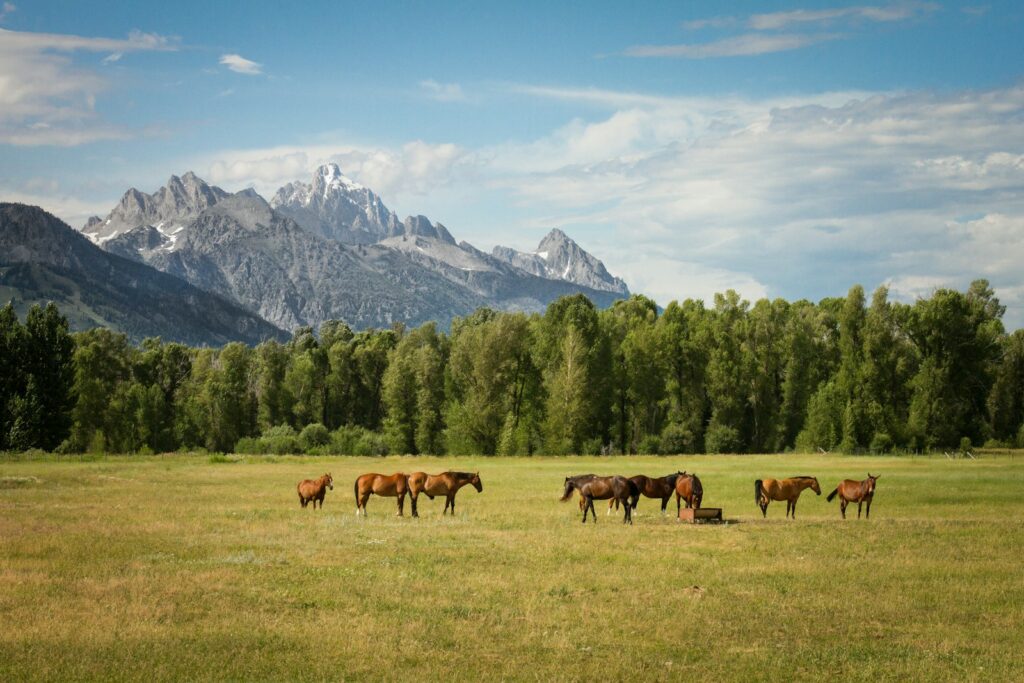
Contrary to common perception, well-managed livestock grazing has emerged as one of the most important tools for grassland conservation across the West. Cattle, when managed to mimic the grazing patterns of bison through rotational grazing systems, can help maintain grassland health by preventing woody encroachment and stimulating plant diversity. Ranchers control approximately 70% of remaining grasslands in the Great Plains, making them essential partners in conservation efforts. Organizations like the Ranchers Stewardship Alliance and Partners for Conservation have pioneered collaborative approaches that support ranchers implementing regenerative practices through financial incentives, technical assistance, and marketing support for sustainably raised beef. These partnerships recognize that keeping ranchers economically viable on their land often prevents conversion to more intensive uses like row crop agriculture or subdivision development, which would completely eliminate grassland habitat.
Indigenous Leadership in Prairie Restoration
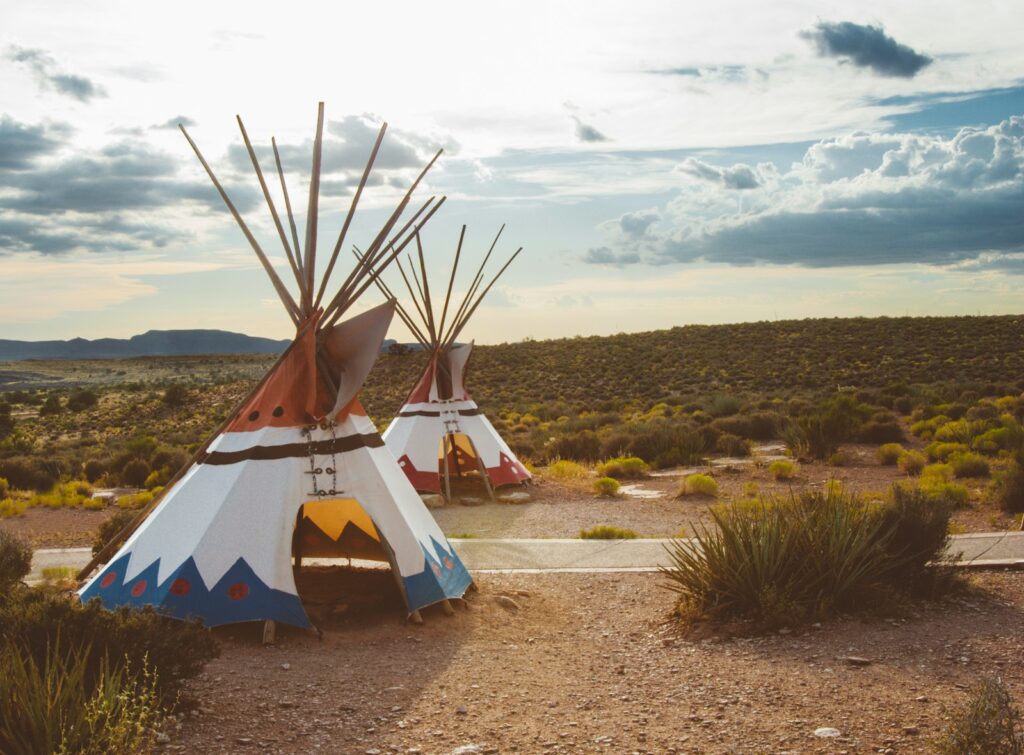
Indigenous communities across the West are reclaiming their role as stewards of grassland ecosystems through innovative restoration initiatives. The InterTribal Buffalo Council, representing more than 70 tribes, has reintroduced bison to approximately 50 tribal grasslands, restoring both ecological function and cultural connections. At the Rosebud Sioux Reservation in South Dakota, the Wolakota Buffalo Range project has created North America’s largest Native American-owned and managed bison herd on 28,000 acres of restored grassland. Many tribes are also reviving traditional burning practices that maintained prairie ecosystems for millennia before European settlement. The Blackfeet Nation in Montana has developed a comprehensive climate adaptation plan centered on grassland restoration as a strategy for building ecological and community resilience. These Indigenous-led efforts recognize that ecological restoration and cultural revitalization are inseparable aspects of healing landscapes damaged by colonization.
Innovative Conservation Programs and Initiatives

A diverse array of conservation programs has emerged to address the grassland crisis from multiple angles. The USDA’s Conservation Reserve Program (CRP) pays farmers to convert environmentally sensitive cropland back to grassland cover, currently protecting approximately 22 million acres nationwide. The National Fish and Wildlife Foundation’s Northern Great Plains Program funds collaborative conservation projects spanning 38 million acres across five states and two Canadian provinces. The American Prairie Reserve in Montana is pursuing an ambitious vision to restore a 3.2-million-acre grassland ecosystem by connecting existing public lands with strategically acquired private ranches. Meanwhile, the Nature Conservancy’s sustainable grazing initiatives work with ranchers to implement regenerative practices across millions of acres of working lands. These complementary approaches recognize that no single strategy can address the scale and complexity of grassland conservation needs across the West.
The Science of Grassland Restoration
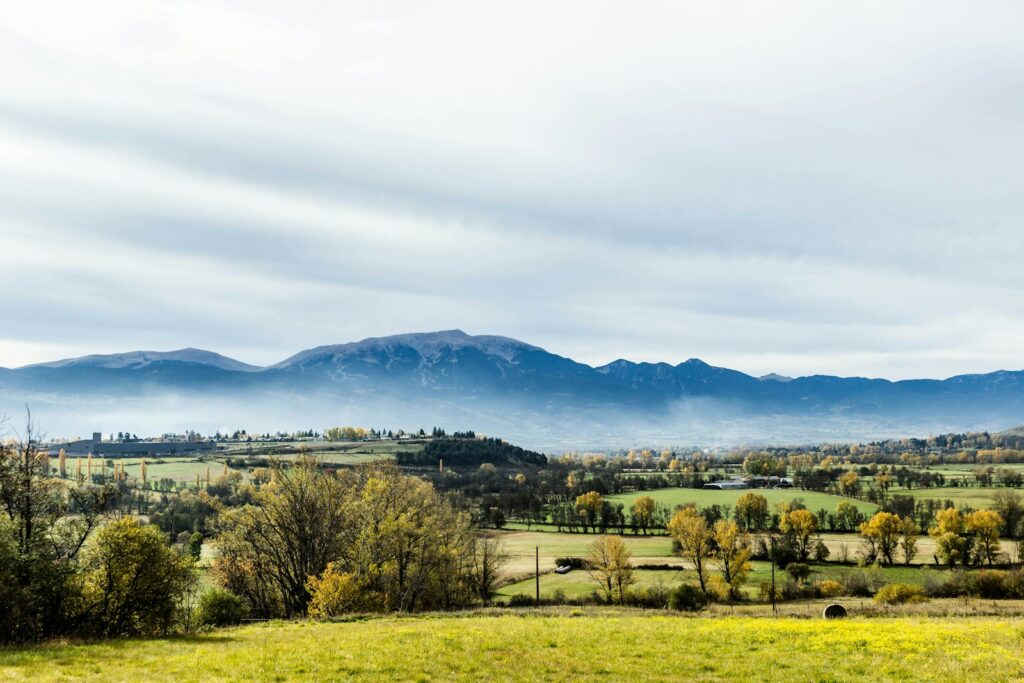
Restoring degraded grasslands requires sophisticated scientific understanding developed through decades of research and experimentation. Scientists have discovered that successful restoration depends on reestablishing not just plant communities but complex soil microbial networks that support plant growth and carbon sequestration. Researchers at the Land Institute in Kansas are developing perennial grain crops that could revolutionize agriculture by providing food production without the soil disturbance of annual plowing. Restoration ecologists have pioneered high-diversity seed mixes containing up to 70 native species to recreate complex prairie communities rather than simple grass monocultures. Advanced monitoring techniques using remote sensing, environmental DNA, and acoustic monitoring allow scientists to track restoration success at unprecedented scales. Despite these advances, scientists emphasize that protecting intact native grasslands remains far more effective than attempting to restore them after conversion, as full recovery of soil health and biodiversity can take decades or even centuries.
Economic Arguments for Grassland Conservation
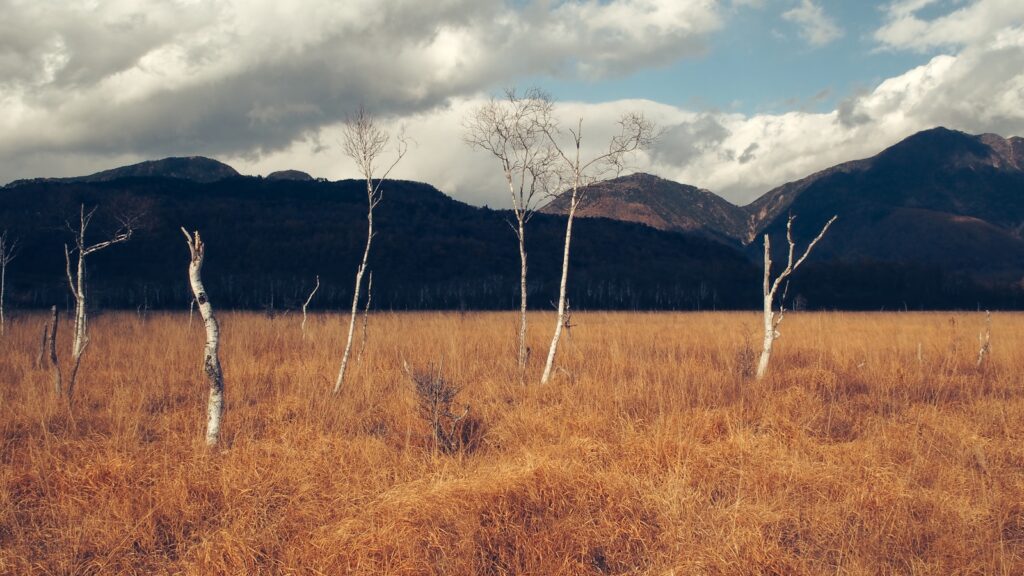
Compelling economic arguments are emerging to counter the perception that grassland conservation conflicts with economic development. Studies by the University of Wyoming have demonstrated that counties with higher proportions of protected grasslands show stronger economic growth than similar counties focused on intensive agricultural development. The recreational value of intact grasslands for hunting, wildlife viewing, and other outdoor activities generates billions in economic activity annually across the West. Carbon markets are beginning to recognize the sequestration value of well-managed grasslands, with programs like Grassland Carbon offering payments to landowners who maintain native cover. The ecosystem services provided by intact grasslands, including flood mitigation, water filtration, and pollination, have been valued at over $5,000 per acre annually. These economic benefits are increasingly central to conservation advocacy, shifting the narrative from preservation versus development to one emphasizing the long-term economic advantages of healthy landscapes.
Policy Solutions to Protect Remaining Grasslands

Policy reforms at federal, state, and local levels are essential to slow grassland loss and support restoration efforts. The North American Grasslands Conservation Act, modeled after the successful wetlands conservation legislation, would establish dedicated funding for voluntary grassland conservation if passed by Congress. Farm Bill conservation programs like the Agricultural Conservation Easement Program provide financial incentives for permanent protection of threatened grasslands, though funding falls far short of demand. States including South Dakota and Minnesota have implemented property tax incentives for landowners who maintain native grasslands rather than converting them to cropland. Some counties in the West have adopted zoning regulations that limit subdivision development on large intact grasslands to prevent fragmentation. The Biden administration’s “30 by 30” initiative, which aims to conserve 30 percent of U.S. lands and waters by 2030, has identified grassland protection as a priority, potentially directing significant resources toward these ecosystems in coming years.
Climate Change Implications for Grassland Conservation
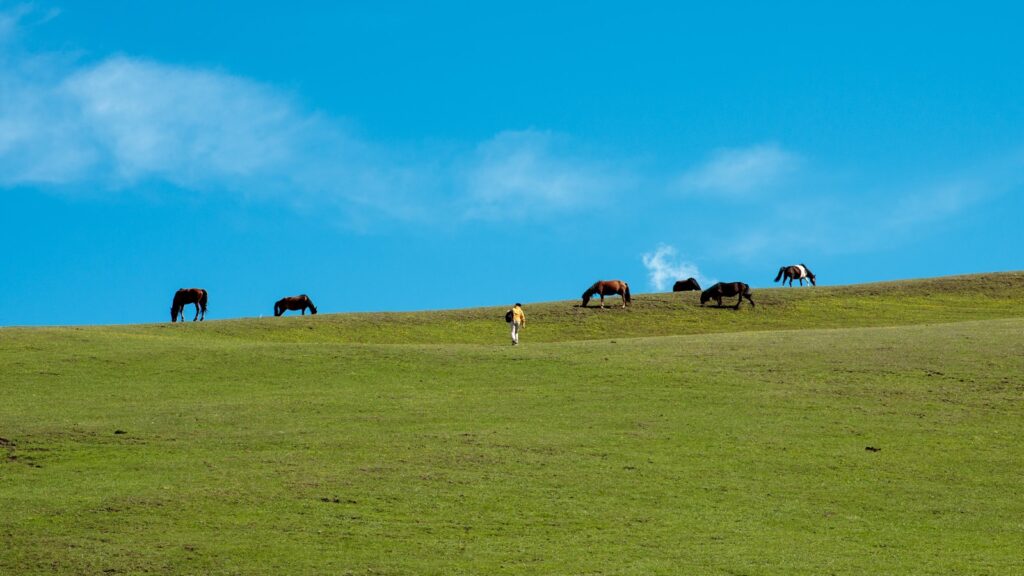
Climate change creates both urgent challenges and opportunities for grassland conservation across the West. Rising temperatures and shifting precipitation patterns are already altering plant communities, with some regions experiencing woody encroachment while others face increased aridity. Extreme weather events, including more severe droughts and flooding, test the resilience of even well-managed grasslands. However, native prairies have evolved under variable climate conditions for thousands of years, potentially making them more adaptable than other ecosystems if sufficient genetic diversity and habitat connectivity can be maintained. Climate models suggest that grasslands may become increasingly important carbon sinks as their potential for soil carbon sequestration receives greater recognition in climate policy. Conservation strategies increasingly focus on creating climate-resilient grassland networks by protecting elevation gradients and moisture transitions that allow species to adapt by shifting their ranges over time.
How Everyday Citizens Can Support Grassland Conservation
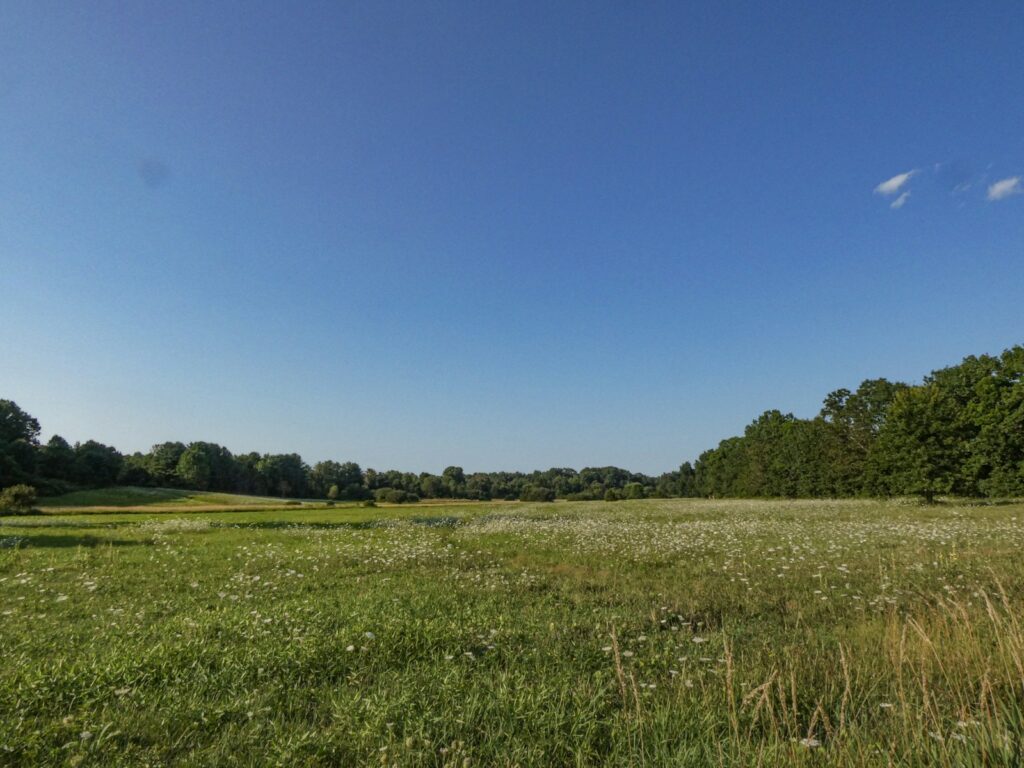
Individual actions can collectively make significant contributions to grassland conservation efforts across the West. Consumers can support grassland-friendly ranching by purchasing beef from operations certified by programs like Audubon’s Conservation Ranching Initiative, which verifies habitat benefits for grassland birds. Homeowners in grassland regions can incorporate native prairie plants into their landscaping, creating “pocket prairies” that support pollinators and reduce water use. Citizen science initiatives like the Grassland Monitoring Team allow volunteers to collect valuable data on grassland health while learning about these ecosystems firsthand. Political advocacy supporting grassland conservation legislation and opposing harmful subsidies that incentivize conversion can influence policy at multiple levels of government. Financial contributions to land trusts and conservation organizations working specifically on grassland protection multiply the impact of individual action by leveraging professional expertise and existing networks of landowner relationships.
The fight to save native grasslands across the American West represents one of our generation’s most pressing conservation challenges. These ecosystems, shaped by millennia of evolutionary history and cultural practices, face unprecedented threats but also benefit from growing scientific understanding and diverse coalitions of advocates. While the statistics of grassland loss remain alarming, success stories from the Flint Hills of Kansas to the Northern Plains of Montana demonstrate that effective conservation is possible through collaborative approaches that respect both ecological and human needs. As climate change intensifies and biodiversity loss accelerates globally, native grasslands offer critical resilience if we can muster the collective will to protect them. The next decade will likely determine whether these iconic landscapes remain a defining feature of the American West or become relegated to scattered preserves and distant memory.