

The grizzly bear (Ursus arctos horribilis) stands as one of North America’s most magnificent and formidable creatures. These powerful omnivores, a subspecies of brown bear, undergo a remarkable transformation throughout their lives—from helpless, blind cubs weighing less than a pound to massive adult titans that can tip the scales at over 800 pounds. Their journey from birth to maturity encompasses fascinating biological adaptations, learned behaviors, and survival challenges that have evolved over millennia. Understanding the life cycle of these iconic predators provides valuable insights into their conservation needs and their essential role in maintaining healthy ecosystems. Join us as we explore the extraordinary developmental journey of the grizzly bear through each critical life stage.
Birth in the Winter Den
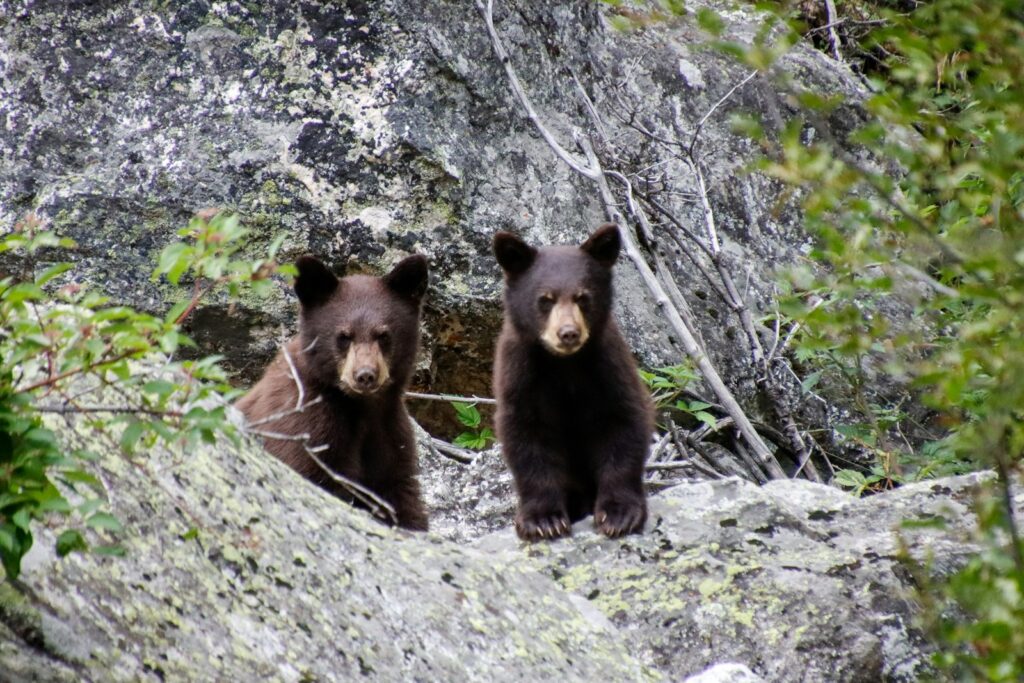
The grizzly bear life cycle begins in the dark seclusion of a winter den, where female bears (sows) give birth during their hibernation period, typically in January or February. Unlike many mammals, mother bears are in a state of torpor—a modified hibernation—when they deliver their cubs, which typically arrive in litters of one to four, with twins being most common. Remarkably, the cubs are born while the mother has not eaten, drunk, urinated, or defecated for months, surviving entirely on her fat reserves. At birth, grizzly cubs are extraordinarily small relative to their mother’s size, weighing merely 1-1.5 pounds (0.5-0.7 kg)—less than 1/500th of an adult female’s weight, making them among the smallest mammal babies relative to adult size.
The Vulnerable Newborn Stage
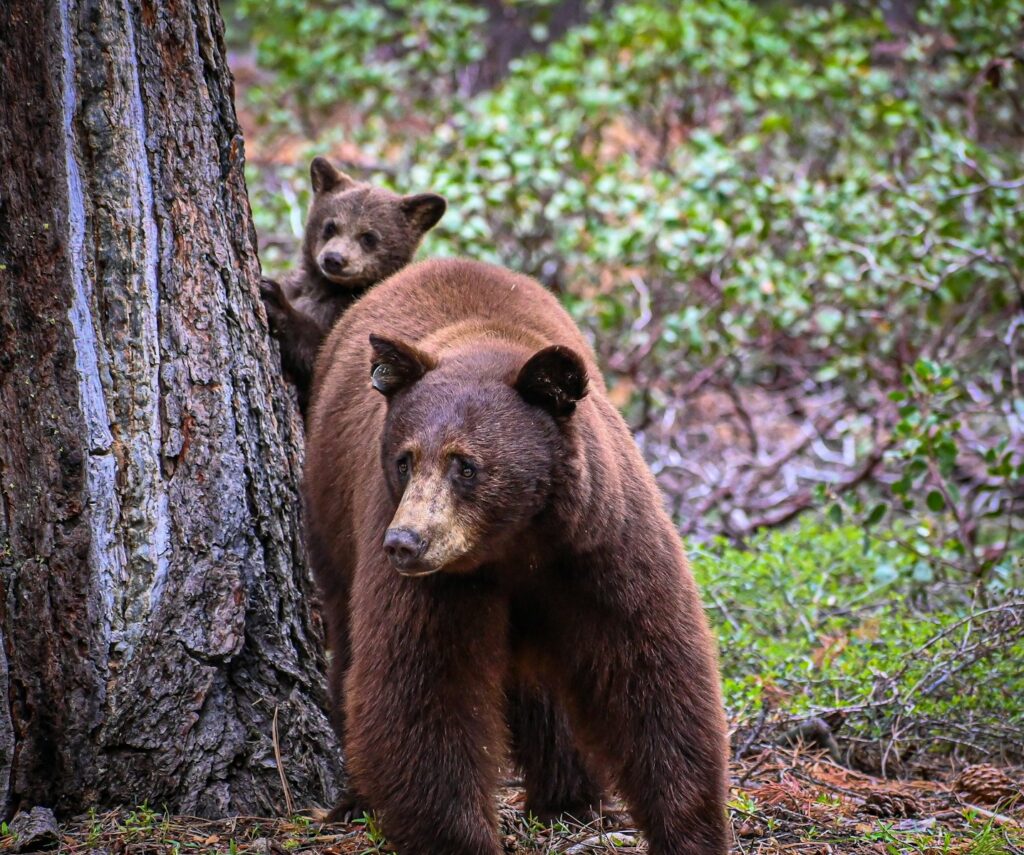
Newborn grizzly cubs enter the world in an extremely underdeveloped state—blind, nearly hairless, and completely helpless. Their ears remain sealed for about three weeks, and their eyes don’t open until they’re approximately three to four weeks old. During this vulnerable period, cubs depend entirely on their mother’s rich milk, which contains about 33% fat—significantly higher than the 3-5% found in cow’s milk—allowing them to grow rapidly despite the harsh winter conditions. The den provides critical protection during this fragile stage, with the mother’s body heat and the insulated den maintaining a temperature significantly warmer than the frigid outside environment. Scientists have documented that despite not eating during this period, mother bears produce nearly a quart of high-fat milk daily for their growing cubs.
Emerging from the Den
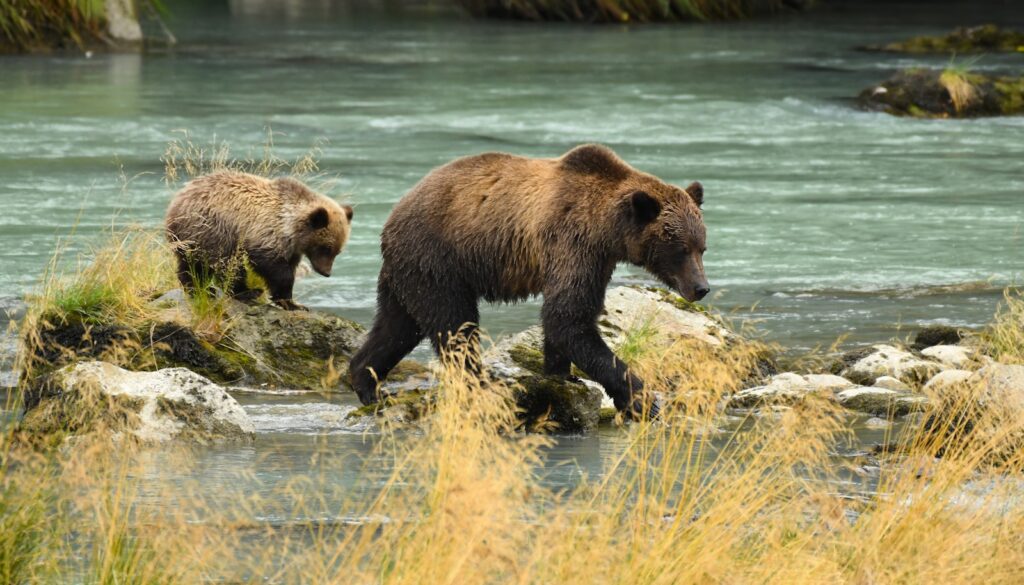
By late March to early May, depending on latitude and altitude, grizzly family groups emerge from their winter dens to face the outside world. At this point, the cubs have grown to approximately 10-15 pounds (4.5-6.8 kg) and are covered with a full coat of fur, though they still maintain the distinctive natal collar—a light-colored band around their neck—that will fade as they mature. This emergence represents a dangerous transition as the cubs must learn to navigate a complex environment while avoiding predators, particularly male grizzlies who may kill cubs to bring the female back into breeding condition. During these first days outside the den, cubs stay extremely close to their mother, often climbing on her back when alarmed or attempting to nurse frequently for comfort and nutrition. The mother bear, despite having fasted for up to seven months, must immediately begin searching for food to sustain milk production and replenish her depleted reserves.
First Year Development
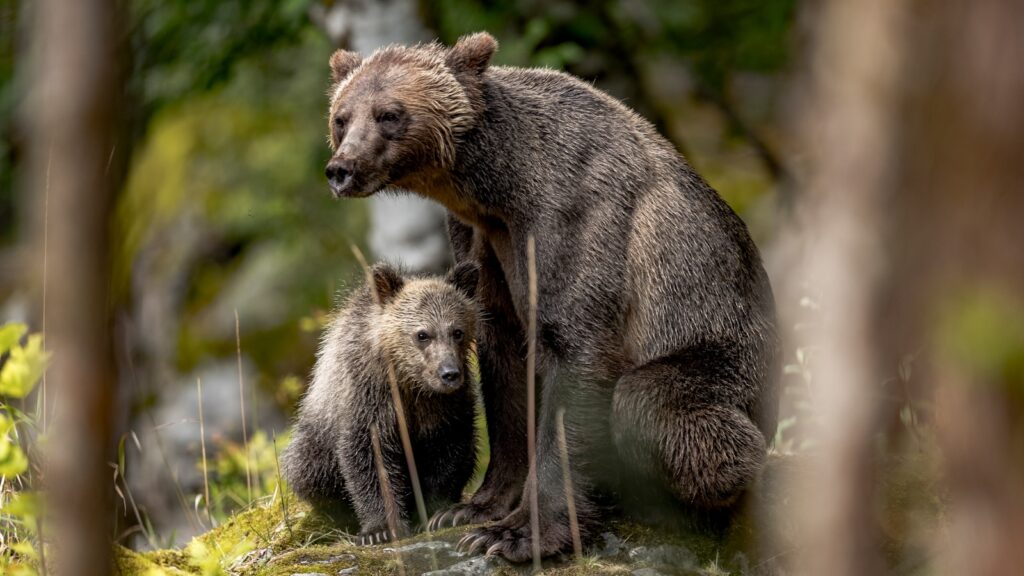
The first year of a grizzly cub’s life represents an intensive learning period centered around food acquisition, predator avoidance, and social development. Cubs closely shadow their mother, observing and mimicking her behaviors as she digs for roots, hunts small mammals, or fishes for salmon depending on the habitat. Their diet gradually transitions from exclusive nursing to incorporating solid foods, though they continue to nurse throughout their first year and often into their second. By their first autumn, cubs typically weigh between 60-100 pounds (27-45 kg), having gained mass rapidly during the critical summer feeding period. Remarkably, cubs develop distinct personalities during this first year, with some displaying more curious and adventurous tendencies while others remain cautious—behavioral differences that may influence their survival prospects as they mature.
The Critical Second Year
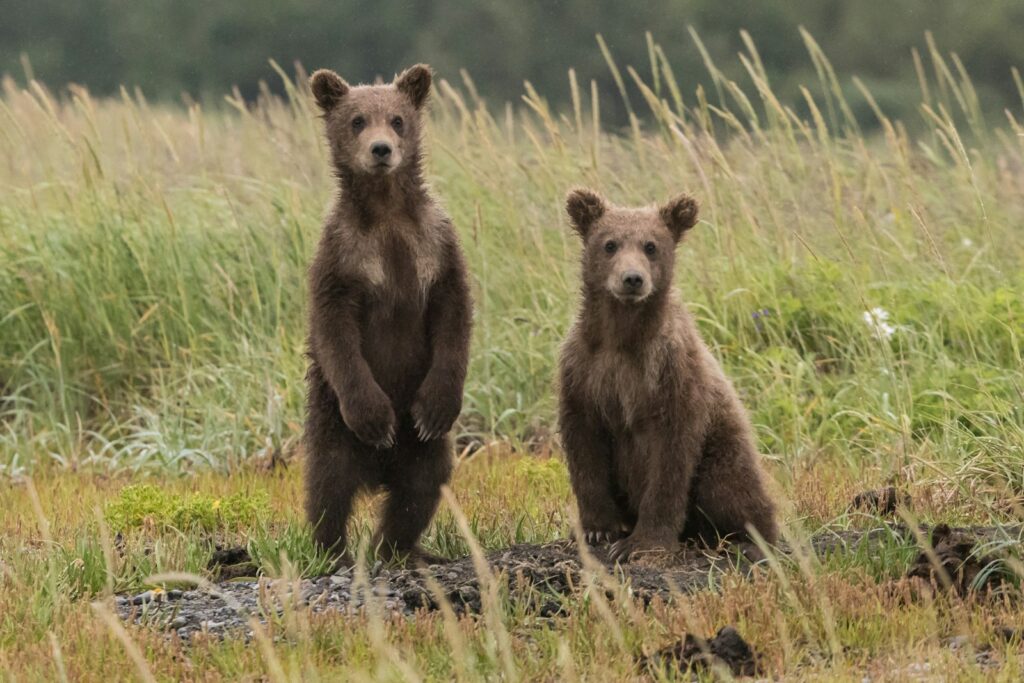
During their second year, grizzly cubs continue to develop essential survival skills under their mother’s guidance, now weighing between 100-200 pounds (45-91 kg). This year represents a critical transition as cubs become more independent, often exploring up to 50 yards away from their mother while still returning to her for protection and occasional nursing. By their second spring, young grizzlies have developed the muscular dexterity to dig efficiently for roots and ground squirrels, and many have learned the basics of fishing techniques in salmon-rich environments. Cubs also refine their social communication during this period, becoming adept at interpreting the complex body language and vocalizations that grizzlies use to avoid confrontations with other bears. Second-year mortality rates drop significantly compared to the first year, though cubs remain vulnerable to predation, starvation during poor food years, and accidents in challenging terrain.
Family Separation
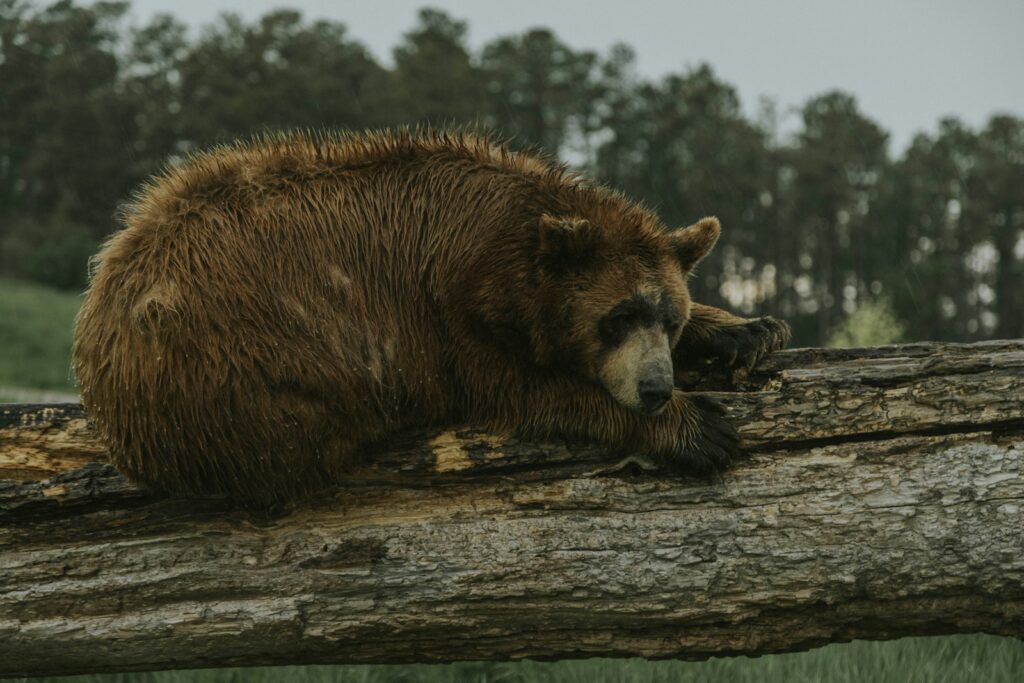
The mother-cub bond, which defines the early years of a grizzly’s life, typically dissolves when cubs reach 2-3 years of age, coinciding with the mother’s return to reproductive readiness. This separation, known as family dissolution, usually occurs in spring when the mother enters estrus and becomes receptive to mating, often actively driving away her now-juvenile offspring. The separation represents a challenging transition for young bears, who must suddenly fend entirely for themselves without the protection and guidance they’ve relied upon. Siblings frequently remain together for several months after family breakup, forming a temporary alliance that provides some protection and social comfort during this adjustment period. Research has shown that bears with longer maternal care periods (three versus two years) generally have higher survival rates and better develop complex foraging techniques, particularly in regions with challenging food resources.
Subadult Phase
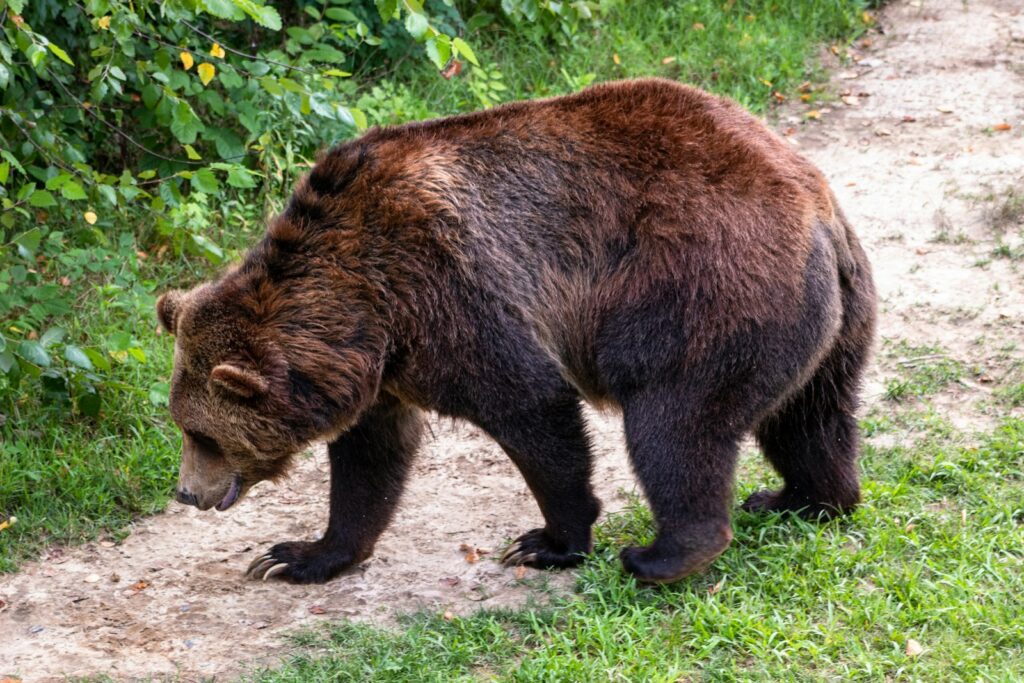
Between family separation and full maturity, grizzlies enter a subadult phase lasting approximately 2-4 years, characterized by continued growth, territory establishment, and social hierarchy integration. During this period, young bears, particularly males, typically disperse from their natal range, sometimes traveling hundreds of miles to establish new territories away from dominant adult males who might view them as competition. Female subadults generally establish territories closer to their mother’s range, creating a matrilineal society where related females often share overlapping territories. This subadult period carries significant mortality risks, with many young bears succumbing to conflicts with humans, territorial fights with adult bears, or starvation when attempting to establish themselves in marginal habitats. Those that survive demonstrate remarkable adaptability, learning to navigate a complex landscape of natural and human-created challenges while continuing to refine their foraging skills.
Reaching Sexual Maturity
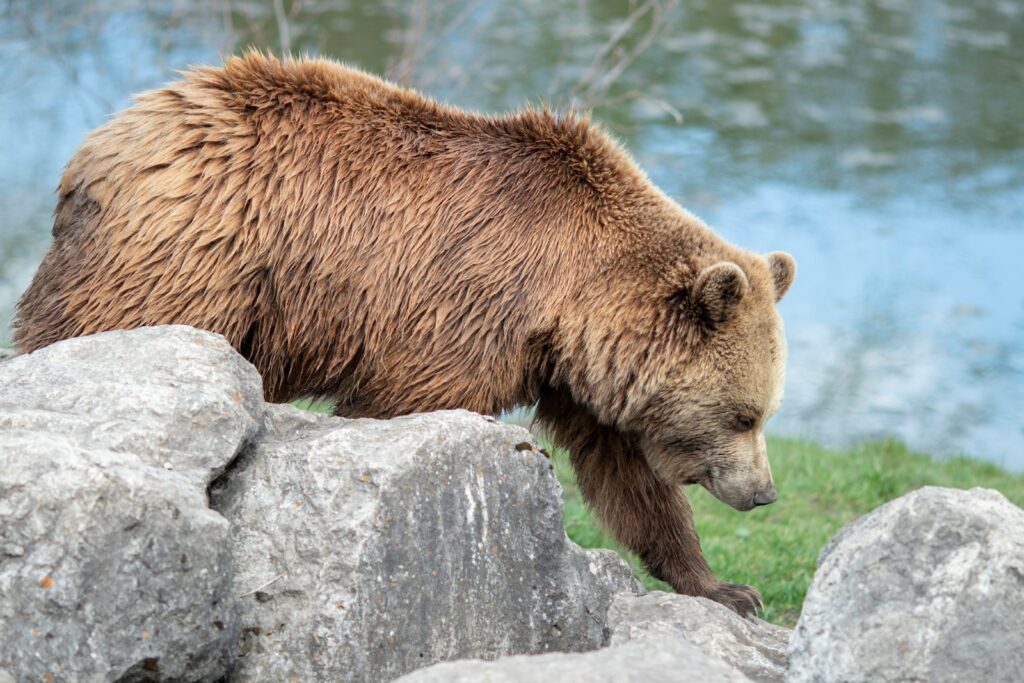
Grizzly bears typically reach sexual maturity between 4-7 years of age, with females generally maturing earlier than males. Physical maturity, however, doesn’t immediately translate to reproductive success, as social factors significantly influence breeding opportunities. Female grizzlies experience delayed implantation, where fertilized eggs don’t immediately implant in the uterus but instead float freely until fall, when implantation occurs only if the female has accumulated sufficient fat reserves to support pregnancy—a remarkable adaptation that prevents reproduction during food-scarce years. Males face intense competition for breeding opportunities, with larger, more dominant individuals securing most mating chances, leaving younger or smaller males to roam widely seeking receptive females that haven’t been claimed by dominant bears. Breeding typically occurs between May and July, with males sometimes traveling over 100 miles during mating season to locate females.
Adult Physical Development
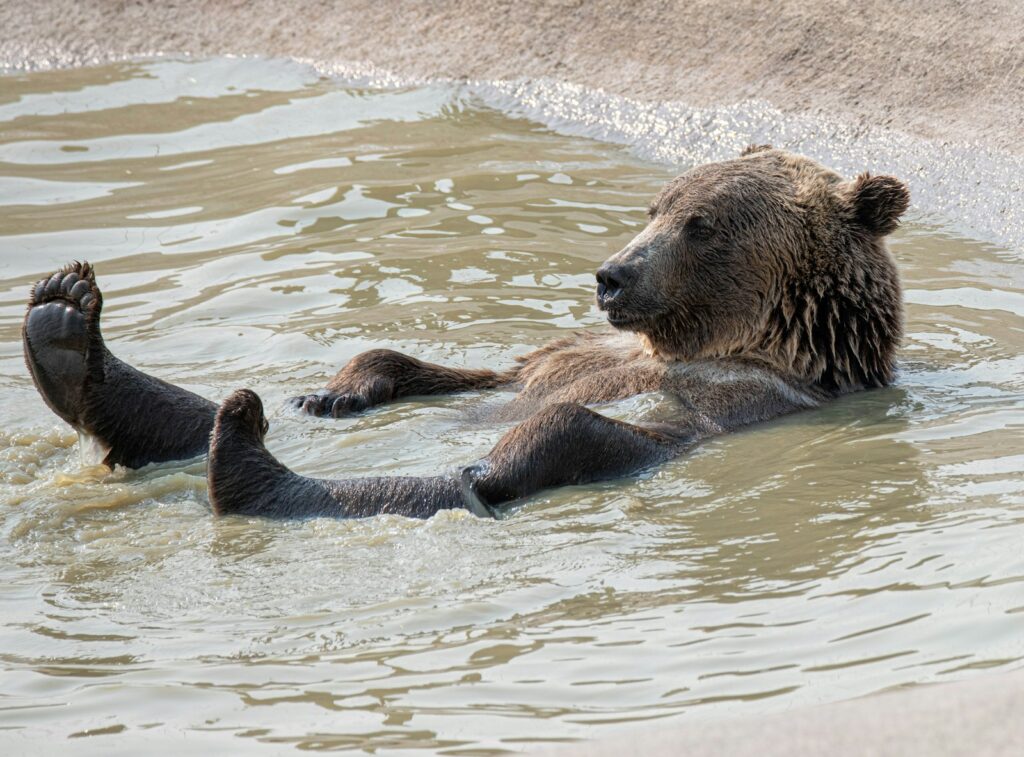
Fully mature adult grizzlies represent the apex of their physical development, with females typically weighing 300-400 pounds (136-182 kg) and males reaching 400-700 pounds (182-318 kg), though exceptional individuals can exceed 800 pounds (363 kg). Their physical appearance becomes increasingly distinctive with age, developing the characteristic shoulder hump formed by powerful digging muscles, concave facial profile, and grizzled fur tips that gave them their “grizzly” name. Mature bears continue to grow throughout their lives, albeit at a slower rate after reaching adulthood, with tooth wear and body size often serving as indicators of age. Their bodies reflect remarkable adaptations to their environment, including massive paws with 4-inch claws designed for digging, thick fur with guard hairs that can reach 4 inches in length providing excellent insulation, and sense of smell estimated to be 2,100 times more sensitive than humans—allowing them to detect food sources from miles away.
Prime Adult Years
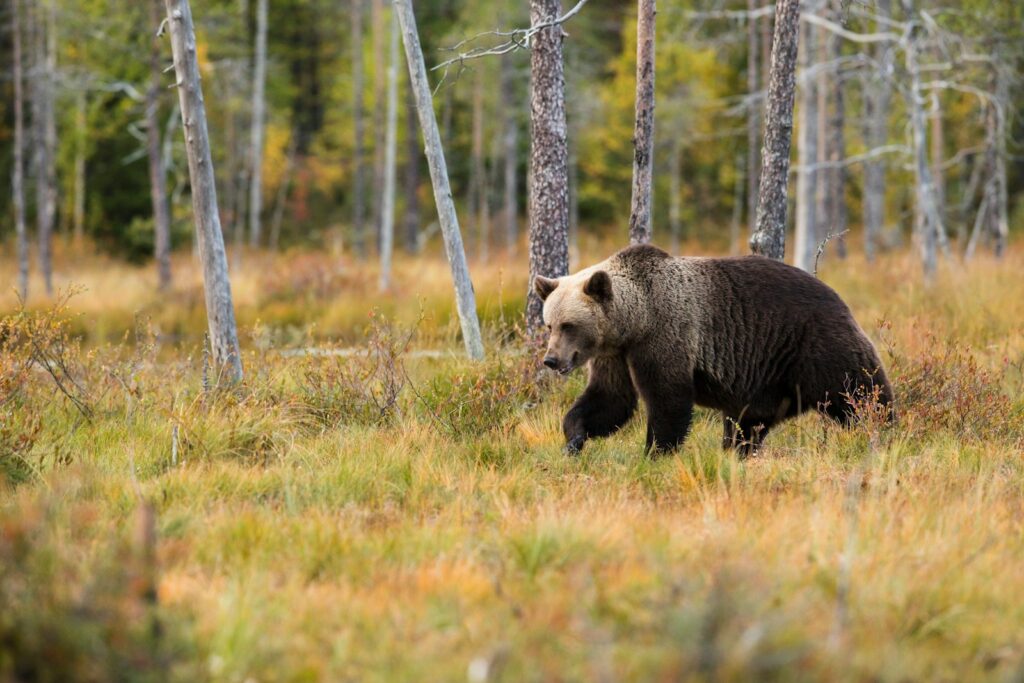
Between approximately 8-15 years of age, grizzly bears enter their prime, representing the height of their physical capabilities and reproductive potential. During these years, adult bears have typically established definitive home ranges, with males controlling territories spanning 200-500 square miles and females maintaining smaller ranges of 50-300 square miles depending on habitat quality. Prime adults demonstrate remarkable efficiency in their foraging strategies, having perfected techniques specific to their region’s food resources—whether expertly flipping riverside rocks for aquatic insects in mountain streams or efficiently harvesting thousands of berries per hour during late summer. Female grizzlies in their prime years generally experience their highest reproductive success, producing healthier cubs with better survival rates than either younger or older mothers. Additionally, prime adults typically occupy the highest position in the bear social hierarchy, gaining preferential access to high-quality feeding areas and mating opportunities.
Seasonal Cycles and Hibernation
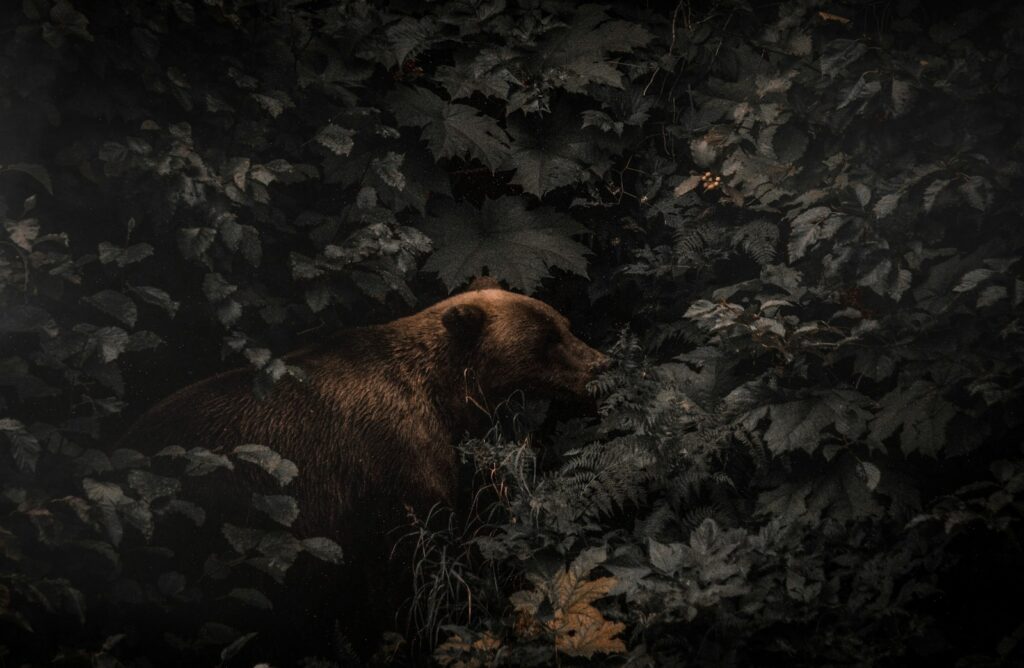
Throughout their adult lives, grizzly bears synchronize their activities with seasonal food availability, a pattern that shapes their entire life cycle. Their year divides into hyperphagia (intensive feeding) during summer and fall, when bears may consume 20,000+ calories daily and gain 3-6 pounds daily, followed by hibernation during winter months when food becomes scarce. This hibernation represents one of nature’s most remarkable adaptations, with bears entering a torpid state where heart rate drops from 40-70 beats per minute to just 8-12, body temperature decreases by 10-12 degrees Fahrenheit, and metabolism slows dramatically. During this 5-7 month period, bears survive entirely on stored body fat, losing 15-30% of their body weight while producing no solid waste. Unlike true hibernators, bears remain somewhat alert during this period and can awaken if disturbed, particularly mother bears attending to newborn cubs.
The Senior Years
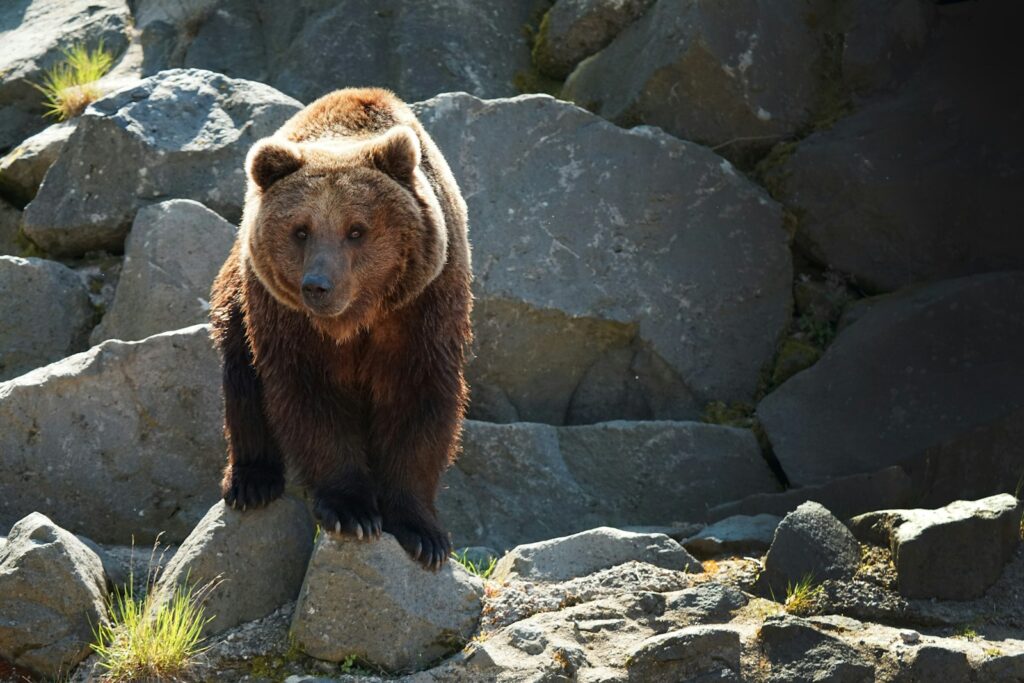
Grizzly bears that survive into their senior years (typically 18-25 years) experience various age-related challenges that affect their survival and reproductive capabilities. Dental deterioration becomes particularly problematic, as worn or broken teeth reduce foraging efficiency and can lead to painful abscesses that impact overall health. Older females experience declining fertility, producing fewer and smaller litters, though they often compensate with superior maternal experience that increases cub survival rates. Senior males frequently lose their dominant status to younger challengers, forcing them to adapt their behavior and sometimes relocate to less optimal habitats to avoid conflict. Despite these challenges, elderly grizzlies demonstrate remarkable resilience, often shifting their foraging strategies to focus on more easily accessible foods like berries and carrion rather than foods requiring significant digging or hunting effort.
Natural Lifespan and Legacy
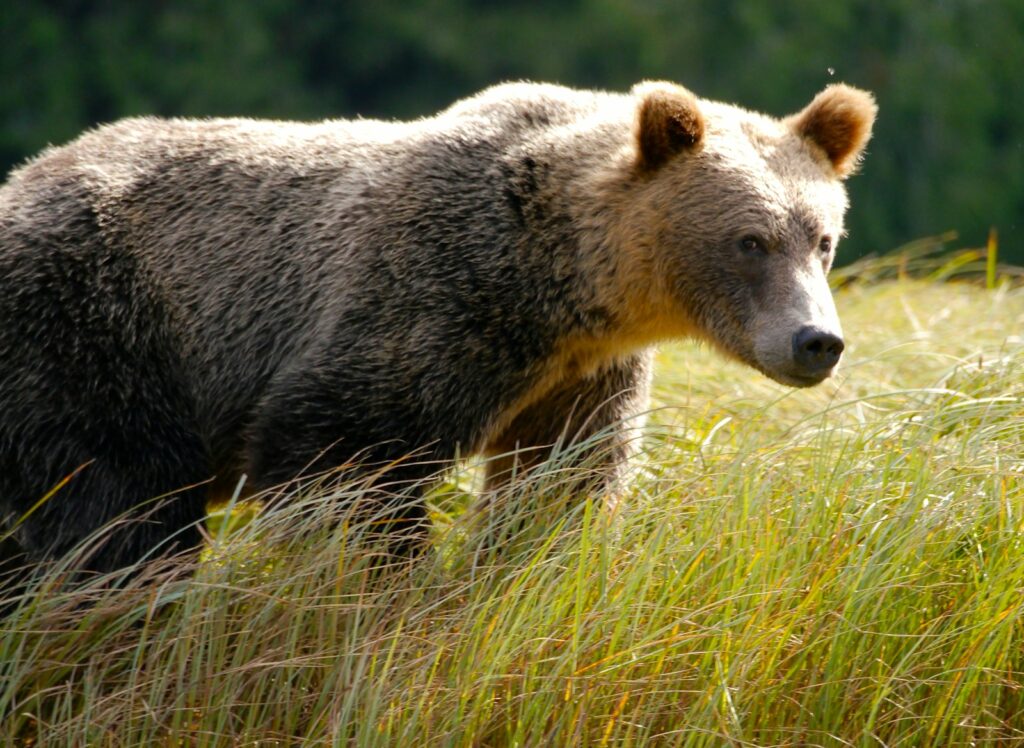
In the wild, grizzly bears typically live 20-25 years, though exceptional individuals may reach 30+ years of age, with females generally outliving males who face greater risks from territorial conflicts. Their death usually results from a combination of age-related factors: dental deterioration leading to malnutrition, reduced ability to compete for resources, increased vulnerability to disease, or inability to recover from injuries. Throughout their lifetime, an average female grizzly might produce 5-10 cubs that survive to adulthood, creating a genetic legacy that shapes local bear populations. Beyond their genetic contribution, long-lived grizzlies also leave a physical imprint on their landscape—their digging for roots aerates soil and disperses seeds, their consumption and subsequent excretion of berries facilitates plant distribution, and their salmon fishing transfers marine nutrients to terrestrial ecosystems. This ecological legacy persists long after an individual bear’s life has ended, highlighting the grizzly’s role as a keystone species in North American ecosystems.
Conclusion
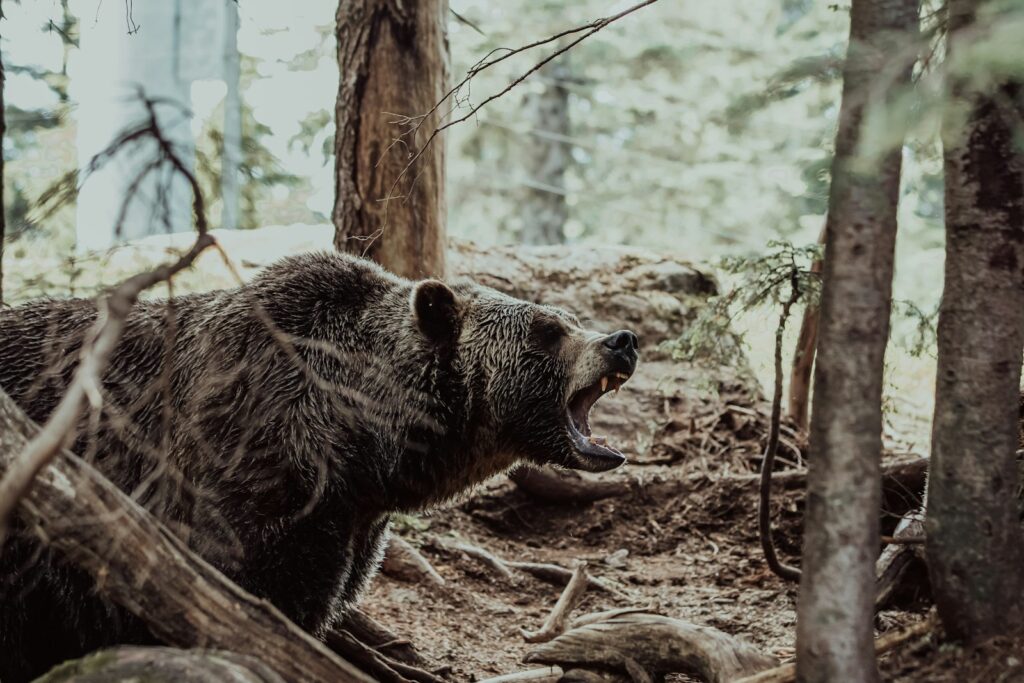
The life journey of a grizzly bear represents one of nature’s most impressive transformations—from a tiny, vulnerable cub to a powerful apex predator that shapes entire ecosystems. Throughout their decades-long lives, these remarkable animals demonstrate extraordinary adaptability, complex social behaviors, and sophisticated problem-solving abilities that have allowed them to survive in diverse habitats ranging from coastal rainforests to alpine meadows. As climate change and human development continue to transform their historic ranges, understanding the grizzly’s complete life cycle becomes increasingly crucial for conservation efforts. By appreciating the full spectrum of their development—from birth to death—we gain not only scientific knowledge but also a deeper respect for these magnificent titans of the wilderness and their irreplaceable role in North America’s natural heritage.