
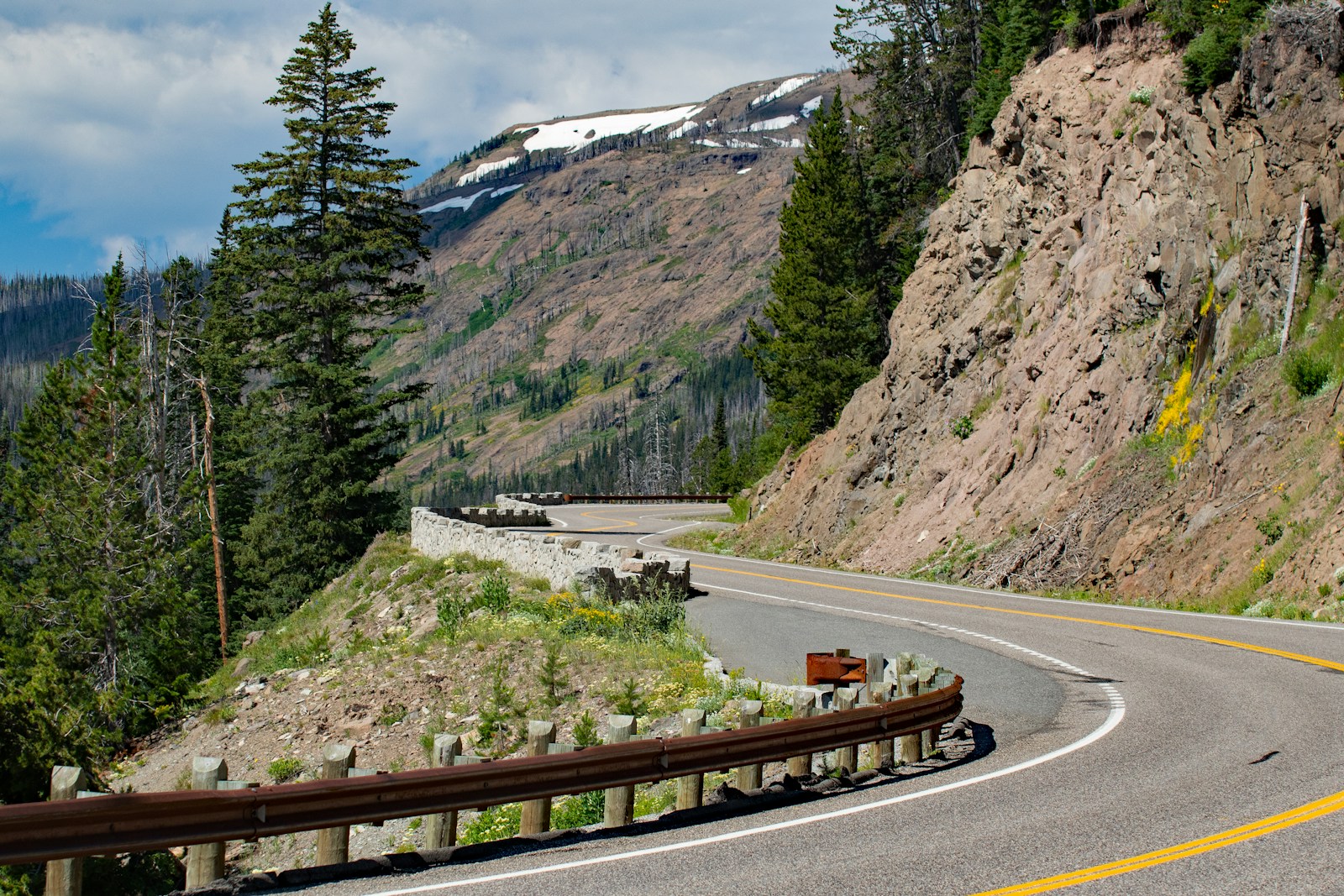
America’s national parks offer some of the most breathtaking landscapes on Earth, and there’s no better way to experience their majesty than on a multi-day hiking adventure. These extended treks allow hikers to venture deep into wilderness areas, experience dramatic changes in ecosystems, and forge a deeper connection with nature that simply isn’t possible on day hikes. From traversing alpine meadows to descending into ancient canyons, these epic journeys represent the pinnacle of outdoor exploration in America’s most treasured wild spaces. Whether you’re a seasoned backpacker or preparing for your first overnight trek, these trails offer transformative experiences that combine physical challenge with unparalleled natural beauty.
The Wonderland Trail – Mount Rainier National Park
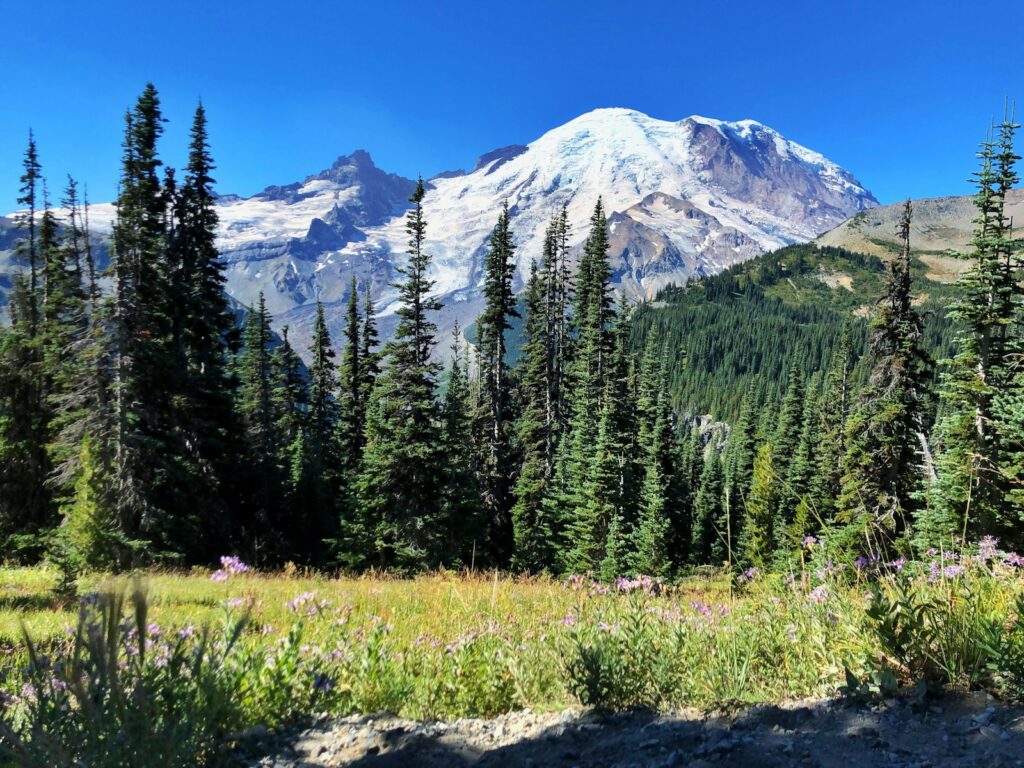
Encircling the majestic Mount Rainier, the Wonderland Trail offers 93 miles of pure backcountry bliss through one of Washington’s crown jewels. This challenging loop takes hikers through an astonishing variety of ecosystems, from old-growth forests to subalpine meadows bursting with wildflowers, all while providing constantly changing views of the massive glaciated volcano at its center. Most hikers take 7-14 days to complete the full circuit, navigating approximately 22,000 feet of elevation gain and loss along the way. The trail’s popularity means permits can be difficult to secure, with the park accepting reservation requests beginning in March for the summer hiking season, though a limited number of walk-up permits are sometimes available for flexible travelers.
The John Muir Trail – Yosemite, Kings Canyon, and Sequoia National Parks
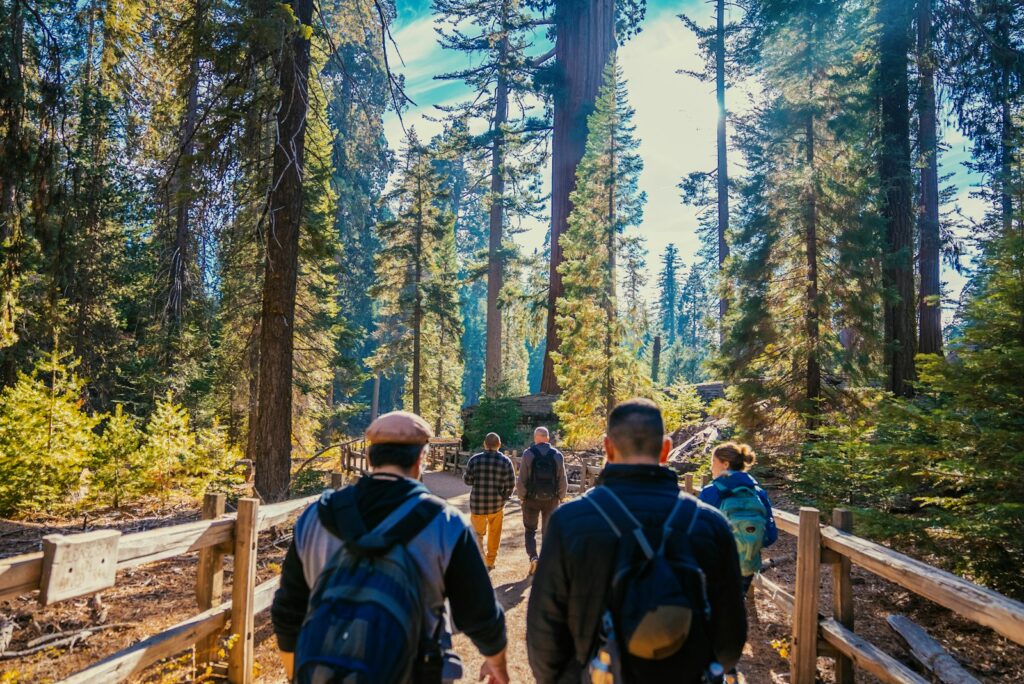
Arguably America’s most famous long-distance trail, the John Muir Trail (JMT) stretches 211 miles through California’s Sierra Nevada mountains, passing through three national parks and delivering consistently spectacular high-country scenery. Beginning in Yosemite Valley and terminating atop Mount Whitney (the highest peak in the contiguous United States at 14,505 feet), the JMT takes most hikers 2-4 weeks to complete, depending on pace and side trips. The trail’s elevation rarely dips below 8,000 feet, offering alpine views that have been described as “America’s Alps” with crystal-clear lakes, granite peaks, and star-filled skies that defy description. Despite its challenging nature, the JMT’s well-maintained trail, reliable water sources, and regular resupply options make it accessible to prepared hikers with moderate experience.
Teton Crest Trail – Grand Teton National Park
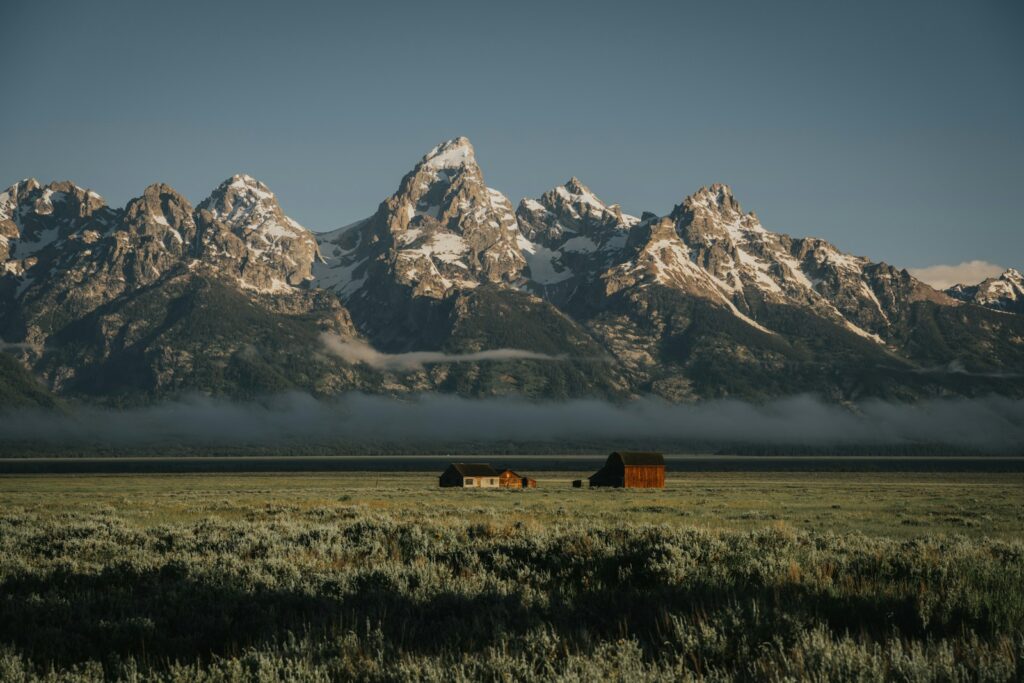
For concentrated alpine splendor, few trails can match the 40-mile Teton Crest Trail as it traverses the spine of Wyoming’s iconic Teton Range. Typically hiked over 4-5 days, this route keeps hikers at elevation (mostly between 8,000-10,700 feet) while passing through high mountain meadows, over dramatic passes, and alongside pristine alpine lakes, all with the jagged Teton peaks providing a constant dramatic backdrop. The most popular approach begins at Phillips Pass and concludes at String Lake, though various access points allow for customized itineraries. Timing is crucial for this hike, as the high-elevation trail is typically snow-covered until mid-July, and afternoon thunderstorms are common during the summer months, making September a particularly appealing time to tackle this bucket-list trail.
The Highline Loop – Glacier National Park
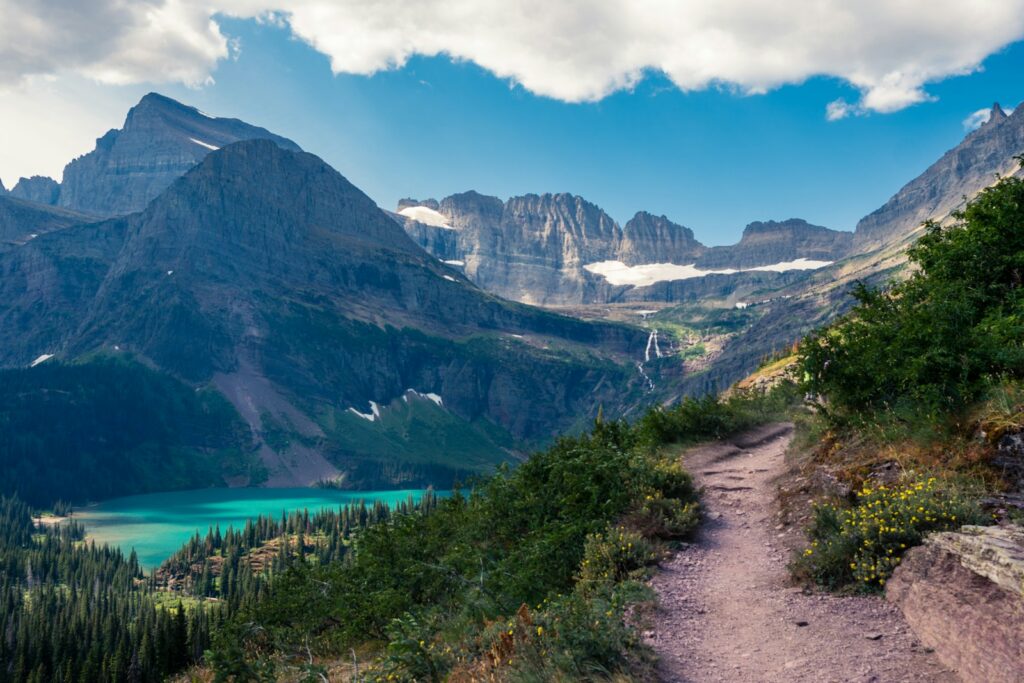
Glacier National Park’s 45-mile Highline Loop combines sections of several trails to create one of the most scenically rewarding moderate backpacking trips in the National Park system. Beginning at Logan Pass on the iconic Going-to-the-Sun Road, the route follows the Continental Divide with expansive views of glacially-carved valleys and abundant wildlife including mountain goats, bighorn sheep, and even grizzly bears (proper food storage and bear spray are essential). The trail’s highlight for many is the Granite Park Chalet, a historic backcountry lodge where hikers can either stay overnight (reservations required) or simply rest before continuing their journey. With a typical duration of 4-5 days and reasonable elevation profiles, this loop provides a perfect introduction to multi-day hiking while showcasing some of the most spectacular mountain scenery in North America.
Rim-to-Rim-to-Rim – Grand Canyon National Park
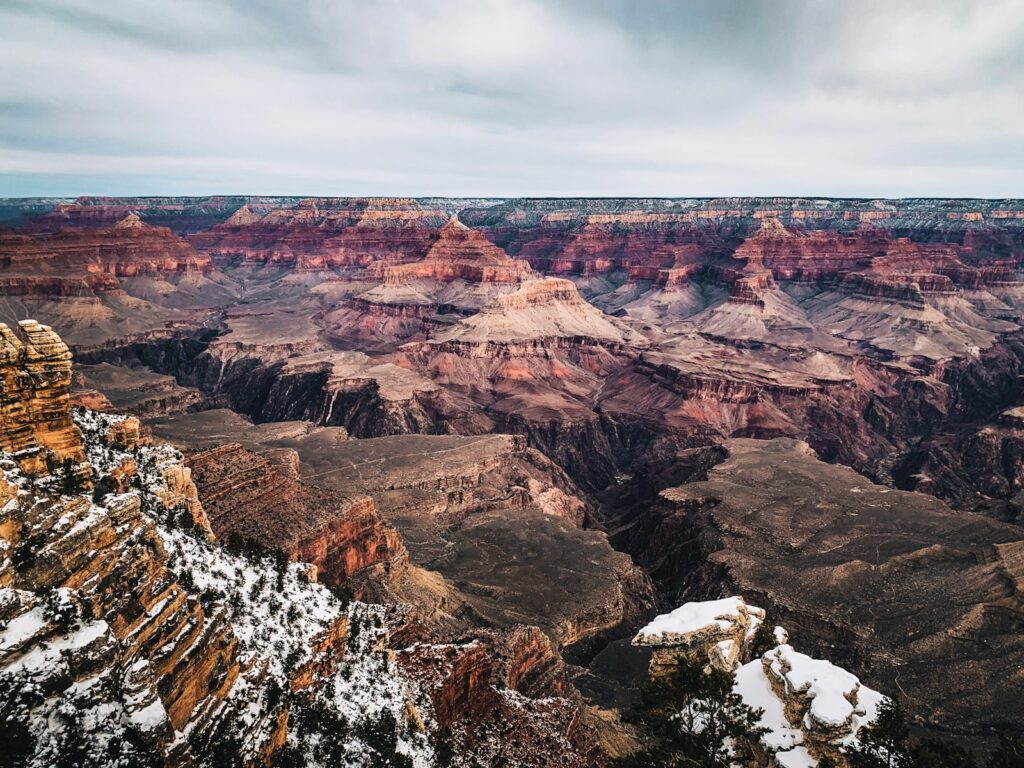
For a truly immersive Grand Canyon experience, the Rim-to-Rim-to-Rim (R2R2R) hike takes adventurers from the South Rim to the North Rim and back again, covering approximately 44 miles and 11,000 feet of elevation change in the process. This challenging route typically combines the South Kaibab and North Kaibab trails for the initial crossing, with a return via the Bright Angel Trail, allowing hikers to experience the canyon’s vastly different ecosystems from pine forests at the rims to the desert environment along the Colorado River. Most hikers tackle this epic journey over 3-4 days, though ultra-runners sometimes complete it in a single punishing day. The extreme temperature variations between the rim and the canyon floor (which can exceed 30 degrees Fahrenheit) make spring and fall the ideal seasons for this unforgettable journey through geological time.
The Enchantment Lakes Traverse – North Cascades National Park
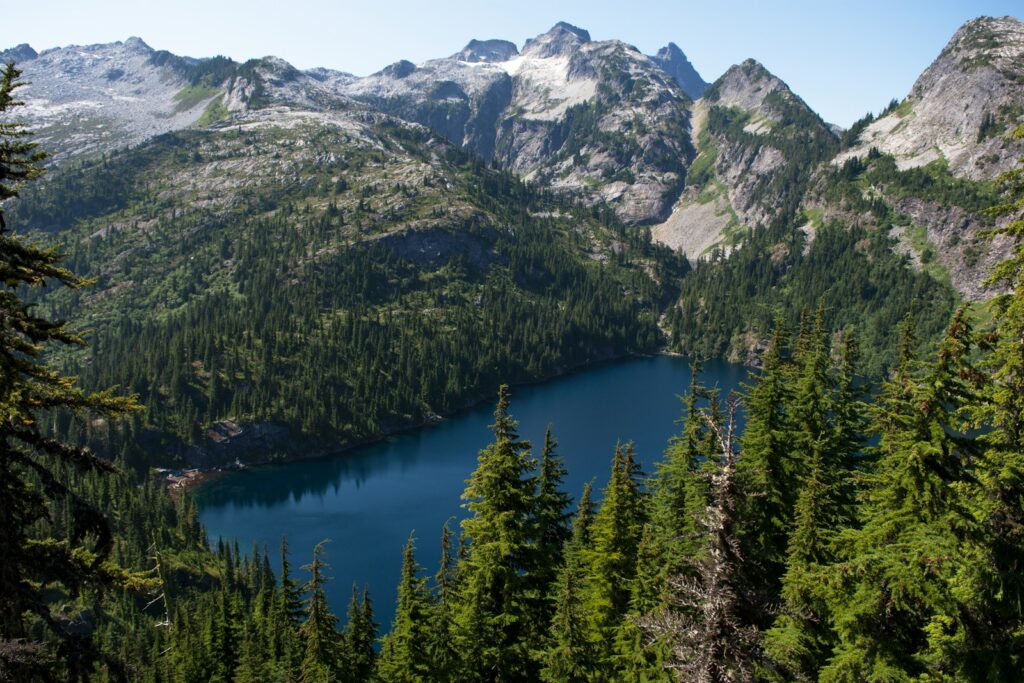
Though technically located just outside the national park boundaries in Alpine Lakes Wilderness, the Enchantment Lakes Traverse deserves mention as one of the most magical alpine experiences in America. This challenging 18-mile point-to-point route takes hikers through a fairy-tale landscape of pristine alpine lakes, polished granite slabs, and jagged peaks, with mountain goats often providing companionship along the way. Most hikers spend 2-3 days on this traverse to fully appreciate the otherworldly beauty, particularly in early October when the golden larches transform the landscape into something truly ethereal. The extreme popularity of this area has led to a highly competitive permit system for overnight stays during the prime season (May-October), though day hikers can attempt the full traverse without a permit if prepared for a very long and strenuous day.
The Skyline Trail – Olympic National Park
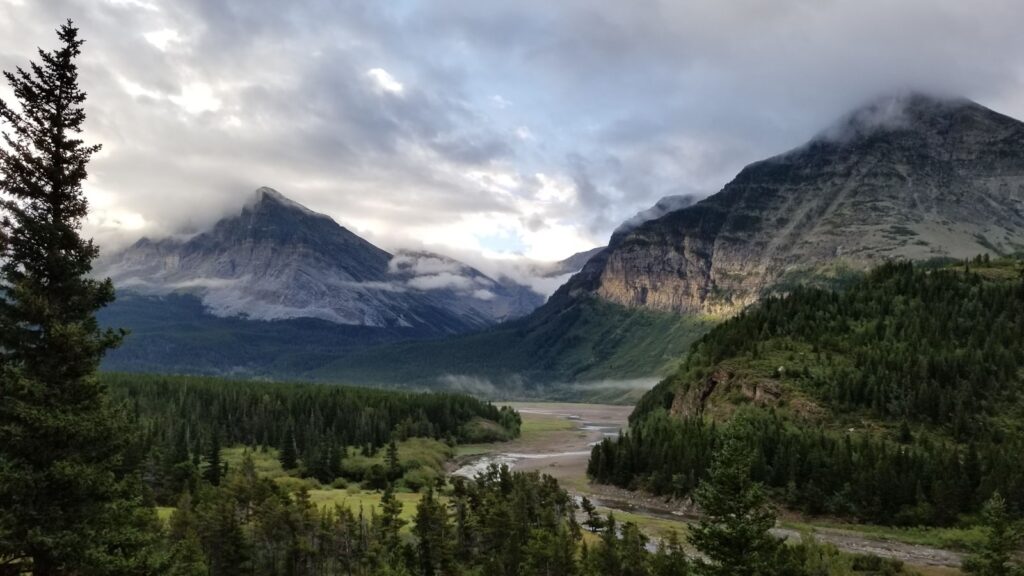
Olympic National Park’s remarkable diversity is on full display along the 17.5-mile Skyline Trail, which takes hikers through subalpine meadows bursting with wildflowers, alongside glaciers, and through stands of ancient forest. Typically hiked over 2-3 days, this loop begins and ends at Hurricane Ridge, climbing to Deer Park with panoramic views of the Olympic Mountains in one direction and the Strait of Juan de Fuca in the other. Wildlife sightings are common, with Olympic marmots, black-tailed deer, and Roosevelt elk frequently spotted along the route. The moderate elevation gain (approximately 5,000 feet total) makes this an achievable adventure for reasonably fit hikers, though rapidly changing weather conditions demand proper preparation even in summer months.
The Bechler River Trail – Yellowstone National Park

While Yellowstone’s famous geothermal features attract massive crowds, the remote Bechler River Trail in the park’s southwest corner offers a completely different experience focused on spectacular waterfalls and natural hot springs. This 31-mile point-to-point route takes hikers through “Cascade Corner,” where the Bechler River and its tributaries tumble over numerous falls, including the impressive 45-foot Colonnade Falls and 150-foot Dunanda Falls. A highlight for many backpackers is the opportunity to soak in Mr. Bubble, a natural hot spring along the route that provides perfect muscle relief after a long day of hiking. Typically completed in 3-4 days, this trail is best hiked in late summer or early fall when river crossings are manageable and mosquitoes (which can be legendarily intense in early summer) have subsided.
The Presidential Traverse – White Mountain National Forest

Though not technically in a national park, the Presidential Traverse in New Hampshire’s White Mountains offers an epic above-treeline experience rarely found in the eastern United States. This challenging 23-mile route crosses the summits of several peaks named after U.S. presidents, including Mount Washington (6,288 feet), known for having some of the most extreme weather in North America. Most hikers take 2-3 days to complete the traverse, staying in the historic Appalachian Mountain Club huts that provide bunk accommodations and hearty meals (reservations required). Nearly 9,000 feet of elevation gain makes this a physically demanding trek, but the reward is mile after mile of open ridgeline hiking with expansive views across New England and beyond, particularly spectacular during fall foliage season.
The Greenstone Ridge Trail – Isle Royale National Park
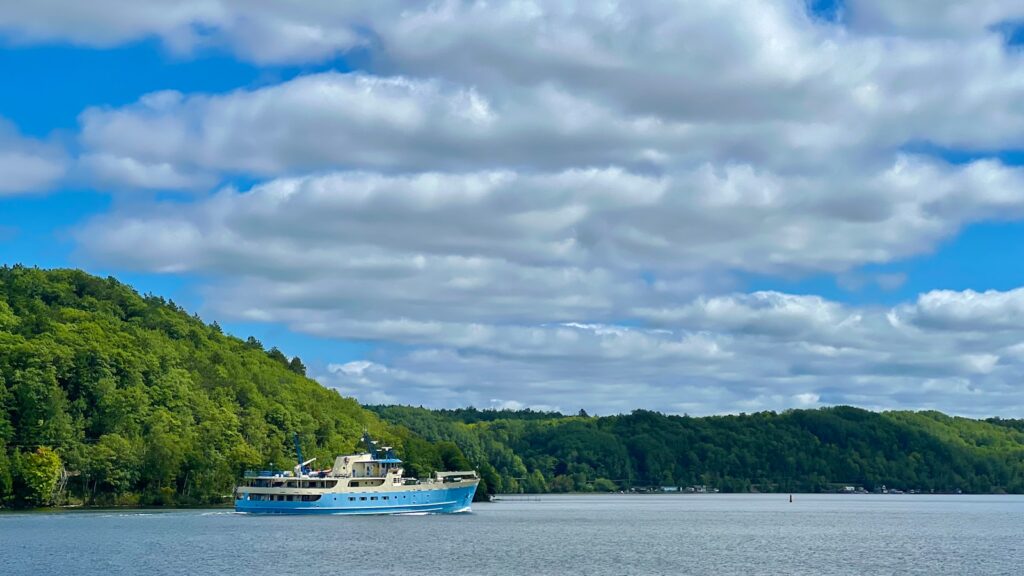
Michigan’s remote Isle Royale National Park, accessible only by boat or seaplane, offers wilderness solitude on the 40-mile Greenstone Ridge Trail that runs along the spine of this Lake Superior island. Typically hiked over 4-5 days, this trail traverses dense boreal forests, passes crystal-clear inland lakes, and provides occasional views of Lake Superior from rocky outcrops along the ridge. The island’s isolation has created a unique ecosystem where wolves and moose engage in a predator-prey relationship that has been studied by scientists for decades, giving hikers the opportunity to potentially spot these iconic species. The moderate terrain makes this an accessible long-distance hike for those with basic backpacking experience, though Lake Superior’s influence can create rapidly changing weather conditions that demand proper preparation.
The Trans-Zion Trek – Zion National Park
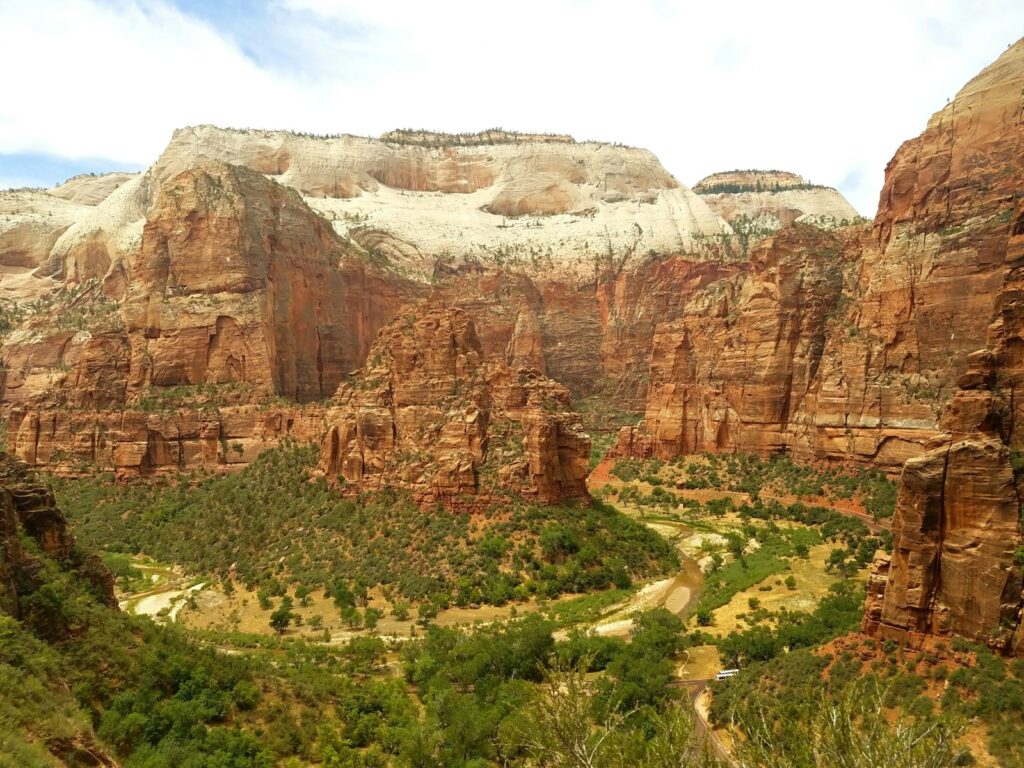
Experience the full spectrum of Zion’s dramatic landscapes on the unofficial Trans-Zion Trek, a 48-mile route that connects several established trails to cross the entire national park. Beginning in the desert environment of Lee Pass and concluding at the eastern entrance, this 4-6 day journey takes hikers through narrow slot canyons, across open mesas, alongside crystal-clear streams, and up to high-elevation forests with expansive views of Zion’s colorful sandstone formations. Water availability varies significantly along the route, requiring careful planning and occasional caching, particularly in the drier sections. Spring (April-May) and fall (September-October) offer the most comfortable hiking conditions, avoiding both summer’s extreme heat and winter’s potentially hazardous ice and snow on the exposed sections of trail.
The Paria Canyon Backpack – Vermilion Cliffs National Monument
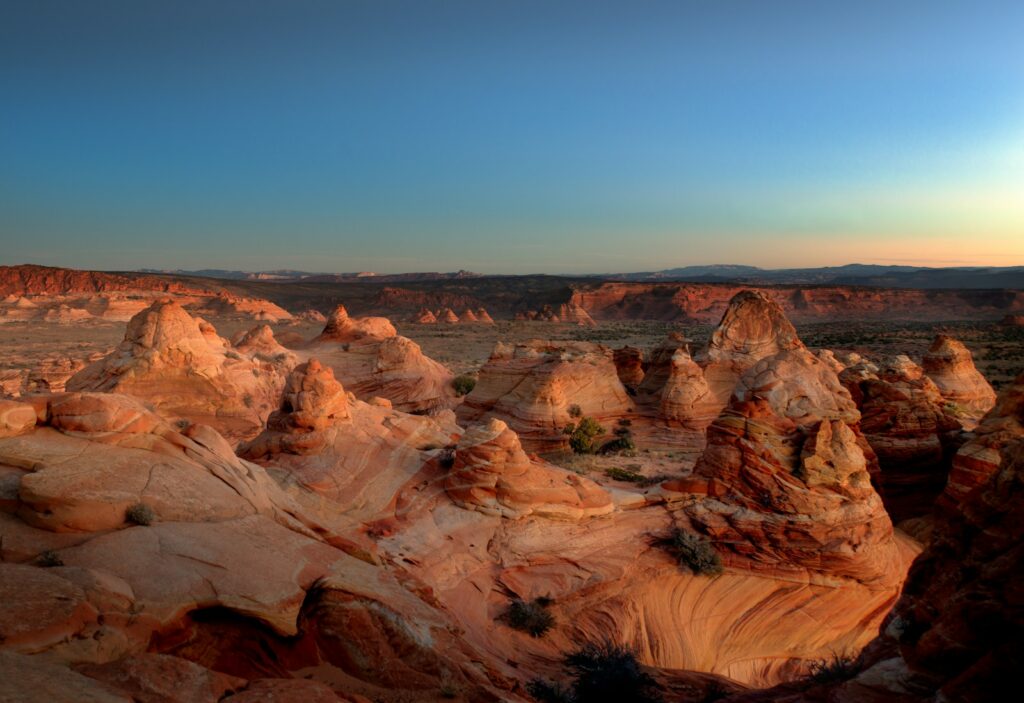
Though not officially within a national park, the 38-mile Paria Canyon trek from White House Trailhead in Utah to Lee’s Ferry in Arizona offers one of the most unique backpacking experiences in the Southwest. This 4-5 day journey takes hikers through one of the longest slot canyons in the world, with walls that soar up to 500 feet while narrowing to just 10 feet wide in some sections. The route follows the Paria River (requiring numerous wet crossings) past extraordinary geological features including the famous Wrather Arch, one of the largest natural arches in the world. The Bureau of Land Management strictly limits the number of overnight hikers to protect this fragile environment, requiring permits that can be secured up to four months in advance.
Essential Planning Tips for Multi-Day National Park Hikes
Successfully completing these epic multi-day adventures requires thorough preparation well beyond what’s needed for day hikes. Securing permits should be your first priority, as many popular routes have competitive lottery systems or reservation windows that open months before the hiking season. Physical conditioning is equally important, with targeted training focusing on both cardiovascular endurance and strength, particularly in the legs and core, ideally incorporating practice hikes with a loaded backpack. Gear selection requires balancing weight considerations with safety needs, investing in quality essentials like a reliable shelter, appropriate sleeping system, water filtration method, and navigation tools. Finally, understanding the specific challenges of each trail—whether altitude, wildlife encounters, water availability, or weather patterns—allows hikers to prepare appropriately, ensuring their multi-day adventure delivers the transformative wilderness experience these iconic trails promise.
America’s national parks protect some of the most spectacular landscapes on the continent, and these multi-day hiking adventures represent the ultimate way to experience their grandeur. Far from the crowded visitor centers and roadside viewpoints, these trails offer immersion in wild places that refresh the spirit and challenge the body. Whether you’re drawn to alpine heights, desert canyons, or ancient forests, these epic journeys create memories and connections with the natural world that last a lifetime. As you plan your own adventure on these legendary trails, remember that proper preparation not only ensures your safety but also protects these precious environments for future generations of hikers to enjoy.