
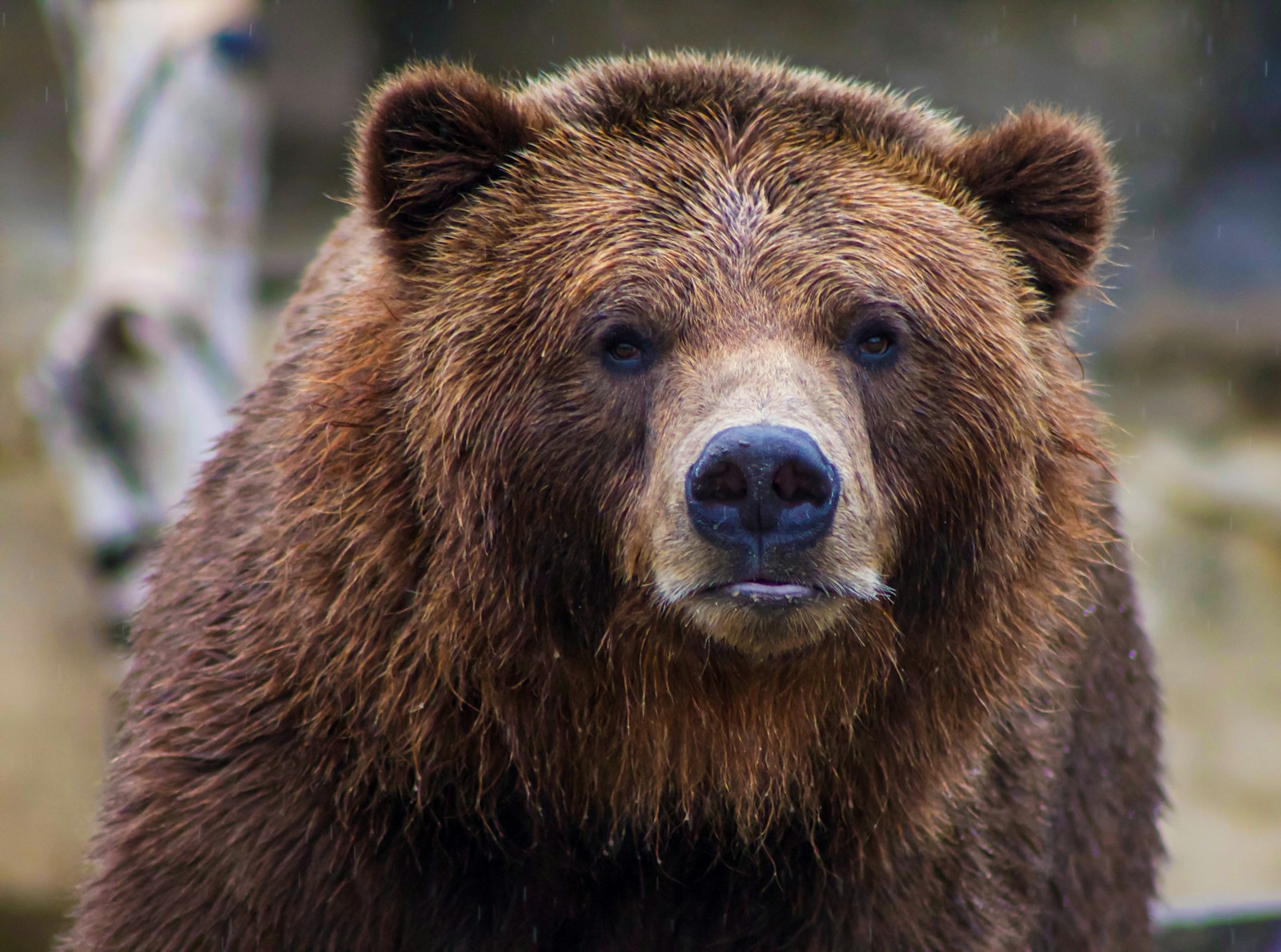
In the vast wilderness of our national parks, visitors seek connection with nature’s majesty, often encountering North America’s most magnificent predators—bears. While these powerful mammals typically avoid human interaction, rare but dramatic confrontations have occurred throughout park history, forever changing how we understand and manage human-wildlife relationships. These infamous incidents serve as sobering reminders of the wild’s unpredictable power and have shaped modern bear management protocols, visitor education programs, and wildlife conservation efforts. From Yellowstone’s historic encounters to Glacier’s notorious “Night of the Grizzlies,” each tragic event offers important lessons about coexisting with these magnificent but potentially dangerous animals.
The 1967 Night of the Grizzlies
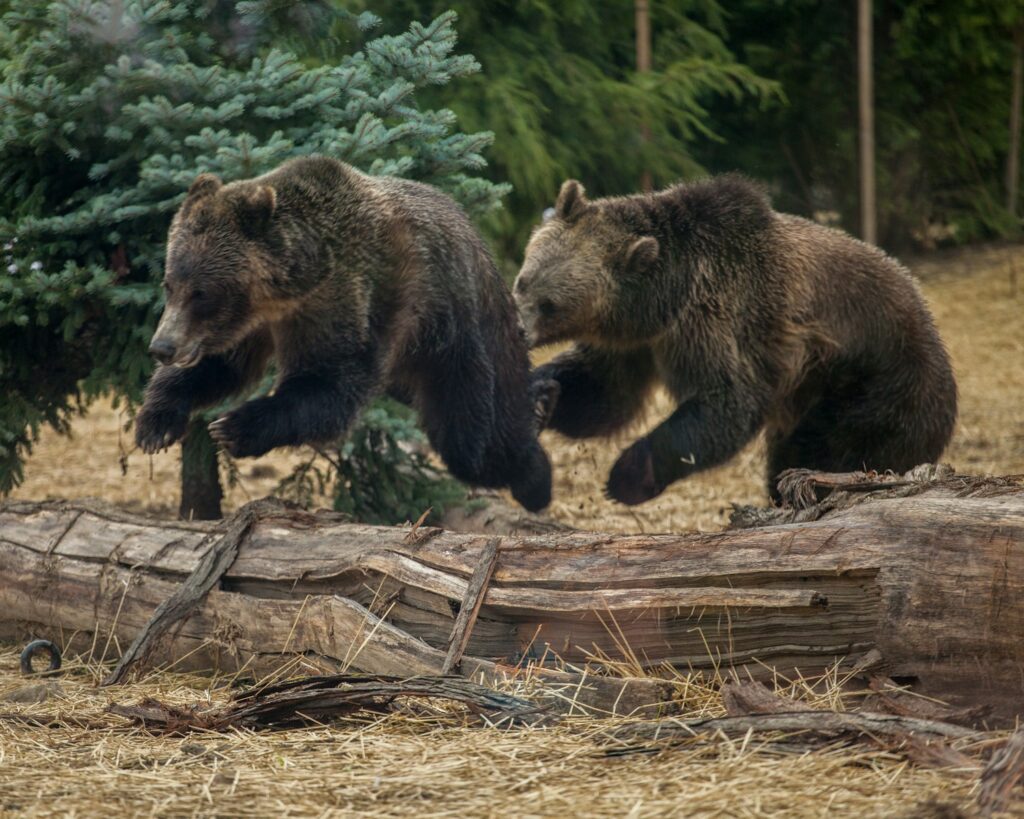
Perhaps no bear attack has had greater impact on national park policy than the infamous “Night of the Grizzlies” in Glacier National Park. On August 13, 1967, two young women—Julie Helgeson and Michele Koons—were killed in separate grizzly attacks at different locations within the park on the same night. Prior to these tragedies, many visitors viewed bears almost as park attractions, frequently feeding them and disposing of garbage improperly. Investigation revealed that both bears responsible had become habituated to human food and garbage, leading to aggressive behavior. This devastating event prompted immediate and sweeping changes to bear management throughout the National Park system, including proper food storage requirements, elimination of open garbage dumps, and comprehensive visitor education programs.
Yellowstone’s First Recorded Fatal Bear Attack
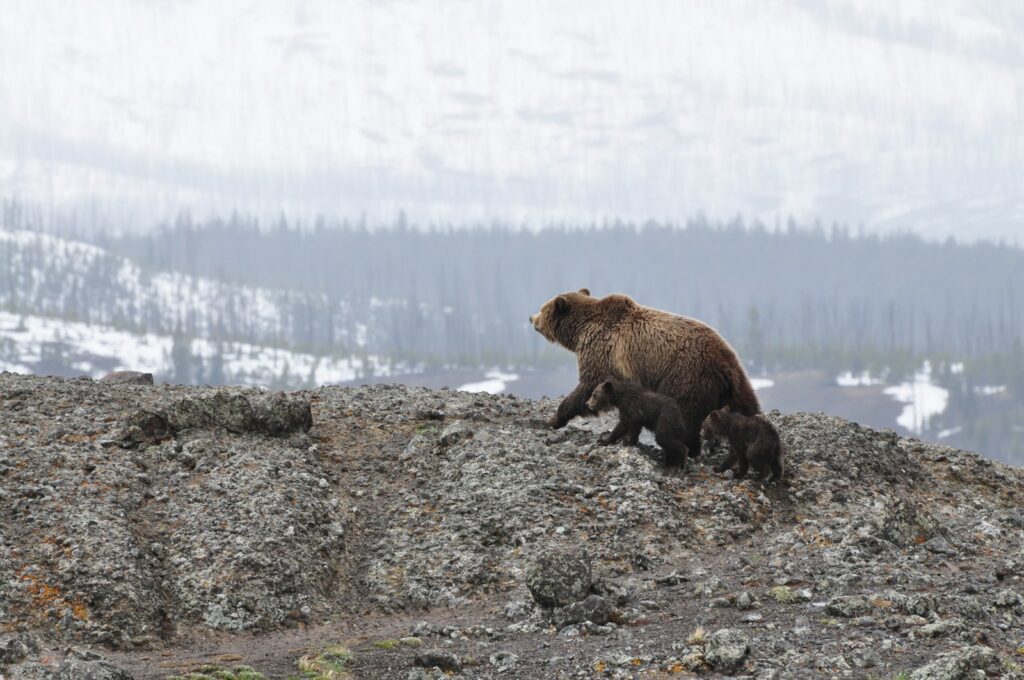
In 1916, Yellowstone National Park witnessed its first recorded fatal bear attack when Frank Welch, a teamster working in the park, was killed by a grizzly. Welch had been sleeping in the open near Canyon Junction when the attack occurred, creating shockwaves in America’s first national park. At this time in park history, bears were actually encouraged to feed at garbage dumps as a visitor attraction, with bleachers sometimes set up for viewing. This early tragedy foreshadowed the complex relationship between bears and humans that would evolve over the following century. Though rudimentary precautions were implemented following Welch’s death, truly effective bear management would not emerge for several more decades.
Trout Lake Tragedy in Yellowstone (1942)
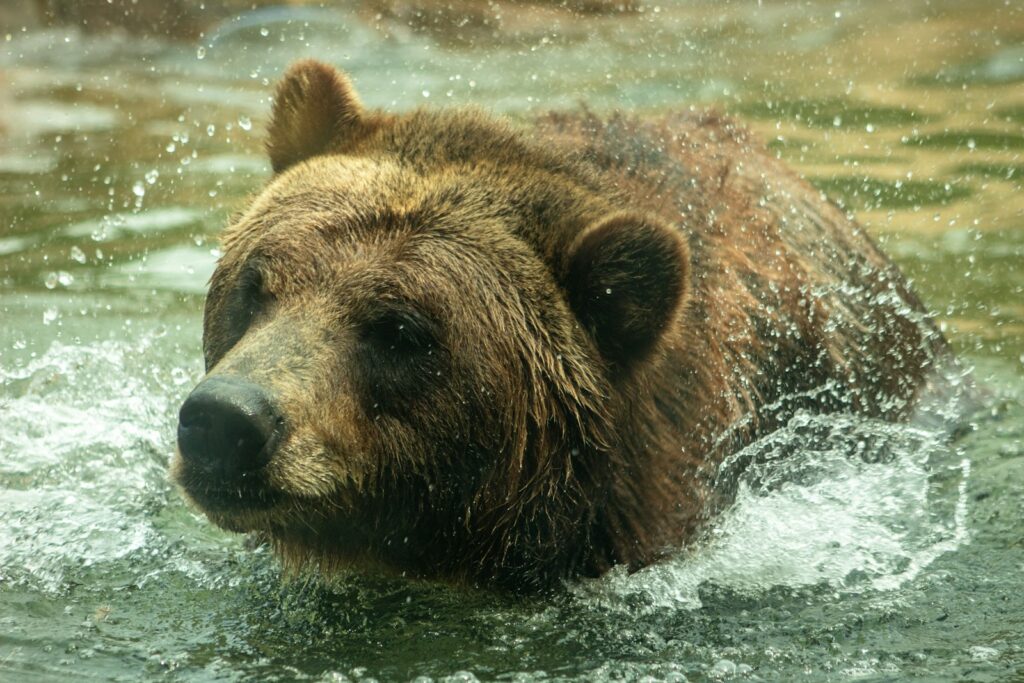
One of the most heartbreaking incidents occurred in Yellowstone in 1942 when a grizzly bear attacked and killed 18-year-old Marguerite “Peggy” Scruggs near Trout Lake. Scruggs, who worked at the nearby Roosevelt Lodge, had gone to the remote lake with a friend to fish and was separated just before the attack. The subsequent investigation concluded that the bear was likely a sow with cubs, a particularly dangerous encounter scenario. This incident occurred during World War II when park resources were limited, and public attention was focused elsewhere. The tragedy highlighted the ongoing challenge of protecting both visitors and wildlife in remote backcountry areas. Despite the harrowing nature of the attack, it received relatively little media coverage compared to later incidents.
The Grizzly Maze: Timothy Treadwell’s Fatal Obsession
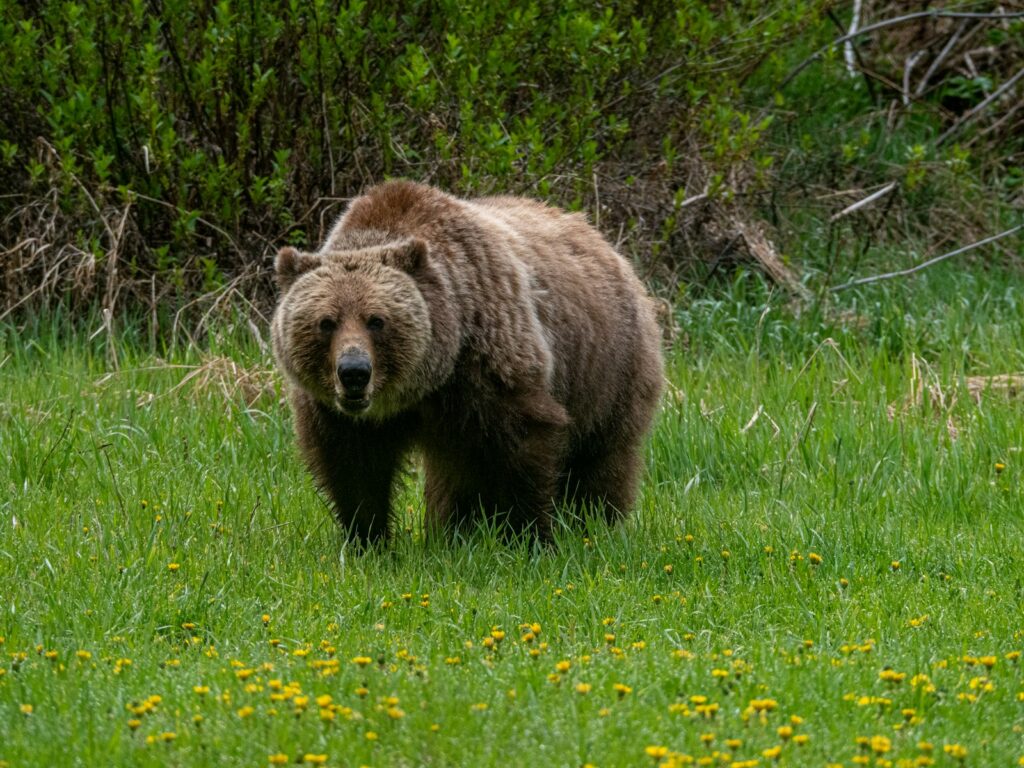
While not technically within national park boundaries, the 2003 deaths of Timothy Treadwell and Amie Huguenard in Alaska’s Katmai National Preserve stands as one of the most documented bear attacks in history. Treadwell, a self-proclaimed bear protector, spent 13 summers living among Katmai’s grizzlies, gradually habituating them to his presence and developing increasingly dangerous behaviors. In October 2003, Treadwell and his girlfriend were killed and partially consumed by a bear near their campsite. The incident gained international attention through Werner Herzog’s documentary “Grizzly Man,” which featured Treadwell’s own footage. Park officials and bear experts had repeatedly warned Treadwell about his risky practices, and the tragedy became a stark warning about anthropomorphizing wild predators and ignoring natural boundaries.
Glacier Bay’s Rare Black Bear Fatality
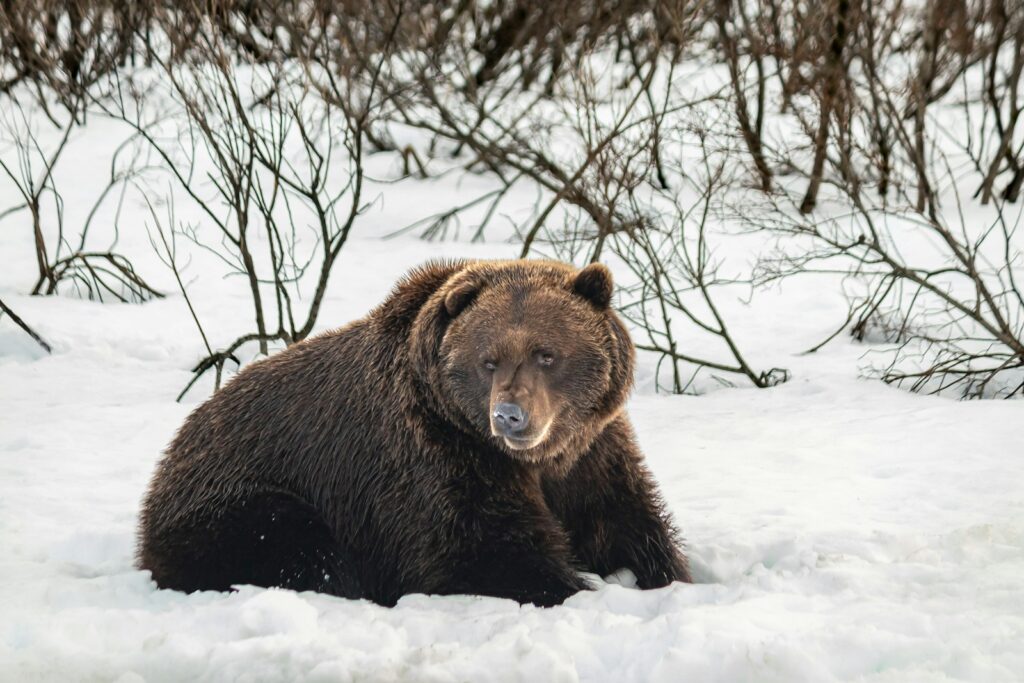
While grizzlies are responsible for most fatal bear attacks, black bears occasionally become predatory as demonstrated in a shocking 1980 incident in Alaska’s Glacier Bay National Park. Biologist Kathryn Warburton was conducting plant research when she was killed by a black bear in what experts determined was a predatory attack. The rarity of fatal black bear attacks made this incident particularly significant for park management. Investigation revealed the bear had actively stalked Warburton, countering the prevailing wisdom at the time that black bears rarely posed lethal threats to humans. This case prompted new research into predatory behavior in black bears and led to revised safety protocols for researchers working in remote areas.
The Old Faithful Inn Attack (2011)
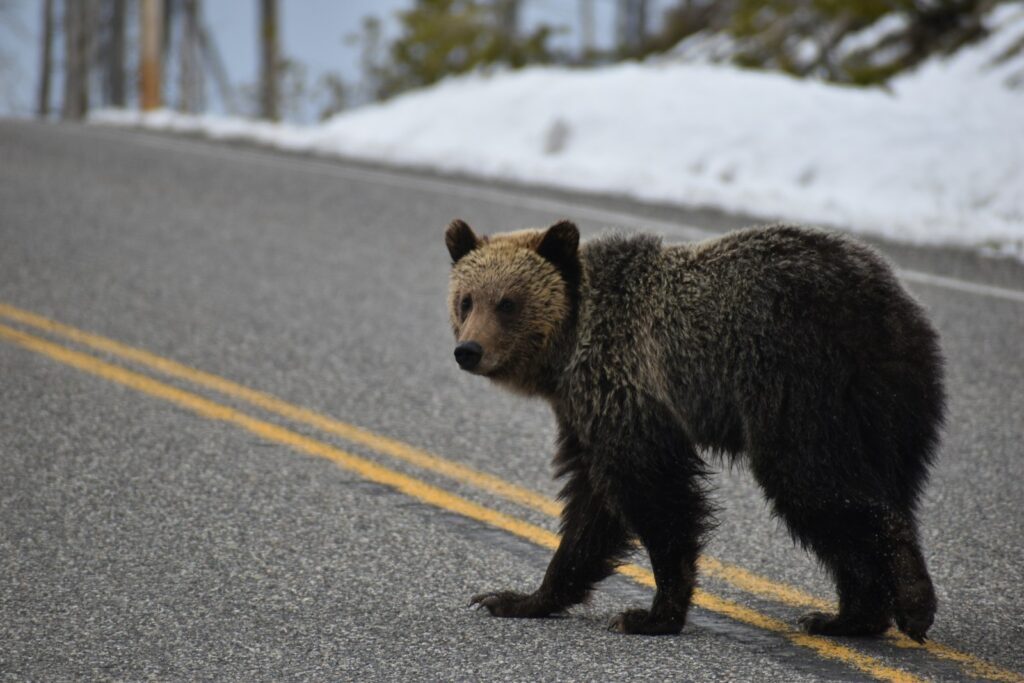
In 2011, Yellowstone witnessed a horrific attack when a grizzly with cubs killed 57-year-old hiker Brian Matayoshi on the Wapiti Lake Trail, with his wife witnessing the tragedy. The bear, known to researchers as bear #15, acted defensively after being surprised by the hikers on a blind curve in the trail. Following established protocol, park officials did not euthanize the bear since it displayed natural protective behavior rather than predatory instincts. Just two months later, however, the same bear was implicated in another fatal attack on hiker John Wallace. This sequence of events triggered intense debate about when problem bears should be removed, even when acting naturally. The case illustrated the difficult balance between preserving natural bear behavior and ensuring visitor safety.
Yellowstone’s Campground Horror (2010)
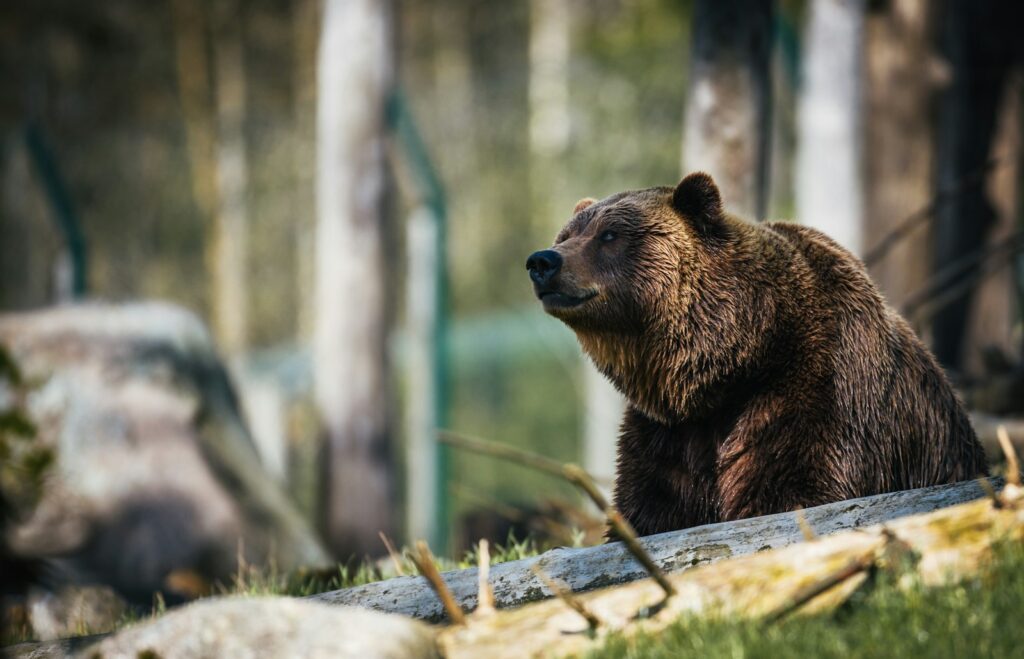
A particularly disturbing attack occurred in 2010 at Yellowstone’s Soda Butte Campground when a grizzly sow killed camper Kevin Kammer and injured two others in separate tents during a predatory midnight rampage. This case was exceptional because the bear’s behavior was clearly predatory rather than defensive, methodically attacking sleeping campers despite their food being properly stored. In the aftermath, wildlife officials captured the bear and her three cubs; tests confirmed the sow had attacked all three victims. Due to the predatory nature of the attacks, the mother bear was euthanized while her cubs were placed in a zoo. The incident highlighted the unsettling reality that even with perfect adherence to safety protocols, risk cannot be entirely eliminated in bear country.
Banff’s Backcountry Encounter (2005)
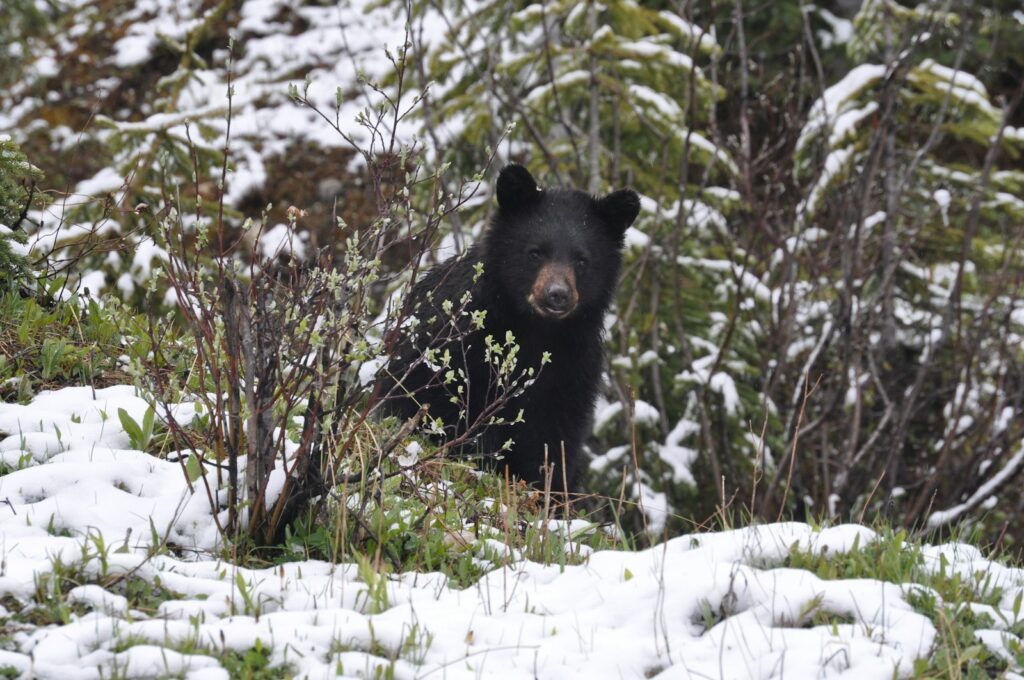
In 2005, Canada’s Banff National Park witnessed a tragic grizzly attack when Isabelle Dube, a competitive mountain biker and experienced outdoorswoman, was killed on the Bench Trail. Dube had been hiking with two companions when they encountered the bear, at which point the friends separated during their escape. The bear had been previously relocated from the Lake Louise area after displaying habituated behavior, but had returned to its original territory—a common occurrence that demonstrates the limitations of bear relocation programs. Following the attack, wildlife specialists determined that the bear had a jaw injury that could have impaired its ability to forage naturally, potentially contributing to its aggressive behavior. The incident prompted renewed discussions about the effectiveness of bear relocation and whether problem bears can be successfully integrated back into the wild.
Grand Teton’s Deadly Trail (2007)
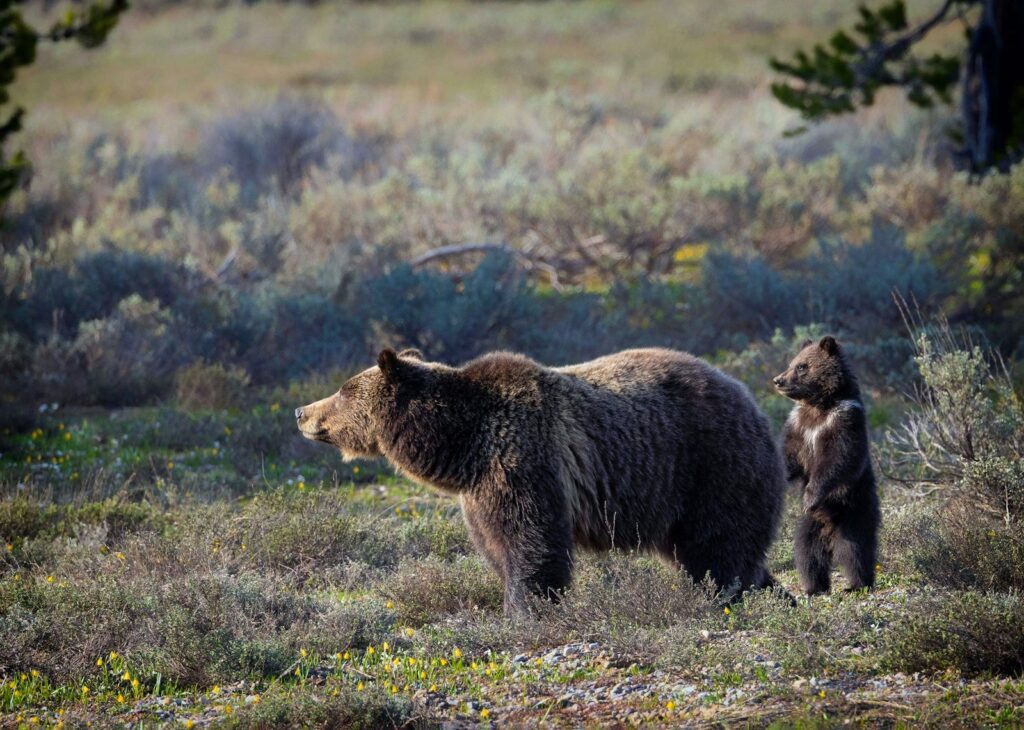
Grand Teton National Park experienced a rare fatal bear encounter in 2007 when a grizzly killed wildlife photographer Jim Cole on a remote backcountry trail. Remarkably, this was Cole’s second serious grizzly attack, having previously survived a mauling in Yellowstone in 1993. Despite his extensive bear country experience, Cole’s photography work often placed him in close proximity to bears, a practice criticized by some wildlife experts. When searchers found Cole’s body, evidence suggested he had tried to use bear spray but was unable to deploy it effectively. This case highlighted the risks faced by wildlife photographers and sparked debate about professional ethics regarding safe distances from dangerous animals. Following the incident, Grand Teton enhanced its backcountry permitting system to better educate solo hikers about bear safety.
Denali’s Documented Attack (2012)
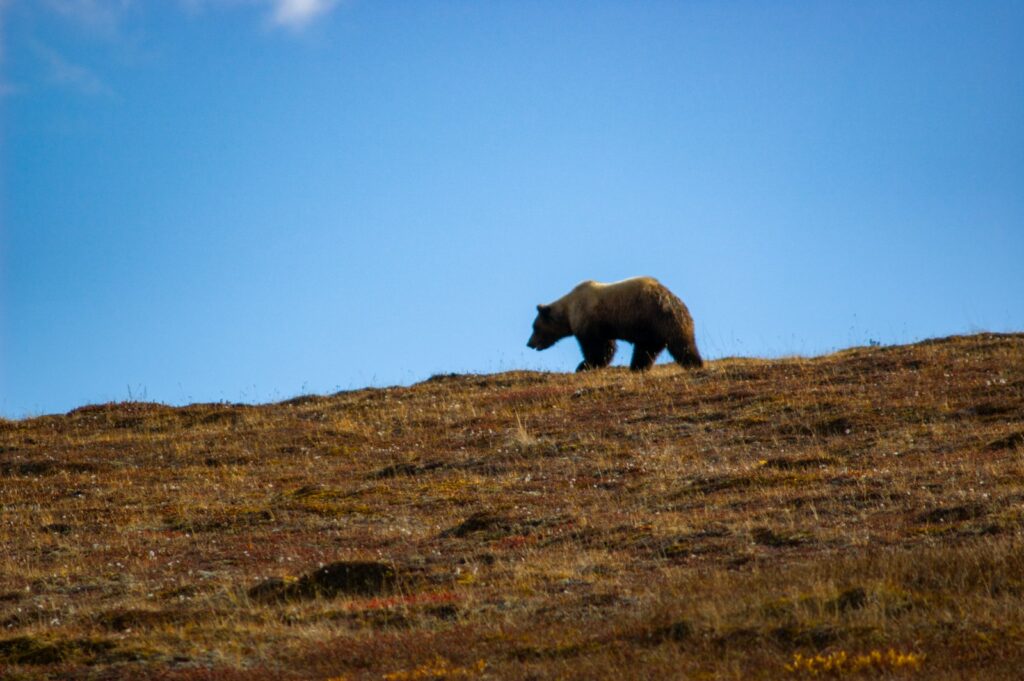
In 2012, Denali National Park experienced its first fatal bear attack when Richard White, a 49-year-old hiker from San Diego, was killed and partially consumed by a grizzly. White had encountered the bear while hiking alone and had photographed the animal for eight minutes before the attack, approaching much closer than the recommended safe distance of 300 yards. Rangers discovered the tragic scene after other hikers found a camera bag with blood on it and alerted authorities. Perhaps most chillingly, White’s own camera contained 26 images of the bear taken in the minutes before the attack, documenting his fatal error in judgment. Park officials were forced to kill the bear, which was still near White’s remains when rangers arrived.
The Paddler’s Nightmare: Gates of the Arctic (1987)
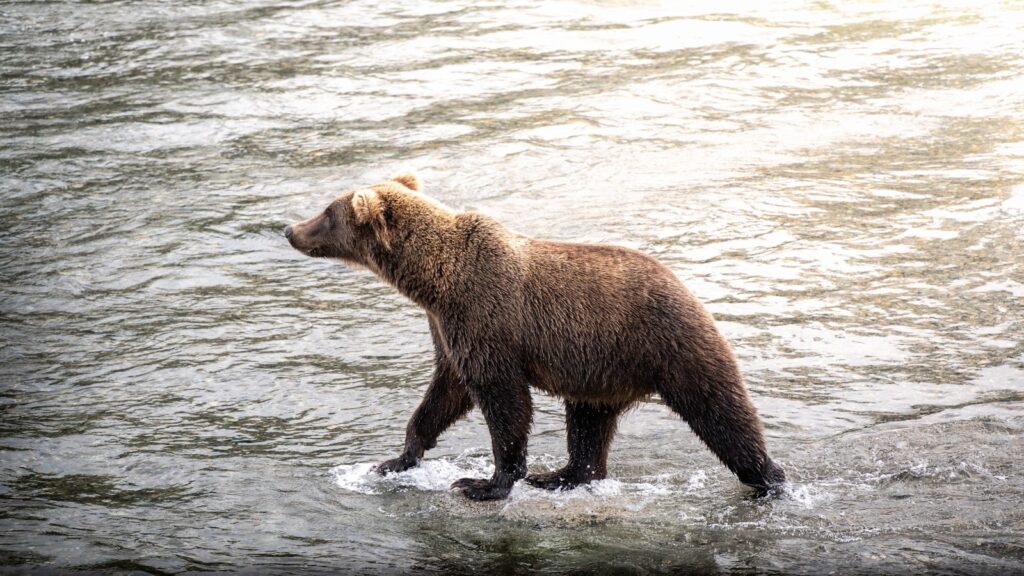
In one of the more remote bear attack incidents, kayaker Brigitta Fredenhagen was killed by a grizzly in 1987 while camping along Alaska’s Koyukuk River in Gates of the Arctic National Park. Fredenhagen, a wildlife biology student with significant wilderness experience, was on a solo expedition when the attack occurred. Her meticulous trip journal, recovered with her remains, indicated she had followed proper bear safety protocols, including hanging her food and making noise while traveling. This case was particularly disturbing to wilderness experts because it appeared Fredenhagen had done everything “by the book.” The remote location—involving a three-day journey just for rangers to reach the site—highlighted the inherent risks of extreme backcountry travel and the limitations of rescue operations in America’s most isolated parklands.
Lessons Learned and Modern Bear Management

Each tragic incident described has contributed to our evolving understanding of bear behavior and management. Modern national park bear policies emphasize prevention through visitor education, proper food storage requirements, and science-based response protocols when conflicts occur. Parks now employ specialized bear management teams, conduct extensive research on bear movements and behavior, and have developed sophisticated forensic techniques to understand the circumstances of attacks. Perhaps most importantly, parks have shifted from viewing bears as tourist attractions to respecting them as essential components of natural ecosystems. Research shows that despite increased park visitation, bear attacks have actually decreased in frequency over recent decades—a testament to improved management techniques and visitor compliance with safety guidelines.
Surviving Bear Country: Practical Takeaways
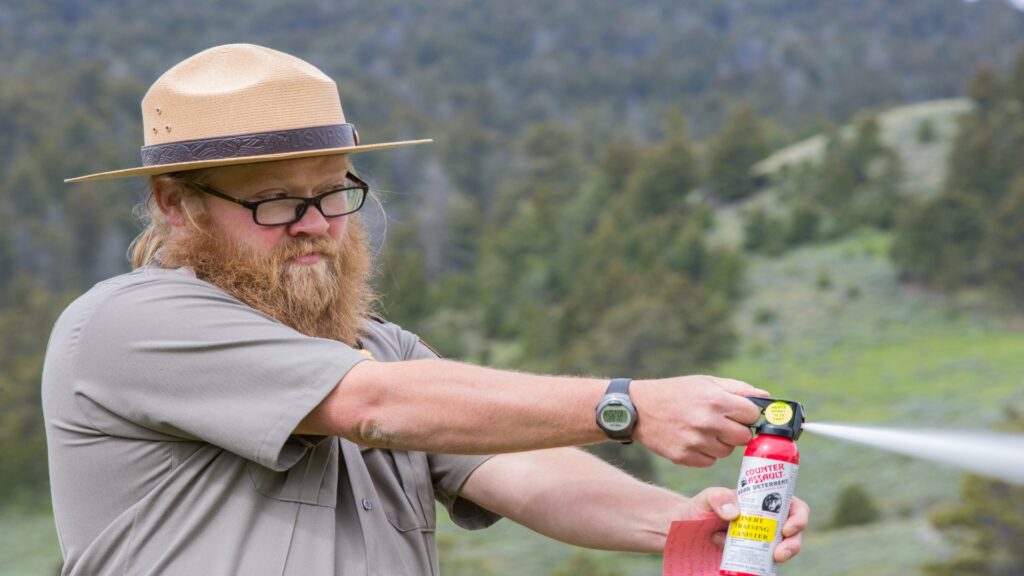
The sobering history of bear attacks offers valuable lessons for modern park visitors. Carrying and knowing how to use bear spray has repeatedly proven to be the most effective deterrent, more successful than firearms in preventing injury during bear encounters. Hiking in groups, making noise on trails, properly storing food and scented items, and maintaining safe distances from wildlife are all critical practices. Understanding the difference between defensive and predatory bear behavior can inform appropriate responses—playing dead may help during a defensive attack from a grizzly, while fighting back is recommended during a predatory attack or any black bear encounter. Perhaps most importantly, these incidents remind us that national parks are not zoos or theme parks, but wild places where magnificent predators must be respected on their own terms.
Conclusion
These infamous bear attacks, while statistically rare, have fundamentally shaped our relationship with one of North America’s most iconic predators. Each tragedy contains valuable lessons—about bear behavior, human error, and the delicate balance between wildlife conservation and public safety. The evolution of bear management in our national parks represents one of conservation’s great success stories, with modern visitors now able to enjoy these magnificent animals at safe distances while respecting their wild nature. While we can never eliminate all risk in bear country, understanding these historic encounters helps us appreciate both the genuine danger and extraordinary value of preserving these apex predators in their natural habitats. The legacy of these incidents lives on in every properly hung food bag, every carried can of bear spray, and every wild bear that continues to roam freely in our national treasures.