

Against the pristine white backdrop of the Arctic tundra, a striking figure emerges – the snowy owl, a majestic predator that has captivated humans for centuries. With their ghostly plumage and piercing yellow eyes, these remarkable birds are perhaps the most iconic inhabitants of the far north. Unlike most owls who shroud themselves in darkness, snowy owls hunt during daylight hours in the land of the midnight sun, making them uniquely visible yet mysteriously elusive. Their lives, adapted to one of Earth’s harshest environments, reveal extraordinary survival strategies and behaviors that scientists are still working to fully understand. Join us as we venture into the frozen wilderness to uncover the secretive world of these magnificent Arctic sentinels.
Arctic Masters: The Geographic Range of Snowy Owls

Snowy owls (Bubo scandiacus) are circumpolar birds, inhabiting the Arctic regions that encircle the North Pole across North America, Europe, and Asia. Their primary breeding grounds stretch across the tundra landscapes of Alaska, northern Canada, Greenland, Scandinavia, Russia, and occasionally Iceland. Unlike many Arctic species, snowy owls don’t always remain in the far north year-round, often undertaking irregular migrations southward when food becomes scarce in their native habitat. During these irruptive migrations, these nomadic hunters have been spotted as far south as the northern United States, with occasional sightings even in states like Oklahoma, Texas, and Florida during particularly significant irruption years. Their capacity to travel such vast distances demonstrates their remarkable adaptability and has allowed researchers to track complex migration patterns that often correlate with fluctuations in prey populations rather than simple seasonal changes.
Ghosts of the Tundra: Physical Characteristics
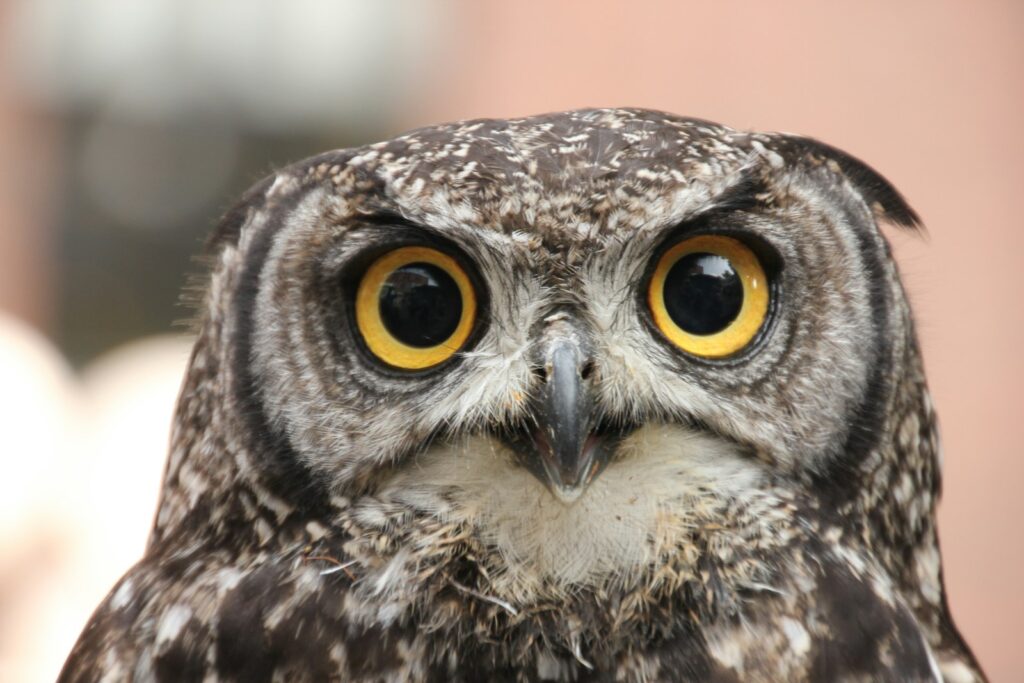
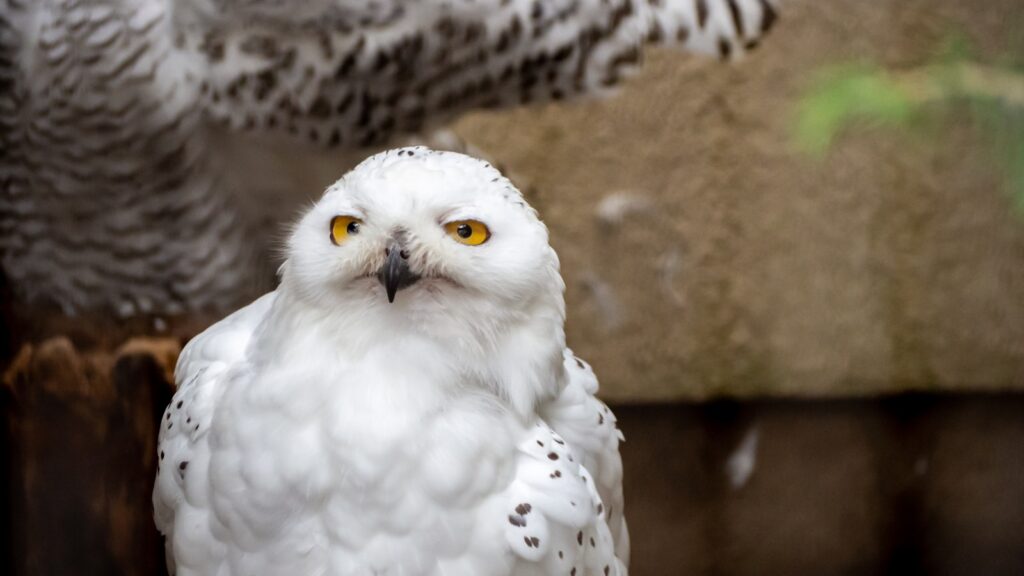
The snowy owl’s most striking feature is undoubtedly its distinctive white plumage, which provides perfect camouflage against snow-covered landscapes. Contrary to popular belief, only mature males display nearly pure white feathering; females and juveniles bear dark barring patterns that help them blend into the varied tundra terrain during summer months when snow coverage diminishes. These powerful birds are among the largest owl species, with wingspans reaching an impressive 4.5 to 5.5 feet and weighing between 3.5 to 6.5 pounds, with females typically larger than males—a common trait in raptors known as reverse sexual dimorphism. Their dense feathering extends to their legs and feet, creating natural “snowshoes” that insulate against freezing temperatures and facilitate silent movement across snow. Perhaps most captivating are their brilliant yellow eyes, which remain fixed in their sockets, requiring the owl to rotate its head—up to 270 degrees—to change its field of vision.
Daylight Hunters: Unique Hunting Behaviors
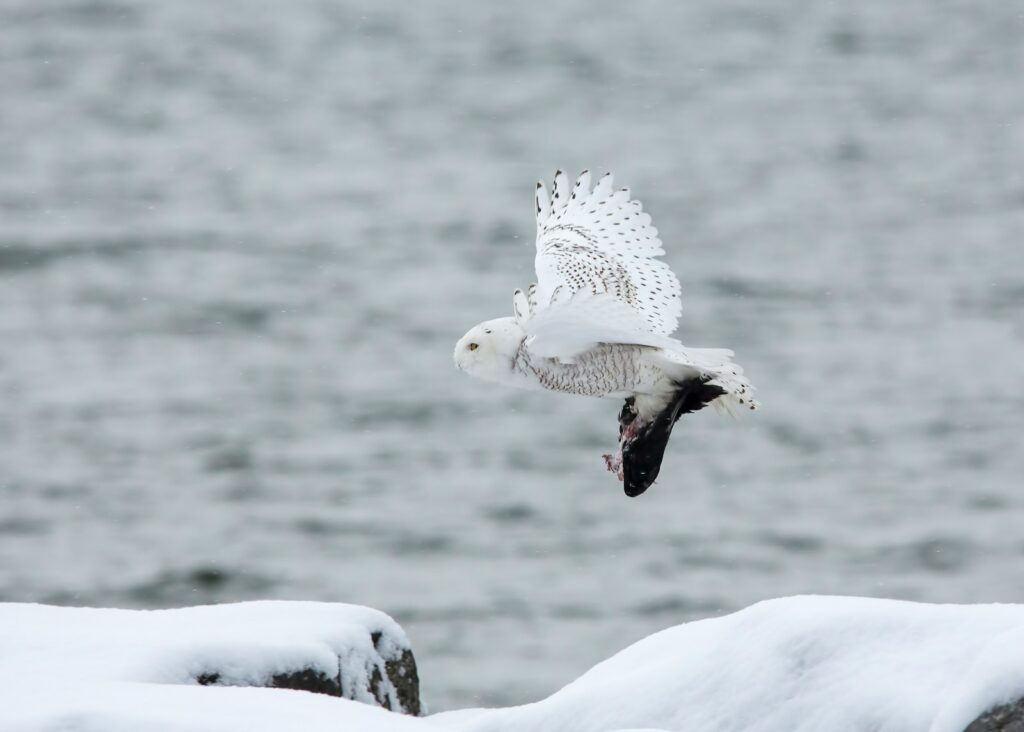
Unlike the majority of owl species that hunt under the cover of darkness, snowy owls are primarily diurnal or crepuscular hunters, active during daylight and twilight hours. This adaptation is a direct response to the Arctic’s extreme seasonal light patterns, where summer brings near-constant daylight and winter plunges the landscape into extended darkness. These patient predators often employ a “sit-and-wait” hunting strategy, perching atop elevated areas like mounds, rocks, or fence posts to survey their surroundings before launching into remarkably swift, powerful flights when prey is spotted. Their hunting success relies on exceptional vision capable of detecting movement from over a mile away, complemented by asymmetrical ear placement that allows triangulation of sounds beneath the snow with remarkable precision. When lemmings or other prey move beneath a blanket of snow, snowy owls can pinpoint their location and punch through snow crusts up to a foot thick with their strong, feathered talons to secure a meal that they never saw with their eyes.
The Lemming Connection: Diet and Prey Relationships
The ecological relationship between snowy owls and lemmings represents one of nature’s most fascinating predator-prey dynamics, with these small Arctic rodents constituting up to 90% of the owl’s diet during peak abundance years. This specialized feeding relationship is so pronounced that snowy owl reproductive success and population movements are directly tied to cyclical lemming populations, which typically fluctuate in 3-5 year boom-and-bust cycles. During lemming population explosions, a single snowy owl can consume 3-5 lemmings daily, with breeding pairs needing to capture 1,000-1,600 lemmings to successfully raise a single clutch of owlets. When lemming numbers crash, these adaptable predators expand their menu to include Arctic hares, ptarmigan, seabirds, ducks, fish, and even carrion in coastal areas. Recent research has revealed that coastal-dwelling snowy owls may have more diverse diets than previously thought, suggesting regional specializations and feeding adaptations that help these birds survive in various Arctic ecosystems.
Nomads of the North: Migration Mysteries
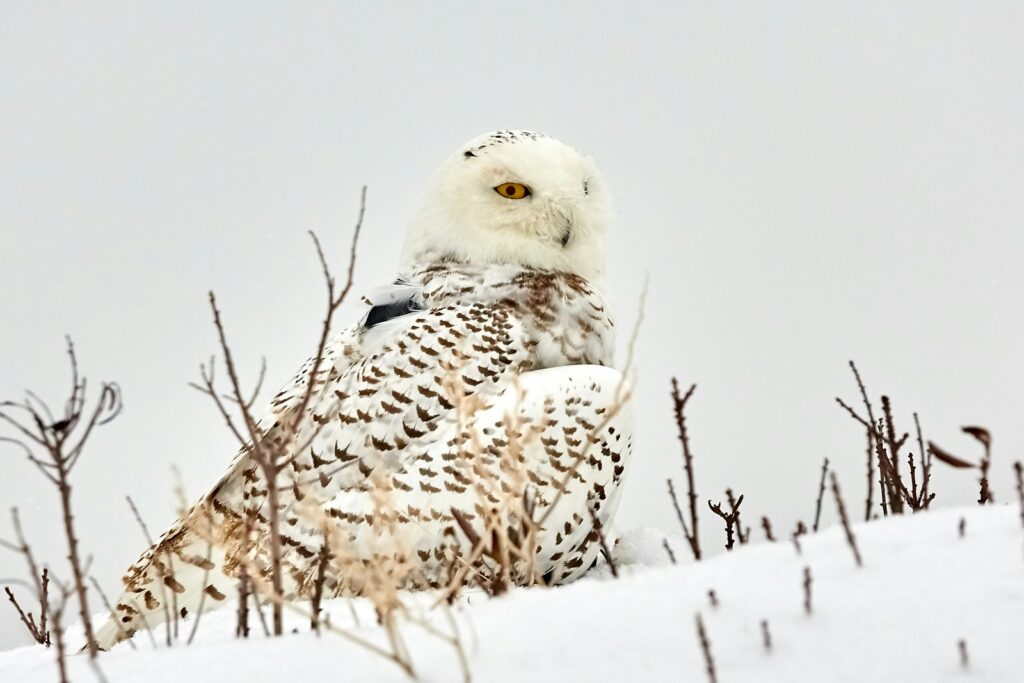
The migration patterns of snowy owls have long puzzled ornithologists, as they don’t follow the predictable annual movements typical of most migratory birds. Instead, they exhibit what scientists call “irruptive migration,” with large numbers suddenly appearing far south of their Arctic breeding grounds in some winters but not others. These irruptions were traditionally believed to occur primarily when lemming populations crashed, forcing owls southward in search of food. However, recent tracking studies using GPS technology have revealed a more complex picture, suggesting that many irruptions actually occur following highly successful breeding seasons when competition for food among the abundant young owls drives dispersal. Individual owls show remarkable variation in their movement patterns; some remain in the Arctic year-round, others migrate predictably, while still others wander nomadically across vast distances with no discernible pattern. One tracked female traveled more than 7,000 miles in a single year, ranging from the Canadian Arctic to Russia’s Far East and back, demonstrating the species’ extraordinary mobility and challenging our understanding of avian migration.
Courtship on Ice: Breeding and Nesting Behaviors
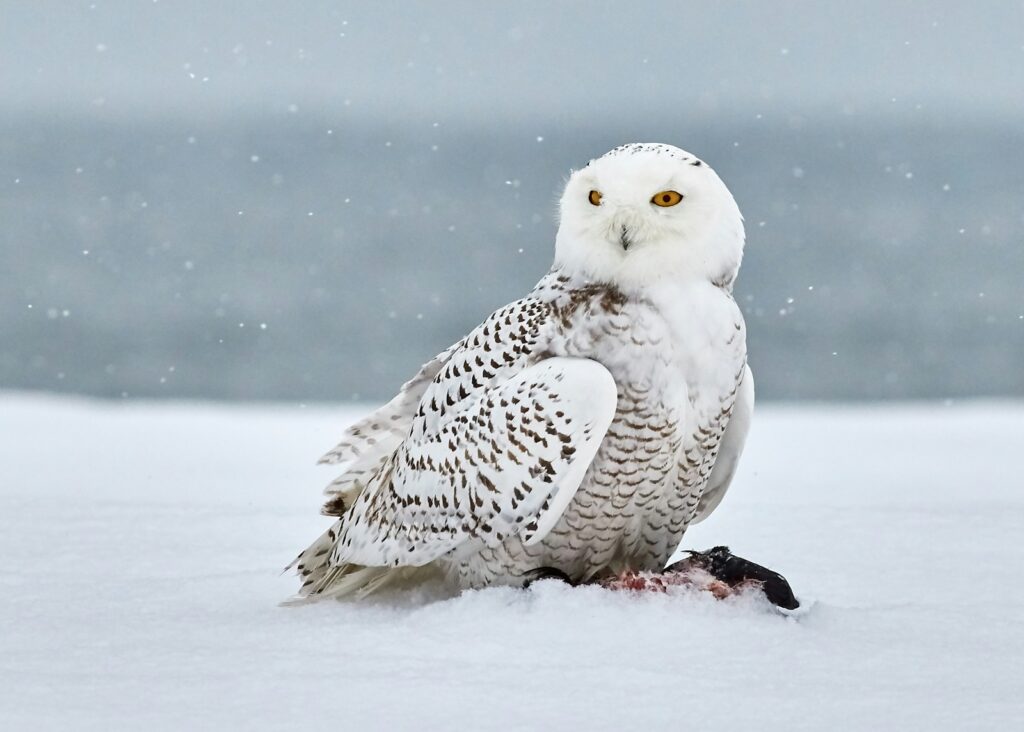
The breeding season for snowy owls begins in May as the Arctic spring brings increasing daylight, triggering complex courtship rituals across the tundra landscape. Male snowy owls establish territories and perform elaborate flight displays, carrying lemmings or other prey in their beaks while executing dramatic aerial maneuvers to attract females. Unlike most owl species, snowy owls nest directly on the ground, with females creating shallow scrapes on elevated, well-drained terrain that offers good visibility of surrounding areas. These simple nest sites, often adorned with a few feathers or bits of vegetation, are typically positioned on windswept ridges or hummocks where snow melts first in spring. Clutch sizes vary dramatically based on food availability, ranging from 3-5 eggs in average years to an extraordinary 8-14 eggs during lemming population explosions, demonstrating the species’ remarkable ability to capitalize on abundant food resources. Both parents remain fiercely protective of the nest site, with females primarily incubating the eggs while males provide food and stand guard, often attacking much larger animals—including humans—that venture too close to their vulnerable offspring.
From Egg to Hunter: The Development of Young Owls
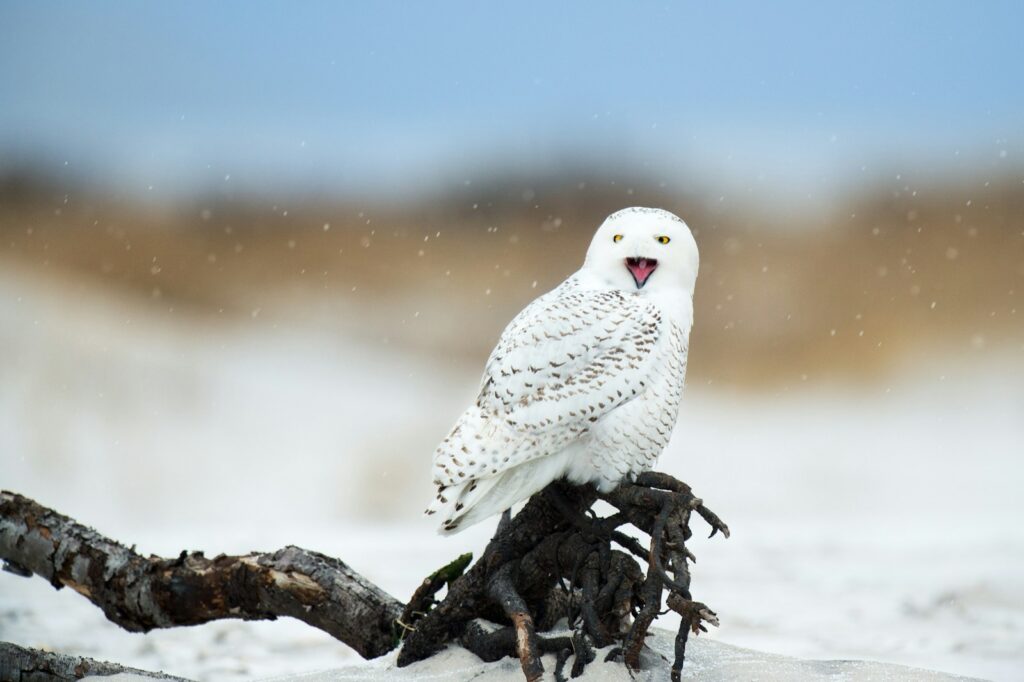
The journey from helpless hatchling to formidable Arctic predator begins when snowy owl eggs hatch asynchronously after approximately 32 days of incubation, creating age and size hierarchies within broods. Newly hatched owlets weigh just 40-50 grams and are covered in white down that gradually transitions to juvenile plumage as they develop. During the first two weeks, the female rarely leaves the nest, brooding the young constantly while the male delivers prey items that she tears into manageable pieces for the owlets. By three weeks of age, the rapidly growing young begin to explore the area immediately surrounding the nest site, a behavior ornithologists call “nest leaving” rather than true fledging. This ground-nesting adaptation allows the still-flightless owlets to scatter and hide among rocks and vegetation when predators approach. The young owls don’t achieve full flight capabilities until 7-8 weeks of age, though they remain dependent on their parents for food for several additional weeks as they perfect their hunting skills. By late summer, the juvenile owls disperse from their natal territories, beginning their independent lives as they face their first Arctic winter.
Silent Sentinels: Communication and Vocalizations

Despite their reputation for silence, snowy owls possess a diverse vocal repertoire that serves critical functions in territorial defense, courtship, and parent-offspring communication. The male’s territorial and courtship call is a deep, resonant “hoo-hoo” that can carry across the open tundra for remarkable distances, particularly during the still Arctic nights. Females produce a higher-pitched, more raspy call that some researchers describe as having a shrill quality compared to the male’s deeper hooting. When threatened or defensive, both sexes emit an intense hissing along with bill-snapping behaviors that serve as warning signals to potential predators or competitors. Young owlets communicate their hunger with high-pitched begging calls that intensify as feeding time approaches, helping parents locate them among the tundra vegetation where they often disperse for safety. Unlike forest-dwelling owl species that rely heavily on vocal communication in dense vegetation, snowy owls have evolved to use visual signals extensively in their open habitat, including distinctive postures and behaviors that communicate aggression, submission, or courtship intentions across the vast Arctic landscape.
Winter Warriors: Cold-Weather Adaptations
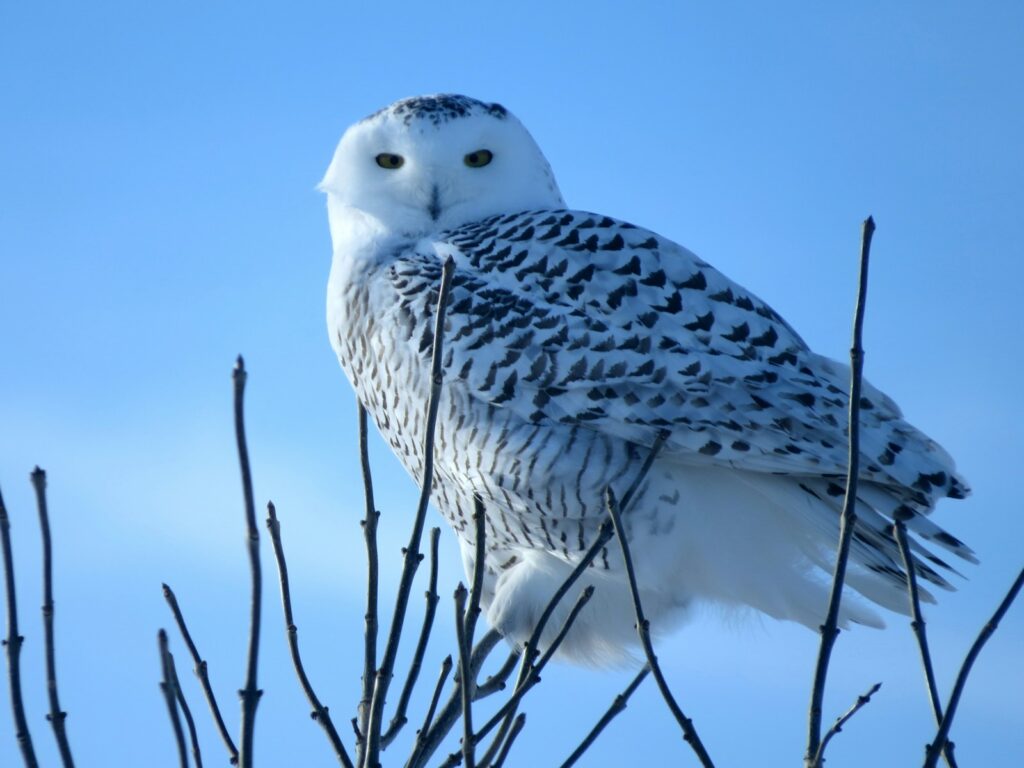
Snowy owls have evolved an impressive array of physiological and behavioral adaptations that allow them to thrive in one of Earth’s most hostile environments, where winter temperatures can plunge below -40°F with punishing winds. Their superb insulation begins with exceptionally dense plumage—an estimated 9,000 feathers covering their bodies, nearly twice the number found in similarly sized owls from temperate regions. This thick feathering extends to their legs and toes, effectively creating natural “snowshoes” that both insulate against cold surfaces and distribute their weight when walking on snow. Beneath their feathers, snowy owls maintain a core body temperature of approximately 104°F, supported by a specialized countercurrent heat exchange system in their extremities that minimizes heat loss while maintaining sufficient blood flow to prevent tissue damage. Their remarkable metabolic efficiency allows them to survive long periods between successful hunts, with studies suggesting they can endure up to 40 days without food by slowing their metabolism and drawing on substantial fat reserves. When conditions become particularly harsh, these resourceful birds will dig shallow depressions in the snow, creating makeshift shelters that provide protection from the Arctic’s relentless winds.
Cultural Significance: Snowy Owls in Human Society
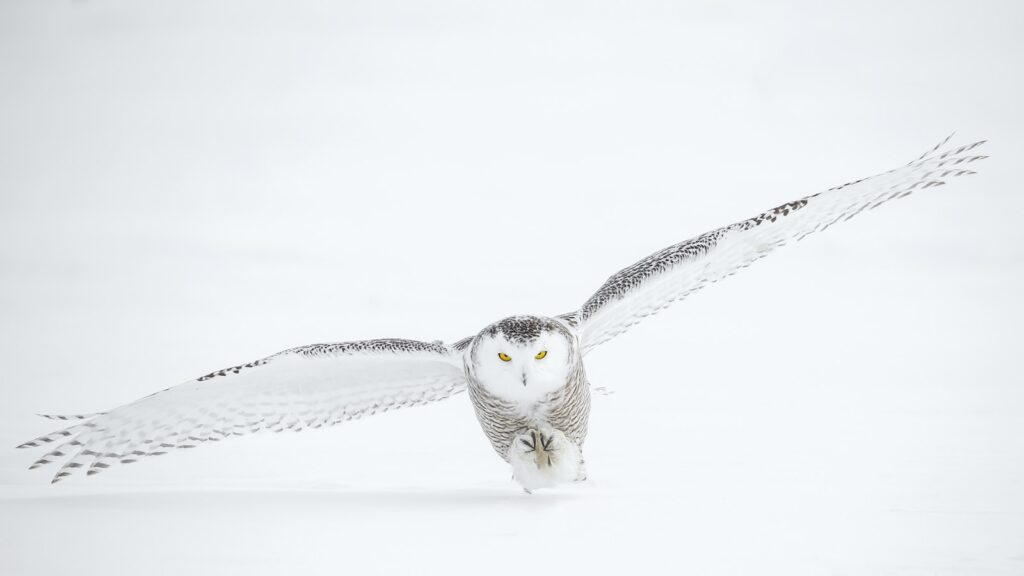
Throughout human history, snowy owls have occupied a significant place in the mythology, art, and cultural practices of northern peoples. For many Inuit and other indigenous Arctic communities, the snowy owl (known as “ukpik” in Inuktitut) is considered a powerful spirit associated with wisdom, patience, and successful hunting, often featuring prominently in traditional stories and shamanic practices. The birds’ striking appearance has made them iconic symbols in modern popular culture as well, most famously as Hedwig in the Harry Potter series, which sparked renewed public interest in these magnificent creatures. Wildlife photographers and birdwatchers eagerly anticipate southern irruption years, when the typically remote owls become more accessible, sometimes creating controversial “owl jams” as enthusiasts crowd around individual birds. This cultural significance has proven valuable for conservation efforts, as snowy owls often serve as charismatic ambassadors for Arctic conservation initiatives, helping researchers raise awareness about climate change impacts on northern ecosystems. In scientific contexts, the species has contributed to our understanding of raptor biology, predator-prey dynamics, and the complex ecological relationships that sustain Arctic biodiversity.
Threats on the Horizon: Conservation Challenges
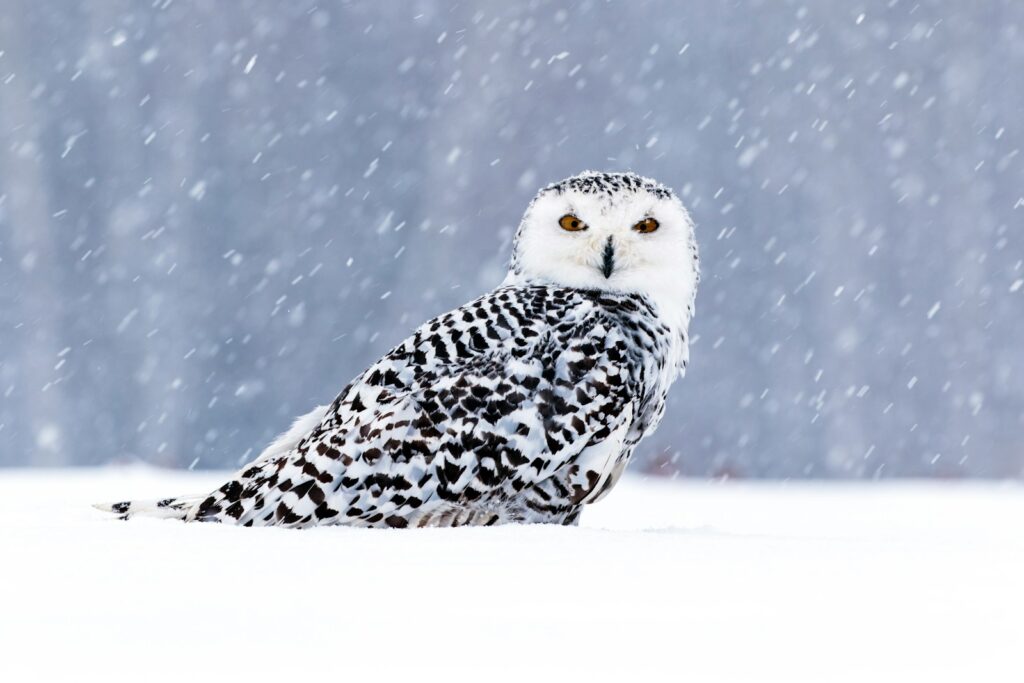
Despite their remarkable adaptability, snowy owls face mounting pressures from human activity and environmental change that threaten their long-term survival. Climate change represents perhaps the most significant challenge, as warming temperatures alter Arctic ecosystems and potentially disrupt the boom-and-bust cycles of lemming populations upon which the owls depend for successful reproduction. Increased industrial development, including oil and gas extraction and mining operations, continues to encroach on critical breeding habitat, while collisions with vehicles, power lines, and wind turbines pose serious risks during the owls’ southern migrations. When hunting in agricultural areas, these predators face secondary poisoning from rodenticides that accumulate in their prey, causing internal hemorrhaging and death. The International Union for Conservation of Nature (IUCN) reclassified snowy owls from “Least Concern” to “Vulnerable” in 2017, acknowledging a global population decline estimated at 30-49% over three generations. Conservation efforts have focused on habitat protection, research to better understand migration patterns and critical habitat requirements, and public education campaigns to reduce human disturbance during winter irruptions when these normally remote birds come into closer contact with people.
Technological Insights: Modern Research Methods
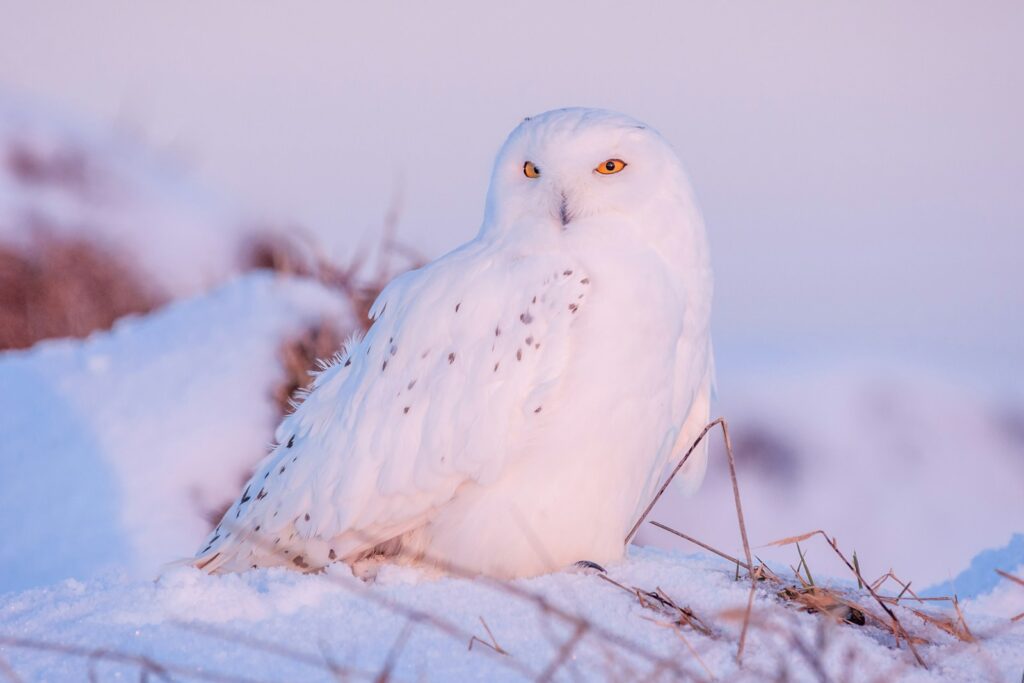
Advances in tracking technology have revolutionized snowy owl research, providing unprecedented insights into their mysterious lives across the vast Arctic wilderness. Project SNOWstorm, launched following the massive winter irruption of 2013-2014, has equipped numerous owls with solar-powered GPS-GSM transmitters that record remarkably detailed movement data, including precise locations, altitude, and speed measurements taken at 30-second intervals. These sophisticated devices, weighing less than 40 grams, transmit data via cellular networks when owls move within range of cell towers, creating comprehensive movement maps that have shattered previous assumptions about migration patterns and hunting behaviors. Complementing this tracking work, non-invasive research methods including genetic analysis of feathers and pellets provide valuable information about population structure, diet composition, and exposure to environmental contaminants without requiring direct handling of the birds. High-resolution satellite imagery now allows researchers to remotely monitor breeding populations in previously inaccessible Arctic regions, while climate models help predict future habitat conditions and potential range shifts. Citizen science initiatives have also proven invaluable, with platforms like eBird mobilizing thousands of volunteer observers to document snowy owl sightings, creating vast datasets that help track population trends and distribution patterns across North America and beyond.
Observers and Ambassadors: Ethical Wildlife Viewing
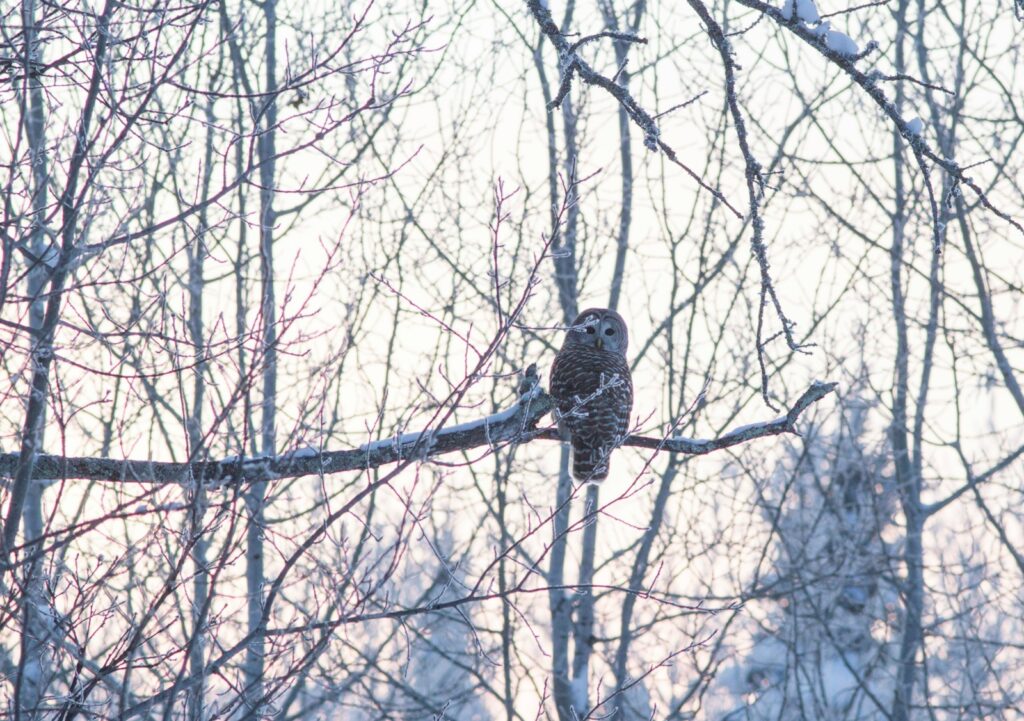
The magnificent appearance and daytime activity of snowy owls make them particularly appealing to wildlife enthusiasts, but this popularity creates challenges for birds already coping with the stresses of migration and winter survival. Responsible observation begins with maintaining a respectful distance of at least 100 meters (approximately 330 feet), using spotting scopes or binoculars rather than approaching closely for photographs. Ethical wildlife viewers understand that signs of stress, including alert postures, frequent head-turning, or flight, indicate that observers should immediately increase their distance from the bird. Winter is an especially critical time to minimize disturbance, as the owls must conserve energy for survival; forcing a snowy owl to repeatedly fly away from approaching photographers can deplete valuable energy reserves and potentially compromise its survival. Conservation organizations have developed specific snowy owl viewing guidelines that discourage baiting (offering mice or other lures to attract the birds), playing recorded owl calls, or revealing specific locations of roosting owls on social media platforms. Professional wildlife guides and photography workshop leaders bear particular responsibility for modeling ethical practices, ensuring these magnificent Arctic visitors are treated with the respect they deserve while fostering a deeper public appreciation for their conservation needs.
Conclusion
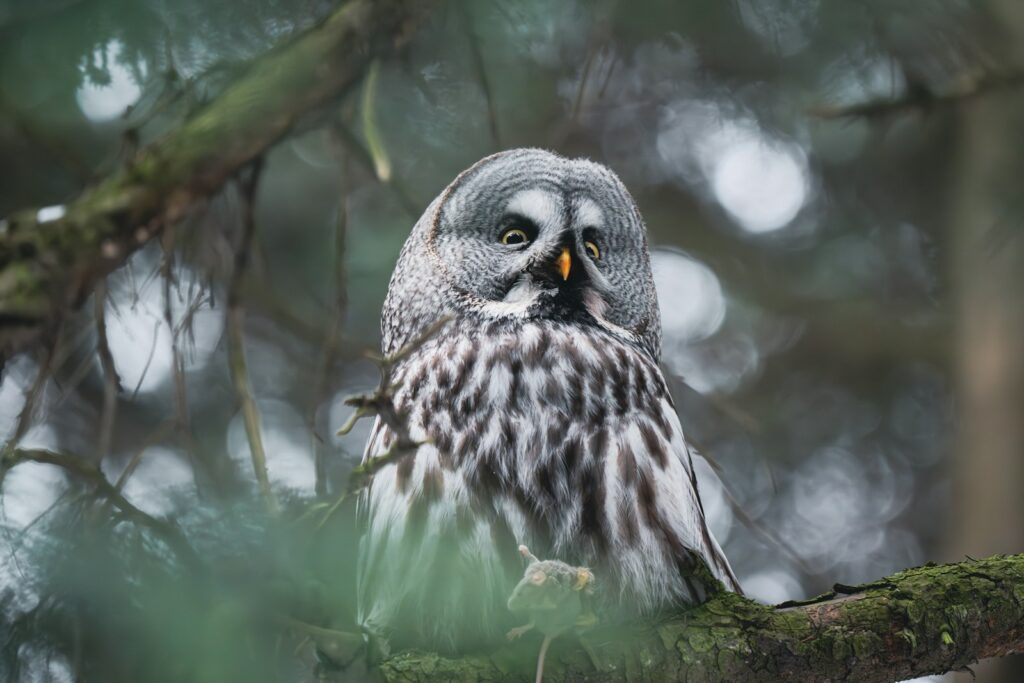
The snowy owl stands as a living embodiment of the Arctic’s harsh beauty and resilience—a creature perfectly adapted to thrive in one of Earth’s most challenging environments. From their remarkable hunting prowess to their complex migration patterns, these birds continue to captivate scientists and wildlife enthusiasts alike. As climate change transforms their northern homeland at an unprecedented rate, the future of these magnificent predators remains uncertain. What is clear, however, is that the more we learn about the secretive lives of snowy owls, the better equipped we become to protect them and the fragile Arctic ecosystems they inhabit. Through continued research, conservation efforts, and public education, we can help ensure that future generations will still marvel at the sight of these ghostly hunters soaring across the northern horizon.