

Deep in the heart of American folklore lurks a creature as enigmatic as it is beloved—the jackalope. With the body of a jackrabbit and the proud antlers of an antelope, this curious hybrid has carved out a special place in Western mythology. From roadside attractions to tall tales told around campfires, the jackalope represents something uniquely American: a blend of frontier imagination, entrepreneurial spirit, and playful deception. But what lies behind this enduring myth? Is the jackalope merely a taxidermy hoax, or does it represent something deeper in our cultural consciousness? This article explores the fascinating world of America’s most famous cryptid, tracing its origins, cultural impact, and the surprising scientific realities that may have inspired its creation.
Origins of the Jackalope Legend
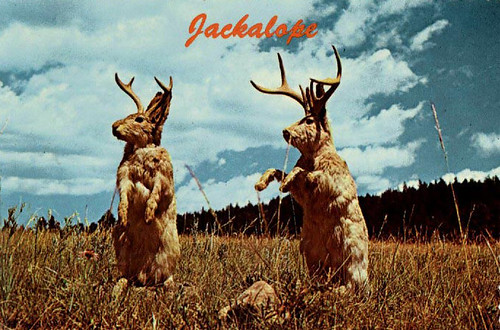
While the jackalope gained widespread popularity in the 20th century, tales of horned rabbits date back centuries across multiple continents. Medieval European texts occasionally mentioned antlered hares, and similar creatures appear in various folklore traditions. However, the modern American jackalope legend is most commonly attributed to Douglas Herrick and his brother Ralph, two Wyoming taxidermists who in 1932 created the first mounted jackalope specimen. The story goes that Douglas, returning from a hunting trip, tossed a rabbit carcass on the floor near some deer antlers, inspiring the whimsical creation that would become an American icon. The brothers began selling their creations to local businesses and tourists, unwittingly launching what would become one of America’s most enduring cryptozoological myths. Their hometown of Douglas, Wyoming still proudly claims the title of “Jackalope Capital of the World.”
The Anatomy of a Myth
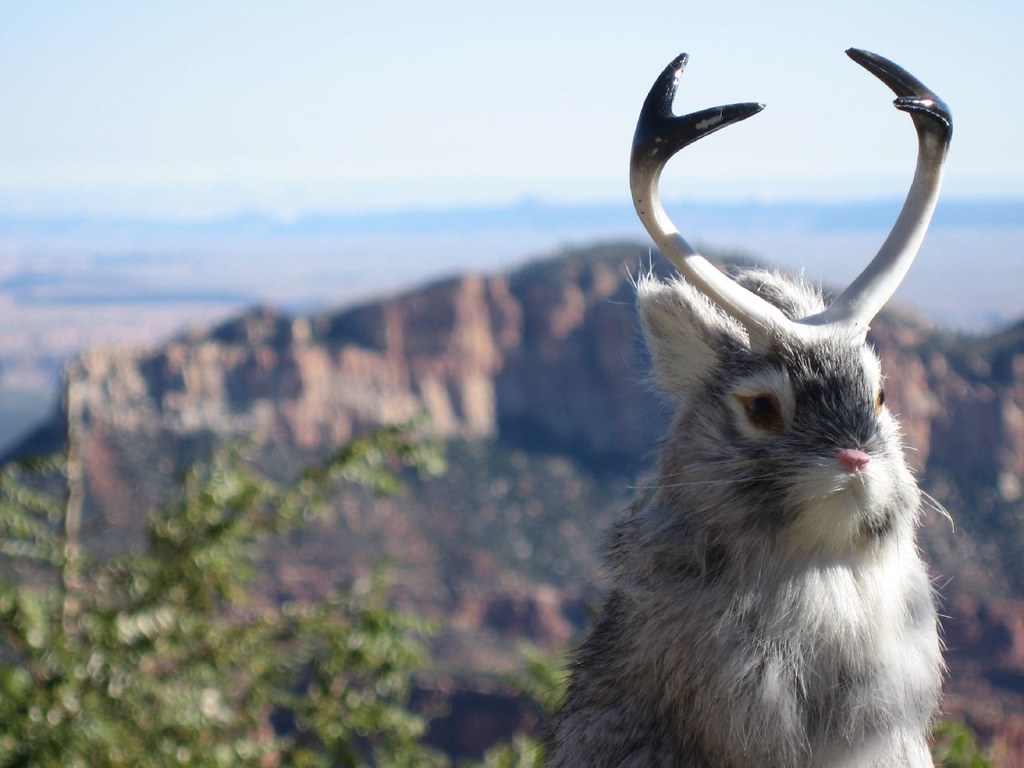
The classic jackalope is described as a jackrabbit (Lepus townsendii) sporting pronghorn antelope horns, though depictions vary from deer antlers to elaborate, multi-pointed racks. Beyond its distinctive headgear, folklore has endowed the jackalope with numerous extraordinary characteristics. These mythical creatures are said to be exceedingly fast, able to mimic human voices, and particularly fond of whiskey, which cowboys allegedly used to slow them down enough for capture. Some tales claim jackalopes are only active during lightning storms or can only breed during hailstorms, explaining their rarity. The most elaborate legends describe how jackalopes developed their voice-mimicking abilities to confuse predators and hunters, often repeating phrases they’d overheard from unsuspecting cowboys. These embellishments exemplify the evolving nature of folklore, with each storyteller adding their own flourish to the creature’s mythology.
The Science Behind the Myth
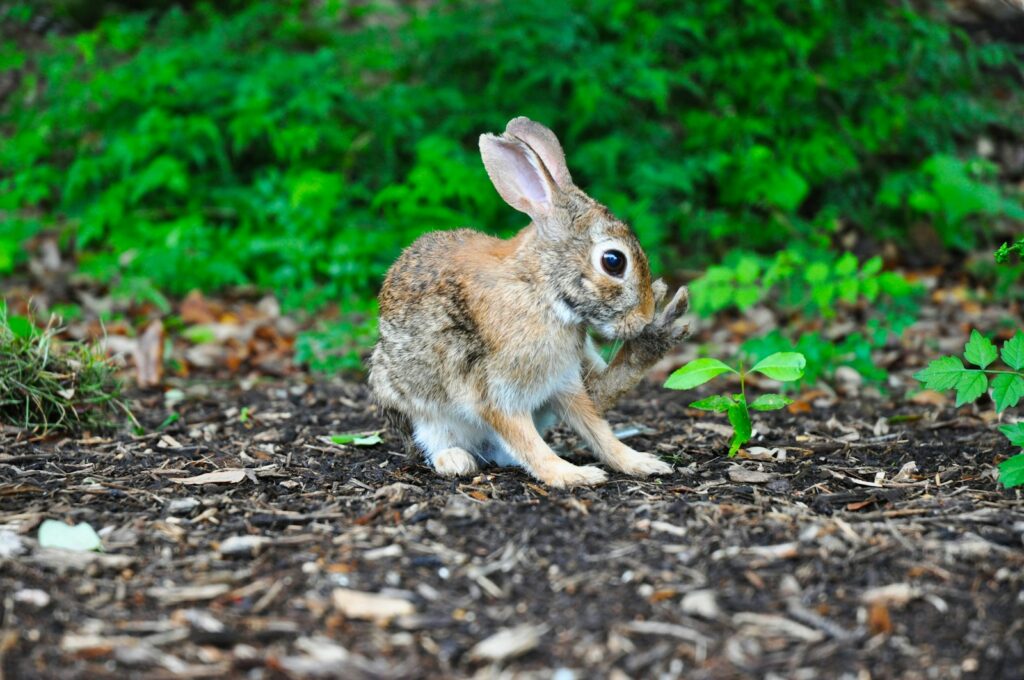
While jackalopes don’t exist as described in folklore, there is a scientific basis that may have inspired early sightings of “horned rabbits.” The Shope papilloma virus, first described by Dr. Richard E. Shope in the 1930s, causes horn-like growths on rabbits and hares that can be strikingly similar to antlers. These keratinous growths, actually a form of cancer, can appear on the head, face, and body of infected rabbits. When early settlers or hunters encountered rabbits with these growths, it would have been natural to describe them as horned or antlered. Interestingly, this virus is related to human papillomavirus (HPV) and has been important in cancer research. The cottontail rabbit papilloma virus, as it’s also known, represents one of the first viruses discovered to cause cancer in mammals, making the humble jackalope inadvertently significant to medical science.
Jackalopes in American Popular Culture
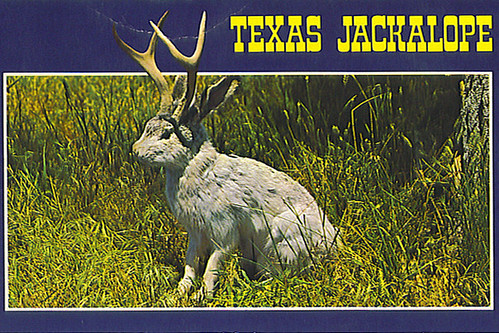
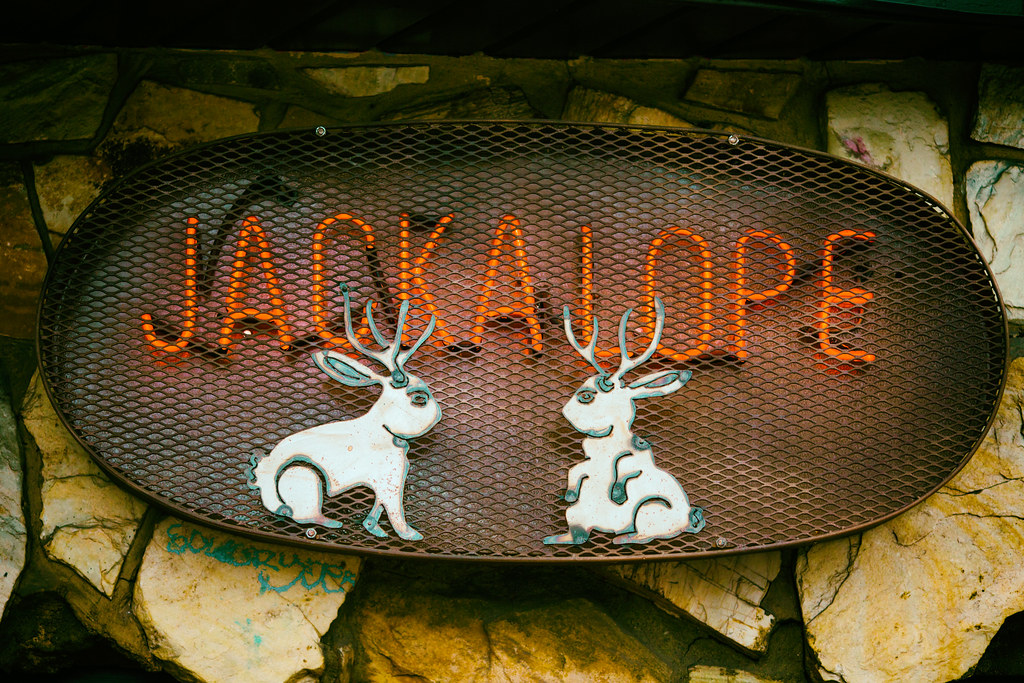
Few mythical creatures have permeated American popular culture as thoroughly as the jackalope. From postcards to taxidermy mounts in countless bars and restaurants, the jackalope has become a staple of Western kitsch. Wyoming has embraced the legend particularly enthusiastically, with Douglas issuing thousands of jackalope hunting licenses (valid only on June 31st, naturally, a date that doesn’t exist). The creature has appeared in television shows, including “America’s Funniest People” and an episode of “Scooby-Doo,” as well as being featured in video games like “Red Dead Redemption.” Several companies have adopted the jackalope as their mascot or namesake, including Jackalope Brewing Company in Nashville and numerous gift shops throughout the American West. The jackalope’s enduring appeal lies in its perfect blend of the familiar and the fantastic—just strange enough to captivate the imagination, yet plausible enough to almost believe.
Regional Variations of the Legend
As with any good piece of folklore, the jackalope legend has developed distinct regional variations across the United States. In the Southwest, particularly in Texas and New Mexico, jackalopes are sometimes described as having the ability to imitate coyote calls or the sounds of Native American flutes. The Pacific Northwest boasts tales of a more fearsome variety known as the “brush wolf jackalope,” purportedly larger and more aggressive than its Wyoming cousin. In parts of Colorado, local lore claims jackalopes can predict weather changes and grow extra tines on their antlers during harsh winters. Minnesota’s “ice jackalope” supposedly develops a white winter coat and can run across frozen lakes without breaking the ice. These regional adaptations reflect both the geographic diversity of the United States and the universal human tendency to customize folklore to fit local environments and cultural contexts.
The Taxidermy Tradition
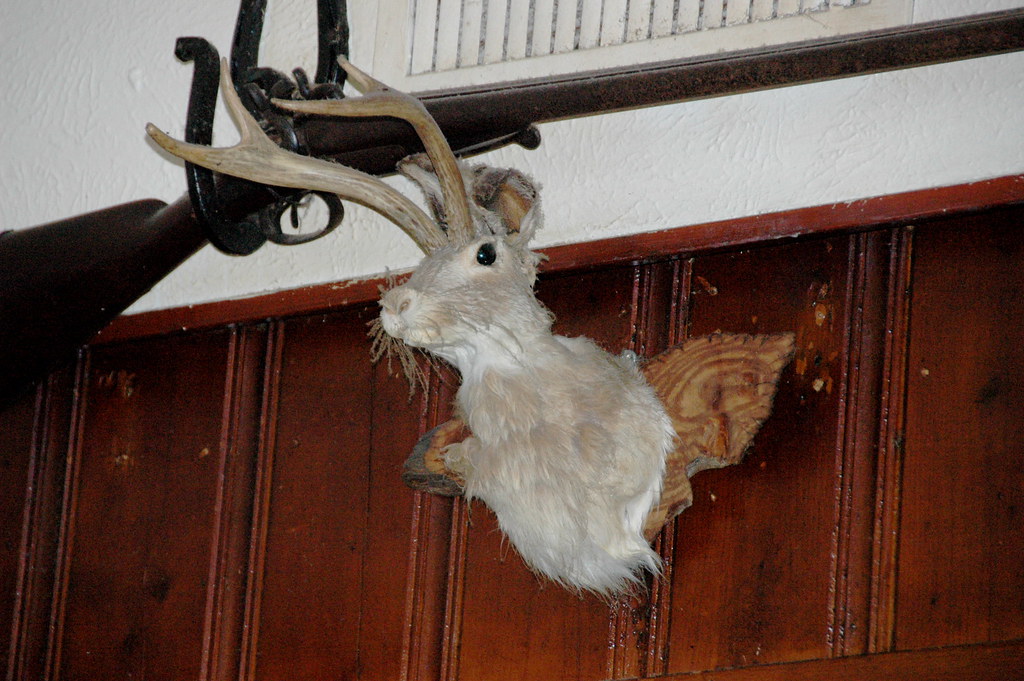
The art of creating jackalope mounts represents a unique intersection of American folk art, practical taxidermy, and commercial souvenir production. After the Herrick brothers created their original specimens, the practice spread among taxidermists catering to tourists eager for a piece of Western mythology. Traditional jackalope taxidermy involves attaching deer or pronghorn antlers to a prepared jackrabbit form, though modern versions may use commercially produced antlers or resin castings. The best specimens require considerable skill, with careful attention paid to proportion and placement to create a convincing hybrid. Professional taxidermists often sign their work, with vintage specimens from known artists becoming collectible items worth hundreds or even thousands of dollars. The jackalope taxidermy tradition continues today, with many practitioners viewing their work as continuing an important piece of American folk art rather than perpetuating a hoax.
Jackalopes as Tourist Attractions
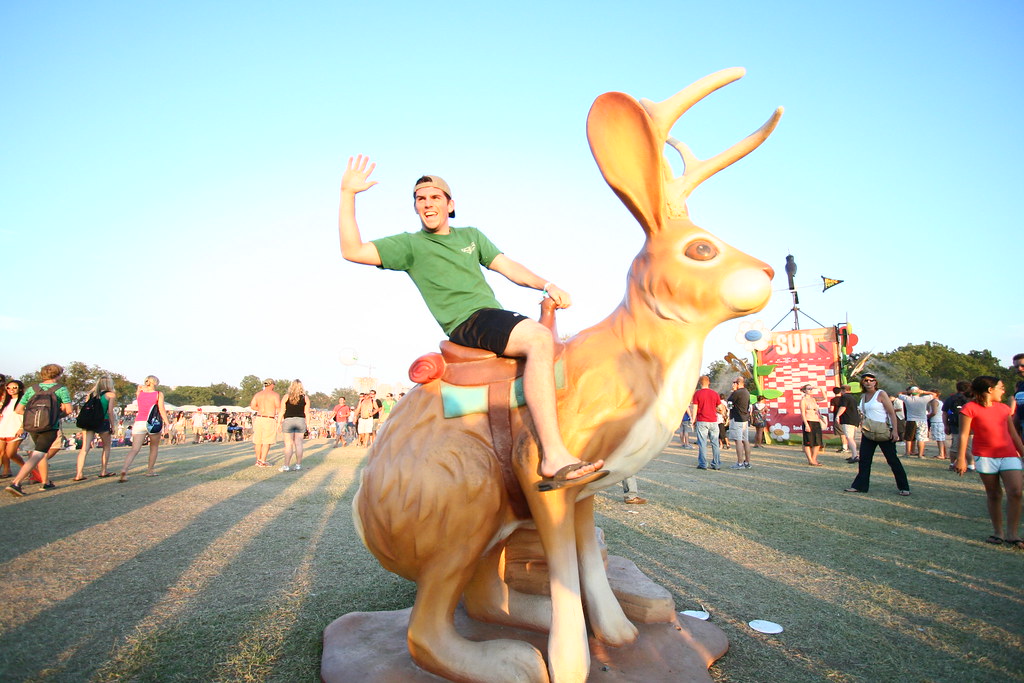
Few cryptids have proven as commercially successful as the jackalope, which has become a cornerstone of Western tourism. The town of Douglas, Wyoming has embraced its status as the birthplace of the modern jackalope legend, erecting an 8-foot jackalope statue in the town center and hosting an annual Jackalope Days festival each June. Visitors can purchase “official” jackalope hunting licenses, jackalope milk (usually repackaged milk or cream), and countless souvenirs featuring the creature’s likeness. Wall Drug in South Dakota, one of America’s most famous roadside attractions, features a giant jackalope that visitors can sit on for photographs, drawing thousands of tourists annually. These attractions represent a quintessentially American approach to folklore—recognizing a good story’s potential not just for entertainment but for economic development. The jackalope has thus evolved from campfire tale to cultural icon to tourist industry, demonstrating the commercial power of folklore in modern America.
Jackalopes in Global Context
While the American jackalope is distinctively Western in character, horned rabbit legends appear in various cultures worldwide, suggesting a universal fascination with this particular hybrid concept. The Bavarian wolpertinger combines elements of rabbits, squirrels, ducks, and deer in a complex taxidermy creation dating back centuries. In Japan, the “tsuchinoko” isn’t horned but shares the jackalope’s status as a beloved cryptid with similar souvenir appeal. Persian folklore includes tales of the Al-mi’raj, a unicorn-horned rabbit mentioned in ancient texts. The “skvader” of Sweden, displaying a hare’s forequarters and a wood grouse’s wings and tail, represents another variation on the hybrid animal theme that predates the American jackalope. These parallel traditions suggest that the impulse to imagine and create hybrid animals may be a cross-cultural phenomenon, though each culture puts its unique stamp on the concept.
The Psychology Behind Cryptid Beliefs
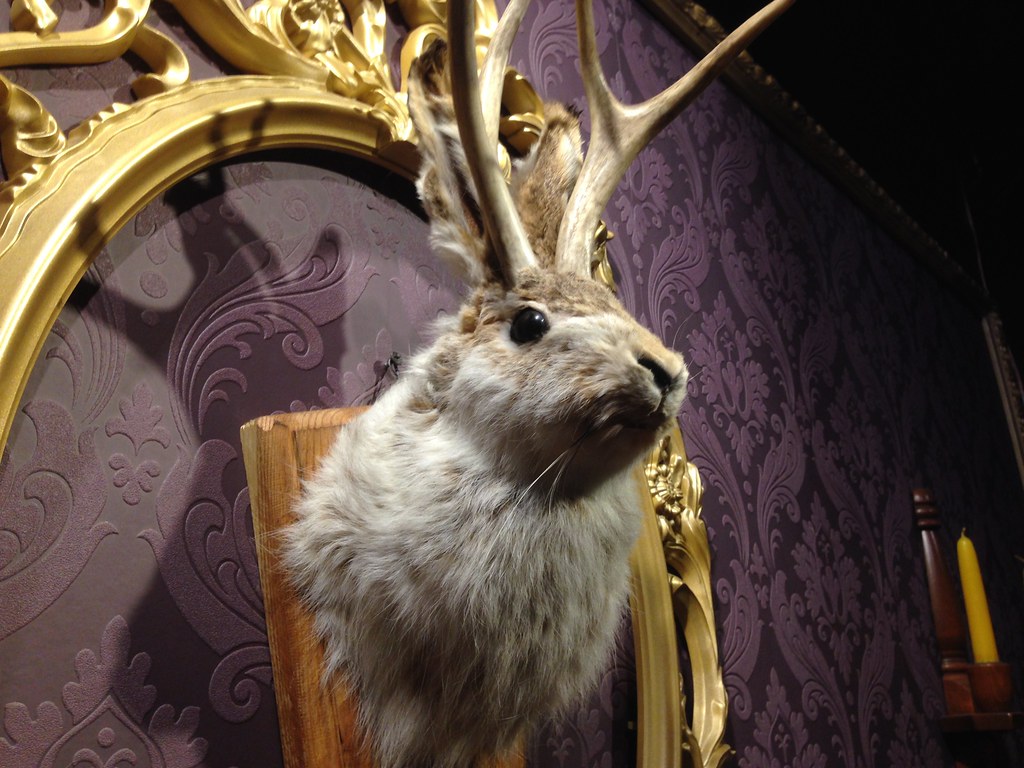
The enduring popularity of the jackalope offers insights into why humans create and perpetuate cryptid legends. Unlike more frightening cryptids like Bigfoot or the Loch Ness Monster, the jackalope represents a lighthearted approach to cryptozoology, with most adults understanding it’s fictional while still enjoying the playful deception. Psychologists suggest that even “non-serious” cryptids fulfill important cultural functions, including the preservation of frontier mythology and the human desire for wonder in an increasingly documented world. The jackalope specifically embodies the tall-tale tradition of the American West, where storytelling excellence was measured partly by how convincingly one could sell an outlandish narrative. Modern jackalope enthusiasts participate in this tradition knowingly, experiencing what folklorists call “ostension”—the acting out of folklore traditions while fully aware of their fictional nature. This wink-and-nod quality makes the jackalope accessible even in our skeptical age.
Conservation Connections
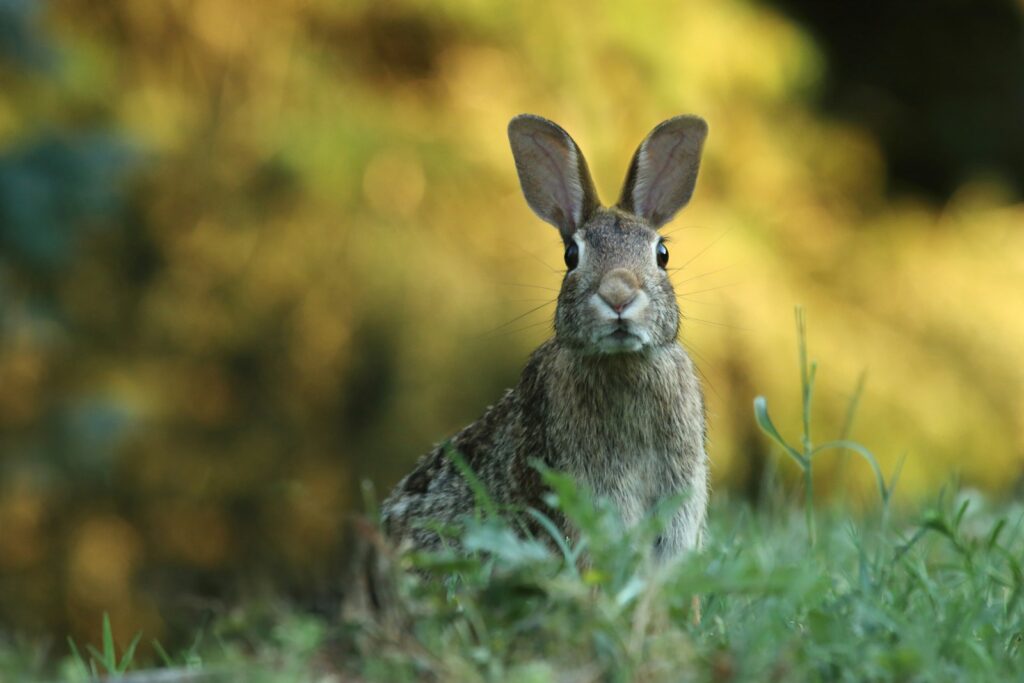
Ironically, the fictional jackalope has occasionally served as an ambassador for very real conservation issues affecting North American rabbits and hares. Several species of jackrabbit have experienced population declines due to habitat loss, disease, and climate change, with the white-tailed jackrabbit disappearing from parts of its historical range. Conservation organizations have sometimes leveraged the popularity of the jackalope to draw attention to these issues, using the mythical creature as an entry point for education about actual leporid conservation. The Shope papilloma virus itself, which may have inspired early jackalope sightings, has been studied for its impact on wild rabbit populations, particularly when interacting with other stressors like habitat fragmentation. Thus, the jackalope myth has occasionally come full circle, helping protect the very animals that inspired its creation.
The Digital Age Jackalope
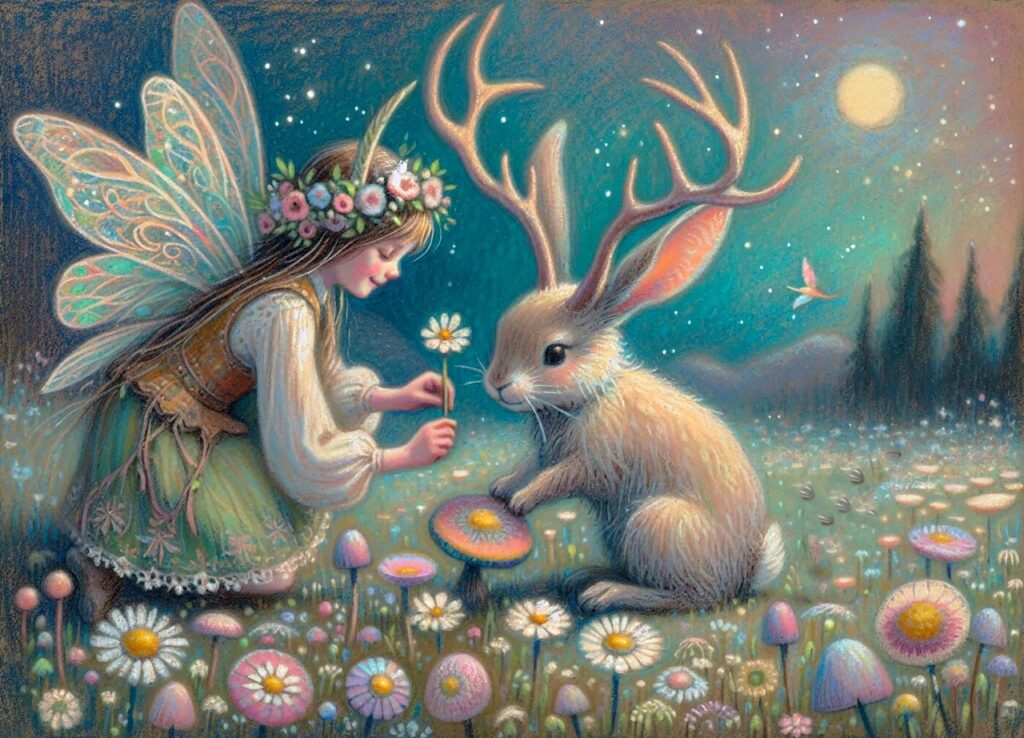
Like many elements of folklore, the jackalope legend has adapted to the digital age, finding new expression in online communities and digital media. Social media platforms host numerous jackalope appreciation groups where enthusiasts share vintage postcards, personal collections, and modern artistic interpretations of the creature. Digital artists have reimagined the jackalope in diverse styles ranging from realistic wildlife art to fantasy illustrations depicting more elaborate mythology. The internet has also facilitated a global exchange of horned rabbit legends, with American jackalope enthusiasts connecting with collectors of German wolpertingers or fans of other cultural variants. Video games frequently include jackalopes as collectible creatures or Easter eggs, introducing the legend to younger generations. Rather than fading away in our information-saturated era, the jackalope has demonstrated remarkable adaptability, finding new relevance and audiences through digital channels.
Creating Your Own Jackalope Legend
The jackalope tradition has always been participatory, with storytellers encouraged to add their own embellishments to the creature’s capabilities and habits. Modern jackalope enthusiasts continue this tradition by developing personal variations on the legend, often localized to their specific region or incorporating contemporary elements. Creating your own jackalope story might involve attributing regional behaviors to the creature, such as claiming local jackalopes have developed a taste for craft beer rather than the traditional whiskey. Some enthusiasts craft elaborate backstories explaining how jackalopes came to their area or develop “field guides” with pseudo-scientific details about jackalope subspecies. Participants in Renaissance faires and Western historical reenactments often incorporate jackalope tales into their performances, adding medieval or frontier elements respectively. This living folklore approach ensures the jackalope remains relevant and evolving rather than becoming a static museum piece.
The Future of the Jackalope
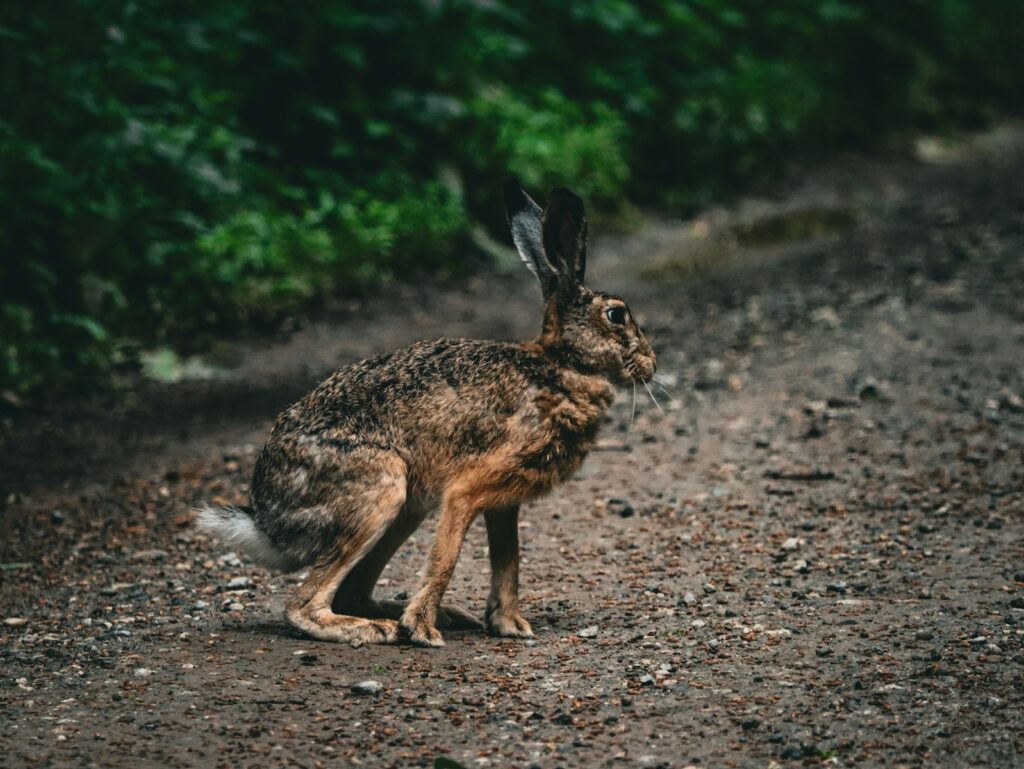
As we look ahead, the jackalope legend shows no signs of disappearing from American culture. If anything, renewed interest in folklore, Americana, and traditional crafts suggests the jackalope may experience a renaissance among younger generations seeking authentic cultural touchstones. Contemporary artists and craftspeople are creating high-end jackalope pieces that elevate the concept beyond tourist kitsch, with fine art exhibitions occasionally featuring jackalope-inspired works. The creature continues to appear in new media, including animated films and streaming series, often with contemporary twists on the traditional mythology. Climate change concerns may add new dimensions to the legend, with some storytellers already incorporating environmental elements into their jackalope tales. Whatever form it takes, the jackalope seems destined to remain part of America’s cultural landscape, adapting to new eras while maintaining its essential charm as the West’s most beloved impossibility.
The jackalope stands as a perfect example of American mythmaking—blending humor, creativity, entrepreneurship, and a dash of frontier spirit. While science may have explained away the horned rabbits that early settlers might have glimpsed, the jackalope has transcended its origins to become something more significant than a mere taxidermy curiosity. It represents our continuing need for wonder and whimsy, even in an age of information and skepticism. From roadside attraction to internet meme, from tall tale to commercial enterprise, the jackalope has demonstrated remarkable resilience and adaptability. Perhaps that’s the true lesson of this improbable creature—that imagination and good storytelling remain as valuable in the twenty-first century as they were around the campfires of the Old West.