

In the heart of America’s wilderness, a dedicated network of individuals works tirelessly, often without recognition, to rescue, rehabilitate, and release injured wildlife back into their natural habitats. These wildlife rehabilitators represent a crucial bridge between human activity and animal welfare, stepping in when nature’s creatures fall victim to environmental hazards, habitat destruction, or human intervention. From specialized veterinarians to passionate volunteers operating out of their homes, these quiet heroes dedicate their lives to giving injured animals a second chance. Their work not only saves individual animals but also contributes significantly to conservation efforts, environmental education, and the delicate balance of our ecosystems. This article explores the remarkable world of wildlife rescue in America – the challenges, triumphs, and extraordinary individuals who have made it their mission to protect our nation’s diverse animal population.
The Essential Role of Wildlife Rehabilitators

Wildlife rehabilitators serve as the frontline responders when wild animals are found injured, orphaned, or in distress. Licensed by state wildlife agencies, these dedicated individuals possess specialized training in animal care, disease management, and species-specific rehabilitation techniques. Their primary goal extends beyond simply treating injuries – they work to return healthy animals to their natural environments while ensuring they maintain their wild instincts and behaviors. Rehabilitators must carefully balance providing necessary care without habituating animals to human presence, which could compromise their survival upon release. Many operate with limited resources, often funding operations from their own pockets while maintaining full-time jobs outside of their rehabilitation work.
From Backyard Operations to Professional Centers

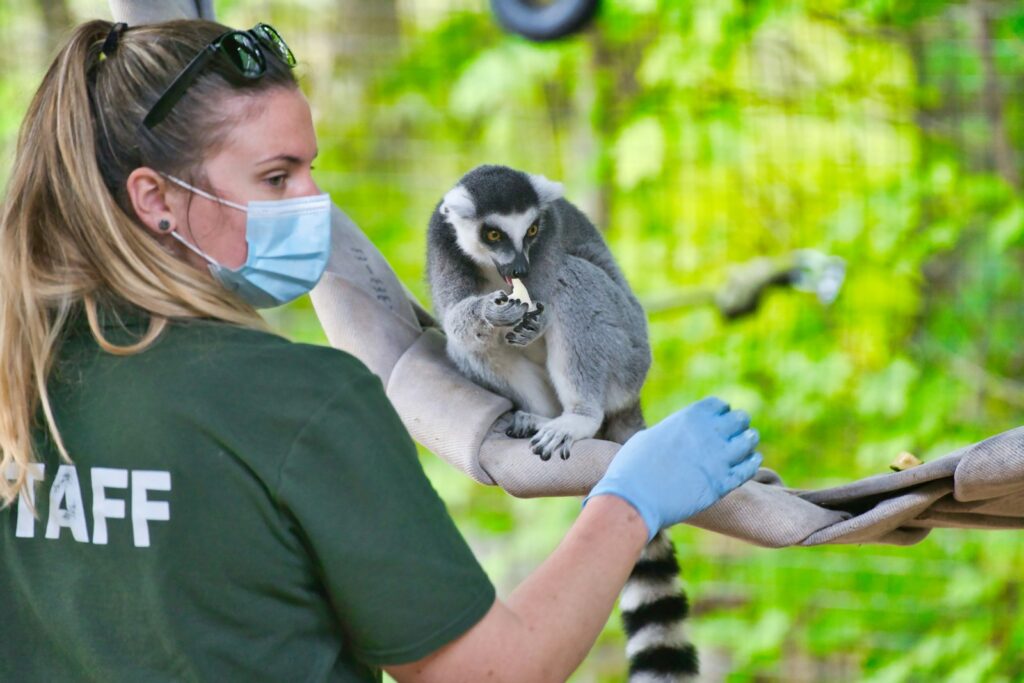
Wildlife rehabilitation in America spans a broad spectrum of operations, from individuals working out of their homes to sophisticated facilities with full veterinary staff. Home-based rehabilitators often specialize in particular species, transforming spare rooms, garages, or backyard spaces into recovery areas for animals like songbirds, squirrels, or opossums. At the other end of the spectrum, professional wildlife centers like the Carolina Raptor Center or California Wildlife Center operate with dedicated facilities, specialized equipment, and teams of staff and volunteers handling hundreds or thousands of animals annually. Mid-sized operations like raptor rehabilitation centers often focus on specific taxonomic groups, developing expertise in treating birds of prey with their unique challenges and requirements. Regardless of size, these operations share a common thread of dedication, specialized knowledge, and a profound respect for wildlife.
A Day in the Life of a Wildlife Rescuer
The daily routine of wildlife rescuers defies conventional work schedules, often beginning before dawn and extending well into the night. Early mornings typically involve preparing medications, mixing specialized formulas for orphaned animals, and checking on critical patients who may have struggled through the night. Throughout the day, they field dozens of calls from concerned citizens who have found injured wildlife, providing advice and sometimes dispatching volunteers to collect animals needing immediate care. Feeding schedules must be meticulously maintained, particularly for orphaned baby animals requiring meals every 1-2 hours, seven days a week. Evening hours bring another round of medications, feedings, and intake of new patients, as many animals arrive after business hours when people return home and discover wildlife in distress on their properties or roadsides.
Specialized Skills: Treating Nature’s Diverse Patients

Wildlife rehabilitation requires an extraordinary breadth of knowledge across species, medical conditions, and behavioral needs. Rehabilitators must understand the unique nutritional requirements of everything from hummingbirds to bears, administering precise diets that support recovery without causing dependency. Medical skills range from basic wound management to administering subcutaneous fluids, splinting fractures, and recognizing species-specific diseases and their treatments. Beyond medical care, rehabilitators must be experts in animal behavior, understanding stress signals, natural development milestones, and the complex process of preparing animals for release. This knowledge is often species-specific – handling techniques safe for one animal may be dangerous or fatal for another, requiring rehabilitators to continuously expand their expertise through training, mentorship, and hands-on experience.
The Challenge of Funding Wildlife Rescue Operations
Despite their critical ecological role, wildlife rehabilitation centers operate largely without government funding, creating a perpetual challenge to sustain their operations. Most centers rely on a patchwork of private donations, small grants, fundraising events, and educational program fees to cover expenses that include specialized food, medical supplies, facility maintenance, and utilities. Individual rehabilitators frequently spend thousands of their personal funds annually to support their rescue work, particularly during “baby season” when formula costs alone can be overwhelming. Veterinary costs represent another significant expense, with specialized wildlife veterinary care often costing hundreds or thousands of dollars per animal for complex cases like orthopedic surgery or treatment for gunshot wounds. This financial precarity means many rehabilitation centers operate on razor-thin margins, with dedicated staff working for minimal compensation driven primarily by passion rather than financial reward.
Legal Frameworks: Navigating Complex Regulations
Wildlife rehabilitators operate within a complex web of federal, state, and sometimes local regulations designed to protect both wildlife and public safety. At the federal level, the Migratory Bird Treaty Act and Endangered Species Act establish strict parameters for handling protected species, requiring specialized permits and reporting requirements. State wildlife agencies typically oversee the licensing process for rehabilitators, with requirements including training hours, facility inspections, and regular renewal processes that vary significantly between states. These regulations often specify which species can be rehabilitated, required housing dimensions, and protocols for euthanasia when animals cannot be released. Navigating these legal requirements represents a significant administrative burden for rehabilitators, but also ensures standardized care and protection for wildlife under human care.
The Human-Wildlife Conflict: Addressing Root Causes
Many wildlife rehabilitators find themselves addressing the consequences of human-wildlife conflicts that could have been prevented through better awareness and practices. Rehabilitators regularly treat birds that have collided with windows, a problem that affects up to a billion birds annually in the United States but can be mitigated through simple window treatments. Animals poisoned by rodenticides represent another preventable tragedy, as these toxins move through the food chain to affect predators like owls, hawks, and foxes that consume poisoned rodents. Baby animals unnecessarily “rescued” when they aren’t truly orphaned create additional strain on rehabilitation resources during spring and summer months. Beyond treating affected animals, many rehabilitators have expanded their mission to include public education about coexisting with wildlife, advocating for practices that reduce these preventable injuries and orphaning events.
Success Stories: Triumphs Against the Odds

Despite the challenges, wildlife rehabilitators achieve remarkable successes that fuel their continued dedication to this demanding work. The California Wildlife Center celebrated the successful rehabilitation and release of a juvenile mountain lion that had been severely burned in a wildfire, requiring months of specialized care for its injured paws before returning to the wild. In Florida, the South Florida Wildlife Center pioneered a treatment protocol for double-crested cormorants affected by a mysterious paralytic condition, successfully returning dozens of affected birds to the wild after identifying and addressing the neurological impact. Small-scale victories prove equally meaningful, such as when a home-based rehabilitator successfully raises an orphaned flying squirrel from a hairless newborn to a fully-functioning adult capable of navigating the forest canopy. These success stories represent not just individual animals saved, but contributions to population health and biodiversity preservation.
The Emotional Toll: Compassion Fatigue in Wildlife Rescue
The intense emotional demands of wildlife rehabilitation create vulnerability to compassion fatigue among even the most dedicated rescuers. Rehabilitators routinely face difficult decisions about euthanasia when animals cannot be returned to the wild, experience the loss of patients despite their best efforts, and witness firsthand the often-preventable suffering caused by human activities. The physical demands of the work, including sleep deprivation during baby season and the financial strain of self-funding operations, compound the emotional burden. Many rehabilitators report feeling isolated in their communities, as few people understand the unique challenges they face or the specialized nature of their work. Organizations like the National Wildlife Rehabilitators Association have begun addressing this issue more openly, offering resources for mental health support and creating communities where rehabilitators can share their experiences with others who truly understand the emotional landscape of wildlife rescue.
Training the Next Generation: Education and Mentorship
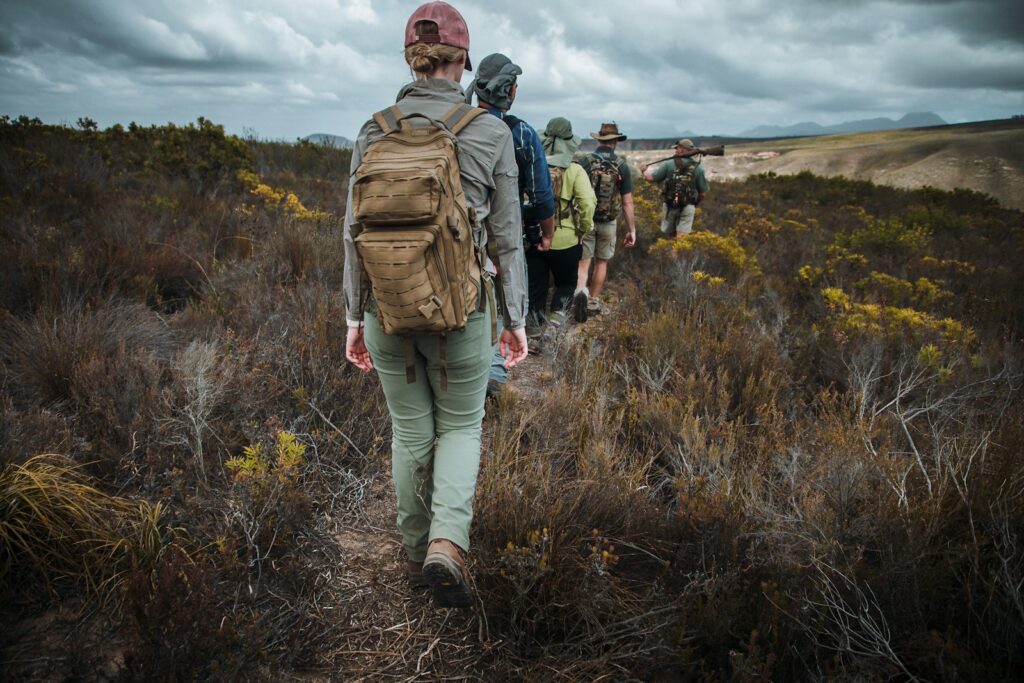
The sustainability of wildlife rehabilitation depends on training new generations of dedicated rescuers, a process that combines formal education with hands-on mentorship. Aspiring rehabilitators typically begin as volunteers, learning basic animal care while observing experienced rehabilitators manage complex cases and make critical decisions. Formal training programs offered by organizations like the International Wildlife Rehabilitation Council provide standardized education in topics ranging from fluid therapy to species-specific nutrition and housing requirements. Many states require apprenticeship hours under licensed rehabilitators before individuals can obtain their own permits, creating a system where knowledge is passed directly from experienced practitioners to newcomers. This mentorship model preserves the wealth of practical knowledge that isn’t found in textbooks – the subtle behavioral cues that indicate an animal is ready for release, techniques for encouraging natural foraging behaviors, and the countless adaptations required when working with limited resources.
The Scientific Contribution: Wildlife Rehabilitation Data

Beyond their direct impact on individual animals, wildlife rehabilitators contribute valuable data to scientific understanding of wildlife health and environmental conditions. Many rehabilitation centers maintain detailed records on each patient, including location found, observed symptoms, treatment protocols, and outcomes, creating longitudinal datasets that can reveal patterns in wildlife health. These records have helped identify emerging diseases, document the impact of environmental toxins, and track the effects of climate change on wildlife populations. During the West Nile Virus outbreak, rehabilitators provided early detection of the disease’s spread by reporting unusual neurological symptoms in corvids and raptors. Similarly, rehabilitation centers along coastal areas have contributed to understanding the impacts of harmful algal blooms by documenting affected species and their clinical presentations. This citizen science aspect of wildlife rehabilitation represents a valuable but often unrecognized contribution to conservation biology and wildlife management.
Building Networks: Collaboration in Wildlife Rescue
The most effective wildlife rescue operations function within collaborative networks that maximize resources and expertise. Regional rescue networks often develop informal specialization, with different rehabilitators focusing on species they can best accommodate – raptors might go to one center with appropriate flight conditioning space, while aquatic birds go to another with proper pool facilities. Veterinarians willing to donate or discount services for wildlife form another crucial part of these networks, providing specialized medical care beyond what rehabilitators can offer. Transportation volunteers create the connective tissue of these systems, moving animals between finders, rehabilitators, and release sites, sometimes covering hundreds of miles to get an animal to the right specialized care. These collaborative approaches allow even small, resource-limited operations to participate in comprehensive wildlife care by contributing their specific skills to a broader network of support.
The Future of Wildlife Rescue in America
Wildlife rehabilitation faces evolving challenges and opportunities as environmental conditions change and human populations expand into wildlife habitats. Climate change has already altered rehabilitation patterns, with centers reporting longer baby seasons, new disease presentations, and wildlife affected by increasingly severe weather events. Technological advances offer promising tools for rehabilitation, including remote monitoring of released animals, telehealth consultations with wildlife veterinarians, and improved medical techniques adapted from human and domestic animal medicine. The growing public interest in environmental issues presents opportunities for wildlife rehabilitators to expand their educational impact and advocate for policies that protect wildlife. However, sustainable funding remains the greatest challenge to the field’s future, with many rehabilitators expressing concern about the long-term viability of centers that rely primarily on donations and volunteer labor.
The quiet heroes of America’s wildlife rescue community represent an extraordinary intersection of compassion, scientific knowledge, and dedication to environmental stewardship. Operating largely out of the public eye, these rehabilitators form a crucial safety net for wildlife impacted by human activity and environmental challenges. Their work goes beyond saving individual animals – they serve as educators, data collectors, and advocates for wildlife conservation in their communities. As America’s landscapes continue to change through development and climate shifts, the role of wildlife rehabilitators becomes increasingly vital to preserving biodiversity and maintaining healthy ecosystems. By supporting these quiet heroes through donations, volunteering, and policy advocacy, everyday citizens can contribute to ensuring that injured wildlife continues to receive the second chances they deserve and that these dedicated rescuers can sustain their essential work for generations to come.