
In the serene settings of our public parks, a disturbing reality often disrupts the natural harmony – littering. Beyond merely being an eyesore, discarded trash significantly alters wildlife behavior in ways many visitors never consider. From food wrappers to plastic bottles, these human-generated items create complex challenges for park animals, forcing adaptations that can have far-reaching consequences for their survival and ecological roles. Understanding these impacts provides crucial insight into why proper waste disposal matters beyond simple aesthetics. As park animals interact with our leftover debris, they develop behavioral changes that ripple throughout entire ecosystems, creating a troubling testament to human carelessness and its unintended consequences on the natural world.
The Attraction Factor: Why Animals Are Drawn to Litter
Park animals are naturally curious creatures with heightened senses that alert them to potential food sources, making human litter particularly enticing. Food wrappers, containers, and even non-food items like cigarette butts emit scents that wildlife interpret as potential nourishment, drawing them away from natural foraging patterns. This attraction creates what ecologists call a “litter trap,” where animals repeatedly return to human-frequented areas in search of easy meals. Research has shown that in heavily littered parks, certain species like raccoons, squirrels, and birds will spend up to 30% more time searching through trash than foraging naturally, fundamentally altering their behavioral patterns. This shift not only affects individual animals but creates cascading effects through the food web as natural food sources go unconsumed while artificial options become central to their diets.
Dietary Disruptions and Nutritional Consequences
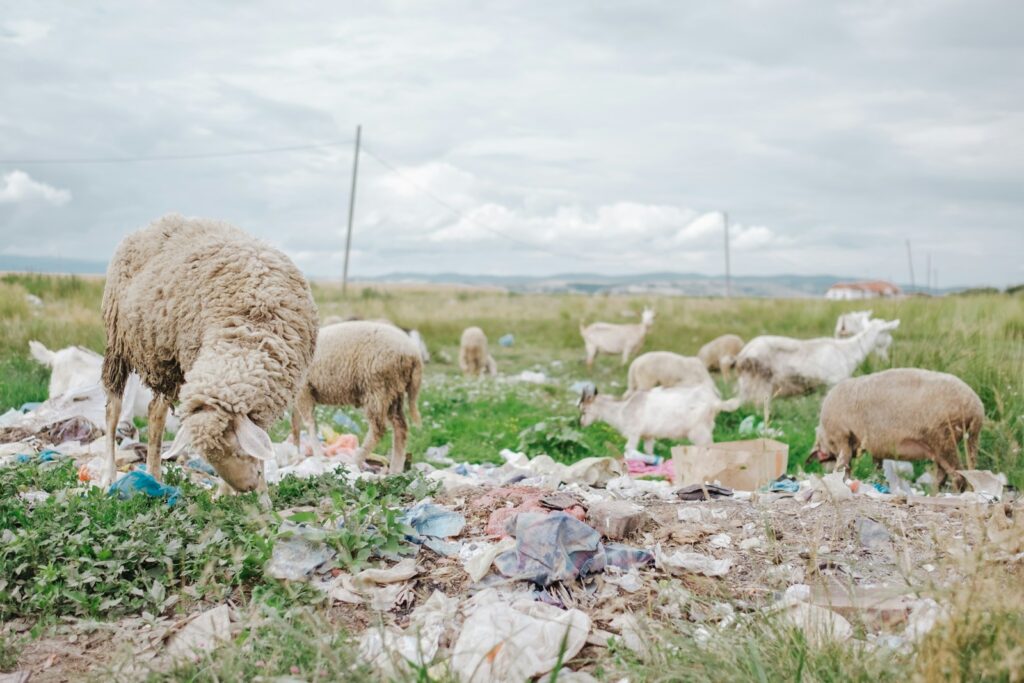
When park animals incorporate human litter into their diets, they experience significant nutritional deficiencies that impact their health and survival. Natural foods provide balanced nutrition specific to each species’ needs, while human food waste typically offers high calories but poor nutritional value. Studies monitoring squirrels in urban parks found individuals regularly consuming littered food had higher body fat percentages but showed signs of malnutrition, including poor coat quality and reduced reproductive success. Additionally, animals that become dependent on littered food sources often lose their ability to effectively forage natural foods, creating a dangerous dependency cycle. Even more concerning, seasonal variations in human park visitation can create feast-or-famine conditions, where wildlife that has adapted to human food suddenly faces shortages when visitor numbers decline, leaving them ill-equipped to return to natural foraging.
Habituation and Fear Response Modifications
One of the most profound behavioral changes observed in park animals exposed to regular littering is the modification of their natural fear responses toward humans. Animals typically maintain a healthy distance from people as a survival mechanism, but those regularly finding food in human litter gradually lose this fear, becoming habituated to human presence. Research tracking urban fox behavior documented that individuals in heavily littered parks approached humans at distances averaging 40% closer than their counterparts in cleaner parks. This habituation doesn’t represent true domestication but rather a dangerous breakdown of natural wariness that helps animals avoid potential dangers. The consequences extend beyond individual animals, as offspring learn these modified behaviors from parents, creating generations of wildlife with altered risk assessment capabilities that can lead to increased human-wildlife conflicts and higher mortality rates.
The Digestive Dangers of Non-Food Litter
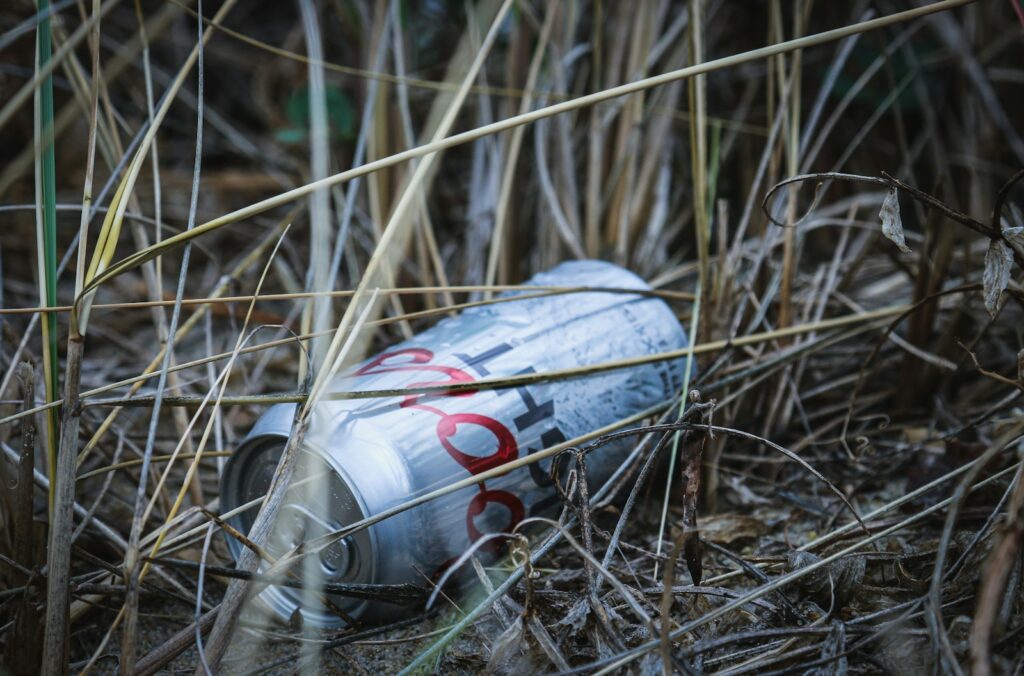
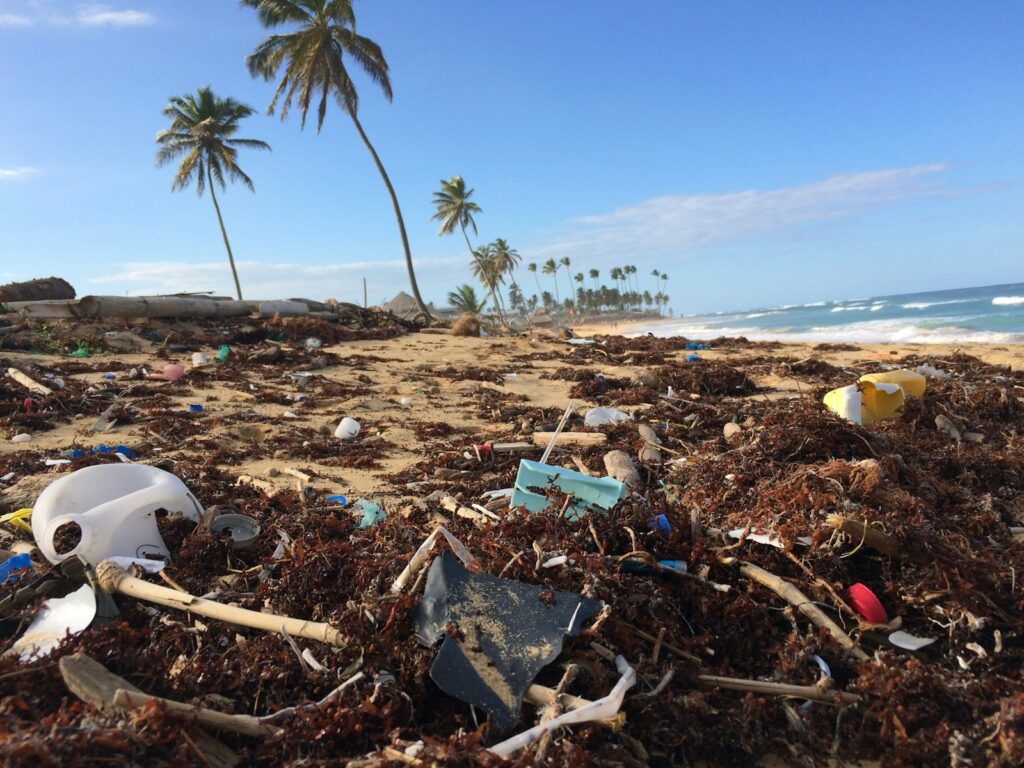
Non-food litter presents perhaps the most immediate physical threat to park wildlife through accidental ingestion and internal injuries. Plastic fragments, especially those contaminated with food residue, are frequently consumed by birds, small mammals, and even larger animals like deer. A comprehensive study of urban park waterfowl found that 67% of examined ducks had ingested at least one piece of plastic, with items ranging from bag fragments to bottle caps lodged in their digestive systems. These indigestible materials create blockages that prevent proper nutrient absorption, cause internal lacerations, and eventually lead to starvation as the animal can no longer process natural foods. Wildlife rehabilitation centers report that littering-related ingestion cases have increased by approximately 23% over the past decade, representing a growing threat to park animal populations that’s entirely preventable through proper waste disposal.
Territorial Shifts and Habitat Compression
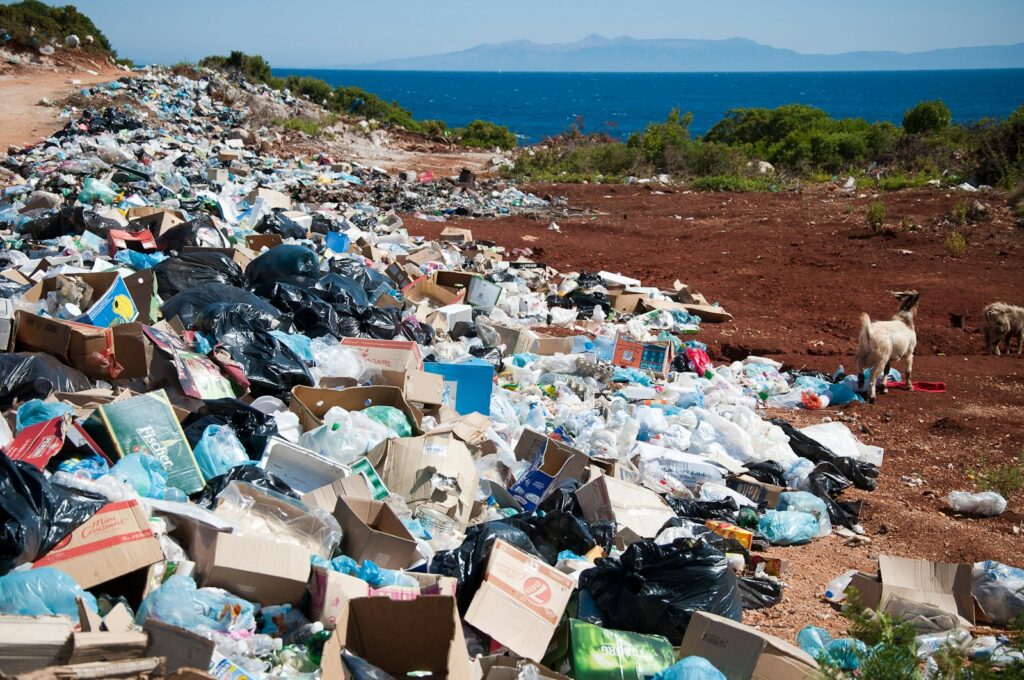
Littering fundamentally alters how park animals perceive and utilize their habitat, creating artificial territory boundaries and compressed living spaces. Areas with high litter concentration often become contested resources among different species and individuals, leading to increased territorial behaviors and aggression. Research using tracking collars on park squirrels revealed that individuals spent 35% more time defending territories near regular litter sources than in naturally productive areas of equal size. This territorial compression forces some species to utilize smaller portions of the available habitat, creating population density issues that their social structures aren’t designed to handle. The ripple effects include stress-related health issues, increased disease transmission, and disrupted breeding patterns as animals concentrate around these artificial food sources rather than dispersing naturally throughout the available habitat.
Altered Activity Patterns and Circadian Rhythms
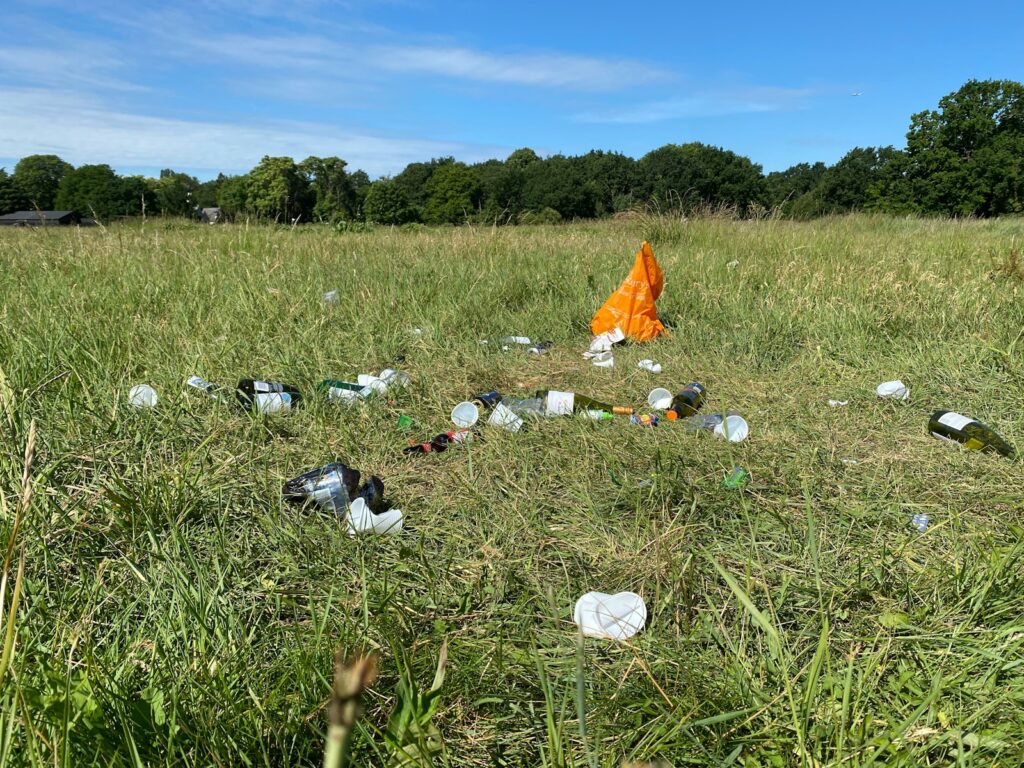
The presence of consistent litter sources in parks significantly disrupts the natural activity patterns and circadian rhythms that govern wildlife behavior. Many animals have evolved specific timing for foraging, resting, and socializing that maximizes their efficiency while minimizing predation risks. Observation studies comparing raccoon behavior in clean versus littered park sections found that individuals in littered areas shifted up to 40% of their naturally nocturnal activity to daylight hours to access human food waste when it was most abundant. This temporal shift exposes these animals to new predators, increased human interaction, and disrupts their natural biological rhythms tied to light cycles. The physiological stress from these disrupted patterns manifests in compromised immune function, altered reproduction timing, and decreased lifespan among affected populations, demonstrating how litter doesn’t just change what animals eat, but fundamentally when and how they conduct their daily activities.
Inter-Species Competition and Community Structure Changes
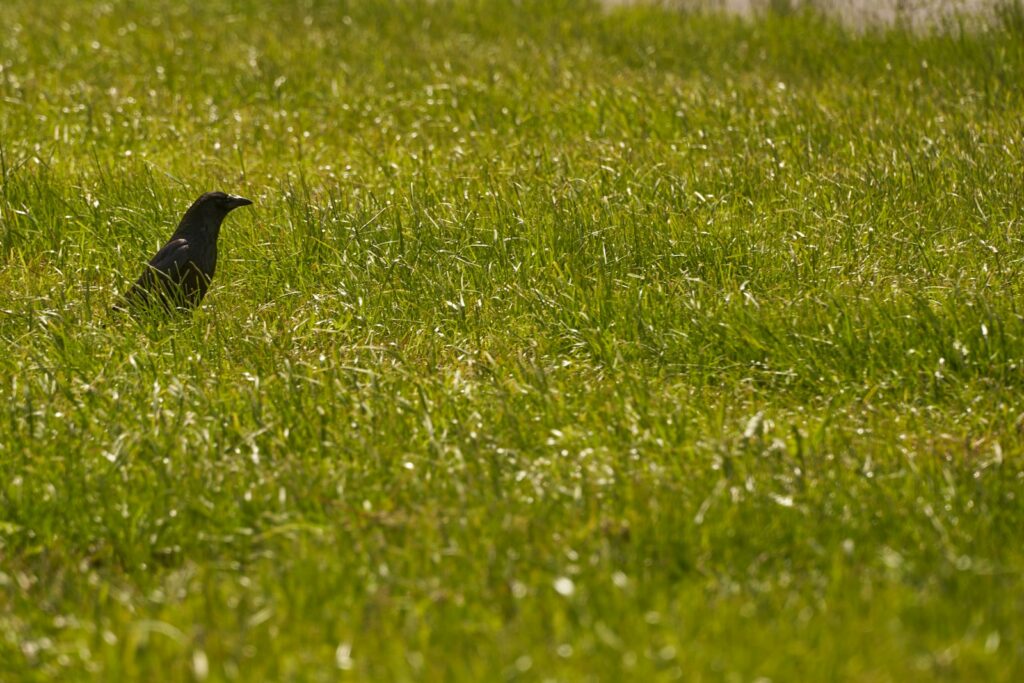
Littering creates artificial resource concentrations that dramatically alter the competitive dynamics between different park animal species. Under natural conditions, different species specialize in various food sources and foraging techniques, minimizing direct competition and allowing diverse wildlife communities to thrive together. However, concentrated litter creates a common resource that favors opportunistic, bold species over specialists, fundamentally reshaping park ecosystems. Long-term monitoring in urban parks has documented significant population increases in generalist species like crows, raccoons, and rats in heavily littered areas, while more specialized native species experience corresponding declines. These community structure changes create cascading effects throughout local food webs as predator-prey relationships shift and ecological niches become unbalanced. The result is a less diverse, less resilient wildlife community dominated by a few human-adapted species rather than the rich variety that would naturally inhabit these green spaces.
Physical Injuries from Litter Materials

Beyond ingestion hazards, discarded litter creates numerous opportunities for direct physical injury to park animals through entanglement, cuts, and mobility impairment. Plastic six-pack rings, fishing line, kite string, and food containers with small openings present particularly dangerous entanglement risks for birds, small mammals, and reptiles. Wildlife rehabilitation centers report that approximately 28% of their admitted park animals suffer from some form of litter-related physical injury, with birds being particularly vulnerable to entanglement that prevents flight or feeding. Sharp-edged litter like broken glass and metal can fragments create lacerations that become infected in the wild, while items like cups and containers can become stuck on animals’ heads or limbs, preventing normal movement and feeding. These injuries often prove fatal in natural settings where mobility and unimpaired senses are essential for finding food and avoiding predators, making even seemingly innocuous litter items potential death traps for unsuspecting wildlife.
Reproduction and Offspring Development Impacts
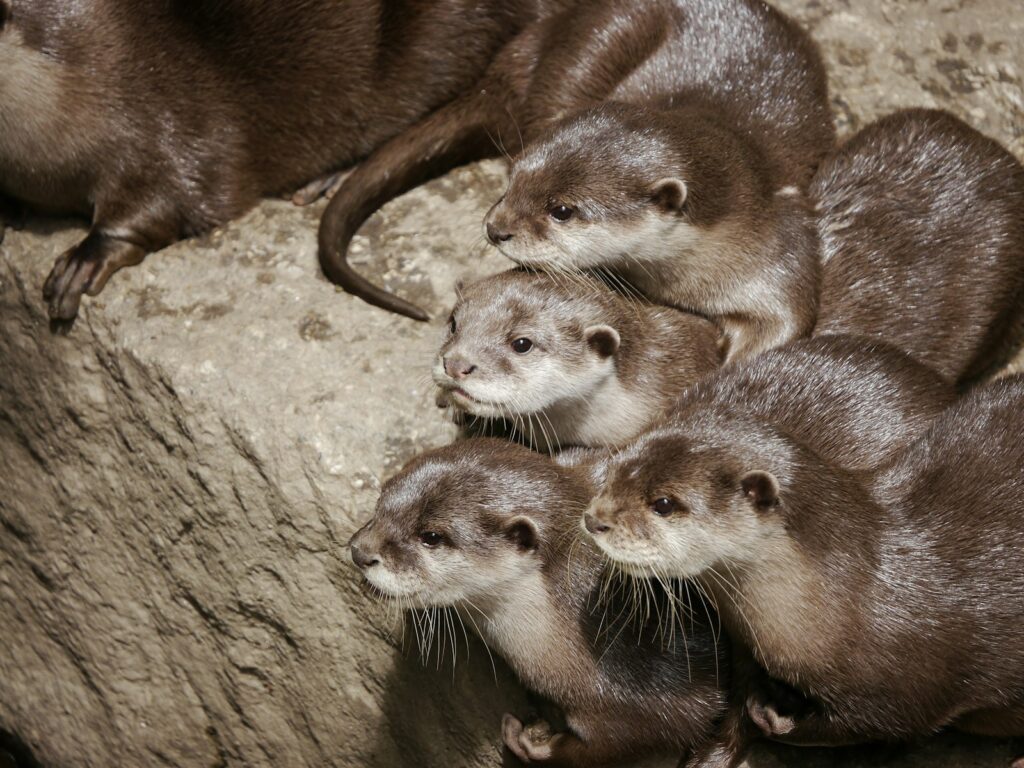
Perhaps the most concerning long-term impact of park littering appears in wildlife reproduction and offspring development, where the effects can span generations. Female animals with regular access to littered food often produce larger litter sizes than their nutritional status can support, leading to undernourished offspring with lower survival rates. Research following urban fox populations found that vixens regularly feeding on human litter had 20% larger litter sizes but 35% lower pup survival rates compared to those feeding primarily on natural foods. Additionally, parent animals teach their young to seek out these artificial food sources rather than developing natural foraging skills, creating generational knowledge gaps that become increasingly difficult to reverse. The chemical components in many littered items, particularly plastics, contain endocrine-disrupting compounds that can interfere with normal hormonal development in young animals, potentially affecting future reproductive capabilities and behavior long after the initial exposure.
Disease Transmission Through Contaminated Litter

Littered items create novel disease transmission pathways that wouldn’t exist in natural ecosystems, significantly increasing pathogen spread among park wildlife populations. Food waste attracts multiple animals to the same small area, creating unnatural proximity between individuals and species that would rarely come into such close contact naturally. A study monitoring raccoon behavior around park trash cans documented up to 12 different individuals visiting the same litter source within a single night, creating prime conditions for direct disease transmission. Additionally, porous materials like paper products and certain plastics can harbor bacteria, viruses, and parasites for extended periods, turning seemingly innocuous litter into disease vectors. Wildlife health monitoring has identified higher rates of shared diseases among park animals in heavily littered areas, including increased prevalence of canine distemper in raccoons, various bacterial infections in birds, and parasitic infections across multiple species that congregate around human waste.
The Generational Loss of Natural Behaviors
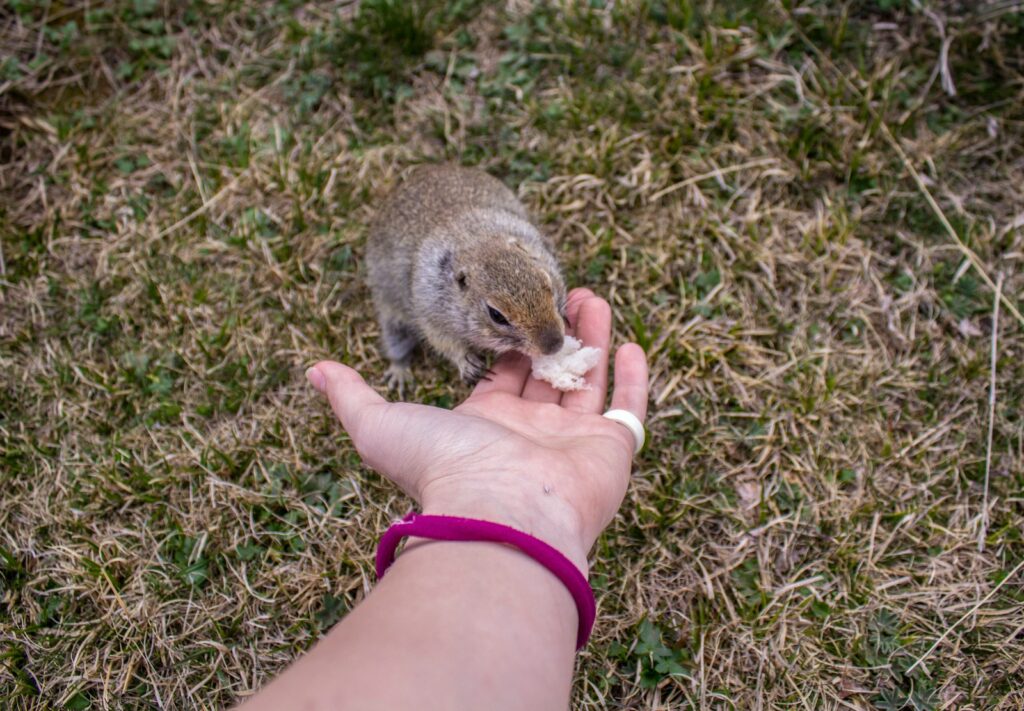
Perhaps the most insidious impact of park littering is the gradual erosion of innate behaviors that have evolved over thousands of years, replaced by artificial adaptations to human waste. Young animals learn primarily through observation of parents and other adults, meaning behavioral adaptations to litter are transmitted culturally across generations. Wildlife biologists studying urban bird populations have documented juveniles completely lacking natural foraging techniques in areas where parent birds primarily feed on human litter, unable to recognize natural food sources even when available. This knowledge loss creates a concerning dependency cycle where each generation becomes more deeply adapted to human presence and waste, and less capable of surviving in truly natural conditions. For species with complex learned behaviors like tool use or specialized hunting techniques, these cultural losses can be virtually impossible to reverse once established, creating wildlife populations that exist in a permanently altered behavioral state dependent on continued human littering.
Successful Interventions and Wildlife Recovery
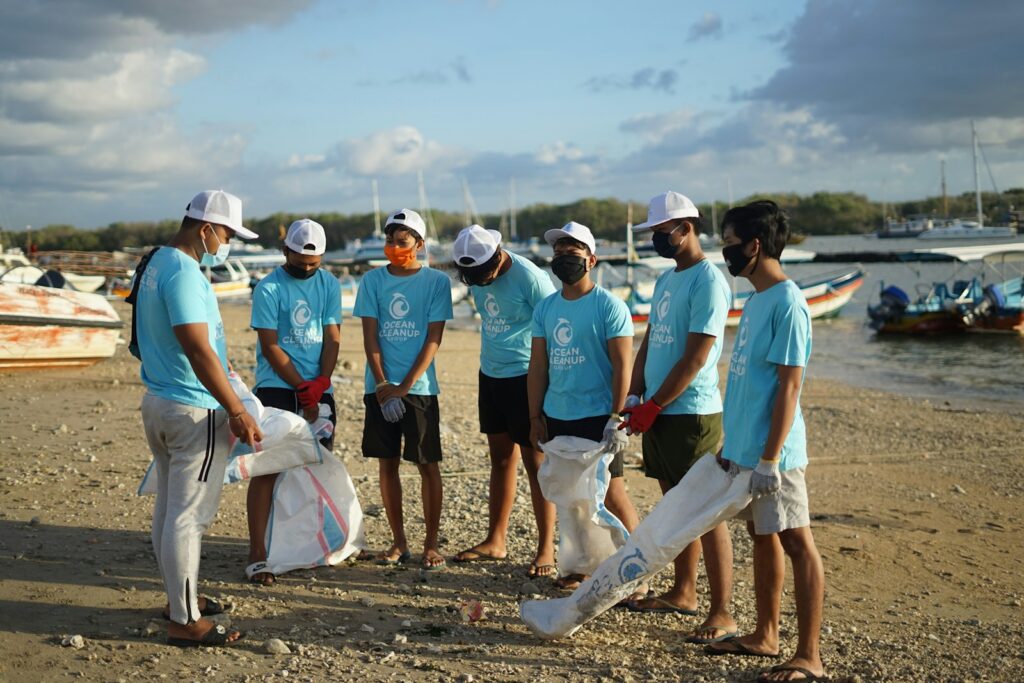
Despite the concerning impacts of littering on park wildlife, strategic intervention programs have demonstrated remarkable success in reversing these behavioral changes when properly implemented. Parks that have adopted animal-proof waste containers, increased educational signage, and implemented regular cleaning protocols have documented significant wildlife behavioral shifts within just 1-2 years. A five-year study at Yellowstone National Park found that following an intensive anti-littering campaign, previously habituated black bears showed a 65% reduction in human-area visitation and a corresponding increase in natural foraging behaviors. Education programs teaching visitors about wildlife feeding consequences prove particularly effective, with one urban park reporting a 48% reduction in deliberate animal feeding following targeted educational efforts. The most successful approaches combine infrastructure improvements, enforcement of anti-littering regulations, and public education to create comprehensive solutions that address both the immediate littering problem and its underlying causes, demonstrating that while the impacts are severe, they remain reversible with dedicated intervention.
How Individual Actions Make a Difference

While the scale of littering impacts on wildlife can seem overwhelming, research confirms that individual visitor actions significantly influence park animal behavior, both positively and negatively. A single food wrapper properly disposed of represents approximately 14 square feet of habitat that remains uncontaminated by human influence, allowing natural behaviors to continue in that space. Parks with active “carry in, carry out” visitor participation report measurably healthier wildlife populations with fewer behavioral abnormalities compared to similar parks relying solely on staff cleanup efforts. Beyond personal waste management, visitors who gently discourage others from littering or feeding wildlife create powerful social norms that research shows reduce these behaviors by up to 75% through social influence alone. The cumulative effect of individual responsibility creates parks where animals maintain their natural wariness of humans, forage appropriately, and display the full range of behaviors that make wildlife observation so rewarding for responsible visitors, demonstrating that personal choices directly translate to wildlife wellbeing.
The impact of littering on park animal behavior extends far beyond simple aesthetics, creating complex challenges that ripple through entire ecosystems. From altered foraging patterns and nutritional deficiencies to dangerous habituation and generational behavior changes, human waste fundamentally reshapes wildlife in ways that threaten their survival and ecological roles. Yet these effects aren’t permanent—targeted interventions and individual responsibility can reverse these trends, allowing park animals to reclaim their natural behaviors. Understanding these connections between our actions and wildlife responses provides powerful motivation for proper waste management. When we recognize that every wrapper properly disposed of helps preserve the authentic behaviors that make wildlife watching so meaningful, the simple act of using a trash can becomes not just good citizenship, but a direct contribution to conservation. Through this awareness, we can ensure our parks remain places where animals behave as nature intended rather than as reflections of our carelessness.