

The American pine marten (Martes americana), a small and elusive member of the mustelid family, is making a remarkable comeback across parts of its historic range in North America. Once widespread throughout northern forests, these charismatic carnivores faced severe population declines due to unregulated trapping and habitat loss during the 19th and early 20th centuries. In recent decades, however, conservation efforts, improved forest management practices, and natural recovery have allowed these agile forest dwellers to reclaim territories where they had disappeared. Their return represents not only a conservation success story but also signifies the resilience of nature when given appropriate protection and habitat. As these tree-dwelling hunters reestablish themselves, scientists and wildlife enthusiasts alike are celebrating the ecological benefits they bring to forest ecosystems.
The Natural History of Pine Martens

The American pine marten belongs to the mustelid family, which includes weasels, otters, and wolverines, all known for their predatory prowess and distinctive elongated bodies. Adults typically weigh between 1-3 pounds with males being larger than females, and measure about 20-27 inches in length including their bushy tails. Their fur ranges from light brown to almost black, with a distinctive cream to orange-colored throat patch that serves as a key identification feature. Pine martens evolved as forest specialists, with physical adaptations including semi-retractable claws, relatively large feet for their size, and agile bodies that allow them to move efficiently through trees and across deep snow. These remarkable adaptations have allowed pine martens to thrive in northern forest ecosystems for thousands of years, playing an important role in regulating small mammal populations.
Historic Range and Decline

Prior to European colonization, American pine martens inhabited mature coniferous and mixed forests across Canada and the northern United States, ranging from Alaska to Newfoundland and south into parts of California, the Rocky Mountains, and the northern Appalachians. Their historical abundance was dramatically reduced beginning in the 1800s due to two primary factors: intensive unregulated fur trapping and widespread forest clearing for agriculture and development. By the early 20th century, pine martens had been extirpated from many parts of their southern range, including the Adirondacks, much of the Upper Midwest, and portions of the Northeast. In areas where they persisted, populations were often fragmented and isolated, existing in pockets of remaining suitable habitat. This dramatic range contraction represented one of many casualties of America’s rapid westward expansion and resource exploitation during this period.
The Ecological Importance of Pine Martens

American pine martens serve as both predators and prey within forest ecosystems, occupying a crucial middle position in the food web. As efficient hunters, they primarily target small mammals like voles, mice, and red squirrels, helping to regulate these populations and potentially protecting tree seedlings from excessive rodent herbivory. Interestingly, research has shown that martens may influence forest bird diversity by controlling small mammal predators that would otherwise consume bird eggs and nestlings. Pine martens themselves become prey for larger predators such as fishers, bobcats, and great horned owls, transferring energy up the food chain. Additionally, these mustelids are considered important seed dispersers, as they consume berries and fruits whose seeds pass through their digestive systems intact and are deposited throughout their territory. Their presence often indicates a healthy, functioning forest ecosystem with sufficient complexity to support this specialized predator.
Conservation Status and Protection Efforts

The American pine marten’s conservation status varies significantly across its range, reflecting both regional declines and recovery efforts. While the International Union for Conservation of Nature (IUCN) lists the species as “Least Concern” overall, many states and provinces where populations were severely reduced classify them as threatened, endangered, or species of special concern. Legal protections began emerging in the early to mid-20th century, with trapping bans and closed seasons implemented in areas where martens had declined dramatically. The establishment of national forests, wilderness areas, and other protected lands has preserved critical habitat, allowing remnant populations to persist and eventually expand. Modern forest management practices increasingly incorporate consideration for marten habitat requirements, including retention of dead trees, maintenance of canopy cover, and preservation of mature forest stands. These combined efforts have created the conditions necessary for the observed recovery in many regions.
Reintroduction Programs: Bringing Martens Back

Active reintroduction efforts have played a pivotal role in restoring pine marten populations to portions of their former range. These carefully planned programs typically involve capturing martens from healthy source populations and releasing them into suitable habitat within their historic range where they have been absent. Notable reintroduction efforts include projects in Michigan’s Upper Peninsula, Wisconsin’s Nicolet National Forest, and parts of the Adirondack Mountains in New York. These programs require extensive preparation, including habitat assessment, identification of potential threats, and coordination with local communities and stakeholders. Post-release monitoring through radio telemetry, camera traps, and track surveys helps biologists assess survival, reproduction, and dispersal patterns of reintroduced individuals. While not all reintroduction attempts have succeeded, many have established self-sustaining populations that continue to expand naturally, demonstrating the value of this conservation approach when properly executed.
Natural Recovery and Range Expansion

In addition to formal reintroduction programs, American pine martens have demonstrated impressive natural recovery capabilities when conditions allow. In regions where small remnant populations persisted in isolated forest patches, improved habitat connectivity and protection from trapping have enabled martens to gradually recolonize suitable areas on their own. Young dispersing martens, particularly males, can travel remarkable distances seeking new territories, sometimes crossing seemingly inhospitable terrain including agricultural lands and even rivers. This natural dispersal has been documented in parts of Minnesota, Maine, and the northern Rocky Mountains, where expanding populations are reconnecting formerly isolated habitat patches. Genetic studies have revealed the importance of these natural movements for maintaining genetic diversity within recovering populations. The combination of natural recovery and targeted reintroductions represents a complementary approach to restoration, with each method offering advantages in different landscapes and contexts.
Pine Marten Habitat Requirements

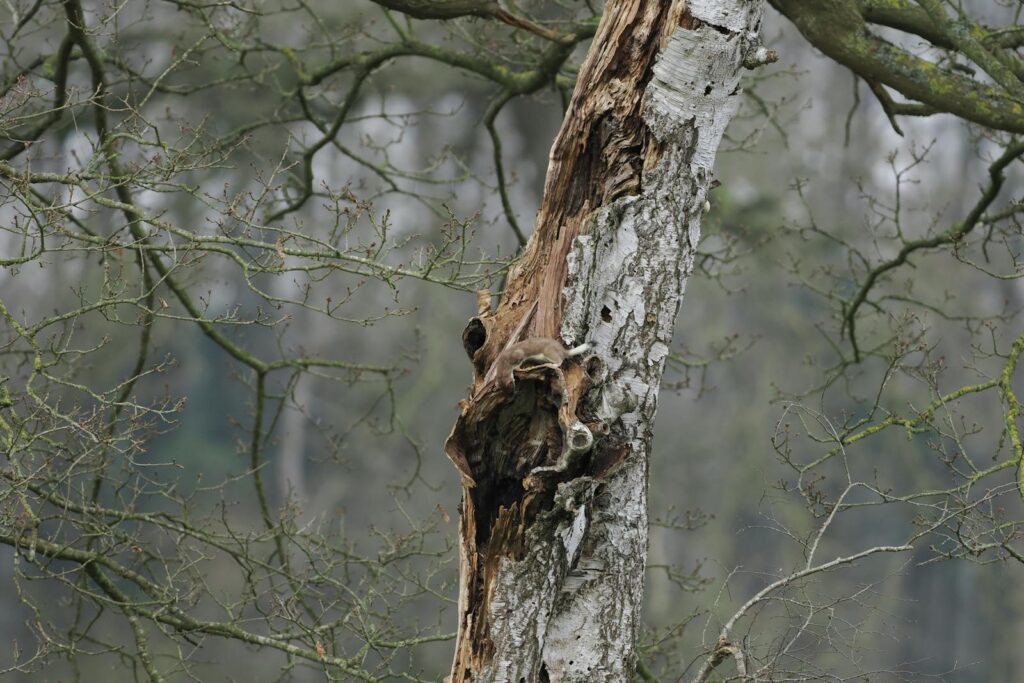
The successful return of American pine martens depends heavily on the availability of suitable habitat meeting their specialized needs. These forest-dwelling mustelids show a strong preference for mature and old-growth coniferous or mixed forests with complex structural elements including a dense canopy, abundant coarse woody debris, and numerous standing dead trees (snags). This complex forest structure provides essential denning sites, protection from predators, access to prey, and suitable travel corridors. Particularly important are large-diameter dead or dying trees with cavities, which offer secure den sites for rearing young and protection during extreme weather. Research has shown that martens typically avoid recently harvested areas and young forest stands lacking these structural elements, as these simplified habitats offer inadequate protection and fewer resources. During winter months, martens rely on the subnivean space beneath deep snow for hunting and shelter, making snowpack another important habitat component in northern regions.
Challenges to Recovery: Modern Threats
Despite encouraging signs of recovery, American pine martens continue to face significant threats in the modern landscape. Climate change represents a growing concern, as warming temperatures alter forest composition, reduce snowpack depth, and potentially favor competitors like fishers that typically inhabit areas with shallower snow. Ongoing forest fragmentation from development, road construction, and certain forestry practices can isolate populations and impede natural dispersal between habitat patches. In some regions, competition with fishers, which have also been recovering and expanding their range, may limit marten recolonization, as fishers are known to prey upon and displace the smaller mustelids. While regulated trapping is permitted in some areas with healthy marten populations, incidental capture in traps set for other species remains a management challenge. Disease transmission from domestic animals and other wildlife, including canine distemper and sylvatic plague, represents another potential threat to recovering populations.
Success Stories: Regional Recoveries

The story of American pine marten recovery includes several remarkable regional success stories worth celebrating. In Vermont’s Green Mountains, where martens were considered extinct for decades, both natural recolonization from neighboring New Hampshire and a reintroduction program have reestablished a growing population that continues to expand its range. Minnesota has seen martens reclaim much of their former territory in the northern forests, with population estimates now numbering in the thousands after reaching critically low levels in the early 1900s. In Michigan’s Upper Peninsula, a combination of reintroductions and natural recovery has resulted in a robust population now stable enough to support limited regulated trapping. The Adirondack Mountains of New York represent another success story, where dedicated conservation efforts have helped martens reoccupy much of their historic range in the park’s extensive forests. These regional victories demonstrate that with appropriate protection and habitat management, pine martens can successfully reestablish themselves across significant portions of their former range.
Research and Monitoring Techniques

Modern wildlife science has developed a diverse toolkit for studying and monitoring elusive species like the American pine marten. Non-invasive techniques have become increasingly important, including remote camera traps that capture photographic evidence of martens without disturbing the animals. Winter track surveys along established transects allow biologists to document marten presence and activity patterns based on their distinctive footprints in snow. Hair snares, which collect fur samples without capturing the animal, provide material for DNA analysis that can identify individuals, determine gender, and assess genetic diversity within populations. For more intensive research, live-trapping and radio-collaring allows scientists to track individual movements, document habitat use, and study behavior patterns across seasons. These combined approaches provide valuable data on population trends, habitat requirements, and responses to management actions, informing ongoing conservation efforts and allowing early detection of potential threats.
Cultural and Economic Significance

Beyond their ecological importance, American pine martens hold significant cultural and economic value across their range. For many Indigenous peoples of the northern forests, martens have traditionally been an important fur-bearer, featured in cultural stories, and considered a valuable resource managed through sustainable harvesting practices developed over generations. The luxurious fur of pine martens historically commanded high prices in the fur trade, contributing to both their historic overexploitation and their current economic value where regulated trapping is permitted. In modern times, martens have become ambassadors for forest conservation, with their charismatic appearance and interesting behaviors making them popular subjects for wildlife photography, nature tourism, and environmental education programs. Their recovery represents not only an ecological success but also the restoration of cultural connections to the land and traditional practices for some communities, illustrating how wildlife conservation can honor both ecological and human dimensions of forest stewardship.
The Future of Pine Marten Conservation

Looking ahead, the continued recovery and long-term persistence of American pine martens will depend on thoughtful, science-based management approaches addressing both current and emerging challenges. Maintaining and restoring habitat connectivity between existing populations will be crucial for genetic exchange and allowing natural range expansion to continue. Incorporating climate change considerations into forest management and protected area planning may help mitigate some impacts, potentially by identifying and protecting climate refugia where conditions will remain suitable for martens. Continued monitoring will be essential for tracking population trends and detecting early warning signs of decline, allowing for adaptive management responses. Collaboration among government agencies, private landowners, conservation organizations, and tribal nations will be necessary to coordinate efforts across jurisdictional boundaries and ensure a comprehensive approach to marten conservation. With appropriate attention and resources, the future looks promising for this remarkable forest dweller to reclaim more of its historic role in North American forest ecosystems.
How Citizens Can Support Pine Marten Recovery

Individual citizens can play meaningful roles in supporting the ongoing recovery of American pine martens through various actions and advocacy. Participating in community science programs like winter tracking surveys or reporting marten sightings to state wildlife agencies helps build valuable databases of distribution information at minimal cost to conservation organizations. Supporting forest conservation initiatives, including land trusts and conservation easements that protect mature forest habitat, provides direct benefits to martens and countless other wildlife species. For forest landowners, implementing management practices that maintain structural complexity, retain standing dead trees, and preserve patches of mature forest can create marten-friendly habitat even in working forests. Advocating for science-based wildlife management policies, supporting research through donations to conservation organizations, and educating others about the ecological importance of martens and other forest carnivores all contribute to a conservation-minded culture. These combined individual actions, when multiplied across communities, create meaningful positive impacts for recovering species like the American pine marten.
Conclusion

The return of the American pine marten represents one of North America’s quieter yet significant conservation success stories. From the brink of regional extinction across much of its southern range, this forest specialist has begun reclaiming its ecological niche through a combination of natural resilience, deliberate reintroduction efforts, and improved habitat protection. While challenges remain, particularly related to climate change and habitat fragmentation, the trajectory is encouraging. As pine martens continue their recovery, they bring ecological benefits to forest ecosystems while also enriching the human experience of these landscapes. Their comeback reminds us that with appropriate protection, habitat, and time, nature demonstrates remarkable resilience—a hopeful message in an era of biodiversity loss. The pine marten’s return stands as testament to what can be achieved when science, policy, and public support align toward conservation goals.