

Frogs, with their permeable skin and dual-life in aquatic and terrestrial environments, serve as nature’s early warning system for environmental changes. These remarkable amphibians are increasingly recognized by scientists and park managers as invaluable bioindicators—living gauges of ecosystem health. In national parks, wildlife preserves, and urban green spaces alike, monitoring frog populations provides critical insights into water quality, habitat integrity, and overall ecological balance. Their sensitivity to environmental stressors makes them exceptional sentinels, often revealing problems before they become catastrophic. This article explores how these small but mighty creatures help us understand and protect our parks’ well-being, highlighting why the humble frog deserves not only our attention but our profound respect as environmental guardians.
The Science of Bioindicators: Why Frogs Excel
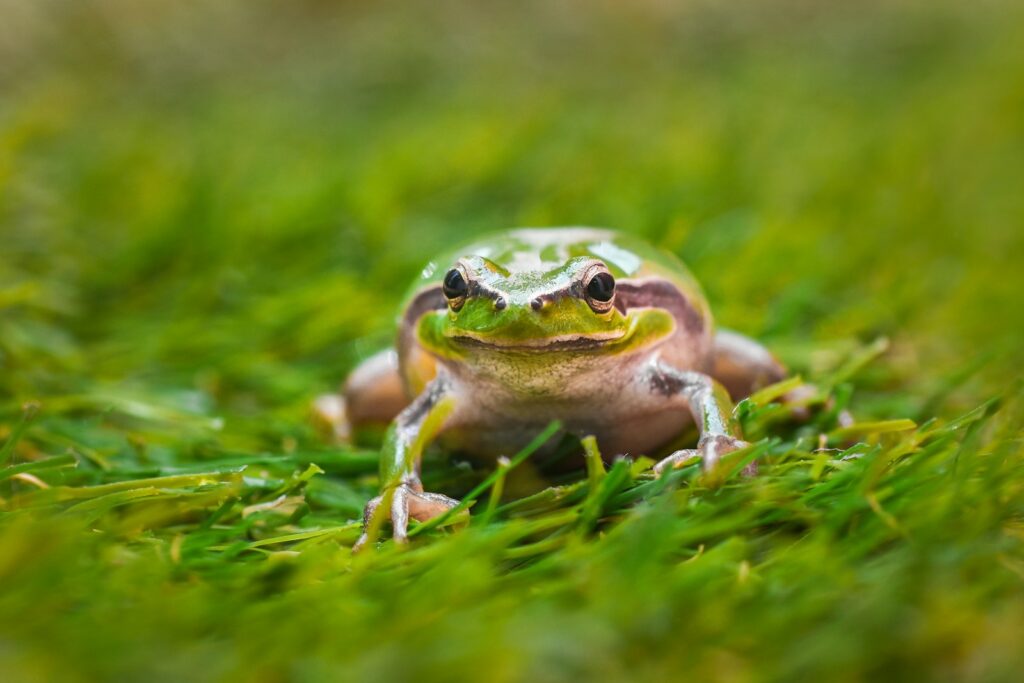
Bioindicators are organisms that, through their presence, absence, or condition, reflect the environmental health of their habitat—and frogs rank among nature’s finest examples. Their permeable skin, which allows them to breathe partially through this organ, also makes them extraordinarily susceptible to pollutants in water, air, and soil. This permeability means toxins in the environment directly enter their bloodstream with minimal filtering, creating visible impacts on frog health and populations long before other wildlife shows signs of distress. Additionally, their complex life cycle—transitioning from aquatic tadpoles to terrestrial adults—means they depend on multiple healthy habitats within a single ecosystem, making them comprehensive indicators of overall park health rather than just one environmental aspect. Their relatively short lifespans also allow researchers to observe generational changes quickly, providing timely data about emerging environmental issues.
Amphibian Anatomy: The Perfect Environmental Sensors
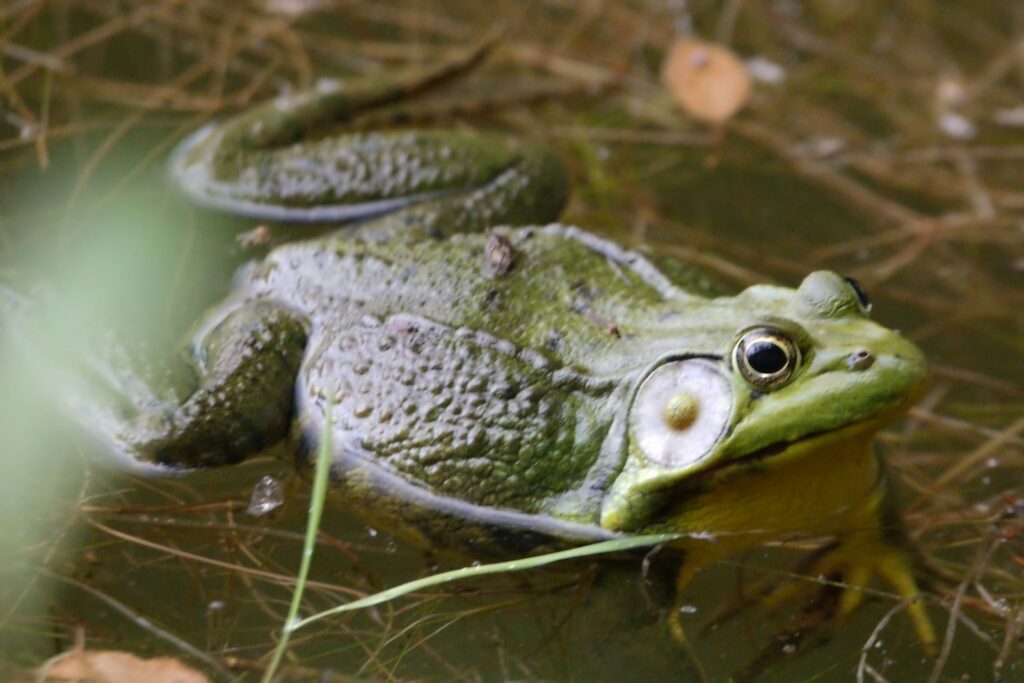
Frogs possess unique anatomical features that make them particularly sensitive to environmental changes, functioning essentially as living environmental sensors. Their skin is thin and highly vascularized, lacking the protective scales or fur that shields other animals from environmental toxins. This skin must remain moist to facilitate oxygen absorption, meaning frogs cannot avoid extended contact with their surroundings—whether contaminated or pristine. Their eggs lack protective shells, exposing developing embryos directly to water conditions and making reproductive success an immediate indicator of aquatic health. Furthermore, the tadpole stage features external gills that directly filter water, causing any waterborne contaminants to impact development immediately and visibly. These biological characteristics combine to create an organism exquisitely attuned to environmental quality, responding quickly and dramatically to even subtle ecological shifts.
Canaries in the Environmental Coal Mine
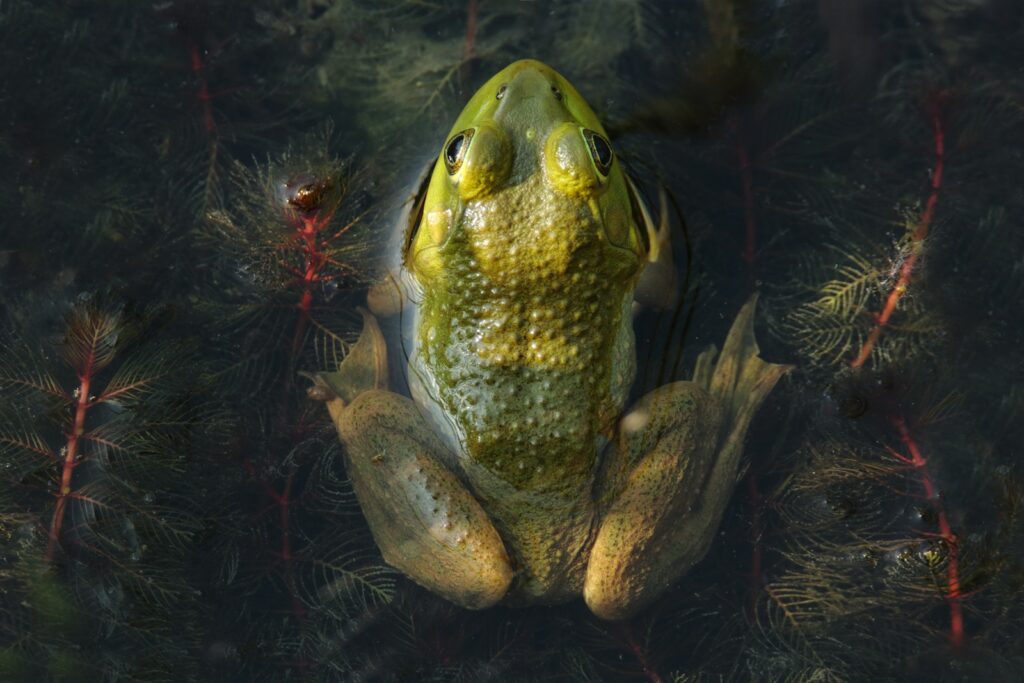
The comparison between frogs and canaries in coal mines is particularly apt, as both serve as early warning systems for environmental hazards. Historically, miners carried canaries underground because these birds would show signs of distress or die when exposed to dangerous gases before humans were affected, allowing miners to escape in time. Frogs perform a similar function in natural environments, with population declines often preceding broader ecosystem changes by months or years. The worldwide amphibian decline noticed since the 1980s alerted scientists to environmental degradation long before the full scope of issues like habitat fragmentation and climate change were widely recognized. In parks specifically, sudden changes in frog calling patterns, breeding success, or population density can signal water contamination, habitat degradation, or disease introduction before these issues affect less sensitive species. This early warning function makes frog monitoring an essential component of proactive park management strategies.
Water Quality Sentinels: What Frogs Tell Us About Aquatic Health
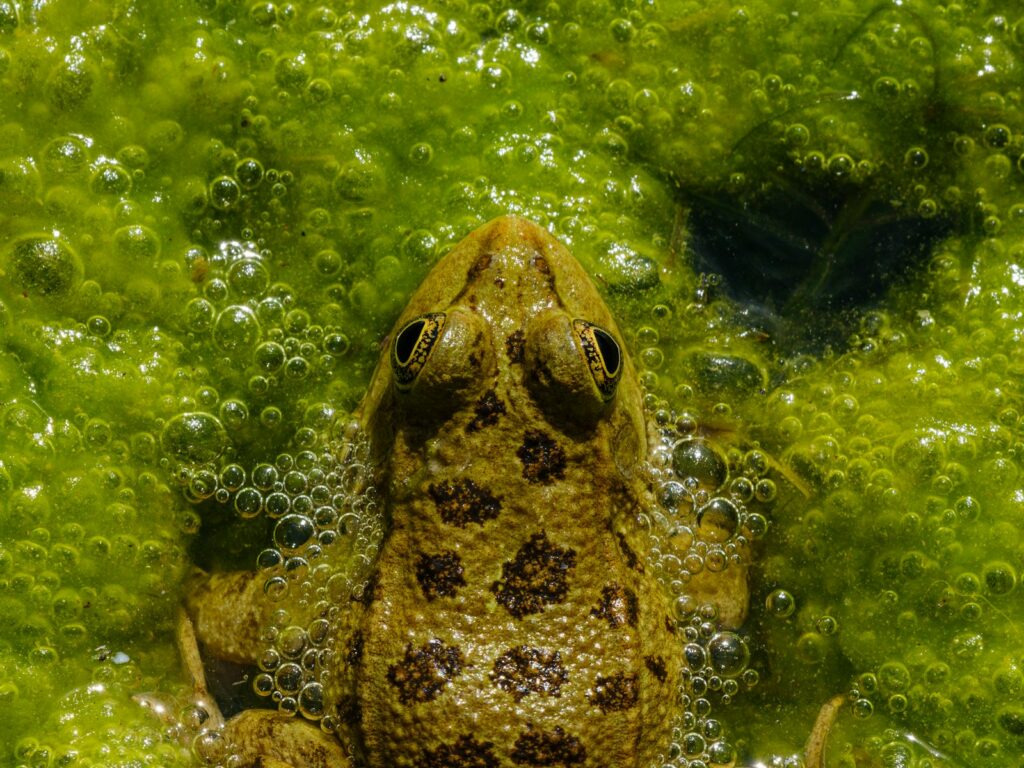
Frogs serve as exceptional indicators of water quality in park ecosystems, often revealing problems invisible to the naked eye or even basic water testing. Their tadpoles are particularly sensitive to changes in pH, dissolved oxygen levels, and the presence of pesticides or heavy metals, with malformations like extra limbs or missing eyes developing when exposed to certain contaminants. Even low concentrations of agricultural runoff containing nitrogen and phosphorus can trigger dramatic developmental abnormalities in tadpoles, serving as visible evidence of pollution before chemical testing might detect concerning levels. Adult frogs show behavioral changes in response to water quality issues, with altered breeding calls or abandoned breeding sites often being the first sign of contamination in seemingly pristine park ponds and streams. The absence of frogs from historically populated waterways almost invariably indicates serious water quality concerns, prompting deeper investigation into potential pollution sources that might otherwise go undetected until affecting human visitors or more visible wildlife.
Habitat Fragmentation Detectors
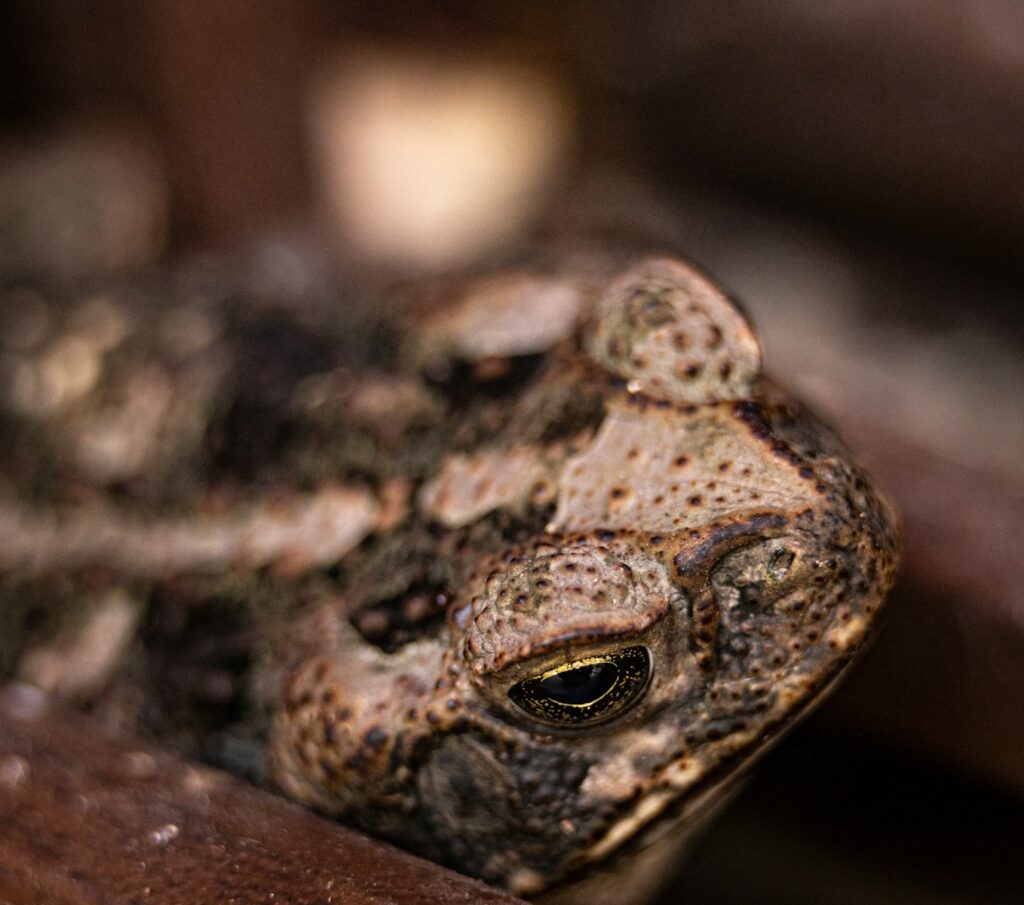
Frogs function as excellent indicators of habitat connectivity and fragmentation within park ecosystems due to their limited mobility and specific habitat requirements. Many species require distinct habitats for different life stages—breeding in ponds but living in forests as adults—meaning they must regularly travel between these areas to complete their life cycle. When natural corridors between habitats become fragmented by trails, roads, or development, frog populations show measurable genetic isolation and decline, even when both habitat types remain intact separately. Researchers can use genetic sampling of frog populations across different park areas to determine if fragmentation is occurring, identifying disconnected populations before visible ecosystem changes appear. The seasonal migration patterns of certain frog species create natural “maps” of functional ecological corridors within parks, with migration routes revealing which connections remain viable for wildlife movement. Monitoring these amphibian movements helps park managers prioritize conservation efforts, identifying critical corridors needing protection before larger, less sensitive species show signs of isolation.
Climate Change Barometers
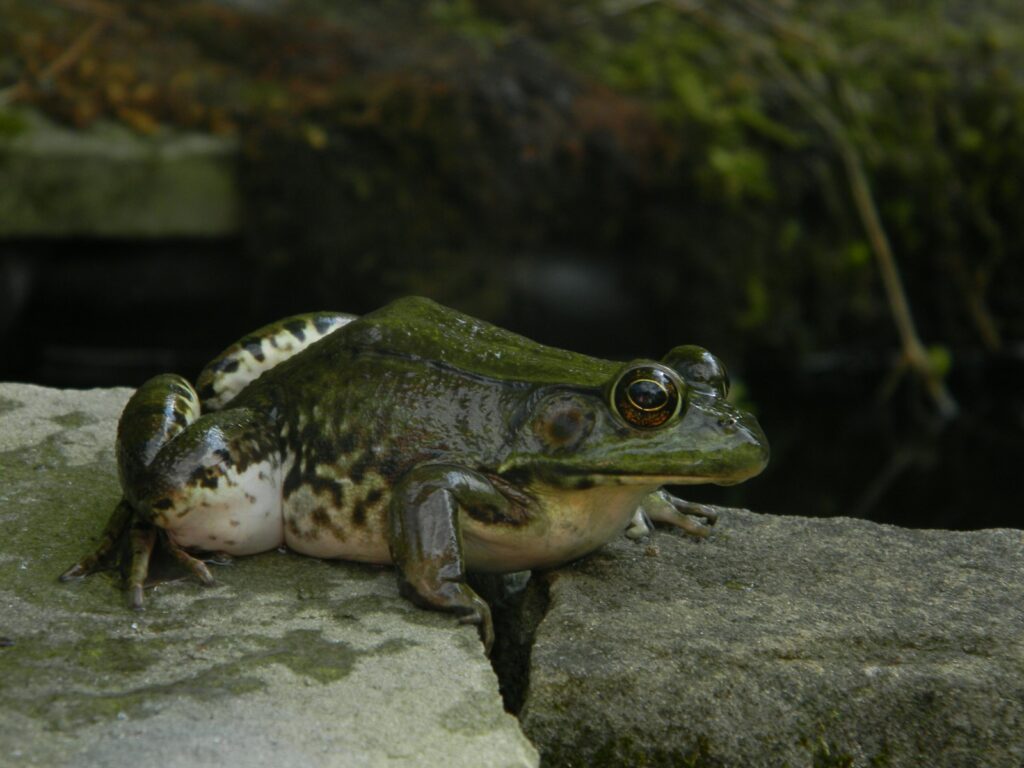
Frogs have emerged as critical indicators of climate change impacts within park environments, responding rapidly to shifts in temperature and precipitation patterns. Their highly temperature-dependent breeding cycles often begin earlier in warming climates, with some species now breeding weeks earlier than historical records indicate was normal just decades ago. Altered rainfall patterns directly affect breeding success, as many species require specific hydroperiods (periods when temporary ponds contain water) that climate change disrupts through unpredictable precipitation. High-elevation frog species show particularly dramatic responses to warming trends, with upslope range shifts or population contractions providing visible evidence of changing climate conditions across park elevation gradients. The temperature-dependent sex determination in some frog species can result in skewed sex ratios as temperatures rise, creating population-level changes that signal broader climatic shifts long before vegetation changes or other slower-responding indicators become apparent.
Disease Surveillance Through Amphibian Health
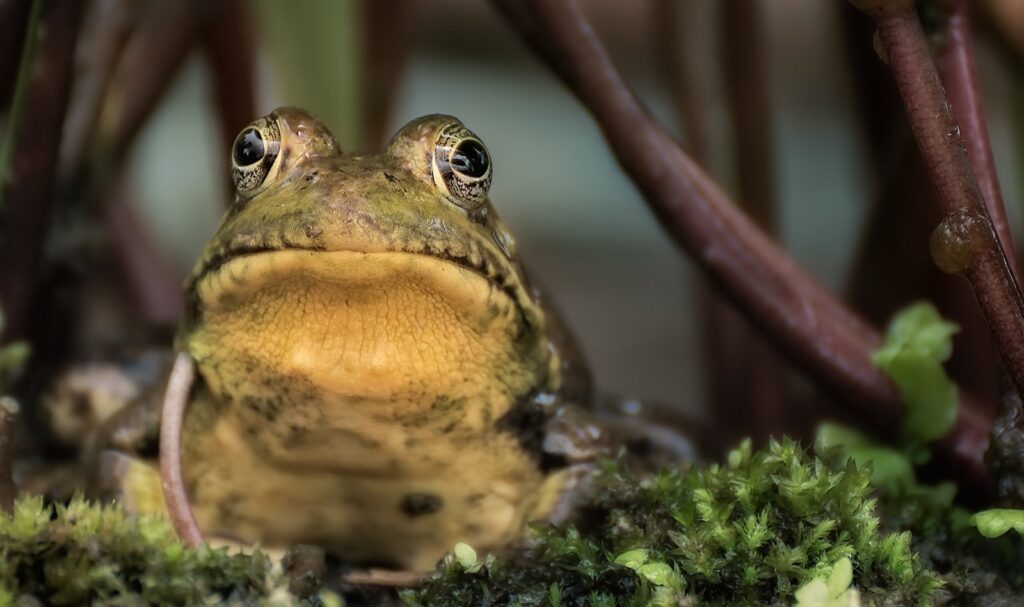
Frog populations serve as crucial early warning systems for emerging infectious diseases that may threaten wider park ecosystems. The devastating impact of chytridiomycosis, caused by the fungal pathogen Batrachochytrium dendrobatidis (Bd), first became apparent through mysterious frog die-offs in seemingly pristine habitats, alerting scientists to this now-global wildlife disease. Regular monitoring of frog health can detect novel pathogens before they spread throughout an ecosystem, allowing for targeted management responses when intervention remains possible. Their immune systems respond visibly to environmental stressors, with increased rates of infection, parasitism, and disease outbreaks serving as indicators of broader ecosystem immunosuppression that may eventually affect other wildlife. Tracking disease prevalence in frog populations across different park regions helps managers identify potential “disease hotspots” where environmental conditions may be facilitating pathogen survival and spread, informing preventative measures like visitor pathway design or seasonal access restrictions to protect vulnerable habitats.
Acoustic Monitoring: Listening to the Voices of Park Health
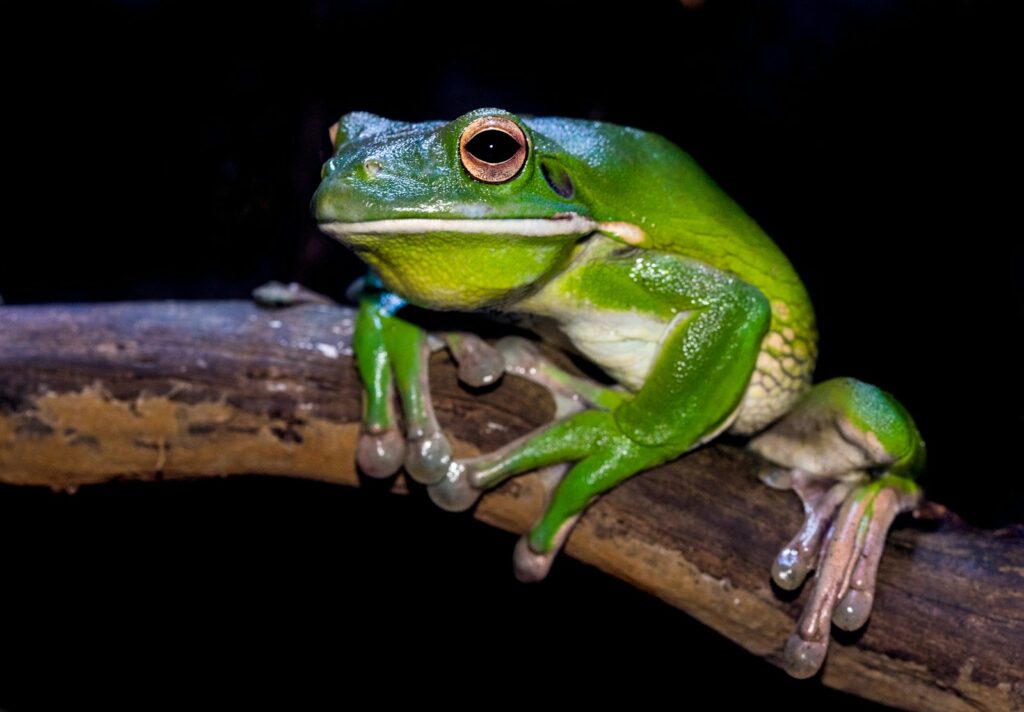
The distinctive calls of male frogs during breeding season provide researchers with a non-invasive, highly effective method for monitoring park health through acoustic surveys. Changes in calling intensity, timing, or species composition offer immediate insights into environmental conditions, with certain species falling silent first when conditions deteriorate. Modern technology allows for automated recording stations that can continuously monitor frog calls throughout parks, creating long-term acoustic datasets that reveal subtle environmental changes over time without disturbing natural behaviors. The chorus of frogs serves as a living soundscape that indicates not just species presence but breeding activity and intensity, providing functional information about reproduction rates rather than merely population presence. Some parks now incorporate frog call recordings into visitor education programs, teaching visitors to recognize healthy versus diminished choruses and turning casual park users into citizen scientists who can report concerning changes in frog activity.
Population Dynamics as Environmental Indicators
The population dynamics of frogs—their abundance, distribution, and demographic structure—provide detailed insights into park ecosystem health beyond simple presence or absence data. Age structure within frog populations reveals much about habitat sustainability, with healthy ecosystems supporting a balanced distribution of age classes while stressed environments often show missing cohorts corresponding to years of environmental disturbance. Population genetic diversity measurements in frogs can indicate whether park habitats remain sufficiently connected or if fragmentation is causing harmful genetic isolation, even before physical population declines become apparent. Long-term monitoring programs tracking frog population trends across decades have proven invaluable for separating natural fluctuations from concerning declines, establishing baseline conditions that help park managers recognize when intervention becomes necessary. Sudden population explosions can be just as informative as declines, sometimes indicating ecosystem imbalances like predator removal or nutrient pollution that temporarily favor frogs but signal broader ecological disruption.
The Practical Application: Frog Monitoring Programs in Parks

Park systems worldwide have implemented sophisticated frog monitoring programs that translate amphibian bioindicator science into practical conservation action. The North American Amphibian Monitoring Program coordinates volunteer-based calling surveys across multiple parks and preserves, creating standardized datasets that allow for regional trend analysis and early detection of widespread threats. Some parks employ environmental DNA (eDNA) sampling, analyzing water samples for trace genetic material that reveals frog species presence without requiring direct observation, particularly valuable for rare or secretive species. Comprehensive monitoring programs typically combine multiple methodologies—visual surveys, call monitoring, capture-mark-recapture studies, and habitat assessments—to create multi-dimensional data about frog populations and their environments. These programs increasingly incorporate citizen science components, training park visitors to report frog sightings through mobile applications that geotag observations, dramatically expanding data collection capacity while simultaneously building public awareness about environmental health indicators.
Case Studies: Frogs Revealing Park Problems
The practical value of frogs as bioindicators has been repeatedly demonstrated through case studies where amphibian monitoring revealed serious environmental issues requiring intervention. In Yosemite National Park, researchers discovered that windborne pesticides from California’s Central Valley were causing population declines in high-elevation yellow-legged frogs long before conventional water testing detected these chemicals, eventually leading to improved agricultural practices in surrounding regions. Australia’s Wet Tropics World Heritage Area identified concerning acidification trends through monitoring pH-sensitive frog species, implementing watershed management changes before more acid-tolerant species were affected. Researchers in Everglades National Park used bullfrog deformity rates to trace mercury contamination pathways, identifying distant atmospheric pollution sources affecting the park through precipitation. In urban parks throughout Europe, common frog breeding success has been used to evaluate the effectiveness of constructed wetlands and pollution mitigation measures, providing measurable outcomes for restoration projects that help secure continued funding and support for environmental protection efforts.
Conservation Challenges and Solutions
While frogs provide invaluable information about park health, conservation challenges remain in translating this knowledge into effective protection measures. Distinguishing between local environmental issues and global threats like climate change or emerging diseases requires sophisticated analysis of frog population data, often demanding resources beyond what many park systems can allocate. Conservation efforts frequently face competing priorities, with charismatic megafauna sometimes receiving disproportionate attention compared to amphibians despite the latter’s greater ecological indicator value. Successful programs typically overcome these challenges by integrating frog monitoring into broader ecosystem assessment frameworks, demonstrating how amphibian health connects directly to visitor experience, water quality, and other readily appreciated park values. Innovative funding approaches, including “adopt-a-frog-pond” programs where corporate sponsors support specific monitoring sites, have helped sustain long-term data collection essential for separating natural fluctuations from concerning trends. Collaborative networks between parks, universities, and conservation organizations have proven particularly effective, pooling resources and expertise to maintain monitoring programs despite individual budget fluctuations.
The Future of Frog-Based Park Management
Emerging technologies and approaches are expanding the potential for frogs to inform park management decisions with unprecedented precision. Advanced genetic techniques now allow researchers to assess population health through non-invasive environmental DNA sampling, detecting subtle genetic adaptations or stress responses that indicate environmental pressures before visible population changes occur. Automated acoustic monitoring systems powered by artificial intelligence can now identify individual frog species calls from recordings, enabling continuous monitoring across vast park areas without human presence. Some forward-thinking park systems are establishing “amphibian health observatories” that integrate multiple monitoring techniques with public education components, creating living laboratories that simultaneously gather data and build visitor appreciation for ecological relationships. The most promising developments involve integrating frog monitoring data with broader ecological modeling, using amphibian responses to predict cascading effects through food webs and ecosystem services, ultimately connecting frog health directly to human wellbeing through clean water, natural pest control, and other ecosystem benefits that healthy parks provide.
Conclusion
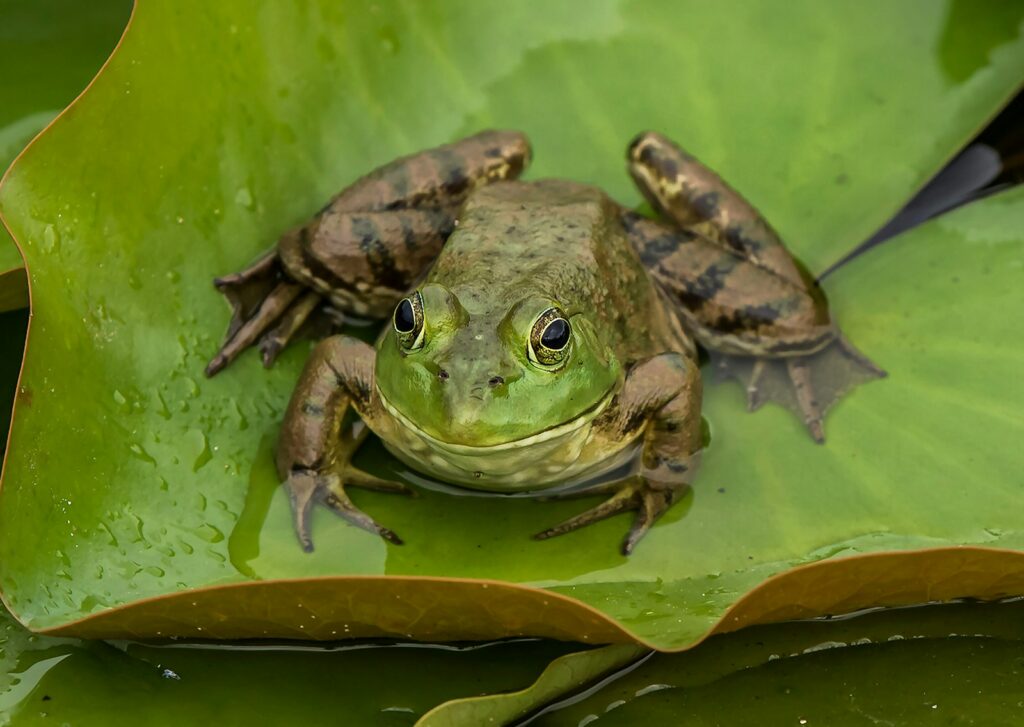
Frogs, with their remarkable sensitivity to environmental change, have earned their place as premier bioindicators of park health. Their permeable skin, complex life cycles, and specific habitat requirements make them nature’s early warning system—often the first to reveal environmental problems through their absence, abnormalities, or behavioral changes. As parks worldwide face increasing pressures from climate change, pollution, and habitat fragmentation, these small amphibians provide invaluable insights that help managers protect not just frog populations but entire ecosystems. The chorus of frogs in a healthy park represents more than just ambient natural sound—it signals functioning watersheds, intact habitats, and balanced ecological relationships. By listening to what frogs tell us about our parks, we gain the knowledge needed to preserve these vital natural spaces for generations to come, making the humble frog not just an inhabitant of our parks but an essential guardian of their continued health and vitality.