
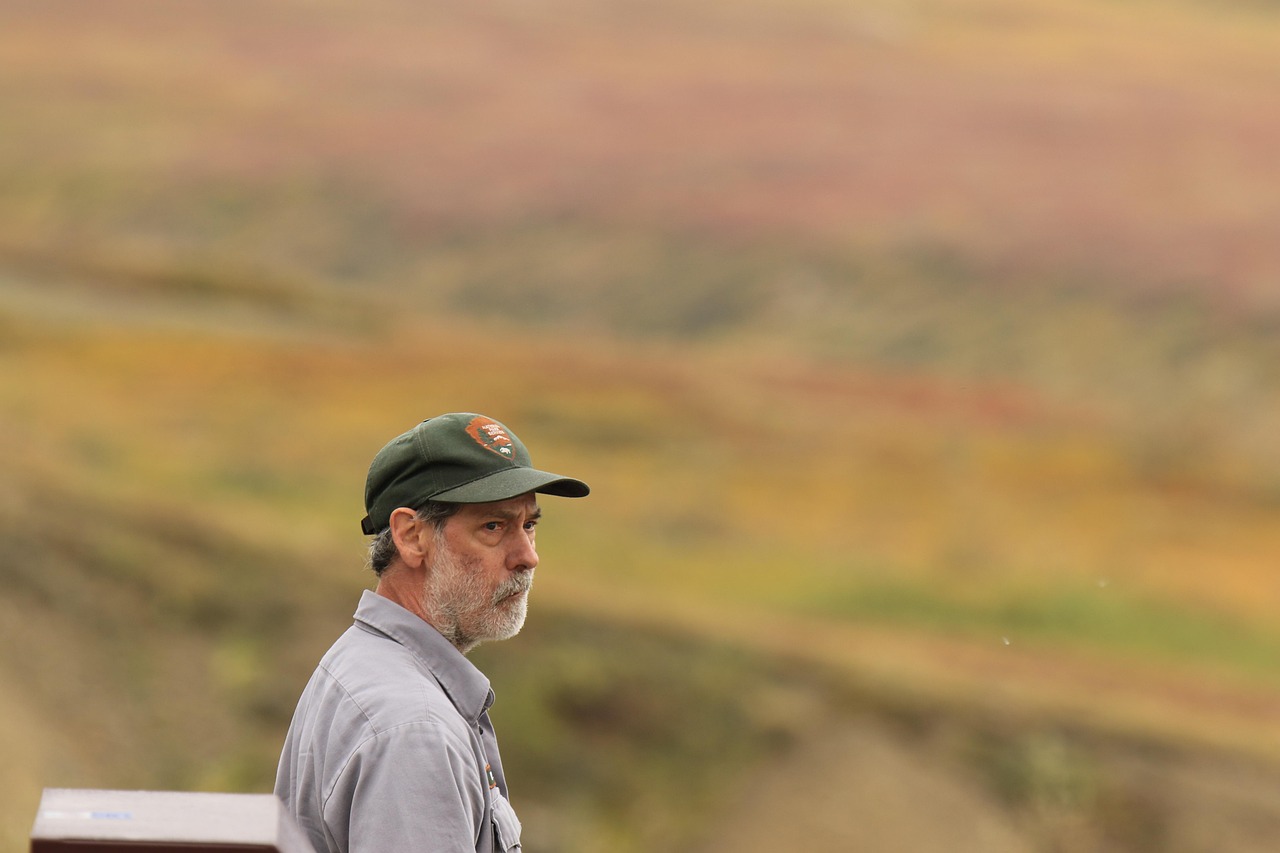
Park rangers stand as the front line defenders in the delicate balance between wildlife conservation and human interaction. As human development continues to encroach on natural habitats, conflicts between wildlife and people have become increasingly common and complex. Park rangers serve as mediators in these situations, equipped with specialized knowledge, training, and tools to prevent, manage, and resolve wildlife conflicts while protecting both animals and people. Their multifaceted role extends far beyond enforcement to include education, community outreach, scientific monitoring, and emergency response, making them indispensable guardians of our natural heritage and public safety.
The Evolving Role of Modern Park Rangers
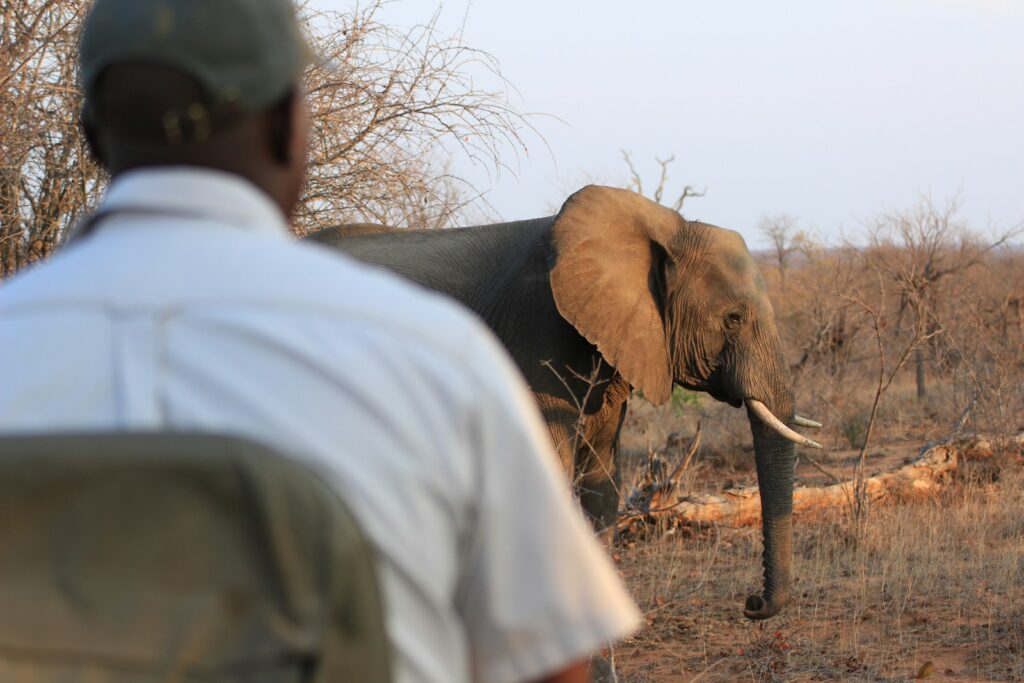
Today’s park rangers fulfill a vastly different role than their predecessors, who primarily focused on law enforcement and visitor assistance. Modern rangers must balance conservation goals with public safety, recreation demands, and the increasing challenges posed by human-wildlife interactions. They often require expertise in wildlife biology, human psychology, conflict resolution, and emergency management. As visitation to natural areas has surged worldwide, rangers have adapted to become educators, scientists, emergency responders, and community liaisons—all while maintaining their traditional protection duties. This evolution reflects both the growing complexity of park management and the escalating challenges posed by shrinking wildlife habitats and expanding human presence.
Understanding Wildlife Behavior and Conflict Patterns
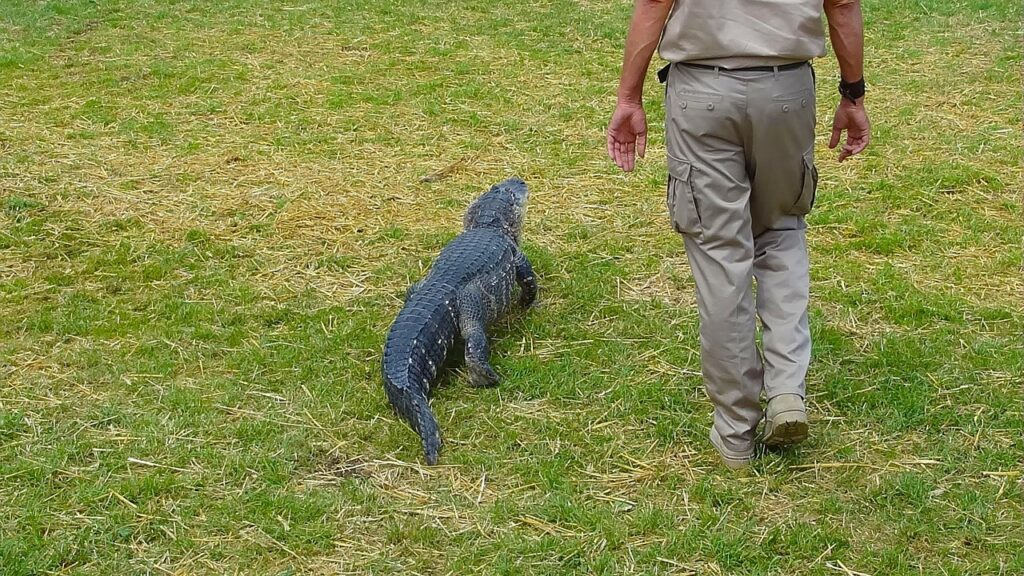
Effective conflict prevention begins with a deep understanding of wildlife behavior, movement patterns, and the factors that trigger negative interactions with humans. Park rangers develop specialized knowledge of local species, including their feeding habits, breeding seasons, and territorial behaviors—all of which can influence conflict potential. They learn to identify warning signs of habituation, where animals become dangerously accustomed to human presence or food sources. Rangers also track seasonal changes that might drive wildlife into developed areas, such as drought conditions forcing animals to seek water near human settlements. This biological expertise allows rangers to anticipate potential conflict situations before they occur and implement preventive measures tailored to specific species and circumstances.
Implementing Habitat Management Strategies
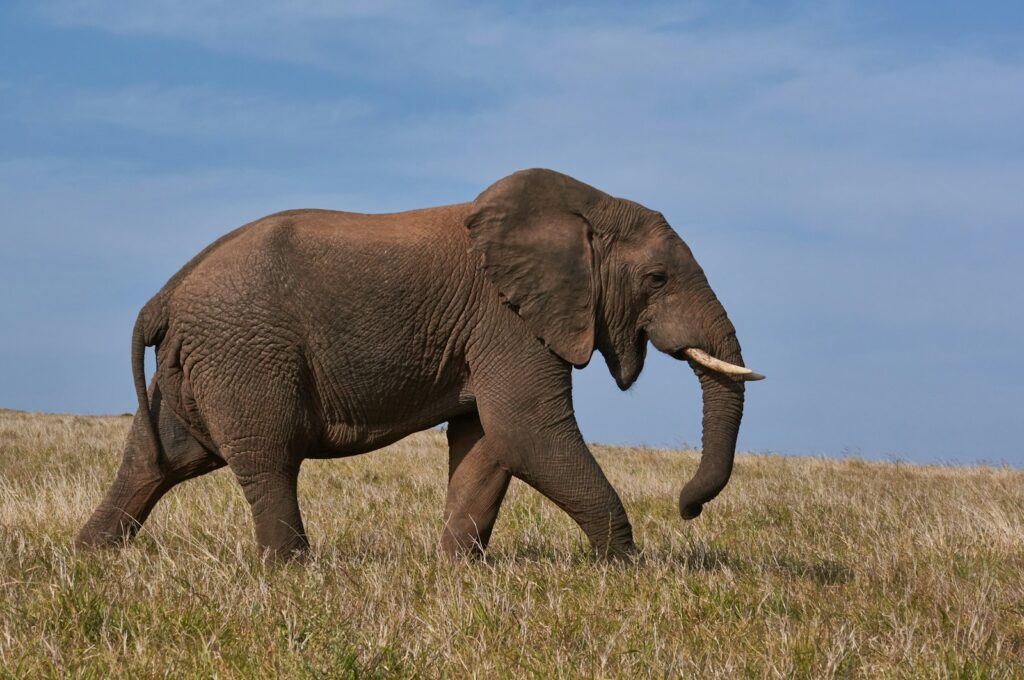
Park rangers actively participate in habitat management initiatives designed to reduce wildlife conflicts by maintaining ecological balance. They may coordinate prescribed burns that improve natural food availability for wildlife, reducing animals’ need to seek food in developed areas. Rangers oversee the placement and maintenance of wildlife corridors that allow animals to move safely between habitat fragments without crossing through human settlements. They also participate in restoration projects that improve degraded habitats, potentially reducing competition for resources that might drive wildlife into conflict with humans. By helping maintain healthy, productive natural habitats, rangers address one of the root causes of wildlife conflict—competition for limited resources in shrinking wild spaces.
Visitor Education and Awareness Programs
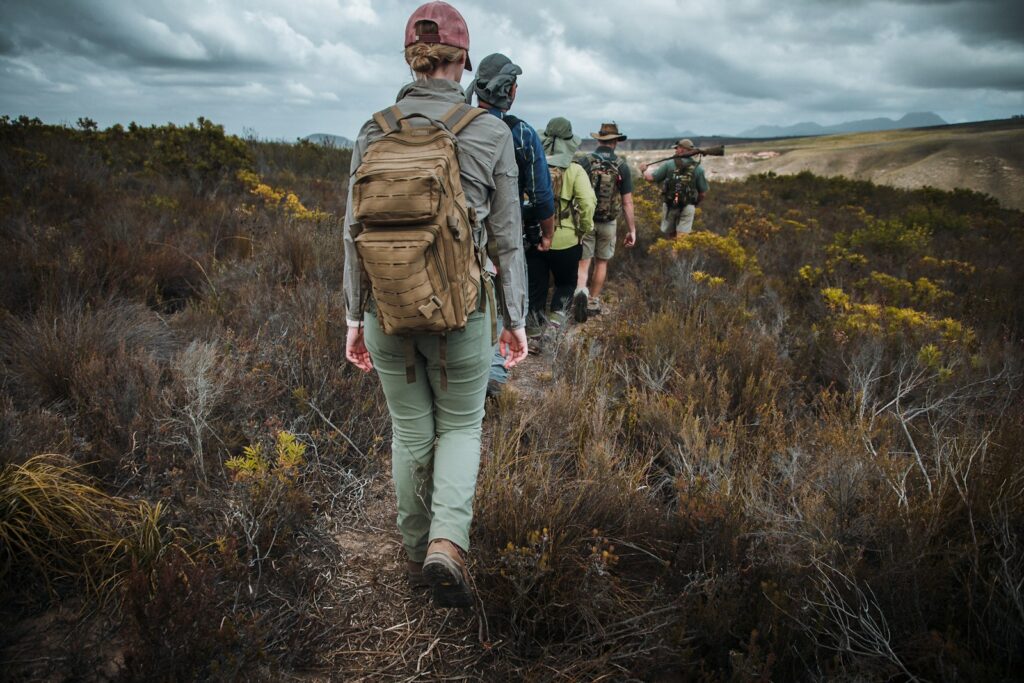
Education represents one of the most powerful tools in a ranger’s conflict prevention arsenal. Rangers develop and deliver comprehensive educational programs that teach visitors proper wildlife viewing etiquette, food storage requirements, and appropriate reactions during wildlife encounters. They create interpretive displays, lead guided walks, and conduct campground talks that build appreciation for wildlife while emphasizing safety protocols. Many rangers also develop specialized programs for high-risk groups such as hikers, photographers, and campers who might encounter potentially dangerous species. Through these educational efforts, rangers transform park visitors from potential conflict sources into informed partners in wildlife conservation and conflict prevention.
Physical Infrastructure and Deterrent Systems
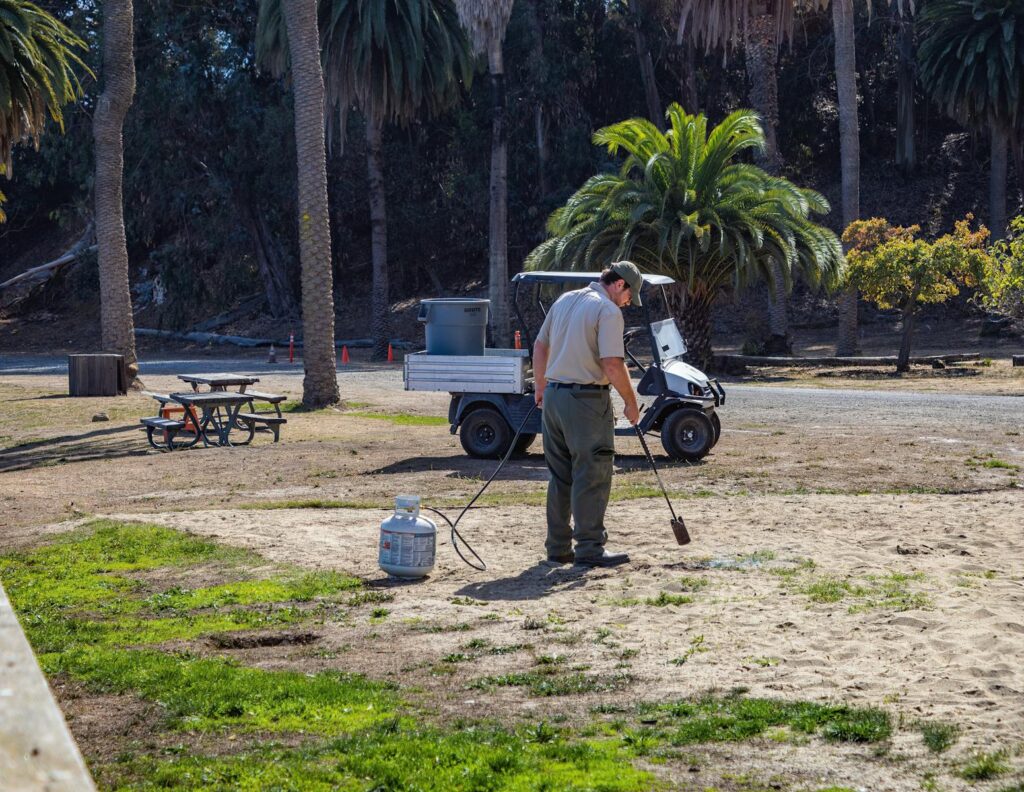
Rangers oversee the implementation and maintenance of various physical systems designed to prevent wildlife conflicts. They coordinate the installation of wildlife-proof trash receptacles, food storage lockers, and specialized fencing that keeps animals out of campgrounds and picnic areas. In areas with dangerous predators, rangers may maintain electric fencing, motion-activated deterrent systems, or specialized barriers designed for particular species. They regularly inspect these systems to ensure proper functioning and make adjustments based on changing wildlife behavior or new conflict patterns. Rangers also collaborate with engineers and wildlife biologists to test and implement innovative technological solutions, such as early warning systems that alert staff to wildlife entering high-use areas.
Community Outreach and Local Partnerships
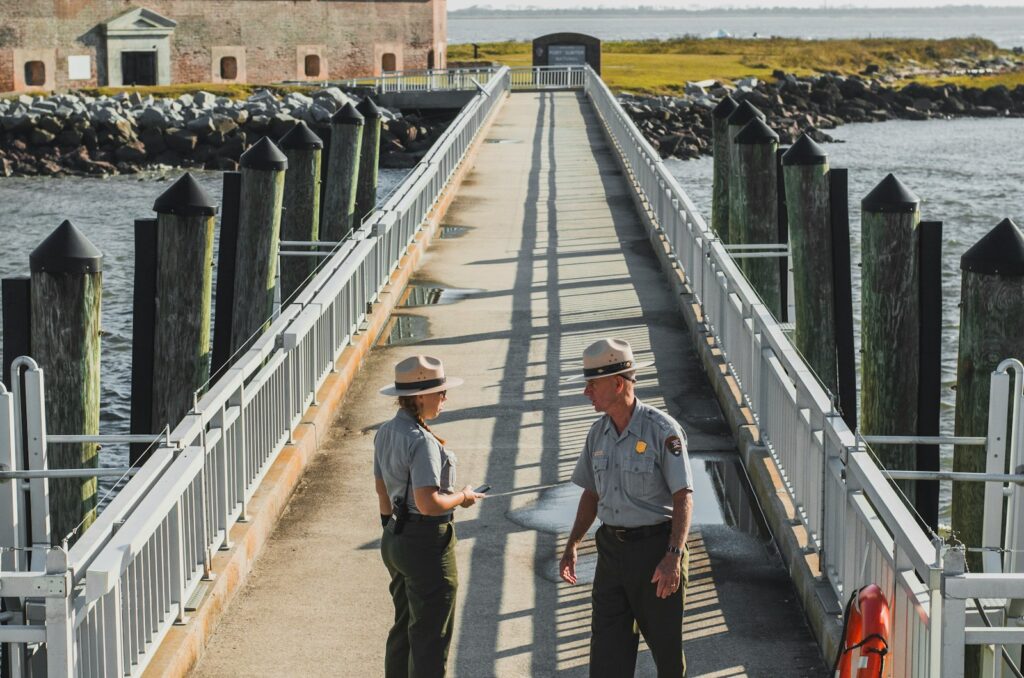
Effective wildlife conflict prevention extends beyond park boundaries into surrounding communities, requiring rangers to develop strong relationships with local residents. Rangers conduct workshops for homeowners on wildlife-resistant landscaping, proper trash management, and pet safety in wildlife-rich areas. They partner with local businesses, especially those in tourism, to promote wildlife-friendly practices and consistent messaging about wildlife safety. Many rangers serve on community wildlife committees or collaborate with local government on land use planning that considers wildlife movement and habitat needs. These community partnerships create a consistent approach to wildlife management across jurisdictional boundaries and build local investment in conflict prevention strategies.
Wildlife Monitoring and Data Collection
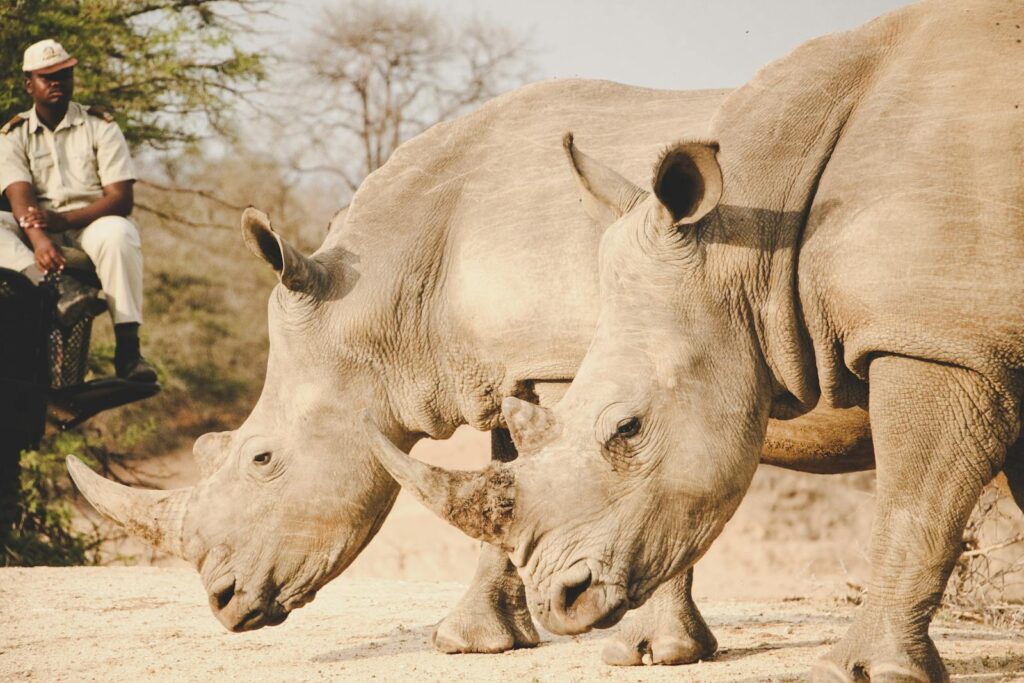
Scientific monitoring forms a crucial component of proactive conflict prevention, with rangers serving as primary data collectors in many protected areas. Rangers track wildlife populations through regular surveys, camera traps, GPS collaring programs, and systematic observation of animal movements and behaviors. They document conflict incidents in standardized databases, recording details about species involved, environmental conditions, human behaviors, and resolution methods. This systematic data collection allows management teams to identify emerging conflict patterns, problem individuals, or high-risk locations. Rangers also participate in regional monitoring networks, sharing information with neighboring jurisdictions to track wide-ranging species that might move between managed areas.
Managing Food Conditioning and Habituation
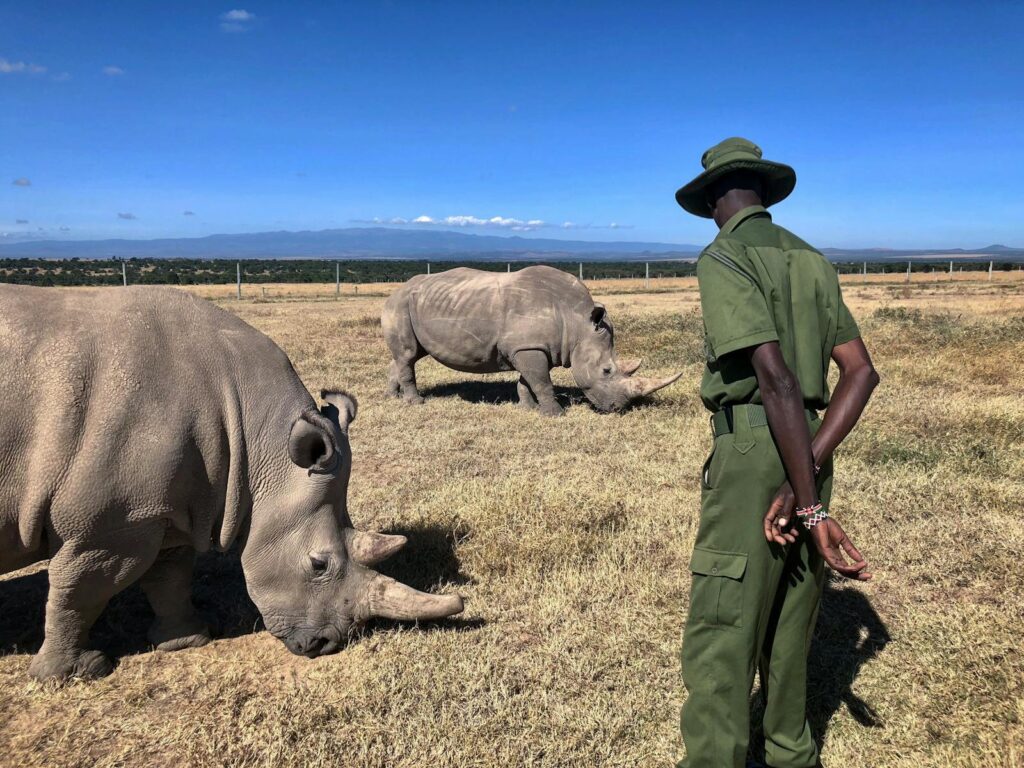
One of the most significant challenges rangers face is preventing wildlife from becoming habituated to humans or conditioned to associate people with food. Rangers implement strict enforcement of feeding bans, regularly patrolling for violations and issuing citations when necessary. They coordinate rapid response teams that address emerging habituation behaviors before they become entrenched, using hazing techniques to reinstill natural wariness in wildlife showing concerning behaviors. In severe cases, rangers may be involved in decisions regarding relocating problem animals or, as a last resort, euthanizing animals that pose imminent threats to human safety. Through consistent enforcement and timely intervention, rangers work to maintain healthy boundaries between wildlife and park visitors.
Emergency Response and Conflict Resolution
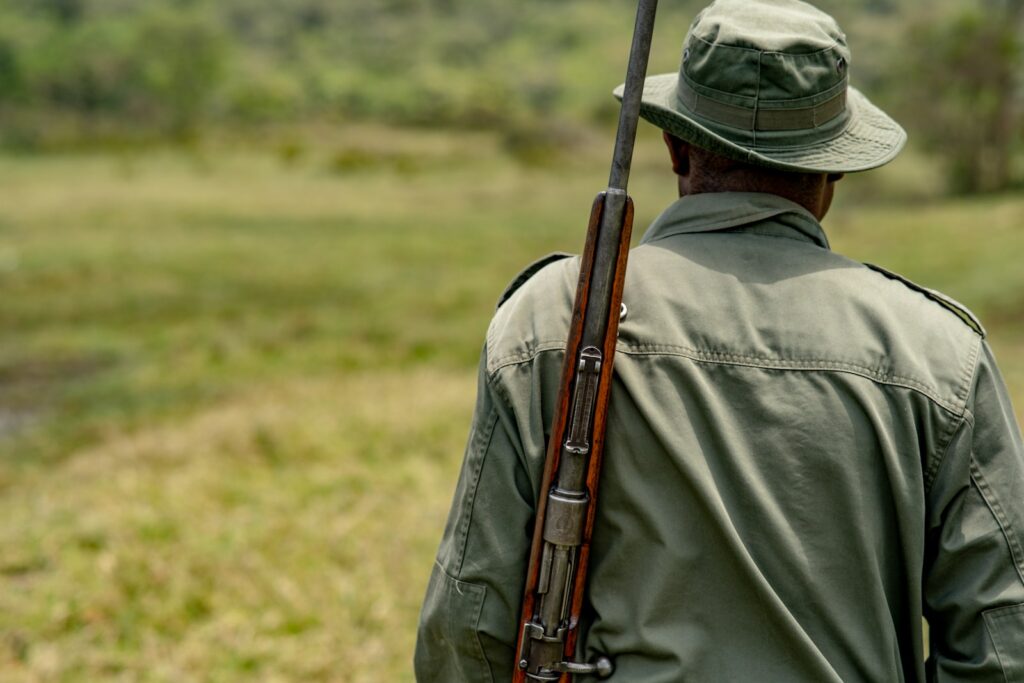
Despite prevention efforts, wildlife conflicts do occur, requiring rangers to develop specialized emergency response capabilities. Rangers receive training in wildlife immobilization techniques, defensive tactics, and proper use of deterrents like bear spray or noise devices. They establish and practice emergency protocols for different conflict scenarios, from bear encounters in campgrounds to mountain lion sightings near trails. Many rangers are certified in first aid and wilderness medicine, allowing them to treat injuries resulting from wildlife encounters. Their rapid response capabilities often make the difference between a manageable incident and a tragedy, particularly in remote areas where outside emergency services may be hours away.
Interagency Coordination and Policy Development
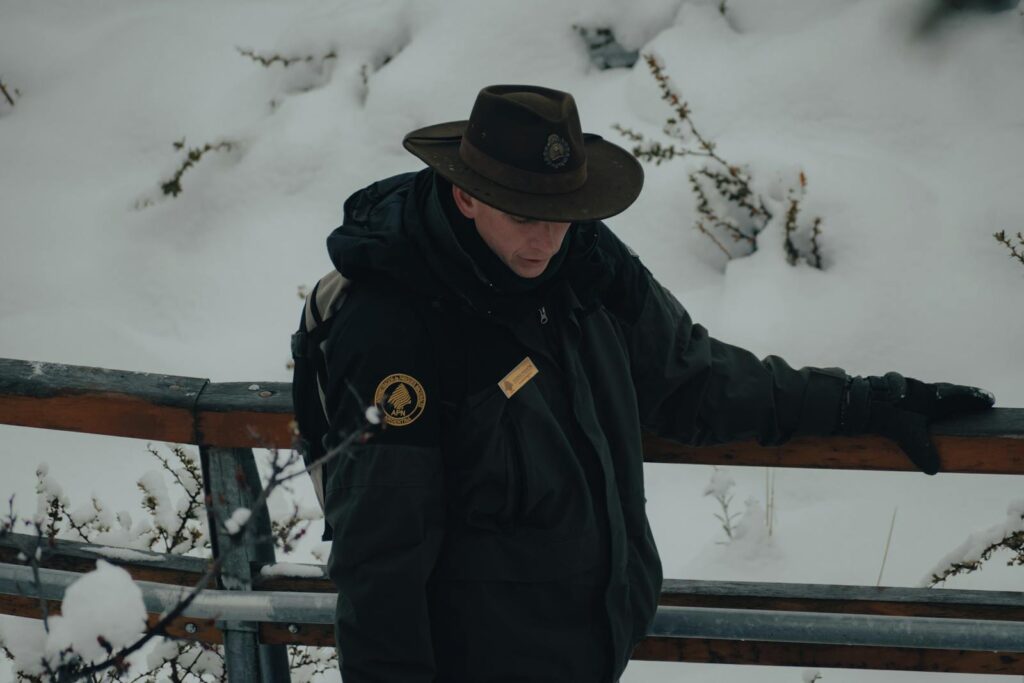
Wildlife rarely respects jurisdictional boundaries, requiring rangers to coordinate conflict prevention efforts across multiple agencies and land management units. Rangers participate in interagency working groups that develop consistent approaches to wildlife management across adjacent public lands. They contribute field experience to policy development at regional and national levels, helping shape regulations based on practical realities of wildlife-human interactions. Many experienced rangers serve as technical advisors during the development of wildlife management plans, environmental impact statements, or new conservation legislation. This coordination ensures that wildlife moving between jurisdictions encounters consistent management approaches, reducing confusion that might lead to conflict situations.
Specialized Training and Equipment
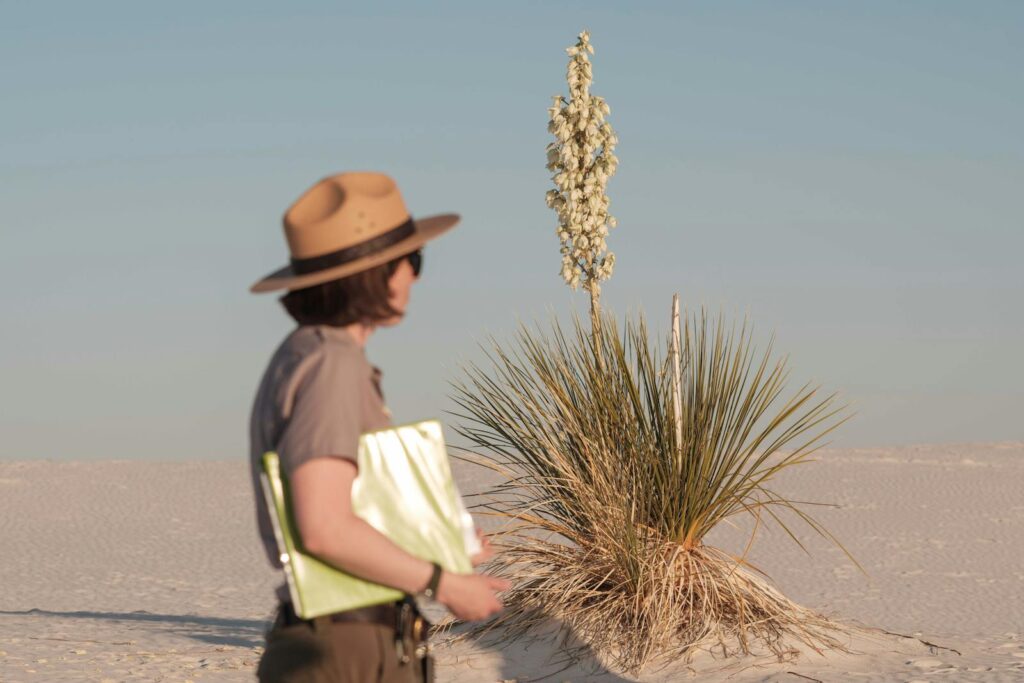
Modern wildlife conflict prevention requires specialized skills and tools that rangers must master throughout their careers. Rangers undergo training in wildlife immobilization, conflict de-escalation, and species-specific management techniques tailored to the animals in their region. They learn to operate specialized equipment like bear traps, remote cameras, telemetry devices, and non-lethal deterrent systems. Many rangers receive certification in firearms and chemical immobilization for emergency situations involving dangerous wildlife. This training continually evolves as new research, technologies, and best practices emerge in the field of human-wildlife conflict management, requiring rangers to maintain a commitment to ongoing professional development throughout their careers.
Ethical Considerations and Balanced Approaches
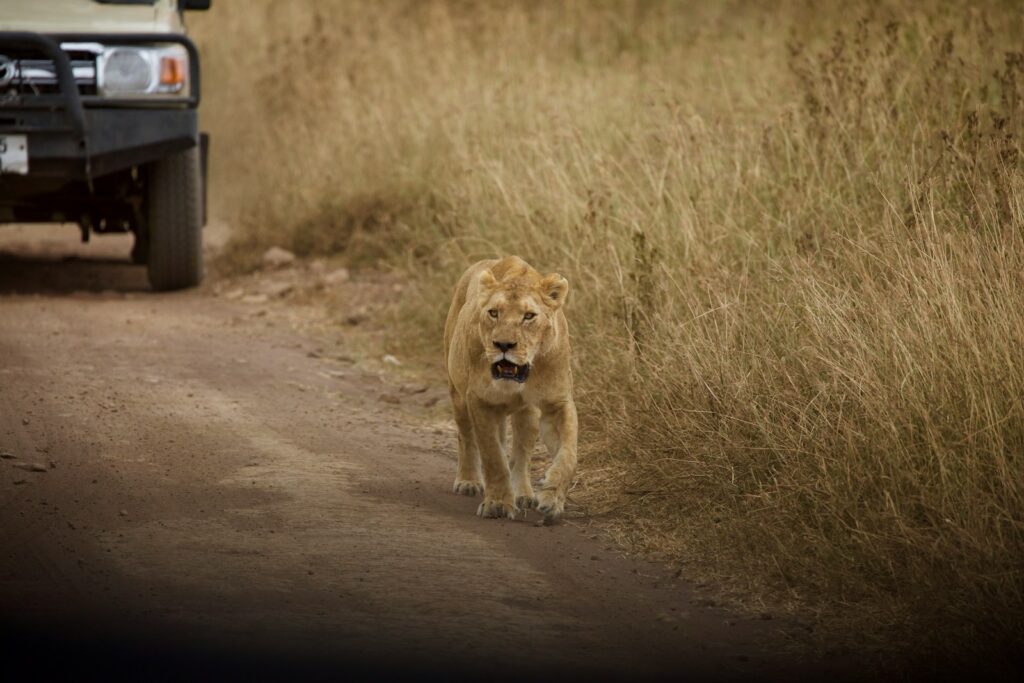
Rangers often navigate complex ethical territory when addressing wildlife conflicts, balancing animal welfare with human safety concerns. They must consider the ecological importance of predators while protecting the public from potential harm, sometimes making difficult decisions about individual animals that pose safety risks. Rangers work within management frameworks that prioritize non-lethal solutions whenever possible, using humane methods for wildlife control when intervention becomes necessary. Many ranger services have developed ethical guidelines specifically for conflict situations, providing decision frameworks that respect both conservation values and public safety needs. This balanced approach allows rangers to maintain public trust while fulfilling their conservation mission, even when difficult decisions must be made.
Future Challenges and Evolving Strategies
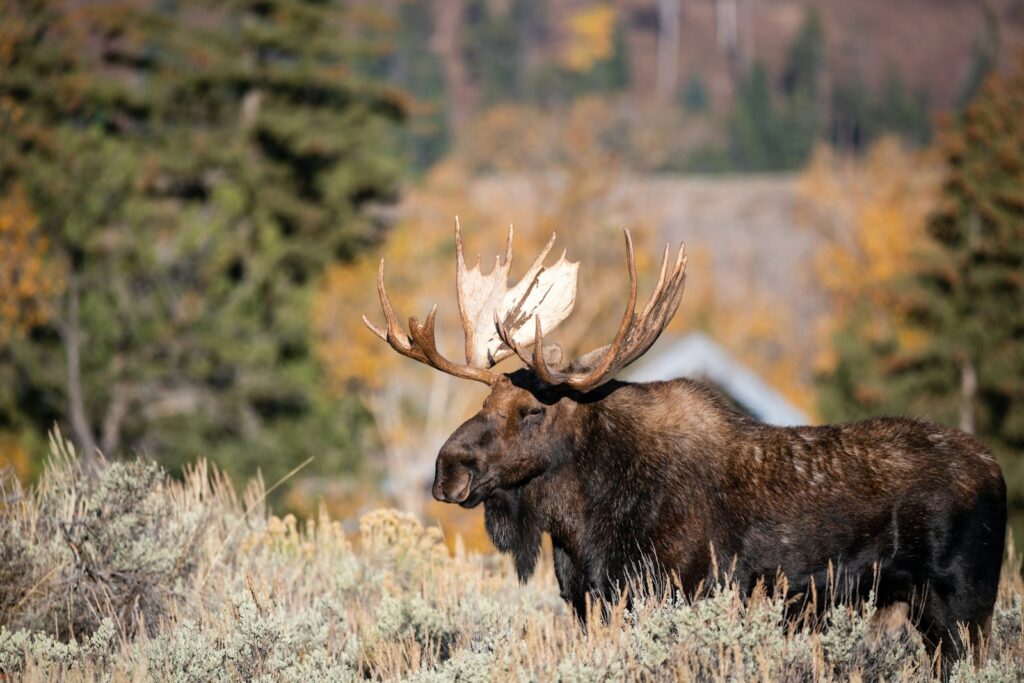
As climate change alters wildlife ranges and behaviors while human development continues to fragment habitats, rangers face evolving challenges in conflict prevention. Rangers are increasingly embracing technological solutions like real-time wildlife tracking systems, artificial intelligence for predicting conflict hotspots, and remote sensing to monitor wildlife movements near developed areas. Many ranger services are expanding their focus on climate adaptation strategies that anticipate shifts in wildlife distribution and behavior patterns. There’s growing recognition that indigenous knowledge systems offer valuable insights into coexistence strategies, prompting many ranger programs to incorporate traditional ecological knowledge into their management approaches. As these challenges intensify, the ranger profession continues to evolve, developing innovative approaches to maintain the delicate balance between wildlife conservation and human safety.
Conclusion
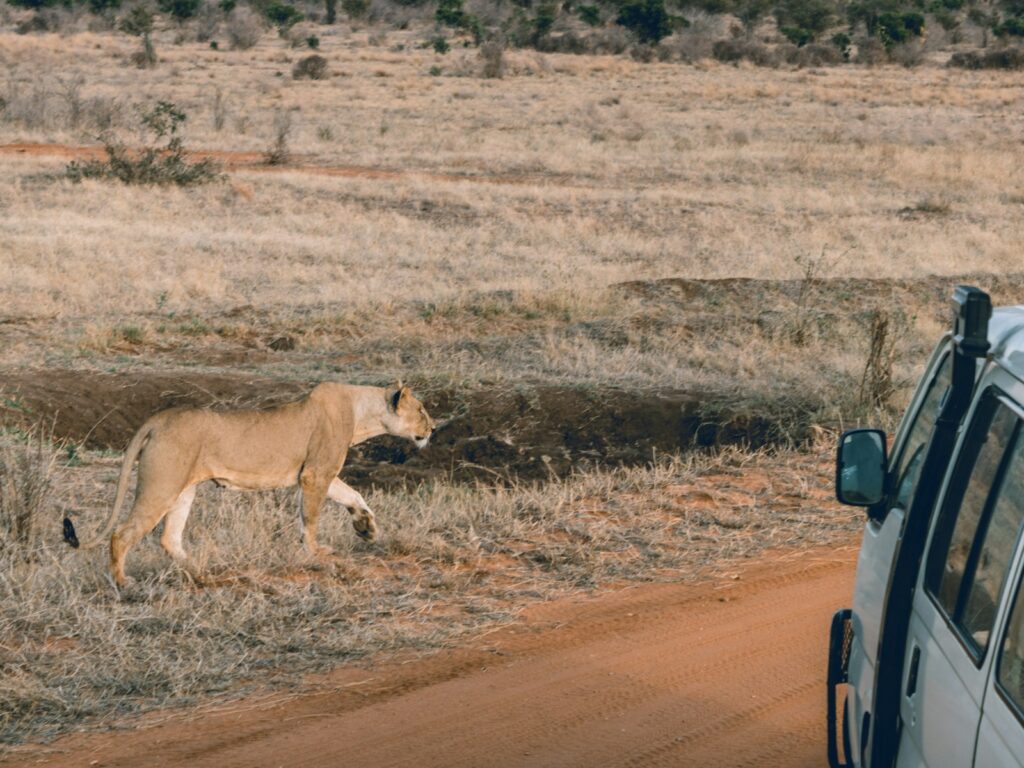
Park rangers represent the crucial intersection of wildlife conservation, public safety, and environmental education. Their multifaceted role in preventing human-wildlife conflicts combines scientific knowledge, practical skills, and community engagement to foster coexistence in increasingly crowded landscapes. As human development continues to press against wild spaces, the expertise of these dedicated professionals becomes ever more valuable. Through their daily efforts to prevent conflicts before they occur, respond effectively when they do, and educate the public about responsible wildlife interactions, park rangers help maintain the delicate balance that allows humans and wildlife to share our planet’s precious natural spaces.