
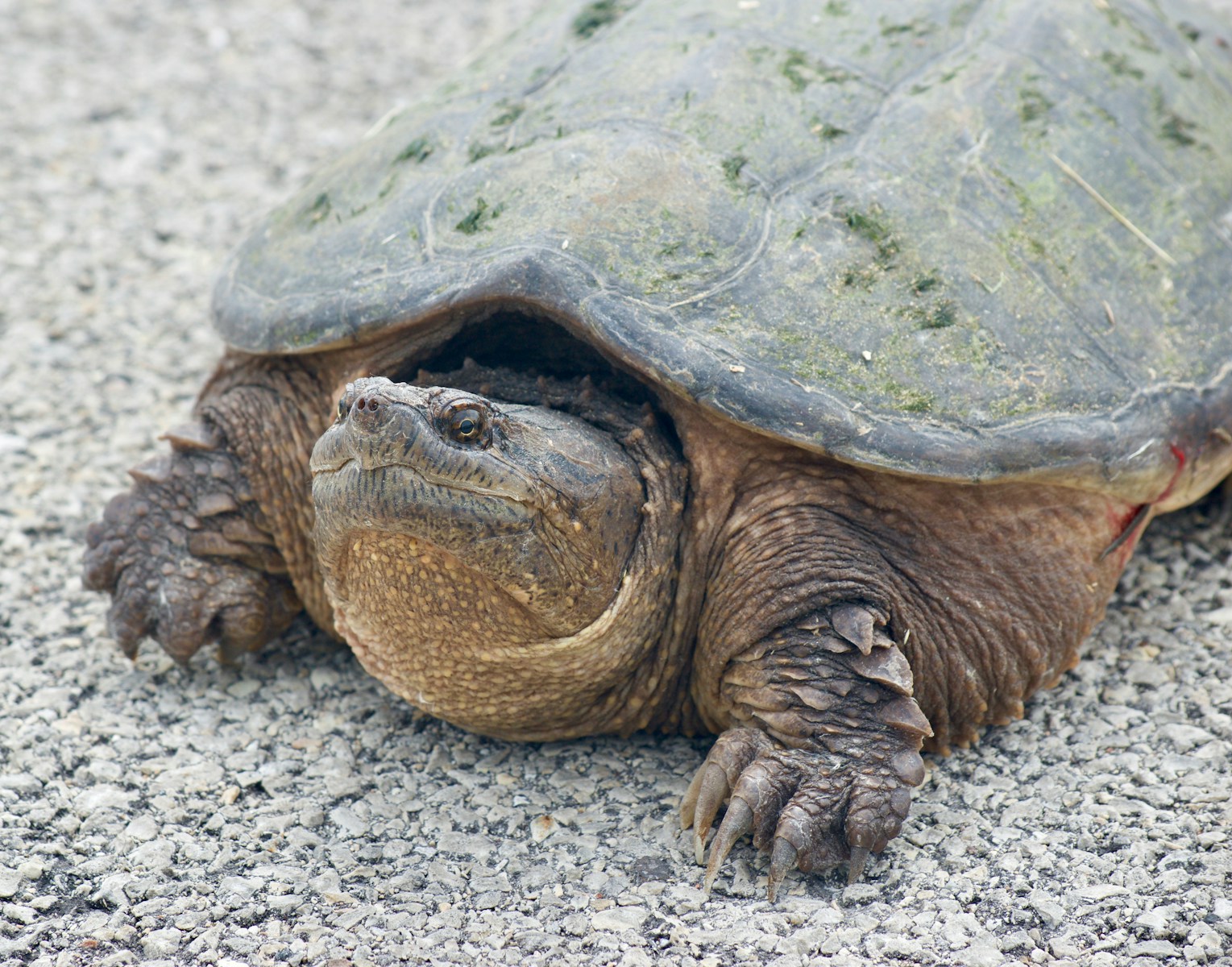
Beneath the murky waters of North America’s freshwater ecosystems, an ancient predator patrols with evolutionary adaptations largely unchanged for millions of years. The snapping turtle, with its powerful jaw and prehistoric appearance, represents more than just an intimidating aquatic resident—it serves as a crucial component in the intricate web of aquatic food chains. These remarkable reptiles function as both predators and scavengers, helping maintain the delicate balance of their wetland habitats. Their ecological significance extends beyond their fearsome reputation, as they contribute to nutrient cycling, population control of various species, and overall ecosystem health. This article explores the multifaceted role these fascinating creatures play in freshwater environments and why their conservation matters for maintaining healthy aquatic ecosystems.
Evolutionary History and Adaptation
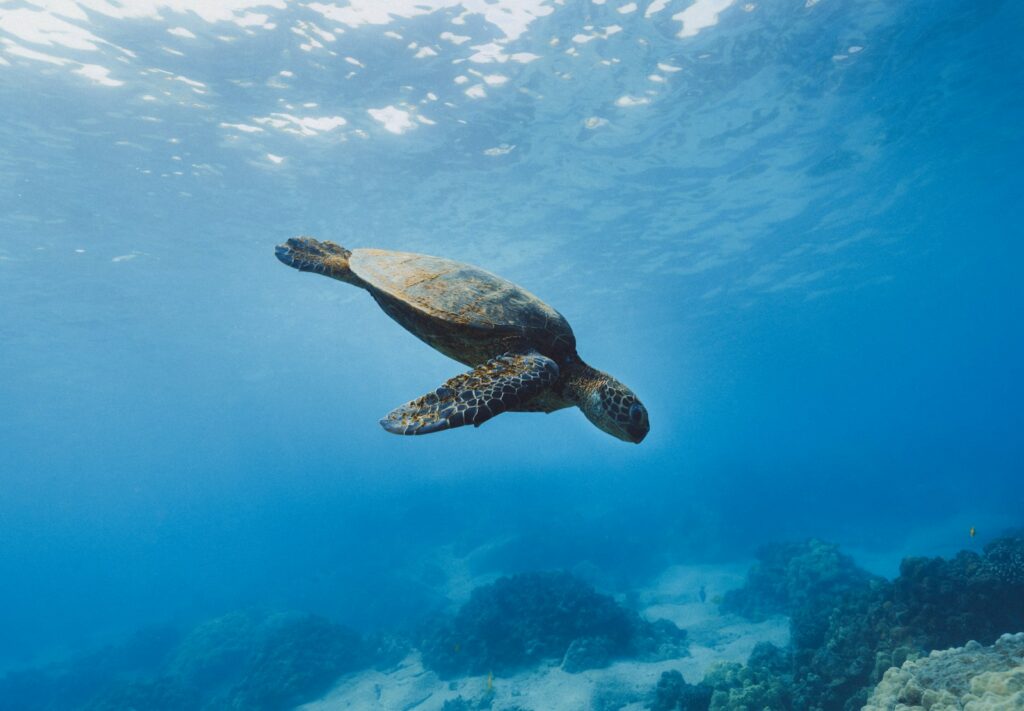
Snapping turtles belong to the family Chelydridae and have existed in a form similar to their current appearance for approximately 90 million years, making them living fossils that have survived multiple mass extinction events. The common snapping turtle (Chelydra serpentina) and the larger alligator snapping turtle (Macrochelys temminckii) represent the two primary species found throughout North American freshwater systems. Their evolutionary success stems from a remarkable set of adaptations, including powerful jaws capable of delivering devastating bites, protective shells, and an ability to remain submerged for extended periods. These adaptations have allowed snapping turtles to occupy a specialized ecological niche as apex predators in many of the aquatic environments they inhabit, giving them both hunting prowess and defensive capabilities that few other freshwater species can match.
Geographic Distribution and Habitat Preferences

Snapping turtles are widely distributed across North America, with the common snapping turtle ranging from southern Canada to the Gulf of Mexico and from the Rocky Mountains to the Atlantic coast. The alligator snapping turtle has a more restricted range, primarily inhabiting river systems that flow into the Gulf of Mexico. These adaptable reptiles thrive in a variety of freshwater habitats including lakes, ponds, rivers, streams, and marshes, showing a particular preference for slow-moving waters with soft, muddy bottoms and abundant aquatic vegetation. Such environments provide ideal conditions for their ambush hunting strategy while offering plenty of hiding places and basking opportunities. Their ability to tolerate different water conditions, including moderately polluted environments, has helped them maintain populations even in areas with significant human development and environmental degradation.
Position as Apex Predators
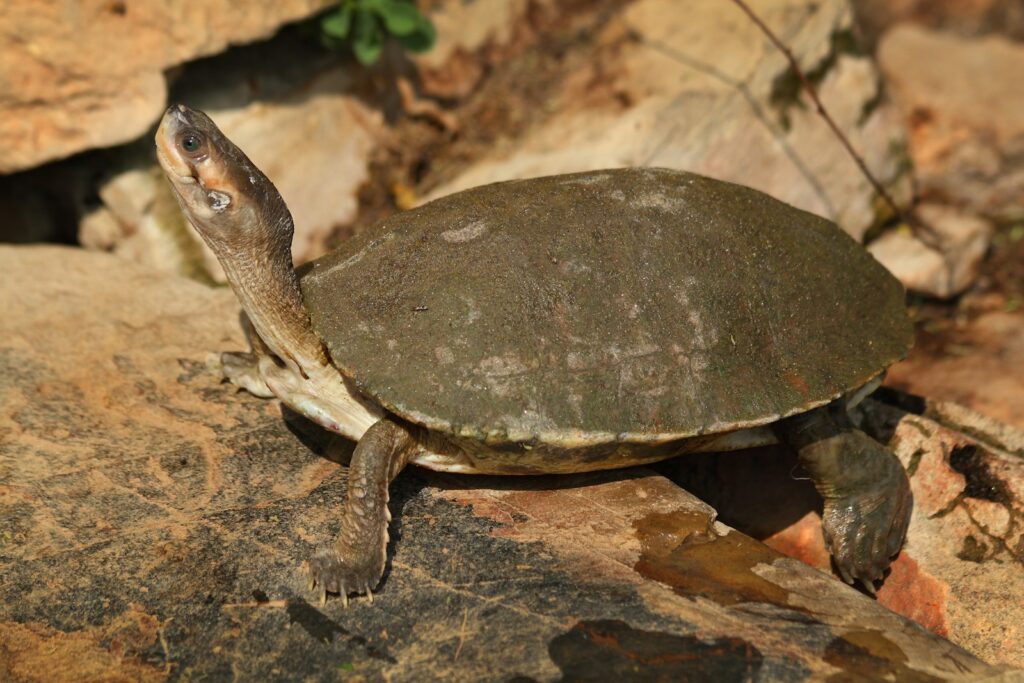
Within their aquatic ecosystems, snapping turtles often serve as apex predators, occupying a position at or near the top of the food chain. Adult snappers have few natural predators beyond humans, alligators in southern regions, and occasionally large predatory fish that might target juveniles. Their formidable size—with common snappers reaching up to 35 pounds and alligator snappers potentially exceeding 200 pounds—combined with powerful jaws and aggressive defensive behavior, deters most potential threats. This position as apex predators allows snapping turtles to exert top-down control on populations of smaller organisms, helping prevent any single species from becoming overabundant and disrupting ecosystem balance. The ecological importance of this role cannot be overstated, as the removal of apex predators often leads to cascading effects throughout the entire food web, demonstrating how crucial these turtles are to maintaining healthy aquatic communities.
Feeding Habits and Omnivorous Diet

Snapping turtles possess remarkably diverse feeding habits, functioning as opportunistic omnivores that consume virtually anything they can capture or scavenge. Their diet includes fish, amphibians, reptiles, small mammals, birds, invertebrates, carrion, and various aquatic plants. Common snapping turtles actively hunt prey but also employ an ambush strategy, remaining motionless on the bottom with their mouths open until prey ventures too close. The alligator snapping turtle employs an even more specialized hunting technique using a worm-like appendage on its tongue to lure fish directly into its mouth—a rare example of lingual luring in reptiles. This dietary flexibility allows snappers to adapt to seasonal food availability and shifts in prey populations, contributing to their evolutionary success and ecological resilience across varied habitats and changing environmental conditions.
Role as Nature’s Cleanup Crew

Beyond their role as predators, snapping turtles perform the crucial ecological service of scavenging, effectively functioning as nature’s cleanup crew in aquatic environments. They readily consume dead fish, waterfowl, and other animal matter that would otherwise decompose in the water, potentially leading to decreased oxygen levels and other water quality issues. This scavenging behavior helps prevent disease transmission by removing carcasses that might harbor pathogens or parasites. During fish die-offs caused by natural events like winter kills or harmful algal blooms, snapping turtles accelerate the removal of dead organisms, helping ecosystems recover more quickly. Their tolerance for consuming partially decomposed matter makes them particularly valuable in nutrient cycling, converting dead organic material back into living biomass and preventing the excessive buildup of detritus in aquatic systems.
Population Control of Prey Species

Snapping turtles play a significant role in controlling populations of various aquatic species, helping maintain balanced ecosystems through predation pressure. Their consumption of fish, particularly slower-moving species or those weakened by disease, can help prevent overcrowding and resource competition within fish communities. By targeting amphibians like frogs and salamanders, snapping turtles influence amphibian population dynamics and prevent explosive population growth that might otherwise occur. Their predation on aquatic invertebrates, including crayfish, helps regulate these populations, which is particularly important since many invertebrates serve as intermediate hosts for parasites. This natural population control function represents a key ecosystem service, as it helps prevent any single species from dominating the habitat and potentially disrupting the intricate balance of the aquatic food web through resource monopolization.
Impact on Aquatic Vegetation

While primarily known for their predatory habits, snapping turtles also consume significant amounts of aquatic vegetation, especially as they age. This herbivorous feeding behavior influences plant communities by controlling the growth and spread of certain aquatic plant species. By consuming water lilies, pondweed, and other aquatic plants, snappers help prevent excessive vegetation growth that might otherwise choke waterways or lead to oxygen depletion when plants die and decompose. Their movement through densely vegetated areas creates small channels and openings, increasing habitat heterogeneity and creating microhabitats that benefit smaller aquatic organisms. Additionally, snapping turtles aid in seed dispersal for some aquatic plants, as seeds can pass through their digestive systems intact and be deposited in new locations, potentially expanding plant ranges and genetic diversity across connected water bodies.
Nutrient Cycling and Ecosystem Health
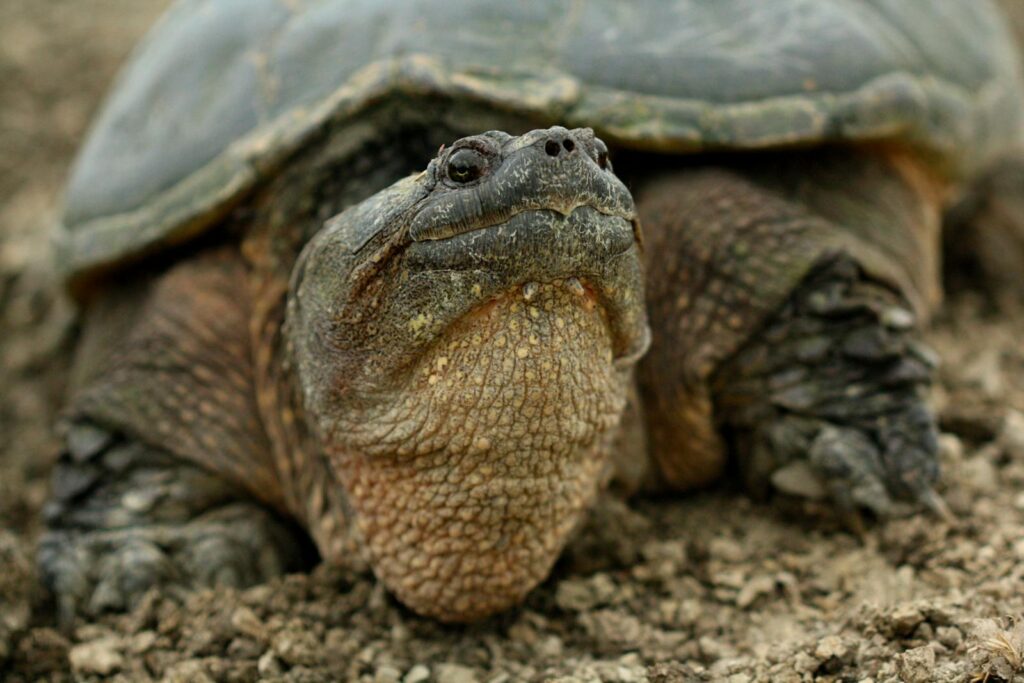
Snapping turtles contribute significantly to nutrient cycling within aquatic ecosystems through their feeding activities and waste production. As they consume organic matter from various trophic levels and excrete waste, they facilitate the movement of nutrients like nitrogen and phosphorus through the ecosystem. This nutrient translocation becomes particularly important in habitats where snappers move between different areas or water bodies, effectively transferring nutrients across ecosystem boundaries. Their long lifespans—potentially exceeding 100 years for alligator snapping turtles—mean they can serve as long-term nutrient reservoirs, storing elements in their tissues over decades. Research has shown that healthy turtle populations, including snappers, contribute to improved water clarity and reduced algal blooms in some ecosystems by helping maintain balanced nutrient cycles and trophic relationships that support overall ecosystem health and resilience.
Interactions with Invasive Species
In the face of increasing biological invasions in freshwater ecosystems, snapping turtles have emerged as natural controllers of some invasive species populations. Their opportunistic feeding habits make them readily adapt to consuming non-native organisms such as Asian carp, zebra mussels, and rusty crayfish when these species become abundant. Adult snappers have been documented preying on invasive bullfrogs and their tadpoles, potentially helping to limit the spread of these amphibians that can devastate native frog populations. In some artificial ponds and small lakes, snapping turtles have been observed controlling populations of invasive fish species that might otherwise outcompete native species. However, this relationship is complex, as some invasive species may also negatively impact turtle populations through competition for resources or habitat modification, creating ecological feedback loops that researchers are still working to fully understand.
Bioaccumulation and Environmental Indicators

Due to their longevity, position in the food chain, and omnivorous diet, snapping turtles serve as excellent bioindicators of environmental contamination in aquatic ecosystems. Their tissues often accumulate pollutants such as mercury, PCBs, pesticides, and other persistent organic pollutants that may be present in the environment, providing researchers with valuable information about water quality and pollution levels. Scientists regularly sample snapping turtle eggs and tissues as part of environmental monitoring programs, using these data to track changes in contaminant levels over time and assess the health of entire watersheds. The process of biomagnification means that snapping turtles, as higher-level predators, may contain concentrations of certain toxins many times higher than what’s found in the water or in lower trophic level organisms. This bioaccumulation makes them particularly vulnerable to pollution while simultaneously making them valuable sentinels for human health concerns, as high contaminant levels in turtles often indicate potential risks to people consuming fish from the same waters.
Conservation Challenges and Importance

Despite their adaptability and evolutionary resilience, snapping turtle populations face mounting conservation challenges in the modern era. Habitat loss and fragmentation due to development, drainage of wetlands, and alteration of waterways threaten their breeding grounds and movement corridors. Road mortality during nesting season represents a significant threat, as females often cross roadways to reach suitable nesting sites, resulting in high adult female mortality that can drastically impact population demographics. Commercial harvest for meat and international pet trade, particularly for alligator snapping turtles, has severely depleted some populations, with their slow reproductive rate making recovery difficult even after harvest restrictions are implemented. Climate change introduces additional stressors, potentially affecting sex ratios (as turtle sex determination is temperature-dependent) and altering habitat suitability across their range. Conserving snapping turtles is essential not just for their intrinsic value, but because their loss would create ripple effects throughout aquatic ecosystems, potentially leading to imbalances in prey populations, reduced scavenging services, and disrupted nutrient cycling that could fundamentally alter freshwater community structure and function.
Cultural and Historical Significance
Snapping turtles hold substantial cultural and historical significance across North America, featuring prominently in indigenous traditions, folklore, and subsistence practices for thousands of years. Many Native American tribes considered the snapping turtle sacred, with some creation myths describing how the world was formed on the back of a giant snapping turtle—a belief that led to North America being referred to as “Turtle Island” in several indigenous cultures. European settlers quickly adopted snapping turtles as a food source, with snapping turtle soup becoming a delicacy that remains culturally significant in some regions, particularly in rural communities along major river systems like the Mississippi. Beyond food, snappers have inspired countless artistic representations in literature, visual arts, and regional celebrations that highlight their powerful presence in the collective consciousness of communities that share their habitats. This cultural significance has occasionally contributed to conservation efforts, as communities recognize the importance of preserving species that have shaped their cultural identities and traditions across generations.
Research and Future Directions
Modern scientific research continues to uncover new aspects of snapping turtle ecology and their role in food webs, employing advanced technologies like environmental DNA sampling, isotope analysis, and telemetry tracking. Researchers are increasingly focusing on how snapping turtles might help buffer ecosystems against the effects of climate change through their roles in nutrient cycling and population control. Emerging studies on the turtle gut microbiome suggest that snappers may harbor unique microbial communities that facilitate their omnivorous diet and potential resistance to certain environmental toxins. Conservation geneticists are examining population structures to identify genetically distinct units that might require specialized protection strategies, particularly for the more vulnerable alligator snapping turtle. The future of snapping turtle research will likely focus on their response to emerging contaminants like microplastics and pharmaceutical compounds in freshwater systems, as well as developing effective conservation strategies that balance human uses with the ecological importance of maintaining healthy snapping turtle populations throughout their native range.
Conclusion
Snapping turtles represent far more than just fearsome predators with powerful jaws—they are integral components of healthy aquatic ecosystems across North America. Their multifaceted ecological roles as predators, scavengers, herbivores, and nutrient cyclers highlight the importance of conserving these ancient reptiles. By controlling prey populations, consuming aquatic vegetation, cleaning up dead organisms, and serving as bioindicators, snapping turtles contribute significantly to the balance and resilience of freshwater food webs. As we continue to alter aquatic habitats through development, pollution, and climate change, protecting snapping turtles becomes increasingly vital not just for the species themselves, but for the countless other organisms that depend on the ecological services they provide. These remarkable creatures, having survived virtually unchanged for millions of years, now depend on our understanding and conservation efforts to ensure they continue fulfilling their crucial role in aquatic food chains for generations to come.