

In the snow-draped forests of the northern hemisphere, one of nature’s most elusive predators moves like a whisper through the trees. The lynx, with its tufted ears and ghostly presence, embodies the mysterious essence of wilderness. Few people ever witness this medium-sized wildcat in its natural habitat, as it has perfected the art of stealth through evolutionary refinement. Its hunting technique—a silent, patient stalk followed by an explosive pounce—represents one of the most specialized predatory behaviors in the animal kingdom. This fascinating feline’s ability to thrive in harsh winter landscapes while remaining virtually invisible speaks to its remarkable adaptations and instincts that have evolved over millennia in the northern woods.
The Phantom of the Forest: Introducing the Lynx
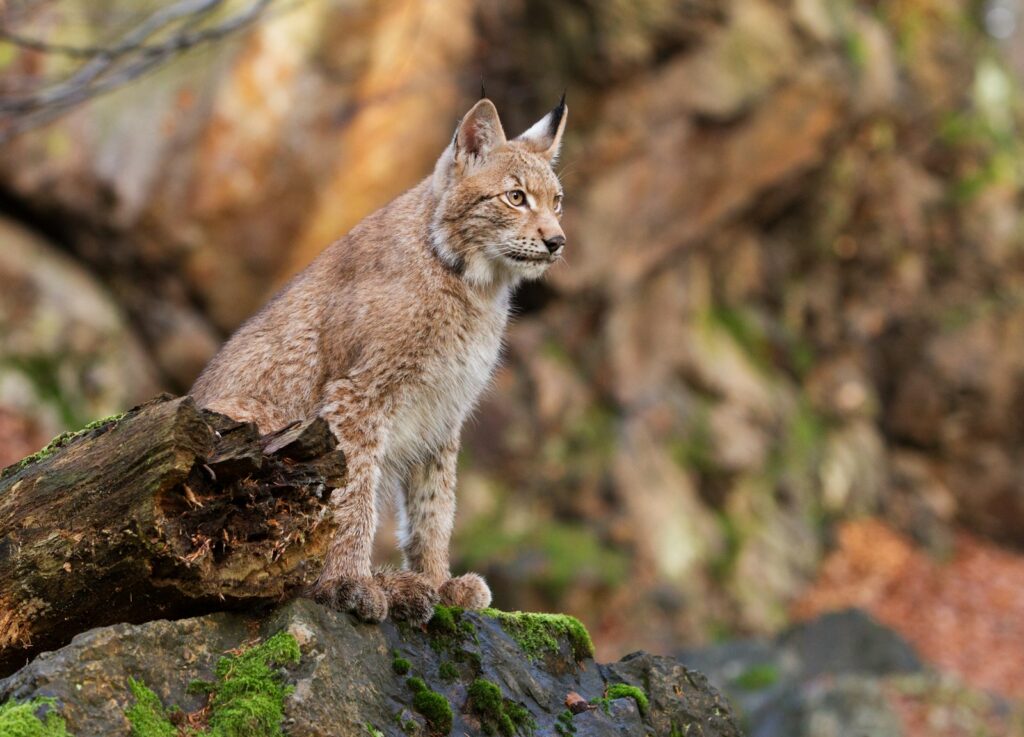
The lynx exists as a shadow in the northern forests, rarely seen by human eyes despite its considerable size. Four species of lynx roam the world’s northern reaches: the Eurasian lynx, the Canadian lynx, the Iberian lynx, and the bobcat (sometimes called the American lynx). Of these, the Eurasian lynx stands as the largest, sometimes reaching weights of up to 66 pounds—comparable to a medium-sized dog—while maintaining the ghostlike ability to vanish into its surroundings. Their legendary elusiveness has inspired folklore across many cultures, with the lynx often symbolizing the keeper of secrets or possessor of special sight. This secretive nature isn’t merely reputation; lynx have evolved specific behaviors and physical adaptations that make them among the most difficult mammals to observe in the wild.
Masters of Disguise: Physical Adaptations for Stealth
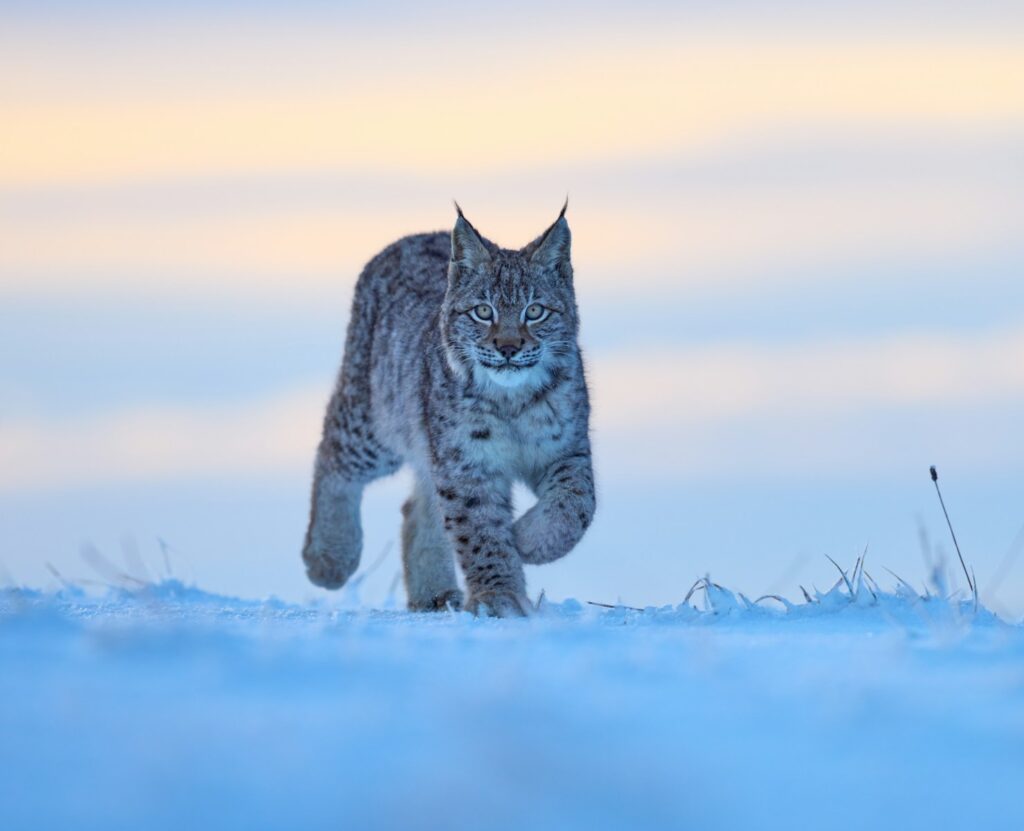
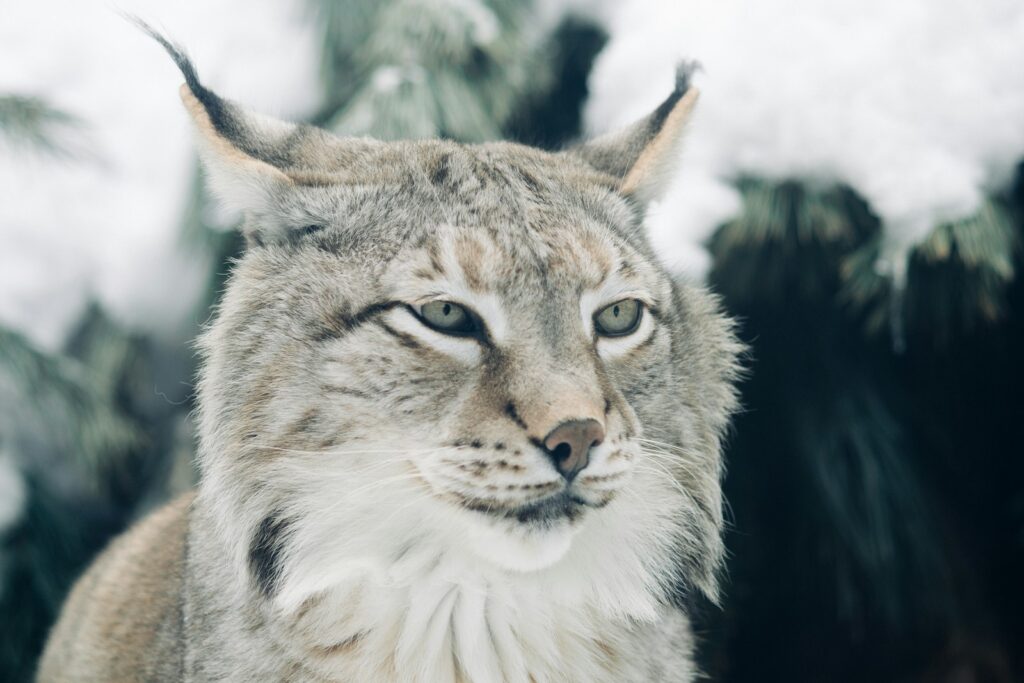
The lynx possesses a suite of physical characteristics perfectly evolved for stealth hunting in snowy northern environments. Its thick, luxurious coat changes seasonally, shifting from reddish-brown in summer to a silvery-gray in winter, providing year-round camouflage against the changing landscape. The distinctive black tufts on their ears serve as both sensory enhancers and visual communication with other lynx across distances. Perhaps most remarkable are their outsized paws, which act as natural snowshoes, distributing the cat’s weight across the snow’s surface and allowing it to move silently where other predators would flounder. These specialized paws, sometimes leaving tracks as large as a human hand, enable the lynx to hunt efficiently during the harshest winter months when other predators struggle to navigate deep snow.
The Silent Hunter’s Arsenal: Specialized Senses
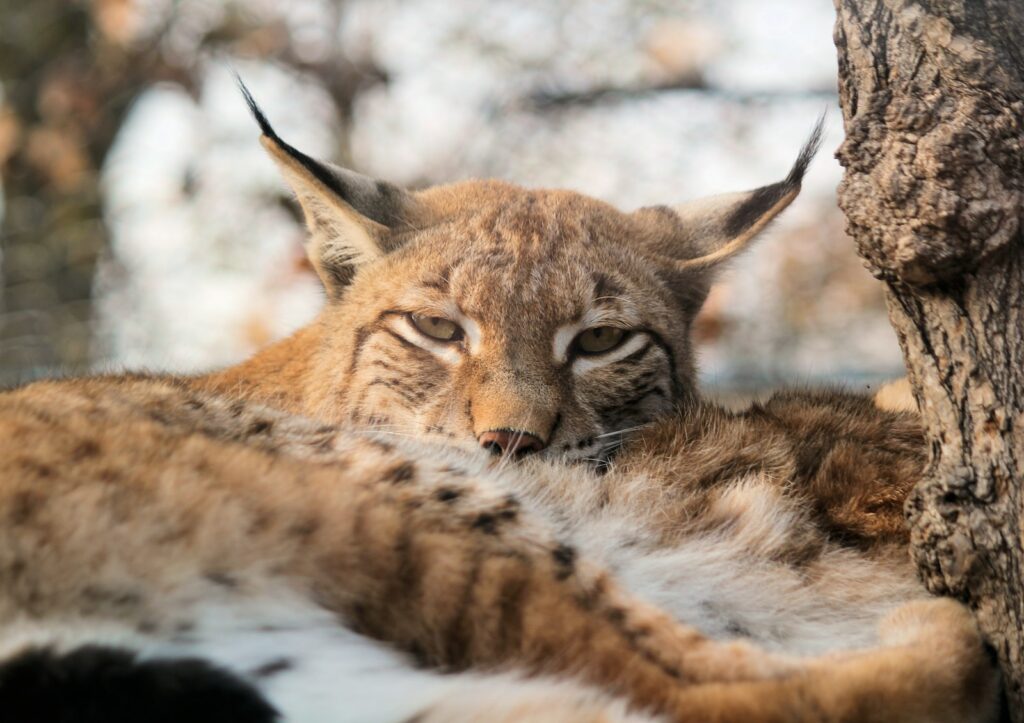
The lynx’s hunting success depends heavily on its extraordinarily developed senses, particularly its vision and hearing. Their large, forward-facing eyes contain a high concentration of rod cells, allowing them to detect the slightest movements in extremely low light conditions—an ability six times more powerful than human night vision. Those distinctive ear tufts work in concert with the lynx’s facial ruff to funnel sound toward their ear canals, enabling them to detect the rustle of a snowshoe hare (their primary prey) from remarkable distances. Research suggests lynx can pinpoint small sounds from up to 250 feet away through snow cover, giving them a crucial advantage when hunting in the muffled silence of a winter forest. This sensory superiority allows them to locate prey long before the prey can detect their presence, setting the stage for their signature hunting strategy.
The Snowshoe Hare Connection: A Specialized Relationship
The relationship between the Canadian lynx and the snowshoe hare represents one of nature’s most studied predator-prey relationships, revealing an intricate ecological dance spanning decades. So specialized is the lynx’s hunting technique for hares that their populations follow a remarkable boom-and-bust cycle approximately every ten years, directly mirroring hare abundance. When snowshoe hare populations peak, lynx numbers follow suit about one to two years later; when hare numbers crash, lynx populations inevitably decline as well. This specialized relationship has shaped lynx hunting techniques over evolutionary time, with some studies suggesting that up to 90% of a Canadian lynx’s winter diet may consist of snowshoe hares in certain regions. The lynx’s entire physical structure—from its lightweight frame to its enormous snowshoe-like paws—has evolved specifically to excel at capturing this particular prey in deep snow conditions.
The Art of the Ambush: Hunting Techniques
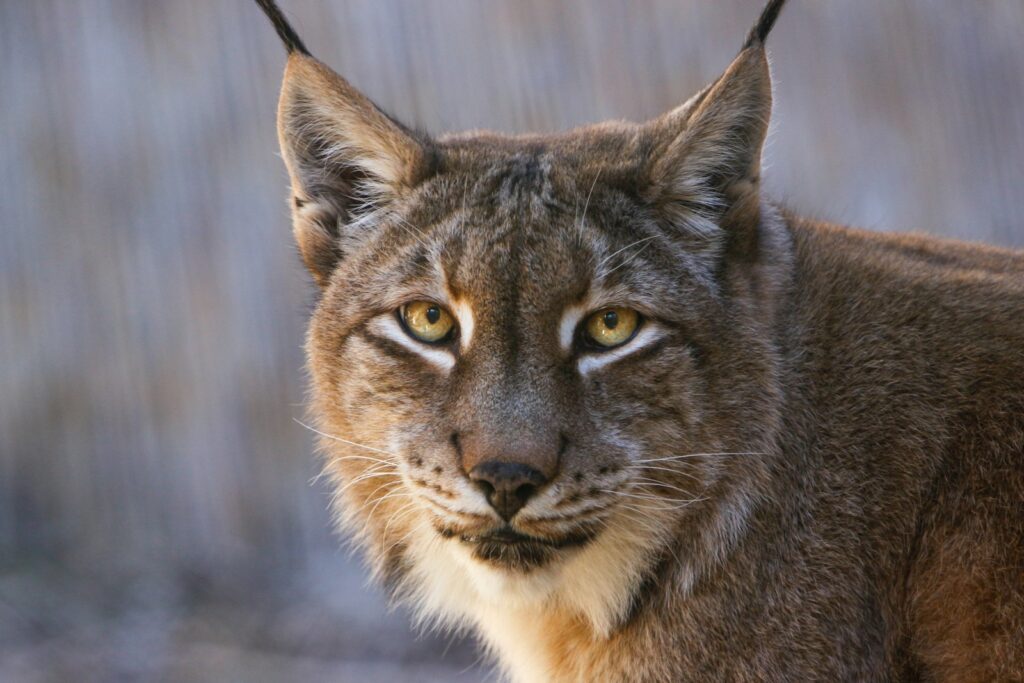
The lynx employs a hunting strategy that prioritizes energy conservation and stealth over speed or stamina. Unlike wolves or coyotes that might chase prey over long distances, the lynx is an ambush predator that relies on getting extremely close to its target before striking. A hunting lynx will freeze in place for extended periods, sometimes remaining motionless for over an hour while inching closer to unsuspecting prey. When within striking distance—typically less than 20 feet—the lynx explodes into action with a powerful leap that can cover distances of up to 25 feet in a single bound. This hunting technique requires immense patience and precision, with studies of hunting success rates suggesting that lynx fail more often than they succeed, making each successful kill all the more valuable. Their ability to move silently through crusted snow gives them a significant advantage over competitors, especially during the harshest winter months.
The Winter Advantage: Thriving When Others Struggle
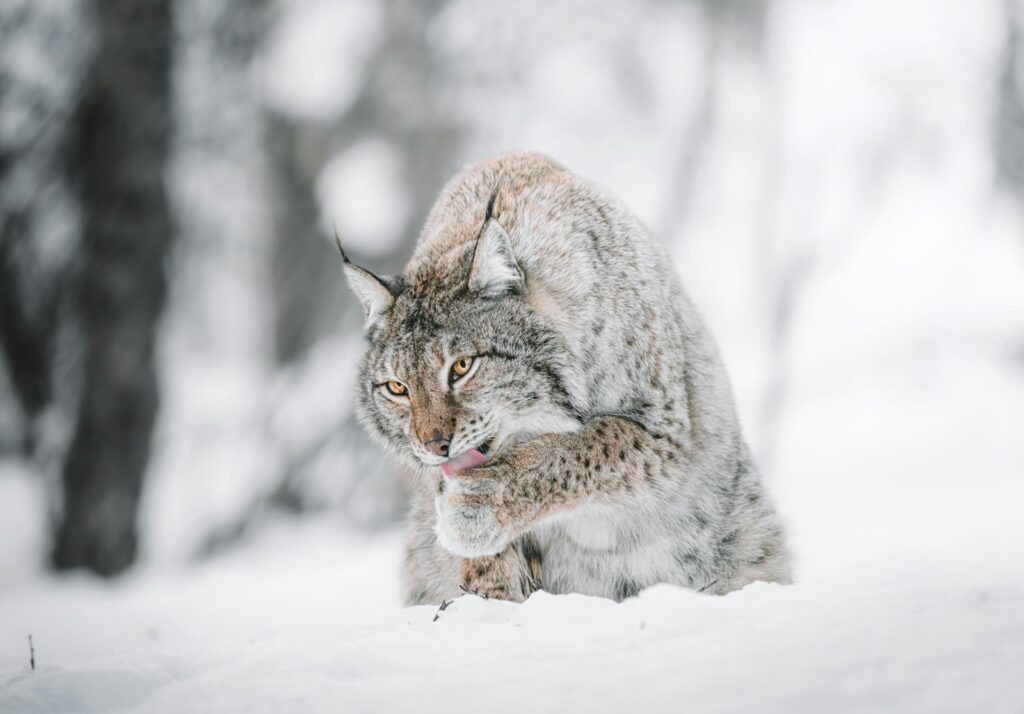
Winter in the northern forests brings harsh conditions that challenge most predators, yet for the lynx, deep snow represents a competitive advantage rather than a hindrance. Their remarkable snowshoe-like paws allow them to travel on top of snow that would bog down other predators like wolves or coyotes. This specialized adaptation means that when snow depths exceed 12 inches, lynx hunting efficiency actually increases while other predators struggle. Their thick fur insulation, with hair density measuring up to 9,000 hairs per square centimeter, protects them from temperatures that can plunge to -40°F in their northern range. The lynx’s winter specialization is so complete that some studies indicate they actively seek out areas with the deepest snow during hunting expeditions, knowing their prey will be more vulnerable there. This seasonal advantage helps explain why lynx distribution so closely aligns with regions receiving consistent, heavy snowfall.
The Sound of Silence: Communication in Lynx Society
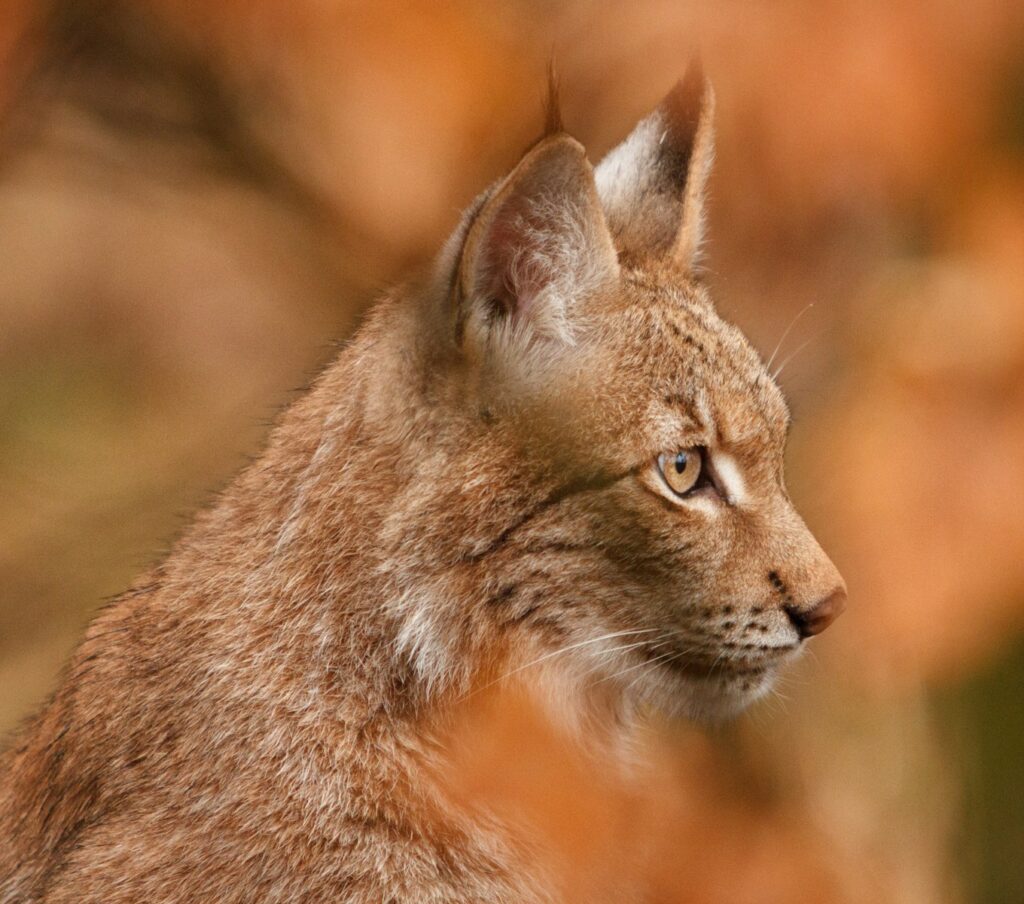
Despite their solitary nature, lynx maintain a complex social structure through various forms of indirect communication that rarely require actual physical meetings. During breeding season, lynx become more vocal, with males producing loud yowls that can carry for miles through the still winter air to advertise their presence to females and warn off competing males. Outside of mating season, lynx primarily communicate through scent marking, using urine and specialized glands to leave chemical messages on trees, rocks, and other prominent landmarks within their territory. These silent signals convey crucial information about identity, reproductive status, and territorial boundaries to other lynx that may pass through the area days or even weeks later. Researchers studying lynx communication have documented distinct patterns in how males and females distribute these scent markers, with males typically placing them more prominently along territory boundaries.
Territory and Home Range: The Lynx’s Domain

The territory of a single lynx represents an impressive expanse of wilderness, with males typically maintaining exclusive ranges spanning anywhere from 15 to 50 square miles depending on habitat quality and prey density. Female territories are generally smaller but still substantial, typically covering 10 to 25 square miles that they defend against other females. These vast territories reflect the lynx’s need for large, uninterrupted tracts of forest to support their specialized hunting requirements. Within these expansive ranges, lynx establish well-defined travel corridors that they use repeatedly, creating a network of trails that allow efficient movement through their domain. GPS collar studies have revealed that lynx can cover surprising distances, sometimes traveling up to 12 miles in a single night while patrolling or hunting throughout their territory, all while leaving minimal evidence of their passage.
The Secret Life of a Mother Lynx
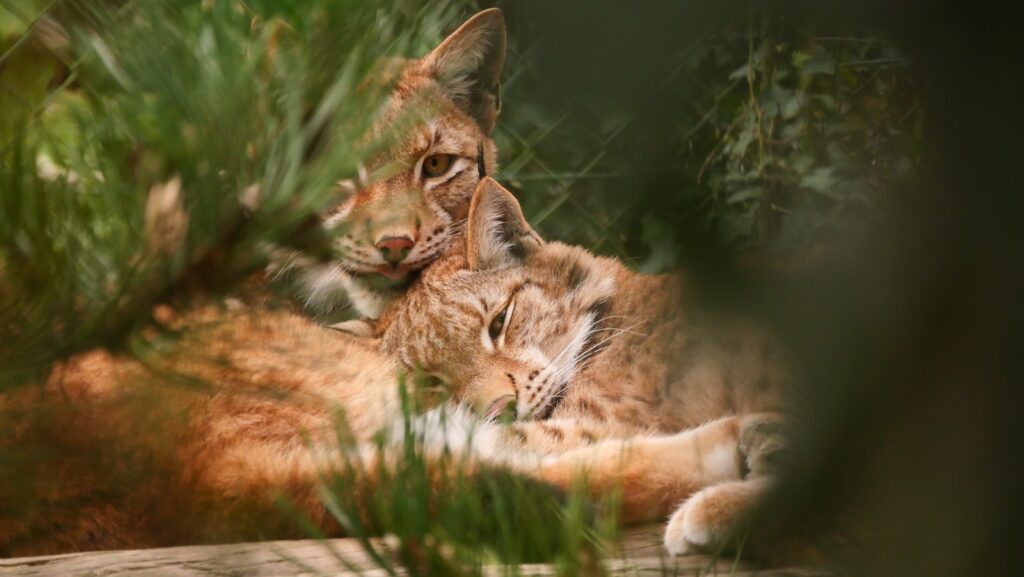
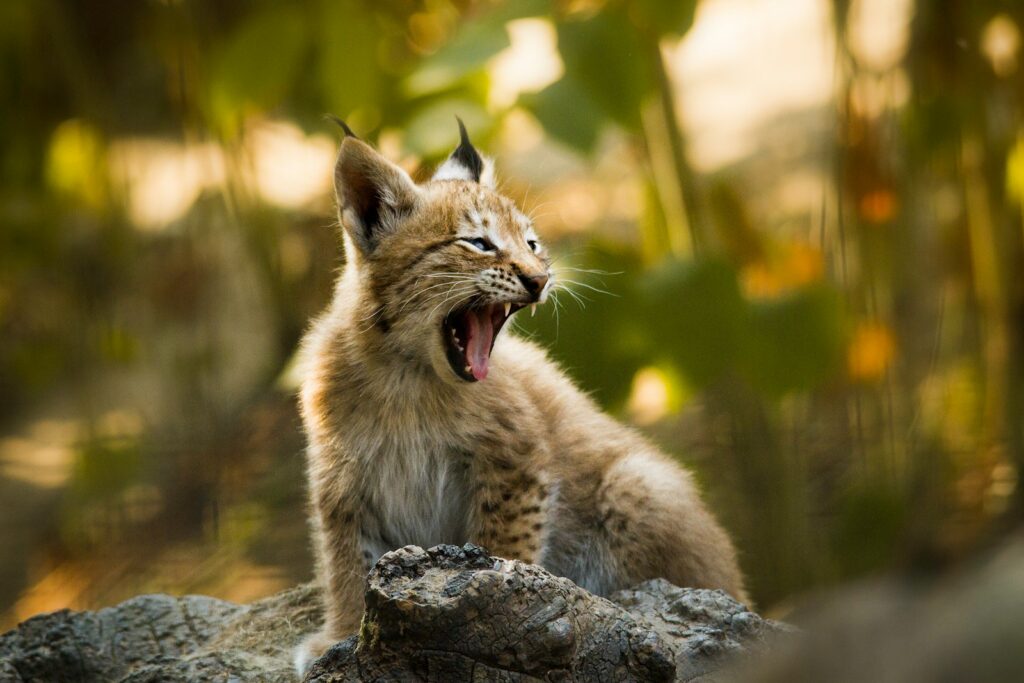
The maternal behavior of female lynx reveals a fascinating period when these normally solitary creatures develop intense social bonds with their offspring. After a gestation period of approximately 60-70 days, female lynx seek out secluded dens—often in rocky crevices, hollow logs, or beneath dense vegetation—where they give birth to litters typically consisting of 1-4 kittens. These kittens remain completely dependent on their mother for the first few months, during which the female must hunt with even greater efficiency to provide for her growing family. By late summer, the mother begins taking her kittens on hunting expeditions, teaching them the specialized stalking and ambush techniques they’ll need to master. This education period is crucial, with studies showing that young lynx spend nearly a full year learning from their mother before eventually establishing their own territories, typically at distances of 10-30 miles from their birth area.
Lynx Versus Competitors: Navigating a Crowded Forest

Despite their formidable hunting skills, lynx must navigate a competitive landscape populated by other predators vying for similar resources. In North America, coyotes represent one of the lynx’s most significant competitors, often targeting the same prey but using different hunting strategies. Research in Alaska and Canada has documented fascinating behavioral adaptations that allow these species to coexist, with lynx focusing their hunting efforts in areas with deeper snow where their specialized paws give them an advantage. Wolverines occasionally pose threats to lynx, sometimes stealing kills or even preying upon lynx themselves if the opportunity arises. Perhaps most notably, the relationship between lynx and wolves remains complex—while wolves rarely target adult lynx directly, their presence can dramatically reshape the hunting landscape by altering prey behavior and abundance. These competitive pressures have likely contributed to the lynx’s evolution as a specialist hunter that can exploit ecological niches unavailable to other predators.
Threatened Silence: Conservation Challenges
The future of lynx populations faces mounting challenges as human activities increasingly encroach upon their specialized habitat requirements. Forestry practices that remove mature forest stands can significantly reduce snowshoe hare populations, directly impacting lynx hunting success and reproductive rates. Climate change poses perhaps the most existential threat, as warming temperatures in northern regions lead to reduced snowpack—a critical component of the lynx’s competitive advantage over other predators. Habitat fragmentation from roads, energy development, and human settlement creates barriers that disrupt the vast territories lynx require to thrive. In the United States, the Canada lynx is listed as threatened under the Endangered Species Act, while the Iberian lynx in Spain and Portugal has the unfortunate distinction of being the world’s most endangered felid species, with populations only recently beginning to recover from the brink of extinction through intensive conservation efforts.
Witnessing the Invisible: The Rare Privilege of Lynx Encounters
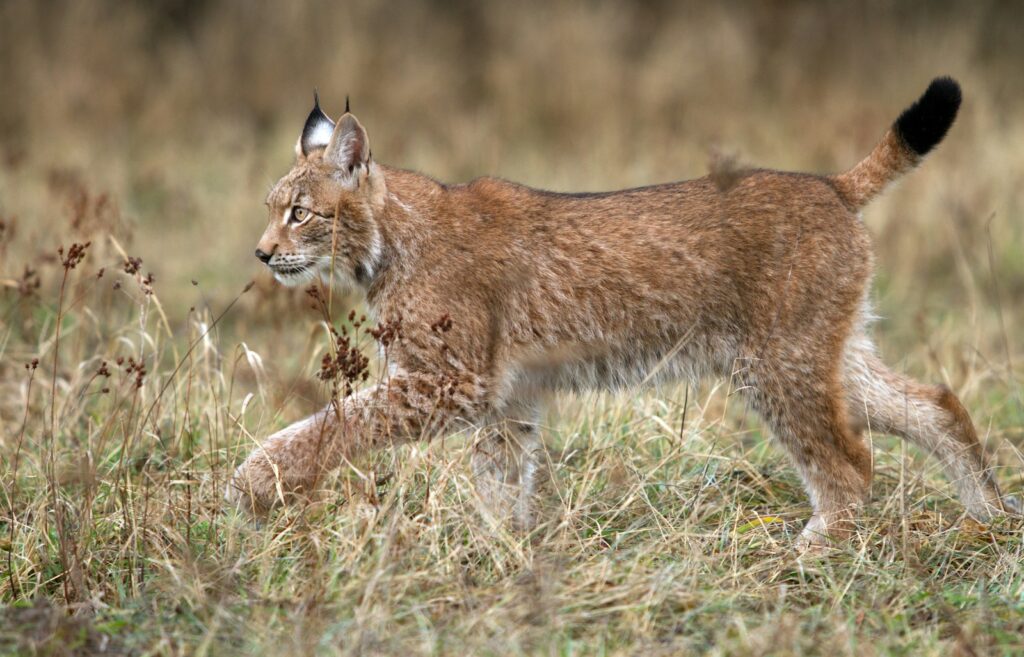
For the fortunate few who manage to glimpse a lynx in the wild, the experience often becomes a treasured memory of witnessing something truly extraordinary. Wildlife photographers seeking lynx may spend years developing the fieldcraft necessary to document these ghosts of the forest, with success often coming down to understanding the subtle patterns of lynx behavior and movement. Even dedicated researchers studying lynx often rely more on technology than direct observation, using radio collars, camera traps, and DNA analysis of hair and scat samples to piece together the lynx’s secretive life. When encounters do occur, they typically last mere seconds—a brief apparition of tufted ears and piercing eyes before the cat melts back into the forest shadows. These fleeting moments stand as powerful reminders of the wild mysteries that still exist in our world, living just beyond the edges of our everyday awareness.
The Future of the Forest Phantom

The continued presence of lynx in northern forests will depend largely on human decisions about land management and conservation priorities in the coming decades. Encouraging signs include the success of reintroduction programs in areas where lynx were previously extirpated, such as in Colorado, where careful wildlife management has helped establish new populations in suitable habitat. Conservation corridors connecting large tracts of forest represent another crucial strategy, allowing lynx to maintain genetic diversity through access to larger population networks. Research tools continue to improve, with environmental DNA techniques now capable of detecting lynx presence from snow samples where the animals have walked, opening new windows into their secret lives. As climate change reshapes northern ecosystems, the lynx’s remarkable adaptability may yet prove its greatest asset, though the pace of environmental change may test the limits of even this highly specialized predator’s ability to adjust to new conditions.
Conclusion
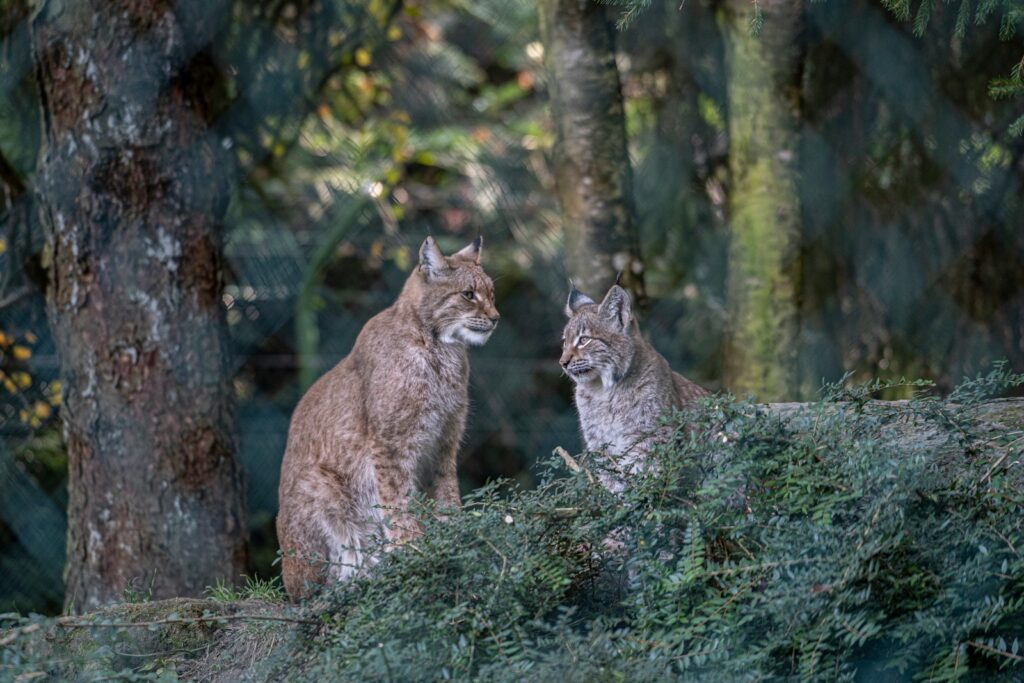
The lynx embodies the essence of wilderness—a creature so perfectly adapted to its environment that it can move through a forest like a shadow, leaving barely a trace of its passing. Its specialized hunting techniques and remarkable physical adaptations represent the culmination of evolutionary processes refined over countless generations. As human activity continues to reshape the northern forests, the fate of this elusive predator remains uncertain. What is clear, however, is that any forest still home to the silent stalk of the lynx retains something profoundly wild and intact. In a world increasingly dominated by human influence, the continued presence of these ghost cats offers hope that with proper stewardship, we can preserve not just the species themselves, but the ecological integrity they represent. The lynx reminds us that nature’s most extraordinary secrets often remain hidden in plain sight, carrying on their ancient ways just beyond the edge of our awareness.