

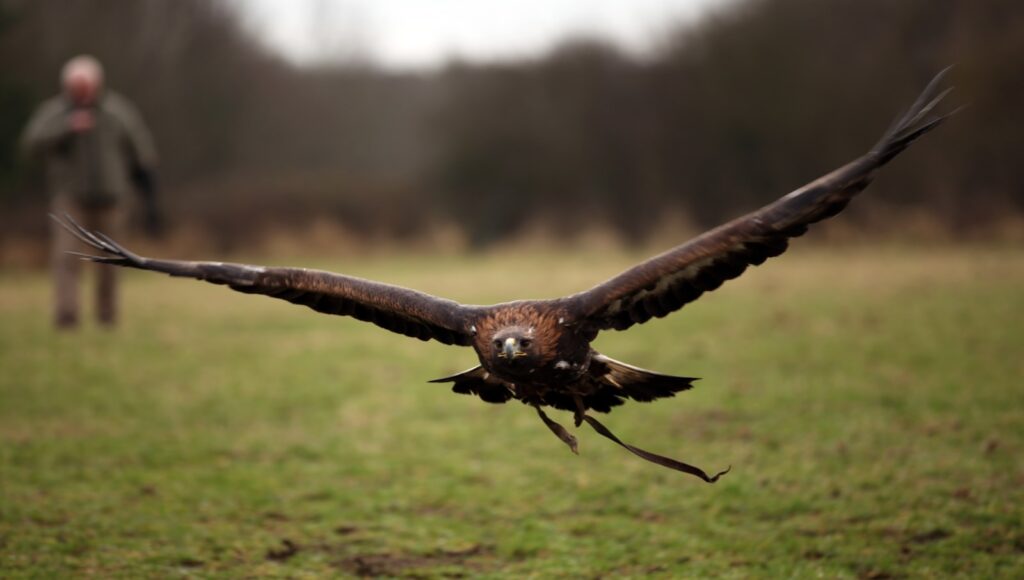
Across the rugged landscapes of the American West, a magnificent sight is becoming increasingly common—the golden eagle, with its impressive six-foot wingspan, soaring majestically through vast open skies. After decades of population decline due to habitat loss, illegal shooting, poisoning, and electrocution from power lines, these apex predators are making a remarkable comeback. Conservation efforts, stricter protection laws, and increased public awareness have contributed to this wildlife success story that ecologists are celebrating as a triumph of persistence and dedication. The return of the golden eagle represents not just the recovery of a single species, but the restoration of a vital ecological balance in Western ecosystems.
The Majestic Golden Eagle: An Iconic Western Predator

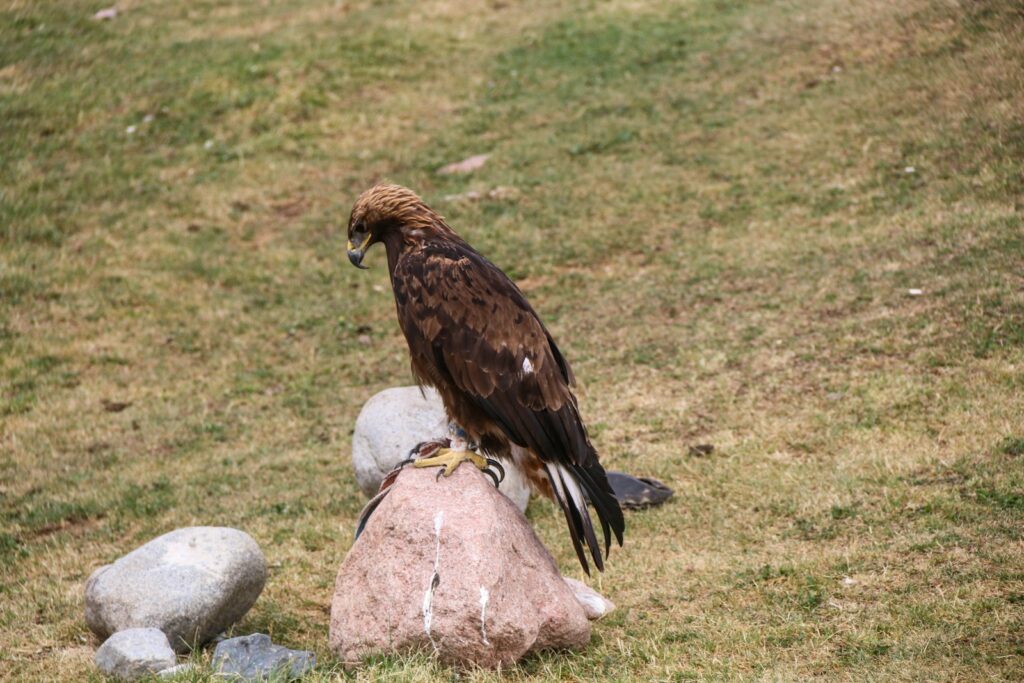
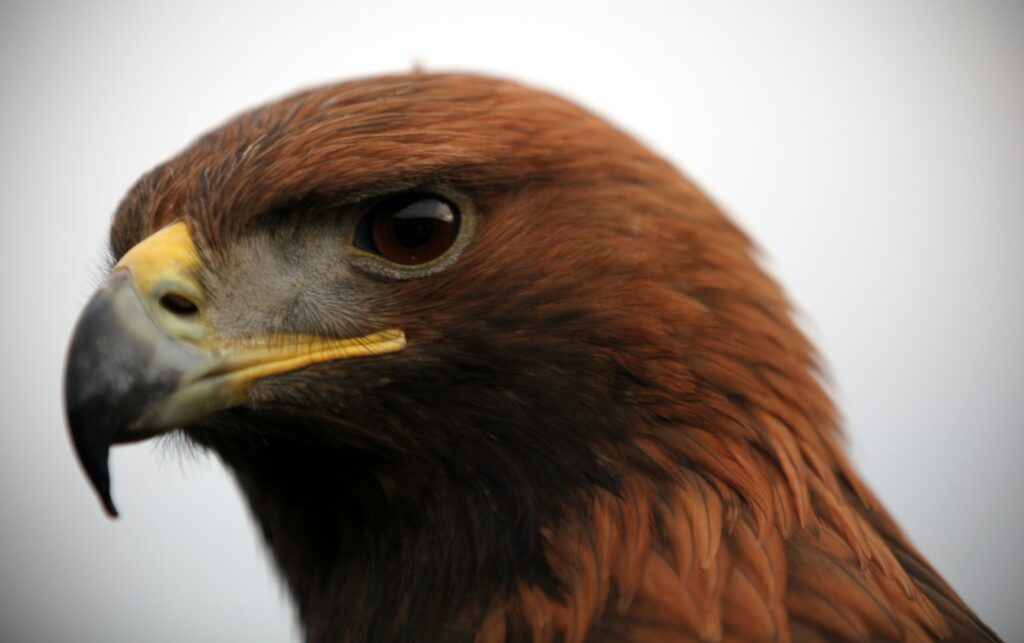
Golden eagles (Aquila chrysaetos) stand as one of North America’s largest and most powerful birds of prey, with their distinctive dark brown plumage and golden-tinged feathers on the crown and nape that give them their name. Weighing between 8-12 pounds with females typically larger than males, these impressive raptors possess remarkable hunting abilities, capable of diving at speeds exceeding 150 miles per hour to capture prey. Their territory once spanned widely across the Western United States, from the Rocky Mountains to the Pacific coast, before human encroachment significantly reduced their range and numbers. These magnificent birds hold special cultural significance for many Native American tribes, who revere them as spiritual messengers and symbols of strength, courage, and wisdom.
Historical Decline: Threats That Nearly Eliminated Golden Eagles
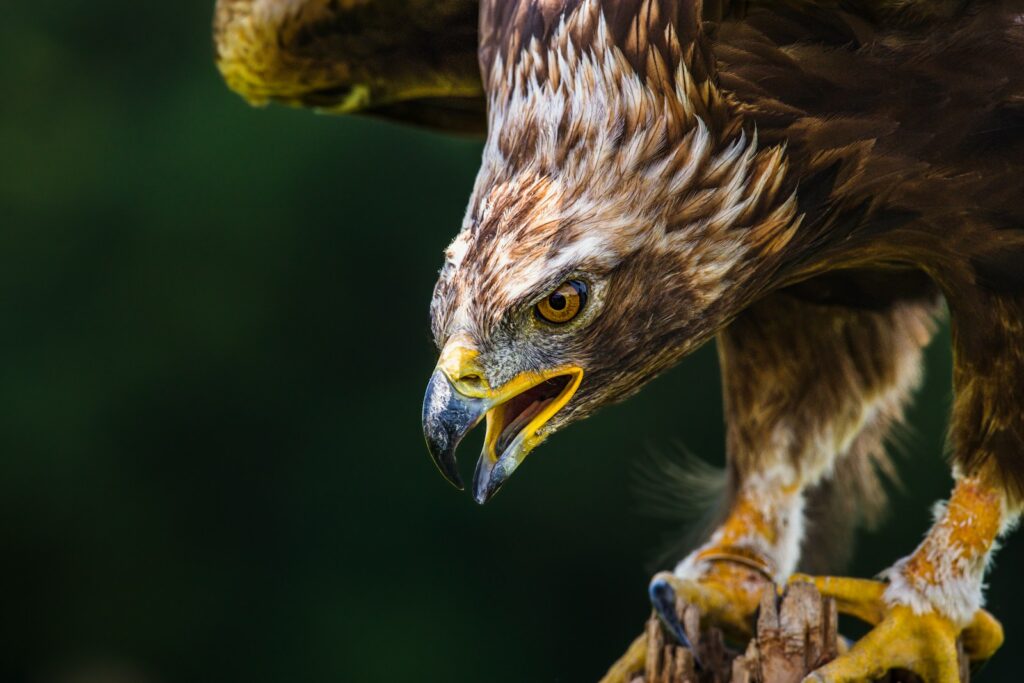
Throughout much of the 20th century, golden eagle populations faced severe and sustained threats that drove them to concerning lows across their Western range. Ranchers, mistakenly believing eagles regularly preyed on livestock, conducted widespread shooting campaigns that decimated local populations, particularly during the 1940s-1960s before federal protections were enacted. Secondary poisoning from lead ammunition in carcasses and from rodenticides spread across landscapes claimed countless eagles, creating a silent, invisible threat. Habitat destruction through urban expansion, mining operations, and energy development eliminated crucial nesting sites and hunting grounds for these territorial birds. Additionally, electrocution from poorly designed power poles became a leading cause of eagle mortality, with estimates suggesting thousands of golden eagles were killed annually by power infrastructure alone before mitigation efforts began.
Legal Protections: The Foundation of Recovery

The path to golden eagle recovery began with crucial legal protections that fundamentally changed how these birds were treated across American landscapes. The Bald and Golden Eagle Protection Act, first passed in 1940 and amended in 1962 to include golden eagles, established serious penalties for harming, disturbing, or possessing eagles or their parts, including feathers. The Migratory Bird Treaty Act provided additional layers of federal protection, making it illegal to pursue, hunt, capture or kill these birds without proper permits. These legal frameworks have been strengthened over decades through amendments and stricter enforcement, with fines now reaching up to $250,000 for individuals and $500,000 for organizations, plus potential imprisonment. The combined effect of these laws created the essential protective foundation that allowed conservation efforts to take root and populations to gradually rebuild across Western states.
Monitoring the Comeback: Tracking Eagle Population Growth
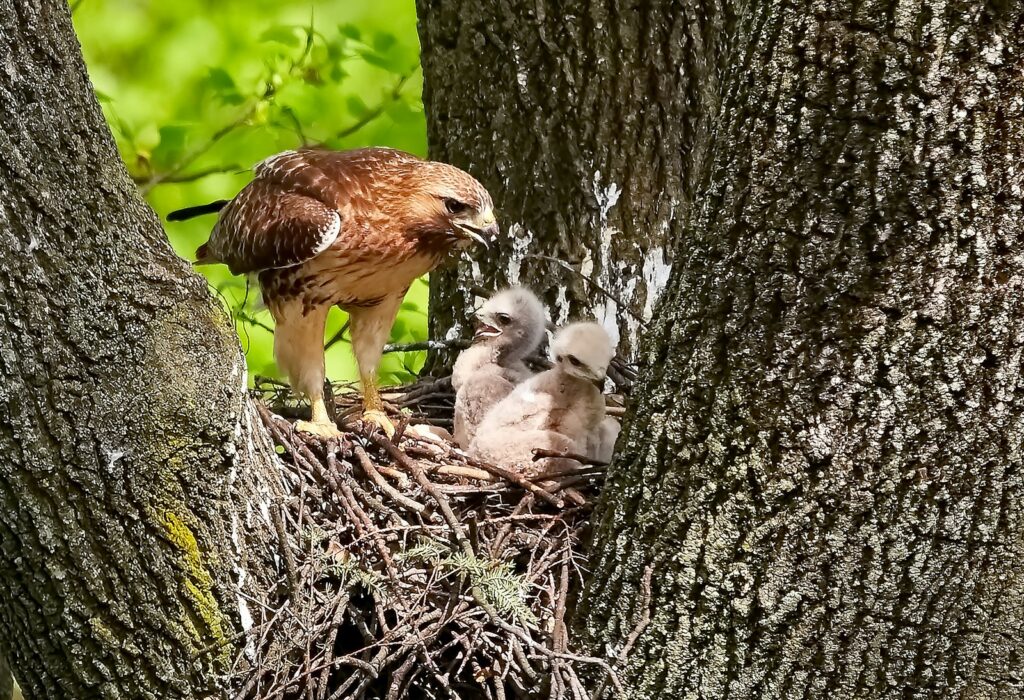
Scientists have employed increasingly sophisticated methods to document the golden eagle’s gradual but promising recovery across Western landscapes. Aerial surveys conducted biannually in key regions have shown population increases of approximately 15-20% in states like Wyoming, Montana, and Idaho since the early 2000s, providing quantifiable evidence of recovery. GPS tracking technology has revolutionized eagle monitoring, with lightweight transmitters allowing researchers to follow individual birds’ movements across vast territories, revealing crucial information about migration patterns, habitat use, and survival rates. Citizen science initiatives have also played a vital role, with thousands of volunteer observers contributing to databases that help track nesting success and population trends across regions that would be impossible for professional scientists to monitor comprehensively. These combined monitoring efforts have revealed that while recovery is occurring, it remains geographically uneven, with some areas showing robust population growth while others still struggle with persistent threats.
Conservation Heroes: Organizations Leading the Recovery Effort
The golden eagle’s comeback can be attributed largely to the tireless work of dedicated conservation organizations implementing targeted recovery strategies. The Peregrine Fund, originally focused on falcon restoration, expanded its mission to include golden eagles, establishing captive breeding programs and release initiatives that have introduced dozens of birds back into suitable habitats. The Golden Eagle Research Group has coordinated essential scientific studies across multiple Western states, providing the data necessary to guide evidence-based conservation decisions and policy recommendations. Local Audubon Society chapters have mobilized thousands of volunteers to monitor nesting sites and advocate for habitat protection in their communities, creating a grassroots network of eagle guardians. Additionally, partnerships between these organizations and government agencies like the U.S. Fish and Wildlife Service have maximized the impact of limited conservation resources, demonstrating how collaborative approaches can achieve wildlife recovery goals that would be impossible for any single entity working alone.
Habitat Restoration: Creating Eagle-Friendly Landscapes
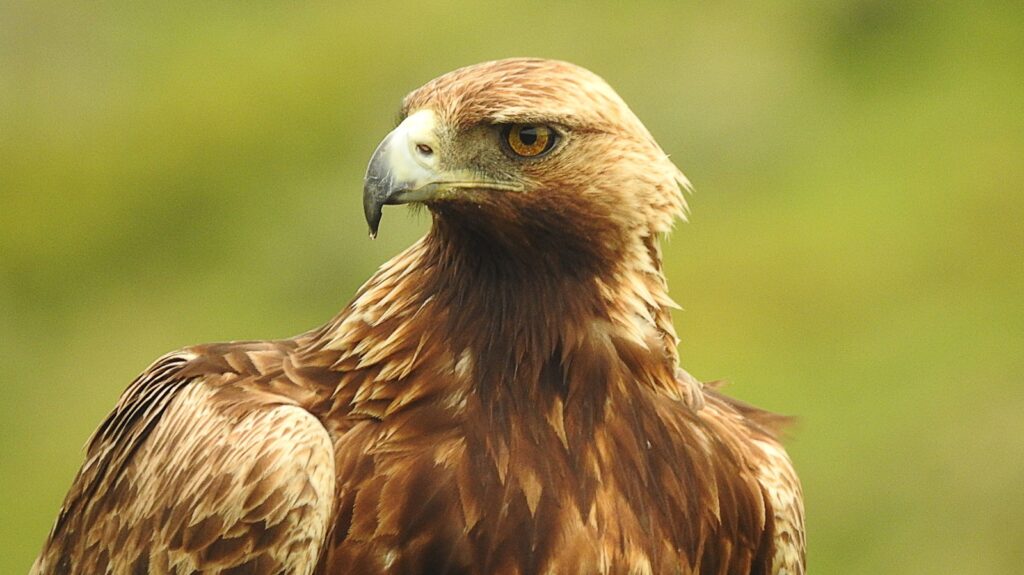
A cornerstone of golden eagle recovery has been the strategic restoration and protection of critical habitats across Western landscapes. Conservation organizations have partnered with landowners to implement easements protecting over 1.2 million acres of prime eagle habitat from development, creating protected corridors where these birds can hunt and nest undisturbed. Restoration of native grasslands and sagebrush ecosystems has revitalized prey populations of jackrabbits, ground squirrels, and marmots, providing eagles with sustainable food sources throughout their range. Federal land management agencies have modified practices on public lands, incorporating eagle conservation into grazing policies, timber management, and recreational access rules to minimize disturbance during critical nesting periods. Additionally, targeted reintroduction of native prey species in degraded landscapes has created “prey hotspots” that attract and support breeding eagle pairs, demonstrating how ecosystem-wide approaches benefit not just eagles but entire biological communities.
Power Line Modifications: Engineering Solutions for Eagle Safety

One of the most significant success stories in golden eagle conservation has been the transformation of deadly power infrastructure into eagle-safe systems through innovative engineering solutions. Utility companies across the West have retrofitted thousands of dangerous power poles with insulated components and increased spacing between conductors, dramatically reducing electrocution risks that once claimed hundreds of eagles annually. The Avian Power Line Interaction Committee, a collaborative industry group formed in 1989, developed standardized guidelines for eagle-safe power structures that have been widely adopted, making new infrastructure substantially safer for all large raptors. Visualization devices like “flight diverters”—colorful markers that make power lines more visible to flying birds—have reduced collision mortality by up to 80% in high-risk areas where eagles frequently travel. These infrastructure improvements represent a remarkable example of how technology and engineering can be adapted to protect wildlife while still meeting human needs for electricity distribution.
The Eagle and the Wind Farm: Balancing Green Energy and Conservation
The expansion of wind energy across the Western landscape has created a complex conservation challenge for golden eagles that researchers and energy companies are working to solve. Advanced radar and camera systems are now being deployed at many wind facilities to detect approaching eagles, automatically slowing or stopping turbines when birds enter high-risk zones and reducing collision mortality by up to 70% compared to unmonitored sites. Energy companies have implemented seasonal operational adjustments, reducing turbine activity during peak migration periods when eagles are most likely to pass through wind development areas. Habitat compensation programs require developers to protect or restore eagle habitat elsewhere to offset potential impacts from wind farms, creating a net conservation benefit despite some localized risks. The most promising approach combines predictive modeling of eagle flight patterns with strategic turbine placement, avoiding high-use areas altogether and demonstrating how green energy goals can be achieved while minimizing wildlife impacts through thoughtful planning and technological innovation.
Cultural Significance: Eagles in Indigenous Communities

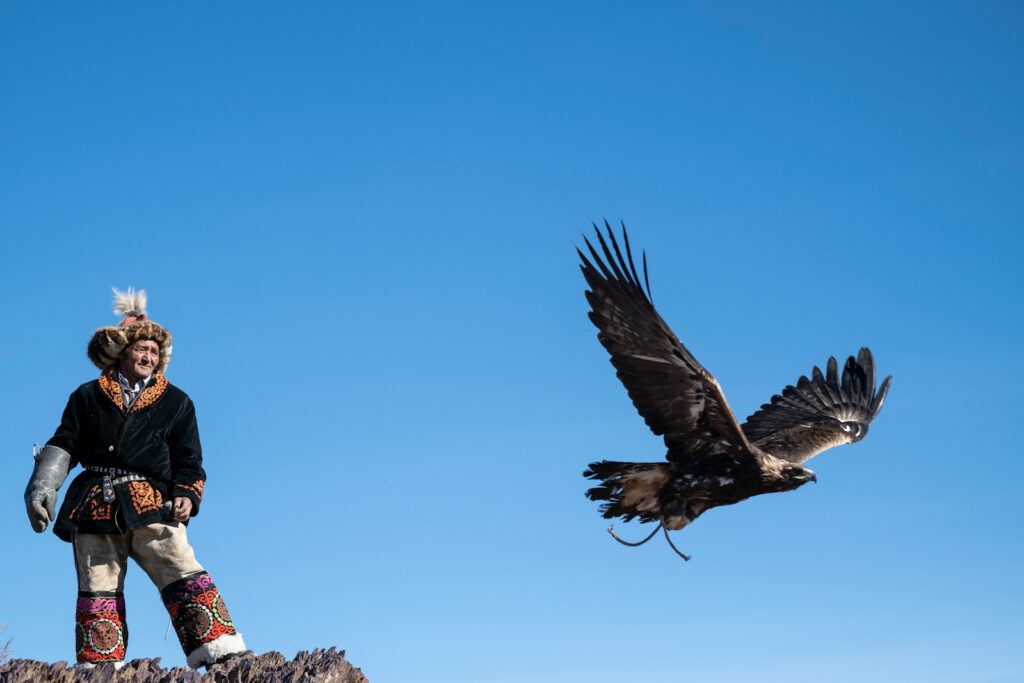
For many indigenous nations across the West, the return of golden eagles carries profound cultural and spiritual significance that transcends ecological considerations. The Blackfeet Nation in Montana has established its own eagle monitoring program, combining traditional ecological knowledge with modern scientific methods to track and protect eagles on tribal lands, creating a model for indigenous-led conservation initiatives. Eagle feathers, considered sacred items essential for religious ceremonies, are now more accessible to tribal members through the National Eagle Repository, which distributes feathers from naturally deceased eagles to enrolled tribal members for ceremonial purposes. Several tribes, including the Shoshone-Bannock and Nez Perce, have incorporated eagle conservation into broader tribal wildlife management plans, designating protected areas specifically for eagle nesting and hunting grounds. These cultural connections provide powerful motivation for conservation efforts and demonstrate how ecological recovery can simultaneously support cultural revitalization for indigenous communities with multi-generational relationships to these magnificent birds.
The Ecological Ripple Effect: How Eagles Transform Ecosystems

The return of golden eagles to Western landscapes has triggered cascading ecological effects that benefit entire ecosystems beyond the recovery of a single species. As apex predators, eagles help regulate populations of jackrabbits and ground squirrels, preventing these prolific breeders from reaching densities that could damage rangeland vegetation and compete with other wildlife for resources. Their presence can modify the behavior of mesopredators like coyotes and foxes, creating what ecologists call a “landscape of fear” that changes how these animals use habitat and potentially benefits ground-nesting birds and small mammals that would otherwise face intense predation. Scavenging activities by eagles help disperse nutrients across landscapes when they feed on carrion, accelerating decomposition processes and nutrient cycling in ecosystems. Research in areas with recovered eagle populations has documented increased biodiversity across multiple trophic levels, demonstrating how the presence of this top predator helps maintain the ecological complexity and resilience that characterizes healthy Western ecosystems.
Citizen Scientists: How the Public Supports Eagle Recovery

The involvement of ordinary citizens has proven invaluable to golden eagle conservation, creating a network of observers and advocates that extends far beyond professional scientists and wildlife managers. The HawkWatch International citizen science program has trained over 3,000 volunteers who collectively contribute more than 25,000 hours annually to monitoring migration patterns and nesting success across the Western states, generating data impossible to collect through professional efforts alone. Eagle nest monitoring projects in states like Colorado and Wyoming engage hundreds of local residents who adopt specific nest sites, observing them throughout the breeding season and alerting wildlife officials to potential disturbances or threats. Educational outreach programs conducted by conservation organizations have reached millions of schoolchildren and adults, building public understanding and support for eagle conservation while recruiting the next generation of potential conservationists. These citizen efforts not only generate critical scientific data but also create powerful constituencies for political support of conservation policies and funding, demonstrating how public engagement amplifies professional conservation work.
Persistent Challenges: Threats That Remain for Golden Eagles
Despite significant progress, golden eagles still face substantial challenges that threaten their continued recovery across Western landscapes. Lead poisoning remains a persistent problem, as eagles consume lead fragments in gut piles and unrecovered game animals shot with lead ammunition, causing neurological damage and death even at very low exposure levels. Habitat fragmentation continues as energy development, suburban expansion, and resource extraction divide once-continuous eagle territories into isolated patches that cannot support breeding populations. Climate change poses perhaps the most complex threat, altering prey availability, shifting vegetation communities, and potentially increasing wildfire frequency in ways that may fundamentally change habitat suitability for eagles across their range. Illegal shooting and poisoning, while reduced from historical levels, still claim dozens of eagles annually, with prosecution hampered by the remote locations where these crimes typically occur and limited enforcement resources to investigate them thoroughly.
The Future of Golden Eagles: Conservation Priorities for Continued Recovery

Looking ahead, scientists and conservation managers have identified several key priorities to ensure the golden eagle’s recovery continues and expands across the American West. Transitioning to non-lead ammunition for hunting represents perhaps the single most important achievable goal, with California’s statewide ban providing a model that other Western states are beginning to consider as awareness of lead’s impacts grows. Establishing designated eagle conservation areas in regions with high nesting density would provide protected core habitats connected by movement corridors, creating resilient population networks that can withstand localized disturbances or threats. Continued technological innovation in monitoring techniques, including genetic sampling methods that can assess population health from collected feathers, promises to improve conservation efficiency by targeting efforts where they’re most needed. Perhaps most importantly, sustaining public engagement through education and citizen science will maintain the political will necessary for long-term conservation success, ensuring that funding and protective policies remain in place even as other environmental challenges compete for attention and resources.
Conclusion: The Eagle’s Return as a Conservation Model
The golden eagle’s gradual return to Western skies represents one of North America’s most encouraging conservation success stories—a testament to what persistent, multi-faceted efforts can achieve even for species requiring vast territories and facing complex threats. This recovery demonstrates the effectiveness of comprehensive approaches that combine legal protections, habitat conservation, technological innovation, and public engagement rather than relying on any single strategy. As climate change and habitat loss continue to threaten wildlife globally, the eagle’s comeback offers both practical lessons about effective conservation techniques and inspirational evidence that dedicated human efforts can reverse wildlife declines, even for species at the top of the food chain. For Westerners who can now more frequently witness the awe-inspiring sight of a golden eagle soaring above mountain ridges and sagebrush plains, the bird’s return symbolizes not just ecological healing but the possibility of a more harmonious relationship between human development and the natural world that sustains us all.