
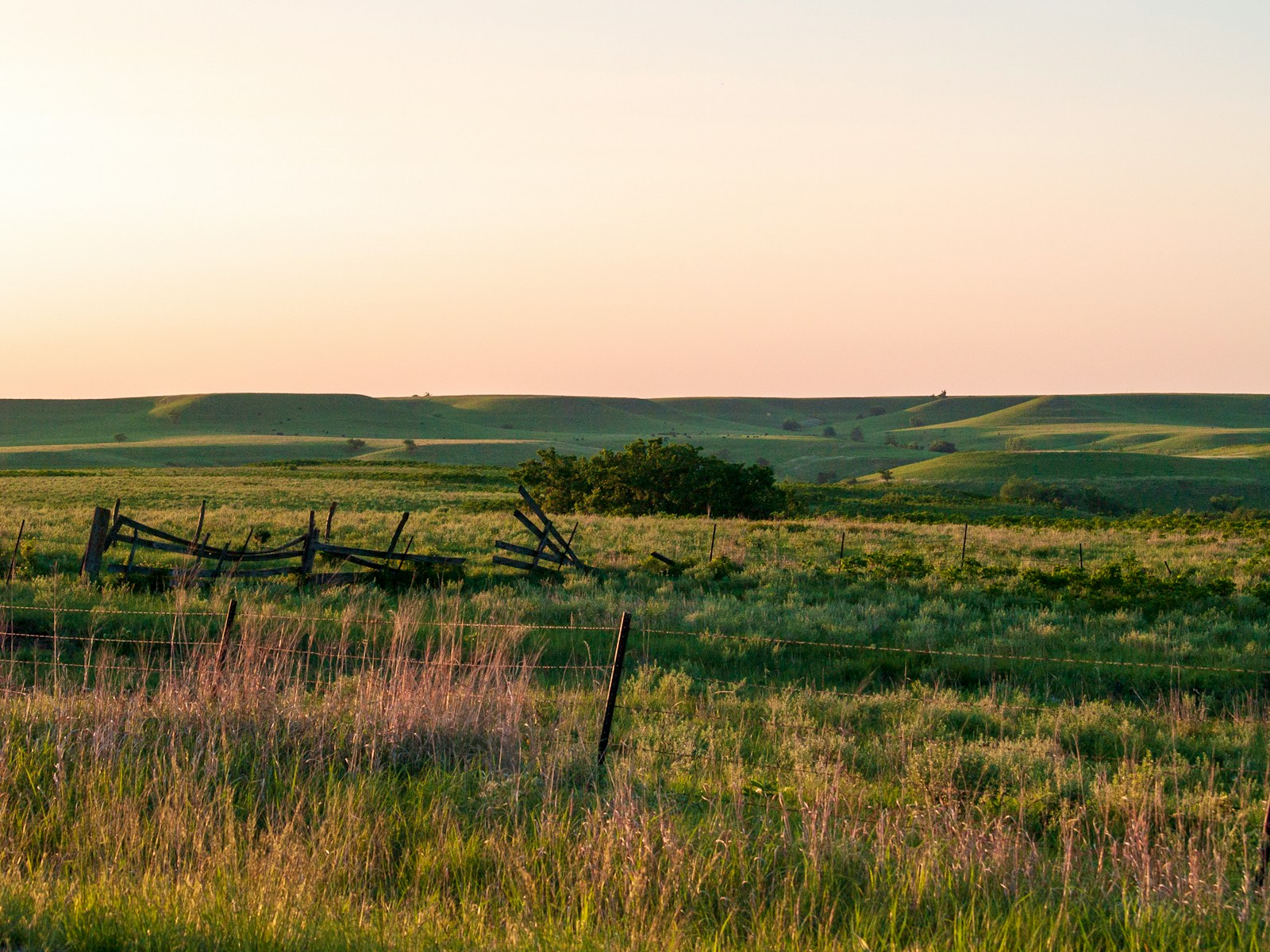
From vast seas of grass to fragmented remnants, America’s prairie ecosystems have experienced dramatic transformation. Today, a remarkable conservation movement across the Midwest is breathing new life into these iconic landscapes. Through dedicated efforts, scientific innovation, and community engagement, prairie restoration projects have achieved inspiring successes across states like Illinois, Iowa, Minnesota, and beyond. This article explores how these initiatives have not only reclaimed lost ecosystems but also provided critical environmental benefits, preserved cultural heritage, and created new models for landscape conservation in the 21st century.
The Lost Prairie: Understanding What Disappeared
Before European settlement, tallgrass prairies covered approximately 170 million acres across North America, with the Midwest serving as the heartland of this vast ecosystem. These grasslands evolved over thousands of years, shaped by climate, periodic fires, and grazing by bison and other large herbivores. By the early 20th century, more than 99% of the original tallgrass prairie had been converted to agricultural land, making it one of North America’s most endangered ecosystems. The loss was particularly dramatic in states like Illinois and Iowa, where less than 0.1% of the original prairie remained, representing one of the most complete ecosystem transformations on the continent.
Ecological Significance of Prairie Ecosystems
Prairie ecosystems represent biodiversity powerhouses, with a single acre potentially containing over 300 plant species and supporting countless insects, birds, and mammals. Their deep root systems—sometimes extending more than 15 feet below ground—create soil structures that excel at carbon sequestration, with tallgrass prairies storing carbon more effectively than many forests. These grasslands provide essential habitat for specialized wildlife, including prairie chickens, meadowlarks, and numerous pollinator species that have declined precipitously with habitat loss. Additionally, prairie systems offer remarkable resilience to climate extremes, naturally adapted to both drought and flooding cycles while preventing erosion and filtering water in ways that modern agricultural systems often cannot replicate.
Early Pioneers of Prairie Restoration
The foundations of modern prairie restoration were established by visionaries like Aldo Leopold, who conducted some of the first prairie replanting experiments at the University of Wisconsin Arboretum in the 1930s. This pioneering work was expanded upon by ecologists like Dr. Robert Betz, whose meticulous efforts at Fermilab in Illinois beginning in the 1970s demonstrated that large-scale prairie reconstruction was possible with the right techniques. The Nature Conservancy’s landmark acquisition of the Nachusa Grasslands in 1986 represented a turning point, establishing a restoration site that would eventually encompass over 4,000 acres. These early restoration scientists and advocates worked largely through trial and error, developing seed collection methods, planting techniques, and management approaches that form the backbone of today’s more sophisticated restoration practices.
Flagship Projects Demonstrating Large-Scale Success
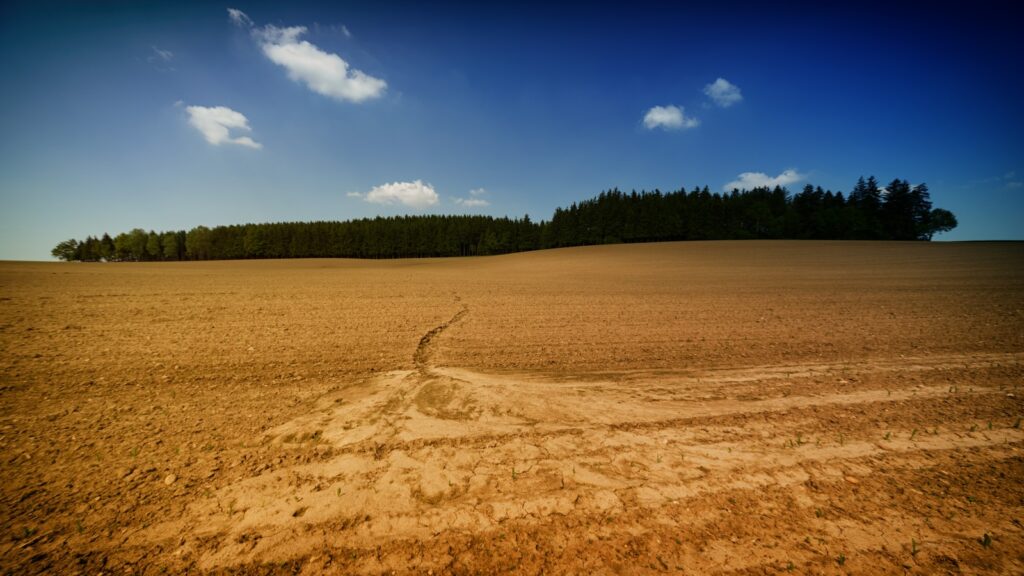
The Neal Smith National Wildlife Refuge in Iowa stands as one of the most ambitious prairie restoration projects in the nation, transforming over 8,600 acres of former agricultural land back to native tallgrass prairie and oak savanna. In Minnesota, The Nature Conservancy’s Glacial Ridge Project has restored more than 24,000 acres of prairie wetland complex, representing the largest prairie restoration in U.S. history. Illinois’ Midewin National Tallgrass Prairie, established on a former ammunition plant, has reclaimed over 20,000 acres and now supports the reintroduction of a bison herd. These landmark projects have demonstrated the feasibility of large-scale restoration and serve as living laboratories where scientists continuously refine restoration techniques while providing public access that helps reconnect communities with their natural heritage.
Scientific Breakthroughs in Restoration Techniques
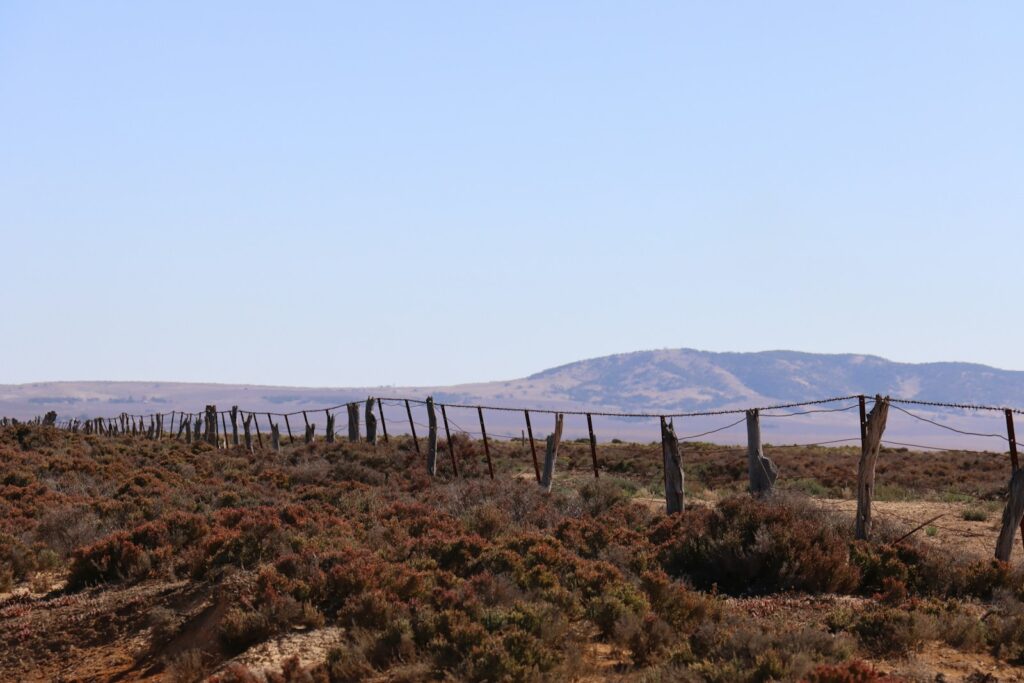
Modern prairie restoration has benefited tremendously from scientific advances in seed collection, propagation, and planting methodologies. Researchers have developed specialized harvesting equipment that can efficiently collect diverse seed mixes representing dozens or even hundreds of native species. Innovations in seed processing now allow for customized seed mixes tailored to specific soil types, moisture levels, and microhabitats within restoration sites. Prescribed fire techniques have been refined to mimic the natural burn cycles that historically maintained prairie ecosystems while accommodating modern safety concerns and urban interfaces. Perhaps most significantly, restoration ecologists have documented the importance of including not just dominant grasses but also the full complement of forbs, sedges, and other plant groups to create functioning ecosystems that support diverse wildlife.
Ecological Recovery: Plant and Wildlife Response
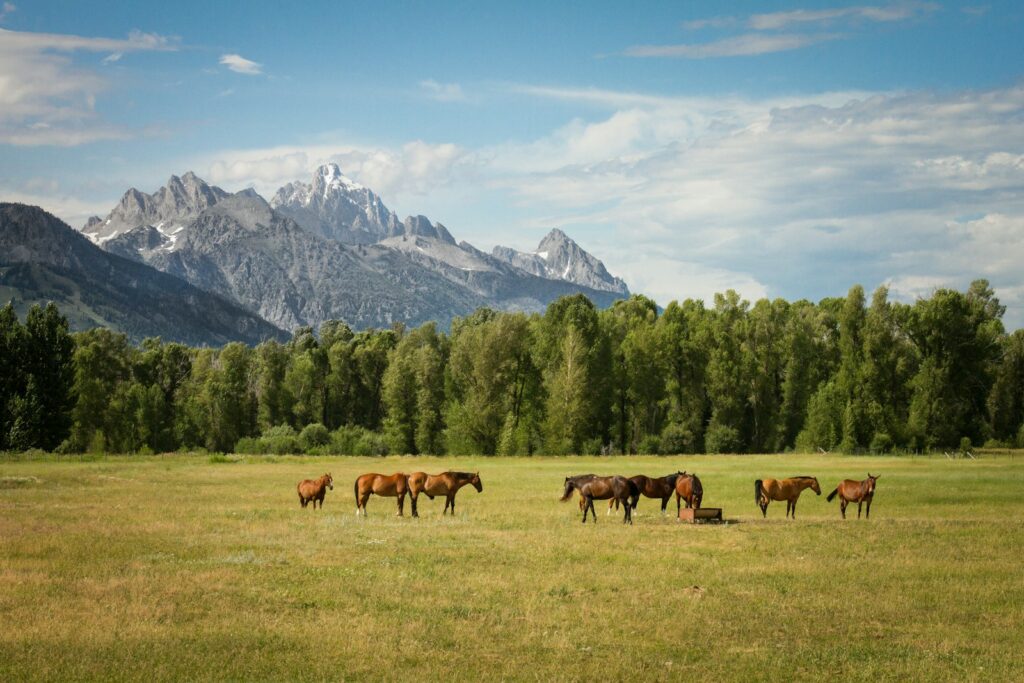
Successful prairie restorations have demonstrated remarkable ecological recovery, with plant diversity increasing steadily over time as restorations mature. At sites like Nachusa Grasslands in Illinois, scientists have documented the spontaneous return of rare insects and birds once the appropriate plant communities are established, sometimes without direct reintroduction efforts. The return of bison to several major restoration sites has accelerated recovery by recreating the natural grazing patterns that historically helped maintain prairie diversity. Long-term monitoring at established restoration sites has revealed that properly restored prairies can eventually support over 80% of the species diversity found in remnant prairies, though the most specialized species may take decades to reestablish. Perhaps most encouragingly, multi-decade studies show that properly restored prairies become increasingly self-sustaining over time, requiring less intensive management as natural ecological processes reassert themselves.
Economic Benefits of Prairie Restoration

Beyond their ecological value, restored prairies deliver substantial economic benefits to Midwestern communities. Restored grasslands significantly reduce agricultural runoff, preventing millions of dollars in water treatment costs and reducing flood damage in downstream communities. The recreational opportunities provided by major prairie preserves generate tourism revenue for rural communities, with sites like Neal Smith National Wildlife Refuge attracting tens of thousands of visitors annually. Native seed production for restoration projects has developed into a specialized agricultural sector, with prairie seed farms providing sustainable income for landowners. Research from Iowa State University indicates that strategic conversion of marginal agricultural land to prairie can actually increase overall farm profitability while simultaneously reducing environmental impacts, creating a win-win scenario for farmers and conservation.
Climate Resilience Through Prairie Restoration
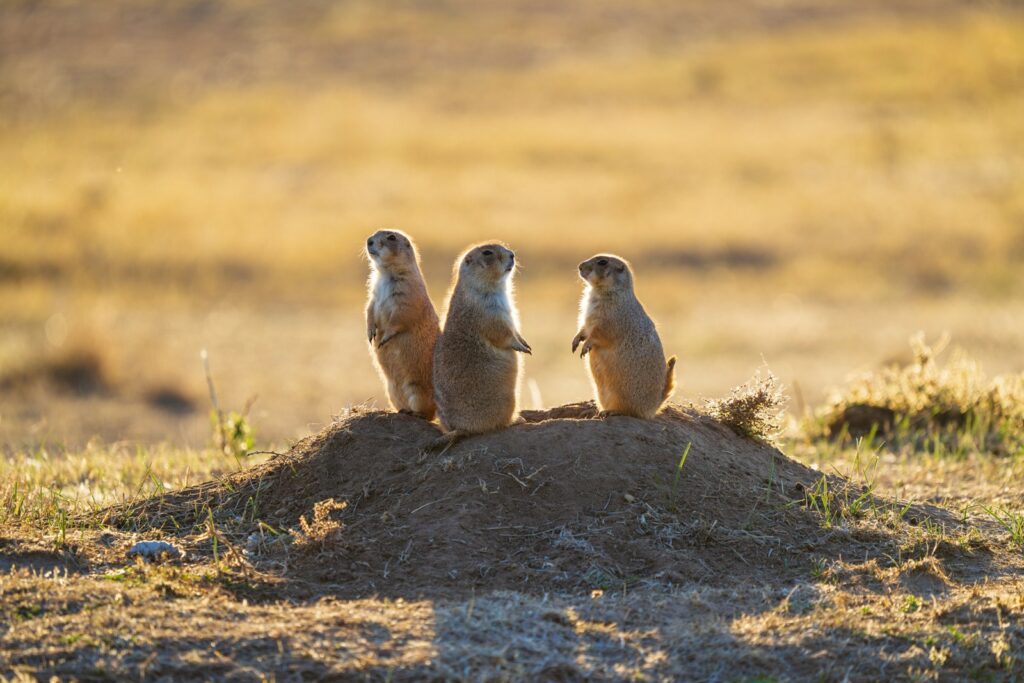
Prairie ecosystems are increasingly recognized as powerful tools in climate adaptation and mitigation strategies across the Midwest. The extensive root systems of prairie plants sequester significant amounts of carbon dioxide, with research from the Land Institute suggesting that restored prairies can sequester up to 3 tons of carbon per acre annually during their establishment phase. These same root networks create soil structures that dramatically improve water infiltration, reducing flood risks during the increasingly frequent extreme precipitation events affecting the region. During drought periods, established prairies remain productive while requiring no irrigation, providing critical wildlife habitat when agricultural lands may struggle. The diverse plant communities in restored prairies also demonstrate greater resilience to climate fluctuations than monoculture systems, maintaining ecosystem functions across a wider range of conditions.
The Role of Private Landowners and Farmers
While public lands have been essential to prairie restoration efforts, private landowners manage the vast majority of potential restoration land across the Midwest. Programs like the Conservation Reserve Program (CRP) have incentivized farmers to convert millions of acres of marginal cropland to native vegetation, though with varying levels of diversity and restoration quality. Organizations like the Prairie Enthusiasts have pioneered cooperative approaches where private landowners work together to create restoration corridors spanning multiple properties. Innovative farmers have integrated prairie strips into working agricultural landscapes, demonstrating that even modest 10% conversions to native prairie within cropfields can reduce soil erosion by over 90% while supporting pollinators that benefit adjacent crops. These agricultural integrations represent one of the most promising frontiers in prairie restoration, potentially allowing for landscape-scale recovery while maintaining agricultural productivity.
Urban Prairie Initiatives
Prairie restoration has increasingly moved beyond rural landscapes into suburban and urban environments across the Midwest. The Chicago Park District’s Natural Areas Program has transformed hundreds of acres within city parks into native prairie landscapes that provide ecological benefits while connecting urban residents with natural heritage. Community-driven projects like Kansas City’s Heartland Conservation Alliance have reclaimed vacant lots as prairie patches, creating stepping-stone habitats for wildlife while beautifying neighborhoods. Corporate campuses throughout the region, including major companies like Allstate Insurance in Illinois and Cargill in Minnesota, have replaced resource-intensive lawns with prairie plantings, reducing maintenance costs while creating pollinator habitat. These urban prairie initiatives demonstrate that meaningful ecological restoration can occur even within heavily developed landscapes, providing models for integrating native ecosystems into human-dominated environments.
Educational Impact and Public Engagement
Successful prairie restorations serve as living classrooms that have transformed public understanding of native ecosystems across the Midwest. Institutions like the University of Wisconsin-Madison Arboretum host thousands of students annually, providing hands-on experience with restoration techniques and ecological monitoring. Citizen science programs at major restoration sites engage volunteers in everything from seed collection to butterfly monitoring, creating personal connections to conservation efforts while generating valuable scientific data. Prairie restoration has inspired artistic and cultural programming, with sites like the Tallgrass Prairie National Preserve in Kansas hosting writers’ workshops, photography exhibits, and musical performances that celebrate prairie heritage. This multifaceted engagement has helped shift public perception of prairies from “empty” land to complex, valuable ecosystems worth protecting and restoring.
Challenges and Ongoing Barriers
Despite significant successes, prairie restoration continues to face substantial challenges across the Midwest. Invasive species like reed canary grass and crown vetch require constant vigilance and management, sometimes threatening decades of restoration progress. Fragmentation remains a critical issue, with many restored prairies existing as isolated islands that may not support the full complement of prairie species or natural ecological processes. Funding limitations constrain the scale and pace of restoration, with many projects dependent on short-term grants rather than sustainable long-term support. Perhaps most significantly, high land values driven by agricultural commodity prices make acquiring new restoration sites increasingly expensive, limiting opportunities for expansion even as scientific knowledge about restoration techniques continues to improve.
The Future of Midwestern Prairie Restoration
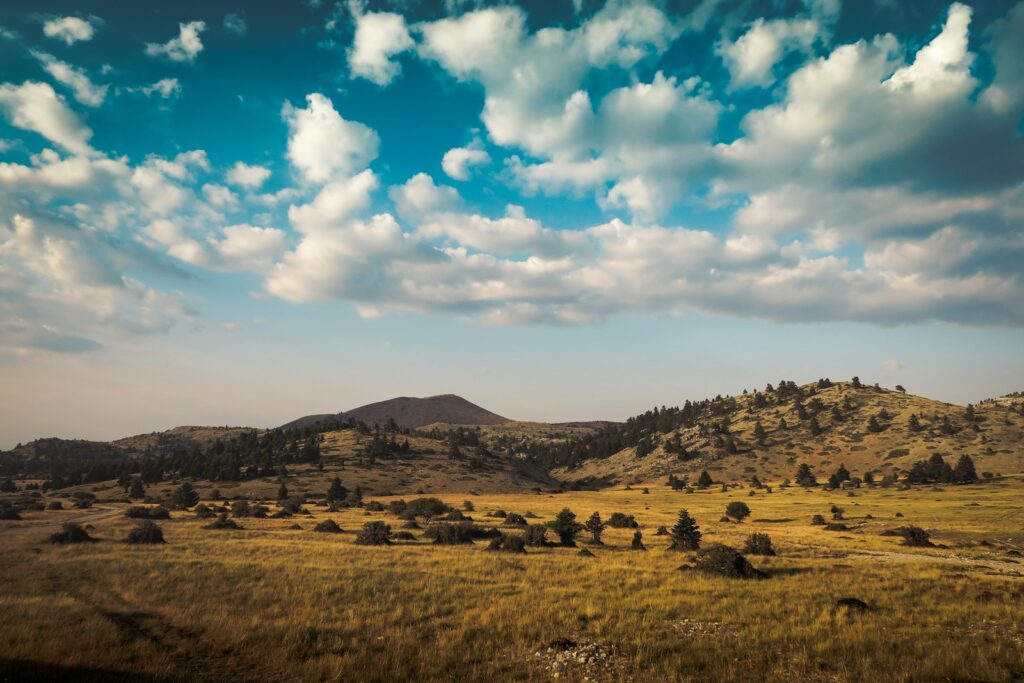
Looking ahead, prairie restoration in the Midwest stands at a promising crossroads with several emerging trends shaping its future trajectory. Advanced genomic techniques are allowing conservationists to better understand genetic diversity within prairie plant populations, enabling more targeted seed collection strategies that preserve evolutionary potential. Growing recognition of prairie ecosystems’ carbon sequestration value is opening new funding streams through carbon offset markets, potentially making restoration financially competitive with other land uses. Interdisciplinary collaborations between ecologists, agricultural scientists, and economists are developing new models for integrating prairie restoration with sustainable agriculture and renewable energy production. Most encouragingly, a new generation of restoration ecologists and land managers is bringing fresh perspectives to the field, building on decades of accumulated knowledge while embracing innovative approaches to landscape-scale conservation.
Conclusion
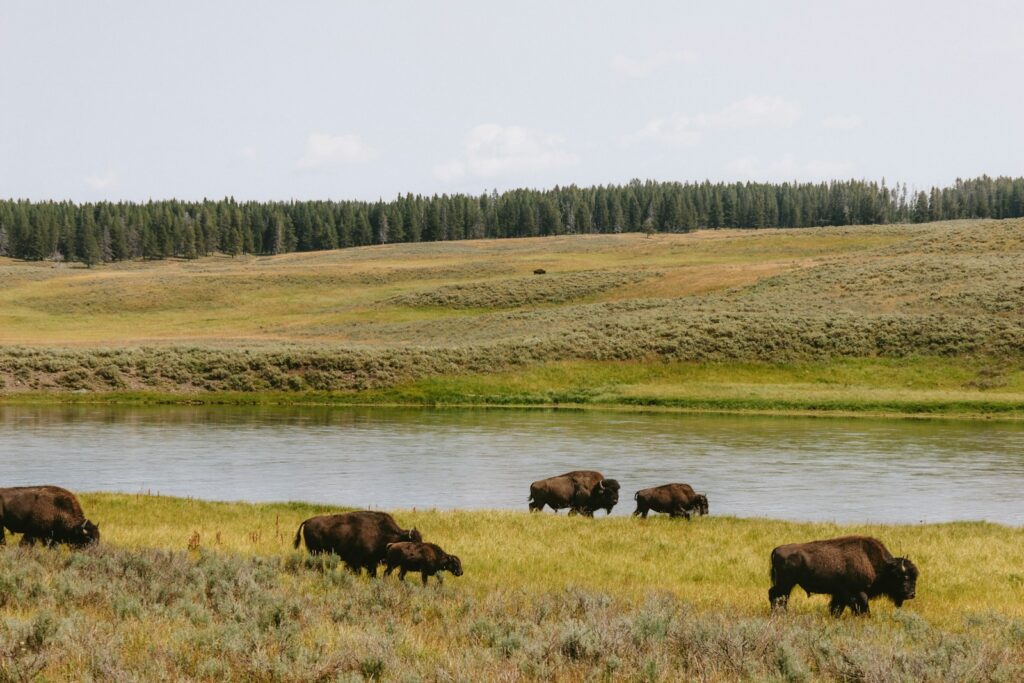
The story of prairie restoration in the Midwest represents one of America’s most significant conservation success stories—a multigenerational effort that has brought an ecosystem back from the brink of extinction. Through scientific innovation, community engagement, and tireless advocacy, prairies are once again becoming defining features of the Midwestern landscape. While much work remains to be done, the established restorations now thriving across the region demonstrate that ecological recovery is possible even after near-complete destruction. As climate change and biodiversity loss present ever-growing challenges, the prairie restoration movement offers a powerful model of hope: ecosystems can heal when given the chance, and human communities can reconnect with and benefit from the natural systems that shaped their regions for millennia.