
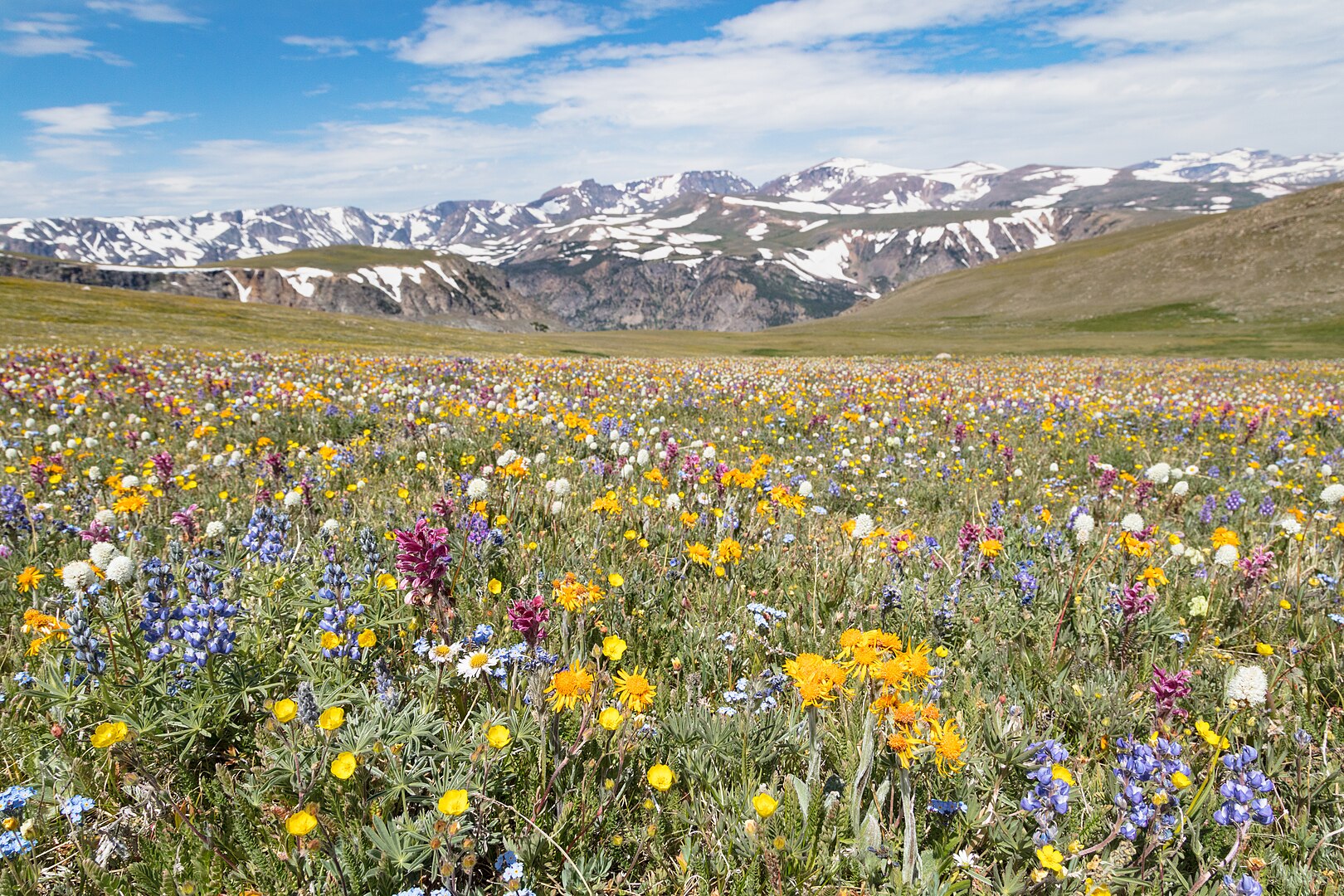
In the arid landscapes of the American West, nature puts on one of its most spectacular seasonal performances: the wildflower superbloom. These rare and magnificent displays occur when perfect combinations of rainfall, temperature, and seed dormancy align to transform typically sparse terrain into breathtaking carpets of vibrant color. Superblooms represent botanical resilience—desert wildflowers can remain dormant as seeds for years, sometimes decades, waiting for ideal conditions to explode into a kaleidoscope of purples, oranges, yellows, and reds.
While these natural phenomena can’t be predicted with certainty, several locations throughout the Western United States have earned reputations as superbloom hotspots. This guide explores the most spectacular destinations for witnessing these ephemeral displays, along with practical information for planning your wildflower pilgrimage.
Anza-Borrego Desert State Park, California
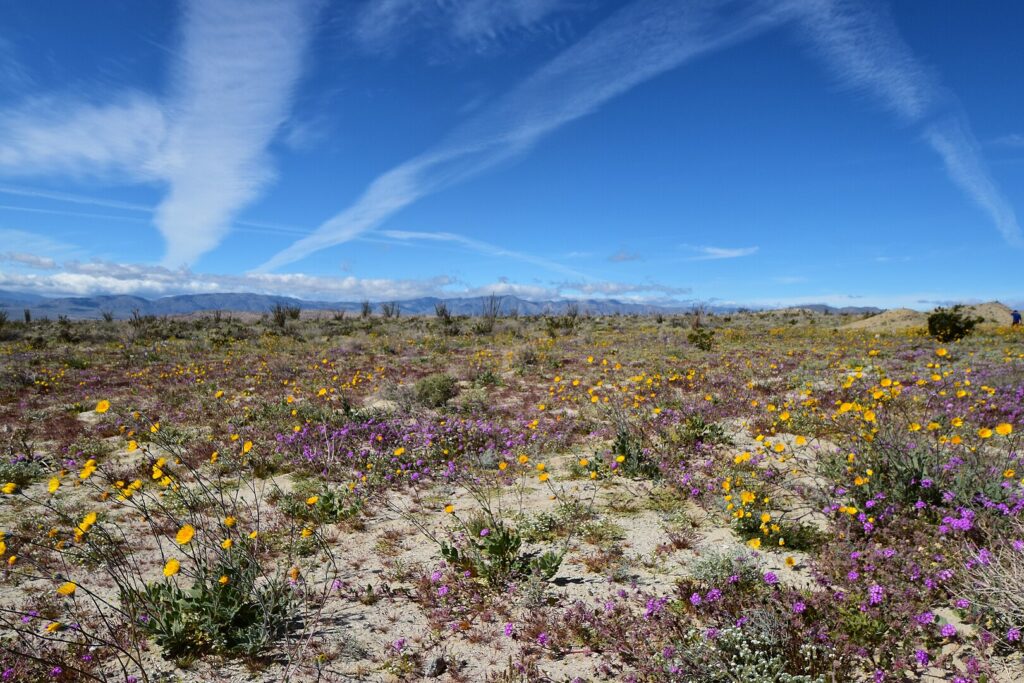
California’s largest state park transforms dramatically during superbloom years, with over 200 flowering plant species creating a mesmerizing desert tapestry. Located just two hours east of San Diego, Anza-Borrego’s 600,000 acres become adorned with desert sunflowers, sand verbena, desert lilies, and the distinctive ocotillo with its flame-red blossoms. The park’s diverse microenvironments—from sandy washes to rocky slopes—support different wildflower communities, creating varied displays across the landscape.
Visitation explodes during superbloom events, so weekday trips are recommended for those seeking more solitary experiences with these floral wonders. The Visitor Center offers updated wildflower reports during the season, typically February through April, with peak blooms often occurring in mid-March.
Death Valley National Park, California
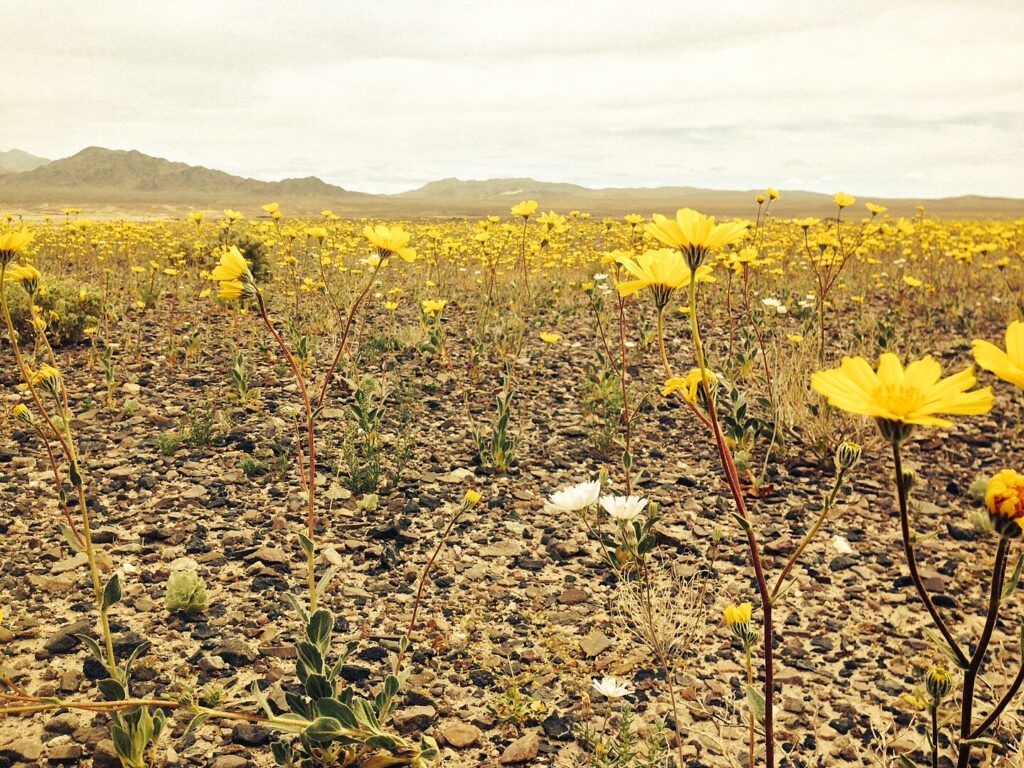
Despite being one of the hottest, driest places on Earth, Death Valley hosts some of the most dramatic superbloom events when conditions align perfectly. These rare occurrences—happening roughly once per decade—transform the seemingly lifeless landscape into a sea of gold, purple, and white blooms. Desert gold, phacelia, desert five-spot, and desert star create breathtaking contrasts against the stark mountain backdrops and salt flats.
The 2005 and 2016 superblooms were particularly spectacular, drawing thousands of visitors to this normally austere environment. During blooming periods, the most magnificent displays are often found at lower to mid elevations, including Badwater Basin Road, Furnace Creek, and the alluvial fans along the park’s eastern boundary.
Antelope Valley California Poppy Reserve, California
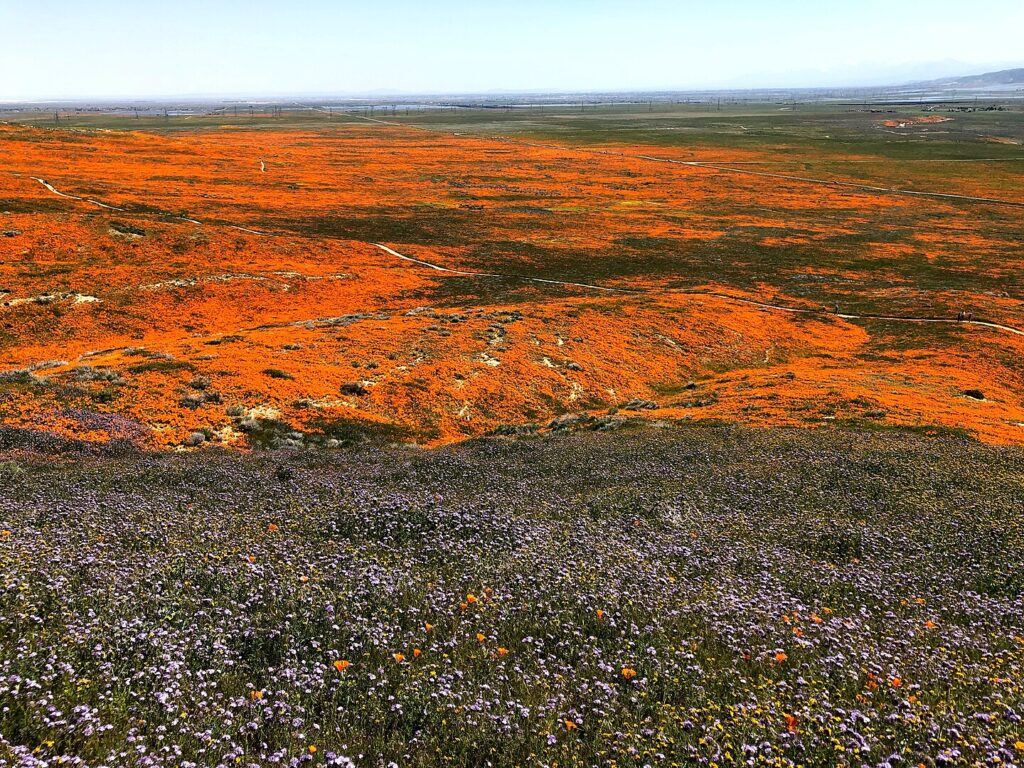
This high desert reserve showcases California’s state flower, the golden poppy, in spectacular orange waves that roll across the undulating hills when conditions are favorable. Located in the western Mojave Desert near Lancaster, the reserve features eight miles of trails that wind through the most concentrated poppy fields in California. Beyond the iconic poppies, visitors can spot owl’s clover, lupine, goldfield, cream cups, and coreopsis creating a multi-hued spectacle.
The Jane S. Pinheiro Interpretive Center opens during the bloom season (mid-February to mid-May) and provides educational exhibits about the wildflowers and their desert habitat. For the best viewing experience, visit on weekdays during mid-morning when poppies are fully open but before afternoon winds potentially close the delicate blossoms.
Carrizo Plain National Monument, California
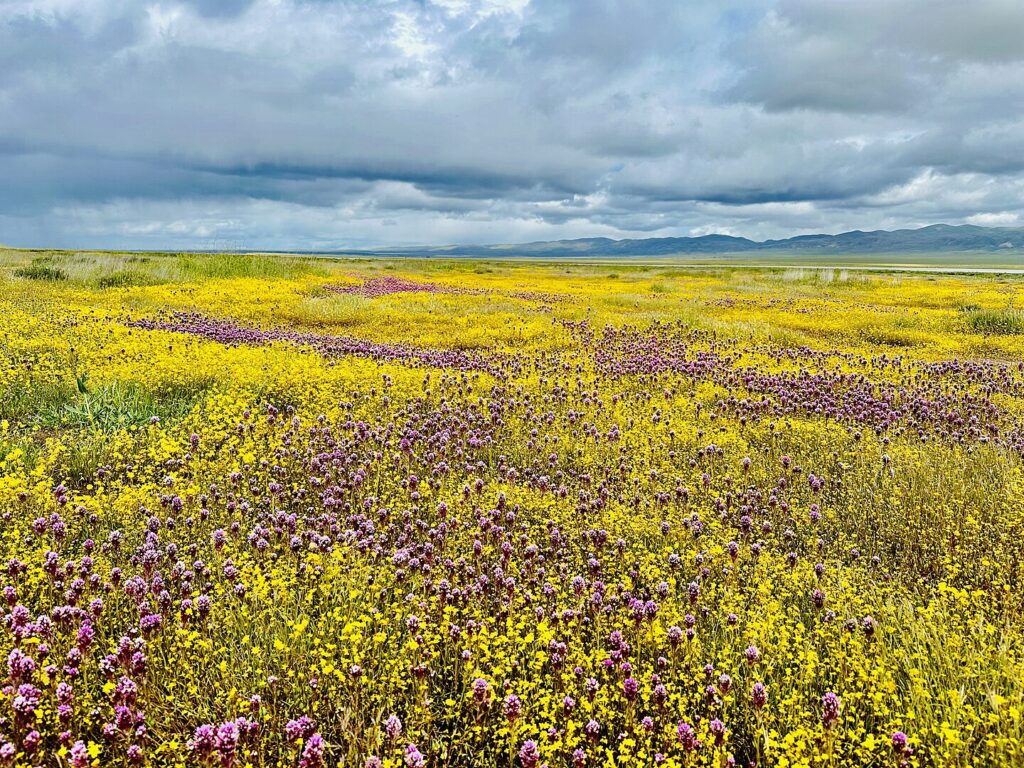
Often called “California’s Serengeti,” this remote grassland transforms dramatically during superbloom years, creating one of the most photogenic wildflower displays in the West. The monument’s vast open spaces allow for uninterrupted views of hillsides draped in goldfields, tidy tips, owl’s clover, and phacelia, creating a patchwork of yellow, orange, purple, and blue. Soda Lake, a normally dry alkaline lakebed at the monument’s center, provides a striking white backdrop for the surrounding flower-covered hills.
The monument’s isolation—roughly two hours from Bakersfield or San Luis Obispo—means fewer crowds but also limited services, so visitors should come prepared with fuel, food, and water. Spring blooms typically peak in late March through April, though timing varies significantly based on rainfall patterns.
Joshua Tree National Park, California
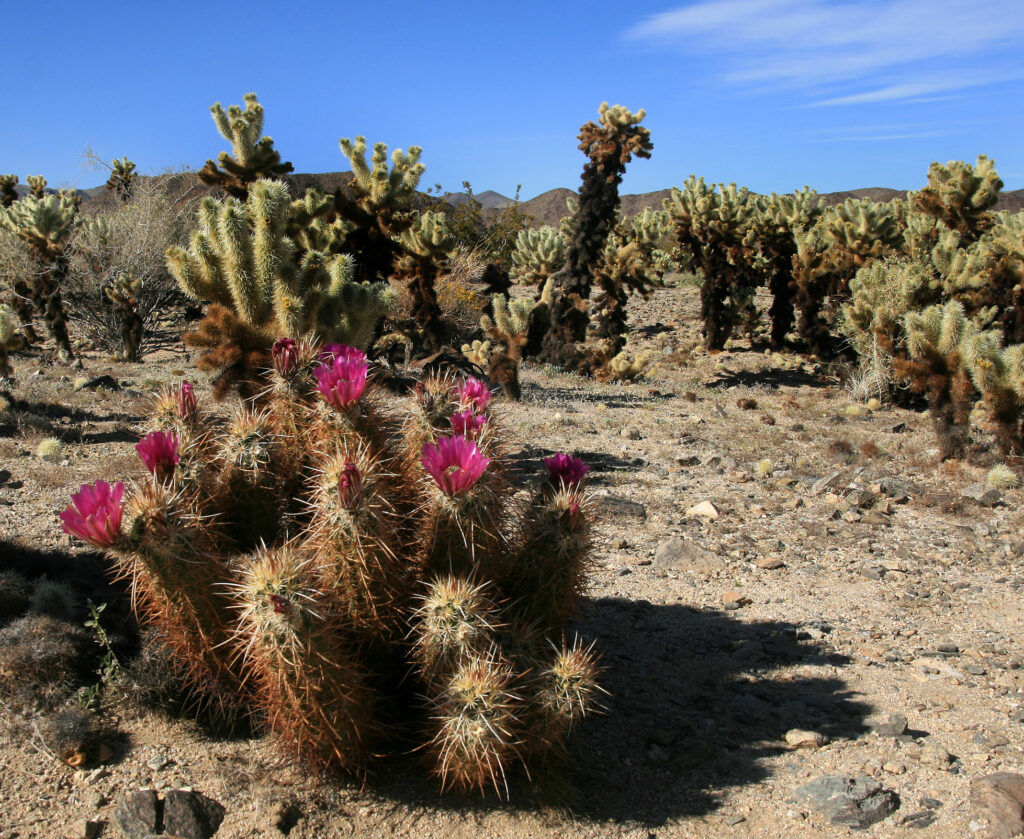
This iconic desert landscape offers a different kind of superbloom experience, featuring both the dramatic Joshua trees and a diverse array of desert wildflowers when conditions permit. The park’s range of elevations creates a sequence of blooming periods, with lower desert areas flowering as early as February while higher Mojave sections peak in April and May. Look for desert paintbrush, ocotillo, desert mariposa lily, and various cacti blooms, including the magnificent magenta flowers of the beavertail cactus.
The park’s varied terrain, from sandy flats to rocky outcroppings, supports different wildflower communities that create a constantly changing display. Visitor centers provide wildflower maps during bloom season, with the Cottonwood Spring area and Pinto Basin Road often hosting some of the most spectacular displays.
Craters of the Moon National Monument, Idaho
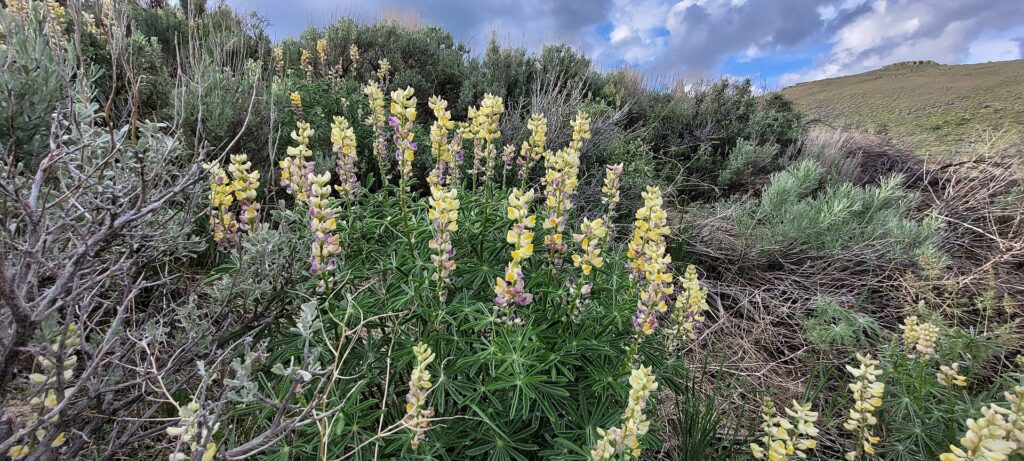
This otherworldly volcanic landscape in southern Idaho presents a stark contrast between black lava fields and vibrant wildflowers during late spring and summer blooms. The monument’s unique ecology supports specialized plant species that have adapted to thrive in this challenging environment of porous, mineral-rich volcanic soil. From late May through July, dwarf buckwheat, bitterroot, syringa (Idaho’s state flower), and numerous other species create splashes of color against the dark backdrop of ancient lava flows.
The 7-mile Loop Drive provides access to several points where visitors can observe these tenacious flowering plants colonizing what appears to be a barren landscape. Unlike desert superblooms that depend on winter rains, the Craters of the Moon display is more reliable annually but varies in intensity based on spring precipitation.
Columbia Hills State Park, Washington
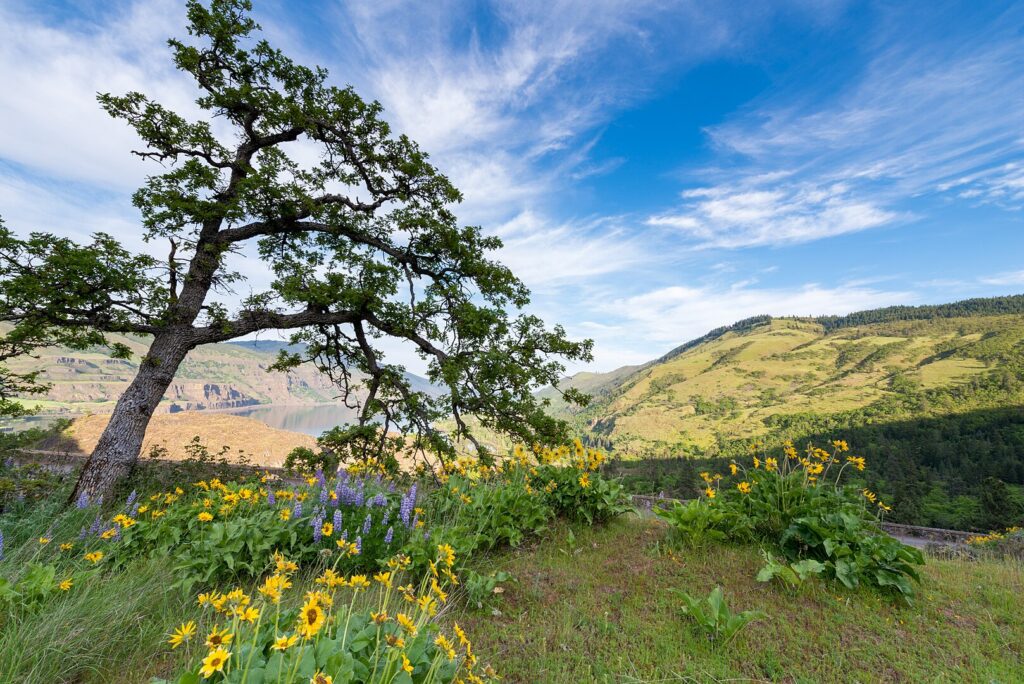
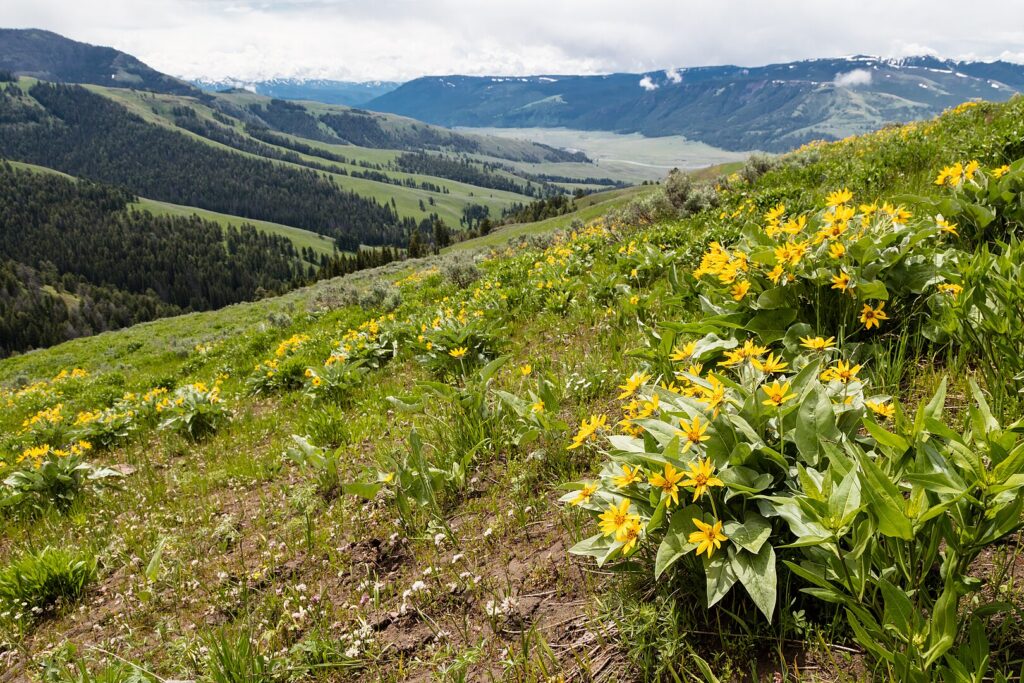
The dramatic Columbia River Gorge provides the backdrop for spectacular spring wildflower displays at this park on Washington’s side of the river. From mid-April through June, the open grasslands and oak woodlands burst with balsamroot, lupine, paintbrush, and dozens of other native species, creating golden and purple sweeps across the rolling hills. The park’s Crawford Oaks area features a 2.5-mile loop trail that winds through some of the most concentrated wildflower meadows, offering panoramic views of Mount Hood across the river.
Cultural significance adds another dimension to this wildflower destination, as the park contains important Native American petroglyphs and pictographs amid the blooming landscape. The park’s eastern location in the rain shadow of the Cascades creates drier conditions that favor these remarkable spring displays.
Steens Mountain, Oregon
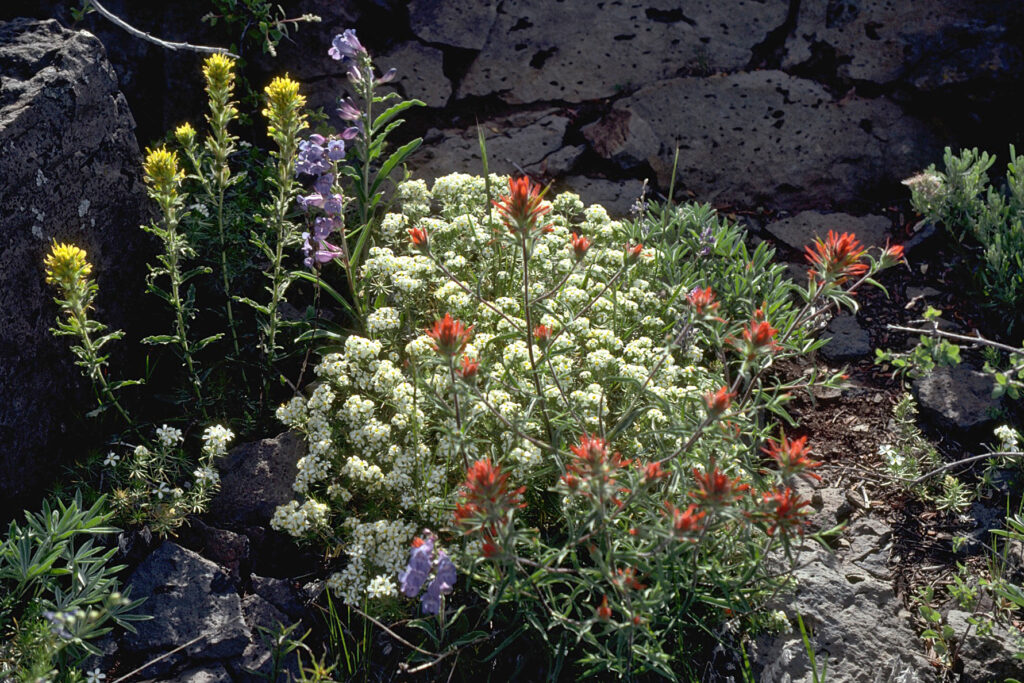
This remote fault-block mountain in southeastern Oregon hosts remarkable wildflower displays across its various elevation zones throughout late spring and summer. The 52-mile Steens Mountain Loop Road (open July to October, snow permitting) provides access to different ecosystems from desert sagebrush at lower elevations to alpine meadows near the 9,733-foot summit. June and July bring spectacular displays of balsamroot, larkspur, lupine, and paintbrush on the mountain’s western slopes, while the higher elevations feature unique alpine species in late July and August.
The mountain’s dramatic glacial gorges, particularly Kiger and Little Blitzen, cradle lush meadows where wildflowers flourish alongside year-round streams. The remote nature of this area means visitors should come prepared for changing weather and limited services, but the solitude and pristine wildflower viewing opportunities make it worth the journey.
Bear River Migratory Bird Refuge, Utah
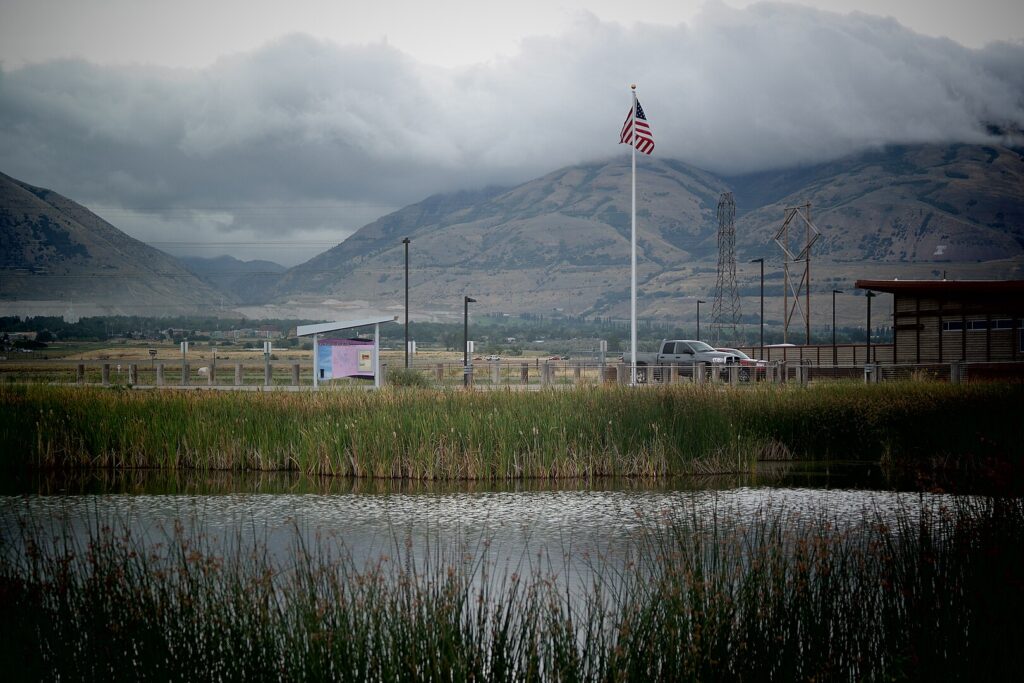
While primarily known for its bird populations, this wetland refuge at the northern end of the Great Salt Lake presents a unique wildflower experience when conditions align. In spring and early summer, the transitional zones between wetlands and uplands erupt with camas lilies, shooting stars, sego lilies (Utah’s state flower), and numerous other species that thrive in this specialized environment. The 12-mile Auto Tour Route provides access to these blooming areas while also offering opportunities to observe the numerous bird species that give the refuge its name.
The marshes themselves feature aquatic flowering plants like water lilies and arrowhead that create floating gardens amid the reflective waters. Unlike desert superblooms, these displays tend to be more consistent annually but vary in location and intensity based on water levels and management practices.
Mount Rainier National Park, Washington
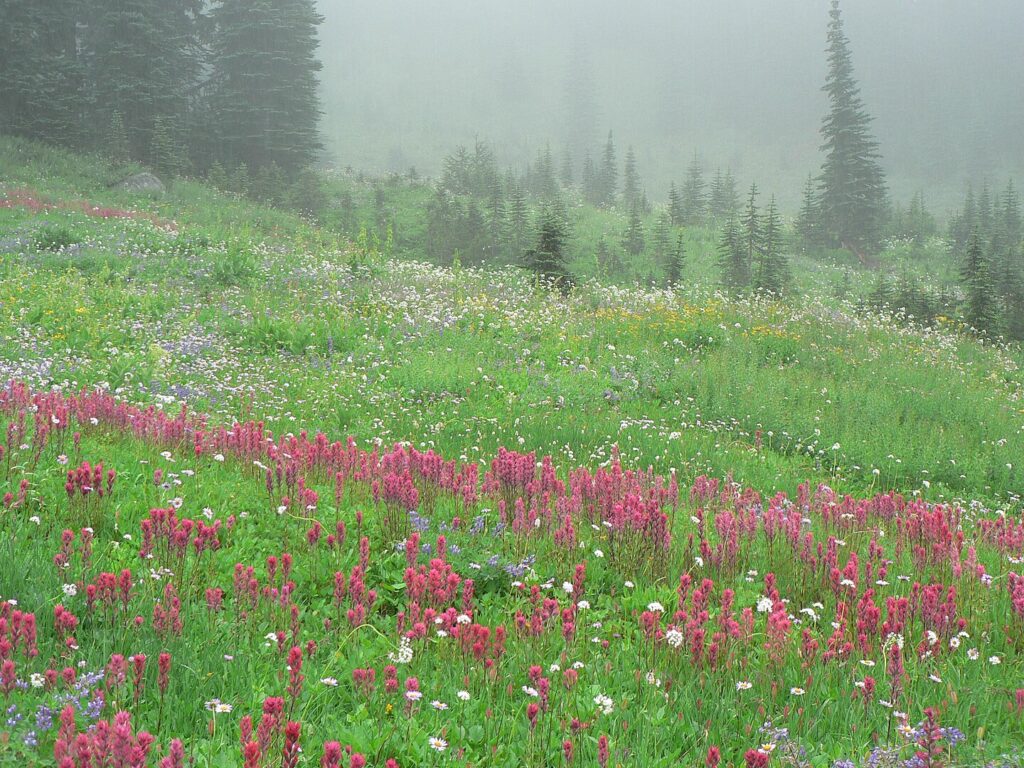
The subalpine meadows surrounding this iconic volcano host one of the most spectacular and reliable wildflower displays in the West during summer months. From mid-July through August, Paradise and Sunrise meadows transform into floral wonderlands featuring avalanche lilies, lupine, paintbrush, beargrass, and dozens of other species in breathtaking density. The timing of the displays follows the snowmelt progression, creating a wave of blooms that advances upslope as summer progresses.
Well-maintained trails like the Skyline Trail and Naches Peak Loop provide access to these vibrant meadows while protecting the fragile ecosystem. Unlike desert superblooms dependent on specific rainfall patterns, Mount Rainier’s display occurs annually with some variation in timing based on winter snowpack and spring temperatures.
Tucson Mountains, Arizona
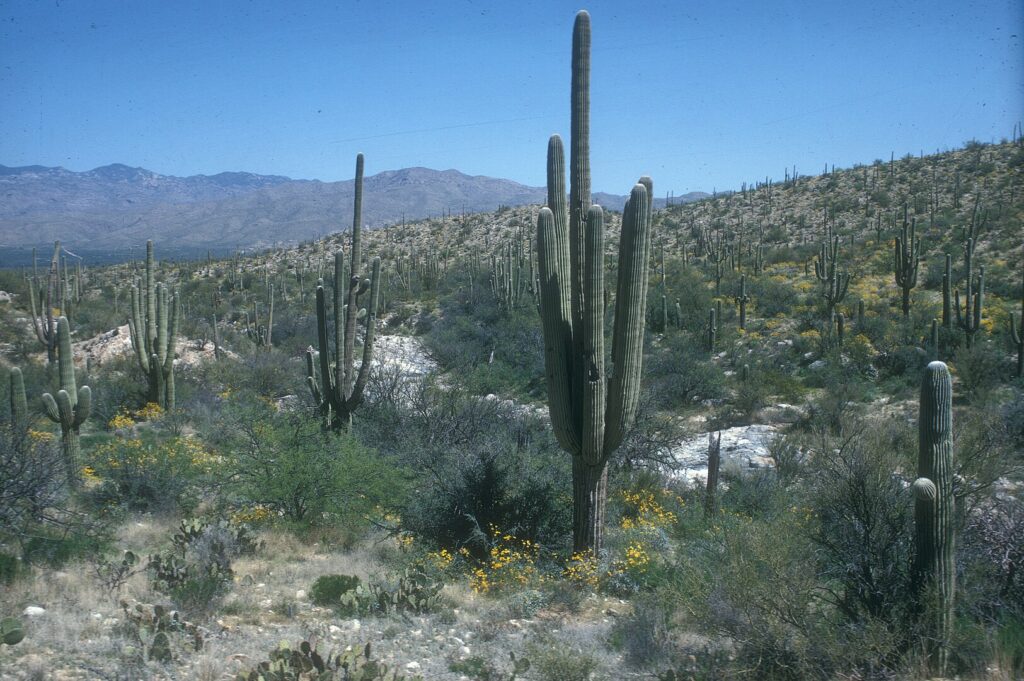
The Sonoran Desert surrounding Tucson presents a different superbloom experience with its unique flora adapted to the bi-seasonal rainfall pattern of this distinctive desert ecosystem. Saguaro National Park’s western district and adjacent Tucson Mountain Park showcase spectacular wildflower displays following wet winters, typically peaking in March and early April. Mexican goldpoppies, lupine, owl clover, and numerous cactus species—particularly the magnificent white blooms of saguaros in May and June—create a multi-layered flowering season.
The Arizona-Sonora Desert Museum maintains updated wildflower reports, helping visitors time their trips to coincide with peak bloom periods. The Desert Museum’s botanical gardens also provide guaranteed wildflower viewing with labeled specimens, making it an excellent educational complement to wilderness observations.
Grand Staircase-Escalante National Monument, Utah
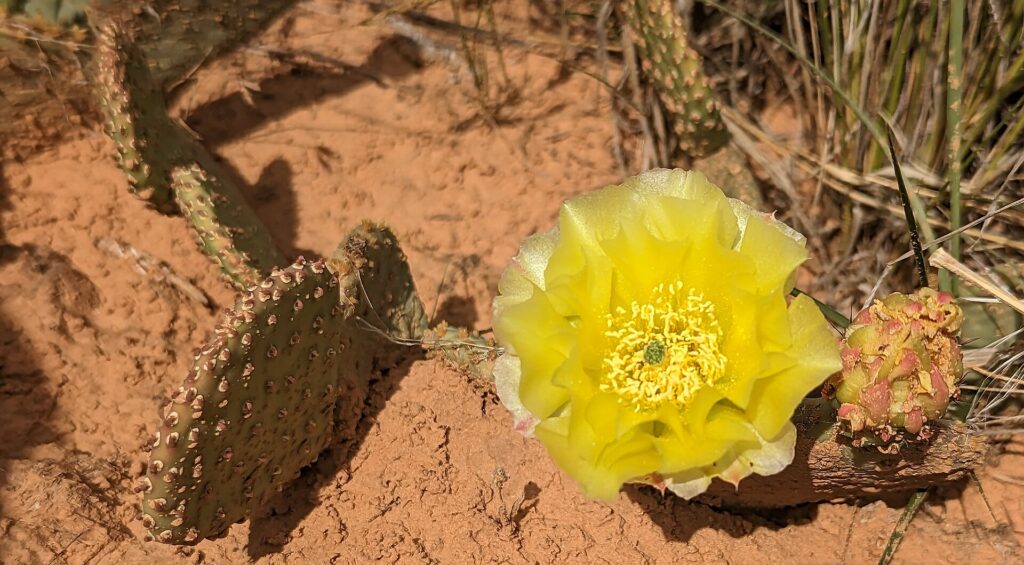
This vast and remote landscape in southern Utah harbors diverse ecosystems that support remarkable wildflower displays across its 1.9 million acres. From March through October, different elevations and habitat types feature sequential blooming periods, with desert areas flowering in spring while higher plateaus peak in summer. The monument’s varied terrain—from slickrock canyons to riparian corridors and high-elevation meadows—supports distinct wildflower communities including princesplume, evening primrose, globe mallow, and numerous cacti species.
The Escalante River corridor and its tributary canyons offer particularly lush displays where desert and riparian species converge in surprising abundance. The monument’s remote character means visitors should prepare adequately for backcountry exploration, but this isolation also ensures more solitary wildflower experiences away from the crowds that gather at more accessible locations.
Planning Your Wildflower Adventure
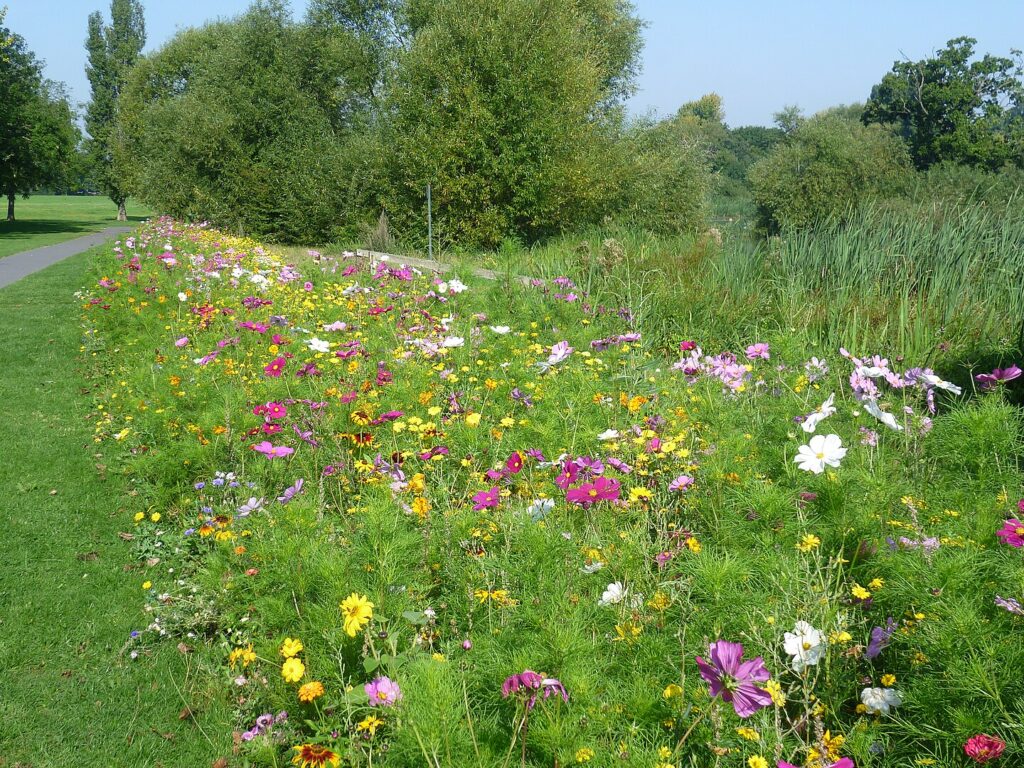
Timing is the most critical factor for witnessing superblooms, requiring flexibility and attention to current conditions rather than rigid advance planning. Follow park websites, wildflower hotlines, and social media accounts dedicated to tracking bloom conditions, as peak displays might last only a few weeks. Early morning and late afternoon provide the best photography opportunities with softer light and more intense colors, while also helping avoid midday heat in desert environments.
Practice responsible viewing by staying on designated trails, as fragile desert soils can take decades to recover from footprints, and wildflowers can be easily damaged by off-trail hiking or picking. Consider visiting during weekdays when possible, as popular superbloom destinations can become extraordinarily crowded during peak weekend periods, sometimes resulting in traffic jams and limited parking.
Conclusion: Discover the Beauty of Wildflower Superbloom Adventures
The wildflower superblooms of the American West represent nature’s most vivid displays of resilience and renewal. These fleeting spectacles—when desert landscapes don their most colorful attire—remind us of the remarkable adaptations that allow life to flourish even in harsh environments. While planning a superbloom visit requires flexibility and sometimes a measure of luck, the experience of witnessing these natural phenomena creates lasting memories that connect us to the seasonal rhythms and remarkable diversity of Western ecosystems.
Whether you’re drawn to the golden hills of California, the volcanic fields of Idaho, or the alpine meadows of the Cascades, each wildflower destination offers its own unique character and beauty. By visiting responsibly and immersing ourselves in these ephemeral displays, we gain not just Instagram-worthy photos but deeper appreciation for the complex ecological processes that transform seemingly barren landscapes into breathtaking natural gardens.