

In parks across the world, signs warning against feeding wildlife have become a common sight. Yet despite these warnings, many visitors continue to offer food to animals, often unaware of the serious consequences—both for the wildlife and potentially for their own wallets. Park authorities have implemented fine systems to discourage this behavior, but many people remain confused about why these penalties exist or how substantial they can be. Understanding the reasoning behind wildlife feeding prohibitions and the resulting fines reveals an important intersection of conservation efforts, public safety measures, and ecosystem management strategies. This article explores the realities of park fines for feeding wildlife, the ecological justification behind them, and what visitors should know before they consider sharing their picnic with a seemingly friendly squirrel or deer.
The Ecological Impact of Feeding Wildlife

When visitors feed wildlife in parks, they initiate a chain of ecological disruptions that can affect entire ecosystems. Animals that become dependent on human food often stop foraging naturally, which can alter natural population dynamics and food webs. This dependency can lead to artificial population increases in certain species, creating imbalances that may disadvantage other wildlife that don’t receive supplemental feeding. Additionally, these artificially high populations can cause habitat degradation through overgrazing or other intensive use of the environment. Perhaps most concerning is that human food rarely provides the proper nutrition wildlife needs, potentially leading to health issues such as metabolic bone disease in deer or nutritional deficiencies in birds that are fed bread instead of their natural diet.
How Feeding Creates Dangerous Wildlife Behavior
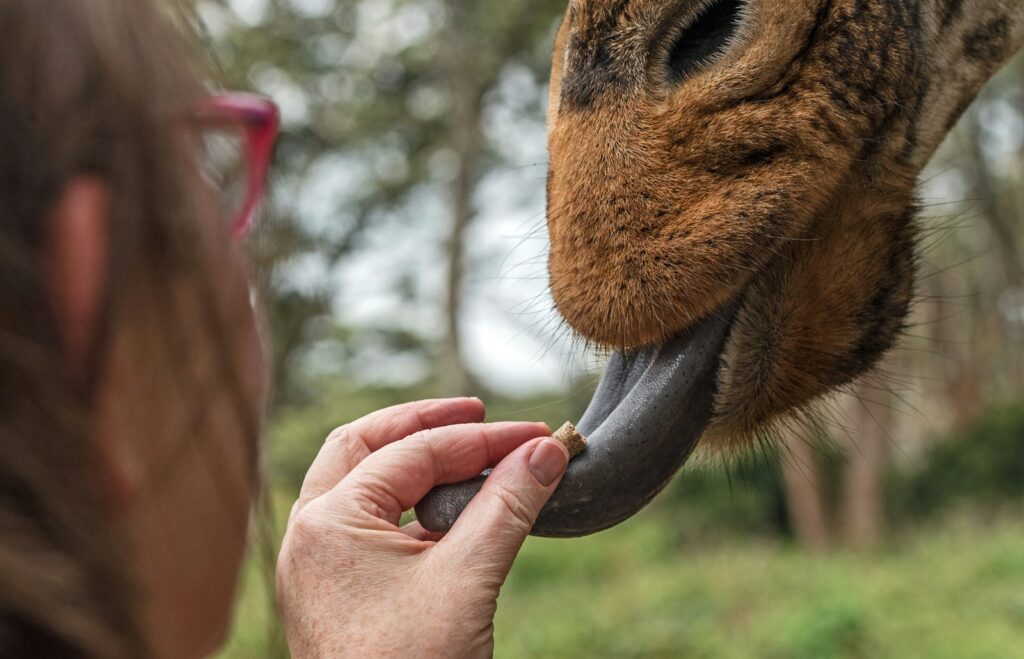
Wildlife that associates humans with food often develops problematic behaviors that can threaten both animal and human safety. Animals may lose their natural wariness of humans, leading to potentially dangerous encounters, especially with larger species like bears, deer, or even aggressive waterfowl. In many documented cases, animals that routinely receive food from humans begin to approach people expectantly or even aggressively when food isn’t offered. This habituation has led to incidents where wildlife has injured visitors who didn’t comply with their learned expectation for handouts. Park rangers report that once these problematic behaviors develop, they’re extremely difficult to reverse, and in some tragic cases, habituated animals that become aggressive must be euthanized—a consequence that began with well-intentioned feeding.
Legal Framework Behind Wildlife Feeding Fines

The authority to impose fines for wildlife feeding stems from various legal frameworks depending on the jurisdiction. In the United States, national parks operate under federal regulations that explicitly prohibit feeding wildlife, while state parks enforce similar rules under state wildlife codes. Many municipalities have enacted local ordinances that prohibit wildlife feeding in city parks and public spaces. These laws typically classify wildlife feeding as a civil infraction or misdemeanor offense, giving rangers and law enforcement the authority to issue citations. The legal justification for these regulations is rooted in both conservation principles and public safety mandates, with courts generally upholding these restrictions as reasonable exercises of government authority to protect natural resources and public welfare.
The Range of Fines Across Different Parks

The financial penalties for feeding wildlife vary dramatically depending on location and the type of animal involved. In U.S. National Parks, fines typically start around $100 but can exceed $5,000 for serious or repeat offenses, particularly those involving endangered species or dangerous animals like bears. State parks generally impose lower penalties, with first-time offenses often ranging from $50 to $500. Municipal parks may have even smaller fines, though some cities in areas with significant human-wildlife conflict issues have increased penalties substantially. International comparisons show even greater variation—Canada’s Banff National Park, for instance, imposes fines up to $25,000 CAD for feeding wildlife, while some European parks focus more on education than punitive measures. The severity of the fine often correlates with the potential ecological harm and safety risk posed by feeding particular species.
Enforcement Challenges and Strategies

Park authorities face significant challenges in enforcing wildlife feeding prohibitions, including limited staffing resources and the vast areas they must monitor. Many parks have adopted strategic enforcement approaches, concentrating patrols in high-visitation areas or locations where wildlife feeding is most common. Technology has become increasingly important in enforcement efforts, with some parks installing surveillance cameras at known feeding hotspots or employing drone monitoring in larger preserves. Citizen reporting programs have also proven effective, allowing concerned visitors to report feeding incidents they witness, often through mobile apps or dedicated hotlines. Despite these measures, enforcement remains inconsistent across different park systems, with some authorities taking a strict approach while others prioritize education over punishment except in egregious cases.
Case Studies: Notable Incidents and Fines
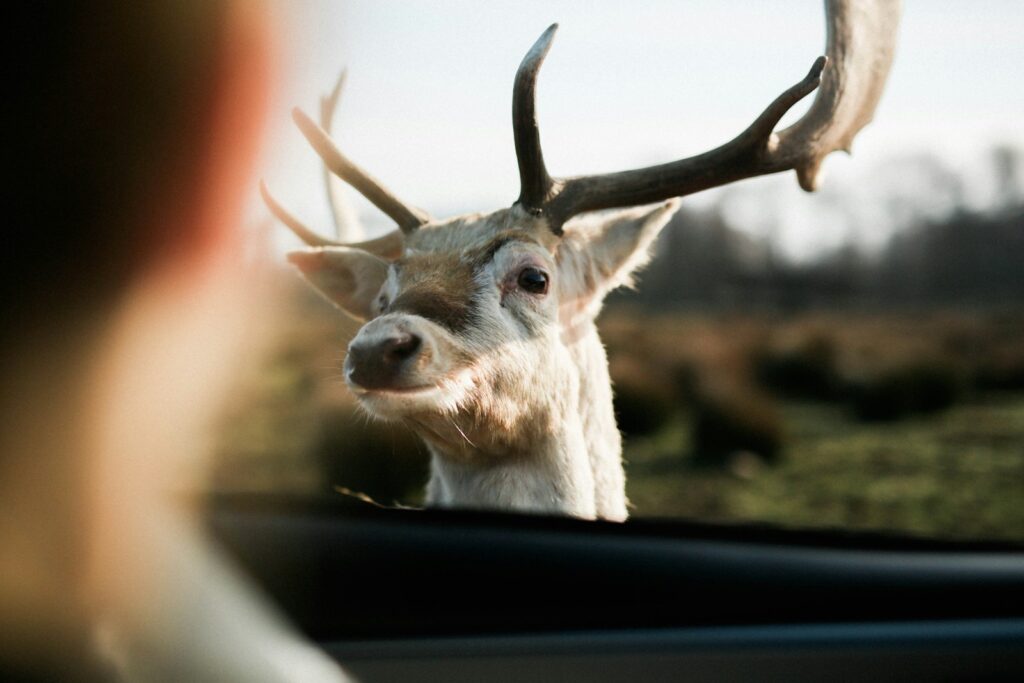
Some wildlife feeding cases have resulted in particularly notable penalties that illustrate the seriousness with which authorities view these violations. In Yellowstone National Park, a visitor was fined $5,000 and sentenced to six months in jail after repeatedly feeding bears despite warnings from rangers. At Grand Canyon National Park, a tour guide received a $500 fine and lost his commercial use permit after encouraging tourists to feed squirrels for photographs. Outside the United States, a tourist in Thailand’s Khao Yai National Park faced a fine equivalent to $1,600 for feeding wild monkeys, which is strictly prohibited due to aggressive behavior problems. These high-profile cases often serve as cautionary tales that park authorities use in educational materials, demonstrating that feeding wildlife can result in significant legal and financial consequences beyond just a warning.
The Difference Between Intentional and Accidental Feeding
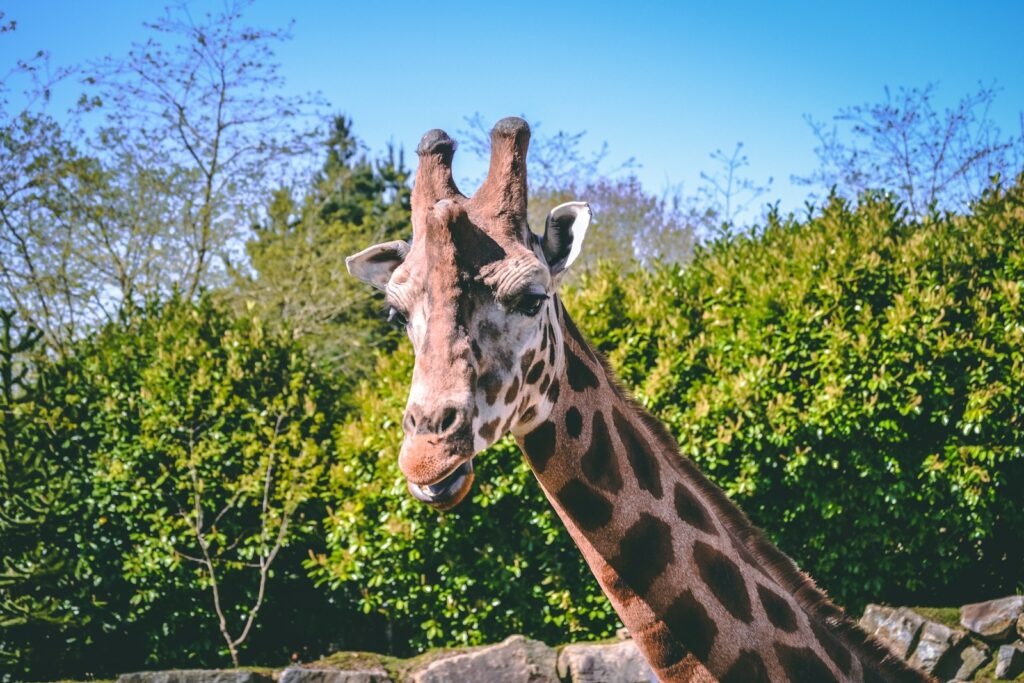
Park regulations and enforcement approaches typically distinguish between intentional feeding and accidental incidents. Intentional feeding—directly offering food to animals or leaving food out specifically for wildlife—generally attracts the strictest penalties and enforcement actions. Accidental feeding, such as wildlife accessing improperly stored food at campgrounds or stealing items from picnic tables, may be treated more leniently, though visitors can still receive citations for negligence in securing food items. This distinction recognizes that while intent matters, the ecological impact occurs regardless of human intention. Many parks have instituted progressive enforcement policies where first-time accidental incidents may result in warnings, while repeat occurrences or blatant intentional feeding immediately trigger fines. Rangers are typically trained to evaluate the circumstances and apply appropriate discretion in determining whether an educational approach or punitive measure is warranted.
Wildlife Feeding vs. Approved Bird Feeders
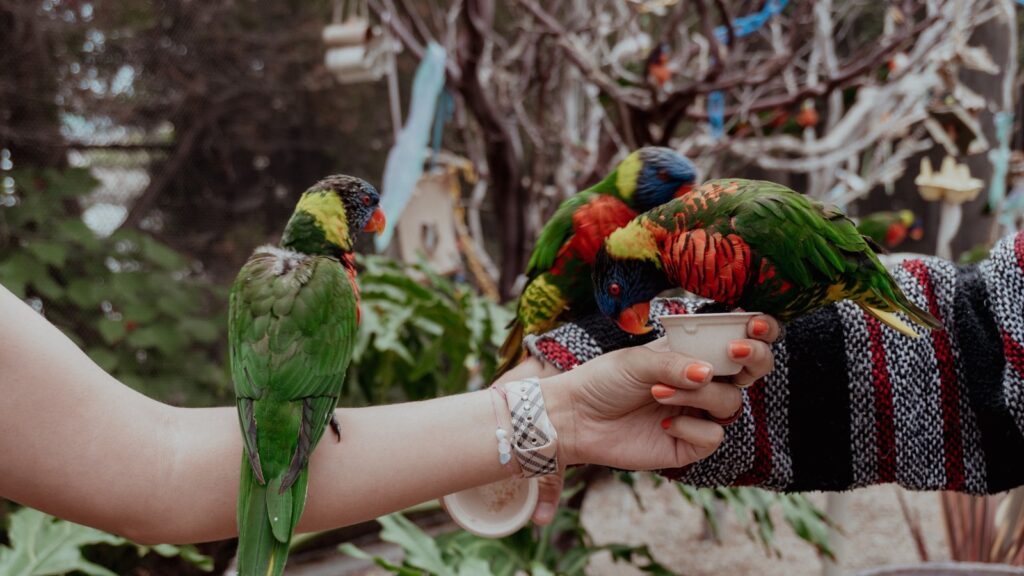
The prohibition on wildlife feeding in parks often creates confusion regarding bird feeders and other seemingly benign feeding practices that many people engage in at home. Most national and state parks prohibit all forms of wildlife feeding, including bird feeders, to maintain natural behaviors and prevent unintended consequences. In contrast, many municipal parks have more nuanced policies, sometimes allowing bird feeding in designated areas or under specific guidelines about appropriate foods and feeder types. The distinction generally revolves around ecosystem management goals—natural areas and wilderness preserves typically prohibit all supplemental feeding to maintain ecological integrity, while urban parks may allow limited bird feeding as part of their recreational amenities. Visitors should never assume that practices acceptable in backyard settings are permitted in parks, and should always check local regulations before engaging in any feeding activities.
Educational Alternatives to Punitive Measures

Many park systems have recognized that education can be more effective than punishment in changing visitor behavior regarding wildlife feeding. Some parks now offer first-time offenders the option to attend educational programs instead of paying fines, particularly for minor violations. These programs typically include information about the ecological impacts of feeding, wildlife nutrition needs, and safe wildlife viewing practices. Interactive educational elements in parks, such as ranger-led programs or interpretive displays about wildlife feeding impacts, have shown success in proactively preventing violations. Some parks have implemented creative approaches like volunteer opportunities for past offenders to help with wildlife conservation projects, creating positive engagement rather than just punitive outcomes. Research suggests that these educational alternatives may produce more lasting behavioral changes than fines alone, particularly when they help visitors understand the “why” behind feeding prohibitions.
How Park Visitors Can Help Wildlife Appropriately

For visitors who genuinely care about wildlife welfare, parks offer numerous constructive alternatives to feeding. Wildlife observation from appropriate distances allows appreciation of animals in their natural state without disrupting behaviors. Many parks encourage visitors to participate in citizen science programs, such as wildlife counts or habitat monitoring, which contribute valuable data while satisfying the desire to connect with nature. Supporting park conservation efforts through donations or volunteer work directly benefits wildlife through habitat preservation and management programs. Perhaps most importantly, properly managing food and waste while visiting parks—keeping all food secure, packing out trash, and using designated receptacles—prevents accidental wildlife feeding and demonstrates respect for the natural environment.
Understanding Special Circumstances and Exceptions
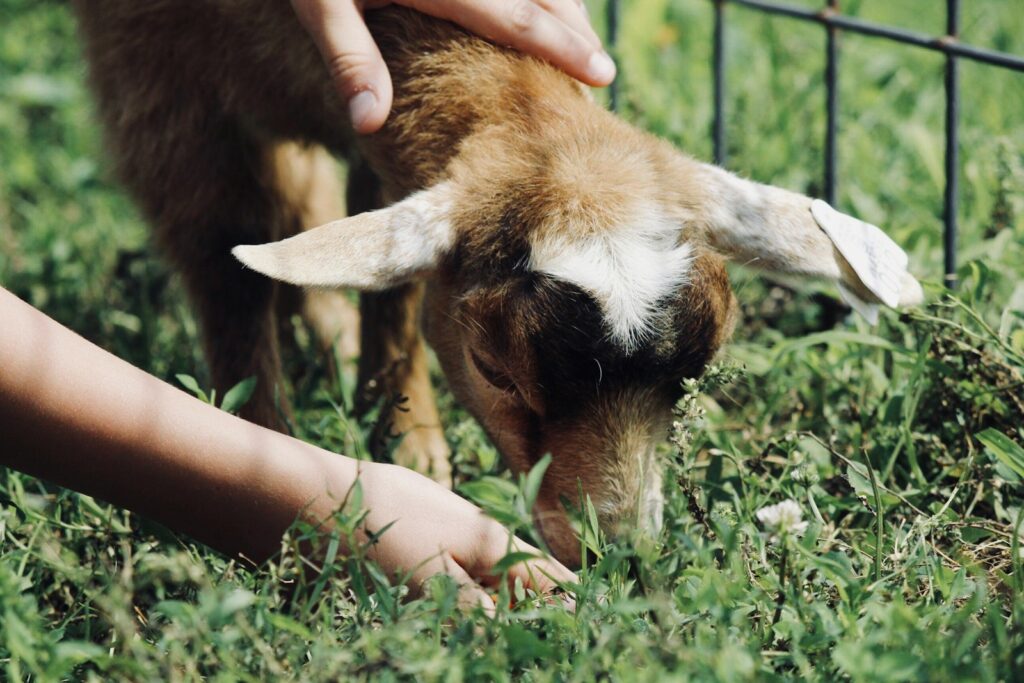
While general prohibitions on wildlife feeding exist in most parks, certain exceptional circumstances may create confusion for visitors. Managed feeding programs conducted by park biologists sometimes occur for research, population management, or rehabilitation purposes, but these are official activities not open to public participation. In some parks, particularly those with significant interpretive or educational missions, ranger-led programs might include limited wildlife feeding demonstrations under controlled conditions. Rehabilitation centers within or adjacent to parks may engage in supervised feeding of injured or orphaned wildlife, though this occurs under permits and strict protocols. Visitors should understand that these exceptions are narrow, professionally managed, and not justifications for individual feeding activities. When in doubt, the safest approach is to assume that all wildlife feeding is prohibited unless explicitly authorized by park staff for specific purposes.
The Future of Wildlife Feeding Regulations
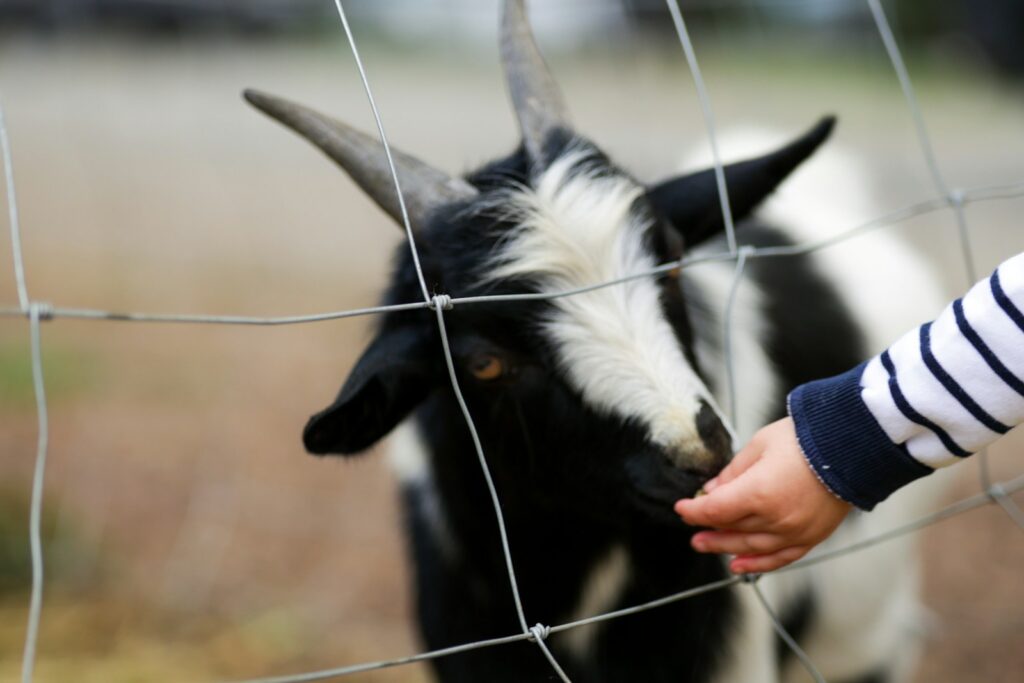
As human-wildlife interactions continue to evolve, park policies regarding feeding and associated fines are likely to change as well. Many parks are moving toward more sophisticated, evidence-based approaches that balance deterrence with education and community engagement. Technology will increasingly influence both enforcement and education, with some parks exploring smartphone apps that provide real-time guidance about appropriate wildlife interactions or alert visitors when they enter sensitive wildlife areas. Climate change and habitat loss may intensify wildlife dependency on human food sources, potentially necessitating stricter regulations and penalties in affected areas. Conservation psychologists and behavior specialists are helping parks develop more effective communication strategies that address the emotional and psychological factors that drive feeding behaviors, moving beyond simple prohibitions to foster a deeper conservation ethic among visitors.
Preparing for Your Park Visit
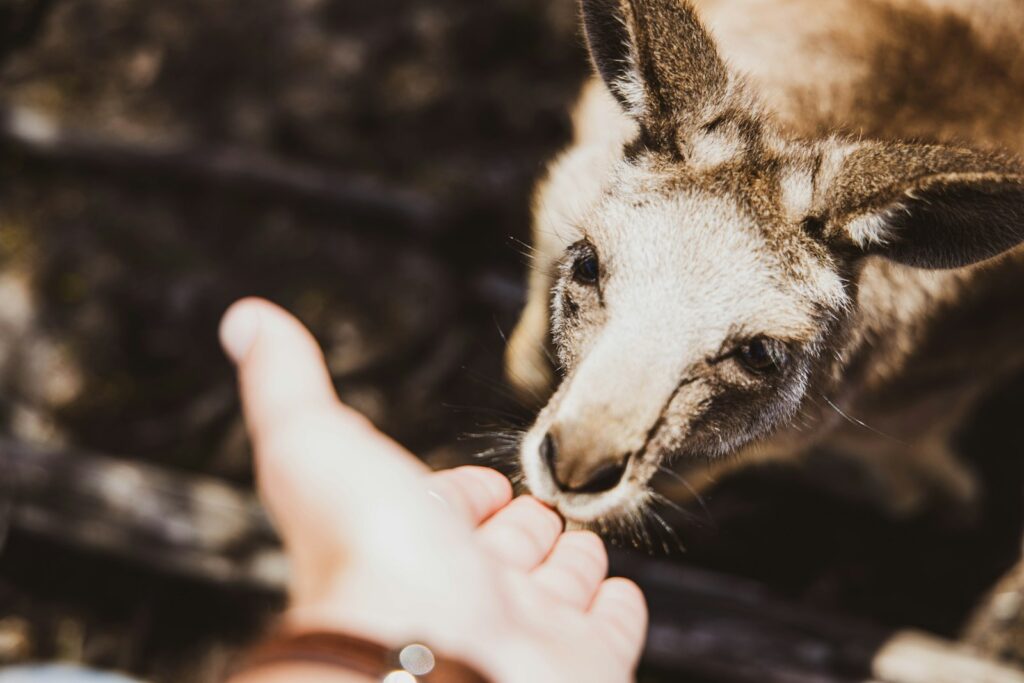
Visitors can avoid wildlife feeding fines by preparing properly before their park excursion. Researching specific regulations for the park you plan to visit is essential, as rules can vary significantly between different park systems and even between individual parks within the same system. Proper food storage equipment, such as bear-resistant containers in bear country or sealed coolers in other areas, helps prevent accidental feeding incidents. Teaching children about appropriate wildlife interaction before visiting is particularly important, as children often want to share food with animals they encounter. Planning wildlife viewing opportunities that don’t involve food—such as dawn or dusk observations at designated viewing areas—provides meaningful nature experiences without the risks associated with feeding. Many parks offer pre-visit orientation materials specifically addressing wildlife interactions, which can be valuable resources for avoiding unintentional violations.
Conclusion

Park fines for feeding wildlife represent more than just arbitrary rules—they reflect the complex balance between public enjoyment of natural spaces and the protection of ecological integrity. While the penalties can be substantial, they exist to safeguard both the animals and the visitors who come to appreciate them. By understanding the ecological reasoning behind these regulations and respecting wildlife from a distance, park visitors can contribute to conservation efforts while avoiding costly fines. The most meaningful connection with wildlife comes not from temporary feeding interactions but from observing animals living naturally in their habitats, behaving as they have for countless generations before human intervention. This approach ensures that parks remain sanctuaries where wild animals can truly remain wild, benefiting current visitors and preserving these special experiences for generations to come.