
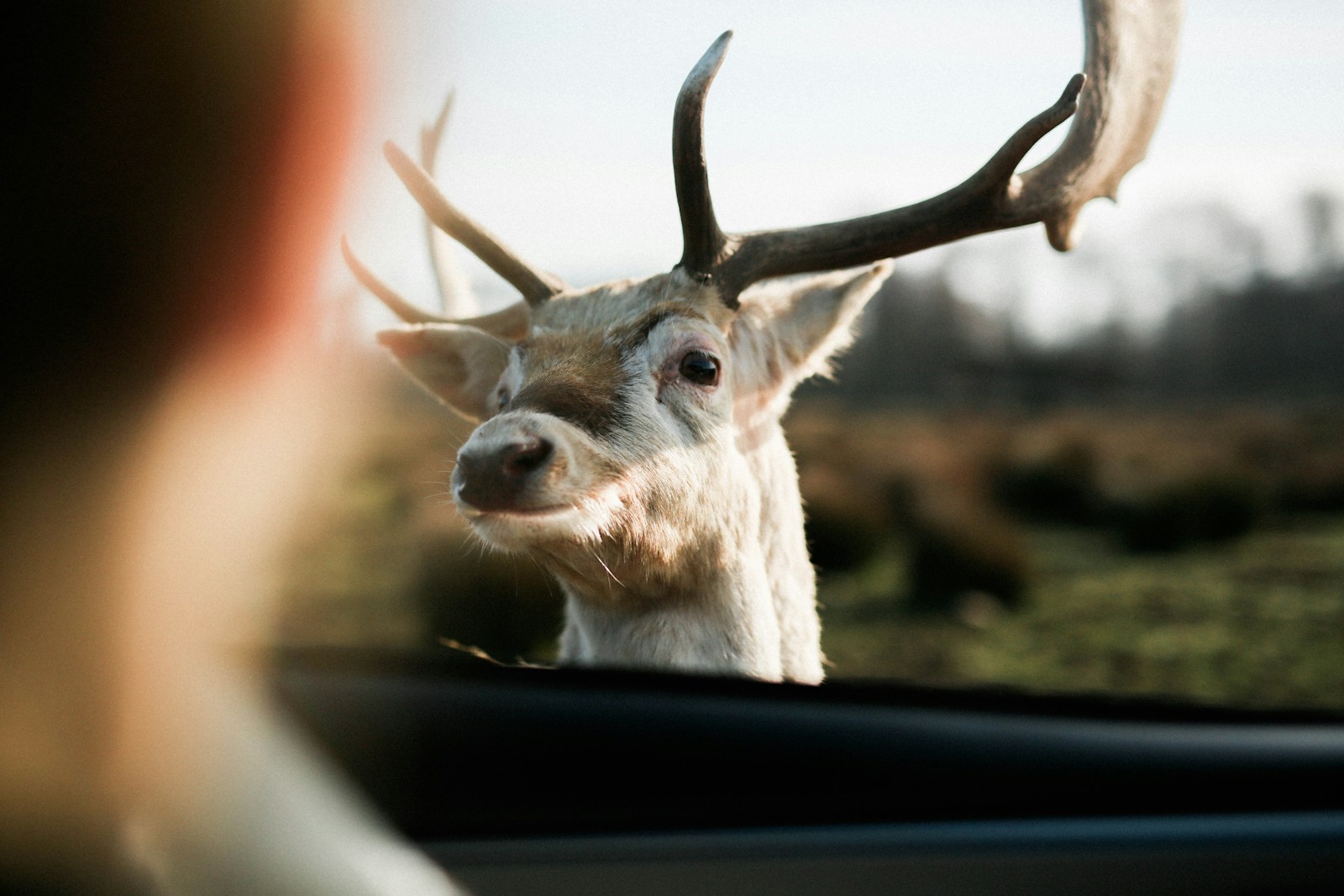
Across parks and natural areas worldwide, one of the most common prohibitions visitors encounter is the restriction against feeding wild animals. Yet despite prominent signage and public education campaigns, many well-intentioned visitors continue offering food to wildlife, often unaware of the significant consequences—both for the animals and potentially for their wallets. Park authorities have increasingly implemented strict fine systems to discourage this behavior, recognizing that even seemingly harmless feeding can disrupt natural ecosystems and create dangerous situations. This article explores the reality of park fines for feeding wildlife, examining why these penalties exist, how they vary across different locations, and what visitors should know before they consider sharing their trail mix with that seemingly friendly squirrel.
Why Feeding Wildlife Is Prohibited
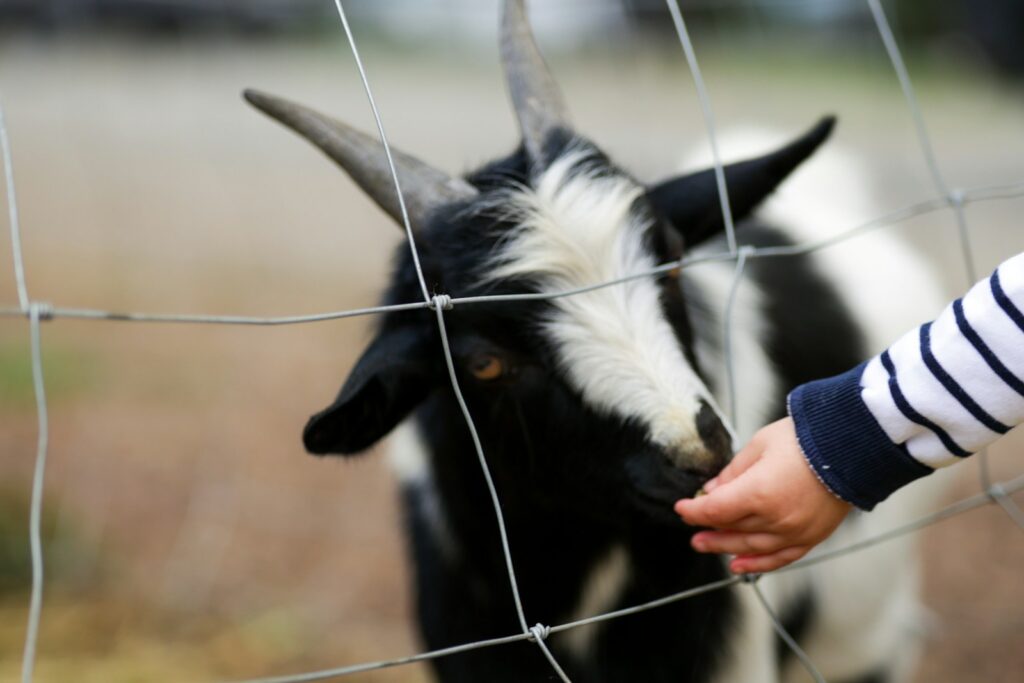
The prohibition against feeding wildlife isn’t arbitrary—it’s rooted in decades of ecological research and observation. When wild animals become accustomed to human food sources, they often develop dependencies that alter their natural foraging behaviors and migration patterns. These animals may lose their natural fear of humans, creating potentially dangerous situations where they approach people expecting food. Additionally, human foods typically lack the nutritional components wildlife need, sometimes causing malnutrition even when animals appear to be eating well. Perhaps most concerning, congregations of animals around artificial feeding sites can facilitate disease transmission, leading to outbreaks that can devastate wildlife populations.
The Legal Framework Behind Wildlife Feeding Fines
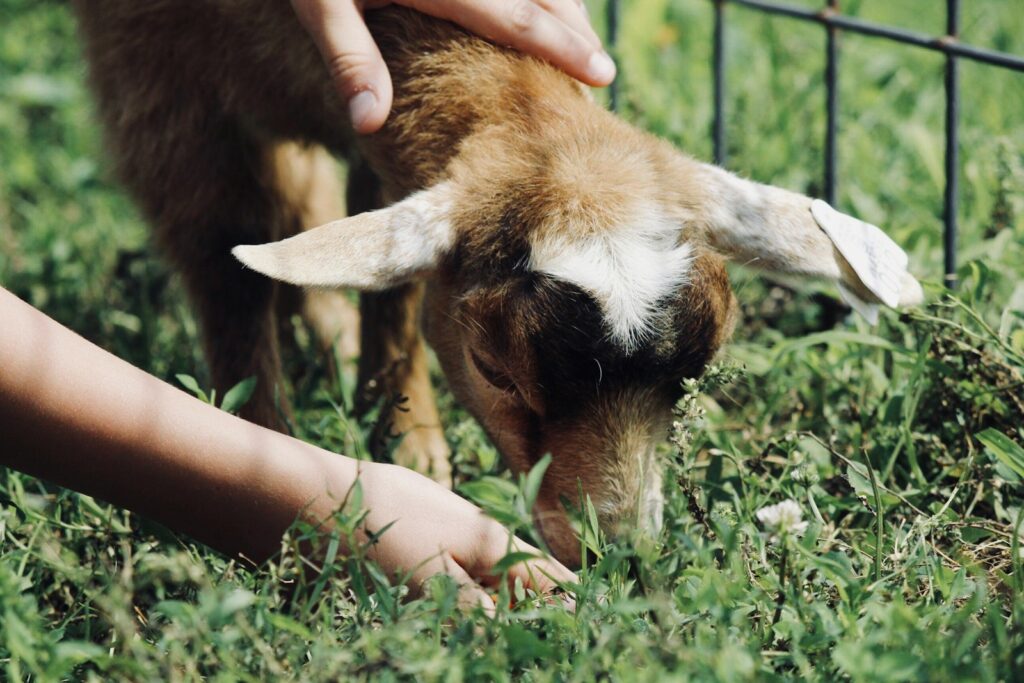
Most wildlife feeding prohibitions are established through a combination of federal, state, and local regulations designed to protect both wildlife and visitors. In the United States, the National Park Service has clear regulations prohibiting wildlife feeding under Title 36 of the Code of Federal Regulations, while state parks typically operate under state-specific wildlife codes. Many municipal parks have their own ordinances addressing wildlife feeding, often tailored to local species concerns. The legal authority to issue fines generally stems from these regulations, with enforcement powers granted to park rangers, wildlife officers, and sometimes local law enforcement. Courts have consistently upheld these regulations when challenged, recognizing the government’s legitimate interest in wildlife conservation and public safety.
How Much Can You Be Fined?
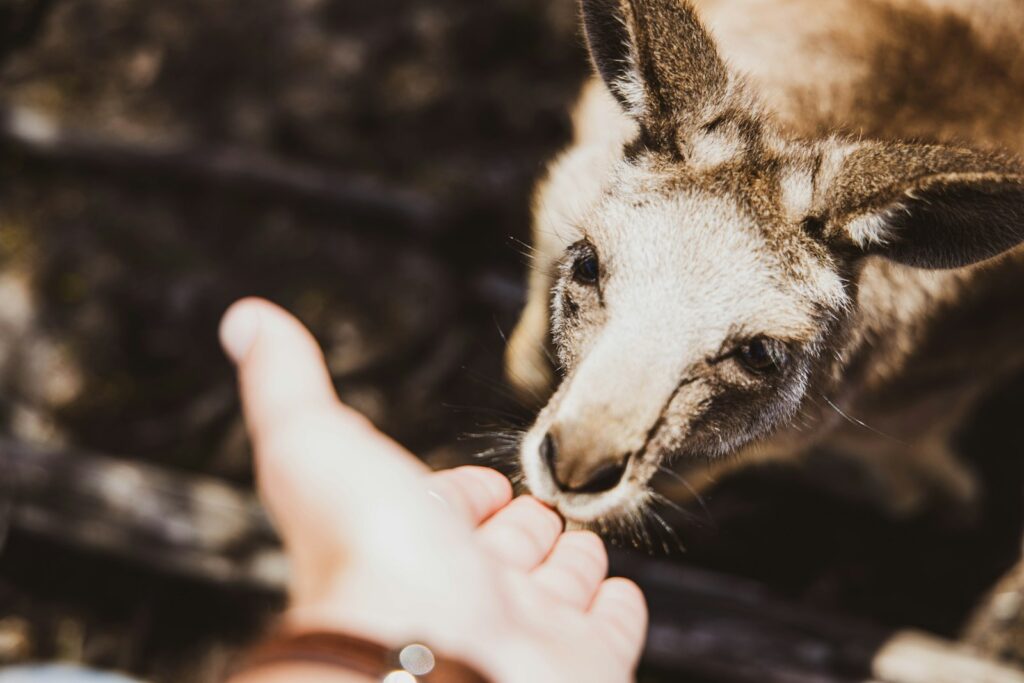
The financial penalties for feeding wildlife vary dramatically depending on location, species involved, and the severity of the incident. In U.S. national parks, first-time offenders typically face fines ranging from $100 to $500, though these can increase substantially for repeat offenses. Some state parks have implemented escalating fine structures, beginning at around $50 but potentially reaching several thousand dollars for habitual violators. The stakes rise considerably when endangered or threatened species are involved—feeding animals protected under the Endangered Species Act can result in fines exceeding $10,000 and potentially include criminal charges. International variations exist as well, with countries like Canada, Australia, and many European nations implementing their own penalty structures that reflect local conservation priorities.
Species-Specific Regulations and Fines

Not all wildlife feeding violations are treated equally, with many parks implementing species-specific regulations that reflect ecological concerns. Bears represent perhaps the most strictly regulated category, with fines for feeding these animals often starting at $500 and potentially including criminal charges due to the serious public safety risk. Feeding alligators in southern states like Florida can result in fines exceeding $1,000, as these animals become particularly dangerous when habituated to humans. Surprisingly, even feeding seemingly harmless animals like squirrels, chipmunks, and birds can result in significant penalties in many parks, typically starting around $100. Some locations have special provisions for native species of particular ecological concern, with feeding these animals carrying enhanced penalties designed to provide extra protection.
The Enforcement Reality
Despite the existence of clear regulations, the actual enforcement of wildlife feeding prohibitions varies considerably across park systems. Many parks take an education-first approach, with rangers issuing verbal warnings to first-time offenders rather than immediately imposing fines. Resource limitations mean that enforcement typically focuses on high-traffic areas or locations with particularly sensitive wildlife populations. Technology has begun to play a role in enforcement, with some parks installing wildlife cameras that capture feeding incidents, providing evidence for subsequent citations. Park visitor reports have also become an important enforcement mechanism, with many parks establishing hotlines or apps through which concerned visitors can report wildlife feeding they observe.
Notable Cases and Precedents

Several high-profile cases have helped establish the seriousness with which authorities view wildlife feeding violations. In 2018, a Yellowstone National Park visitor received a $110 fine and was sentenced to four days in jail after repeatedly feeding bears despite multiple warnings from park staff. A 2015 case in Florida resulted in a $5,000 fine for a homeowner who regularly fed alligators in a community pond, creating a dangerous situation that ultimately required the animals’ removal. Canadian authorities made headlines in 2019 when they fined a tour guide operator $15,000 for baiting wolves to provide better wildlife viewing opportunities for tourists. These cases demonstrate that courts are increasingly willing to impose substantial penalties, particularly when feeding activities create public safety risks or harm protected species.
The Hidden Costs Beyond Fines

The financial penalties for feeding wildlife, while substantial, often represent just one aspect of the potential consequences. Many parks have implemented policies allowing for the revocation of permits or passes following wildlife feeding violations, meaning offenders may lose access to their favorite natural areas. In serious cases involving protected species, individuals may face probation or community service requirements in addition to monetary fines. Perhaps most concerning for wildlife feeders is the potential for civil liability—if an animal habituated to human food subsequently injures another visitor, the person who fed the animal could potentially face a personal injury lawsuit. Additionally, there’s the ecological cost to consider, as wildlife feeding can create long-term population imbalances and health issues that far outlast the momentary pleasure of the feeding interaction.
International Variations in Wildlife Feeding Regulations

Wildlife feeding regulations show considerable variation across international borders, reflecting different cultural attitudes and conservation priorities. Japan takes a notably different approach in some of its parks, with designated wildlife feeding areas where visitors can purchase approved foods to offer certain species under supervision. Australia has implemented particularly strict feeding prohibitions, with fines frequently exceeding $10,000 AUD for feeding wildlife in national parks, reflecting the vulnerability of the continent’s unique fauna. European approaches tend to emphasize education over punishment, though countries like Switzerland and Germany have recently increased penalties for wildlife feeding in response to growing ecological concerns. Developing nations face unique challenges in this area, often balancing conservation needs against tourism economies that sometimes promote wildlife feeding as an attraction.
Exceptions to Wildlife Feeding Prohibitions
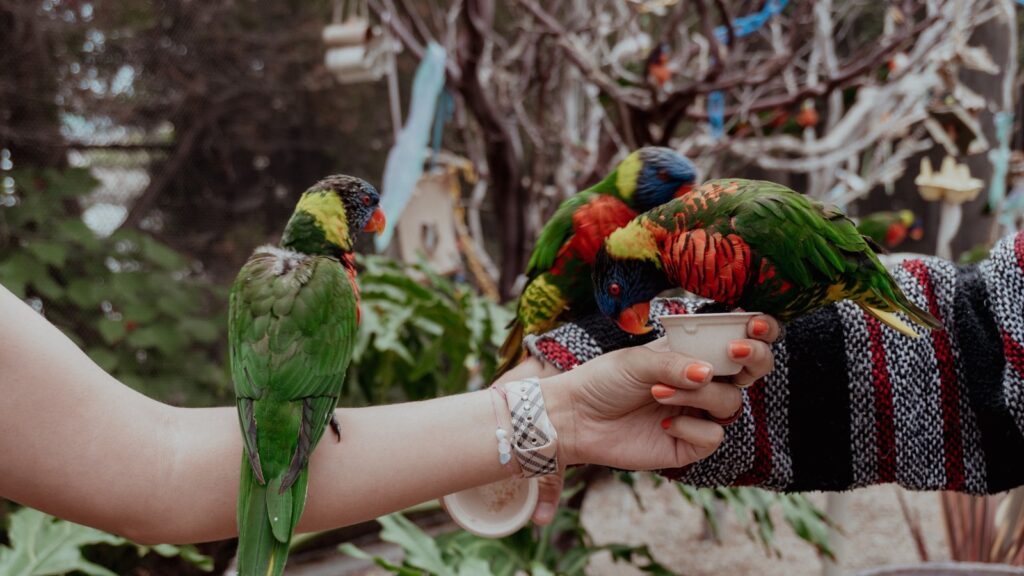
While general prohibitions against feeding wildlife are common, several noteworthy exceptions exist across different park systems. Many parks permit bird feeding at designated feeders, particularly during winter months when natural food sources may be scarce. Scientific research represents another common exception, with properly permitted researchers sometimes allowed to provide food to wildlife as part of approved studies. Some parks with endangered species recovery programs incorporate carefully controlled feeding as part of conservation efforts, though these activities are conducted by trained professionals following strict protocols. Educational programs occasionally include limited wildlife feeding demonstrations, though these have become increasingly rare as parks shift toward observational education approaches that don’t involve direct feeding.
How Parks Communicate Feeding Prohibitions
Parks employ diverse strategies to inform visitors about wildlife feeding prohibitions and associated penalties. Signage represents the most visible communication method, with many parks posting prominent warnings at trailheads, picnic areas, and known wildlife congregation points. Visitor centers typically distribute educational materials explaining the ecological and safety reasons behind feeding prohibitions, often incorporating compelling visuals showing the negative consequences of feeding. Digital outreach has expanded significantly, with park websites, social media accounts, and mobile apps all featuring information about wildlife feeding regulations. Many parks have also implemented targeted education campaigns during peak visitation periods, with rangers conducting special programs specifically addressing proper wildlife interaction ethics.
The Psychological Aspect: Why People Feed Wildlife Despite Knowing Better

Understanding why visitors feed wildlife despite knowing the regulations provides important insights for improving compliance. Research suggests that many feeders experience a genuine emotional connection when animals approach them, creating a powerful psychological reward that overrides knowledge of regulations. Cultural factors play a significant role, with visitors from regions where wildlife feeding is normalized being more likely to engage in this behavior regardless of local prohibitions. The perception that “just one feeding” won’t cause harm represents another common rationalization, with visitors failing to recognize the cumulative impact of many people making the same exception. For some visitors, wildlife feeding represents a misguided attempt at environmental connection or assistance, particularly when animals appear thin or hungry, though these judgments rarely account for natural seasonal weight fluctuations.
Alternatives to Direct Wildlife Feeding
Parks increasingly recognize the need to provide visitors with appropriate alternatives to direct wildlife feeding. Wildlife photography offers a non-disruptive way to connect with animals, with many parks developing designated observation areas with optimal viewing opportunities. Citizen science programs allow visitors to contribute meaningfully to wildlife conservation through activities like population surveys, track identification, and habitat monitoring. Volunteer opportunities in habitat restoration give visitors hands-on involvement in supporting wildlife through improving natural food sources rather than providing artificial ones. For those specifically interested in helping animals find food, many parks partner with local conservation organizations that welcome donations to support habitat enhancement projects that benefit wildlife in sustainable ways.
The Future of Wildlife Feeding Regulations

Wildlife feeding regulations continue to evolve as park managers gain better understanding of ecological impacts and visitor behavior. Many parks are moving toward more nuanced approaches that distinguish between different types of feeding activities, with harsher penalties for particularly harmful behaviors like feeding predators. Technology will likely play an increasing role in both education and enforcement, with some parks already experimenting with AI-powered cameras that can detect feeding activities and issue automated warnings. Climate change considerations are beginning to influence feeding policies, as shifting habitat conditions may necessitate reconsideration of some feeding prohibitions during extreme weather events. Ultimately, the trend appears to be toward more consistent regulation across different park systems, with growing international cooperation on developing best practices for addressing wildlife feeding.
Conclusion

Understanding park fines for feeding wildlife reveals a complex system designed not simply to punish visitors but to protect both animals and the ecological systems they inhabit. While penalties can be substantial—ranging from modest fines to potential jail time in serious cases—these regulations exist because wildlife feeding, despite often coming from good intentions, creates genuine harm. The costs of ignoring these rules extend far beyond immediate financial penalties, potentially impacting animal health, public safety, and ecosystem balance for years to come. As park visitors, the most meaningful way we can show care for wildlife is paradoxically by keeping our distance and allowing animals to find their natural foods—a small sacrifice that ensures these creatures remain truly wild for generations to come.