
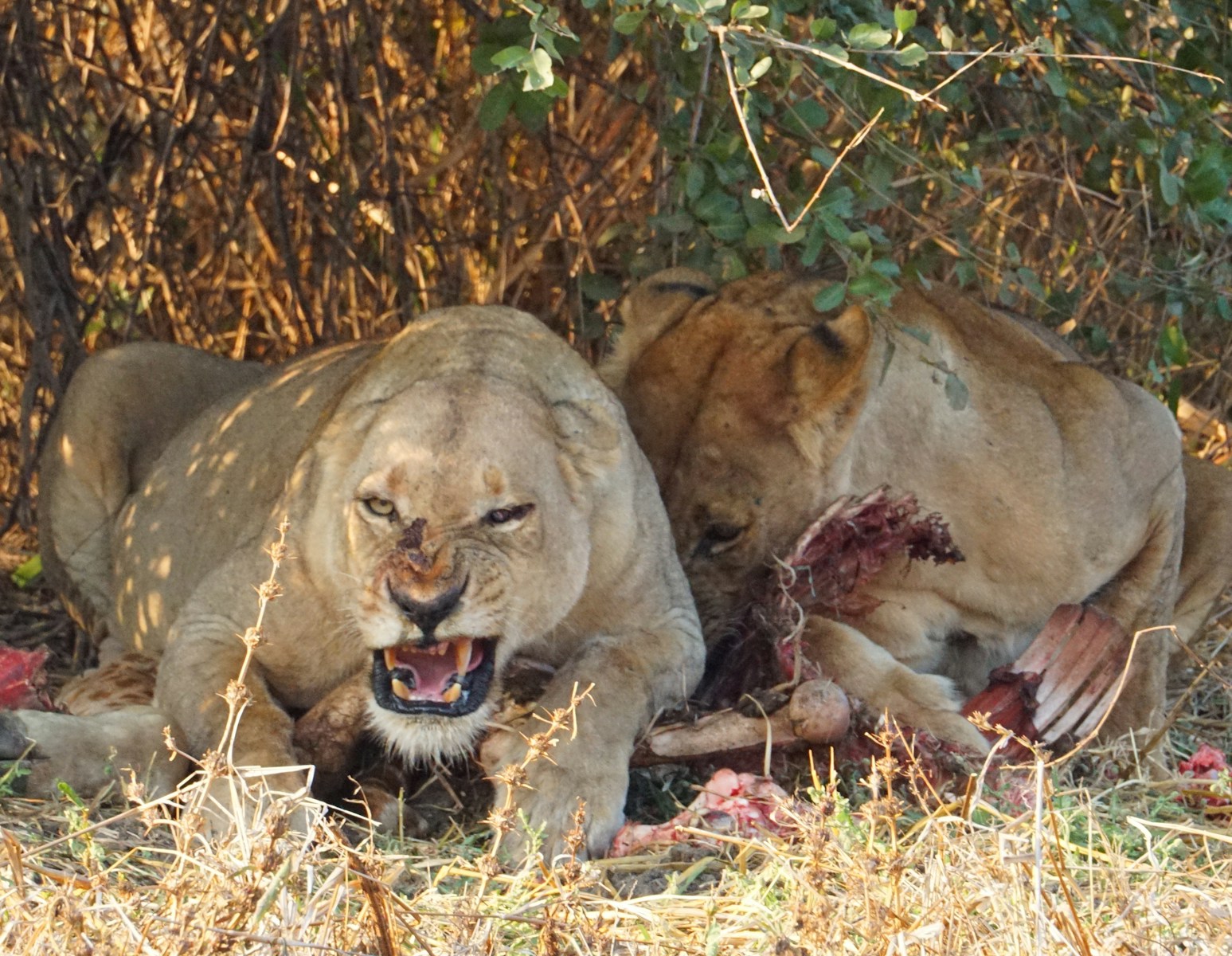
Venturing into the wilderness for a camping experience can be both exhilarating and rewarding, offering a chance to disconnect from the hustle of everyday life and reconnect with nature. However, when your chosen camping destination overlaps with the territory of predatory animals like bears, wolves, mountain lions, or alligators, proper preparation becomes not just advisable but essential for safety. Understanding how to coexist with these magnificent but potentially dangerous animals requires knowledge, respect, and careful planning. This comprehensive guide provides crucial information and practical strategies to help you enjoy your wilderness adventure while minimizing risks associated with camping in predator habitats.
Understanding Your Environment and Its Inhabitants
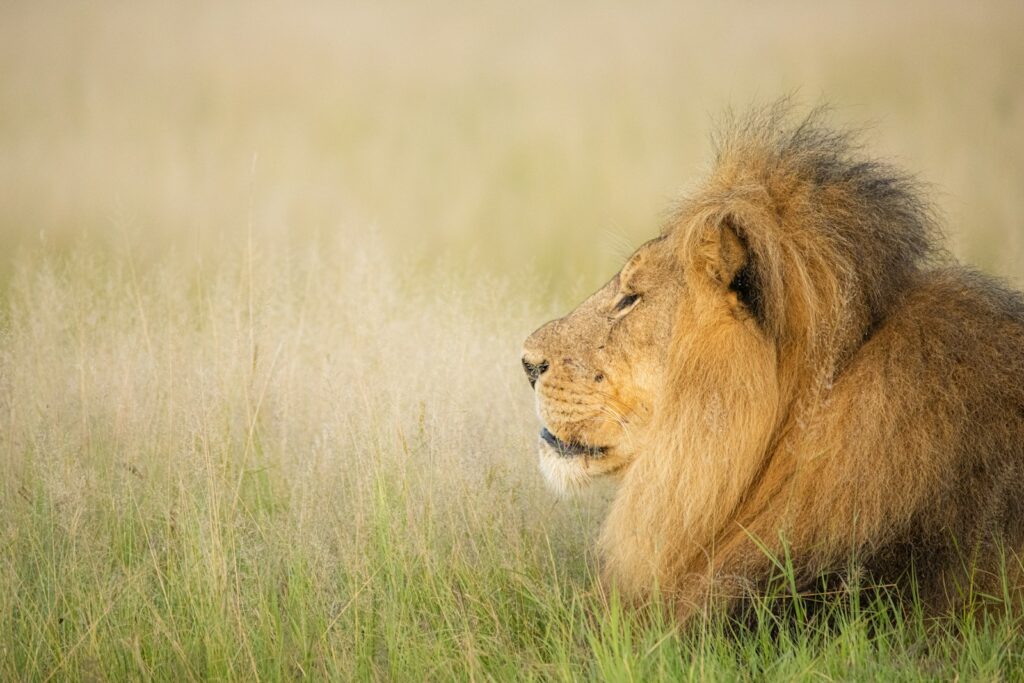
Before embarking on your camping journey, thorough research about your destination’s ecosystem and its wildlife is paramount. Different regions host different predator species, each with unique behaviors, patterns, and potential dangers. For instance, camping in Alaska might mean preparing for bears, while Florida campers need to be vigilant about alligators. Contact local ranger stations, wildlife management offices, or visitor centers for the most current information about wildlife activity in your chosen area. Understanding seasonal patterns is equally important—predators may be more active during certain times of year, such as during mating season or when preparing for hibernation. This foundational knowledge forms the basis of your safety plan and helps you make informed decisions throughout your trip.
Selecting an Appropriate Campsite

Your choice of campsite can significantly influence your safety in predator territory. Whenever possible, use designated camping areas that typically offer established safety features and regular ranger patrols. Avoid camping near game trails, berry patches, or water sources, as these are natural gathering spots for wildlife and increase your chances of unwanted encounters. Look for open areas that provide good visibility around your camp, allowing you to spot approaching animals. Be aware of signs of recent animal activity such as tracks, scat, partially eaten carcasses, or claw marks on trees, and choose another location if these indicators are present. Remember that proper campsite selection is your first line of defense in preventing wildlife conflicts.
Food Storage and Cooking Practices

In predator territory, proper food management is perhaps the single most important aspect of camping safety. Store all food, cooking equipment, toiletries, and anything with a scent in wildlife-resistant containers, such as bear canisters, or hang them from trees at least 10-15 feet off the ground and 4 feet from any trunk or branch (this is known as the “bear hang” method). Always cook at least 100 yards downwind from your sleeping area to prevent food odors from permeating your tent. After meals, clean all cooking utensils thoroughly and dispose of dishwater at least 200 feet from your campsite. Remember that items like toothpaste, deodorant, and even some medications have scents that can attract wildlife, so treat them with the same caution as food items.
Setting Up a Predator-Resistant Camp

Creating a camp layout that discourages predator approaches requires strategic planning. Arrange your campsite in a triangle format with sleeping areas, cooking areas, and food storage at three distant points. This configuration ensures that any wildlife attracted to food smells will be kept far from where you sleep. Consider using portable electric fences in areas with high predator activity, particularly for extended stays. Keep your campsite meticulously clean, promptly addressing any food spills and properly disposing of all garbage. If camping with domestic animals, keep them on leash at all times and never leave them unattended, as they can attract predators or provoke defensive behaviors from wildlife.
Essential Safety Equipment

When camping in predator country, certain safety equipment becomes indispensable. Bear spray, a potent form of pepper spray specifically formulated to deter aggressive bears, should be carried by every member of your group and kept within immediate reach, not buried in a backpack. Invest in noise-making devices like air horns, whistles, or bear bells to alert animals of your presence and reduce the chance of surprise encounters. A bright, reliable flashlight or headlamp with extra batteries allows you to scan your surroundings at night and can sometimes deter approaching animals. Consider bringing a portable, battery-powered electric fence for additional protection around your sleeping area, especially during extended stays in high-risk areas.
Traveling Safely Through Predator Habitat
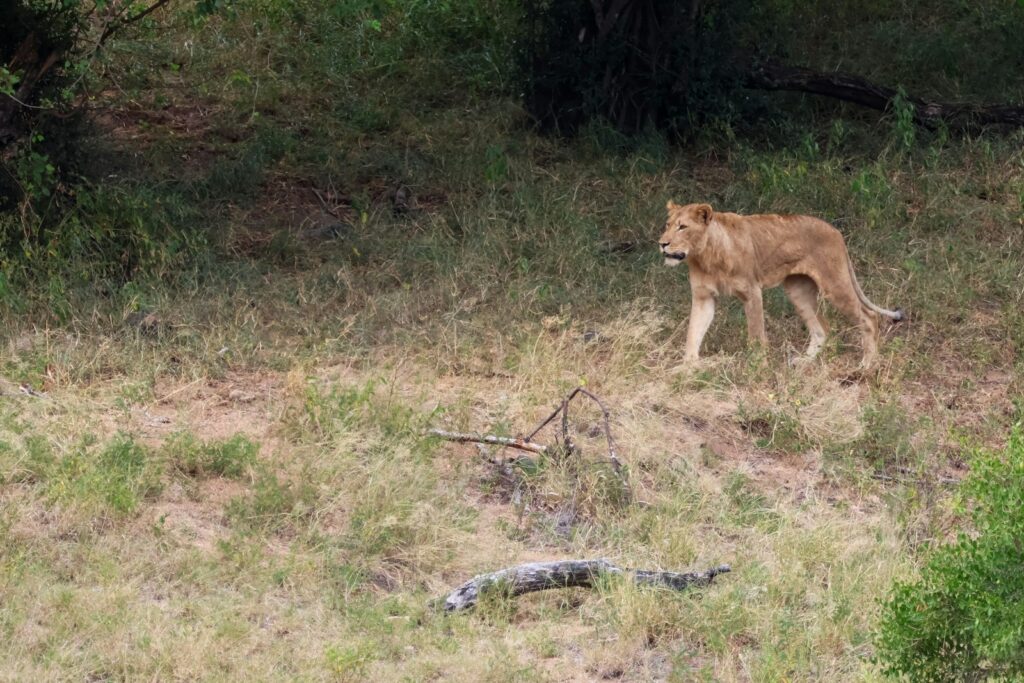
How you move through predator territory can significantly affect your safety. Whenever possible, hike in groups of four or more, as larger groups are more intimidating to predators and provide more resources in emergency situations. Make consistent noise while hiking by talking, singing, or periodically clapping to announce your presence and avoid startling animals. Be especially vocal near streams (where your noise might be masked by running water), when rounding blind corners, or in areas of dense vegetation where visibility is limited. Stay alert and regularly scan your surroundings, looking for movement or other signs of wildlife presence. Avoid hiking at dawn, dusk, or night when many predators are most active and your visibility is compromised.
Understanding Predator Behavior

Different predator species exhibit distinct behaviors that influence how you should respond during an encounter. Bears, for instance, may stand on their hind legs not as an aggressive posture but to better see or smell you. Mountain lions typically avoid humans but may stalk if they perceive vulnerability, especially in solitary hikers or small children. Wolves rarely pose threats to humans but become more unpredictable if habituated to human food or if protecting a den site. Learning to interpret animal behaviors helps you distinguish between curious investigation, defensive posturing, and potential aggression. Remember that most predators prefer to avoid human contact and will typically retreat if given the opportunity and space to do so.
Responding to Predator Encounters

If you encounter a predator despite preventative measures, your response should be calm and strategic. With most large predators, avoid direct eye contact, which can be interpreted as a challenge, and never run, as this may trigger a chase response. Instead, back away slowly while speaking in a firm, calm voice to identify yourself as human. Make yourself appear larger by raising your arms or opening your jacket. If the animal approaches, use deterrents like bear spray according to the manufacturer’s instructions, typically when the animal is within 30-40 feet. Different predators may require nuanced responses—playing dead might be appropriate with a defensive brown bear but counterproductive with a mountain lion—so research specific protocols for the predators in your region.
Night Safety Protocols
Nighttime presents additional challenges when camping in predator territory, requiring heightened vigilance and specific safety measures. Establish a secure nighttime perimeter around your sleeping area, potentially using a portable electric fence in high-risk areas. Never bring food or scented items into your tent, even seemingly innocent items like candy wrappers or flavored lip balm. Use a flashlight when moving around camp after dark and travel with a companion when possible. If nature calls during the night, move at least 100 yards from your sleeping area (but still within your established camp perimeter) and use the same spot throughout your stay to concentrate human scent in one location rather than marking the entire perimeter of your camp.
Camping with Children in Predator Country

Children require special consideration when camping in areas with predators due to their smaller size, unpredictable movements, and potential to inadvertently attract wildlife attention. Establish clear rules with children before the trip, including staying within sight of adults at all times and never wandering off alone. Teach them not to run or make high-pitched screams which might trigger predatory responses in some animals. Have children wear whistles for emergency signaling, but establish clear guidelines about when these should be used. Create a buddy system where children are always paired with at least one other person, preferably an adult, and conduct regular headcounts throughout the day, especially during transitions between activities.
Region-Specific Predator Awareness
Different geographical regions present unique predator concerns requiring specialized knowledge and preparation. In Alaska and parts of the Northern Rockies, grizzly bears demand stringent food storage and awareness of cubs, which can trigger aggressive maternal protection. The American Southwest requires vigilance for mountain lions, particularly in canyon areas where their ambush hunting style is advantageous. Florida and Gulf Coast campers need awareness of alligator behavior, including avoiding camping near water edges and being especially cautious during breeding seasons. The Northeast has growing populations of black bears, which are typically less aggressive than grizzlies but increasingly habituated to human food sources in some recreation areas.
Ethical Wildlife Interaction

Responsible camping in predator territory includes ethical considerations regarding wildlife and their habitats. Maintain appropriate distances from all wildlife—experts recommend at least 100 yards from predators and 25 yards from other large mammals. Never attempt to feed wildlife, as this accelerates habituation and creates dangerous dependencies that often end tragically for the animals. Photograph animals from a distance using telephoto lenses rather than approaching for better shots. Understand that you are a visitor in these animals’ homes and that your presence impacts their behavior and survival. By practicing ethical wildlife interaction, you contribute to conservation efforts and help preserve natural predator behaviors for future generations.
Emergency Response Planning
Despite all precautions, wildlife emergencies can occur and require thoughtful advance planning. Before your trip, research the nearest medical facilities and understand how you would evacuate an injured person from your specific camping location. Carry a well-stocked first aid kit that includes supplies for treating wounds and managing shock. If your camping area has cell service, keep phones charged in waterproof containers; if not, consider satellite communication devices for emergency contact. Establish a clear communication plan with someone not on the trip who knows your itinerary, expected return date, and when to alert authorities if you don’t check in. Document and report any significant wildlife encounters to park rangers or wildlife officials, as this information helps manage predator-human interactions for everyone’s safety.
Conclusion
Camping in predator territory offers unparalleled opportunities to experience wild places in their most authentic state, but requires a commitment to safety, preparation, and respect for the natural world. By understanding the behaviors of local predators, implementing proper food storage techniques, maintaining awareness of your surroundings, and knowing how to respond in various scenarios, you can significantly reduce risks while enjoying these magnificent ecosystems. Remember that most negative wildlife encounters result from human errors rather than predator aggression. With the right knowledge and preparations, you can create memories of spectacular wilderness experiences while safely sharing space with the remarkable predators that call these areas home.