
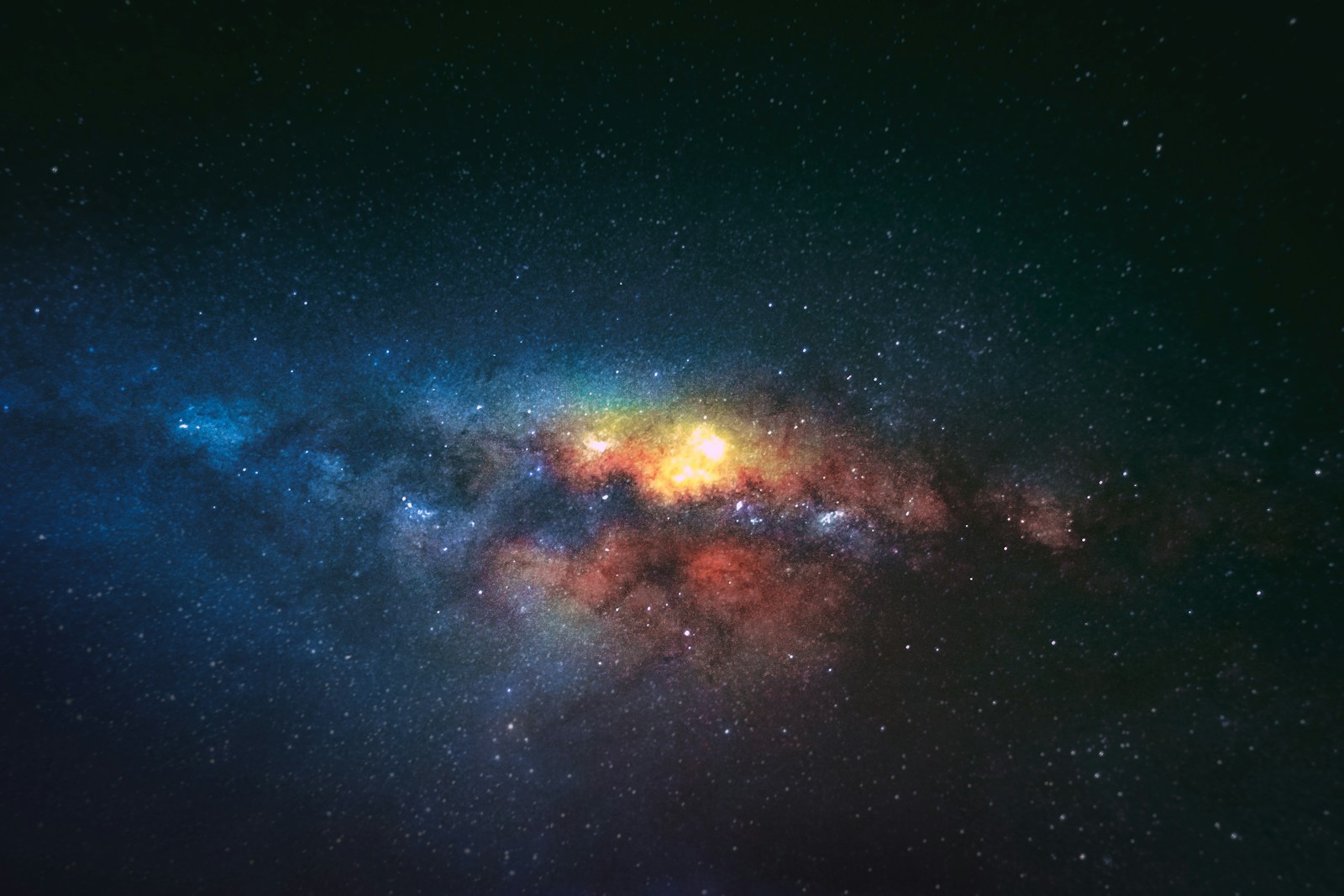
In our increasingly urbanized world, truly dark skies have become a rare and precious natural resource. Fortunately, national parks—with their protected landscapes and minimal light pollution—offer some of the last remaining sanctuaries for stargazers yearning to reconnect with the cosmos. The Milky Way, our galaxy’s dazzling band of stars, dust, and gas, stretches across these unspoiled night skies like a celestial highway—a breathtaking sight that’s become unfamiliar to many living near city lights. For both seasoned astronomy enthusiasts and curious first-time observers, these parks offer front-row seats to one of nature’s most awe-inspiring performances. From arid desert plateaus to alpine peaks, America’s national parks provide diverse backdrops where the boundary between Earth and cosmos seems to dissolve into the star-filled darkness. Let’s explore the top destinations where the universe truly comes alive overhead.
Death Valley National Park: California’s Desert Darkness
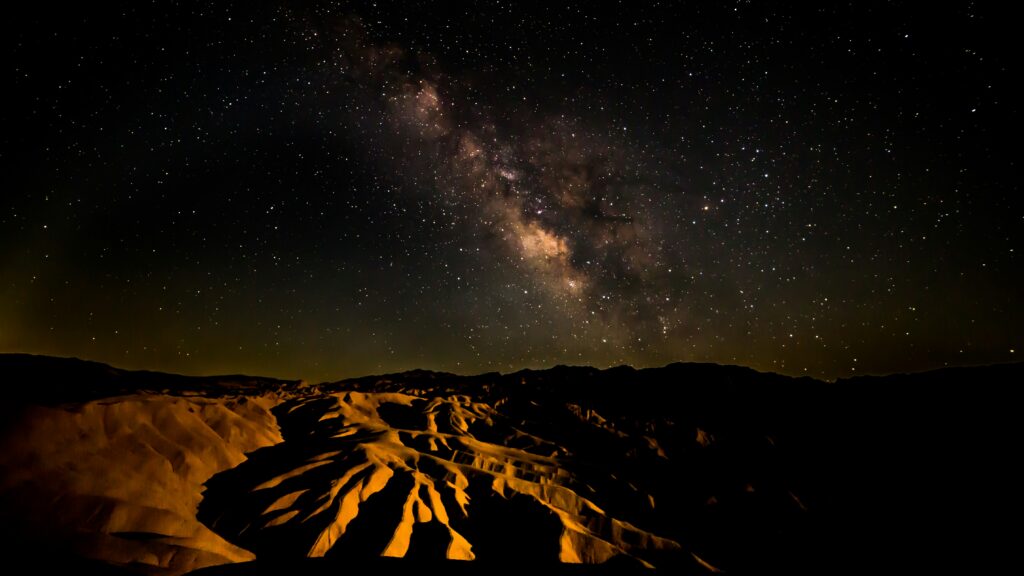
As the largest International Dark Sky Park in the United States, Death Valley offers some of the darkest skies in the country—even with its proximity to Las Vegas and Los Angeles. The park’s extreme desert environment, marked by minimal humidity, high elevation areas, and sparse vegetation, creates ideal conditions for crystal-clear astronomical viewing year-round. Badwater Basin, sitting 282 feet below sea level, provides a surreal foreground for night photographers capturing the Milky Way’s arc across the sky. Rangers frequently host night sky programs at spots like Harmony Borax Works and Mesquite Flat Sand Dunes, where visitors can peer through telescopes while learning about constellations, planets, and other celestial wonders. While winter and spring bring the most comfortable temperatures for overnight stargazing, summer’s Perseid meteor shower continues to draw dedicated astronomers willing to brave the intense desert heat.
Natural Bridges National Monument: Utah’s First Dark Sky Park
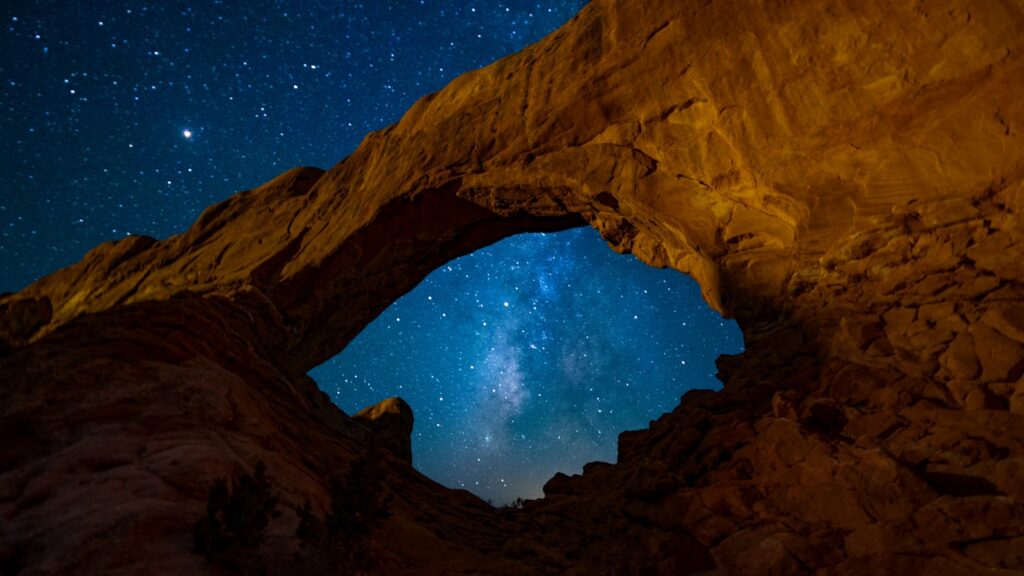
Natural Bridges holds the distinction of being the first designated International Dark Sky Park, setting a global benchmark for astronomical viewing sites. Nestled in southeastern Utah, its remote location protects it from urban light pollution, with darkness levels ranking among the deepest recorded by the National Park Service. The park’s iconic stone bridges—Sipapu, Kachina, and Owachomo—serve as breathtaking natural frames for viewing and photographing the Milky Way, especially during summer months when the galactic core arches high overhead. Perched at 6,500 feet on the Colorado Plateau, observers benefit from reduced atmospheric distortion, allowing for remarkably crisp views of deep-space objects. Seasonal night sky programs enhance the experience, and the park’s compact size makes it easy to move between prime viewing spots even after the sun sets.
Big Bend National Park: Texas’s Remote Desert Treasure
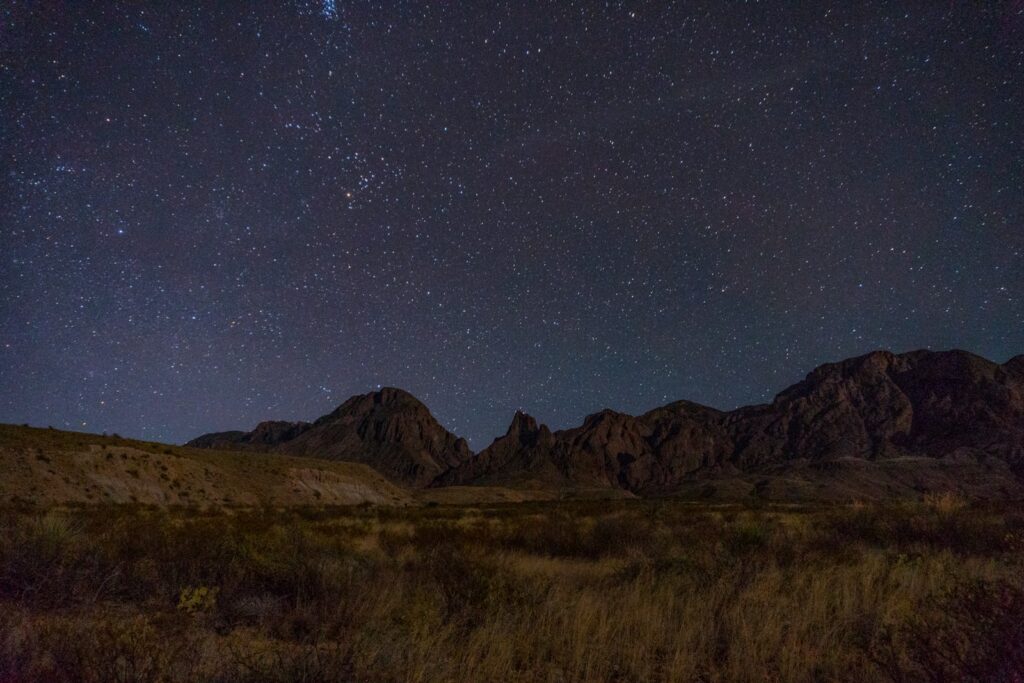
Nestled along the Rio Grande at the Texas–Mexico border, Big Bend National Park offers extraordinary stargazing in one of the most remote regions of the continental United States. Its vast distance from major metropolitan areas—more than 150 miles from the nearest large city—creates an exceptionally dark sky environment across 800,000 acres of protected wilderness. The Chisos Basin, while slightly impacted by lighting from the park lodge, provides easily accessible high-elevation viewing, while primitive roadside campsites along River Road offer unobstructed horizons ideal for observing the Milky Way. The park’s diverse landscapes—from river canyons and desert plains to mountain forests—offer astrophotographers a wealth of unique foregrounds for celestial compositions. Designated an International Dark Sky Park in 2012, Big Bend continues to preserve its pristine night skies through thoughtful lighting practices and engaging educational programs.
Grand Canyon National Park: Arizona’s Starlit Wonder

The Grand Canyon’s vast expanse offers a stargazing experience unlike any other, where visitors can reflect on both geological and cosmic time scales at once. The North Rim, open seasonally from May to October, boasts the park’s darkest skies thanks to its limited development and minimal nighttime activity. On the more accessible South Rim, viewpoints such as Lipan Point and Desert View provide sweeping vistas for stargazing, though they are subject to slightly more light pollution from nearby visitor facilities. The park’s Provisional International Dark Sky designation has sparked efforts to retrofit thousands of light fixtures, steadily enhancing sky quality across the canyon. Each June, the Grand Canyon hosts annual star parties that draw amateur astronomers from across the country, turning the rim into one of the largest public astronomy gatherings in the National Park system.
Great Basin National Park: Nevada’s Hidden Astronomical Gem
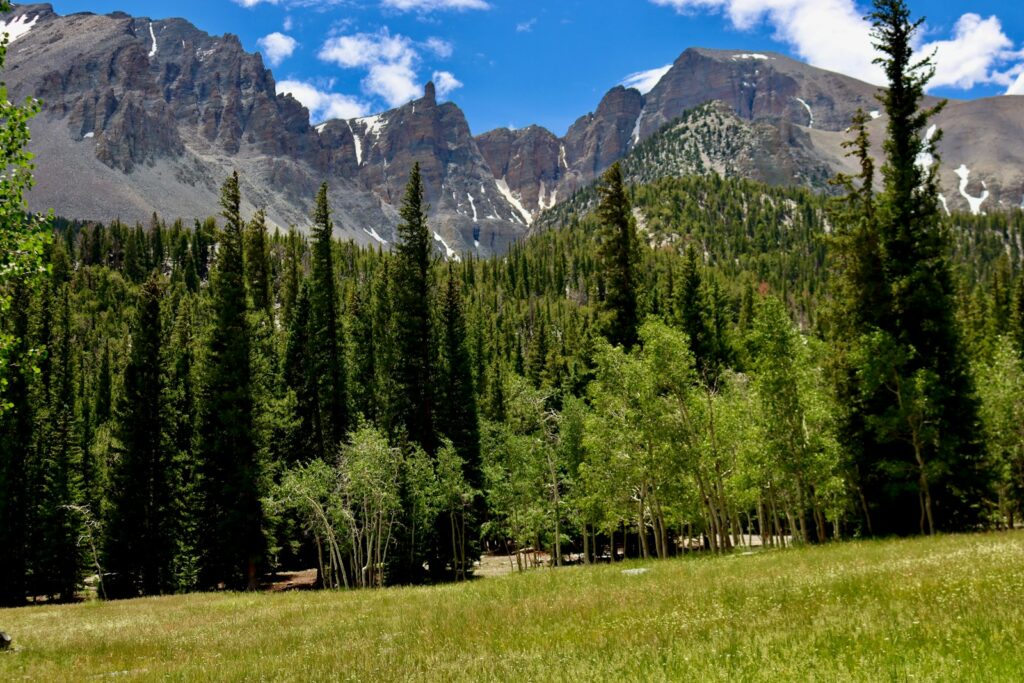
Great Basin National Park epitomizes the ideal stargazing destination, combining high elevation, arid air, and profound remoteness in eastern Nevada. The park’s visitor center, situated at 6,825 feet, offers excellent viewing conditions, while more adventurous skywatchers can venture higher to Wheeler Peak for even darker, clearer skies. Ancient bristlecone pine forests, home to trees over 4,000 years old, create haunting silhouettes beneath the stars—living symbols of the immense timescales echoed in the light from distant galaxies. The park features its own observatory and hosts regular astronomy programs, with its annual Astronomy Festival in September drawing enthusiasts from across the country. As one of the darkest places in the Lower 48 states, Great Basin offers awe-inspiring views of thousands of stars, planets, and even faint galaxies visible to the naked eye on moonless nights.
Joshua Tree National Park: Southern California’s Desert Sanctuary
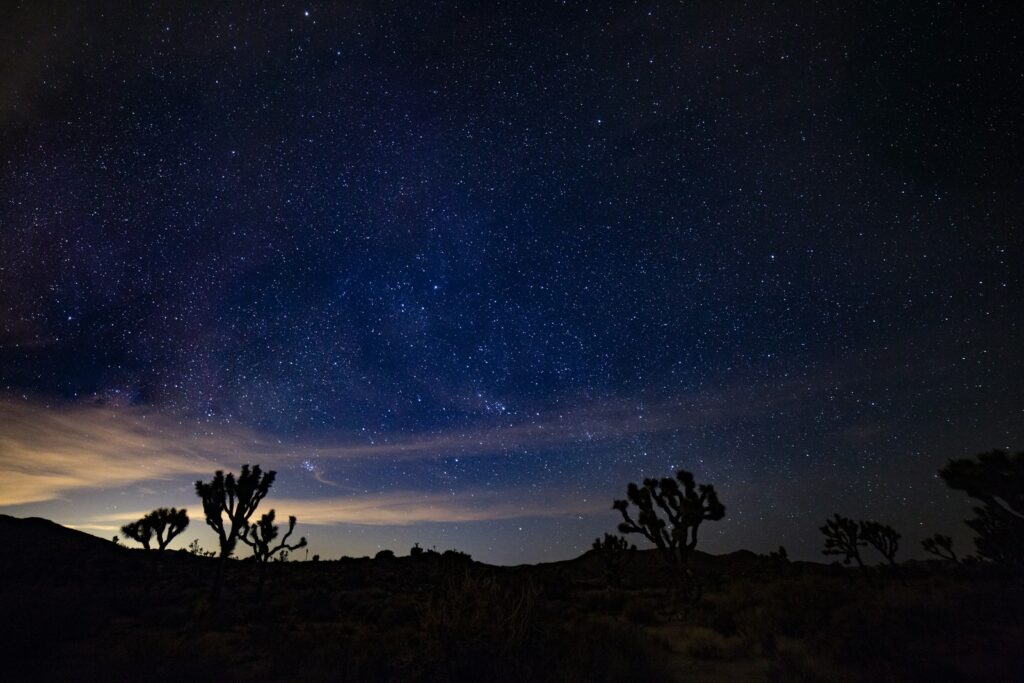
Despite its relative proximity to Los Angeles and San Diego, Joshua Tree National Park preserves impressively dark skies—especially in its eastern reaches, farthest from urban glow. The park’s iconic Joshua trees and massive granite boulders form striking silhouettes beneath the stars, making it a favorite destination for astrophotographers in search of unique nighttime compositions. Keys View, the highest accessible point at 5,185 feet, provides sweeping panoramas of the night sky, though occasional headlights from nearby highways can slightly affect the western horizon. Each autumn, the park hosts its popular Night Sky Festival, offering expert-led programs, telescope viewings, and night photography workshops. Thanks to the desert’s low humidity, winter months bring exceptional atmospheric clarity, and the cooler temperatures make overnight stargazing especially comfortable.
Capitol Reef National Park: Utah’s Celestial Corridor

Located in Utah’s red rock country, Capitol Reef National Park offers exceptionally dark skies as part of the state’s impressive cluster of International Dark Sky Parks. The remote Waterpocket Fold district boasts the park’s darkest skies, rewarding adventurous stargazers who traverse its unpaved roads with unobstructed, horizon-to-horizon views of the Milky Way. Towering red cliffs, white sandstone domes, and narrow canyons form dramatic foregrounds for night photography, highlighting the immense scale of the cosmos above. Capitol Reef’s historic fruit orchards—planted by Mormon settlers in the late 1800s—provide a unique setting for stargazing, blending celestial beauty with cultural heritage. During the summer, the park hosts astronomy programs at the Fruita Campground amphitheater, featuring constellation tours and telescope viewing sessions led by park rangers.
Bryce Canyon National Park: Utah’s Astronomical Amphitheater
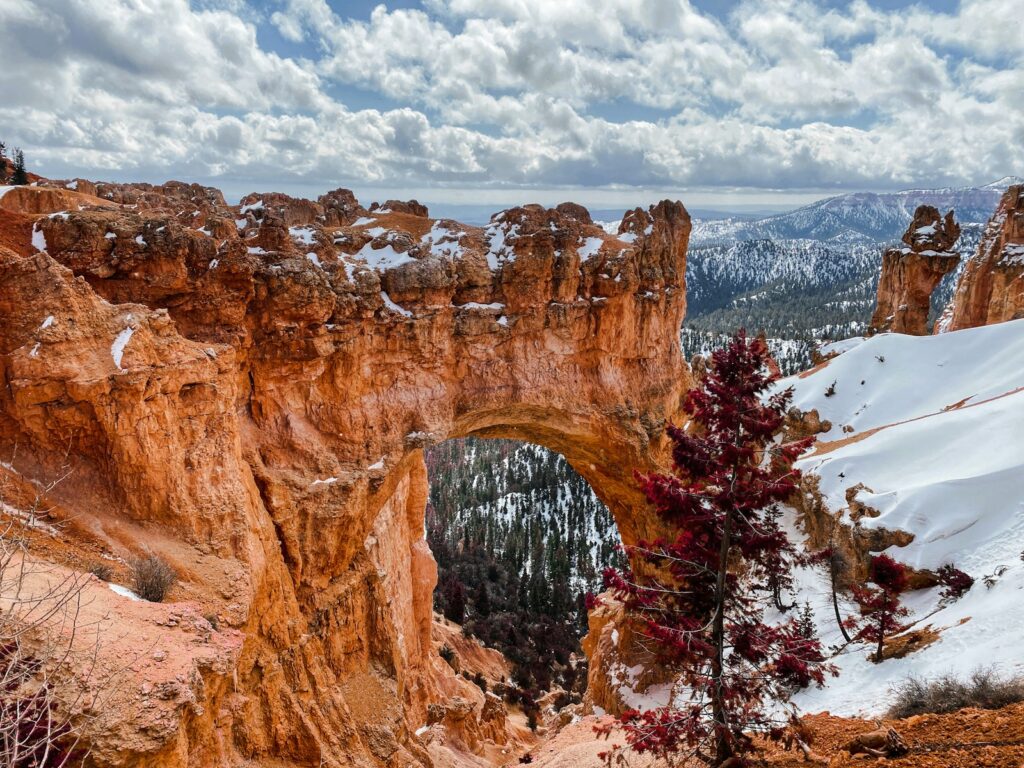
Bryce Canyon National Park combines high elevation—over 8,000 feet at the rim—with exceptionally clean air to create ideal conditions for viewing the Milky Way above its iconic hoodoo formations. The park’s natural amphitheaters not only block light pollution from surrounding communities but also offer immersive, intimate spaces where the night sky feels especially vivid. Bryce is home to one of the National Park Service’s oldest and most robust astronomy programs, led by dedicated “Dark Rangers” who conduct over 100 night sky programs each year, including telescope viewings and astronomy talks. The park’s annual Astronomy Festival draws both leading scientists and passionate amateur astronomers for multi-day events filled with specialized presentations and celestial observation. Regular constellation tours help visitors explore the night sky year-round, while winter stargazing—despite the frigid temperatures—offers the clearest skies and the surreal beauty of snow-covered hoodoos bathed in starlight.
Glacier National Park: Montana’s Mountain Starscape
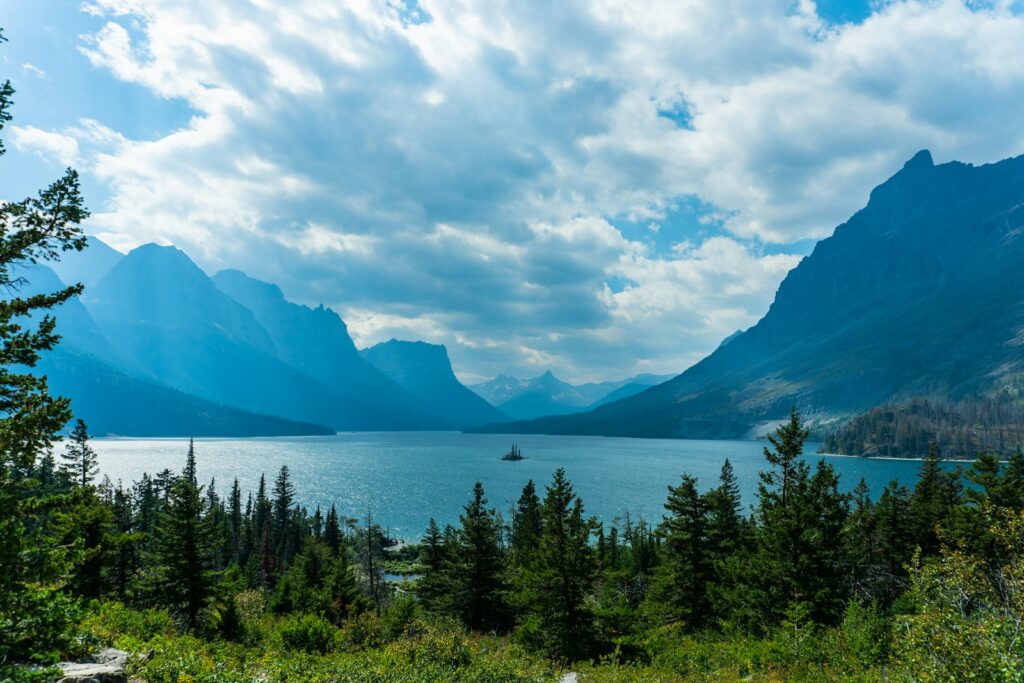
Glacier National Park offers a unique northern latitude perspective on the night sky. While summer visitors experience extended twilight hours, winter stargazers are rewarded with exceptionally long, dark nights ideal for celestial observation. The iconic Going-to-the-Sun Road provides easy access to high-elevation viewpoints like Logan Pass, where the thinner atmosphere allows for clearer, more detailed views of the stars. Reflective lakes such as Lake McDonald and St. Mary Lake amplify the visual magic by mirroring the Milky Way and surrounding constellations, creating breathtaking, double-image starscapes prized by night photographers. Thanks to its remote location in northern Montana, Glacier enjoys significantly lower levels of light pollution than parks near urban centers—though a faint glow is sometimes visible near the western entrance from Kalispell. Its position near the Canadian border also makes the park one of the best in the continental U.S. for viewing the aurora borealis during periods of strong solar activity, adding waves of ethereal color to the already stunning night sky.
Voyageurs National Park: Minnesota’s Northern Water World

Voyageurs National Park offers a one-of-a-kind stargazing experience where water and sky seamlessly merge in perfect reflection across its many lakes and waterways. Located on the Canadian border, far from major urban centers, the park enjoys naturally dark skies enhanced by strict lighting policies, earning it the prestigious designation of an International Dark Sky Park. Winter visits present some of the most dramatic celestial views, with vast, frozen lakes serving as expansive open-air viewing platforms. During this time, visitors also have the chance to witness the aurora borealis dancing above. The park’s numerous islands provide secluded stargazing locations, accessible only by boat in summer or snowmobile in winter, ensuring an intimate, private experience few other parks can offer. Thanks to its northern latitude, Voyageurs is ideal for observing circumpolar constellations—celestial features like the North Star and Big Dipper that never dip below the horizon, providing continuous stargazing throughout the night.
Canyonlands National Park: Utah’s Island in the Sky
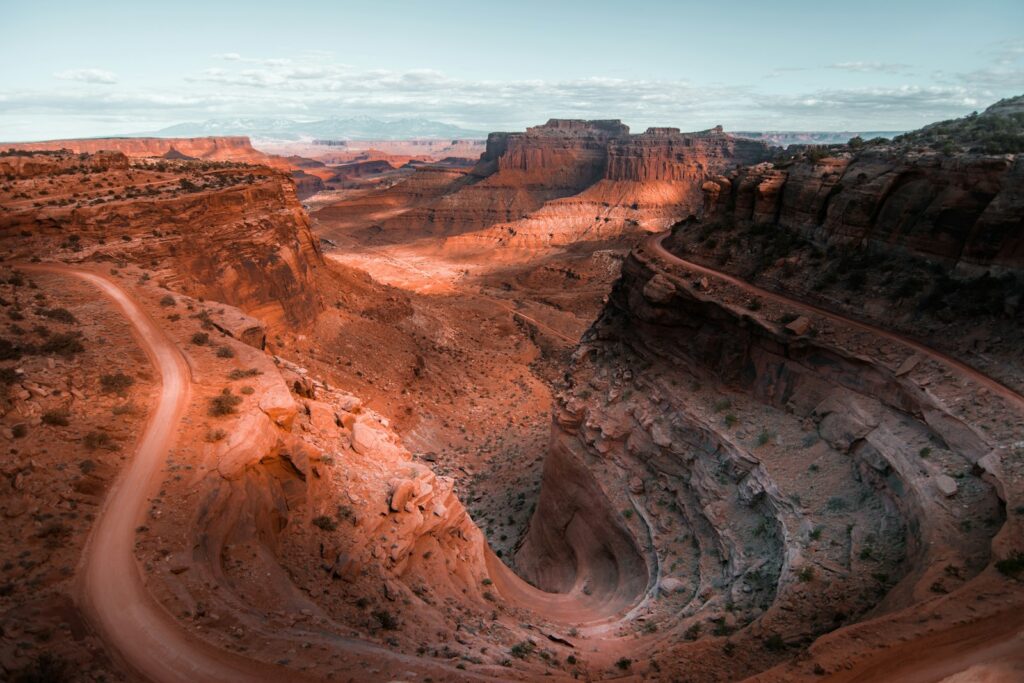
Canyonlands offers some of the most dramatic stargazing vistas in the national park system, with its Island in the Sky district living up to its name as the Milky Way stretches across the night sky. From Grand View Point, visitors can enjoy panoramic stargazing, with the Milky Way reflecting off the distant Colorado River, creating a cosmic mirror effect on clear nights. The park’s remote location, minimal development, and careful lighting management have preserved its exceptional darkness, placing it among the darkest parks in the country. Mesa Arch provides a unique natural frame for astrophotography, allowing photographers to capture the Milky Way within its 50-foot sandstone arch. The park’s high desert environment ensures frequent clear skies, with spring and fall offering the most comfortable temperatures for overnight observation sessions.
Practical Tips for National Park Stargazing

Successful stargazing requires more than just showing up at a dark location. Visitors should plan ahead by consulting lunar calendars and aiming to visit during the new moon phase, as even a quarter moon can significantly reduce Milky Way visibility. Essential gear includes red-filtered flashlights to preserve night vision, warm layers (even in summer, as temperatures can drop sharply after sunset), and comfortable seating for extended observation periods. Many parks charge entrance fees, and some require camping reservations well in advance, especially during peak summer season when Milky Way viewing is optimal. Smartphones equipped with astronomy apps like Stellarium or Sky Guide can help identify constellations and planets, though allowing 20-30 minutes for your eyes to fully adjust to the darkness will reveal far more stars than you might initially see. For those interested in astrophotography, it’s advisable to scout locations during daylight hours to ensure safe and legal compositions before attempting night shoots.
The Future of Dark Sky Preservation
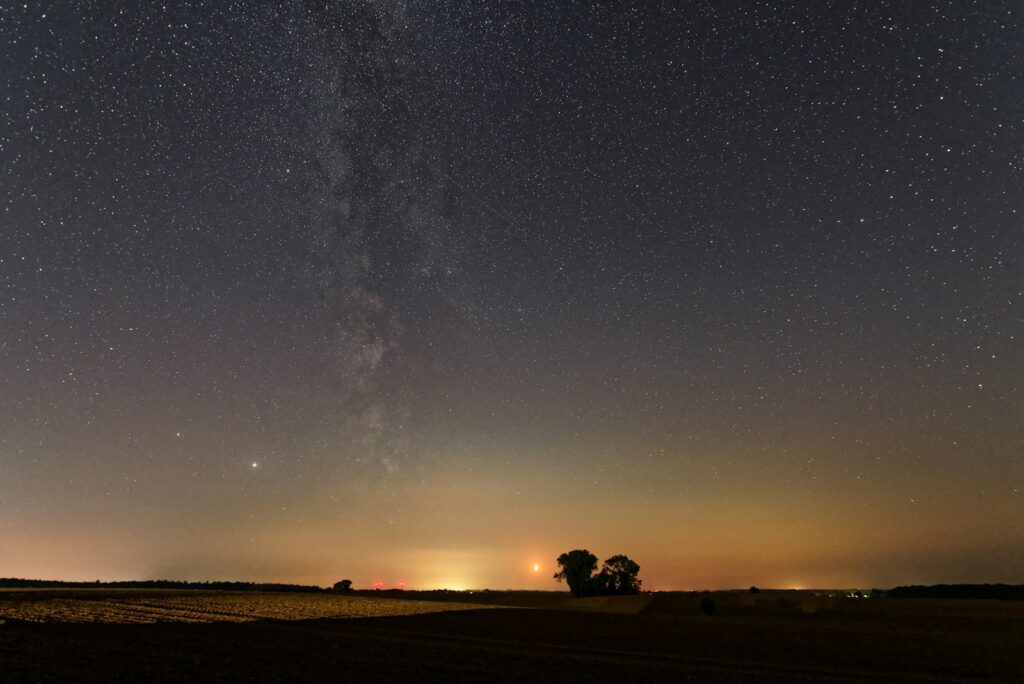
The International Dark-Sky Association and the National Park Service are working together to preserve natural darkness for future generations. Many parks have implemented lighting management plans, which include retrofitting fixtures with fully shielded, amber LED lights that minimize the impact on nocturnal wildlife and improve stargazing quality. These parks also offer educational programs that highlight the ecological importance of darkness, as artificial light disrupts everything from bat navigation to sea turtle hatching to firefly mating. Expanding urban areas continue to threaten dark skies, with studies showing that the Milky Way is now invisible to roughly 80% of North Americans due to light pollution. One of the most powerful outcomes of national park stargazing programs is visitor engagement in dark sky advocacy. People who experience truly dark skies often become passionate advocates for better lighting management in their home communities. The growing dark sky tourism movement has created economic incentives for communities surrounding national parks to preserve darkness, proving that natural nightscapes hold both ecological and economic value.
Conclusion
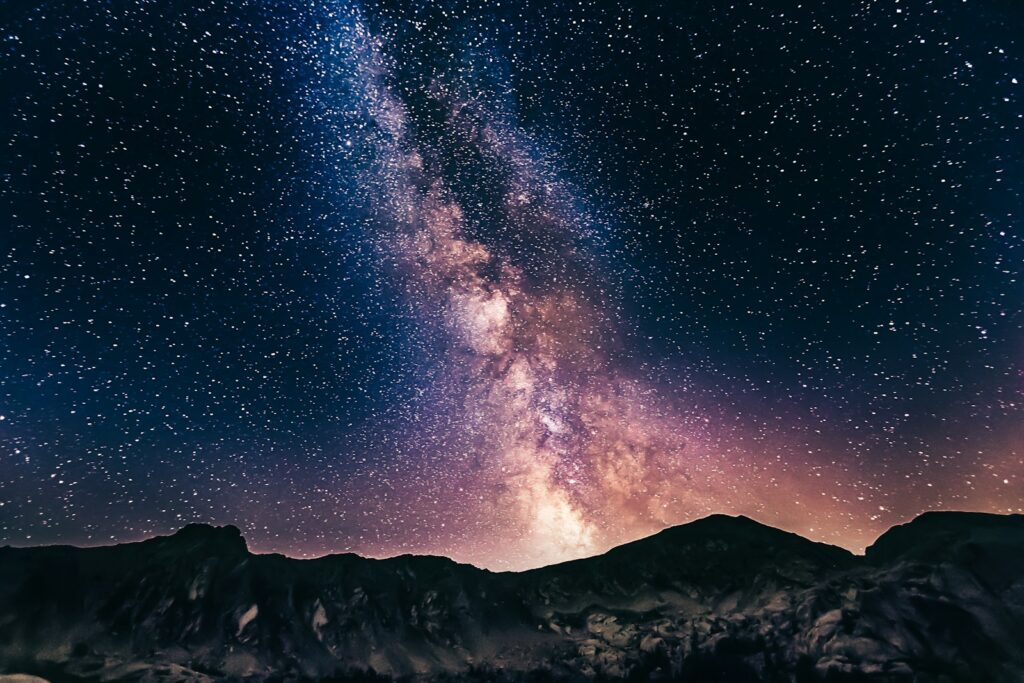
Whether you’re a seasoned astronomer with specialized equipment or someone looking to reconnect with the awe of a star-filled sky, these national parks offer transformative experiences that are becoming increasingly rare in our light-polluted world. Beyond the scientific value of astronomical observation, many visitors report profound emotional reactions to seeing the Milky Way in all its glory—a connection to something much larger than themselves, a connection that humans have felt for millennia. As you plan your next national park adventure, consider setting aside time after sunset to experience these protected landscapes under the stars, where the boundary between Earth and the cosmos fades into the darkness.