
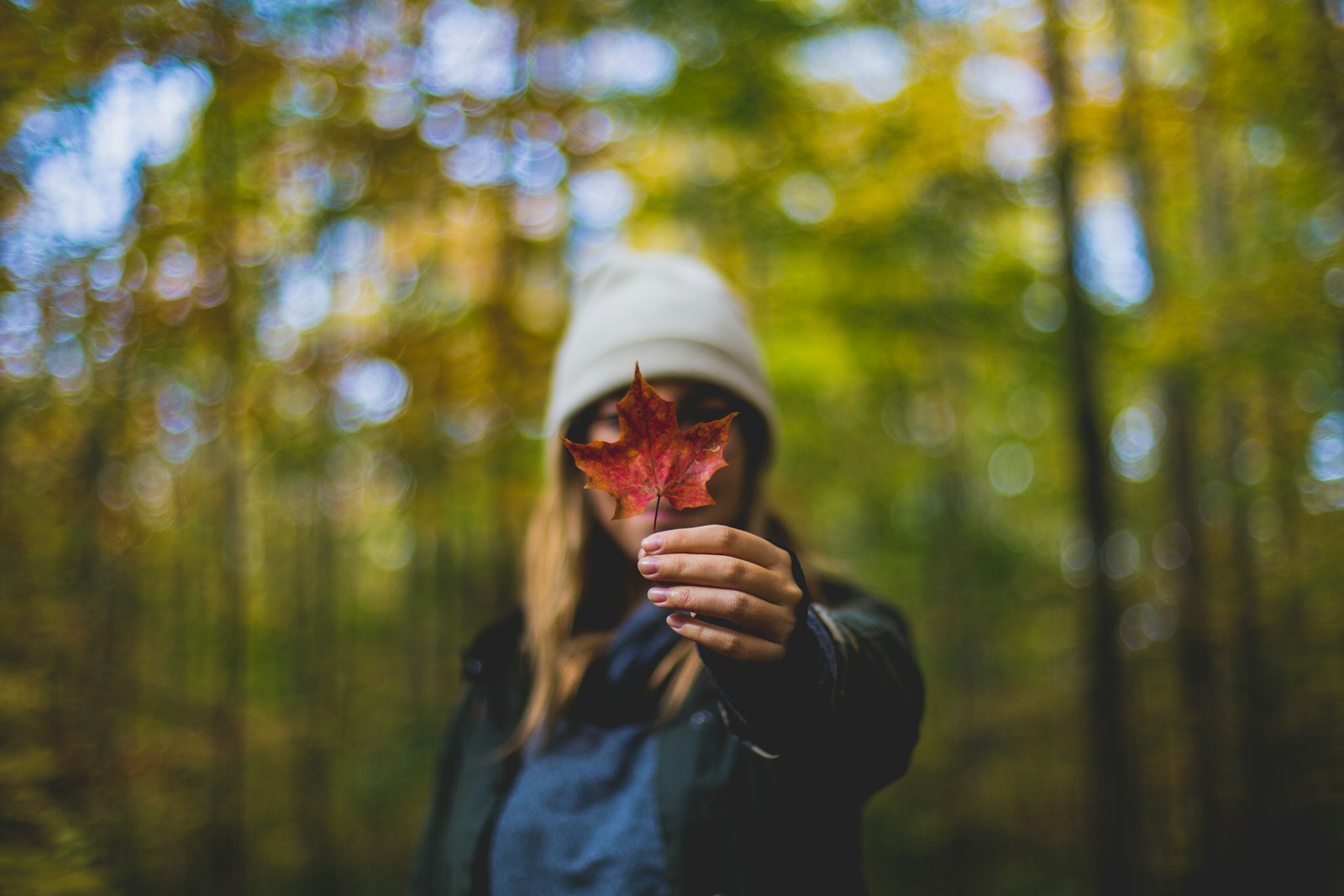
Exploring parks and natural areas alone as a female traveler offers incredible opportunities for personal growth, peaceful reflection, and unforgettable adventures. However, safety concerns often cast a shadow over these experiences. Many women hesitate to venture into parks alone due to legitimate safety considerations. The good news is that with proper preparation and awareness, solo female travelers can confidently enjoy the serenity and beauty of parks worldwide. This comprehensive guide provides essential safety tips specifically tailored for women exploring parks on their own, combining practical advice with empowering strategies to ensure your outdoor adventures remain positive and secure.
Research Your Destination Thoroughly

Knowledge is your first line of defense when visiting parks alone. Before setting out, conduct detailed research about your destination, including trail difficulty, typical weather conditions, and any recent safety incidents. Check park websites, recent reviews, and social media groups dedicated to female travelers for the most current information. Park ranger stations often maintain records of problem areas or trails that might be less advisable for solo hikers. Understanding the layout of the park, including entry and exit points, visitor centers, and emergency facilities, provides crucial orientation that can prevent dangerous situations from developing. This preliminary research establishes a solid foundation for a safe and enjoyable park visit.
Share Your Itinerary with Trusted Contacts
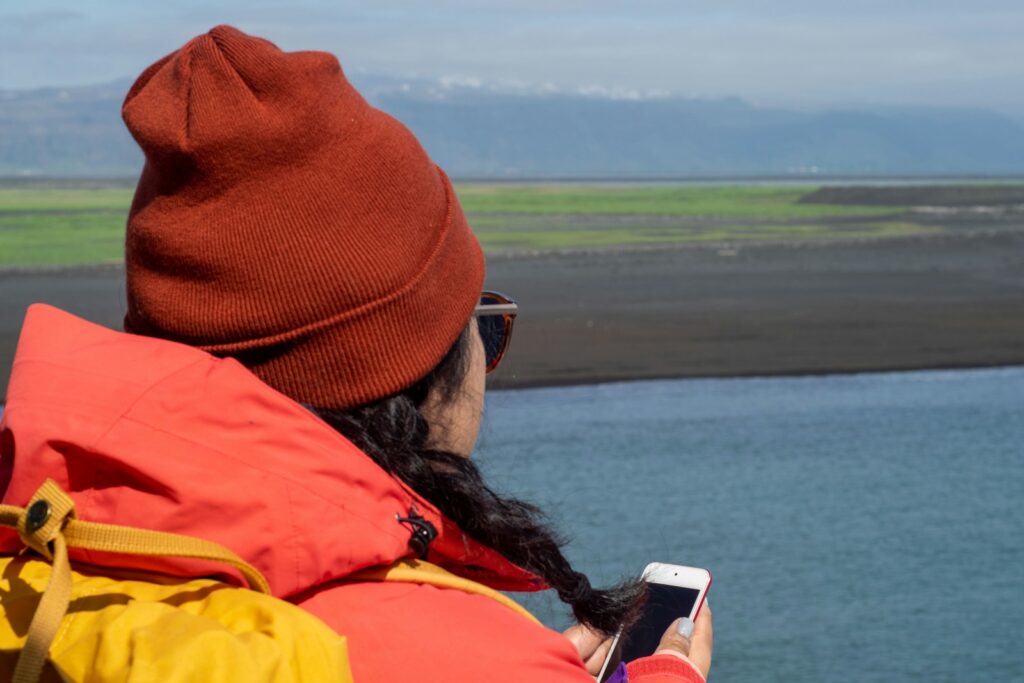
Never underestimate the importance of keeping others informed about your whereabouts when traveling alone. Before heading to any park, share your detailed itinerary with at least two trusted friends or family members, including your planned routes, estimated return time, and accommodation details. Consider using location-sharing apps that allow others to track your movements in real-time, especially in remote areas with sporadic cell service. Establish check-in protocols where you contact your trusted people at predetermined times, with clear instructions on what actions they should take if you miss a check-in. This simple practice creates a crucial safety net that can significantly reduce response time in emergency situations.
Time Your Visit Strategically
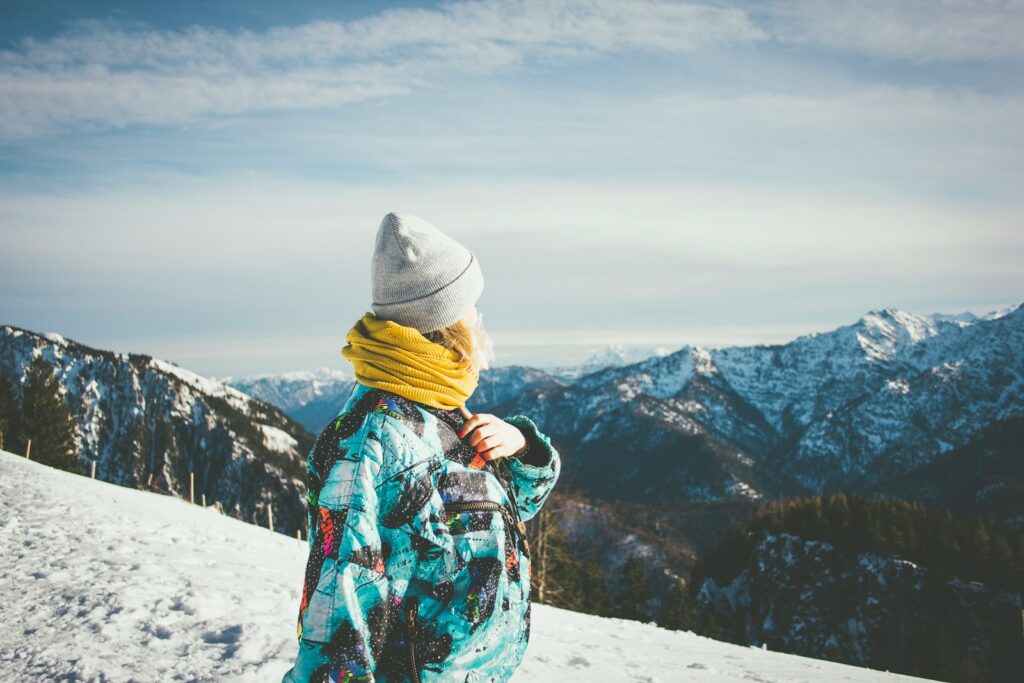
When and how you visit a park can significantly impact your safety as a solo female traveler. Generally, parks are safest during daylight hours when visitor traffic is highest, typically mid-morning to early afternoon. Plan your activities to avoid being in remote areas during early morning or evening hours when visibility is reduced and fewer people are around. If you’re visiting a popular tourist destination, consider arriving early to avoid crowds while still benefiting from daylight and the presence of park staff. For urban parks, research which sections are well-populated throughout the day and which areas might become isolated after certain hours. Strategic timing allows you to enjoy the tranquility of nature without unnecessarily increasing your vulnerability.
Invest in Proper Safety Equipment
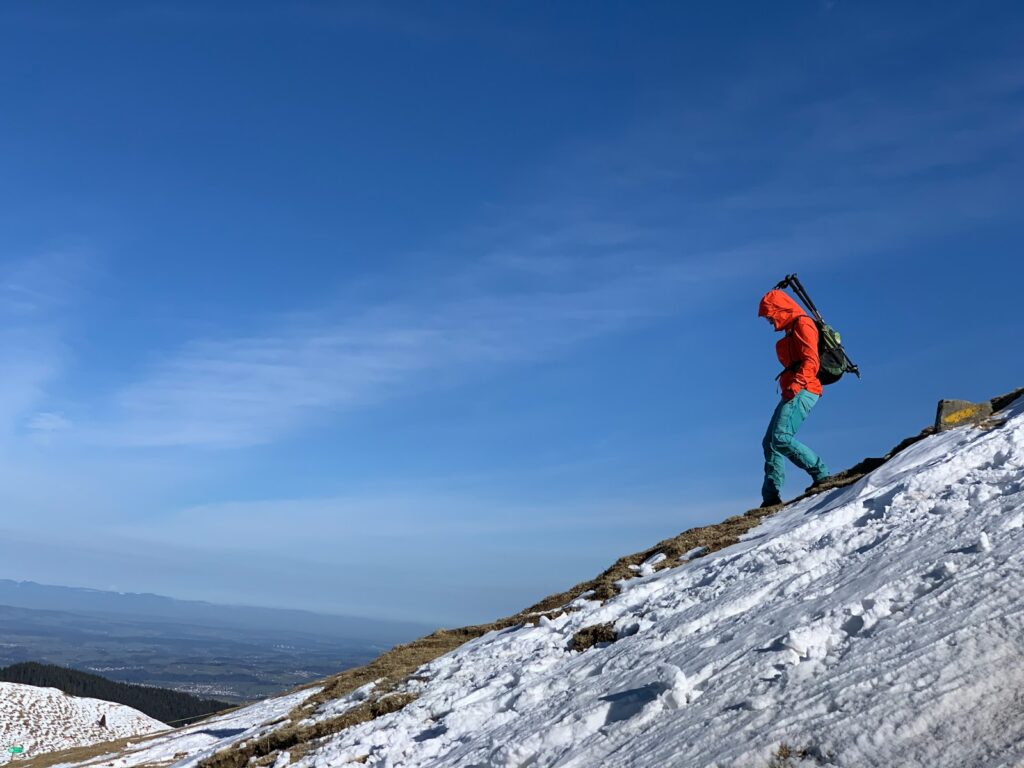
The right equipment can make a tremendous difference in your safety margin when exploring parks alone. Beyond basic hiking gear, consider carrying a whistle, which can be heard at much greater distances than your voice in emergency situations. A compact but powerful flashlight with extra batteries is essential even for day hikes in case you’re delayed. Personal safety alarms that emit loud sounds when activated can deter potential threats and attract attention when needed. For remote hiking, consider investing in a satellite communicator that allows emergency messaging outside of cell service areas. Proper safety equipment serves both as prevention against potential dangers and as crucial tools should an emergency arise.
Master Basic Navigation Skills
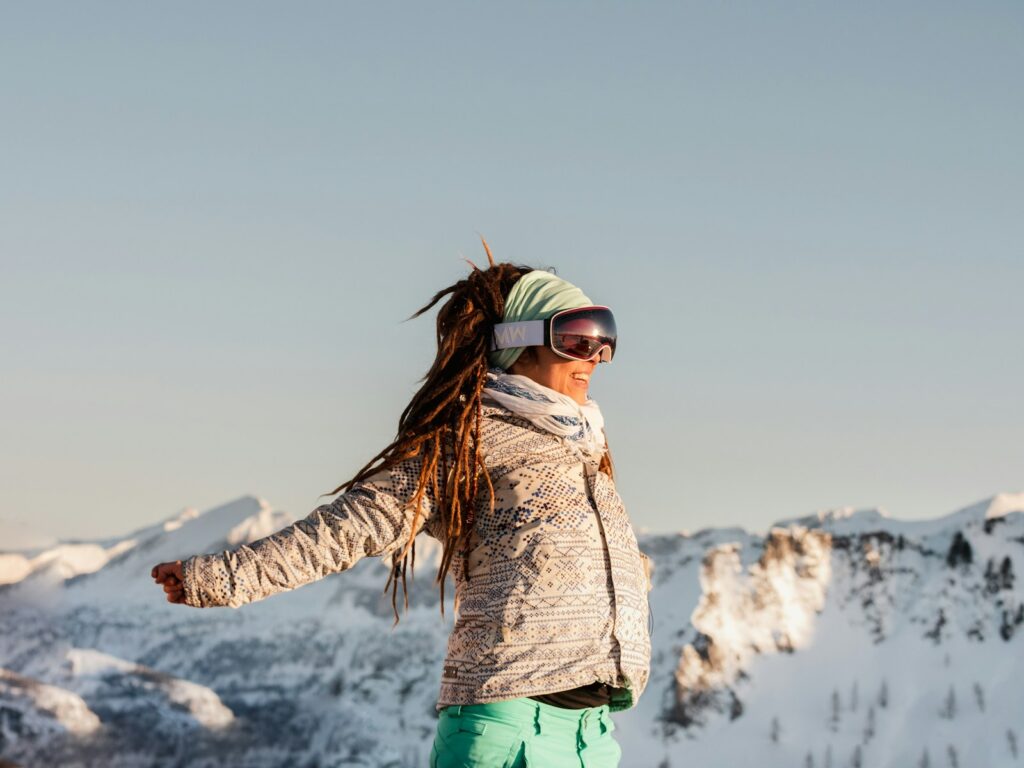
Becoming proficient in navigation reduces your vulnerability when exploring parks alone. While smartphone apps are convenient, they can fail due to battery issues or lack of signal, so always carry a physical map of the park and know how to read it correctly. Learn to use a compass and understand basic landmark orientation techniques that don’t rely on technology. Practice identifying trail markers and understanding how trail systems are typically structured in national or state parks. Take time to memorize key features of your route before setting out, creating mental markers that will help you maintain orientation. Strong navigation skills ensure you can confidently explore without the anxiety of becoming lost or disoriented.
Adopt Strategic Camping Practices

For overnight stays in parks, implementing strategic camping practices significantly enhances your security. When possible, choose established campgrounds with ranger presence rather than backcountry camping when traveling alone. Position your tent in visible areas near (but not too close to) other responsible campers or families rather than in isolated sections. Consider camping near the ranger station or camp host site for additional security. Familiarize yourself with the campground layout upon arrival, noting the location of bathroom facilities, emergency phones, and exit routes. These tactical camping decisions create multiple layers of security without diminishing the rewarding experience of sleeping under the stars.
Project Confident Body Language
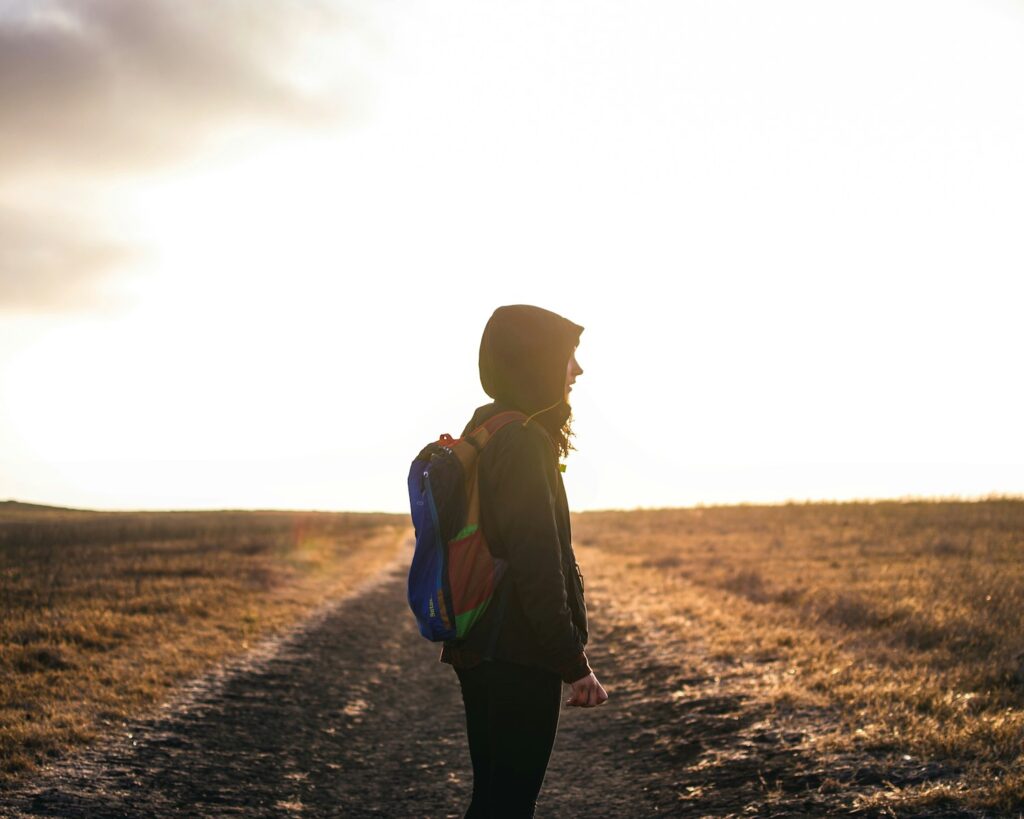
How you carry yourself in public spaces significantly influences how others perceive and interact with you. Practice walking with purpose, maintaining good posture, and projecting an alert, confident demeanor while exploring parks alone. Make brief but direct eye contact with people you pass on trails to acknowledge their presence while conveying self-assurance. Avoid appearing distracted by constantly checking your phone or seeming lost, as this can signal vulnerability to potential predators. If you feel uncomfortable in a situation, trust your instincts and confidently change direction or seek out other hikers or park staff. Projecting confidence through your body language often serves as an effective deterrent against those who might target individuals they perceive as easy victims.
Consider Safety-Focused Apparel
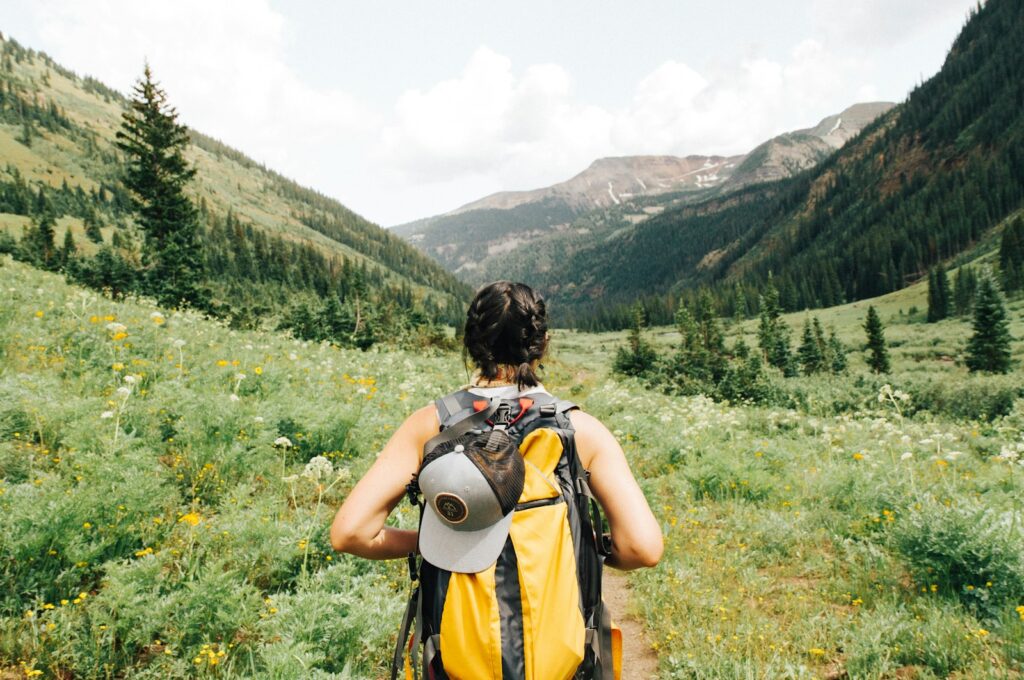
Your clothing choices can play a subtle but important role in your safety strategy as a solo female park visitor. Opt for functional attire that allows freedom of movement while also considering how your clothing might be perceived in different cultural contexts. In some regions, dressing more conservatively may reduce unwanted attention. Consider wearing a hat with a brim that provides both sun protection and partial face coverage when desired. Some female travelers choose to wear a simple wedding ring while traveling solo to deter unwanted advances. Specialized travel clothing with hidden pockets provides secure storage for valuables while reducing the appearance of carrying valuables. Strategic apparel choices enhance both comfort and security during your park adventures.
Use Technology Wisely
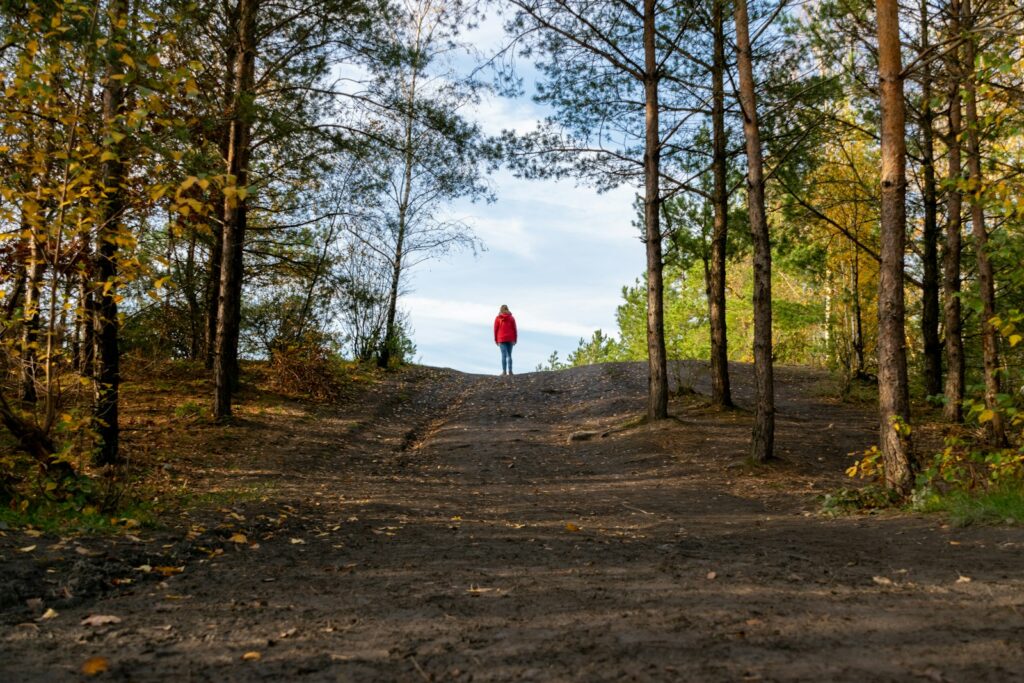
Modern technology offers powerful safety tools for solo female travelers, but requires thoughtful implementation. Download offline maps of your destination before arriving, ensuring navigation capability even without cell service. Consider apps specifically designed for female traveler safety that offer features like virtual companions for walking or emergency alerting capabilities. Portable power banks ensure your devices remain operational throughout your visit. However, balance technology use with situational awareness—avoid being visibly absorbed in your phone, which can make you appear distracted and vulnerable. When posting on social media, consider delaying posts about your location until after you’ve left that area to prevent revealing your real-time whereabouts to potential stalkers.
Learn Basic Self-Defense Techniques
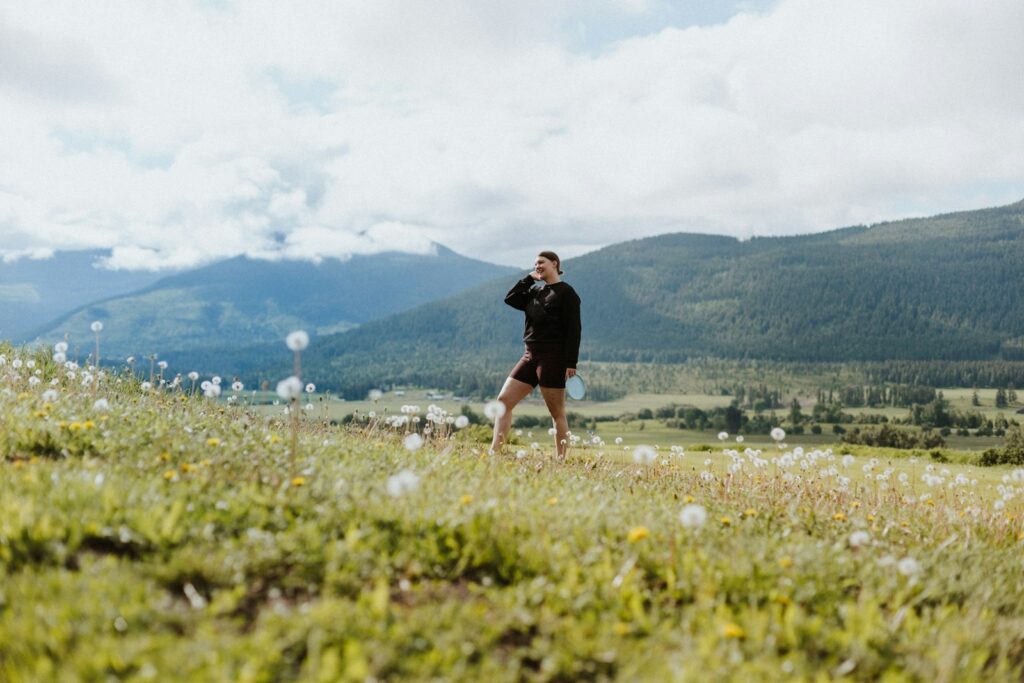
Equipping yourself with fundamental self-defense knowledge provides both practical skills and psychological confidence when traveling alone. Consider taking a women’s self-defense course before your trip that teaches techniques specifically designed for female body mechanics. Focus on learning simple but effective moves that create distance between you and a potential threat, allowing opportunity for escape rather than prolonged engagement. Practice awareness exercises that sharpen your ability to identify potential dangers before they escalate. Understanding the psychological aspects of confrontation, including using your voice effectively as a deterrent, adds crucial dimensions to physical techniques. These skills hopefully remain unused, but their presence in your travel toolkit provides meaningful reassurance.
Familiarize Yourself with Local Emergency Procedures
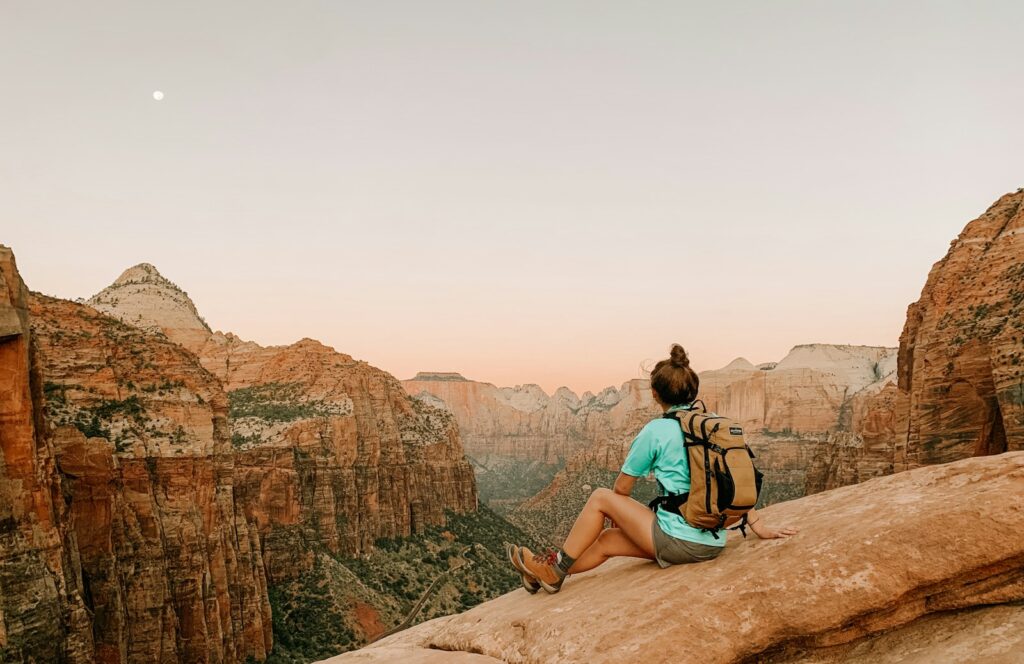
Understanding emergency protocols specific to your destination can dramatically improve outcomes during critical situations. Research the local emergency number before arrival, as it isn’t always 911 in international destinations. Learn basic emergency phrases in the local language if traveling to parks in non-English speaking regions. Identify the nearest medical facilities to your park destination and understand how emergency evacuations typically occur from remote areas of the park. Many parks have specific emergency meeting points or procedures that aren’t obvious to casual visitors. Taking time to understand these systems before an emergency occurs allows you to act decisively rather than waste precious time figuring out protocols during a crisis.
Trust Your Intuition Unconditionally
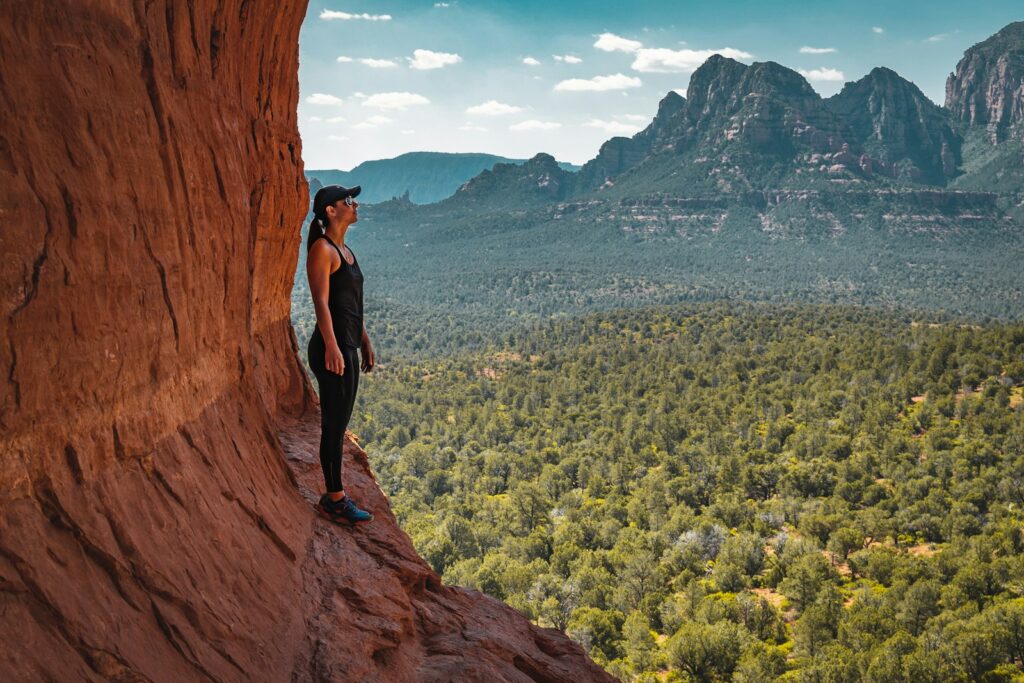
Perhaps the most powerful safety tool available to solo female travelers is their own intuition. Women often report experiencing strong gut feelings about potentially dangerous situations before any obvious threat manifests. Train yourself to acknowledge these intuitive signals without dismissing them as irrational or impolite. If a trail, camping area, or interaction with another visitor feels wrong despite no clear evidence of danger, honor that feeling by changing your plans immediately. Avoid rationalizing away discomfort or worrying about appearing rude by removing yourself from situations that trigger your internal alarm system. Your intuition processes thousands of subtle environmental cues that your conscious mind might not register, making it an invaluable early warning system when traveling alone.
Connect with Other Female Travelers
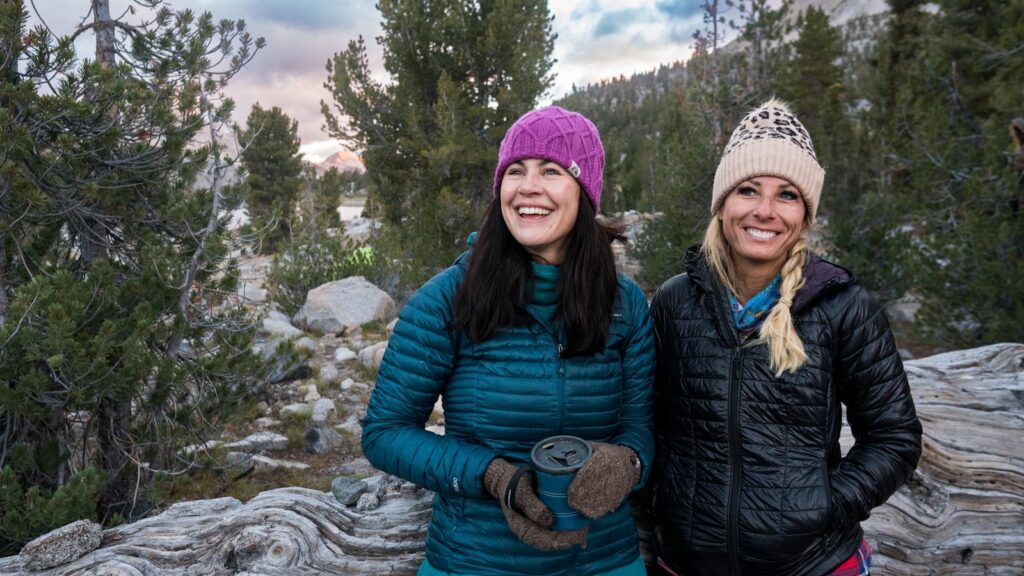
Building connections with fellow female travelers creates valuable support networks that enhance both safety and enjoyment of park experiences. Before your trip, join online communities specifically for women who travel solo to parks and wilderness areas, where you can gather current, gender-specific insights about your destination. Upon arrival, consider participating in ranger-led programs where you can naturally meet other visitors in a structured, safe environment. Some parks offer women-specific programs or hiking groups that provide both camaraderie and safety in numbers. These connections not only provide practical safety benefits but also offer opportunities to share experiences with others who understand the unique joys and challenges of exploring parks as a solo female traveler.
Prepare for Wildlife Encounters
Understanding how to safely navigate wildlife encounters is essential for any park visitor, but particularly important for those traveling alone. Research what wildlife species inhabit your destination park and learn the specific protocols for encounters with potentially dangerous animals like bears, mountain lions, or venomous snakes. Carry appropriate wildlife deterrents recommended for the region, such as bear spray in grizzly country. Learn to recognize animal tracks and signs that indicate recent wildlife activity in an area. Proper food storage techniques are crucial, as improper handling can attract dangerous wildlife to your camping area. Wildlife knowledge transforms potentially frightening encounters into respectful, fascinating observations from a safe distance.
Develop Wilderness First Aid Skills
Medical self-sufficiency becomes particularly important when exploring parks alone, where help may be distant. Consider taking a wilderness first aid course specifically designed for outdoor enthusiasts, which covers techniques appropriate for remote settings where professional medical care might be hours or days away. Assemble a comprehensive first aid kit tailored to your specific destination, including medications for personal conditions and treatments for region-specific concerns like altitude sickness or insect-borne diseases. Learn to recognize the early symptoms of serious outdoor medical emergencies like hypothermia, heat exhaustion, and dehydration. These skills provide crucial time advantages in emergency situations and foster the confidence to explore more remote areas knowing you can handle common medical situations.
While solo female travelers face unique challenges when exploring parks, these thoughtfully implemented safety strategies create a foundation for truly rewarding experiences. The key lies in balancing preparation with openness—taking reasonable precautions without allowing fear to overshadow the profound benefits of solo outdoor adventures. By researching thoroughly, communicating clearly, equipping yourself properly, and trusting your instincts, you create a safety framework that empowers rather than restricts your explorations. Remember that millions of women successfully navigate parks and natural areas alone each year, returning with transformative experiences and increased self-confidence. Your journey as a solo female park explorer connects you to this powerful community while offering the unique joy of experiencing nature’s wonders on your own terms, at your own pace.